Dark Web Domain of Genesis Market and Infrastructure Sold

0
[ad_1]

The apparent successful sale took place despite the FBI’s takedown and seizure of the clearnet domain and infrastructure of Genesis Market in April 2023.

The criminal group responsible for Genesis Market, a prominent Dark Web platform known for facilitating cyber fraud, announced that the platform has been sold to an anonymous buyer.

The sale comes several months after U.S. authorities disrupted the platform, seizing some of its domains and adding it to the sanctions list. The move raises concerns about the potential revival of illicit activities and the evolving nature of cybercrime.

As we previously reported, in late June, Genesis Market was advertised to be available for sale on a hacker forum along with its source code and database. The operators’ attempt to sell the marketplace was met with suspicion in the cybersecurity community with researchers speculating that the advertisements were likely part of an FBI honeypot operation

The news of Genesis Market’s sale emerged when an account named GenesisStore, which had previously associated itself with the platform’s administrators, posted an announcement on the Russian-language Exploit Forum.

According to The Record’s report, the post stated that a buyer had been found, and a deposit had been made, with the store set to be transferred to the new owner next month. Notably, the sale does not include current user accounts.

Earlier this year, the FBI-led operation successfully seized Genesis Market‘s clear web domains and made several arrests of individuals globally who had been involved in fraudulent activities through the platform.

The operation also led to the identification and location of the platform’s backend servers, resulting in the acquisition of valuable information about approximately 59,000 user accounts.

The sale of Genesis Market, despite its tarnished reputation, has raised eyebrows within the cybersecurity community. Some experts speculate that the operators themselves orchestrated the sale to facilitate rebranding and disconnect from the sanctioned entity. Doubts have been cast on the viability of the sale, given the platform’s diminished standing and the legal consequences that potential buyers might face.

Clearnet domain of Genesis Market Seized; Dark Web site remains online
The seized clearnet domain of the Genesis Market (Image: Hackread.com)

Law enforcement agencies worldwide are likely to closely monitor the developments surrounding the sale of Genesis Market, ensuring that any potential resurgence of criminal activities is promptly addressed which is another disadvantage the new buyer of the marketplace will have to face.

Nevertheless, the cybersecurity community remains vigilant in combating cybercrime and safeguarding the digital landscape and it would be far from it for them to let a defunct marketplace rise back into power.

  1. Seizure of EncroChat Enables Police Access to 115m chats
  2. What Are Dark Web Search Engines and How to Find Them?
  3. Russian Dark Net Markets Dominate the Global Illicit Drug Trade
  4. Military Satellite Access Sold on Russian Hacker Forum for $15k
  5. Raidforums Database Leak: Data of 460k Users Dumped Online

[ad_2]
Source link

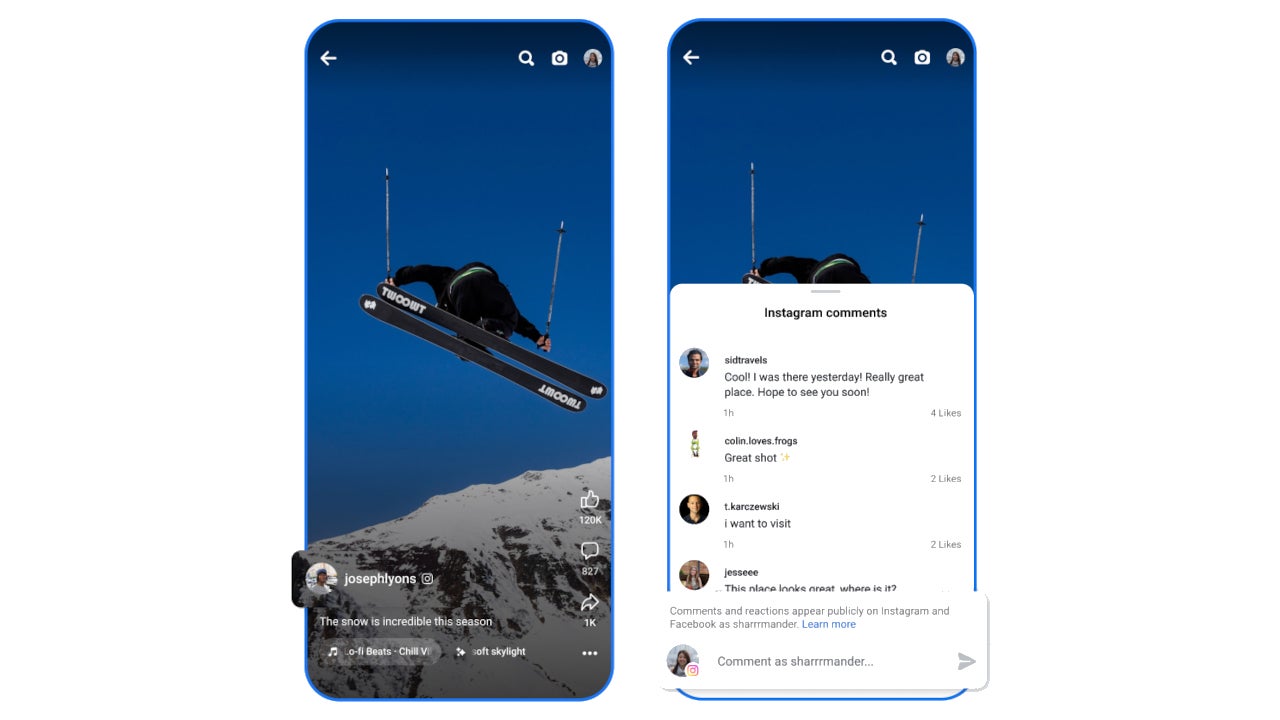
Leaked memo says DMs are coming sooner than expected to Threads

0
[ad_1]
Threads, the Twitter rival from Meta’s Instagram that appeared out of nowhere to wind up with 100 million subscribers after its first five days, is moving faster than expected to add a feature found on Twitter. Originally, Instagram CEO Adam Mosseri said that Direct Messaging for Threads would not be coming soon. Direct Messaging, or DMs, are messages sent privately from one subscriber to another subscriber on the same platform.
Now it appears that Threads might be offering DMs sooner than expected. Business Insider has obtained a leaked internal memo from Instagram saying that DMs would be “coming soon” to Threads along with some other features. While the report was blocked by a paywall, social media analyst Matt Navarra posted on Twitter (ironically) that the memo does mention new capabilities that are heading to Threads.
This is actually good news for Threads since adding DMs mean that anyone on the platform who wants to speak with another subscriber privately will be able to do so without leaving Threads and heading to another social media app. What made Threads decide to move up the timeline for DMs? There is speculation that important Threads creators got the ear of Instagram executives and stressed the importance of launching it for the platform ahead of other features.

Instagram CEO Mosseri also said that improved search, trends, and topics are also coming soon for Threads. In addition, Threads has promised support for multiple accounts, a feed in chronological order that would show only people you know, support for hashtags, and the ability to edit posts. Subscribers also want the option of deleting their accounts without having to delete their Instagram account. And eventually, once Threads becomes more than just a flash-in-the-pan, you’ll see Instagram look to monetize the platform by selling ads.

Threads is off to a good start putting pressure on Elon Musk and his team to attract more advertisers and turn Twitter cash flow positive. As for Threads, we don’t know when DMs and all of the other aforementioned features will come to the site but for those who are backing it, these additions can’t come soon enough. And it seems that Instagram’s Mosseri is smart enough to understand that he can turn the heat up on Twitter by launching these features earlier than expected.

[ad_2]
Source link

Delete these two ex-Google Play Store apps now as they send user data to China

0
[ad_1]

Even though Google Play Protect scans apps in the Play Store before you install them to make sure the apps you’re adding to your phone are free of any malware. It also scans your phone to make sure that apps you sideloaded (installed from a third-party app storefront) didn’t infect your Android handset. However, there are other ways besides offering malware-laden apps to steal your personal data.

Two Play Store apps with 1.5 million installs lied about not collecting user data

According to security firm Pradeo (via BleepingComputer), two apps from the Play Store that have been installed more than 1.5 million times, collected more user data than needed to allow the apps to do the jobs they were supposed to do. The two apps came from the same developer, wang tom. One of the titles is “File Recovery and Data Recovery,” which shows up as “com.spot.music.filedate” on devices and was installed at least 1 million times. The other app, installed at least 500,000 times, is titled “File Manager and shows up on devices as “com.file.box.master.gkd.”

The two apps were discovered by Pradeo and their listings in the Play Store say that they do not collect any user data, which was an out-and-out lie. The apps also violated the EU’s General Data Protection Regulation (GDPR) by stating that any personal data collected by the app could not be deleted. The security firm found that personal data was stolen by the apps and sent to China. The data stolen includes:


  • Users’ contact lists from the device itself and from all connected accounts such as email, social networks.
  • Media compiled in the application: Pictures, audio and video contents.
  • Real time user location.
  • Mobile country code.
  • Network provider name.
  • Network code of the SIM provider.
  • Operating system version number, which can lead to vulnerable system exploit like the Pegasus spyware did.

To make sure that the malicious apps were launched, the extra permissions that the apps received allowed them to force a device to restart. When the phone restarted, the apps launched and were able to do their malicious tasks even without user interaction. Both apps also hid their icons from the home screen making them almost impossible to delete from an infected device.

In a statement, Google confirmed that the two apps have been deleted from the Play Store and said, “These apps have been removed from Google Play. Google Play Protect protects users from apps known to contain this malware on Android devices with Google Play Services, even when those apps come from other sources outside of Play.” Even though Google did remove the apps from the Play Store, if they are still on your device they can still cause trouble. Delete them immediately!

Security firm Pradeo lists some recommendations

Pradeo did make some recommendations, some of which we have discussed with you before:

  • Do not download applications that do not have any reviews while thousands of users.
  • Read reviews when there are any, they usually reflect the application’s true nature.
  • Always carefully read permissions before accepting them.

Here are some more tips that we’ve learned over the years. If running a certain app makes your phone run hot or drains your battery, it’s a good bet that the app is compromised. A rogue app with adware could be playing ads in the background to run up revenue.

And we really agree with Pradeo’s hint to “Read reviews when there are any, they usually reflect the application’s true nature.” We’ve said that for years. If any red flags pop up in the review of an app, don’t install it, keep going, and never look back. The simple rule is that you should look at the reviews for an app from a developer that you’ve never heard of. And even then, if you’re unsure, Google the name of the app and see what comes up.


[ad_2]
Source link

Musk says a 50% drop in ad revenue for Twitter is causing negative cash flow

0
[ad_1]

The bad news keeps piling on for Twitter owner Elon Musk. His $44 billion investment in Twitter is just not working out yet and Mark Zuckerberg’s Meta is signing up subscribers for newly minted Twitter rival Threads at a rapid pace. Threads has a huge advantage because of Thread’s Instagram integration. New Threads subscribers must have an Instagram account to join; Instagram has over 1 billion monthly active users  and a large number of that platform’s subscribers will open a Threads account, a process that is quick and easy to do.

Today, Musk revealed some more bad news in the form of a tweet that said, “We’re still negative cash flow, due to ~50% drop in advertising revenue plus heavy debt load. Need to reach positive cash flow before we have the luxury of anything else.” Negative cash flow means exactly what it sounds like. More cash is leaving the business than is coming into it. On the other hand, he also said yesterday that it “Looks like this platform may see all-time high device user seconds usage this week.”

Advertisers might not be happy with the mess that Musk has created at Twitter as he monetized verification checkmarks and kept reversing company policy. He also put a cap on the number of tweets users can read in a day only to raise that cap hours later. It is this kind of instability at Twitter that has advertisers pulling back. Back in April, Musk said that advertisers were coming back and that cash flow would soon turn positive. So far, it hasn’t. At the time, Musk said, “Almost all of them have either come back or said they’re coming back.”

According to app research firm Sensor Tower, during a two-month period earlier this year, Twitter’s advertising revenue plunged by 89% to $7.6 million. Compare that figure to the $71 million that the top ten Twitter advertisers spent on ads from September to October of last year just before Musk’s acquisition of the platform.

[ad_2]
Source link

Fake GitHub Repos Caught Dropping Malware as PoCs AGAIN!

0
[ad_1]

The backdoor dropped in the scam had the ability to exfiltrate a wide range of data, including the hostname, username, and a comprehensive list of home directory contents.

Cybersecurity researchers have uncovered a deceptive trend within the security community—a proof of concept (PoC) repository on GitHub that appears to address vulnerabilities but actually contains a hidden backdoor. The discovery by the Uptycs threat research team has raised concerns among the security research community.

PoCs are typically used by researchers to identify potential vulnerabilities through harmless testing. However, this malicious PoC operates as a downloader, disguising its activities as a kernel-level process while silently executing a Linux bash script. 

The backdoor has the ability to exfiltrate a wide range of data, including the hostname, username, and a comprehensive list of home directory contents. Moreover, by adding their SSH key to the authorized_keys file, an attacker can achieve full control over a targeted system.

Fake GitHub Repos Caught Dropping Malware as PoCs AGAIN!
One of the fake profiles on GitHub that was used in spreading malicious PoCs (Image credit: Uptycs)

Here, Hackread.com can exclusively confirm that the image used in the above GitHub profile belongs to Shahriyar Hamid oghlu Mammadyarov, known internationally as Shakhriyar Mamedyarov, who is an Azerbaijani chess grandmaster. The profile image was stolen from a blog post and a YouTube video published by the popular Chess-related YouTube channel, ChessBase India.

The backdoor was discovered during the testing of PoCs for various Common Vulnerabilities and Exposures (CVEs) when the Uptycs team encountered a PoC claiming to address the critical vulnerability CVE-2023-35829. However, they detected several unusual activities that raised suspicions about the PoC’s legitimacy.

The suspicious behaviours encompassed unexpected network connections, abnormal data transfers, and unauthorized attempts to access the system. Further investigation revealed the significance of the “aclocal.m4” file, which required additional analysis.

The primary function of the binary file contains an interesting string, “kworker,” which plays a crucial role in the deception. The code checks if the binary is named “kworker” and performs specific actions accordingly, establishing backdoor persistence through file manipulation.

In their report, Nischay Hegde and Siddartha Malladi of the Uptycs Threat Research team wrote that the PoC used forking to create a new process, obscuring the original command line parameters. The parent process then executes the “curl_func()” function, which downloads a URL containing a bash script. The script is executed if the curl request succeeds.

The fake PoC is a copy of a legitimate exploit for another Linux kernel vulnerability, CVE-2022-34918. It creates the illusion of being a root shell, exploiting differences in user namespaces to deceive users. However, the granted privileges are limited to the “/bin/bash” shell within a specific namespace.

Fake GitHub Repos Caught Dropping Malware as PoCs AGAIN!
Fake PocC (left) – Original PoC (right) – (Image credit: Uptycs)

Using Uptycs Extended Detection and Response (XDR), the binary’s behaviour was identified primarily as a downloader. It retrieves a script from a remote source and executes it on the compromised system. The downloaded script accesses the “/etc/passwd” file and modifies the “~/.ssh/authorized_keys” file to grant unauthorized access and exfiltrates data using a specific URL.

This incident is not isolated; just last month, it was reported that several fake accounts on GitHub and Twitter were spreading malware in malicious PoC that infected both Windows- and Linux-based systems.

At the time of writing, ChriSander22’s repositories were taken down. Although the malicious PoC has also been removed from GitHub, it was widely shared, resulting in significant engagement before its true nature was exposed. Those who executed the PoC are at high risk of data compromise.

Therefore, it is crucial to take immediate action, including removing unauthorized SSH keys, deleting the “kworker” file, removing the kworker path from the “bashrc” file, and checking for potential threats in “/tmp/.iCE-unix.pid.”

Malicious Repositories

  • https://github.com/apkc/CVE-2023-35829-poc
  • https://github.com/ChriSanders22/CVE-2023-20871-poc/
  • https://github.com/ChriSanders22/CVE-2023-35829-poc/ (archive link)

Differentiating between legitimate and malicious PoCs can be challenging and security researchers are encouraged to adopt safe practices, such as conducting testing in isolated environments like virtual machines, to enhance protection against these evolving cybersecurity risks.

  1. Crooks Targeting LinkedIn Users with Fake Profiles
  2. AI-Generated Images Used to Represent a Fake Law Firm
  3. Fake Facebook Profiles, Google Ads Pushing Sys01 Stealer
  4. Fake LinkedIn Job Offer Scam Hacked Off $625M from Axie Infinity
  5. Hackers Setup Fake Cyber Security Firm to Target InfoSec Experts

[ad_2]
Source link

Lazarus APT Group Hijack Windows IIS Servers

0
[ad_1]

Threat actors always search for vulnerable devices and networks to gain illicit access and perform malicious activities to accomplish their goals.

The APT group, Lazarus, as an initial breach path actively targeting the Microsoft Internet Information Services (IIS) servers.

Cybersecurity researchers at AhnLab Security Emergency Response Center (ASEC) recently confirmed that operators of the Lazarus group targeted the vulnerable Windows servers to use them as a malicious code distribution server.

Lazarus group employs watering hole attacks, manipulating domestic websites, and exploiting INISAFE CrossWeb EX V6 vulnerabilities for malware distribution.

Despite the patched INITECH vulnerability, recent exploits persist, leveraging compromised IIS servers for distribution of the malware.

Lazarus’ Attacking IIS server

Lazarus’ attack on the IIS server was highlighted in May 2023, revealing exploitation of insecure web servers and attempted lateral movement via RDP.

Attackers exploit vulnerable web servers, installing web shells or executing malicious commands, leveraging matching vulnerabilities for unauthorized actions that are performed by w3wp.exe, an IIS web server process.

Malicious code generated by the IIS web server (Source – AhnLab)

While the IIS web server process, w3wp(.)exe spawns usopriv.exe, a Themida-packed JuicyPotato malware responsible for privilege escalation, one among multiple Potato-based malicious codes.

JuicyPotato (Source – AhnLab)

Attacker-controlled web shells or dictionary attacks lack sufficient privileges to execute desired malicious actions within w3wp.exe, and similar limitations apply to the MS-SQL server’s sqlservr.exe process.

However, threat actors use privilege escalation malware often to overcome this obstacle. Here below, we have mentioned all the commands that are executed by the threat actors using JuicyPotato:-

%SystemRoot%\system32\cmd.exe /c whoami > c:\programdata
%SystemRoot%\system32\cmd.exe /c whoami > c:\programdata\nueio.txt
%SystemRoot%\system32\cmd.exe /c rundll32 c:\programdata\usoshered.dat ,usoprivfunc 4729858204985024133
%SystemRoot%\system32\cmd.exe /c del c:\programdata\nueio.txt
%SystemRoot%\system32\cmd.exe /c whoami > c:\users\%ASD%\desktop\ngc\test.txt

The attacker utilized JuicyPotato to execute Loader malware, employing rundll32 with a random string argument to execute the DLL-formatted payload.

Loader decodes data file name to obtain ‘{20D1BF68-64EE-489D-9229-95FEFE5F12A4}’, confirming its presence in multiple paths.

An unsecured file in the relevant path confirms Loader malware, decrypting and executing encoded data file in memory.

Name of the decrypted data file (Source – AhnLab)

Lazarus group combines Loader malware with encrypted data files, decoding and executing them in memory.

While specific data files remain unverified, past cases indicate the final executed malware is typically a downloader or backdoor.

The attacker exploited the INISAFE vulnerability to install “SCSKAppLink.dll” as additional malicious code, with the IIS web server serving as the download source. 

INISAFE vulnerability (Source – AhnLab)

Though it’s not confirmed, “SCSKAppLink.dll” appears similar to Lazarus Attack Group’s previous malicious code exploiting the INITECH process, functioning as a downloader, and enabling remote control through the installation of specified malware.

Lazarus is one of the highly sophisticated APT groups that use several types of stealthy attack vectors.

Security analysts urged users to remain vigilant and deploy an up-to-date patch management system.

IOC

MD5

– 280152dfeb6d3123789138c0a396f30d : JuicyPotato (usopriv.exe)
– d0572a2dd4da042f1c64b542e24549d9 : Loader (usoshered.dat)

[ad_2]
Source link

Dark Web Secrets – Mystery Behind the Anonymous World

0
[ad_1]
dark web secrets

Dark Web Secrets: Have you ever wondered about the mysterious parts of the internet? Welcome to the dark web.

This uncharted digital territory, inaccessible through regular search engines, is notorious for its association with illegal activities, like drug trafficking, firearm sales, and stolen data trading.

How did this underworld come to be, and what risks does it pose to you and your business?

Take a journey into the shadows of the dark web, where anonymity rules and practically anything is for sale.

Dark Web Secrets

Where did all of this Begin?

The origins of the technologies that enable the dark web, such as the Tor network, are surrounded by a veil of secrecy.

It appears that a diverse range of individuals and groups, both working independently and potentially together, contributed to its creation. While the exact motivations behind its inception remain unclear, it is believed that the creators aimed to provide a means for people to interact and share information anonymously, allowing them to evade government surveillance and restrictions.

Interestingly, the US military initially utilized the dark web in 1995 as a secure channel for transmitting sensitive information.

Over time, this technology became accessible to the public through Tor, enabling regular individuals to bypass censorship and browse the internet with anonymity. However, the true origins and purpose of the dark web still remain somewhat enigmatic.

So how do the dark web secrets keep under mystery?

The answer lies in the Tor (The Onion Router) network, which utilizes multiple layers of encryption to protect transmitted data.

Dark Web Secrets

Operating on the outskirts of the internet, it forms the foundation of the dark web—a collection of concealed websites that cannot be accessed through regular browsers and remains un-indexed by search engines like Google.

What makes it scary

The dark web operates without a central authority and is commonly associated with illegal activities.

The dark web’s anonymity makes it challenging to verify users’ identities, increasing the risk of scams and deception.

According to the Privacy Affairs Dark Web Price Index, it is possible for a thief to purchase enough personal data to assume someone’s identity for around $1,000.

The anonymity provided by the dark web makes it difficult to verify the identity of other users, increasing the risk of falling victim to scams or deception.

Therefore, it is essential to exercise caution and be mindful of the potential risks and dangers associated with the Dark Web Secrets.

The dark web and it’s perils: How does it affect enterprises?

You must be wondering why any legitimate, legally functioning business (such as yours) would be using the dark web. Unless you’re planning to trade illicit tools and services or stolen data, why on earth would your organization be even remotely affected by what happens in the dark web?

While it might seem like all you have to do is avoid ever visiting it, unfortunately, whether you frequent the Dark Web Secrets or not won’t determine if your organization’s data ends up on it. The dark web is home to “25.9 million breached Fortune 1000 business accounts and 543 million compromised employee credentials,” according to recent reports.

So what’s the major reason that enterprise data ends up on the dark web? Actually, there are a lot reasons:

  1. Insider threats: Internal individuals with access to sensitive information pose a risk when they have malicious intent to exploit it for personal gain on the dark web.
  2. Phishing attacks: Cybercriminals employ deceptive tactics to trick unsuspecting individuals into revealing their confidential information, which is often sold on the dark web.
  3. Software vulnerabilities: Knowledge about security loopholes and weaknesses in software are valuable commodities on the dark web, enabling hackers to exploit them for malicious purposes.
  4. Ransomware incidents: Malicious software encrypts valuable data, holding it hostage until a ransom is paid, with the dark web serving as a platform for ransom negotiations and transactions.
  5. Financial fraud tools: Fraudulent details, such as stolen credit card details and compromised accounts, are sold on the dark web, enabling financial fraud targeting individuals and enterprises alike.
  6. Fake credentials: False identification documents, counterfeit certifications, and forged qualifications can be obtained on the dark web, facilitating identity fraud within enterprises.
  7. Compromised employee accounts: Breached employee credentials are sold on the dark web, granting unauthorized access to enterprise systems and potentially compromising sensitive data.
  8. Targeted attacks: Covert and focused attacks are orchestrated on the dark web, leveraging its anonymity and resources to target specific individuals or organizations.
  9. Lack of cyber ethics: The dark web fosters a community where ethical boundaries are disregarded, enabling and promoting illicit activities with minimal consequences.

Breached data often ends up on dark web marketplaces

Dark web markets are popular sites to trade and acquire sensitive corporate data.

Employee and customer data—including personally identifiable information (PII), business credit cards and financial details, emails and passwords, company announcements that might affect stock value, and other data—can be purchased and sold.

It’s not unusual for private company data to end up on these platforms.

SpyCloud’s 2021 Breach Exposure of the Fortune 1000 research discovered 543 million breach assets on the dark web related to Fortune 1000 workers along with over 26 million plaintext passwords.

If you own a small business, it’s easy to think you’re not a target for hackers attempting to extort money from you or disrupt your operations.

However, smaller organizations may have fewer means to preserve and retrieve stolen data, or to protect themselves from assaults, making them more appealing targets for thieves aiming for a fast victory.

And assuming that you aren’t a target will simply leave you unprepared if you do fall victim to an attack.

You’re best bet is to assume that you are always a target, regardless of the size of your organization or the industry in which you operate, and take the required precautions to mitigate the harm that an attack can inflict.

Forewarned is forearmed: Some preventative measures for enterprises

In today’s digital landscape, businesses must be proactive in protecting themselves against evolving threats.

A crucial aspect is the need for a security solution that acts as a defense mechanism against potential breaches.

These solutions encompass various components such as firewall systems, intrusion detection and prevention systems, and encryption tools. Together, they form a comprehensive shield to safeguard networks, systems, and sensitive information from unauthorized access and malicious activities.

Endpoint Central, a vital element of a strong defense strategy, focuses on securing individual devices like laptops, desktops, and mobile devices.

It offers a range of capabilities, including application control, device control, ransomware protection, data loss prevention, browser security, vulnerability management, and patch management.

These features work together to ensure that endpoints are protected by deploying a combination of proactive and reactive tools.

Centralized management platforms like Endpoint Central play a crucial role in simplifying endpoint security management.

They provide a centralized interface for monitoring and managing endpoints across the organization.

With Endpoint Central, businesses can enforce security policies, monitor for potential threats in real-time, manage software vulnerabilities, and apply patches to ensure endpoints are up-to-date and protected.

Safe guard your digital presence with confidence, With Endpoint Central as your guardian, you can protect your data, applications, and business from the dangers lurking in the darkest corners of the internet.


[ad_2]
Source link

AI and the Public Figures Driving Crypto Trading to New Heights

0
[ad_1]

In the world of cryptocurrency trading, the convergence of artificial intelligence (AI) and influential public figures has sparked a revolution. From AI-driven decisions to using bots and staking crypto, the new possibilities for trading seem endless.

By staking crypto, individuals contribute to the network’s security and functionality. The staked coins serve as a guarantee of their commitment to maintaining the integrity of the blockchain. In return for staking their coins, participants are rewarded with additional cryptocurrency, often in proportion to the amount they have staked.

Come with us as we check out the role of AI in enhancing crypto trading and how it is shining the spotlight on the public figures driving this transformative wave.

The Visionaries: Elon Musk and the Potential of AI in Crypto

Elon Musk, renowned for his visionary outlook, has recognized the potential of AI to revolutionize crypto trading. With his relentless pursuit of innovation, Musk envisions AI as a transformative force that can optimize trading strategies and fuel innovation in the market. His forward-thinking perspective has fueled curiosity and excitement about the intersection of AI and cryptocurrency.

Chamath Palihapitiya: AI-Driven Decision-Making for Smarter Trading

Chamath Palihapitiya, a prominent public figure in the crypto space has embraced the potential of AI for making data-driven predictions and smarter trading decisions. By leveraging AI’s analytical capabilities, Palihapitiya harnesses insights from historical trading data, market trends, and social media sentiments. This empowers him to navigate the crypto market with increased precision, improving his trading strategies and maximizing gains.

Mike Novogratz: Streamlining Trading with AI-Powered Bots

Mike Novogratz, an experienced investor and founder of Galaxy Digital, has recognized the efficiency and effectiveness that AI-powered trading bots bring to the table. These automated systems execute trades with precision, streamlining processes and freeing traders to focus on strategic decisions. Novogratz’s belief in the power of AI has reshaped the landscape of crypto trading, making it more accessible and efficient.

Andreas Antonopoulos: The Role of AI in Risk Management and Security

Andreas Antonopoulos, a well-known cryptocurrency advocate, emphasizes AI’s crucial role in managing risk and security within the crypto domain. AI algorithms monitor transactions, detect anomalies, and enforce regulatory compliance, making the trading environment safer and more transparent. Antonopoulos champions the potential of AI to safeguard the assets of traders, mitigate risks, and foster trust in the crypto ecosystem.

Blythe Masters: Personalized Trading Strategies Driven by AI

Blythe Masters, a former Wall Street executive turned blockchain advocate, recognizes AI’s potential in crafting personalized trading strategies. By analyzing user behavior and historical data, AI algorithms are able to generate tailored trading recommendations and strategies. This approach democratizes access to personalized trading approaches, empowering traders to make decisions aligned with their goals and risk tolerance.

Hester Peirce: AI’s Impact on Transparency and Compliance

Hester Peirce, a commissioner at the U.S. Securities and Exchange Commission (SEC), emphasizes AI’s potential to promote transparency and regulatory compliance in the crypto market. AI’s ability to identify suspicious activities, monitor transactions, and enforce regulatory requirements bolsters the legitimacy of the crypto ecosystem. Peirce’s recognition of AI’s impact drives industry-wide efforts to create a secure and compliant trading environment.

Driving Innovation Forward: AI and Public Figures Shaping the Future of Crypto Trading

The collaboration between AI and public figures is shaping the future of crypto trading. Their collective vision, expertise, and drive for technological advancement are propelling the industry toward new heights of success. As AI technology continues to evolve, its impact on crypto trading becomes increasingly profound. Through advanced analytics, risk management, personalized strategies, and regulatory compliance, AI is unlocking new possibilities and reshaping the landscape of crypto trading.

From Elon Musk’s visionary outlook to the analytical prowess of Chamath Palihapitiya, Mike Novogratz’s streamlined approach, Andreas Antonopoulos’s emphasis on risk management, Blythe Masters’s personalized strategies, and Hester Peirce’s focus on transparency and compliance, these public figures are leading the charge in revolutionizing the crypto industry.

Through the visionary outlook and expertise of public figures, AI is driving transformative change in the crypto landscape. This dynamic partnership combines advanced analytics, risk management, personalized strategies, and regulatory compliance to unlock new possibilities and reshape the future of crypto trading. The crypto industry is propelled toward unprecedented growth and innovation, creating a thrilling environment where intelligent technologies and human brilliance converge.


[ad_2]
Source link

Android 13 Update: New Features and More!

0
[ad_1]

Google’s Pixel 7 and Pixel 7 Pro, along with every other top-tier smartphone, have had access to Android 13 since its initial release in August 2022. Even though the major update has been made public, Google isn’t done with Android 13 yet.

The Pixel smartphones continue to receive new features every three months, with some of those features eventually making their way to other Android devices via monthly security patches. Even if Android 14 and its beta program are the most up-to-date and cutting-edge options, you should familiarize yourself with Android 13 and its most recent Feature Drops before upgrading your phone.

You may want to skip our section on the best new features in Android 13 if you have already updated to Google’s 2022 operating system for your phone.

Quick Overview Of Android 13

In February 2022, Google released the first Android 13 developer preview in preparation for the stable release, giving us our first look at the upcoming operating system. In May 2022, the first Android 13 beta was made available to anyone who dared flash beta firmware on their Pixel phone. The business then concentrated on fixing any remaining bugs in preparation for the software’s release in August 2022.

Every year, similar to the system updates of Outplayed, almost all aspects of technology upgrade too. Google’s Pixel phones get the newest version of Android first. However, some of the company’s older phones were discontinued as usual. The Pixel 4 and 4a are the last devices to receive security patches and software updates for Android until October 2022 and August 2023, respectively.

Due to the early availability of the first developer preview in February, it was widely anticipated that Android 13 would be released sooner than other recent Android releases. On August 15, 2022, we can expect to see the release.

Pixel Feature Drop updates

There are many changes, both large and small, in Android 13. This is why we have created this comprehensive changelog, starting with the Android Pixel Feature Drop on March 13, 2023. Android 13 QPR3 is the third beta release in the company’s ongoing development of the June 2023 Feature Drop.

New Upgrades in Android 13’s Pixel Feature Drop

Recently, though, Google has broken this unspoken norm by not always issuing security updates and Pixel Feature Drops on the first of the month. A week later than normal, on June 13, 2023, the June Pixel Feature Drop was released. However, the new release includes numerous improvements, many of which have already appeared in the beta versions of Android 14 Beta 3 and Android 13 QPR.

Google Assistant’s Emergency Sharing and Improved Road Safety

As of the June Feature Drop, you can launch an immediate sharing session with the help of Google Assistant. When you’re in a dangerous situation, like going for a run at night, you can activate the Pixel’s emergency sharing feature to notify predefined emergency contacts on your behalf unless you manually check-in.

Google is also working to make roads safer. In the event of a severe car accident, Google Pixel phones can already detect it and immediately contact emergency services on your behalf if you are unresponsive. Along with your location, the June Feature Drop also broadcasts your call status to those you’ve designated as emergency contacts.

Camera improvements for Pixel phones

Some updated camera features were included in June’s Feature Drop. A gesture-controlled timer is available on the Google Pixel 6 and later. When taking a self-portrait with a three- or ten-second timer, you can trigger the timer by raising your palm. This makes it easier to take a hands-free selfie, as you can adjust your position without worrying about the timer starting before you’re ready.

Google is also working to make roads safer. In the event of a severe car accident, Google Pixel phones can already detect it and immediately contact emergency services on your behalf if you are unresponsive. Along with your location, the June Feature Drop also broadcasts your call status to those you’ve designated as emergency contacts.

Improved quick access to smart home controls

The lock screen and notification shade on Pixel phones have had quick access to smart home features for some time now. These hooks provide access to a much more basic interface than what you’d get from an app like Google Home. With the June Feature Drop, Google is making significant changes to the interface, bringing it mostly in line with the new look and feel of the Google Home app.

Safer PIN entry screen

Your Google account can be accessed through your device’s PIN, so it’s important to keep it safe at all times. Thanks to a new security feature from Google, shoulder surfers will have a more difficult time accessing your lock screen before stealing your phone. The new option in Security & Privacy → Device Unlock, named the Enhanced PIN privacy feature of the device, unlocks both the entered PIN and the button-press animations. Although you should still exercise caution when entering your PIN in a public place, this makes it more difficult to see at a glance.

Better haptics and better charging

Google has a solution for people in this predicament. The Adaptive alert vibration toggle can be found in the two phones’ system settings under the headings Sound and Vibration and Vibration and Haptics. The feature’s description provides exhaustive detail regarding While the phone is stationary with the screen up, the vibration intensity is lowered. As a result, your phone’s volume will be lower than usual in this setup.

All Pixel devices that can use adaptive charging will soon receive updates. To better predict how long it takes you to charge your phone on average, Google claims to have improved the AI that powers this feature. After about an hour, the AI has finished charging your phone, and you can remove the cord.

New Google Recorder capabilities

You might want to be able to distribute your voice recordings in a tidy package, especially since Google Recorder is more commonly used as a tool for memos than for long-term interview recordings.

The June Feature Drop from Google allows for this to happen. With the latest update to Recorder, you can now export your notes as a video, complete with speaker labels. The transcript can now be exported to Google Docs and searched for speaker labels. Even though Google Recorder isn’t technically an Android update, the company announced it alongside the Feature Drop so we couldn’t leave it out.


[ad_2]
Source link

Revolutionizing the Way We Experience Technology

0
[ad_1]

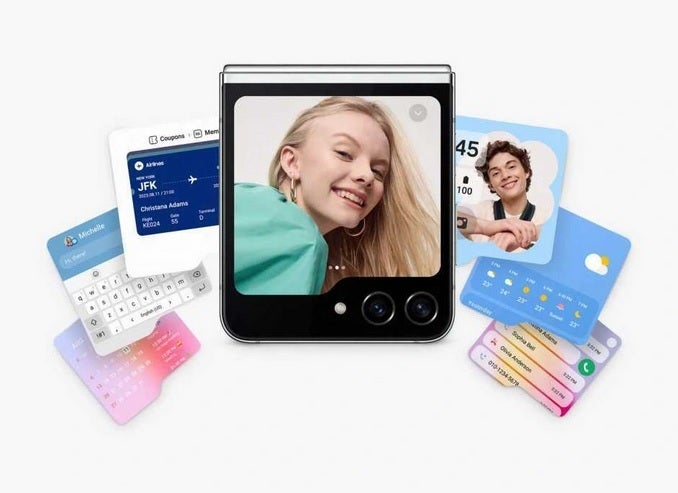
Mobile phones have become an integral part of our lives, and their impact extends beyond communication and basic functionalities. With the advent of smartphones, the mobile app industry has flourished, transforming the way we access information, connect with others, and engage in various activities.

This article explores the relationship between mobile phones and apps, the benefits they offer, and the ways they have revolutionized our daily experiences.

The Rise of Mobile Apps

The introduction of smartphones brought a new era of mobile computing. With their advanced capabilities and internet connectivity, smartphones provided the perfect platform for mobile applications, commonly known as mobile apps. Mobile apps are software applications specifically designed for use on mobile devices, enabling users to access a wide range of services, information, and entertainment right at their fingertips.

The Integration of Mobile Phones and Apps

Mobile phones and apps have become intertwined, forming a symbiotic relationship. Mobile phones serve as the hardware platform on which apps run, while apps enhance the functionality and user experience of mobile phones. This integration has revolutionized the way we interact with technology, allowing us to accomplish tasks, stay connected, and entertain ourselves wherever we go.

Benefits of Mobile Apps

Mobile apps offer numerous benefits that have transformed the way we experience technology:

  • Convenience: Mobile apps provide instant access to information and services. Whether it’s checking the weather forecast, booking a ride, or ordering food, apps streamline our daily tasks and eliminate the need for multiple steps or devices.
  • Enhanced User Experience: Apps are designed with the mobile user in mind, offering intuitive interfaces, touch controls, and optimized performance for a seamless experience.
  • Personalization: Apps allow users to personalize their settings, preferences, and content, tailoring the experience to their specific needs and interests.
  • Offline Functionality: Many apps offer offline capabilities, enabling users to access certain features or content even without an internet connection.
  • Push Notifications: Apps can send push notifications to users, providing real-time updates, alerts, or personalized messages.
  • Integration with Device Features: Mobile apps can leverage device features such as cameras, GPS, accelerometers, and sensors, enhancing their functionality and enabling innovative experiences.
  • Social Connectivity: Social networking apps facilitate instant communication and connection with friends, family, and colleagues, bridging geographical distances and fostering communities.

Communication and Social Networking Apps

Communication apps, such as messaging platforms and video calling apps, have revolutionized the way we connect and interact with others. Apps like WhatsApp, Messenger, and Skype allow us to stay in touch with friends and family across the globe, facilitating instant communication and eliminating the barriers of time and distance.

Social networking apps like Facebook, Instagram, and Twitter have transformed the way we share our lives, connect with like-minded individuals, and engage in online communities. These apps have become a primary means of social interaction, allowing us to express ourselves, discover new content, and stay updated with current events.

Productivity and Utility Apps

Productivity and utility apps have made our lives more efficient and organized. Apps like Evernote, Microsoft Office Suite, and Google Drive enable us to create, edit, and share documents on the go, enhancing productivity and collaboration. Task management apps like Todoist and Trello help us stay organized, manage projects, and track progress.

Utility apps offer various functionalities, such as weather forecasts, currency converters, language translators, and navigation tools. These apps provide quick access to essential information and assist us in our daily activities, making our lives more convenient.

Entertainment and Media Apps

Entertainment and media apps have revolutionized the way we consume content. Streaming services like Netflix, YouTube, and Spotify, have shifted the paradigm of traditional media consumption, offering on-demand access to a vast library of movies, TV shows, music, and podcasts. These apps provide personalized recommendations, curated playlists, and offline playback options, transforming our entertainment experiences.

Gaming apps have also witnessed tremendous growth, turning mobile phones into portable gaming consoles. With a wide range of genres and immersive gameplay, mobile gaming apps offer entertainment and fun for users of all ages.

Education and Learning Apps

Education and learning apps have revolutionized the way we acquire knowledge and skills. Apps like Duolingo and Rosetta Stone provide language learning courses, enabling users to learn new languages at their own pace. Educational apps like Khan Academy and Coursera offer online courses and lectures on various subjects, making education accessible to all.

These apps provide interactive learning experiences, quizzes, and progress tracking, empowering users to expand their knowledge and skills anytime, anywhere.

Health and Fitness Apps

Health and fitness apps have transformed the way we approach wellness and fitness goals. Apps like Fitbit, MyFitnessPal, and Strava help users track their physical activities, monitor their health metrics, and set fitness goals. These apps provide workout routines, nutrition tracking, sleep analysis, and motivational features, empowering users to lead healthier lifestyles.

Mobile Gaming Apps

Mobile gaming apps have become a global phenomenon, catering to a vast and diverse audience. From casual games to immersive multiplayer experiences, mobile gaming apps offer entertainment, challenges, and social interactions. With millions of game titles available, mobile phones have become a popular gaming platform, providing portable fun and enjoyment.

Earn Money Apps

With the increasing adoption of smartphones and the availability of high-speed internet, earn money apps have gained significant popularity. These apps provide individuals with opportunities to earn money conveniently using their mobile devices. Whether it’s completing tasks, offering services, or participating in surveys, earn money apps have opened up new avenues for generating income like Apps to Sell Feet Pics.

Personalization and Customization

Mobile apps allow users to personalize their experiences according to their preferences and needs. Users can customize app settings, themes, notification preferences, and content recommendations. Personalization enhances user satisfaction and engagement, creating a tailored experience that aligns with individual preferences.

Security and Privacy Considerations

As mobile apps collect and process personal data, security and privacy have become crucial considerations. App developers and marketplaces have implemented measures to protect user information and ensure secure transactions. It’s important for users to review app permissions, read privacy policies, and only download apps from trusted sources to safeguard their data and privacy.

Future Trends in Mobile Apps

The mobile app industry continues to evolve, with several trends shaping its future:

  • Augmented Reality (AR) and Virtual Reality (VR): AR and VR technologies are increasingly integrated into mobile apps, offering immersive experiences in gaming, shopping, education, and more.
  • Artificial Intelligence (AI): AI-powered apps are becoming more prevalent, providing personalized recommendations, virtual assistants, and advanced functionalities.
  • Internet of Things (IoT) Integration: Mobile apps will increasingly interact with IoT devices, allowing users to control and monitor their smart homes, appliances, and wearable devices.
  • Voice Recognition and Natural Language Processing: Voice-enabled apps and intelligent chatbots are on the rise, providing hands-free interactions and personalized assistance.
  • Mobile Wallets and Contactless Payments: Mobile apps will continue to facilitate secure and convenient transactions.

Conclusion

Mobile phones and apps have revolutionized the way we experience technology. The seamless integration of mobile phones and apps has enhanced our daily lives, offering convenience, personalization, and access to a wide range of services and entertainment. From communication and productivity to entertainment and education, mobile apps have become indispensable tools for navigating the digital world.

As technology continues to advance, we can expect further innovations and enhancements in the mobile app industry. Augmented reality, artificial intelligence, IoT integration, and voice recognition are just a few of the exciting trends that will shape the future of mobile apps. With each new development, mobile phones and apps will continue to redefine our interactions, experiences, and possibilities.

So, embrace the power of mobile phones and explore the vast world of apps that await you. From staying connected with loved ones to enhancing productivity and entertainment, mobile phones and apps are transforming the way we live, work, and play.


[ad_2]
Source link