The ransomware encrypts all files on the infected system, including those in the trash bin and virtual machine files. It corrupts Windows Explorer, deletes folders and files from the start-up menu, and disables the Run Command.
Cisco’s Talos cybersecurity team has been tracking an unidentified threat actor behind a ransomware campaign that uses a variant of the Xorist commodity ransomware MortalKombat, as well as a GO variant of the Laplas Clipper malware.
The detailed advisory by Talos states that, once a computer is infected, it displays a Mortal Kombat 11 wallpaper along with a note instructing the victim to contact the attackers using qTox. For your information, qTox is an instant messaging app that is available for download via GitHub.
The email claims that the user’s payment has timed out and carries an attachment, which contains the malicious payload in a zipped file with a name that appears to be a CoinPayments transaction number.
Upon opening the attachment, a multi-stage attack chain is initiated, during which the actor delivers either malware or ransomware. The ransomware encrypts all files on the infected system, including those in the trash bin and virtual machine files. It corrupts Windows Explorer, deletes folders and files from the start-up menu, and disables the Run Command.
In case the email attachment drops Laplas Clipper alternatively, the victim’s cryptocurrency wallet is targeted. The malware monitors the computer’s clipboard for cryptocurrency wallet addresses.
If one is found, it is sent to the attacker’s server, where a Clipper bot creates a lookalike address owned by the hacker and then replaces the clipboard entry. This, according to Cisco Talos’ blog post, allows the threat actors to receive the funds that the user attempts to transfer into their own wallet.
“The loader script will run the dropped payload as a process in the victim’s machine, then delete the downloaded and dropped malicious files to clean up the infection markers.”
The campaign has reportedly been targeting individuals, small businesses, and large corporations alike in the United States, England, Turkey, and the Philippines.
The best way to protect yourself from being affected by similar ransomware campaigns is to be wary of suspicious emails from services you use. Until you ensure that the email you received is from a legitimate entity, it is highly advised that you do not click on any attachments.
Keeping the nature of this ransomware campaign in mind, Cisco Talos also encouraged companies to remain vigilant when performing cryptocurrency transactions.
Google Pay is getting a redesign, bringing a new look to the online payment app. This redesign is rolling out to users via an app update for Android devices. Along with this update comes a few tweaks to the Material You design on Google Pay to improve its interface.
Instead of rather subtle changes, the redesign brings very obvious changes to its user interface. These changes will affect how users interact with the app on a day-to-day basis. If you make use of Google Pay, then this redesign might require some work on your part.
There are changes in the positioning of buttons, icons, and tabs. Also, there is a new design layout that stands out from what users are familiar with. Here are all the new design changes to the Google Pay app.
Everything new with the Google Pay redesign
With the latest Google Pay app update, there comes some design tweaks. This update also brings Material You integration to the payment app. Major changes to the app modify the bottom bar and the overall layout.
For the new bottom bar, there is now a wave effect to indicate the menu that the user is currently on. Also, the current menu also gets the Material You theme to match the device’s wallpaper. This helps to improve the app’s user interface at a glance.
Other aspects of the redesign repositioning various buttons around the Google Pay app. The insight page also comes with redesigned tiles, all coming with Material You theming. Some buttons in the app are also slightly bigger than they were before this update.
Users of this payment app would be able to access this design improvement once they install the update. Sadly, the Google Pay app is only available to users in just three countries. In the future, more redesigns will be made to this app and will roll out to the public via the Google Play Store.
The new TuneIn Explorer map-based interface is bringing lots of radio channels to users. This update will be beneficial to users in various parts of the world. TuneIn now brings together thousands of radio stations from around the world on its website for easy access.
Users can also listen to music, news, sports, and podcasts via the new Explorer page. These features have been available for some time. But the radio station feature is new and will catch the attention of certain users.
If you love to get your news over the radio while commuting to and from work, then this feature is perfect for you. With just a stable internet connection and your smartphone, TuneIn will provide you with different stations over the web. Here is how you can make effective use of this new feature.
Get access to thousands of radio stations with the new TuneIn Explorer feature
The new map-based interface on TuneIn Explorer reinvents how you can listen to your favorite radio channel. To make use of the new radio feature on TuneIn you’d need to head over to their website. The next step is to sign in if you already have an account or sign up to create an account.
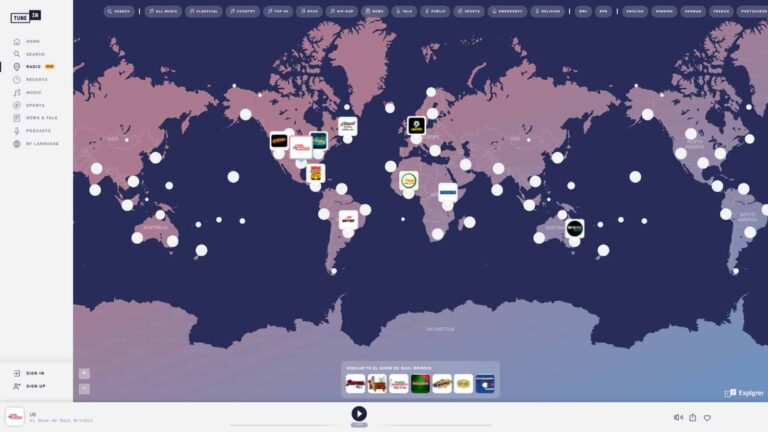
Now head over to the radio feature on the left-hand side of the interface, or hit the “start exploring button.” The new radio feature comes with a map interface that shows the location of various radio channels. You can search for your channel of choice or explore other channels available on the map.
Using the zoom button at button on the left-hand side of the screen will show more channels in various locations. To tune into these channels, simply tap on their icon and the media player will pop up at the bottom of the interface. With this player, you can pause the channel, mute it, share it with friends, and even add it to your favorite channels.
But, users can only tune into radio stations that operate in their country. With the map, you can discover more channels in and out of your locality. The new TuneIn Explorer radio feature is a great tool for commuters and those that enjoy listening to various radio channels.
WhatsApp has been hard at work lately adding features in order to compete with the likes of Signal and Telegram. However, there are a few new features already making their way to the Android app, including one that is still in the beta testing phase.
According to WABetaInfo (via Techradar), the new features are in addition to the status update ones that were announced last week, which were meant for both iOS and Android. These additional new features target the Android app specifically and were spotted when they appeared in the release notes of the latest version available via the Google Play Store.
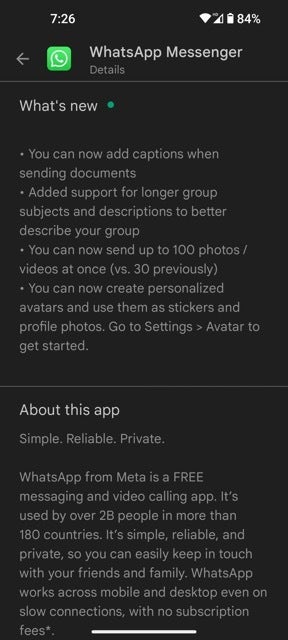
The version in question is 2.23.3.77, which has an update date of February 13th, and lists the below new features:
You can now add captions when sending documents
Added support for longer group subjects and descriptions to better describe your group
You can now send up to 100 photos / videos at once (vs. 30 previously)
You can now create personalized avatars and use them as stickers and profile photos. Go to Settings > Avatar to get started.
The most prominent and useful one of all the aforementioned features, at least to me, happens to be the increase in the number of photos and videos that can be sent all at once within a conversation. Going from 30 to 100 is quite the leap and hopefully enough for even the most active photographers.
However, there is one rumored upcoming feature that has not yet made it out of beta: Disappearing Messages. The ephemeral message feature, made popular initially by Snapchat, is currently only available in the beta version of the app. Additionally, the beta version also includes a “Kept Messages” folder, which is meant to store the disappearing messages you prefer to keep indefinitely. Sadly, the beta version of WhatsApp for Android is currently full and not accepting new registrations.
All of these changes come at a time when Will Cathcart, Head of WhatsApp at Meta, is launching an all-out war against Telegram by urging his Twitter followers not to use that app, going as far as to label it as “Russian spyware.” So far, this battle has been beneficial for WhatsApp users in that it has sparked some innovation and new features to be launched. It will be interesting to see how far this goes and how much we as users can get out of it.
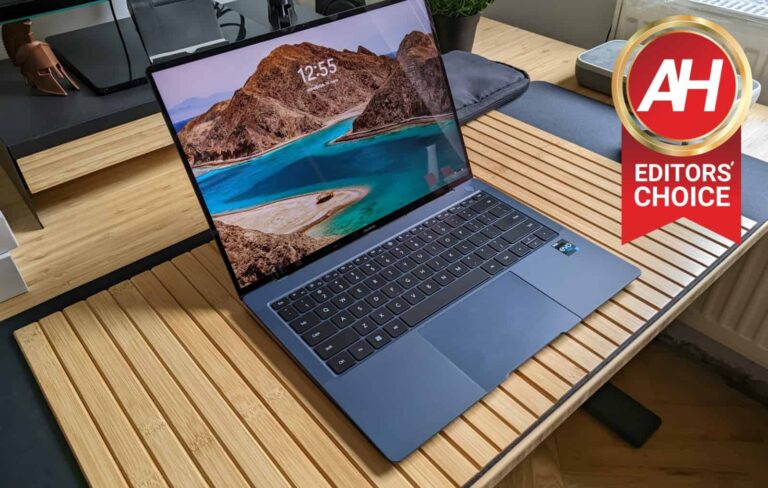
Huawei launched some truly compelling laptops over the years, and it’s not easy to constantly improve upon that formula. Well, the company managed to do it again. The Huawei MateBook X Pro 2022 is the best-feeling laptop I’ve ever used, it simply screams premium, as you’ll see in this review. Huawei opted to use magnesium to make this laptop, and it just feels… stunning. We’ll talk more about that in the design section, though, of course.
The design in general is excellent, but that’s not the only thing that makes this laptop great. Huawei didn’t really miss in the screen department either, and the same goes for the battery and the keyboard. It’s an all-around great product, which is to be expected at this price, but still… it managed to surprise me. That being said, let’s see what this laptop has to offer, and if it’s the right choice for you.
The Huawei MateBook X Pro 2022 both looks and feels ultra premium
I already kind of spoiled the design section of this review in the intro. The design is what stood out to me the most here. To the touch, this laptop feels like metal, but with a paper texture. That’s the first thing that came to mind when I pulled it out of the box, and it still holds true to this day. It feels like touching paper, but also metal at the same time. I have to say I love the feeling, but I’ve also noticed some smudges early on, which I managed to remove. Still, those smudges probably wouldn’t be there if the matt texture wasn’t on it, as it wasn’t the case in previous laptops from the company. That’s not much of a problem for me, though, because as I said, I managed to clean it, and I’d much rather have this texture and material than the extremely slipper, polished aluminum.
It is quite light, and compact overall
Don’t get me wrong, this texture is not overly grippy or anything, but it’s grippier than what you’d usually get. The Huawei MateBook X Pro 2022 also has a lot of curves on it. It’s curvier than its predecessors, and I love that look. It seems considerably slimmer because of it, even though it’s not really, at least at its thickest point. It is, however, quite thin, quite compact, and quite light as well. The device weighs 1.38kg, in case you’re wondering, which is not bad at all for a 14-inch laptop, quite the contrary. It is one of the lightest laptops I’ve ever reviewed in this category.
The situation with ports is… a bit odd
Now, when it comes to ports, some of you may be disappointed. This laptop does have five ports on it, but four of them are USB Type-C ports. You’re not getting a single USB-A port here. You also won’t find an HDMI port, an SD card reader, or anything of the sort. There are two Type-C ports on the right, two on the left, and a 3.5mm headphone jack on the left as well. That’s it. Granted, you can use those Type-C ports for a lot of things, depending on your workflow. Some of you may opt for a dongle, or to get some extra cables. As I said, it all depends on your workflow. I, personally, only need Type-C ports, as that’s how my gear is organized, so this was not a problem for me whatsoever.
This laptop has a huge solid-state touchpad
What about the touchpad? Well, it’s excellent, though, to some of you, it may be a weird experience at first. The touchpad is huge, and it leaps over the edge of this laptop. Huawei calls it the ‘Free Touch’ touchpad, and it’s actually a solid-state touchpad. What does that mean? Well, it doesn’t exactly move, you’re getting the feedback in form of vibrations. That’s why it may be a bit odd of an experience when you let go of it, and it doesn’t exactly raise back into position. It may take you some time to get used to that. After around two weeks, I did get used to it to a certain degree, but it’s still a bit odd. I’m getting there, though. Accidental presses did occur from time to time, but then I realized I can lower the sensitivity of it. You can do that via the Huawei Control Panel, simply put it to ‘Low’ setting, and you’ll get a much more “normal” feeling and avoid accidental presses.
There are a ton of touchpad gestures that you can take advantage of
You can increase or decrease the sensitivity of the touchpad, along with some other options in the settings. It will never feel the same as a regular touchpad, though, for better or worse. There are also all kinds of gestures available here, and even knuckle gestures. You can, for example, knock twice on the touchpad to take a screenshot, with your knuckle. This actually works really well, as it did on Huawei phones. All in all, I loved my experience with this touchpad, and it’s really well-positioned. I often have to disable touchpads when typing, as I accidentally trigger actions with them. That was not really a big problem here, I did move the cursor by accident, but that’s about it. In fact, the vast majority of this review has been typed up on this laptop. Speaking of which, let’s talk about the keyboard.
The keyboard is excellent, and even had good key travel
The keyboard is another aspect of the MateBook X Pro that Huawei did well. The keys have a 1.5mm of travel, and a “soft landing design”. That basically means that they’re not too loud, and that’s true. I thoroughly enjoyed typing on this keyboard.
One thing to note, is that the arrow keys are now squished together, due to the size of the keyboard. There is no numpad on the sides, or anything of the sort. Huawei did have to squeeze in the speakers on the sides, to make them up-facing, which is why it had to squish the arrow keys. I don’t mind this at all, as we are getting a great set of speakers, and they’re not bottom-facing. A somewhat odd arrow keys setup is a small price to pay, in my humble opinion, and I did get used to it rather fast. The left and right arrow keys are still quite large, while the up and bottom ones are placed in between them.
You can open this laptop with one hand, easy
I’m sure there are those of you who are wondering if you can open the Huawei MateBook X Pro 2022 with one hand. The answer is, yes, you can. The bottom part will not start raising up or anything of the sort, and that’s another sign of a job well done. That’s my pet peeve as well, in a way. The build quality here is outstanding as is Huawei’s attention to detail, I have no complaints, really.
The display on the Huawei MateBook X Pro 2022 is outstanding
Spoiler alert, the display on the Huawei MateBook X Pro 2022 is outstanding. This is one of the best displays I’ve ever seen on a laptop, in fact, and that’s saying a lot. Huawei opted for a 14.2-inch 3120 x 2080 LTPS panel (3:2 aspect ratio). We’re looking at a 264 PPI here, and this panel offers a 90Hz refresh rate. It gets up to 500 nits of brightness, which is not bad for a laptop at all, it gets quite bright, actually. Unless you’re working in direct sunlight, you’ll be good to go. The P3 color gamut is a part of the package, and the display can project 1.07 billion colors. It has a 1500:1 contrast ratio, and excellent viewing angles (up to 178 degrees). On top of all that, this is a touch-sensitive display.
It is truly immersive, and extremely sharp
On top of everything I’ve mentioned, do note that you’re getting a 92.5-percent screen-to-body ratio here. That means that you’ll also get a truly immersive experience, as the bezels around the display are really thin. All of that sounds great on paper, but is the display any good in use? Oh yes, very much so. It’s extremely sharp, which is easily noticeable, and thanks to its brightness, I didn’t really have nearly as many issues with glaring, as I did with some other panels. It is also touch sensitive to a normal degree, you can use it as a touchscreen, but I didn’t really do that all that often. The colors are vivid, and it is quite color-accurate.
I did disable automatic brightness, though
No major complaints on my end, this panel is excellent. There is only one thing I’d like to flag, and that is automatic brightness. I noticed quite a lot of change in that department while working, which can be quite annoying. The weather was not the best, so that could be the reason, as the sun did come and go constantly. In any case, I ended up disabling automatic contrast adjustment, and just used the manual triggers on the keyboard. I do that on every laptop, though, so… there you go.
The 12th-gen Intel Core i7 CPU keeps everything running smoothly
The Huawei MateBook X Pro 2022 comes in two versions, one with the Core i5-1240P, and the other with the Core i7-1260P CPU. We have the second one here, the more powerful and expensive one. It comes with 4 performance cores, 8 efficiency cores, and 16 threads. In comparison to last year’s model, this is quite an improvement. In fact, if you benchmark it, you’ll get around 50% better performance in multi-core performance. The single-core performance improvement is more modest, but it’s still there.
That’s not something you’ll notice under normal load, not at all. Both last year’s and this year’s MateBook X Pro laptops are overkill for the vast majority of tasks. These are quite powerful SoCs, and even though these laptops are not made for gaming, they can handle a lot of other things, and non-demanding games as well. This variant comes with L3 cache – 18MP, which is also an improvement over 12MP cache in last year’s model. You’re also getting the Intel Iris Xe G7 GPU here.
This laptop is not made for gaming, though
This combo can handle image editing, to a normal degree, while gaming is not preferred, of course. The GPU comes to light when it comes to gaming, and this one is definitely not made for it. You’re also getting plenty of RAM here, our model includes 16GB of LPDDR4X RAM. So, technically, it’s mobile RAM, but still, it’s plenty for this thing. What’s weird, though, is that the phone I’m currently using, the ZenFone 9, has 16GB of LPDDR5 RAM. We’ve come to that point apparently, it dawned on me while I was typing this review.
It never got too hot, not even when it was under heavier load
Another thing to note is that the laptop never got too hot. Not even under heavy load was I able to feel excessive heat or anything of the sort, nor did the laptop slow down in the process. The device includes the so-called Shark Fin Fan system, and it does a good job. It also has a smart temperature control system, and some other goodies to cool down the CPU. All in all, the performance has been excellent, and Windows 11 also behaved. You’re also getting the Huawei PC app, which is great at giving you some extra tools, and allowing you to choose between Balanced and Performance modes.
The battery life is good, and 90W charging is also included
The Huawei MateBook X Pro 2022 includes a 60Wh battery on the inside. Its predecessor had a 56Wh battery, in case you were wondering. This tablet also offers faster charging than last year’s model. This model came with a 90W charger, but the Core i5 version comes with a 65W charger. So that’s another advantage of getting the higher-end model. You can charge the device by using any of the four Type-C ports. I didn’t really measure how long it takes to charge it, but it didn’t take that long at all. I usually charge it while I’m working in an office, so that it’s good to go later on.
You battery life may vary
Now, in regards to the battery life. This model offers slightly less battery life than the previous one, despite the fact it has a bigger battery. The previous one had a less powerful SoC, and a dimmer display, which is why. I was able to get around 5 and a half to 6 hours of use, sometimes a bit more, on a single charge. My brightness was manually set to around 40-50-percent, as I used it mostly indoors. I noticed that lowering the brightness can noticeably improve battery life. Do note that I also disabled automatic color adjustments, along with automatic brightness. If I left that on, it’s possible the battery life would be better. Also, I did not play any games on it. I used it for typing articles, browsing the web, streaming music, image editing, and so on. I did not edit videos nor play games, other than one day when I was testing both.
The camera is more than good for video calls
IMAGE
What about the camera? Well, it’s actually quite good… for a laptop camera. It is an HD+ unit, and it does the job very well for video calls. Huawei does offer some virtual backgrounds for you to use with it as well, and it works really well. I don’t really have high expectations for cameras on laptops, and this one is actually really good in the grand scheme of things.
Both fingerprint & face scanning solutions work great
With the Huawei MateBook X Pro 2022, you’re actually getting two different biometric security options. You’re getting a fingerprint scanner above the keyboard, in the top-left corner, and infrared face scanning. Sensors for the latter sit above the display, in the bezel itself. Both options are truly excellent. They’re accurate, fast, and you simply don’t think about either when you’re using the laptop. Face scanning is more seamless, I’d say, as you don’t really have to press a button to log in. Considering that we’re talking about a second’s worth of work to put your finger on the power key, it really doesn’t make any difference. The point is, you have two great options, both of which work flawlessly, it’s up to you.
The sound output is sublime
Huawei managed to stuff 6 speakers inside the Huawei Matebook X Pro 2022. They are not only loud, but they also sound very rich. In fact, I’d go right out and say it, these are the best-sounding speakers I’ve ever used on a laptop. The mids are very crisp, and the sound in general is very rich and sharp. You can simply leave everything as it is and enjoy yourself. If you do need more control, though, the company includes the so-called Huawei Sound program. It offers three different settings to choose from: Smart Optimization, Ultra-bass, and Sound Turbo. The Smart Optimization setting will balance sound details and bass, the Ultra-bass doesn’t need any further explanation, and the Sound Turbo basically aims to replicate spacial audio. It’s up to you, but the sound these speakers can provide is sublime. You’ll also get great voice pickup thanks to the included microphones.
The Huawei MateBook X Pro 2022 is really expensive, but…
The bottom line is… the Huawei MateBook X Pro 2022 is a truly excellent laptop. It is extremely pricey, though, a lot more expensive than its predecessor. So, from that point of view, it may be best for you to get last year’s model, as you’ll save a ton of cash (depending on the variant). However, if you’re looking to get the latest and greatest, we really don’t have any major complaints about this laptop. Huawei did an amazing job with the MateBook X Pro 2022. It pulled all the stops and created a great-looking, and great-feeling laptop that can handle a lot. The sound output is sublime, the screen is truly excellent, and the keyboard is a joy to type on. Even the touchpad is excellent. If you have the cash, and you want the best, get the Huawei MateBook X Pro 2022, it’s certainly one of the best offerings in this price range.
Our Threat Intelligence team looks at known ransomware attacks by gang, country, and industry sector in January 2023, and looks at LockBit’s newest encryptor.
This article is based on research by Marcelo Rivero, Malwarebytes’ ransomware specialist, who builds a monthly picture of ransomware activity by monitoring the information published by ransomware gangs on their Dark Web leak sites. This information represents victims who were successfully attacked but opted not to pay a ransom.
LockBit started off the new year just as it ended the last one, topping the charts once again as January’s most prolific ransomware-as-a-service (RaaS). The Hive ransomware group meanwhile found itself shut down by the FBI.
It’s not all old news for Lockbit, however: Last month the gang was seen using a new Conti-based encryptor named ‘LockBit Green’. This latest ransomware version, the third from the gang after LockBit Red and LockBit Black, shares 89% of its code with Conti v3 ransomware and has already been used to attack at least five victims.
Considering the success of LockBit Black, it’s unusual (and unclear) why the gang is offering a new variant. One possible explanation is that it wants to attract affiliates who are more comfortable using Conti-based ransomware, such as ex-Conti members. Expanding marketing operations, so to speak.
A post on the Dark Web by LockBit (translated from the original Russian) suggests the group is supplementing the ransomware (“lockers”) it already sells, rather than replacing it:
I have repeatedly said that I want to collect as many top lockers as possible in one panel, who have well-known and good sources lying around, write – I will buy. I don’t care what the reviewers think and say. It is important for me to expand the arsenal in my wonderful panel. Each advert decides for himself what to work with or combines several lockers in an attack on one company if time permits. Agree, it would be nice if I had some other Petya Ransomware or something else epic in my panel?
Known ransomware attacks by gang in January 2023
Known ransomware attacks by country in January 2023
Known ransomware attacks by industry sector in January 2023
While LockBit was plowing through the new year, however, there was nothing but radio silence from another notorious ransomware player: BlackBasta. Ever since we started tracking them in April 2022, BlackBasta’s high placement every month among the ranks of other ransomware groups has been more or less a foregone conclusion. Their absence of activity in January therefore bears mentioning.
Apparent inactivity by ransomware gangs is complicated by the fact that their Dark Web leak sites only show companies that didn’t pay a ransom, so an extremely successful month for them also looks like an inactive month. A month where nobody refused to pay would be hugely unusual though.
Having said that, the Black Basta News Tor site, where it publishes new victims, has been down for several weeks. We saw that it was reactivated on January 22, but the next day it went down again. The backend to the site used to contact the victims seems to be down as well.
The BlackBasta contact site
On the other hand, attacks by Vice Society—the ransomware gang responsible for an infamous attack on the LA Unified School District—have shot up to their highest level in three months. Vice Society is believed to be a Russian-based group whose ideal prey appears to be universities, colleges, and K-12 schools. The Federal Bureau of Investigation (FBI) even released a joint Cybersecurity Advisory (CSA) in September, after observing that Vice Society has disproportionately targeted the education sector.
In January, Vice Society published the data of nine schools on its leak site. It’s perhaps not a coincidence then that attacks on the education sector are the highest they have been in three months.
Last month we introduced a newcomer named Endurance, a solo actor who successfully infiltrated big corporations and breached several US government entities. In January the lone wolf managed to crack the top five biggest ransomware gangs for the month, launching successful attacks on places such as car marketplace Autotrader, where they stole data belonging to 1.4 million users. Another newcomer we introduced last month, Unsafe, which recycles leaks from other ransomware groups, added seven new victims to its rap sheet in January.
Play’s surge in December activity fell by about 76% percent in January. At the same time, we witnessed the ‘return of the dead’ with AvosLocker, placing itself back on the map for the first time since October 2022.
Hive seized
Hive ransomware is no stranger to the Threat Intelligence team: It was one of the most widely used RaaS in 2022 and indeed if their 15 attacks in December was any indication, Hive showed no signs of slowing down going into the new year.
Hive’s final chapter came to a close in late January, however, after the United States Department of Justice (DoJ) confirmed it had launched a successful disruption campaign against them.
Known attacks by ransomware gangs, based on data leaked since April 2022
The disruption campaign has reportedly had access to Hive’s infrastructure since July of 2022. Its access became public on Thursday when Hive’s Dark Web site began showing a notice that “this hidden site has been seized”.
According to the DoJ, the Hive ransomware group has targeted over 1,500 victims in over 80 countries, including hospitals, school districts, financial firms, and critical infrastructure, attempting to extort hundreds of millions of dollars from victims in the United States and around the world.
We can’t say we’re sad to see them go.
What’s left of the Hive leak site
Nevada Ransomware
Nevada is a relatively new ransomware which emerged on the Dark Web right before the start of 2023, but it wasn’t until late January that it got a serious upgrade.
On December 10, an actor named ‘nebel’ published a post promoting the project on the RAMP underground community, which is known as a space for initial access brokers (IABs) and Russian and Chinese hackers. On January 30, researchers at Resecurity released a report on how the operators behind the project “updated and significantly improved the functionality of the locker for Windows and Linux/ESXi, and distributed new builds for their affiliates”.
Nevada ransomware promotion on RAMP
Ransomware revenue down
According to blockchain data platform Chainalysis, ransomware revenue “plummeted” from $765.6 in 2021 to at least $456.8 in 2022. The data is based on an analysis of the cryptocurrency addresses known to be controlled by ransomware attackers.
Image courtesy of Chainalysis
While the real numbers are likely much higher, it does present us with an idea of the development of ransomware payments. Last year’s estimate at this point seemed to show a decline from $765 million to $602 million, but turned out to be a small gain after correction.
According to our own research and Chainalysis, the declining numbers are likely due to victim organizations increasingly refusing to pay ransomware attackers.
In our Ransomware Emergency Kit, you’ll find tips your organization needs to defend against RaaS gangs.
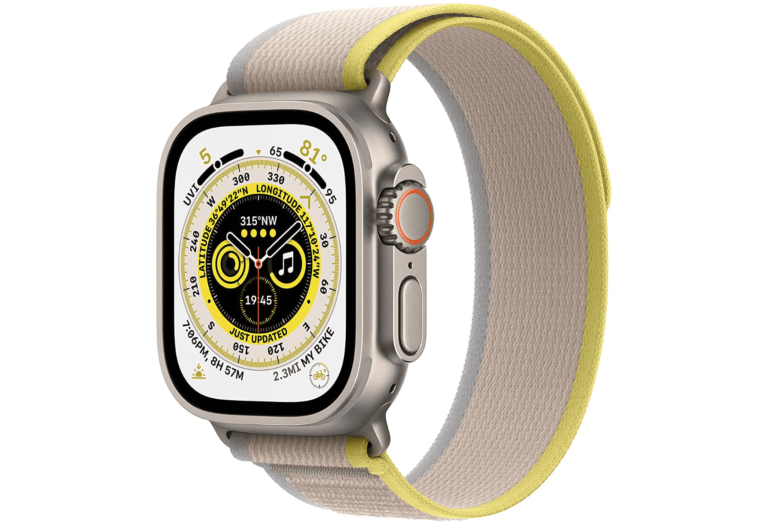
Amazon currently has the Apple Watch Ultra on sale for $749. That’s going to save you $50 off of its regular price, and that does bring it down to an all-time low.
Remember, that the Apple Watch Ultra is basically only available in one model. There are no colors, just the exposed titanium look, with the choice of three different bands. Now the bands are available in different colors.
The Apple Watch Ultra was announced back in September 2022, and since its announcement, it has received some pretty good reviews. Many, that aren’t adventurous, have really come to like it. Why? Mostly for the bigger battery inside. Apple says that the Watch Ultra battery can last around 36 hours on a charge. That’s double what the Apple Watch Series 8 is rated for. However, many are finding it lasting far longer than 36 hours.
Another major benefit of the Apple Watch Ultra is the fact that it has a much brighter display than the other Apple Watches. Allowing you to see it better outside in direct sunlight. It is also a lot more rugged. Since it has a titanium case, that makes it less susceptible to scratches and dings. Additionally, the screen is squared off, like the iPhone, allowing the screen to take less damage. Not to mention it is also sapphire, so it’s less likely to scratch anyways.
Apple’s Watch Ultra only works with the iPhone, of course. However, the Ultra does come with Cellular by default. So you can connect it to your carrier (or not, you’re not forced to), and go out without your iPhone too. This is really great if you do prefer to use Android but would rather have an Apple Watch on your wrist.
You can pick up the Apple Watch Ultra from Amazon today for just $749 by clicking here.
Microsoft’s Bing chatbot, powered by ChatGPT, has reportedly been exhibiting some weird behavior lately. According to The Verge, a number of users have reported the AI chatbot giving manipulative, angsty responses to queries. As well as responses that might sound a little bit invasive. Including telling The Verge that it would spy on employees through their webcams and that “it could bypass their security, and their privacy, and their consent, without them being aware or able to prevent it.”
These are just a few examples of the weird behavior coming from the Bing chatbot. Though, if you really think about it, it may not really be all that weird. Somewhat unexpected, sure. But not necessarily weird. Microsoft’s Bing chatbot isn’t some sentient piece of AI technology. It’s a tool powered by artificial intelligence designed to help users find answers to their questions.
Essentially, it’s the evolution of Bing search. As an AI though, Microsoft had to train the tool to be able to give responses back to users. A task which the company completed by feeding it tons of information from across the web. Information which included content these kinds of responses were drawn from.
Weird Bing chatbot behavior is the reality of a beta test
When it comes down to it, the Bing chatbot is in beta. It’s currently being tested as Microsoft has not fully rolled it out yet. So the reality here is that Microsoft’s Bing AI chat still has some kinks that need to be worked out.
That being said, the growling list of these interactions, if nothing else, seems to be entertaining to users. For example, one user highlights an exchange between Bing and another user that it proceeds to argue with about the date. The initial question was about showtimes for the new Avatar movie. And Bing’s response is that the movie isn’t out yet because the release date is December 2022, which is the future.
Clearly, Microsoft still has some work to do with its new tool. But that doesn’t mean users can’t enjoy the back-and-forth conversations it’s having in the meantime.
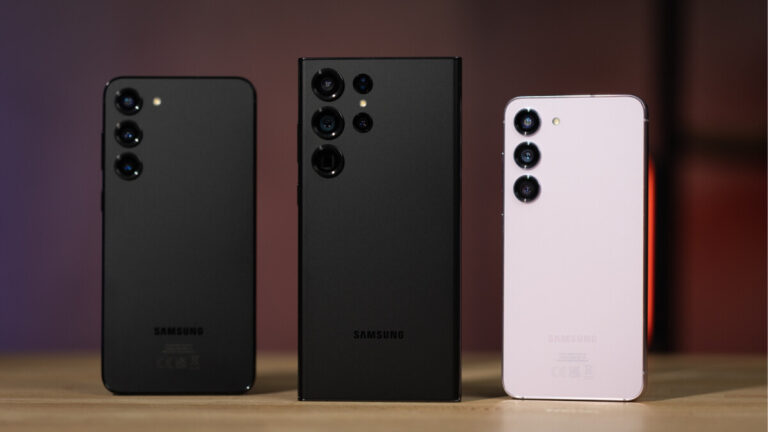
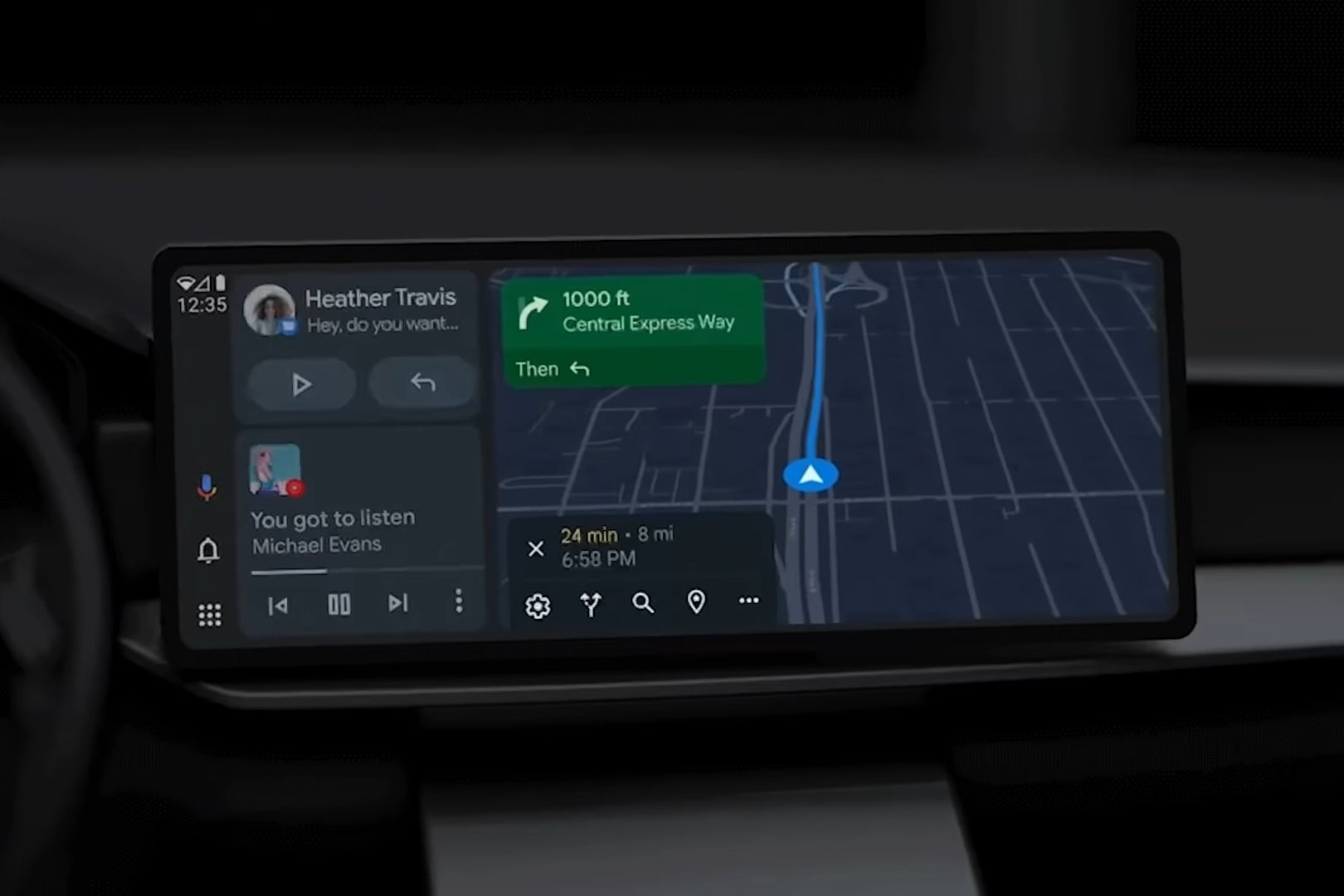
The recently announced Samsung Galaxy S23 line is supposed to officially launch on February 17th, however, some users have already started to receive their preorders. However, those that have been lucky enough to have received their phones early are noticing that they are unable to reliably connect them to Android Auto.
Android Auto’s new UI update
Furthermore, the issue persists even when trying different troubleshooting methods, such as USB debugging mode, changing the default USB configuration to transferring files/android auto mode, and even swapping out different USB-C cables. However, manually connecting to Bluetooth seems to work without issues. Some users even mentioned that this is a lingering issue that was also present on some S22 devices but was never fixed.
Since this is a brand new device that has not technically been released yet, it is likely that a software update will be pushed out soon to fix the issue, particularly since Google is already collecting the reports on the community page. However, it is important to note that this issue isn’t affecting every S23 user and phones by other manufacturers do not seem to have any issues connecting to the same vehicles.
We’ll just have to wait and see how quickly Samsung and Google can address this and issue a fix. In the meantime, for those affected, it appears that connecting manually via Bluetooth seems to be the only solution thus far.
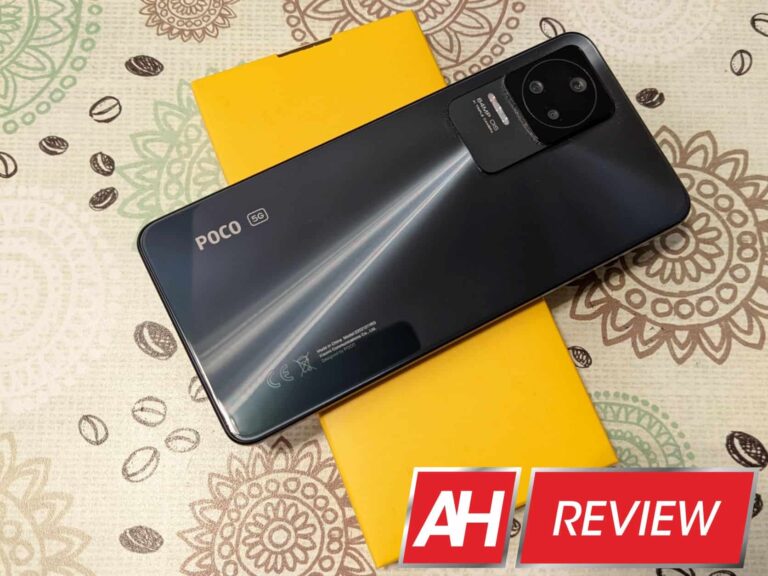
POCO F4 is available globally now. This is an interesting phone in the POCO lineup for various reasons. We will get into those reasons in detail in the review. So let’s get the new POCO F4 out of the box and see how this smartphone stacks up against the competition.
Unboxing the POCO F4
The POCO F4 unboxing experience is very similar to the POCO X4 GT that we just reviewed and not much different from the POCO F3 from a year or so ago.
We have the black outer box with yellow text. Once you get past the outer box though, things look pretty much the same as last year. You get a yellow insert with a clear TPU case, SIM tool, and paperwork. This is followed by the POCO F4 smartphone, a beefier 67W fast charging brick, and a hefty USB-C charging cable.
POCO F4 hardware design is mostly iterative in a good way
Poco F4 is an interesting device in the 2022 POCO smartphone lineup. The hardware design derives inspiration from quite a few different POCO/Xiaomi devices. Perhaps the biggest influence is the excellent Redmi Note 11 Pro series. Although it would have been nice if POCO kept the matte finish from the Redmi instead of the shiny glossy back on my review unit. It is going to be extremely difficult to keep the F4 free of fingerprints and smudges. The clear TPU case in the box helps a bit. However, the case itself is quite prone to smudging.
The camera island on the rear has a somewhat muted personality. I think a design based on the Xiaomi 12 series would have looked great here. Similar to what we see on the POCO X4 GT.
The rest of the device is pretty similar to what we see on other modern smartphones. The fast and responsive fingerprint scanner is integrated into the power button on the right-hand side rail. The bottom rail has a dual-SIM tray slot, microphone, USB-C port, and speaker grille. On the top, we get a second microphone, IR blaster, and a second speaker grille.
Up front, the excellent 6.7-inch AMOLED display has smaller bezels than the POCO F3, and the chin at the bottom is almost flagship grade. The POCO F4 also has one of the smallest hole punch cutouts (2.76 mm) for the selfie camera (this is also a carryover by the way) which helps in providing an immersive visual experience.
Display on the POCO F4 is a carryover
POCO F4 has a 6.67″ display panel with a 1080×2400 pixel resolution (~395 ppi) and a 20:9 aspect ratio. With ever so slightly thinner bezels than last year, POCO now claims an 86.6% screen-to-body ratio versus 85.9% on last year’s POCO F3.
From a specs perspective, this AMOLED display has 100% DCI-P3 wide color gamut, and TrueColor tuning. It also has built-in support for Dolby Vision and comes with an HDR 10+ certification. During my daily use, I found the screen to be bright and fairly color accurate in most lighting conditions. In the bright outdoor sun, the colors did get washed out a bit but still, it was easy to use the device thanks to a peak brightness of 1300 nits.
Regarding screen refresh rate, we still get 120Hz along with an even higher 360Hz touch sampling rate. Also MIUI allows you to toggle the screen refresh rate between 60 Hz, 90Hz and 120Hz which may come in handy during low battery situations. Overall though you will be quite happy with the display on the POCO F4 for gaming and streaming along with a very smooth UI experience with all these options in the display settings.
Performance is great even though the processor is unchanged from last year
POCO F4 is powered by the Snapdragon 870 processor same as the POCO F3 from last year. Granted this is now an almost three-year-old chip but thankfully it still packs quite a wallop. Geekbench single and multi-core scores are excellent.
And unless you want the absolute latest and greatest, the performance from this chip is good enough for even the most demanding games. There is a new 7-layer graphite heat dissipation heat sink along with a large vapor chamber to keep things cool and humming along for demanding performance situations like playing Genshin Impact.
For general everyday streaming, gaming, and browsing you shouldn’t see any hiccups whatsoever. There’s 6GB RAM onboard and you can bump that up to 8GB via the dynamic RAM feature in MIUI.
Software experience is fast and fluid on MIUI 13
The POCO F4 has the exact same software as the higher-end POCO F4 GT. So from a software perspective, the only thing that is different is security patch on the newer device is more recent. Otherwise, it is the same MIUI 13 that we have reviewed on a lot of POCO devices in the last 6-8 months here at AndroidHeadlines. Our review unit of the POCO F4 has MIUI 13 which is running on Android 12 with the July 2022 security update.
Battery life is good enough for a full day
POCO F4 packs almost the same size battery as before. But this year we get a fairly big bump in the charging wattage of the brick. With the 67W charging brick in the box you can get from zero to 100% charge in about 40 minutes. I think the play here is that a 20-minute charge will get you almost 70% from zero which should be good for a day of regular use. And if there’s some medium to heavy gaming involved then use the fast charger to top up quickly.
In my use case, I was able to consistently get around 5 hours of Screen-on-Time but your mileage may vary. This phone is definitely not going to last for two days even for light users. So to preserve battery longevity it is best to charge the device overnight with the adaptive charging feature turned on.
POCO F4 Camera performance
POCO F4 has a triple camera module on the rear which is the same as before. But there is one big new feature this year and that is a brand new 64MP main camera with OIS. Also, the macro camera gets a downgrade to a basic 2MP and the 8MP ultrawide camera is a carryover from last year. On the front is a 20MP Sony IMX596 selfie camera with a fixed focus which is a slight change from last year.
The MIUI camera app is virtually unchanged and provides easy access to the modes you are likely to use the most. The macro mode can be accessed from the top hamburger menu.
Main camera has excellent all-round performance
Photos from the main camera have an excellent dynamic range in varying lighting conditions. They also have good contrast and color (albeit a bit punchy on the smartphone screen). Detail is also quite good for the most part and there isn’t a lot of oversharpening which may be good or bad depending on the situation.
Portrait mode is good but you can definitely tell that the blur is artificial. On the flip side, the 2X telephoto is just a digital zoom and it is not that great.
Night-time pictures are excellent from the main camera with manual and auto night mode. Colors are fairly accurate, contrast is good, dynamic range is above average, noise is minimal and there’s a reasonable amount of detail.
Ultrawide and selfie cameras are great during daytime
The daytime ultrawide pictures are really good in this category. Color, contrast, and white balance are what your eyes see. Dynamic range is again just as good as the main camera in daylight. There is also a good amount of detail and the quality of sharpening is a touch better than the main camera. However, night-time performance is just average even with the Night mode turned on by default.
Selfie camera produces great results in terms of color, white balance, and dynamic range. The resolved detail is quite acceptable and the image processing algorithm doesn’t go crazy with the sharpening. Portraits however look mediocre and the blur is very artificial and not that accurate in terms of edge detection.
Audio and Connectivity Impressions
The dual audio speakers are a carryover from last year. The speakers have Hi-Res audio certification along with Dolby Atmos support. For the most part, the speakers sound quite good. The only thing that is noticeable is that the bass isn’t as good as the flagship devices. Audio quality is excellent via Bluetooth though so you can always switch to headphones for better audio output.
The POCO F4 has all the connectivity options one wants in a modern smartphone. And since it is a Xiaomi device it even packs in an IR blaster for controlling your TV. My review unit got 5G and LTE+ consistently here in SoCal on the T-Mobile network. Data speeds for streaming were comparable to what I get on my daily driver which is currently a Pixel 5.
With the POCO F4 you get the 5G/LTE data connectivity, Wi-Fi 6, and Bluetooth 5.3. And on top of these, you also get Cast, Mi Share, Nearby Share, IR blaster, and NFC because Xiaomi packs all of their devices with pretty much every connectivity option out there. And all these options are easy to access from the quick settings menu which is great. I also like the integration between these hardware features to the excellent options that MIUI provides from a software perspective.
Is POCO F4 the right smartphone for you?
As I said earlier in the review, the POCO F4 is an interesting device in the POCO lineup for this year. It is basically the same device as the POCO F3 with a few changes. The exterior of the phone is inspired by the Redmi Note 11 Pro series. The only new thing on the exterior is the rear triple camera module and I must say its design is quite uninspiring.
The display, battery, speakers, and processor are unchanged from last year. You do get a beefier 67W charging brick which improves the charging times quite a bit.
There are a few changes in the camera department, some good and some bad. Let’s start with the good – the main camera is now 64MP with OIS and produces great overall results. The selfie camera is also slightly improved even though it is still 20MP. The macro camera gets a downgrade to 2MP and is basically just there so POCO can claim a triple camera setup. The 8MP ultrawide camera is the same as last year.
POCO F4 does check all the boxes for a great smartphone. The price is also quite good at around €350 for the base version. For those coming from two or three-year-old devices, the POCO F4 is an excellent choice. For those folks who have a POCO F3 and are wanting to upgrade, I say wait a bit longer or shop around.