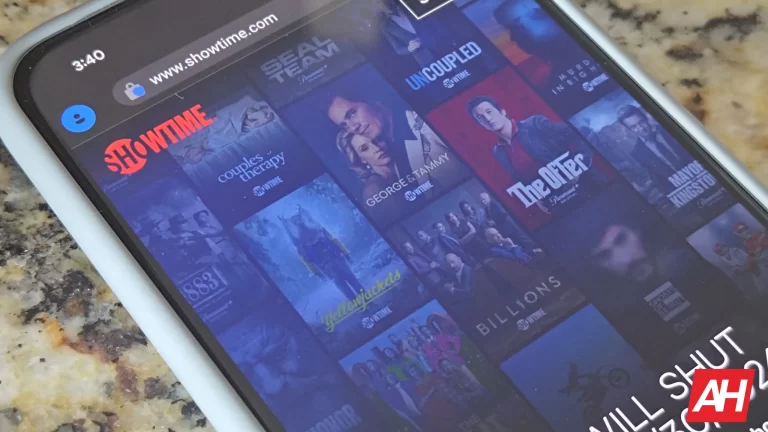
After almost a decade of operating as a separate platform, Showtime will shut down its streaming apps on April 30th. This move reflects the integration of Showtime’s content library into Paramount+, Paramount Global’s flagship streaming service.
This decision mirrors a similar one by Warner Bros. Discovery, which announced last year the merger of HBO Max with Discovery+. Consequently, the industry is experiencing a wave of consolidation as streaming services tackle rising content costs and a crowded marketplace.
What does this mean for Showtime subscribers?
Paramount+ with Showtime, a combined offering launched in 2023, will become the new home for Showtime’s programming. Existing Showtime subscribers can access Showtime’s content through the Paramount+ platform using their current login credentials. However, to continue enjoying Showtime’s shows and movies, they’ll need to subscribe to the Paramount+ with Showtime bundle, priced at $11.99 per month.
Some third-party subscribers were automatically transferred to a Paramount+ with Showtime plan, while others were not. You should have received communication from your original billing provider (Roku, Apple, etc.) clarifying this. If you weren’t transferred, you’ll need to subscribe to Paramount+ with Showtime to keep watching.
Showtime’s future as a brand under Paramount+
The shutdown of Showtime apps marks the end of an era for the network. Showtime pioneered premium cable streaming services, launching its platform in 2015. Over the years, the Showtime app gained popularity for its original series like Dexter, Billions, and Homeland.
Though Showtime’s standalone service is ending, the brand itself is not disappearing. Showtime will continue to produce content, finding a new home on Paramount Plus. This move represents a strategic decision by Paramount Global to streamline its streaming offerings and provide customers with a more comprehensive content library under one roof.
The integration of Showtime into Paramount+ will likely impact viewership and subscriber numbers, but the full effects remain to be seen. Ultimately, this decision reflects the evolving landscape of the streaming industry, where consolidation is becoming increasingly prevalent.
In addition to restricting China’s access to chip manufacturing equipment, the US is also making efforts to relocate chip manufacturing back to the US. Over the past few decades, chip manufacturing has largely shifted to Asia. To make it happen, the Biden administration is subsidizing chip manufacturing giants such as Intel, TSMC, and Samsung to build plants within the US.
Samsung has secured more than $6 billion of US government grants for the Texas chip manufacturing facility
Speaking of Samsung, the company already has a chip manufacturing facility in Austin, Texas. Alongside this, the giant is also working on another plant in Taylor, Texas. As initially reported by Bloomberg, the company has secured more than $6 billion of US government grants for this development as part of the CHIPS ACT.
It’s important to mention that Samsung has been working on the Texas chip manufacturing facility for quite a while now. As noted by Sammobile, they announced a $17 billion investment in the plant in Taylor back in 2021. Now the figure has reached a total of $44 billion, as revealed by people familiar with the development. Samsung is now reportedly preparing to reveal this $44 billion investment for the new chip manufacturing facility in Taylor.
TSMC and Intel are also focusing on manufacturing chips in the US
The CHIPS ACT allocates $39 billion in grants plus $75 billion in loans and guarantees. It has spurred well north of $200 billion in semiconductor investments. Not to mention, companies like TSMC and Intel have also opted for grants from the Biden administration to build their cutting-edge chip manufacturing facilities in the US. The report notes that the two companies have secured $20 billion and $11.6 billion in grants respectively.
It is unclear when Samsung’s new manufacturing facility in Taylor will begin mass production. It was reportedly delayed to 2025 in December last year. A report from Businesskorea notes that the mass production was initially expected to begin in 2024. The report also speculates that the delay could be due to various issues related to the US government subsidies and permissions or licenses.
TSMC’s production in Arizona is also postponed due to the same reason. A more recent report indicates that it has scheduled three of its chip manufacturing plants to start mass production in 2025, with the fourth one scheduled for 2028.
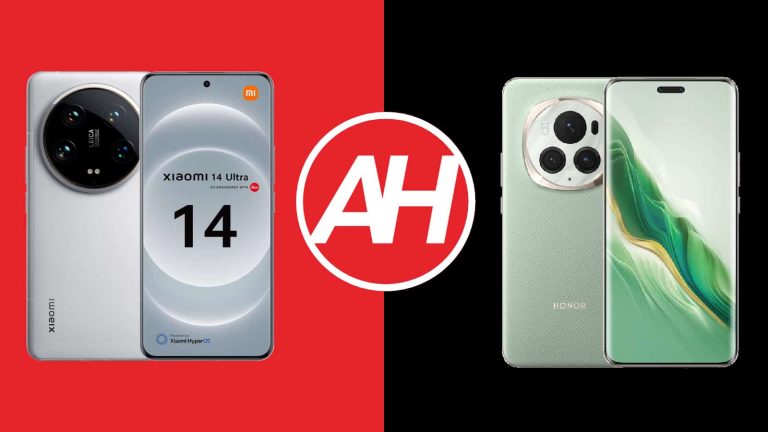
We have seen quite a few great camera smartphones this year, and the two we’ll talk about here are amongst the best. In this article, we’ll compare the Xiaomi 14 Ultra vs HONOR Magic6 Pro. Both of these smartphones arrived to global markets in the first quarter of the year. Both of them are immensely powerful, and both have outstanding camera hardware and performance.
We’ve reviewed both of these devices not long ago, so we can attest to their photography prowess. As per usual, we’ll first list the specifications of both smartphones and will then move to compare them across a number of other categories. We’ll compare their designs, displays, performance, battery life, cameras, and audio performance. This will hopefully help you make a purchasing decision.
These two handsets do look quite different in comparison. The Xiaomi 14 Ultra has a curved display with a centered display camera hole. The display on the HONOR Magic6 Pro is also curved, but the phone includes a pill-shaped camera hole. The bezels are very thin on both smartphones. The global variant of the Xiaomi 14 Ultra combines an aluminum frame with a vegan leather backplate. The HONOR Magic6 Pro is available in both glass back and vegan leather back models, while its frame is also made out of aluminum.
If we flip the two phones to the back, you’ll notice that they both feature backplates that curve towards the edges. They also have rather noticeable camera islands on the back, which are centered. The one on the Xiaomi 14 Ultra is circular, and it includes four cameras. The HONOR Magic6 Pro has a camera island with a rather interesting shape, and it includes three cameras in there.
Both of these phones are quite large. The HONOR Magic6 Pro is ever so slightly taller, wider, and thinner than the Xiaomi 14 Ultra. The global variant of the Xiaomi 14 Ultra is, however, slightly lighter than the HONOR Magic6 Pro. In China, the Xiaomi 14 Ultra does come with a glass back, so that’s a completely different story. Both smartphones are IP68-rated for water and dust resistance. They both feel great in the hand, like premium offerings, as they should. We did prefer the feel of the HONOR Magic6 Pro, as it felt thinner even though it’s not, due to its design. We used both models with vegan leather backplates, and both were grippy enough.
Xiaomi 14 Ultra vs HONOR Magic6 Pro: Display
The Xiaomi 14 Ultra includes a 6.73-inch QHD+ (3200 x 1440) LTPO AMOLED display. That display is curved, and it offers an adaptive refresh rate of up to 120Hz. It supports Dolby Vision, and HDR10+ content too. The maximum brightness this panel can offer is 3,000 nits. The display aspect ratio is 20:9, while the screen-to-body ratio is around 89%. The Xiaomi Shield Glass protects this display.
Xiaomi 14 Ultra
On the flip side, the HONOR Magic6 Pro has a 6.8-inch 2800 x 1280 LTPO OLED display. This panel is also curved, and it also offers an adaptive refresh rate of up to 120Hz. It supports HDR content and can project up to 1 billion colors. The maximum brightness, technically, is 5,000 nits, though you’ll never be able to go that high. The display aspect ratio is 19.5:9, and the screen-to-body ratio is around 91%. The Jurhino glass protects the HONOR Magic6 Pro’s display.
Both of these displays are simply outstanding and tick all the boxes. Not only are they big and sharp, but they’re also quite vivid. The viewing angles are great, the inky blacks are also present, and they’re quite responsive too. On top of all that, they get extremely bright, for any condition you can think of, and they also offer high PWM dimming to protect your eyes. You’ll have a great time regardless of the display you end up choosing.
Xiaomi 14 Ultra vs HONOR Magic6 Pro: Performance
When it comes to performance, both smartphones are outstanding. You’ll find the Snapdragon 8 Gen 3 chip inside both of these phones. The Xiaomi 14 Ultra comes with 16GB of LPDDR5X RAM (in its global variant). It also uses UFS 4.0 flash storage. The HONOR Magic6 Pro, on the flip side, comes with 12GB of LPDDR5X RAM (in its global variant), and it also uses UFS 4.0 flash storage.
Those specs, in combination with their software builds, do translate into great performance. Both of these phones launch apps very fast, they can jump between them with ease, and every intense task that you can think of… they can do. The same goes for gaming, actually. We’ve played a handful of games on each during our review period, and that included the benchmark… Genshin Impact.
After about an hour of gaming, both smartphones were warm, but the performance did not suffer, nor did either phone overheat. We did not spare either device during our review period, and both passed the performance test with flying colors. There’s really nothing we can object to in terms of sheer performance. They do great in that regard, and chances are that will be the case for the foreseeable future.
Xiaomi 14 Ultra vs HONOR Magic6 Pro: Battery
A 5,000mAh battery sits inside the Xiaomi 14 Ultra, while a 5,600mAh unit is included inside the HONOR Magic6 Pro. HONOR used a silicon-carbon battery inside its flagship, which made it possible to squeeze such a huge capacity in there. Do note that the Chinese variant of the Xiaomi 14 Ultra does include a 5,300mAh unit. For some reason, Xiaomi opted to go with a 5,000mAh battery inside the global model.
You’ll be glad to hear that both of these phones offer outstanding battery life, however. We managed to cross the 8-hour screen-on-time mark on both. The HONOR Magic6 Pro did usually offer a bit more in the battery life department, but both were excellent in that regard. Do note that we did not play games on days that we crossed the 8-hour screen-on-time mark. Plenty of usage was included, though, ranging from browsing and emails to image processing and taking pictures.
If you end up needing to charge either device in the middle of the day, don’t fret. The Xiaomi 14 Ultra supports 90W wired, 80W wireless, and 10W reverse wireless charging. The HONOR Magic6 Pro, on the other hand, supports 80W wired, 66W wireless, 10W reverse wireless, and 5W reverse wired charging. Do note that only the Xiaomi 14 Ultra comes with a charger in the box, however.
Xiaomi 14 Ultra vs HONOR Magic6 Pro: Cameras
When it comes to cameras, Xiaomi’s flagship has four on the back, while HONOR’s has three. Both smartphones do offer outstanding camera hardware and performance. The Xiaomi 14 Ultra has a 50-megapixel main camera (variable aperture), a 50-megapixel ultrawide unit (122-degree FoV), a 50-megapixel telephoto camera (3.2x optical zoom), and a 50-megapixel periscope telephoto unit (5x optical zoom). All cameras have Leica’s lenses on them.
HONOR Magic6 Pro
The HONOR Magic6 Pro includes a 50-megapixel main camera which also supports variable aperture. Its ultrawide camera is a 50-megapixel unit (122-degree FoV), and the third shooter is a 180-megapixel periscope telephoto camera (2.5x optical zoom). The hardware is somewhat different, and so are the pictures that come from these phones. The thing is, both of them do an amazing job.
Both smartphones have great main, ultrawide, and telephoto/periscope camera functionality. The images from the Xiaomi 14 Ultra tend to look a bit closer to real life, though. The ones from the HONOR Magic6 Pro do have the tendency to be a bit warmer. I personally liked both variations. The images do end up looking sharp and well-exposed, and both phones handle HDR situations with ease. The color science of their main cameras is well in line with the main ones, and the periscope telephoto shooters also do their best in that regard.
Low light performance is also great, but different. The Xiaomi 14 Ultra tends to leave images closer to real life in such situations too, making them look great, but also realistic. The HONOR Magic6 Pro is no stranger to brightening up such shots, pulling more light from the shadows. It’s all a matter of preference, really. They’re also great in terms of macro photography, amongst the top 5 (maybe even top 3) macro photo shooters we’ve used, pretty much.
Audio
You will find a set of stereo speakers on both of these smartphones. They’re basically equally loud, at least to our ears. They also provide quality output which is well-balanced, and the distortion is basically not noticeable. There’s even some bass here.
There is no audio jack on either phone, but they both have Type-C ports. You can easily connect your headphones that way. Alternatively, you can use Bluetooth 5.4 and 5.3, which these two smartphones have, respectively.
Google released Android 15 Beta 1 yesterday, and users who tested it are reporting that the NFC functionality is broken after installing it. There are also other problems related to the stability of the system.
Bugs in early betas are common or expected, so it is not the best idea to install them on your main device. However, there are people who take the risk. So, it is useful to know the main problems that you could face after installing the software. To begin with, the most important functional issue seems to be the NFC being broken or not working, but there is more.
NFC is broken on Android 15 Beta 1, but there is an explanation
Many people use the NFC on their smartphones every day for payments or quick pairing of compatible accessories. Therefore, being unable to access NFC can be a big annoyance that you should be aware of. Interestingly, one of the new features that Android 15 may bring is the updateable NFC stack through Google Play System updates. And, it seems that the bug is related to the work that Google is doing on the operation of this component.
According to Mishaal Rahman, the NFC bug is due to a coding error. More specifically, there was a route change in the NFC system app from “/system” to “/apex”. Currently, the OS is looking for the NFC system app in the old path. So, this bug should be easily fixed in a future update.
By the way, if you’re wondering why NFC is broken in Android 15 Beta 1, Google made a mistake in the migration process. The OS is still looking for the NFC system app under /system when it should be looking for it under /apex.
Android 15 Beta 1 also brought other bugs that can be annoying. For example, there are multiple reports of Play Store downloads being slow or getting stuck. Even the Play Store can get stuck while searching for available app updates. The fingerprint reader is affected too for some, since it is not working from the lockscreen or AOD.
Likewise, there are some problems regarding the stability of the system. There are reports of people getting a “com.qorvo.uwb.vendorservice.android.UwbApp has stopped” prompt constantly, which can be quite annoying. Even the keyboard’s haptic feedback is abnormally strong for some after installing Android 15 Beta 1.
For now, these are the main bugs reported by users of devices running Android 15 Beta 1. Lastly, there are some mentioning that the update is not installing for them. In this case, sideloading the ROM seems to be the fix.
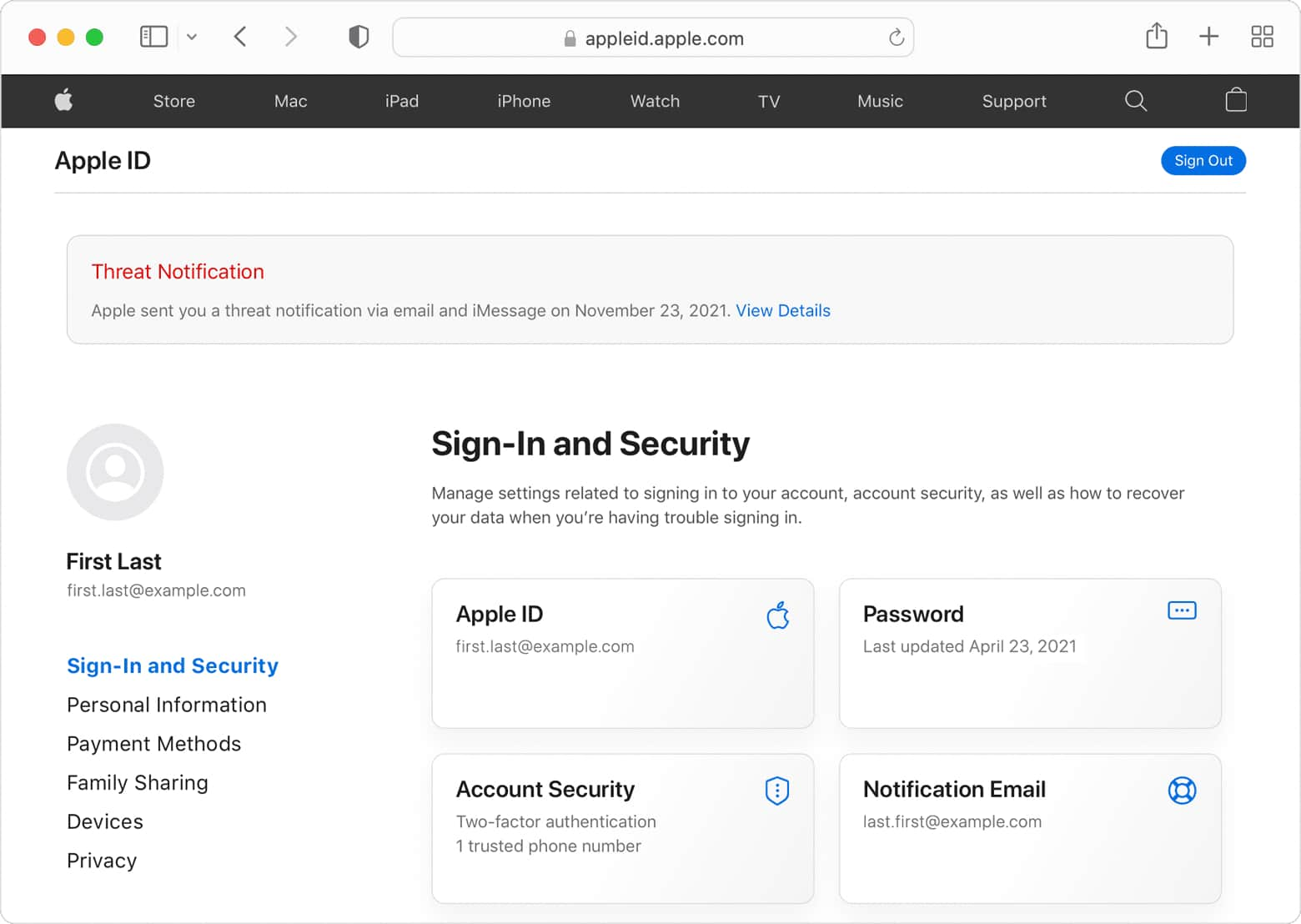
Apple has issued security alerts to millions of iPhone users across 92 countries, stating that their devices are being targeted by mercenary spyware. The alerts suggest that the attack is likely targeting users based on their identity or activities.
Apple has been informing users of threats for years, targeting journalists and politicians in over 150 countries since 2021. Some users have found invasive Pegasus spyware on their iPhones, created by Israeli spyware maker NSO Group. However, the company hasn’t provided any official numbers in the current case.
As reported by The Economic Times, Apple has stated in the warning email that the attack is likely targeted due to specific characteristics or actions, urging users to take it seriously.
A targeted mercenary spyware attack could remotely access sensitive data, communications, or even the camera and microphone, according to Apple’s threat notification email.
Despite the Indian government’s opposition to security alerts by Apple, India is among the countries affected by this issue, and it’s unclear if US iPhone owners were targeted, as Apple hasn’t provided any further details.
Apple has sent multiple alerts to over 150 countries since 2021 and it previously sued Israeli firm NSO Group for aiding adversaries in targeting iPhone users. Moreover, Apple has been releasing iOS updates to address potential spyware attacks, often as emergency security measures, especially when an iPhone flaw is already being exploited.
If you have received this notification, remember that Apple has dedicated a page to offer guidance on changing passwords and enabling two-factor authentication to enhance security.
What are Mercenary Attacks?
Mercenary attacks are targeted spyware attacks, which are a unique type of cyberattacks that targets specific individuals based on their profession, social status, or access to sensitive information. They use sophisticated spyware, like Pegasus, to infiltrate devices and gather vast amounts of data.
These attacks, are expensive and require extensive resources to execute. Mercenary attacks are rare and complex cybercrimes, costing millions and targeting a small number of people worldwide, according to a company email.
Brian Higgins, security specialist at Comparitech commented on the issue. “There have been enough periodic Pegasus activations in recent years for those who are regularly targeted to hopefully have some kind of response or mitigation plans in place,“ he said.
“Most often journalists and activists in jurisdictions of risk are targeted as they are vulnerable to intervention, prosecution and attack by the regimes they challenge – and data harvested in these breaches can facilitate all of these activities,“ Brain warned.
“It’s rather a disappointing buck-passing exercise for Apple to direct them to a third party, non-profit Security Helpline, given the history of implications for individual targets in previous incidents. You’d think as proprietors of a vulnerable platform, they would offer to help out themselves.“
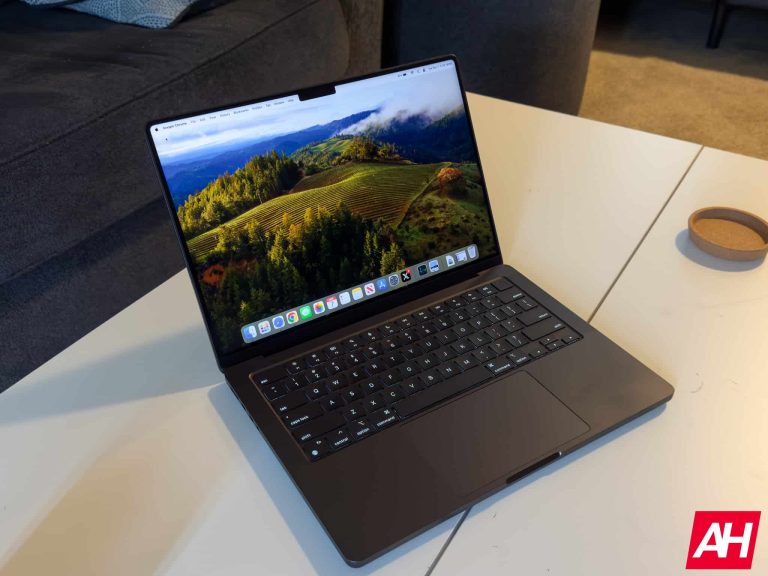
The recent addition of artificial intelligence into Windows PCs along with the relatively efficient Meteor Lake series chips has captured significant attention. On the other side, Apple’s Mac machines are seeing a lower-than-expected sales figure, with Tim Cook noting the PC market as “challenging” for Apple. As per reports from Bloomberg, Mac sales fell 27% in the last fiscal year, which ended in September.
Apple’s Mac business is reportedly having a tough time without any groundbreaking addition
Apple initially expected a considerable improvement in sales towards the end of last year with the M3-powered MacBooks. However, there wasn’t a big performance improvement compared to the M2-powered ones. As a result, the refresh didn’t help much in increasing the revenue.
Apple is lacking AI products and services as compared to many other giants including Microsoft and Google. Now the news is that Apple is trying to focus on AI for the upcoming M4-powered MacBooks. As Apple analyst Ming-Chi Kuo noted, a big focus is on the upgraded neural engine of the M4 chip which will allow more cores and computational capabilities related to AI models that will run on new MacBooks and other Mac machines.
The company is likely to talk about its approach and achievement in AI in the upcoming World Wide Developer Conference in June. Nonetheless, the software side implementation of AI features may take time, potentially being pushed to as far as 2026.
Apple is looking forward to enriching Mac machines with AI-powered M4 chips
According to people associated with the development of AI-enabled M4 chips for upcoming MacBooks, Apple is already nearing production. The release of the updated computers may begin late this year. There will be new iMacs, a low-end 14-inch MacBook Pro, high-end 14-inch and 16-inch MacBook Pros, and Mac Minis, all with M4 chips. Going forward, the company will reportedly upgrade every Mac model with the new chips.
As Bloomberg mentioned, the new chip will reportedly come in at least three different versions – an entry-level M4 chip codenamed Donan, a mid-tear version codenamed Brava, and the top-tear one codenamed Hydra. The entry-level MacBook Pro, lower-end Mac Mini, and MacBook Air machines are likely to use Donan (the entry-level chip). The higher-specced MacBook Pros, Mac Minis, and the Mac Studio may use the mid-tear Brava. The top-tear Hidra chip will power the Mac Pro.
Ever since the introduction of AI-generated content, we’ve been seeing several bad, janky, and uncanny bits of media invade our social media feeds. However, major tech brand TCL has taken this to the next level. TCL just released a dreadful-looking AI-generated movie trailer.
TCL released the trailer for its AI-generated movie
It is currently April 12th, however, this trailer looks like it should have been posted on April Fool’s Day. The company showcased a trailer to be released on TCLtv+. In the trailer, it becomes painfully obvious right away that this was all generated using AI. Not only was it AI-generated, but it looked several steps behind the kind of content we saw with OpenAI’s Sora.
TCL is, unironically, going to stream a movie with fully AI-generated imagery. The movie is called Next Stop, Paris, and it seems like your typical Christmas romance without the snow. Basically, a woman travels to Paris with her fiance for her honeymoon. However, she meets a handsome stranger. Any person who has seen more than one romantic comedy should know where this is going.
This movie was “AI-powered”
You have to appreciate TCL’s turn of phrase for this movie. While most of us would say AI-generated, TCL says that it is “AI-powered.” Feel free to roll your eyes after reading that. It’s obvious that the company relied heavily on AI imagery for the footage.
However, we have to give the company credit where it’s due; it used human writers and human voice actors. Also, TCL used human motion capture to go along with the boiling and shifting imagery. So, it’s nice to see that the company didn’t rely solely on AI technology.
But, that’s not the point
This sort of thing hints at a pretty dark future for content and media. There’s no mincing words here, this movie looks plain BAD! We will not be able to see past the poorly generated visuals to pay attention to the story. However, a reputable tech company is releasing this as an actual movie.
Undoubtedly, TCL paid a fraction of the price to produce Next Stop, Paris than it would have if it hired an actual crew. So, if it makes any money from this movie, it will have a higher possibility of making true profit. Congratulations, TCL, you’ve just opened the door for other studios to do the same!
We are already fearing AI technology making it into Hollywood. Well, Hollywood isn’t the only source of movies and TV shows. We’re fed content through streaming services, and many of them spend the money to make original content like Netflix, Hulu, Disney, Apple, Amazon, etc.
However, we also get our content from sources that don’t intrinsically produce content. These are TV makers and platforms that are designed to feed you content from streaming services (TCLtv+ is one of them). These companies don’t make their own content because it’s a massive expense and it doesn’t flow with their business structure.
Now, being able to cheaply throw together AI productions and distribute them on their services could be the next industry trend. It’ll only be a matter of time before we see more movies like Next Stop, Paris hit the screens. The only question is how long until we find ourselves flipping through Netflix for 20 minutes just to find one show or movie that is not AI-generated?
Instagram is always looking for ways to make the platform better, and the company recently brought some changes. One change that the company introduced will make your posts and Stories that much better. According to the company, Instagram will allow you to make custom and animated stickers.
This story comes right after Instagram announced that any DM containing nudity will be blurred. The company will use artificial intelligence to detect if images sent through DMs contain any sort of nudity. This is to help people avoid being abused by receiving random sexually explicit photos. It aims to make Instagram’s DMS a safer place.
Instagram now lets you make custom stickers
When you are making your latest Reel or Story, you have the option to add stickers. Stickers are small illustrations that you can add to content and spice it up a bit. They act as larger and more detailed emojis, and they can be drawings of pretty much anything from locations to celebrities to characters Etc.
The number of stickers is always growing. However, if you want the ability to create your own, Instagram now allows you to. The app allows you to create your own stickers by cutting out subjects from images. You will then be able to use those subjects as stickers in your reels or stories. The company press release referred to “eligible photos.” So, you may not be able to use just any Instagram photo.
Something that’s neat to note is the fact that you’re actually able to extract subjects from videos as well. If you take a sticker from a video, it will be animated.
We will have to wait to see how this feature works. Since you are only able to use it with eligible photos, there may be an opt-in option that will let other people use your photos as stickers. In any case, this is a very neat feature.
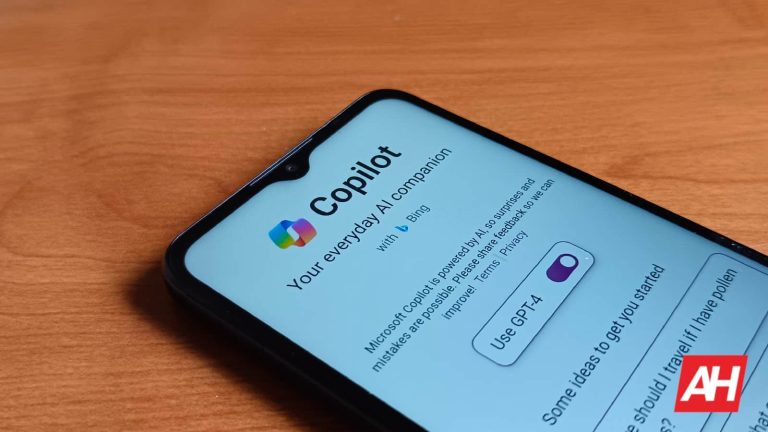
Microsoft Copilot is set to start at the same time a Windows PC boots. The Windows OS maker had scaled back the push but appears to have made a U-turn.
Microsoft Copilot starts at Windows 11 boot
Microsoft may have “undocked” Copilot, but it is back to its tricks of subtly pushing its apps and services. The Copilot Generative AI assistant now starts at first boot, without needing any user intervention.
Several beta testers for Windows 10 and Windows 11 Operating System (OS) have observed Microsoft’s trickery. After starting up their computers, they were greeted by Microsoft Copilot.
It’s no secret, Microsoft intends to position Copilot as the go-to Gen AI assistant. Although Microsoft’s implementation of Speech Recognition technology has some concerning limitations, this hasn’t stopped the company from barreling ahead with Copilot.
Microsoft has been heavily promoting Copilot, a Gen AI that has the power of OpenAI’s ChatGPT. Now, Microsoft appears to be forcing Copilot onto Windows 10 and Windows 11 users, some tech enthusiasts feel.
Has anyone noticed that Copilot is automatically being launched on 26100, despite not having changed any settings?
How to stop Microsoft Copilot from starting at boot?
Microsoft has been testing co-booting Copilot with Windows 11 for a few months now. The company first tweaked the boot process to include Copilot for certain beta testers of the operating system a few months ago.
We previously documented it back in Feb. in this blog post but temporarily disabled it – we’re re-enabling it which is probably why you’re seeing it now. https://t.co/y08M0uitHj
Presumably realizing this might not go down well with the general users, Microsoft had dropped Copilot from the first boot. However, last week’s Windows 11 Insider Build 26100 for both Dev & Canary channels, reportedly included Copilot during the booting process.
Microsoft has restricted Copilot to the primary screen. The company has even ensured the Gen AI assistant will be visible only on computers that have a 27” or bigger monitor with a pixel width of 1920 pixels.
In other words, Microsoft Copilot will start at Windows 11 boot only on big-screen monitors with a Full HD (1080p) or bigger resolution. This means that even if computers have multiple displays, if the primary monitor is small, Copilot won’t start at boot.
Although some limitations are preventing Copilot from hogging screen real estate, Windows 10 and Windows 11 users can prevent Copilot from opening at start-up. General Windows 10 and 11 users don’t have to worry yet. However, beta testers can head over to Settings > Personalization > Copilot, and toggle the autostart setting off.
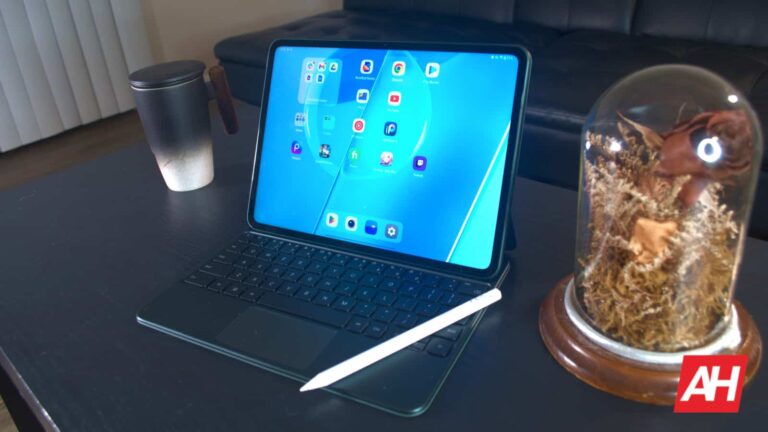
While OnePlus fans are awaiting the release of an upgraded tablet, it looks like they won’t have to wait too long for the OnePlus Pad 2. According to a leak from tipster Max Jambor, the OnePlus Pad 2 is currently scheduled to debut in the second half of 2024.
At this point, not much is known about the specifications of the Pad 2. However, you can expect to have an improved display over the original Pad, with a minimum screen size of 11 inches and a high refresh rate of 144Hz. The tablet will likely be powered by a powerful SoC from MediaTek, along with updated RAM and storage options. It should also have a large battery that supports fast charging via SuperVOOC.
OnePlus Pad2 will be launched in the second half of 2024
OnePlus released the OnePlus Pad (Review) last year. The company’s first tablet runs on the Dimensity 9000 and features an 11.6-inch 2K LCD. Its 9,510mAh battery provides all-day use and 67W fast charging. According to the company, you can get up to 13 hours of battery life on a single charge, which is pretty good for a tablet of this size. If the battery is completely drained, it also charges quickly. After just 60 minutes on the charger, you can get up to 86% of battery life from 0%.
So, we expect the next OnePlus Pad to have specs similar to these. We will have to wait for more information to be sure. Since it’s coming in the second half of the year, then, it will launch sometime between July and December. So, we’re months away from the official launch.
On the other hand, OnePlus has just started rolling out the Android 14 update for the tablet in the United States. The upgrade to Android 14 brings improved security, privacy, and personalization features to the OnePlus Pad.
OnePlus also released OxygenOS 14.0.0.500 for the tablet last week. It fixes the screen flicker issue and delivers an Android security patch for February 2024. OnePlus is a bit late with this, but a security boost is nice to see.
This update also improves the system stability and performance of the device. It reduces power consumption to extend battery life “in some scenarios”. For more details on OnePlus’ first tablet, check out our review.