If you’re an O.G. Nest fan who clung to your first-generation Nest Cam Indoor, life may have gotten a little frustrating. Google’s gradual merge of Nest into its Google Home ecosystem hasn’t been the smoothest ride, especially for those older gadgets. The company vowed back in 2023 to fix it, but progress reports have been few and far between…until recently.In a surprising Reddit AMA, managers from both the Google Home and Nest camps reaffirmed that bringing those older Nest cameras (think Nest Hello Video Doorbell and models from way back in 2015) into the Google Home fold is still a work in progress. It seems the tech is proving to be surprisingly complex, and sadly, no firm timeline exists yet. But hey, at least Google hasn’t thrown in the towel.
A commitment in a sea of updates
With Google juggling so many products, it’s understandable that this isn’t exactly a top priority for the tech giant. Still, they don’t seem keen to let their home automation efforts fall apart. 2023 brought cool updates to Google Home, like temperature-based triggers (think dimming the lights when your show is paused) and direct streams of your Google Nest cam feeds inside the app. Google even let power users write their own custom triggers and scripts, and a tool to help non-coders write these scripts as well. Throw in bringing Matter support to the mix, and you have a pretty big undertaking in just a year’s time.
Google Home Script Editor | Credit: Google Blog
Whether you’re a smart home veteran or a Google newbie, this dedication is worth noting. Tech support often withers with time, and Google HAS abandoned projects before, as we know all too well. But their continued willingness to stick with the Nest line could be just the thing to reassure you the next time you’re eyeing that new smart doorbell or camera.
Google Search – arguably the world’s most dominant search tool – just got a little more powerful (and a touch more user-friendly). While Google’s AI prowess grabs headlines, this recent update brings a welcome change to streamline the everyday search experience.
Advanced Search, that toolkit for narrowing down your results, has always been there. But like your least-used pair of jeans, it was often buried somewhere in the browser’s Settings menu. Google’s team knows we sometimes need search results tailored with surgical precision, so the decision to make Advanced Search more prominent makes a whole lot of sense.
Say “Hello” to the Tools bar
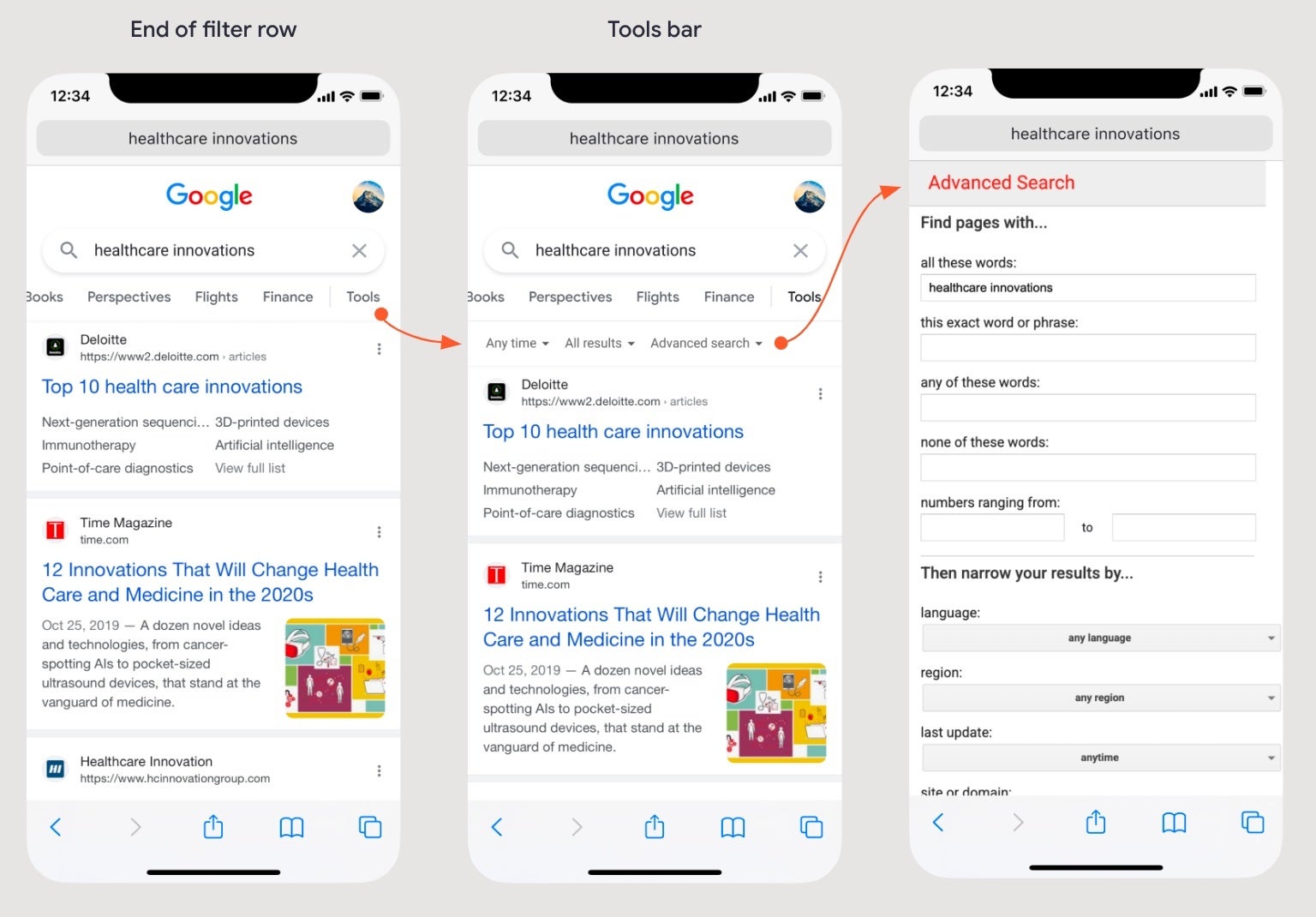
Ever noticed that row of options under the Google search bar – things like “All”, “Images”, and “News”? That’s the Tools bar. Now, Advanced Search has its own spot at the end of this bar, making it way quicker to reach.
Image Credit: Google Search Help
These are your basic everyday tools for finding things. I use them on a daily basis when I need to find a logo or a royalty-free image for an article. However, when I need to find something very specific, I turn to Advanced Search. An example of this in my daily workflow would be a blog post published by Google in the past week that has the keyword “Pixel” in it and does not mention “feature drop”. You get the idea. When you want a refined search, that’s where Advanced Search shines.
Why does this matter?
This update feels like Google acknowledging that performing advanced web searches are still important. Even in this age of AI-everything, where you can just ask a chatbot a question and expect to be served a quick but detailed answer, there are still times in which you need to do your own research. Also, let’s face it, AI chatbots are far from perfect and, as the disclaimers clearly state, may sometimes give you incorrect information.
Learn how blockchain is transforming digital identity management by empowering individuals with self-sovereign control over personal data through verifiable credentials and decentralized identifiers, streamlining access and verification of attributes across organizations.
Identity management, often called identity and access management (IAM), refers to how users prove who they are to access online platforms and services. Whether individuals logging into personal accounts or employees accessing work technologies, IAM determines the level of access granted for a specific login identity. As organizations and individuals conduct more business and activities online, secure and private IAM is crucial.
However, legacy centralized IAM systems have enabled major security and privacy issues. Data breaches at large corporations and governments have exposed users’ sensitive personal details. Citizens’ information has also been shared without consent due to a lack of control over how data is collected and used. These alarming issues have led to increased regulation worldwide regarding responsible data practices.
As penalties for mismanagement strengthen, the need for secure and decentralized IAM solutions becomes clear. Blockchain digital identity management provides hope, giving users complete control and visibility over their digital identities and enhancing security through decentralization. By storing credentials privately in an identity wallet, blockchain IAM enables instant and trustless blockchain identity verification without dependence on centralized authorities.
What is Identity Management?
Identity management refers to the processes and technologies used to securely manage digital identities and control access to online resources. Effective identity management systems balance security, privacy, and convenience for all users. At their core, such systems link verified digital credentials to a real person, allowing individuals to prove who they are across multiple contexts.
Whether authenticating to online bank accounts, using a cross-platform sign-in for apps and websites, or remotely accessing corporate networks, digital identities serve as the foundation for participation in our increasingly digital world. Traditional identity management relies on centralized authorities, like governments or large companies, to act as the sole issuers and managers of digital credentials. However, this leaves individuals with little ownership or visibility over how their data is handled.
Blockchain identity management improves the system by shifting control back to individuals. Through decentralized identifiers (DIDs) stored in self-sovereign digital wallets, users can independently prove attributes about themselves without depending on middlemen.
Credentials like names, photos, addresses and more can be tokenised and shared transparently based on user consent. This enhances both privacy and security compared to legacy models which concentrate on sensitive personal data in vulnerable databases.
The Impact of Blockchain on Privacy and Security of Digital Identities
The decentralized nature of blockchain technology inherently enhances privacy and security for digital identities. By distributing identity data points across many nodes of a blockchain network rather than consolidating them within central databases, the risk of a single breach compromising all information is significantly reduced. If one node is hacked, the copies stored securely on others remain intact.
Furthermore, blockchain identities can be self-sovereign, giving individuals full control of private cryptographic keys rather than relying on external authorities. Users alone dictate what attributes are shared, with whom, and for how long through customizable attestations and verifiable claims. This level of personal data ownership puts individuals in the driver’s seat when it comes to privacy.
New addressing schemes like decentralized identifiers (DIDs) also contribute to improved protection of digital identity and security attributes. DIDs are cryptographically generated identifiers that are permanently bound to the individual rather than centrally issued and linked to personal details. Transactions using DIDs can occur without revealing underlying postal addresses, phone numbers, or other sensitive community details as blockchain development companies work to apply these identity techniques across industries.
Verifiable Credentials and Decentralized Identifiers in Blockchain Identity Management
At the core of blockchain-based identity systems are verifiable credentials – digitally signed claims about attributes, qualifications, and rights that are issued to an individual by an authoritative entity. Credentials can cover details such as a driver’s license, university degree, medical records, or professional certifications. Using decentralized identifiers (DIDs) and cryptographic proof techniques like zero-knowledge proofs, any credential stored on a blockchain can be verified without revealing additional personal information or requiring a centralized authority.
DIDs are globally unique persistent identifiers that are under the sole control of the subject they identify. They are resolved to public keys that in turn can be used to cryptographically prove control of the DID. With DIDs, verifiable credentials can be issued, received, held and presented anonymously and pseudonymously while maintaining a consistent, decentralized digital identity. Blockchain-anchored transactions associated with a DID are also permanently auditable by all relevant parties, allowing others to independently validate attributes without depending on a single party.
When credentials and DIDs are combined with user-controlled wallets that store cryptographic keys, individuals gain full sovereignty over their personal data ecosystem. They can choose when and how much of different credential attributes are revealed while maintaining ownership of the private keys needed to issue, renew, and modify credentials over time.
Blockchain Identity Management Use Cases
There are several promising use cases where blockchain-based decentralized blockchain identity solutions can provide value. One example is a self-sovereign digital identity blockchain for refugees and stateless persons seeking identification credentials or qualification recognition across borders. With verifiable blockchain records, attributes can be established without relying on traditional recognition from national authorities.
In healthcare, patients own their complete electronic medical records through DIDs and can grant access permission to different providers more conveniently. This allows for skipping redundant registration steps and keeping sensitive health details fully portable between care networks. Blockchain credentialing could also maintain physician licenses and certifications in a tamper-proof way trusted by insurers, hospitals, and those in need of treatment.
For supply chain and logistics firms managing shipments globally, blockchain identity techniques could issue verifiable credentials to drivers, pilots, ships, and warehouses involved in transport. Attributes certifying completion of training courses or compliance standards could be presented digitally at border crossings, saving both time and paperwork normally required for auditing. Full visibility and audibility of credential histories benefit all participants and authorities throughout complex international transit processes.
Bottom Line
Blockchain shows great potential to revolutionize digital identities by placing control back in individual hands. Through self-sovereign techniques using verifiable credentials and decentralized identifiers, privacy and trusted interactions are possible across organizations. As these solutions develop further to address real-world needs, blockchain identity management offers advantages to both individuals and businesses in streamlining processes and establishing verified attributes.
Still, interoperability standards must continue advancing for widespread adoption. User experiences also need simplifying regarding private keys and cryptographic components. However, the underlying technologies are progressing quickly and may fulfil the vision of self-sovereign digital decentralized identity solutions.
Arguably world’s most popular messaging app, WhatsApp is always improving its apps to provide users with the best chat experience possible. That’s why we’re expecting new features and improvements every time WhatsApp rolls out an update.
The latest version of WhatsApp is no exception and while it doesn’t bring any revolutionary changes, the slight redesign will surely make it easier to access many of the app’s functions.
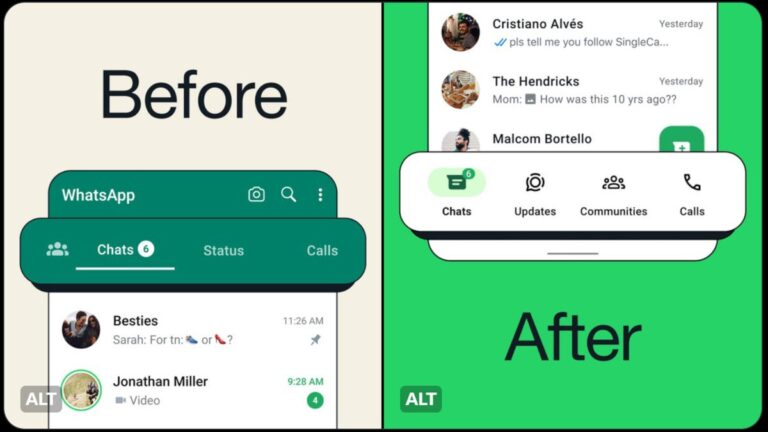
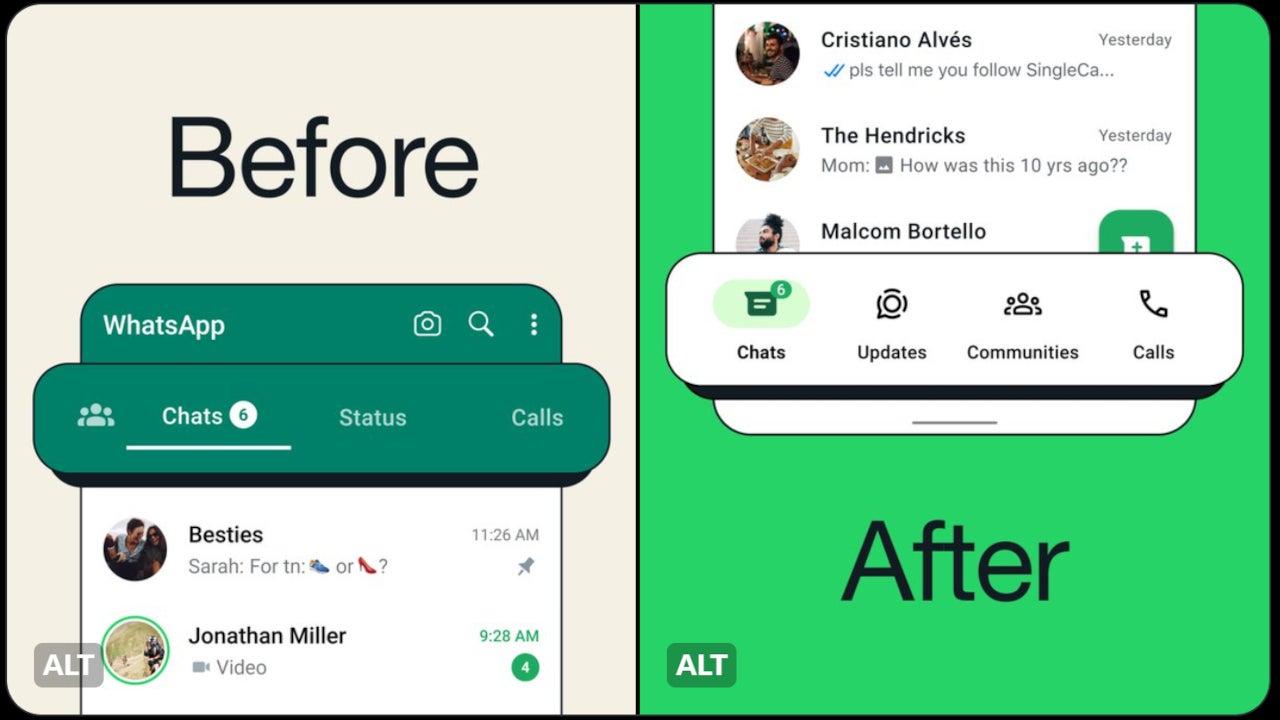
WhatsApp recently confirmed on Twitter that its mobile app now features a new navigation bar. First off, the navbar has been moved from the top of the app to the bottom. Secondly, it now features one additional tab: Updates.
Apart from that, the new navigational bar retains the same functionality as the previous one, while promising to provide a cleaner look and comfy use. It will take a little bit of time to get used to the new positioning, but the new navbar definitely looks easy on the eyes.
The latest WhatsApp update is rolling out in waves, so it might take a few more days for everyone to see the new navigation bar in the app.
We tend to think that flagship phones get better year over year, but budget phones remain cheap and underpowered. And, that’s sort of true. Every new Galaxy phone or iPhone gets a brand-new processor and a performance boost while budget phones remain stuttery and underpowered. However, we’ve been blind to a trend in the smartphone industry lately. I was given the opportunity to review the Moto G Power – 2024, and this exemplifies that fact.
Just like flagship phones, the quality of budget phones increases as time goes on, it’s just not as fast as with flagship phones. While flagship phones improve each year, budget phones have been improving gradually over the years. Years back, any phone under $300 would be a stuttery mess. Nowadays, phones costing $299 or even $199 manage to offer solid experiences with smooth performance.
This is important to note because we’re seeing an interesting trend in the smartphone industry. Flagship phones are steadily getting more expensive, and the level of improvement between iterations is diminishing. However, budget phones are offering increasingly solid experiences at cheaper and cheaper price points.
This is something that plays into the Moto G Power – 2024’s favor. So, what makes this phone stand out, and should it be your next phone? Let’s find out in this review.
Moto G Power – 2024 Review: Design
As the years went on, the designs of budget phones have gotten progressively better. I’ve reviewed phones like the Infinix Note 30 Pro, Tecno Pova 6 Pro, and the Moto G 5G – 2024 (Review), and they all have designs that make me question their prices. The designs of budget phones have become high-quality and nuanced, and the Moto G Power – 2024 is no exception.
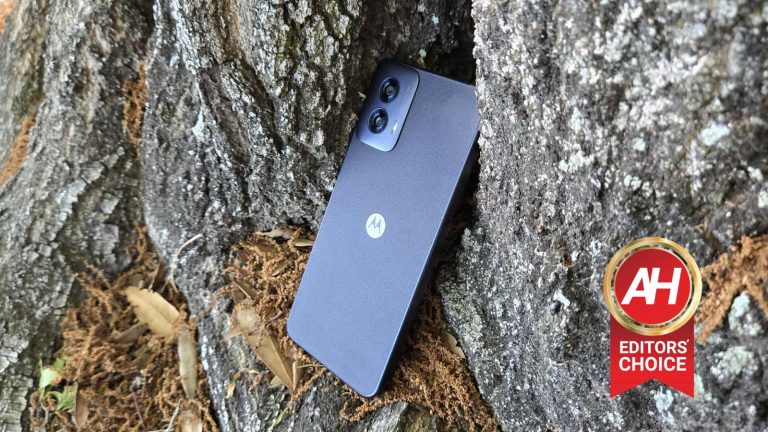
The design of this phone is in the same vein as the abovementioned Moto G 5G – 2024. The company went with a leather aesthetic for this device. This gives the phone a luxurious appearance that we expect from a more expensive handset. Honestly, I can’t take my eyes off of it.
It’s not just the leather material that makes it look gorgeous; there’s another layer to it. It’s how the leather fits into the overall design of the phone. Motorola went for a slightly boxy design for this phone, and I think that’s the best thing for the leather. It creates this no-nonsense aesthetic that I really like. Just like with the Moto G 5G – 2024, the Moto G Power – 2024 has an understated elegance that makes the design pop.
There’s a certain professionalism to the design that gives it the same energy as a worker in a business suit. It’s not flashy or over-the-top, but it’s well-refined.
The only thing that kind of kills the design for me is the camera package. You have this beautiful and bold boxy shape, but the camera package is oddly rounded. It throws off the whole aesthetic. I’d like it if the camera package matched the shape of the phone better. It just gives the phone an odd appearance that doesn’t reflect the level of refinement that I saw with the Moto G 5G – 2024. This phone is pretty to look at, but awkward.
Moto G Power – 2024 Review: Build quality
People often talk smack about Motorola’s phones, but you can’t say that the company constructs these phones poorly. I haven’t reviewed a Motorola phone that I needed to worry about babying. It doesn’t matter what price, I always feel that these phones are solidly built.
The case is no different with the Moto G Power – 2024. Sure, I’ve used solidly built Moto phones in the past, but I was still rather impressed when I first picked this phone up. There’s a satisfying heft that hits you right away. It lets you know that you’re using a phone that can take a hit and keep going.
One thing I referred to in my Moto G 5G – 2024 review was the feeling of density, and the Moto G Power – 2024 has that feeling. While this phone has a bit of thickness to it, it’s still rather compact. This, coupled with that satisfying heft makes the phone feel rather dense overall, and that’s a good feeling. It lets me know that the space within the phone is being used properly.
Not only that, but it lets me know that it’s using quality materials. It’s obvious that the company had to compromise on the frame of the phone; it’s made from plastic. Be that as it may, it still feels like a tough plastic. It doesn’t feel cheap and plasticy as some other phones would feel.
When it comes to the overall construction, I was also pleasantly satisfied. I bent the phone slightly from both sides just enough to hear a little bit of creaking coming from the phone. The creaking wasn’t substantial at all. I only heard it when I applied more force to the phone than necessary. Even though I didn’t apply a ton of force to it, the phone held its shape very well.
Overall, we all know that Motorola had to cut some costs and corners to keep the price down. However, I don’t think any of the cuts were to the build quality. This feels like a generally high-quality and well-built phone. I don’t just mean that for the price, I mean in general.
Moto G Power (2024) Review: Display
Years before, good displays were reserved for super-expensive phones, but we saw a huge shift in this department. Imagine seeing an LCD display on a $300 phone just five years ago. That would make anyone shudder. However, I think that display quality is one of the things that have improved the most on cheaper phones.
The Moto G Power – 2024 is a testament to that, as this phone was able to impress me in just about every aspect. Every once in a while, I forget just how beautiful LCD displays can look, and this is one of those phones that refresh my memory.
Brightness
Not to put you through the trauma again, but think back to that $300 phone from back in the day, and imagine using it out in the bright sun. Those were not fun days. Thankfully, things have changed for the better.
When I brought the Moto G Power – 2024 out into the bright sun, I was surprised with how visible the screen was. It’s definitely not as bright as the displays coming with flagship phones, but it’s still miles better than older phones. We were all used to having to cover our phone displays in the sun to keep from just seeing our reflection. Well, when using this phone in the light, everything was still perfectly visible. I’d say it’s around 900 nits, which is still a commendable number.
So, whether I’m scrolling through music, playing games, or watching content in the sun, I think that this screen’s brightness is just enough.
Colors
OLED displays are more saturated than LCDs, yes, we’ve known that for years. So, seeing a colorful OLED display is nothing special. I’ll tell you what’s special, seeing an LCD display with colors that can give an OLED a run for its money. That’s pretty much what the Moto G Power – 2024 has.
Obviously, if placed side-by-side with an OLED display, the colors will look washed out, but you’re not going to constantly be looking at this screen directly adjacent to an OLED.
I was impressed with how much color Motorola was able to squeeze into this display. Everything on the screen just pops with so much color. It’s the kind of screen that, at points, almost fools me into thinking that I’m looking at an OLED panel.
One thing about this display that really gets me is the overall balance of the colors. The display on the Moto G 5G – 2024 really shines when it comes to warmer colors like red, yellow, and orange. However, cooler colors were a little muted. They still look nice, but they lack that punch.
With this Moto G Power – 2024, colors across the board are juicy and nice to look at. Warm sunsets look nice, and so do sapphire-blue oceans. This makes for some stunning visuals.
Contrast
OLED displays have better contrast than LCD displays. Yes, we’ve also known that for years. Now, contrast on LCD displays has gotten better over the years, but companies haven’t been able to impress as much as with saturation.
The contrast on the Moto G Power – 2024’s display is definitely commendable. I can say that the blacks are pretty dark, and they lend to an overall nice picture. I wouldn’t say that it’s jaw-dropping. That’s to be expected, as there’s a limit to how dark the blacks can be on an LCD display. So, I think that the contrast is about as good as an LCD panel can produce.
Extras
When it comes to extra goodies, there aren’t many. Starting off, this screen has HDR support. This gives the content you’re watching a boost to the color saturation, details, contrast, ETC. Also, this is a smooth 120Hz display. So, everything you see on it will be smooth and fluid.
Overall
Affordable phones are not confined to having terrible displays anymore. We used to dread buying $300 phones because we knew that the viewing experience would be low-quality. However, as time went on, companies started giving us affordable phones that we could actually enjoy watching content on. I was pretty blown away by the quality of this screen. When I started watching content and playing games, I was impressed by how punchy and well-balanced the colors were. I was impressed with the overall smoothness and the amazing contrast.
I’d say that the display is one of the best qualities of this phone. Every time I turn it on, I’m greeted with an amazing visual experience.
Moto G Power – 2024 Review: Speakers
Just like with their displays, speakers on affordable smartphones have always been historically bad. If you’re saving money, you aren’t really concerned about having top-notch audio quality. So, the speakers on affordable phones would barely be passable.
Honestly, that remains true to this day for most phones. However, I’ve come across a few gems while reviewing phones. Some phones like the Galaxy A53 5G and the OnePlus Nord N30 redefine what affordable smartphone speakers can do. So, let’s see what the Moto G Power- 2024 can do.
To test the speakers, I did two things. Firstly, I just used the speakers in my day-to-day life. Also, I did a more scientific test. I crafted six short musical examples, and each of these examples accentuates one core aspect of a smartphone’s speakers: loudness, distortion, bass, treble, balance, vocals, and immersion. Both the distortion and loudness were tested using the same musical example. So, here’s a rundown of how this phone performed.
Loudness
In terms of loudness, I have no complaints. When the speakers are turned to full volume, they’re allowed enough to be heard clearly across the room. The example piece used to test the loudness is a very loud and punchy rock piece. Not only that, but I have no issues hearing the speakers when I am outside.
I played the example piece one foot away from a sound meter, and the speakers peaked at 84db. So, you don’t have to worry about this phone’s speakers feeling weak or underpowered.
Distortion
Smartphone speakers have come a long way in terms of reducing distortion. You’d expect an affordable smartphone’s speakers to distort wildly at higher volume levels. However, that wasn’t quite the case with this phone. I didn’t start hearing distortion until I was within one or two volume levels of the peak. The music remains clear until you get to the very top. I was actually really impressed.
Bass
One of the main pain points with affordable phone speakers is the lack of bass. We’re all used to hearing weak and tinny audio coming from them. Historically, the job has just been to do the bare minimum and protect the sound. It didn’t have to sound good.
However, Motorola put effort into making the speakers on the Moto G Power – 2024 sound good. It missed the mark and wound up making them sound great. These speakers are able to produce satisfying and warm bass. I was very surprised, as this phone retails for under $300.
The bass that the speakers produce is very immersive, and it’s so much better than this phone’s price would indicate.
Treble
It’s easy to overlook the treble performance of a set of speakers. Many companies focus on deep thumping bass, but they sometimes neglect the higher tones. However, just like a puzzle, every piece of the audio performance is important.
When it comes to treble, what you want to listen for is clarity. You want to make sure that all the higher tones project crisp and clear. Well, I think that the speakers on this phone handle that job very well. The higher tones are nice and tactile, and the distortion is very low.
Balance
With the bass and treble being reviewed separately, it’s time to put them together. It’s very important for a set of speakers to have very well-balanced audio. You want to make sure that neither the base nor the treble overpowers each other. Having a nice balanced sound makes for a much more enjoyable experience.
The test piece I listened to is a short musical example with a similar emphasis on both the treble and bass. I listened to see if any were overpowered. Overall, I feel that the treble overpowers the base just a bit. So, you will probably hear the higher tones a bit more than the lower tones. However, the sound is still overall balanced.
Vocals
You’re likely to listen to some songs on these speakers, and there are just those songs where the lyrics are more important than the music. This is why it’s important for a pair of speakers to properly project voices.
I think that, out of all of the phones I’ve tested, this is one of the best performers when it comes to vocals. I was extremely impressed because there are much more expensive phones that struggle to properly project vocals. However, with the Moto G Power – 2024, I can hear just about every detail in the voices. I was extremely surprised and very impressed.
Immersion
Phone speakers can sound really nice but drop the ball when it comes to immersion. It’s hard to put my finger on how to describe immersion, but it’s how the audio seems to surround you. It almost creates a surround-sound effect, and some speakers do a good job of doing this.
As for the Moto G Power – 2024, I’d say that the immersion is very good. There’s a nice wide and encompassing soundstage.
Editing the audio
There are several ways that you can edit the audio quality of the speakers. This is through the Dolby Atmos settings. The Moto G power2024 comes with Dolby Atmos support enabled by default, and there’s no way to disable it. So, you’re getting a Dolby-optimized audio experience from the get-go.
Out of the box, you will have a smart audio option that optimizes the audio based on the content you’re listening to. So, the audio will adjust itself depending on whether you’re watching videos, listening to music, gaming, or listening to podcasts. Under that, you will see five different settings. These are Music, Movie, Game, Podcast, and Custom settings. So, if you don’t want the system to automatically optimize the music based on the content you’re listening to, you can have the audio set to one of these Settings.
Within each of these settings, you have the option to further customize the audio. You can choose between different EQ presets. You can also enable or disable the surround virtualizer, which creates a surround sound experience to your connected device. Lastly, you can enable or disable the volume limiter.
If you dig into the custom settings, you will be able to manually customize a 10-band equalizer along with the aforementioned settings. These all give you very granular controls over your audio. So, if you like to tinker with your audio, then you will love these speakers.
Overall
Just like the display, the speakers on this phone really blew me away and completely shattered my expectations. I’m hearing qualities in these speakers that put much more expensive phones to shame. It’s clear that Motorola had a powerful media consumption experience in mind when making this phone. The speakers are immersive, warm, and very high quality. Also, they have some of the best vocal performance that I’ve heard on any phone that I’ve reviewed.
Moto G Power (2024) Review: Performance
As anyone could guess, performance is another area where budget smartphones have historically come up short. They usually run highly underpowered chips, and can sometimes barely even run the software that comes loaded on them. This is a major pain point for people buying budget smartphones and hoping for them to be useful.
However, as I’ve said before, budget smartphones have gradually gotten much better in terms of performance. Now, we’re seeing smartphones under $300 performing almost as snappy as phones three times as expensive.
In the case of the Moto G Power – 2024, I don’t have any major complaints about the performance. At no point during my testing have I experienced any slowdown or dropped frames. Sometimes, weaker phones with 120Hz refresh rates struggle to maintain fluidity and often drop frames.
However, this phone managed to keep performing smoothly no matter what I threw at it. So, I think that Motorola did a great job of optimizing the software for the MediaTek chip that’s powering it.
However, it’s not perfect
While the performance was notably snappy, it is still a few steps behind the performance you’d see on more powerful phones. The performance is similar to what I saw with the Moto G 5G – 2024.
Whenever I tap on an app or perform a function, there’s just a bit of hesitation before I see anything happen. If I tap on an app, there’ll be maybe half a second of a wait before the animation plays. It’s not as drastic as on the Moto G 5G – 2024. However, it’s still discernible.
So, it appears that the phone needs just a few milliseconds to process the action it’s about to perform. That’s not a big deal, and I prefer that to drop frames.
Moto G Power (2024) Review: Gaming
Imagine buying a $300 phone to play some of the most graphically intensive games on the market. That would never really be a possibility back in the day. However, it seems that midrange processors are getting better at a faster rate than game graphics are improving. So, weaker processors are starting to catch up to more graphically intensive games. This is good news, as you won’t need a more expensive phone just to play some of the funnest games on the market.
The gaming performance of the Moto G Power – 2024 confused me just a bit. However, this was only with the more graphically intensive games. When talking about less graphically intensive games, there’s no question. This phone conquers them. I chose Survivor.io as a good 2D game to test. While this is not a graphically intensive game, it tends to include a metric ton of Sprites on screen at the same time. This makes it a pretty taxing game. However, this phone showed no trouble playing that game at all.
Moving on to some 3D games, I chose games such as Dragon Ball Legends and Asphalt 9. These are both very nice-looking games, and they were undoubtedly the peak of mobile game graphics at the time of their releases. They’re no longer the most intensive games, but they provide a nice Middle Ground. Just like with survivor.io, I had no trouble whatsoever with these games. They both ran smoothly, and I even had the graphics turned all the way up. This means that you’re perfectly fine playing the majority of the 2D and 3D games that are available on the Google Play Store. You get perfectly smooth gameplay.
Honkai Star Rail
Now, let’s dig into some of the more taxing games. First up, Honkai Star Rail. This is a beautiful-looking game, it has the ability to bog down most phones. Well, this game’s performance on the Moto G – 2024 is pretty sluggish. When I turned the graphics all the way up to their highest setting, this game did not want to run anything higher than 15FPS.
The performance was pretty mediocre. However, the performance really took a tank in the towns. Towns are where NPCs, buildings, vehicles, and other assets are loaded in. So, this makes for a higher CPU load. Moving into the city, the game tanked to around 10FPS. So, you will not want to play this game at its highest Settings.
I lowered the graphical settings down to the lowest setting, and the performance, unsurprisingly, sped up. I dare say that I even got up to 60FPS. So, if you don’t care about getting the highest visual fidelity, then you shouldn’t worry about turning the graphics down.
Genshin Impact
This is why this phone’s performance confused me. If a phone performs poorly in Honkai Star Rail, then you’d expect it to perform even worse with Genshin Impact. Also, if you have to turn the graphics to the lowest setting on Star Rail, then there’s no chance that it could run Genshin Impact on its highest setting. However, this phone is just full of surprises.
I was expecting Genshin Impact to be extremely laggy and slow. However, it wasn’t. In fact, even with the graphics turned to their full quality, I was actually able to get some pretty smooth gameplay. It wasn’t quite 60 FPS, but it was still plenty smooth. It’s definitely more than playable.
Starting up the game, it’s easy to get the impression that it will be slow. For about the first minute, the gameplay is very laggy. However, once you start playing for a bit, the game place moves out
This is not to say that you won’t have the occasional stutter or drop frame. It’s very possible. This is especially true when you enter a town. Just like in Star Rail, the game has to render so many more assets at once. Obviously, if you want smoother gameplay, you can try lowering some of the graphics for example, a go-to message to help improve performance is to disable the motion blur.
Overall
So, I’m a bit confused. I thought that star rail wasn’t an indicator of this game’s giving performance. However, with how smoothly is able to run Genshin Impact, I’ll have to say that the gaming performance is hit or miss. In any case, if it’s able to run Genshin Impact at its highest graphic settings, then it’s good enough to run the mass majority of the games on the Google Play Store.
It’s important to note that I got this gaming performance by setting the performance mode to Turbo. This is the highest graphical setting, and it can be accessed through a floating button when you play a game.
Moto G Power (2024) Review: Camera
When it comes to judging the camera on a cheaper smartphone, it can be a bit difficult to come up with a final verdict. It’s tempting not to be too hard on the camera because cheaper smartphones aren’t quite built-to-be camera phones. However, the camera is such an essential part of the smartphone experience that companies are expected to put some level of effort into making it usable. So, it’s hard to decide whether to be hard or lenient in the camera review.
That being said, budget smartphone cameras have gotten better over the years. I say they developed much slower than display technology. However, some phones managed to do a pretty good job of taking pictures. When it comes to the camera and the Moto G Power – 2024, I’d say it’s a mixed bag.
Exposure
In terms of overall exposure, I think that the camera software was able to keep highlights well in check. I did notice a few overblown highlights at certain points. However, it wasn’t too bad. If you are adventurous enough, you could probably go to the pro mode and knock the ISO back just a few notches.
Details
I would not say that the details are bad in these images. However, I ran into a similar issue that I ran into with the Motorola Edge – 2022. When I zoom into the shots, I see the image start to take on this weird watercolor effect. Other than seeing pixels, I see the details become rather muddy. I was pretty curious as to why that happened in any case, I feel like it detracts from the details just a bit.
The details are okay, but that weird watercolor effect seems to affect them negatively.
Colors
When it comes to the color reproduction of this camera, it’s kind of hard to place my finger on what’s going on. The results are rather inconsistent. With some shots, the colors will be nicely saturated. Other times, they would appear washed out. Also, sometimes the color temperature will fluctuate.
For example, the image below shows a nice shot of some palm trees against a blue sky. I say that the colors are very well-balanced and saturated here. It’s faithful to how the scene looked when I took the picture.
However, looking at the picture of this yellow flower, it appeared that the camera wanted to paint the scene a lot warmer than it actually was. But almost looks like the camera put a yellow filter over the image.
And these two pictures, we see that the camera washed out the red color in the stop sign and in the flower.
So, it can be a bit tough nailing down a specific style of color that this phone wants to produce. Most of the time, the colors come out nice and juicy. However, if you care about color accuracy, just know that your results will definitely vary.
Contrast
When I reviewed the Moto G 5G – 2024, I talked about how bad the contrast was. The phone would overblow highlights and crush shadows and still managed to create photos that lacked proper contrast. Well, I’m happy to say that this isn’t a problem with this camera.
Areas that would have had pitch-black Shadows are much better exposed with the Moto G Power – 2024. Overall, I think that the pictures are much more balanced. I wouldn’t say that the contrast is perfect, however. There’s still a little bit of a washed-out tone to some of the pictures. Also, I am seeing a few hot highlights and spots as well.
I would say that the contrast is good enough, and that’s saying a lot for a $300 phone. However, Motorola does not have the best track record as far as photography goes, so there are definitely some flaws.
Video
When it comes to video, don’t hold your breath. Video was not a core Focus for this phone. The videos taken are rather pixelated and low quality. What makes things worse is the fact that there are two resolution settings (which is technically false.
The standard resolution setting and the high-resolution setting are both 1080p. It’s just that the high-resolution setting has a higher bit rate. So, it appears sharper). The phone is set to the standard resolution setting by default spirit so, right out of the box, you are getting very subpar video. You have to dig into the settings to enable the high-resolution mode. Even then, the video looks mediocre.
I will say that the video stabilization is decent. It does a great job of smoothing out the actual video. So, if you’re going to be recording motion, you will know that there’s some quality video stabilization going on.
Overall
All in all, the Moto G Power – 2024 has been able to impress me by overachieving in several respects. Well, the camera is not one. The results I get from the camera are pretty inconsistent. It’s capable of making some nice results. So, I wouldn’t call it a bad camera. However, you are not going to buy this phone for its camera capabilities.
Moto G Power (2024) Review: Software
The software on the Moto G Power – 2024 is pretty straightforward. The company is known for having very near-stock Android with a few Motorola touches added. The overall aesthetic of the software is pretty much the same as stock Android. Where we see Motorola’s influence is in the theme editor and in the gestures.
The theme editor is very in-depth which allows you to adjust the theme profile, wallpaper, text font, colors, icon shape, display size, layout, and sounds. It’s a great tool to help you personalize your phone.
Next, there are other gestures. Motorola comes with a ton of gestures that you can use to perform certain actions on the phone. This includes double chop to activate the flashlight, swiping down with three fingers to take a screenshot, switching to split screen mode by swiping backward and forwards on the screen, Etc.
So, if you want a near-pixel-like experience for your software with a few unique touches added, then this is definitely the phone to get.
The Moto G power-2024 is currently running Android 14 U. And, at the time of writing this article, it is on the January 1st, 2024 security patch.
Moto G Power (2024) Review: Final verdict
I can honestly say that I am both and not surprised at how great this phone is. I’m surprised because I was able to get such a smooth and Powerful experience on a $300 phone. A couple of years ago, getting a $300 phone would not have been as much fun. So, Motorola was able to pack a significant amount of power and utility into such an affordable handset.
However, I’m not surprised because of how great the Moto G 5 g – 2024 is. That is a phone that also has a stunning design, great display, good performance, amazing speakers, and an overall great user experience. The Moto G Power – 2024 takes pretty much every aspect of that phone and pushes it a few steps further. The display is more balanced and colorful, the speakers are more spacious and high quality, the design is more premium, and the camera is better. For just under $300, Motorola managed to unlock the formula of the perfect mid-range phone. Yes, it has its flaws, but what phone doesn’t?
If you’re looking for a phone that just generally gives you a solid user experience with some nice goodies, then I highly recommend that you pick up the Moto G Power – 2024. It’s a fantastic phone for the price and a great phone in general.
The wait is finally over! RCS is coming to iPhones in the fall of 2024. But why is it such a big deal, and what features will RCS bring to the table for iPhones? Well, mainly due to the quality of cross-platform messaging, at least when you’re using default iPhone and Android messaging apps.
We finally have a more specific launch time frame for RCS on the iPhone
In late 2023, Apple announced that iMessage would begin supporting RCS messaging sometime in 2024. Since this announcement, there hasn’t been any information coming out on the topic of exactly when Apple is planning to release this feature.
However, on the Google Messages second product page, Google mentions in a tile highlighting RCS benefits that iMessage will start supporting RCS in the fall of 2024. While we still lack an exact release date, this information is more specific than Apple’s previous announcement about this feature, which only indicated availability sometime in 2024.
“Apple has announced it will be adopting RCS in the fall of 2024. Once that happens, it will mean a better messaging experience for everyone,” mentions the tile on the Google Messages webpage regarding RCS on iPhone.
What new features will RCS bring to the iPhone?
RCS has been part of the Android ecosystem for some time now. Users have long been requesting RCS support on the iPhone, especially due to the outdated SMS and MMS protocols that iPhones use to send messages to non-Apple devices.
As a result of using outdated technology, you must have likely encountered various issues when sending messages from your iPhone to an Android device. With the introduction of RCS on the iPhone, you will no longer encounter these issues when sending messages to non-Apple devices. Along with this, RCS will introduce features such as typing indicators, seamless group messaging, high-quality media file sharing, and, of course, end-to-end encryption.
The best part about RCS is that it isn’t limited to a specific platform. This means that if your texting app (iMessage for iPhone or Google Messages for Android) and carriers support the feature, you can use it without any issues.
Since the feature is expected to arrive in fall 2024, it’s likely Apple will introduce it as an iOS 18 feature. If it does, then the day isn’t far off when, as an iPhone user, you’ll be able to send high-quality media files and text messages to your Android friends with ease.
The RedMagic 9 Pro+ just joined the ranks of the Transformers as Bumblebee
Those of you who have watched the Transformers movies, watched the cartoons, or are generally familiar with the franchise, you’ll know exactly who Bumblebee is. He not only starred in a number of the Transformers movies and cartoons, but he even got his own movie at one point.
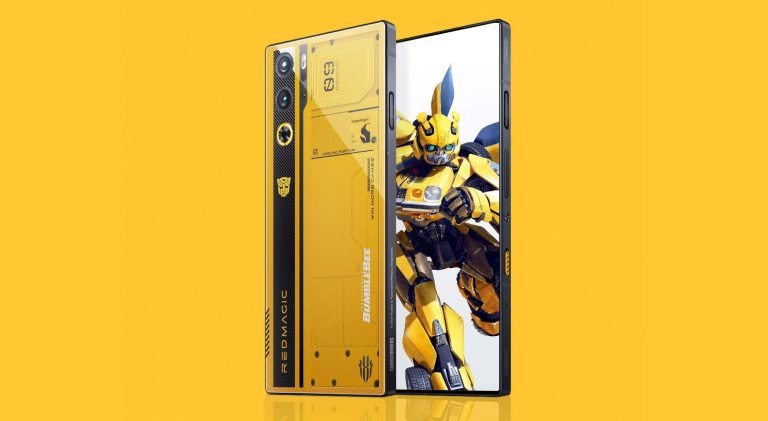
As some of you may recall, the RedMagic 8S Pro+ was also announced in a Bumblebee edition last year. Well, the RedMagic 9 Pro+ is following suit. You can check out the gallery below to take a closer look at the device.
The device resembles its predecessor quite a bit
The official name of the phone is the RedMagic 9 Pro+ Bumblebee Edition. It resembles its predecessor quite a bit. RedMagic combined yellow and black accents on the back, though the phone is mostly yellow-colored. There’s also the Transformers logo included on the back.
As you can see in the provided images, this edition also includes some goodies. A custom case is included, along with a custom fan that attaches on the back, and a custom SIM removal tool. You’ll also get a Bumblebee badge it seems, and a charger with the titular character.
It’s very powerful, just like the regular variant
When it comes to specs, it’s basically the same as the regular model. The Snapdragon 8 Gen 3 fuels the device, while you’re getting 16GB of LPDDR5X RAM and 512GB of UFS 4.0 flash storage.
A 6.8-inch 120Hz display is also on board, as is a 5,500mAh battery. The phone supports 165W wired charging and a pair of stereo speakers with Snapdragon Sound support. An in-display fingerprint scanner is also included, and so is Android 14 with RedMagic’s custom UI.
There are two 50-megapixel cameras placed on the back, and one 2-megapixel one. The device launched in China, and it’s priced at CNY6,499 ($900). This variant probably won’t get a global version.
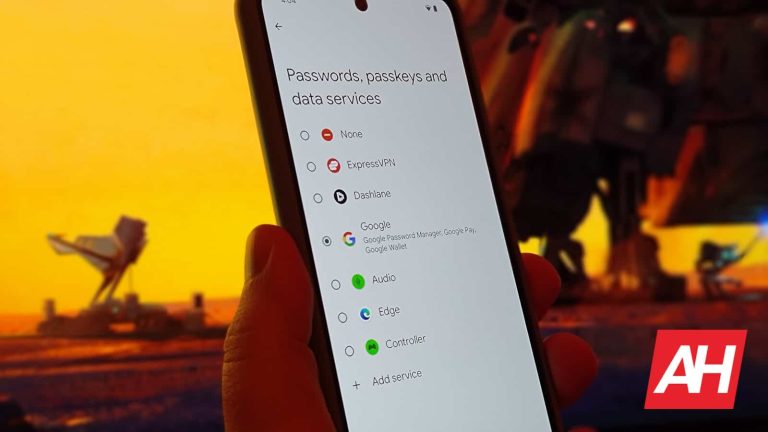
Google boasts numerous products, facilitating smooth communication and expression in day-to-day engagements. Among these, Google Password Manager stands out as a notable tool, simplifying the management of multiple login credentials. It provides a seamless experience with its Autosave and Autofill features. To maintain a competitive edge over other Password Managers, Google keeps on raising alluring features. Now, Google will let you import a CSV password file, directly from your phone’s storage.
The direct import of a CSV file can be useful if you have various logins on your mobile devices and want them on other handsets or your PC.
Now you can import and export the Google Password Manager CSV password file directly from your phone
A Google app expert, AssembleDebug, spotted the development of the Google Password Manager CSV file import back in early February. During that time, the company provided just the Import option, and the Export was to be done using the browser.
Now, Google Password Manager running with Play Services v24.12 makes two-way extraction possible. Not only has Google introduced this feature but also finely tuned and optimized it. Upon exporting the CSV file, duplicate credentials are automatically skipped.
Android users can easily access the Password Manager by accessing Mobile Settings > Google > Manage your Google Account > Security > Password Manager.
Meanwhile, the Password Manager is also accessible at passwords.google.com via browser.
Exporting can trigger serious security issues
Even though the new feature will surely make it easier to access passwords from mobile, it can also trigger serious security issues. The Google Password Manager will ask for the password before proceeding. However, after exporting the CSV, the passwords will be visible to anyone who can access the file. This includes the apps having permission to view and modify files on the device.
Therefore, the users must be very cautious during the use of any Password Manager. Taking the security issues into consideration, it becomes very important to either hide the CSV file or delete it after use.
Microsoft has announced a new update for the Azure AI platform. It includes hallucination and malicious prompt attack detection and mitigation systems. Azure AI customers now have access to new LLM-powered tools that greatly enhance the level of protection against untoward or unintended responses in their AI applications.
Microsoft strengthens Azure AI defenses with hallucination and malicious attack detection
Sarah Bird, Microsoft’s Chief Product Officer of Responsible AI, explains that these safety features will protect the “average” Azure user who may not specialize in identifying or fixing AI vulnerabilities. TheVerge covered it extensively and eluded how these new tools can identify potential vulnerabilities, monitor hallucinations, and block malicious prompts in real time, organizations will gain valuable insight into the performance and security of their AI models.
These features include Prompt Shields to prevent prompt injections/malicious prompts, Groundedness Detection for the identification of hallucinations, and Safety Evaluations that rate model vulnerability. While Azure AI already has these attributes on preview, other functionalities like directing models towards safe outputs or tracking potentially problematic users are due for future releases.
One thing that distinguishes Microsoft’s approach is the emphasis on customized control, which lets Azure users toggle filters for hate speech or violence in AI models. This helps with apprehensions regarding bias or inappropriate content, allowing users to adjust safety settings according to their particular requirements.
The monitoring system checks prompts and responses for banned words or hidden prompts before they pass on to the model for processing. This eliminates any chances of making AI produce outputs contrary to desired safety and ethical standards and generating disputed or harmful materials as a result.
Azure AI now rivals GPT-4 and Llama 2 in terms of safety and protection
Though these safety features are readily available with popular models such as GPT-4 and Llama 2, those who use smaller or less known open-source AI systems may be required to manually incorporate them into their models. Nevertheless, Microsoft’s commitment to improving AI safety and security demonstrates its dedication to providing robust and trustworthy AI solutions on Azure.
Microsoft’s efforts in enhancing safety demonstrate a growing interest in AI technology’s responsible use. Microsoft therefore aims at creating a safer and more secure environment where customers can detect and prevent risks before they materialize while using the AI ecosystem in Azure.
In a world where smartphones are sacrificing their charging adapters in a bid to save the planet if we skip another purchase of an entire phone, that should definitely make a difference. Well, Samsung has come up with a restructure in its device protection plans, that might actually help you save the planet, and probably some cash as well. Although there’s a price hike in the plans too. Last year, the company introduced unlimited cracked screen repairs on Galaxy S23 for just $29.
Unlimited battery replacement under certain circumstances
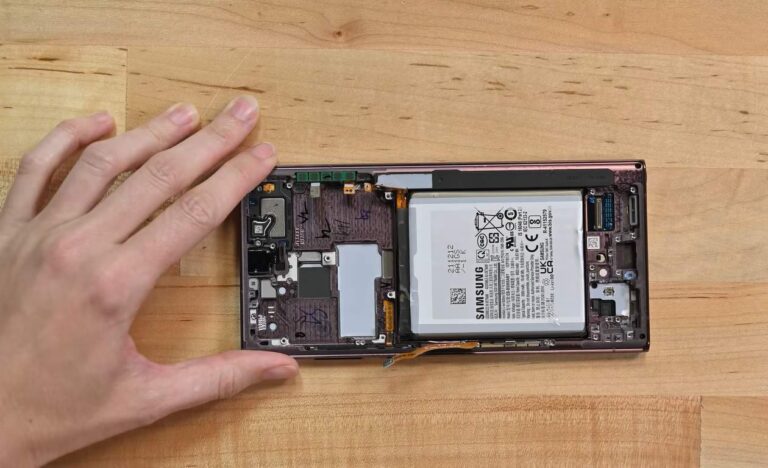
Currently, Samsung offers a one-time battery replacement as part of its Samsung Care+ device protection plans. Notably, it only covers mechanical failures and not the gradual battery health degradation that all products with batteries have to go through.
Without external damage to the components, it’s generally the battery that convinces you to get an entirely new product. Well, from May 1st, those who are a part of the Samsung Care+ or the Samsung Care+ Theft and Loss plan, will be able to opt for a free battery replacement under certain circumstances.
The battery capacity will need to be less than 79%, according to the company’s diagnostic test. Additionally, the phone opting for the battery replacement should not have any external damage.
“Samsung will include Unlimited Battery Repair for eligible devices*, that exhibit a charging capacity below 79% as indicated by a diagnostic test, as a new feature to the Samsung Care+ with Theft and Loss and Samsung Care+ device protection products.” The company adds “Customers will be eligible for Unlimited Battery Repairs without additional damage to the covered device being present.”
For many people having no issues with the display, cameras, or processing capability of their old phone, the free battery replacement (except for the cost of the protection plan) may serve as an alternative to a new purchase. Notably, the repair option will be available through both walk-in or mail-in repair.
Samsung Care+ plans will cost you an extra $2 as a trade-off
Starting from May 1st, 2024, both the Samsung Care+ and the Samsung Care+ Theft and Loss plans will see a price increase of $2 as a trade-off.
“Payment of the monthly charge on your first billing cycle on or after May 1 2024 will serve as confirmation that you accept these changes and that you wish to continue,” the company notes. And if you wish to opt out of the program, you can just contact a Samsung Care+ representative.