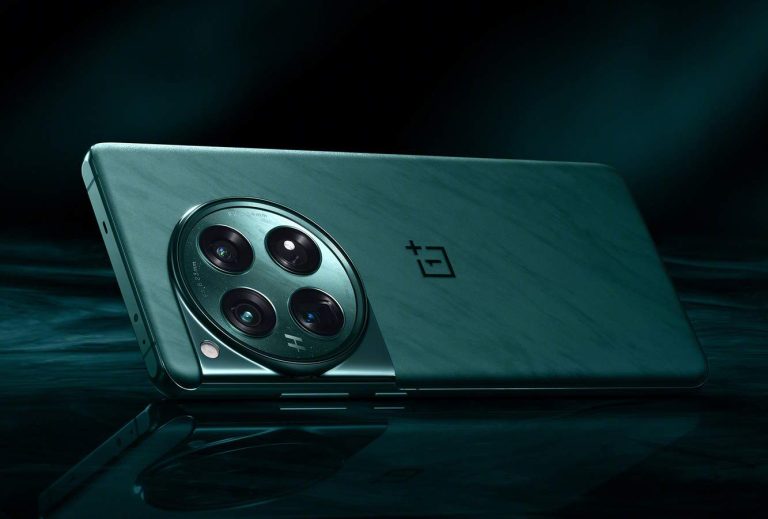
Not long ago, a well-known tipster, Max Jambor, said that the OnePlus 12 series will launch globally in January. That managed to create a lot of confusion, as only one phone was mentioned up until that point, even OnePlus didn’t mention the ‘series’ part in its teasers. Well, the mystery has seemingly been solved, as the second OnePlus 12 series phone has been uncovered.
The second OnePlus 12 series phone has seemingly been uncovered
Now, the moment you heard the ‘series’ part, many of you probably expected a ‘Pro’ or an ‘Ultra’ model. Well, that won’t be the case, it seems. The OnePlus 12 will be the cream of the crop for OnePlus, while the second phone will be inferior to it.
The second device in question is seemingly the OnePlus 12R. OnePlus’ ‘R’ series was basically exclusive to India thus far, but that may change with the OnePlus 12R. The giveaway terms and conditions suggest that there’s “another new phone” launching in the US.
Now, that, on its own, doesn’t say much. However, 1NormalUsername has spotted multiple international variants of what he thinks is the OnePlus 12R. This basically suggests that the phone will leave India.
The OnePlus 12R to become the very first phone in the series to leave the Indian market
The OnePlus 12R seemingly has the PJE110 model number, which will also be branded as the OnePlus Ace 3 in China. The international variants are CPH2585, CPH2609, and CPH2611, it seems.
IMAGE
For comparison’s sake, the OnePlus 11R is codenamed PHK110 (OnePlus Ace 2) and PH2487. As you can see, the code snippet is the same here, so it’s safe to say that the three models mentioned above are for the OnePlus 12R.
This does make sense, as the OnePlus 12 Pro was not mentioned at all thus far, and OnePlus does not even mention the ‘series’ part in its marketing materials. It would make sense out of Max Jambor’s tip.
OnePlus kicked off the OnePlus 12 marketing campaign yesterday
As many of you know, OnePlus’ marketing campaign for the OnePlus 12 started yesterday. The company released a ton of images of the device, showing it from all angles. A video teaser also surfaced, and a confirmation of a January global launch date. In fact, the phone will likely arrive on January 24.
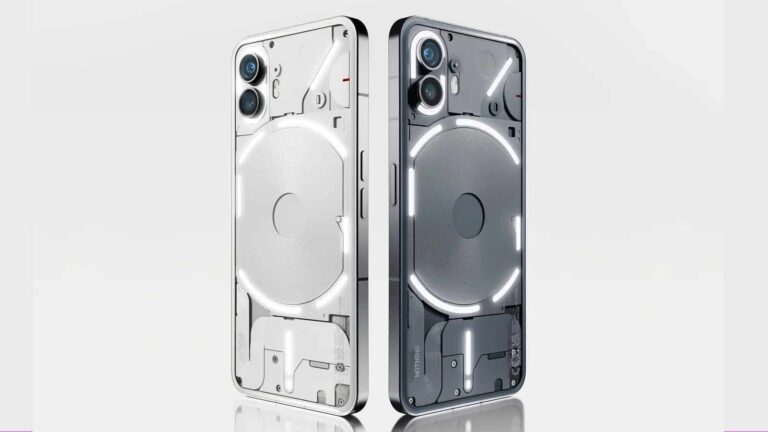
Nothing may have a new mid-range Android smartphone in the works. It apparently won’t be a direct sequel to the Phone (2) that debuted in July this year. Instead, the company is preparing to introduce an entirely new lineup of mid-range phones. The first model in the series will be allegedly called the Nothing Phone 2a. There’s no launch date available yet.
Nothing Phone 2a to kick-off a new mid-range lineup
Founded by former OnePlus co-founder Carl Pei, Nothing made headlines with its first smartphone last year. Named Phone (1), the handset stood out because of its transparent back that showed its internal structure. While it was just another mid-range Android phone, the unique design helped Nothing quickly carve out a chunk of the market. The firm followed up with a more premium Phone (2) earlier this year while keeping the core design unchanged.
We were expecting Nothing to launch the Phone (3) around July next year. However, the company seems to have other plans. While the third-gen model may be in the pipeline, another Nothing phone could be on the way too. X user @saaaanjjjuuu claims that they have obtained information confirming the existence of the Nothing Phone 2a. It has the model number AIN142 and features a similar design as the previous two models.
A blurry image posted on X shows an identical dual rear camera system, transparent back, and glyph interface. The phone reportedly features a 6.7-inch AMOLED screen with a centered punch-hole cutout for the selfie camera. No other information was shared but the source explicitly states that it isn’t the Nothing Phone (3). By the looks of it, the phone may be a watered-down version of the Phone (2) or the Phone (1) with a newer and better processor.
It could feature a 7-series Qualcomm processor
Speaking of the processor, the alleged Nothing Phone 2a may feature Qualcomm’s 7-series chipset, possibly the Snapdragon 7 Gen 3. Or maybe Nothing will opt for the previous-gen the Snapdragon 7s Gen 2. The firm’s plan might be to run two different phone lineups simultaneously—an “a” series of mid-range products with 7-series Snapdragon chips and a flagship series with 8-series Snapdragon chips.
Google has enjoyed success with a similar strategy and Nothing might be looking to copy that. However, no noted leakster has backed this rumor yet, so we advise you to take this news with some caution. If the Nothing Phone 2a is on the way as a new mid-range offering from the company, we should soon come across more leaks about it, revealing additional information. Stay tuned to find out.
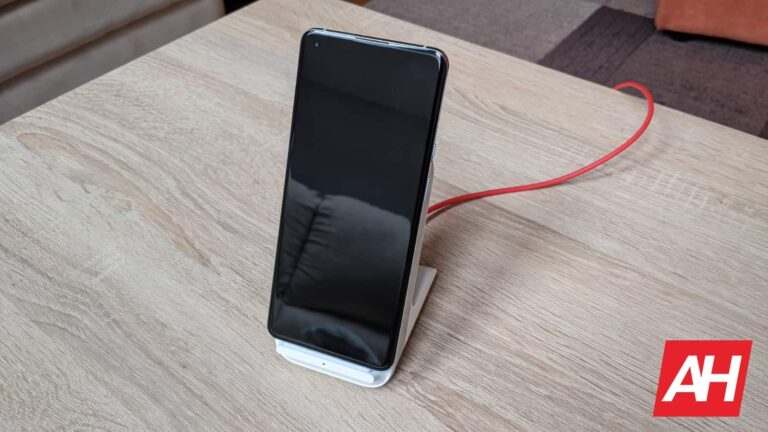
OnePlus has confirmed a bunch of OnePlus 12 features, including wireless charging. The OnePlus 11, as many of you probably already know, does not include wireless charging.
The OnePlus 12 is coming with wireless charging, IR blaster, and more
What’s interesting is that the OnePlus 10 Pro did offer wireless charging. So, for whatever reason, OnePlus decided to skip it with the OnePlus 11. Well, it’s coming back, and chances are it’s coming in the same capacity as before. In other words, we’re expecting 50W wireless charging to be included.
The confirmation in regards to wireless charging and some other features come from Li Jie, the OnePlus China President. In addition to wireless charging confirmation, and the camera details he shared earlier today, he also added some other tidbits to the mix.
A feature called ‘Rain Water Touch’ will also be included
He also confirmed that we’ll get an IR blaster on this device. That’s not exactly a surprise as the OnePlus Open includes it too. He also mentioned something called the ‘Rain Water Touch’ feature. That feature should enable more responsive touch input if you’re in the rain or something like that.
Having said that, the OnePlus 12 marketing campaign started yesterday. Since then, OnePlus shared a ton of details regarding the device. The company shared official images, plenty of them, and even announced that the phone is coming to global markets in January. That will likely happen on January 24.
OnePlus China President confirmed earlier that the OnePlus 12 will have the same cameras as the OnePlus Open. Well, at least as far as its rear cameras are concerned.
The OnePlus 12 will include a large battery, and immensely fast charging
In regards to wired charging, you can expect to get 100W charging, and a charger will be included in the box. A 5,400mAh battery was also mentioned in rumors. The Snapdragon 8 Gen 3 will fuel this smartphone, while BOE’s X1 display will be used.
The OnePlus 12 will initially launch on December 5, so in about a week. That launch will occur in China.
Xiaomi has announced a huge milestone, the company has sold 1 billion Redmi smartphones to date. It took Xiaomi 10 years to do it, as the first handset, the Xiaomi Redmi, arrived way back in 2013.
Xiaomi has sold 1 billion Redmi smartphones to date, in 10 years
This milestone was announced by William Lu, a Partner and President of Xiaomi Group. It was also reshared by the company’s CEO, Lei Jun. Both announcements came via X (formerly known as Twitter).
Xiaomi’s ‘Redmi’ phones are often budget and mid-range smartphones, though some of them are quite powerful. The latest generation is the Redmi Note 13 series, and those devices have proven to be quite compelling.
Take the Redmi Note 13 Pro+, for example, the phone not only includes a 120Hz panel, and offers water and dust resistance, but it also features up to 16GB of RAM. It is fueled by MediaTek’s very capable Dimensity 7200 Ultra chip, which is a 4nm processor.
A 200-megapixel main camera is in use here, while a large battery is included, as is 120W wired charging. This phone actually gets to a full charge in less than 20 minutes, which is above and beyond almost any flagship on the market.
That is just one example, though. The Redmi Note 13 Pro+ also looks the part. It can stand side by side with any flagship and you would never guess it’s a mid-range phone.
The company’s Redmi series has come a long way since its inception back in 2013
My point is, Xiaomi’s Redmi series has come a long way since inception. For a long time, the Redmi series was populated by entry-level phones. That could not be further from the truth these days.
Xiaomi is trying to provide value with its Redmi lineup, and people are obviously appreciating that. This is a huge milestone for Xiaomi, and that’s hard to deny.
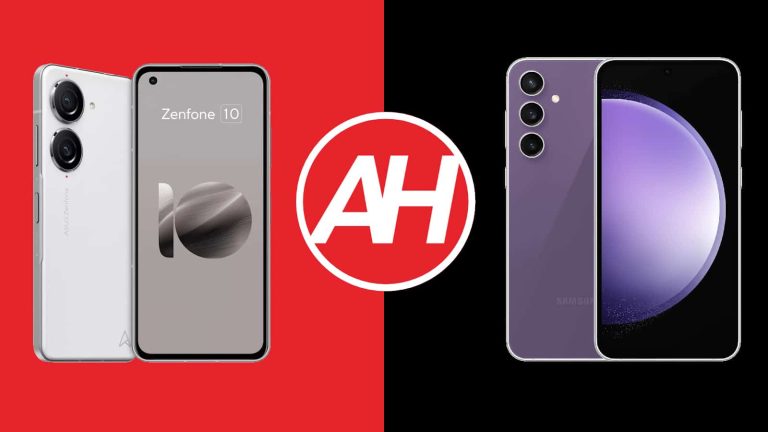
This time around, we do have a rather odd comparison for you. Well, odd and interesting at the same time. In this article, we’ll compare the ASUS ZenFone 10 vs Samsung Galaxy S23 FE. These two phones don’t have all that much in common at first glance, but they both aim at the high-end category, while trying to keep the price down. The ZenFone 10 is actually ASUS’ most powerful handset, and the price tag it hits is quite commendable. The Galaxy S23 FE is a budget flagship from Samsung, kind of, and it’s a bit more affordable than the ZenFone 10.
As per usual, we’ll first list the specs below, and will then compare the two phones across a number of categories. We’ll first compare their designs, and will then move to displays, performance, battery life, cameras, and finally audio. Both of these phones have a lot to offer, but they’re quite different, so there’s a lot to talk about here.
Specs
ASUS ZenFone 10 vs Samsung Galaxy S23 FE, respectively
You will notice some major differences in the design department. Those differences will only become more obvious if you actually end up holding both phones at the same time. The ASUS ZenFone 10 is made out of metal and plastic on the back. Do note that the plastic on the back feels like a combination of plastic, rubber, and paper, for lack of a better description. It’s soft and rough at the same time, but it does give far more grip than glass. The Galaxy S23 FE, on the other hand, is made out of metal and glass.
Both smartphones have vertically-aligned cameras on the back. Those cameras protrude directly from the backplates on both phones, but the protrusions on the ZenFone 10 are a lot bigger, even though there are only two cameras included on the back. The backplate on the ZenFone 10 is also a bit raised from the frame, while it’s entirely flat on the Galaxy S23 FE. The sides are flat on the ZenFone 10, all around, though the edges are chamfered for a better in-hand feel. The sides on the Galaxy S23 FE are slightly curved.
Both smartphones have flat displays, and display camera holes. Those camera holes are placed in different spots, however. The bezels are thin on both phones, but they’re not uniform on either. The Galaxy S23 FE is considerably taller and wider, as it has a considerably larger display. It is a bit thinner than the ZenFone 10, and quite a bit heavier (over 30 grams heavier). Both devices are IP68 certified for water and dust resistance.
ASUS ZenFone 10 vs Samsung Galaxy S23 FE: Display
The ASUS ZenFone 10 features a 5.92-inch fullHD+ (2400 x 1080) Super AMOLED display. That display has a 144Hz refresh rate, but only during gaming, with games that support it. A 120Hz refresh rate will be used during general performance. This display is flat and supports HDR10+ content. The peak brightness of the ZenFone 10 display is 1,100 nits, and the panel has a 20:9 aspect ratio. The Gorilla Glass Victus protects this display.
Samsung Galaxy S23 FE
The Galaxy S23 FE, on the other hand, features a 6.4-inch fullHD+ (2340 x 1080) Dynamic AMOLED 2X panel. That display is also flat, and it has a 120Hz refresh rate. HDR10+ content is supported on this panel, while the max brightness is 1,450 nits. The display aspect ratio here is 19.5:9, while Corning’s Gorilla Glass 5 protects the Galaxy S23 FE’s display.
Both of these displays look really good, to be quite honest. They both offer vivid colors, with deep blacks, and good viewing angles. The touch response is also good on both. You also get added customization through software, so you can fine-tune these panels. The thing is, the Galaxy S23 FE’s display does get brighter, which is a difference you’ll notice outdoors. Its brightness is not huge, though, like on many other flagships, but it’s a noticeable step up from the ZenFone 10. Although, the ZenFone 10’s display isn’t exactly dim, not at all.
ASUS ZenFone 10 vs Samsung Galaxy S23 FE: Performance
The Snapdragon 8 Gen 2 fuels the ASUS ZenFone 10. The phone also includes up to 16GB of LPDDR5X RAM, and UFS 4.0 flash storage too. The Galaxy S23 FE, on the flip side, is fueled by the Snapdragon 8 Gen 1 processor, while the company included 8GB of LPDDR5 RAM, and UFS 3.1 flash storage.
The ASUS ZenFone 10 has the advantage across the board in terms of performance. Not only does it have a more powerful, and more power efficient chip, but its RAM and storage modules are also a step ahead. You will notice that the ZenFone 10 is more snappy in terms of performance, if you end up using them side-by-side. The Galaxy S23 FE is actually plenty fast, but in direct comparison, the difference is clearly visible. The ZenFone 10 is actually one of the snappiest phones out there at the moment.
Another thing worth noting in terms of performance is that the Snapdragon 8 Gen 2 runs much cooler than the Snapdragon 8 Gen 1. The Galaxy S23 FE actually managed to get hot during gaming, and not even demanding games, some casual games. Too hot, even. The ZenFone 10 ran much cooler even with demanding games, which is saying a lot. Chances are you won’t have heat issues with the Galaxy S23 FE if you’re not playing games, but that chip was obviously not the best choice for Samsung.
ASUS ZenFone 10 vs Samsung Galaxy S23 FE: Battery
A 4,300mAh battery sits inside the ASUS ZenFone 10. The Galaxy S23 FE, on the flip side, includes a 4,500mAh unit. Do note that the ZenFone 10 has a considerably smaller display, and more power efficient internals, including the SoC. Does it offer better battery life, though? Well, yes, a lot better, actually. Don’t get me wrong, though, as the Galaxy S23 FE offers great battery life, which managed to surprise us a bit.
Samsung’s smartphone can cross the 8-hour screen-on-time mark, even though it lingered just under that for us most of the time. The ASUS ZenFone 10, on the other hand, can break even that barrier. We were able to cross the 10-hour screen-on-time mark with this device, a number of times. That is amazing considering this is actually a very compact phone. That’s great for every smartphone, let alone one such compact.
Getting 8-9 hours of screen-on-time every day on the ZenFone 10 is not a problem at all. Do note that both phones were put through their paces with light gaming, even though on most days, we were not gaming at all. Both were used for a bevy of other actions, such as browsing, messaging, emailing, image editing, taking pictures, and so on.
ASUS’ handset supports 30W wired, 15W wireless, and 5W reverse wired charging. The Galaxy S23 FE has support for 25W wired, and 15W wireless charging. The ZenFone 10 will charge a bit faster, while it also comes with a charger, unlike the Galaxy S23 FE. You’ll have to buy one separately, if you don’t already own it.
ASUS ZenFone 10 vs Samsung Galaxy S23 FE: Cameras
The camera department is the area where both companies have made compromises to hit those price tags, basically. The Galaxy S23 FE seemingly has the same sensors as the Galaxy S23, but it doesn’t, not a single one is the same. The ZenFone 10 has two cameras on the back, it doesn’t include a telephoto camera at all. Both smartphones do a good job overall, but can’t really compete with the best out there.
ASUS ZenFone 10
Both devices tend to saturate images too much in many situations, and oversharpening is also an issue, especially on the ZenFone 10. The moment you zoom into shots in areas where there’s not plenty of light, you’ll notice excessive sharpening. Both phones do a great job in HDR conditions, though, and offer good, well-balanced images overall, with more than enough details, and good colors.
Neither one excels in low light, though, where you’ll notice oversharpening the most. Also, both smartphones tend to keep scenes a bit darker than they should have, losing details in the process. Ultrawide cameras are good, but obviously a step below the main units. The stabilization on the ZenFone 10 is much better, and we much preferred videos from ASUS’ handset.
Audio
Now, both of these phones do have stereo speakers, and both sets do sound more than fine. They’re well-balanced, and offer rich sound. The thing is, the Galaxy S23 FE speakers do get louder, noticeably, even though the ZenFone 10 speakers are loud enough.
You will find an audio jack on the ZenFone 10, which is not the case with the Galaxy S23 FE. You can still use that phone’s Type-C port if you’d like to hook up your headphones, though, of course. Both smartphones also offer Bluetooth 5.3 for wireless audio connectivity.
Samsung Galaxy smartphone users have been able to enjoy Samsung Internet (the default browser on Galaxy devices) for quite some time and now Windows users can too. Primarily this seems like it might benefit already existing Samsung Internet users who also use Windows for their laptop and desktop PC, and want to unify the browsing experience. Now with a dedicated Windows app, those who use Samsung internet on their phones can access all of that saved content from their PCs too.
Similar to how Chrome and Edge will sync your history and bookmarks across desktop and mobile devices. That being said, the browser won’t sync everything just yet. For instance, your passwords won’t be saved. Which means you’ll need to re-enter them in the Windows version of the browser the first time you go to login to your accounts. You can however sync other data. Such as browsing history, bookmarks, and saved pages. You will need to login with your Samsung account for the browser to sync these things. But that shouldn’t be a surprise as that’s how all cross-platform browsers work.
Samsung Internet is available for download on Windows right now
If you wanted to give Samsung Internet a try, you an download the app now. As it’s available in the Microsoft Store to install right now. The browser provides a pretty light experience if you’re not signed in. But once your account is attached it should end up looking more personalized.
As SamMobile notes the browser is also pretty quick and, in some cases, it can be faster than Chrome. That also shouldn’t be surprising since Samsung Internet is based on Chromium. If you’re looking for a light browser on your Windows PC, this might be it.
Customize the browser’s look
One neat little feature that you might miss is that you can customize the browser’s look. Rather easily too. Once you launch the browser there’s a small pencil icon in the bottom right corner of the browser window. Click that to edit the look and you’ll get a small window pop-up that has a few different options. You can stick with basic, but there’s also an option for colors, images, and custom. The Colors category has 23 different color options available along with a custom color option where you can create your own color.
While the images category has a surprisingly wide range of selections from themes like Cityscapes, art from Asian and Pacific Islander, LGBTQ+, and Native American artists, Geometric Shapes, Earth, and more. And of course, Custom should be self-explanatory. You pick an image you want to upload to use as your backdrop. What’s also neat is that you can choose a color to mix with a custom image.
Android users have recently reported encountering crashes when attempting to install the Assistant At a Glance widget. This problem seems to be affecting a broad spectrum of devices, including popular models like the Pixel 8 Pro, Pixel 6, Galaxy S23 Ultra, Galaxy S22, OnePlus 11, and more. Users experiencing the problem have gotten error messages suggesting that the widget failed to load.
Redditor awfulWinner, using a Pixel 6, expressed (via Android Central), “Same here. First shown on my screen as a red bar saying a message something like ‘at a glance failed to load’ or something similar; tried restarting the phone, removing the widget, and trying to re-add, always crashes trying to add the widget, force closed Google app, cleared cache. None of it is helping. Pixel 6.”
The affected users have attempted various troubleshooting steps, such as restarting their phones, removing and re-adding the widget, and clearing the cache. However, these efforts did not resolve the problem.
A workaround to prevent assistant at a glance from crashing
Reddit user 5h3r10k shared a potential workaround that seemed to work for some affected individuals. He suggested, “I just updated the Google app, then force stopped and cleared the cache for Google, and it’s working now.”
This workaround involves updating the Google app to the latest version, force-stopping the app, and clearing the cache. Another user, xiaomifan01, confirmed this solution, stating, “After updating the Google app (14.46.33.28) and clearing the cache, it’s possible to add the widget again on my Poco VAYU running A13.”
While some users have reported success with the workaround, others claim to still experience the problem, even after updating the Google app. The inconsistency in issue resolution suggests that additional factors may contribute to the glitch, and not all users have found relief through the suggested solution.
Check for Google App Updates
Android users facing this challenge are still encouraged to check for updates to the Google app. Accessing the Play Store, After the update, attempting to install the widget again may prove successful for some users.
Affected Android users should monitor official support channels for updates from Google on this matter. Meanwhile, they can update Google and give the above-mentioned workaround a try.
After the Galaxy S24 Ultra, Samsung‘s Galaxy S24+ has now started showing up on certification websites. The upcoming phone recently received approval from India’s BIS (Bureau of Indian Standards). The base Galaxy S24 should soon follow suit.
Galaxy S24+ receives the BIS certification
Last week, the BIS certified the Galaxy S24 Ultra, confirming dual-SIM support in the country. The device has since picked up certifications from Thailand’s NBTC and the Safety Korea certification from the Korea Testing & Research Institute (KTR). The listings didn’t reveal much information but indicated a nearing launch of the phone. Samsung should be working on getting approvals for the Ultra from more regulatory bodies, including the FCC in the US.
In the meantime, the BIS has now certified the Galaxy S24+. The official website of the Indian regulatory agency lists the model number SM-S926B/DS, which is the global version of the phone (the US version is SM-S926U and the Korean version is SM-S926N). The “DS” at the end confirms dual-SIM support. As expected, the listing doesn’t include any other information.
However, Samsung’s rapid picking up of regulatory approvals for the Galaxy S24 lineup suggests that it is preparing for the launch. We are expecting the company to unveil the new flagships in January 2024. Reports say the launch event will take place on January 17 in San Jose, USA. The Korean firm will open pre-orders for the phones immediately after the Galaxy Unpacked event. General sales will begin on January 30.
If you remember, the Galaxy S23 series debuted on February 1 with sales beginning on February 17. So the 2024 lineup is arriving on the market more than two weeks earlier. Samsung reportedly plans to capitalize on a growing demand for premium smartphones. It is investing heavily in on-device AI features for the Galaxy S24 series, aiming to make them the best AI phones ever.
AI features could be Samsung’s USP for its 2024 flagships
The Galaxy S24, Galaxy S24+, and Galaxy S24 Ultra will bring a handful of hardware upgrades over the 2023 lineup. However, software may be the biggest talking point of the next-gen Samsung flagships. More precisely, AI features could be the Korean firm’s USP for the new phones. It has reportedly baked AI into One UI, offering intuiting AI tools for all your needs. All tasks are processed locally on the device, so it will work offline and won’t send your data out of the phone. Samsung may show us a demo at the Galaxy Unpacked event in January.
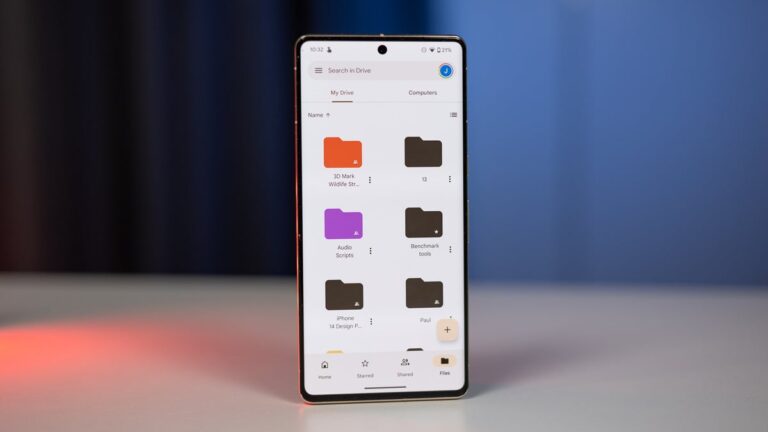
Google has announced a major overhaul of the Google Drive scanner feature, making it simpler and more efficient to scan and arrange physical documents. The scanner is now available on iOS devices, allowing iPhone and iPad users to benefit from the new capabilities as well.
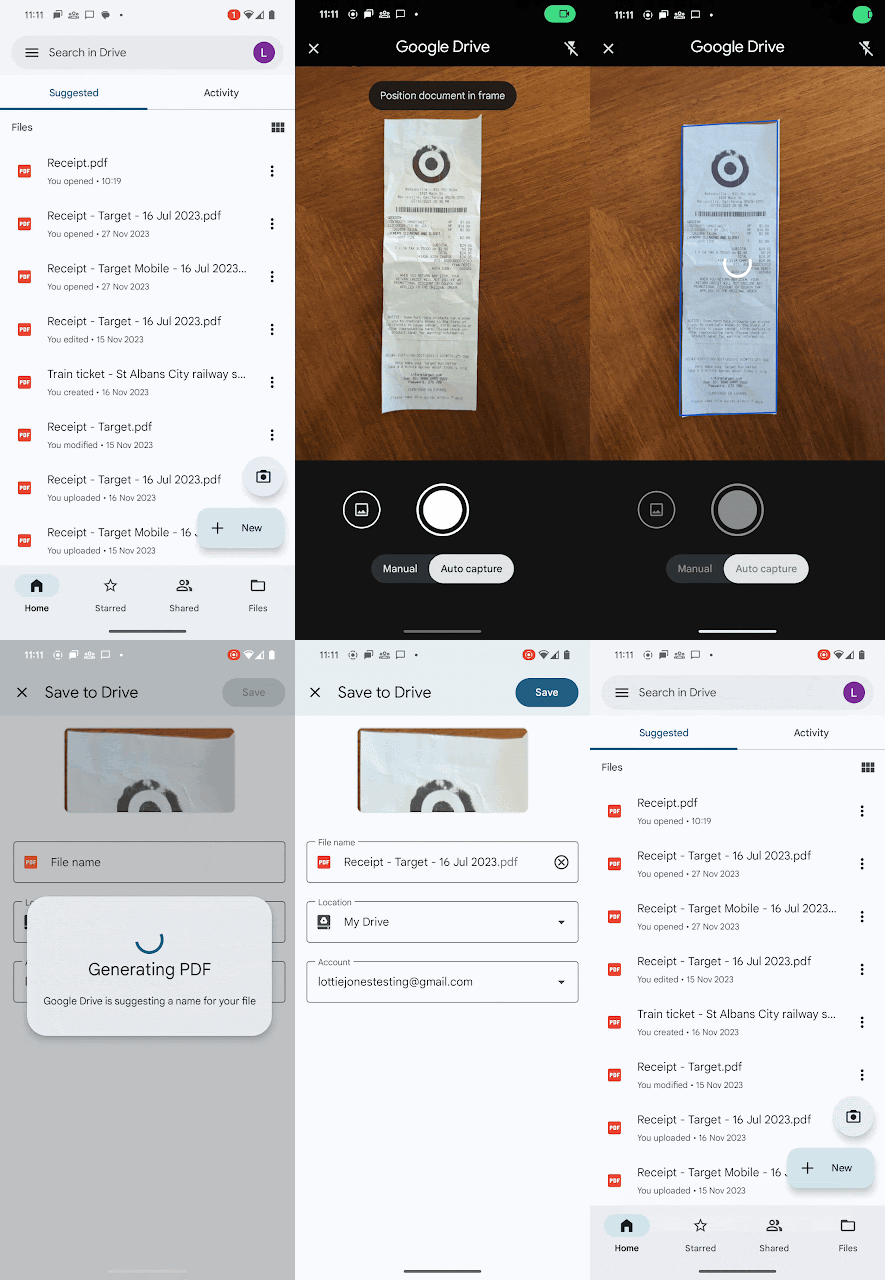
Android users will enjoy additional benefits from the Google Drive scanner update, which now uses the Google Pixel camera. This integration streamlines the scanning process, delivering a smoother user experience. These are the changes you will notice after the update:
Automatic capture: The scanner automatically captures your document, ensuring a flawless scan every time.
Enhanced camera viewfinder: Lining up your documents for a clear and crisp scan is now a breeze.
Camera roll import: Seamlessly import scanned documents from your camera roll.
Dedicated scanner button: Initiate scanning with a single tap.
Title suggestion feature: Machine learning-powered title suggestion feature that assists in naming your scanned documents.
Google Drive Scanner on Android | Source- Google
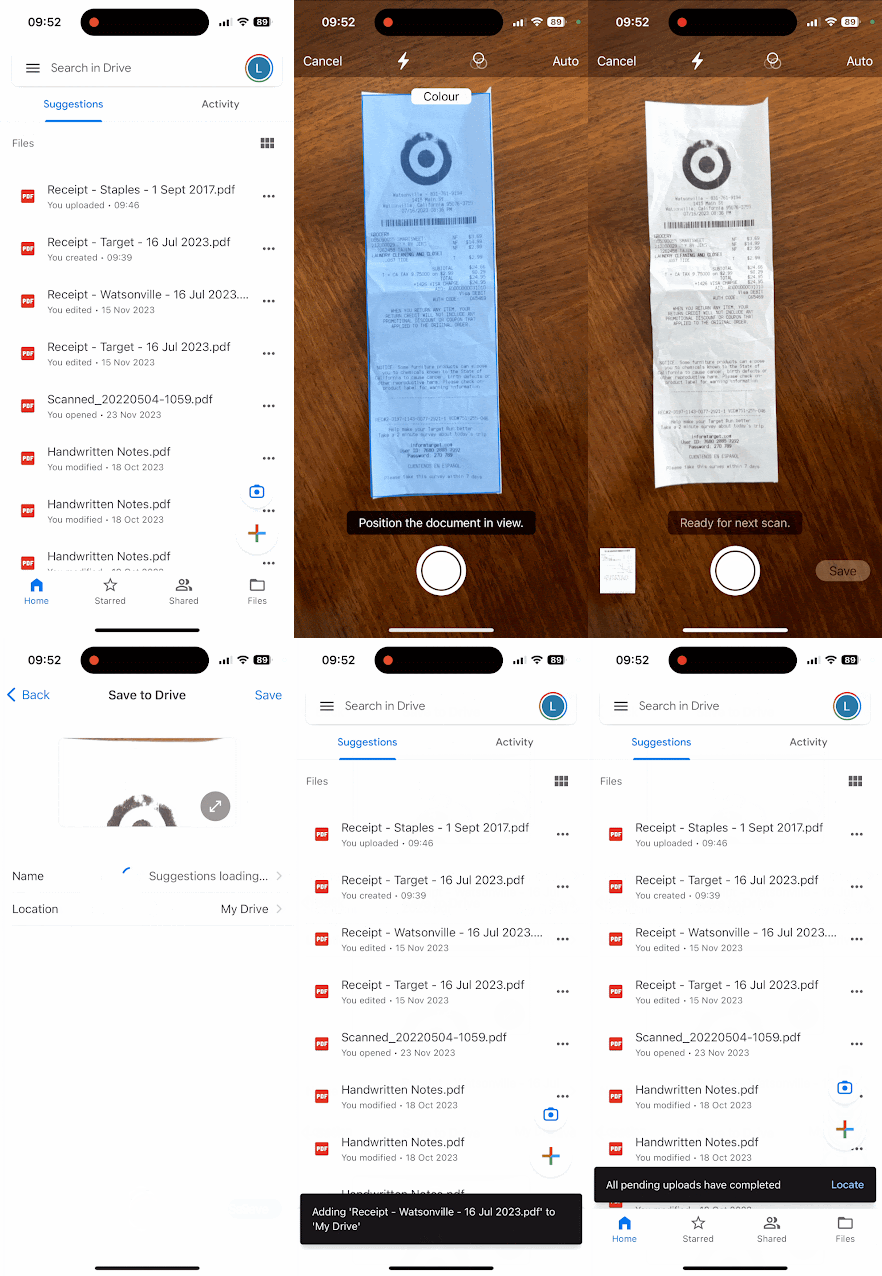
However, this update also expands the Google Drive scanner and title suggestion features to iOS, empowering iPhone and iPad users to effortlessly scan and manage physical documents. The update is being progressively rolled out to all Google Workspace customers and users with personal Google Accounts, without any admin control needed. Note, though, that title suggestions are only available in the U.S.
Google Drive Scanner on iOS | Source- Google
On both Android and iOS, the steps to use the new Google Drive scanner are similar: Simply open the Drive app, and scan a document using the camera icon or the “Scan” button under the “+” icon. Once scanned, check and adjust the automatic cropping, scan any necessary additional pages, apply any desired filters, and then save to Drive.
The revamped Google Drive scanner feature marks a significant advancement in document scanning and organization and echoes the updates that Google has recently done within the Messages app using the Pixel Camera. The enhanced capabilities and expanded availability across Android and iOS devices make it easier than ever for users to manage their physical documents digitally.
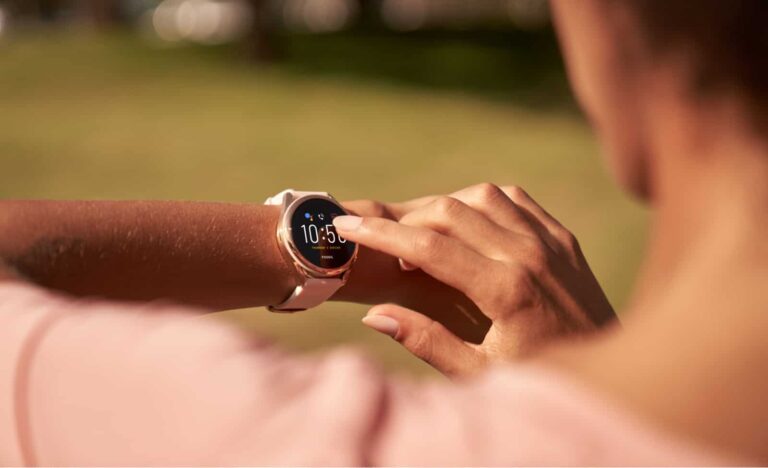
Fossil smartwatch users who own a Gen 6 model should already have an update to Wear OS 3.5, or expect it to pop up soon. The company began sending out the update as early as last week and has continued to roll it out to more watches leading up to now. What’s interesting is that this isn’t an update to Wear OS 4 instead. Although maybe this shouldn’t be too surprising. Given Fossil rolled out Wear OS 3 to its Gen 6 watches in late 2022 instead of Wear OS 3.5. Which was already available.
That being said there’s no confirmation from Fossil on when or if the Gen 6 devices will get Wear OS 4. Google did note that there were some hardware-related requirements for the software. Which the Gen 6 devices should meet. But if Fossil’s track record for later rollouts is anything to go by, there’s a chance Wear OS 4 may not be coming till much later. If at all.
Fossil Wear OS 3.5 update gets put on pause
The pause should already be lifted according to 9To5Google. Which states that it looks like the update rollout has seemingly resumed. But it’s worth mentioning the pause anyway. Because the pause was issued in the first place due to people having problems with the installation.
The reason is because users were reporting issues with the software after having updated their watches. Including the time it was taking to install the update and issues with battery life. Some users even report having been locked in a boot loop. Fossil acknowledged these issues in responses and confirmed a pause for the rollout. But now it looks like the rollout has started back up. So if you haven’t received the software yet, check your watch again to see. As the update may be available to download.
Wear OS 3.5 is an incremental update
While the update rolling out is definitely a good thing, users shouldn’t expect anything major. As Wear OS 3.5 is just a minor update over Wear OS 3 which the Fossil Gen 6 watches already have. But it does appear to have made some small improvements to performance. Which is a good thing any way you slice it.
Not that the performance on the Gen 6 watches was bad by any stretch. But it certainly doesn’t hurt if it’s made better. Which this update seems to have done.