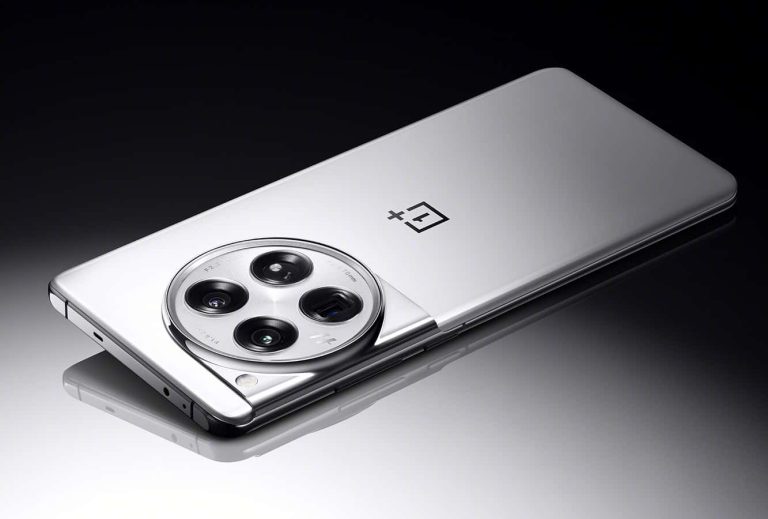
Earlier this month, OnePlus detailed both the main and telephoto cameras for the OnePlus 12. That confirmed that they’ll be the same as the ones on the OnePlus Open. Well, the ultrawide unit has now been confirmed as well. The OnePlus 12 will have the same cameras as the OnePlus Open.
The OnePlus 12 will have the same cameras as the OnePlus Open
This confirmation comes from Li Jie, the chief of the company’s operations in China. He shared a teaser showing off all three rear cameras that will be included on the OnePlus 12. That does confirm the same units as on the OnePlus Open and OPPO Find N3.
So, what are we looking at here? Well, the main camera will be a 50-megapixel Sony LYT-808 sensor. The ultrawide unit will be a 48-megapixel Sony IMX581 camera. The last one will be a 64-megapixel OmniVision OV64B camera, a periscope telephoto camera with 3x optical zoom.
There are some things to note here, however. The OnePlus Open technically has the Sony LYT-T808 sensor. That is the Sony LYT-808, but made for foldables, so the arrangement is a bit different, but it’s the same sensor.
The periscope telephoto camera will be capable of a ‘6x lossless in-sensor zoom’
Also, the periscope telephoto camera will be capable of 3x optical zoom, but also ‘6x lossless in-sensor zoom’, just like the OnePlus Open. The 6x zoom pictures from the OnePlus Open look great, so the hopes are high.
As some of you may know, the Sony LYT-900 sensor was rumored for the OnePlus 12. OnePlus apparently decided to stick with the Sony LYT-808 to be able to provide a stable experience from the get-go, rather than balance things out via updates.
The OPPO Find X7 Pro, on the flip side, will include the Sony LYT-900. That device will launch after the OnePlus 12, though, so OPPO will have more time to tune things just the way they should be.
The OnePlus 12 will launch on December 5, in China. That will be its initial launch. The phone is coming to global markets in January, most likely on January 24.
Loads of Android smartphones globally (China’s the exception) come pre-loaded with Google apps, and one of the mainstays is the Google App. Now, there’s buzz that Google’s considering some tweaks to amp up the search experience on Android smartphones.
As per TheSpAndroid (via Android Authority), the latest update, version 14.48.26.29.arm64, of the Google app features a notable change—the relocation of the search bar to the bottom, just above the bottom navigation tabs. This change applies to both the main search bar and the search bar visible in the search results.
Now, it might seem like a small tweak, but sliding that search bar down low is a game-changer. Why? Well, it makes tapping it easier on any phone, big or small. And let’s be honest, phones have been getting bigger these past years.
Take the Samsung Galaxy S23 Ultra, for instance, rocking a massive 6.8-inch display. Reaching the top of that screen with one hand? Not the easiest. Dropping the search bar to the bottom means quick searches with just a thumb, no matter your hand size or grip. This tweak aims to ease the strain on fingers and ensure a secure grip on the phone.
Oh, and here is an interesting tidbit: Google Chrome on iOS sticks with a bottom URL bar, while on Android, it is on the top. While this search bar move is happening in the Google App for now, there is hope it makes its way to Chrome for Android, too.
The precise release date for this alteration is uncertain, pending Google’s approval. As of now, the feature is open to beta testers, signaling continued testing before a potential broader rollout.
Samsung has ramped up its preparations for the Galaxy S24 launch in January 2024. Last week, the company picked up the BIS (Bureau of Indian Standards) certification for the Ultra model, confirming dual-SIM support for the phone in the country. It has now obtained a couple more regulatory certifications for the new flagship. Thailand’s NBTC and South Korea’s Safety Korea recently certified the Galaxy S24 Ultra.
Galaxy S24 Ultra receives more regulatory certifications ahead of launch
The NBTC has certified the Galaxy S24 Ultra with the same model number as the BIS, i.e. SM-S928B (via MySmartPrice). It is the global version of the phone. The Korean version, tested and granted the Safety Korea certification by the Korea Testing & Research Institute (KTR), bears the model number SM-S928N. The US version is SM-S928U. It should also soon start showing up in certification listings.
As usual, these certifications don’t give us much information about the device. However, it is an indication that Samsung has completed the development work and is now in the process of bringing the product to the market. The Korean behemoth was previously spotted obtaining regulatory approvals for accessories and components such as the S Pen and batteries. The Galaxy S24 and Galaxy S24+ should also soon receive regulatory certifications.
Rumors have it that Samsung will launch the new flagships on January 17, 2024. The launch event, which the company calls Galaxy Unpacked, will take place in Apple’s backyard, i.e. San Jose, USA. Pre-orders for the phone will begin immediately after the launch, at least in some countries. The Korean firm reportedly plans to open general sales of the Galaxy S24 series on January 30.
The new Samsung flagship has already leaked in real-life photos
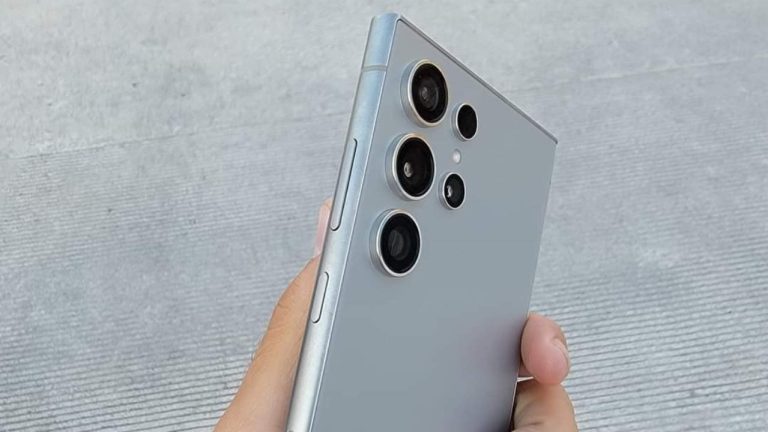
The Galaxy S24 Ultra may still be about two months away from its market debut but we have already seen it in real-life photos. Leaked images confirmed a flat display for the phone and showed its titanium frame. Based on available data, the handset is slightly shorter and wider than the 2023 model. This is to keep the display size unchanged at 6.8 inches even after switching from a curved to a flat panel.
The other two Galaxy S24 models won’t see major design changes. Samsung already used flat screens for those. We may see some changes in dimensions, though. The entire lineup will be powered by the Exynos 2400 or Snapdragon 8 Gen 3 (for Galaxy version). The Korean firm plans to make these the best AI phones ever. It has even applied for an “AI Phone” trademark. More information about the phones should surface in the build-up to the launch.
Deezer has released My Deezer Year 2023 results, thus sharing the most popular artists of the year. The same goes for songs, albums, and so on. There’s plenty of info here to talk about.
A lot has happened in 2023, music-wise. A long-awaited album from Miley Cyrus arrived, and the same goes for Bad Bunny, Lana Del Rey, and more. Even a brand new Rolling Stones album dropped, while Olivia Rodrigo delivered her second album this year.
The Weeknd was the most popular artists on the platform, reveals My Deezer Year 2023
Having said that, who were the most popular artists of the year, on Deezer? The answer to that is The Weeknd and Taylor Swift. The Weeknd was technically the most popular, but is followed closely by Taylor Swift, who is also the most popular female artist on the platform. The third place is claimed by Imagine Dragons, then goes David Guetta, and Ed Sheeran is in fifth spot.
What about songs? Well, Flowers by Miley Cyrus claimed the first place. As it was by Harry Styles follows in second place, while Tom Odell’s Another love is third. I’m good (blue) by David Guetta and Bebe Rexha is fourth, while Beyonce’s CUFF IT took the fifth spot.
In regards to albums, Beyonce’s RENAISSANCE claimed the top spot, followed by Metro Boomin’s HEROES & VILLAINS. Bad Bunny’s Un Verano Sin Ti is third, while Harry Styles claimed fourth place with Harry’s House. The fifth most popular album is SZA’s SOS.
Kenya Grace is the top artist to watch in 2024
Deezer highlighted Kenya Grace as the top artist to watch in 2024, followed by Isabel La Rosa, Young Miko, Nia Archives, and KHAID.
Deezer, as part of My Deezer Year 2023, released far more information than this, of course. You can check out the company’s entire list of categories and artists by clicking here. There’s a lot to go through here, that’s for sure.
The global OnePlus 12 launch event is seemingly taking place on January 24
OnePlus did not flat-out announce it yet, but there’s a good reason to believe it will happen. The support pages for the US, Europe, and India reveal that the marketing campaign for the device will last between November 27 and January 23. OnePlus India also states that this is “the day before the OnePlus 12 launch event”.
That is more or less a confirmation, even though it’s not an officially official announcement of the event. We won’t be 100% sure until OnePlus officially announces the launch date, of course.
In any case, OnePlus is planning to host giveaways for the OnePlus 12 in various markets. All you’ll have to do is subscribe to the launch page, and then confirm your email address afterwards.
OnePlus revealed the phone’s design to mark the beginning of the marketing campaign. The company also released a teaser which you can check out below the article. That teaser video also gives us a good look at the phone.
It will arrive in three colors options
The OnePlus 12 will arrive in three color options. It’ll be available in black, green, and white colors. The black variant could have vegan leather on the back, while the other two will likely include glass.
The Snapdragon 8 Gen 3 SoC will fuel the phone, while BOE’s X1 panel will be in use here. A 5,400mAh battery was mentioned in rumors, along with 100W wired charging. A 50W wireless charging will also make a comeback, and the phone will have a powerful camera setup too.
In the ever-evolving domain of finance, a pervasive inquiry resonates among investors: is diverting resources into cryptocurrencies a sagacious strategy for 2024? The enigmatic and dynamic crypto market with the Binance USD Price and other prices changing, celebrated for its ever-shifting tides of volatility and relentless innovation, remains a magnetic force, enticing both seasoned financial pioneers and those taking their first steps into the unexplored realm of digital assets.
Keep reading for an embark on a journey to dissect the nuanced factors sculpting this complex landscape, endeavoring to unveil whether the choice to invest in crypto is indeed a judicious one for the approaching year.
The Crypto Rollercoaster: A Historical Overview
Prior to exploring the outlook for 2024, it’s essential to grasp the historical backdrop of cryptocurrency investments. In the last ten years, the crypto market has witnessed thrilling peaks and heart-wrenching troughs. Bitcoin, the groundbreaking digital currency, has encountered rapid surges in its value, capturing the interest of both mainstream media and institutional investors. Yet, it has also navigated through substantial corrections, underscoring the inherent volatility embedded in the realm of cryptocurrencies.
Market Maturation and Institutional Involvement
One significant shift in recent years is the maturation of the cryptocurrency market. Once considered a niche and speculative investment, cryptocurrencies are now gaining recognition as a legitimate asset class. This evolution is partially attributed to increased institutional involvement. Prominent financial institutions, hedge funds and corporate entities are integrating cryptocurrencies into their portfolios, signaling a growing acceptance of digital assets in traditional finance.
Technological Advancements: NFTs and Beyond
In 2024, the crypto landscape is not just about Bitcoin. Technological advancements have given rise to a myriad of applications, with Non-Fungible Tokens (NFTs) at the forefront. NFTs, unique digital assets verified on the blockchain, have disrupted the art and entertainment industries. The potential for blockchain technology extends beyond currencies, presenting new investment opportunities and diversification strategies.
Regulatory Landscape: A Double-Edged Sword
The regulatory environment remains a critical factor influencing the future of crypto investments. Increased regulatory clarity can provide a sense of security for investors, potentially attracting more institutional capital. Conversely, uncertain or restrictive regulations may introduce challenges and hinder market growth. As governments worldwide grapple with how to approach and regulate cryptocurrencies, investors keen on the crypto market must keep a watchful eye on regulatory developments.
Market Sentiment and Global Economic Conditions
Investing in any asset class is inherently tied to market sentiment and broader economic conditions. In 2024, geopolitical events, economic policies and global uncertainties will undoubtedly influence crypto markets. Cryptocurrencies, often regarded as a hedge against inflation and economic instability, may see increased interest in times of economic uncertainty, further affecting their value and market dynamics.
The Role of Technology: Blockchain Beyond Cryptocurrencies
Beyond the speculative nature of cryptocurrencies, the underlying technology, blockchain, continues to demonstrate its transformative potential. Blockchain’s applications span industries, from supply chain management to healthcare and finance. As businesses increasingly integrate blockchain solutions, investors may find opportunities not only in cryptocurrencies but also in companies harnessing the power of blockchain for real-world applications.
Risks and Considerations
While the allure of substantial returns beckons, astute investors must also confront the realities of risks embedded in crypto investments. The inherent volatility of the market, coupled with the lingering specter of regulatory uncertainties and the ever-looming threat of technological vulnerabilities, underscores the need for meticulous consideration.
Successfully navigating this complex terrain demands more than a speculative mindset; it necessitates a strategic approach rooted in diversification and a comprehensive comprehension of selected assets, serving as an armor against the unpredictable undulations of this swiftly evolving market. In this intricate dance of risk and reward, prudent investors recognize that a well-informed and diversified strategy is not merely a choice but an imperative for success in the dynamic realm of cryptocurrencies.
Conclusion: Navigating the Crypto Waters in 2024
In the intricate dance of risk and reward, the decision to invest in cryptocurrencies in 2024 requires a strategic and informed approach. The market’s maturation, technological advancements, institutional involvement and regulatory landscape are all integral factors shaping the trajectory of crypto investments. As with any investment decision, thorough research, risk management and a long-term perspective are paramount.
Conclusion
In conclusion, while the crypto market presents enticing opportunities, it’s not without its challenges. Those considering investing in cryptocurrencies in 2024 should approach the market with caution, staying abreast of industry developments, regulatory changes and technological advancements. As the crypto space continues to evolve, navigating these waters with diligence and a well-informed strategy will be key to determining whether investing in crypto proves to be a smart move in the coming year.
In a perplexing turn of events, a notable cohort of Google Drive users is grappling with the disappearance of files from their accounts.
Reports indicate that some users have experienced the loss of crucial data, with instances of up to six months’ worth of work vanishing without a trace.
This development seems to be confined to a specific subset of Drive for desktop users, prompting a thorough investigation by Google into the root cause.
DocumentFree Webinar
In the upcoming webinar, Karthik Krishnamoorthy, CTO and Vivek Gopalan, VP of Products at Indusface demonstrate how APIs could be hacked. The session will cover: an exploit of OWASP API Top 10 vulnerability, a brute force account take-over (ATO) attack on API, a DDoS attack on an API, how a WAAP could bolster security over an API gateway
Tales of Loss: Users Share Struggles
On Google’s support forums, affected users are detailing their experiences with this unexpected data loss.
Narratives describe files meticulously saved since May 2023, mysteriously evaporating.
One user lamented the loss of nearly everything saved in the past six months while recovery attempts proved futile.
Another user shared the distressing account of losing half a year’s worth of vital business data, intensifying the urgency of resolving this perplexing issue.
Google’s Response: Investigation Underway
Amidst the turmoil, the Google Drive team acknowledges the issue and announces an ongoing investigation.
Users are cautioned against certain actions within Drive for Desktop and are provided instructions on safeguarding the app data folder.
However, the message leaves affected users in suspense regarding the resolution timeline.
User Instructions from Google Drive Team
In response to the reported issue, the Google Drive team issues precautionary measures for affected users, advising against actions such as disconnecting the account and deleting or moving the app data folder.
Users are also encouraged to make a copy of the app data folder if space permits, in anticipation of potential recovery needs.
The Google Drive incident serves as a stark reminder that the ethereal realm of cloud storage does not guarantee absolute safety for stored files.
Despite the convenience of cloud hosting, vulnerabilities persist, ranging from outages to unexpected data loss.
This underscores the importance of having robust backup plans in place, even when entrusting data to renowned providers like Google.
This recent hiccup echoes Google’s historical encounters with service disruptions.
In 2023, the company faced an outage in its Europe-west9 region due to water infiltration in a Parisian Google Cloud data center.
Similarly, in 2021, a catastrophic fire at European cloud hosting provider OVH left customers scrambling for backups and disaster recovery plans, emphasizing the inherent risks in cloud-based services.
To fortify data against unforeseen challenges, users must comprehend the nuances of service terms and conditions.
Additionally, having a well-considered backup strategy becomes imperative, acting as a safeguard in the event of unexpected data loss or service disruptions.
Google is actively investigating the cause behind this disconcerting issue and has not yet provided a definitive timeline for resolution.
While the tech giant works towards a fix, affected users are strongly advised against making any modifications to their Drive for desktop app data folder, emphasizing caution during this investigative phase.
As Google diligently addresses the issue, users are reminded to proactively protect their digital assets by implementing comprehensive backup plans.
Experience how StorageGuard eliminates the security blind spots in your storage systems by trying a 14-day free trial.
Platforms like YouTube, TikTok, and Instagram are the epicenters of content creation and consumption.
Enter AI translation tools, the unsung heroes of social media marketing, which are now taking center stage.
These sophisticated tools are allowing creators to transcend linguistic boundaries, enabling them to connect with a diverse, international audience like never before.
The Power of AI Translation in Social Media
AI translation tools have become a game-changer in social media marketing by providing automatic translation and transcription services that are fast, accurate, and scalable.
This technology is not only enhancing the user experience but also revolutionizing the way content is distributed and consumed on a global scale.
Translate Videos with AI
Maestra’s AI video translator provides the latest artificial intelligence technology to translate videos into 100+ languages.
Users can generate subtitles or realistic AI voices for videos in seconds, breaking the language barrier and unlocking the potential of accessibility to reach a global audience.
A diverse portfolio of realistic AI voices ensures variety for automatic voiceovers, while subtitles are generated in 125+ languages with incredible accuracy and unmatched speed.
Expanding Global Reach
Content creators are no longer confined to their native language-speaking audiences.
AI translation tools allow them to instantly translate their posts, videos, and live streams into multiple languages, vastly expanding their reach.
This democratization of content has enabled marketers and creators to tap into new markets and build a truly international following.
– Multi-Channel Approach
Some creators opt for the creation of separate channels for each language. This allows for a targeted approach where content is specifically curated for each audience, taking into account their cultural context and language. While this requires more effort in terms of content production and channel management, the payoff can be substantial, leading to dedicated and engaged communities across different language segments.
– Single Video, Multiple Languages
Another approach involves uploading the same video with voiceovers or subtitles in different languages. This strategy is particularly effective on platforms like YouTube, where creators can add multiple subtitle tracks to a single video, allowing viewers to choose their preferred language. This not only simplifies content management but also enhances the discoverability of content across different language-speaking audiences.
You can transcribe YouTube videos with Maestra and add them as subtitles to YouTube videos in 125+ languages. The latest AI transcription technology provides near-perfect accuracy. Transcription takes no time and does not require an account. Try now for free!
– Localized Content Creation
Beyond mere translation, some creators are delving into localization, which involves adapting the content to reflect local cultures, idioms, and references that resonate with the target audience.
This level of detail strengthens the connection between the creator and the audience, as viewers appreciate content that feels tailor-made for them.
– Up to Date Technology
To ensure the authenticity of translated content, creators often collaborate with native speakers and professional translators.
AI tools are always learning and improving, ensuring up-to-date translation and transcription of even the most local terms and expressions.
– Algorithm-Friendly Content
Social media algorithms tend to favor content that engages users and keeps them on the platform longer.
By providing multilingual options, creators can significantly increase their content’s engagement metrics, making it more likely to be promoted by the platform’s algorithm, thus reaching even more viewers.
The Impact on Global Marketing Campaigns
The ability to reach a global audience through multilingual content has profound implications for marketing campaigns.
Brands can now communicate with consumers in a more personalized manner, which is crucial in building brand loyalty.
Moreover, analytics derived from multilingual channels provide valuable insights into consumer behavior across different regions, enabling marketers to fine-tune their strategies for even greater impact.
Improving Content Accessibility
Accessibility is a critical aspect of content creation that often goes overlooked. AI-driven captions and transcriptions make content more accessible to the deaf and hard-of-hearing community, as well as to those who prefer reading over listening.
By breaking down these barriers, creators ensure that their content is inclusive and can be enjoyed by a wider audience.
Enhancing User Engagement
Social media platforms are increasingly incorporating AI translation features that allow users to view content in their preferred language.
This not only improves user engagement but also encourages interaction across different language groups, fostering a more inclusive and interconnected community.
Streamlining Content Strategy
For social media marketers, AI translation tools streamline the content strategy process.
Instead of creating separate campaigns for different language groups, marketers can now focus on crafting a single, impactful message that can be easily adapted for various audiences, saving time and resources while maintaining message consistency.
Overcoming Cultural Nuances
AI translation is not just about converting text from one language to another; it’s about conveying the right message while respecting cultural nuances.
Advanced AI tools are now capable of understanding context, slang, and idiomatic expressions, making translations more natural and culturally relevant.
Challenges and Considerations
Despite the advantages, AI translation is not without its challenges. The nuances of language and culture can sometimes be lost in translation, leading to misunderstandings or misinterpretations.
Moreover, reliance on AI for translation raises questions about data privacy and the potential for algorithmic bias.
These are some of the reasons why using a professional, state-of-the-art AI tool is required to ensure security and quality.
Conclusion
AI translation tools are revolutionizing social media marketing by breaking down language barriers and opening up a world of possibilities for content creators and marketers.
As these tools continue to evolve, they promise to bring us closer to a future where content is universally accessible and global audience engagement is the norm.
By taking advantage of current AI technology, content creators can push the boundaries of accessibility and reach a global audience by breaking language barriers with AI transcription and translation.
The Evernote elephant app icon has been around for a long time and the company that purchased Evernote a little more than a year ago, Bending Spoons, is testing a plan that it hopes will bring more paid subscribers to the app from the current list of free users. TechCrunch says that it was told by the company that it is running a test that limits the number of free notes users can create but the plan has not yet been finalized.
For those unfamiliar with Evernote, it is a note-taking and task-management app. Notes are stored in virtual notebooks. One problem is that small lists can be created for free on Google Keep and while the latter does use the 15GB free storage you get from Google, notes on Keep are relatively smaller which means that you can get by using Keep for a long time before having to pay for an upgrade to your subscription.
The aforementioned test of Evernote was discovered by a subscriber who was the recipient of a pop-up note stating that Evernote was limiting him to one notebook and 50 notes unless he switched from his free tier of service to a paid tier priced at $77.99 for a year which includes a 40% discount from the regular price of $129.99.
Some Evernote users on the free tier received this popup message
However, none of this was mentioned on Evernote’s website where it showed that free subscribers get 60MB of monthly uploads with a maximum upload size of 25MB. The website also shows the currently discounted personal plan ($10.83 per month) and the professional tier of service ($14.17 per month) allow subscribers to create larger notes and uploads and sync to an unlimited number of devices.
As for why the website doesn’t mention the limit on free accounts to 1 notebook and 50 notes, Evernote says that it is because the change has yet to be made official. The test using these limitations on free accounts has been disseminated to less than 1% of its free users to see whether they take the bait and pony up for a paid account.
Evernote did say that the free account being tested would not limit users from editing, managing, deleting, exporting, or viewing their existing notes even if it is more than the new limit. What it will do is prevent these users from creating new notes unless they open a paid account. The big question is whether the free users take the plunge and become paid subscribers.
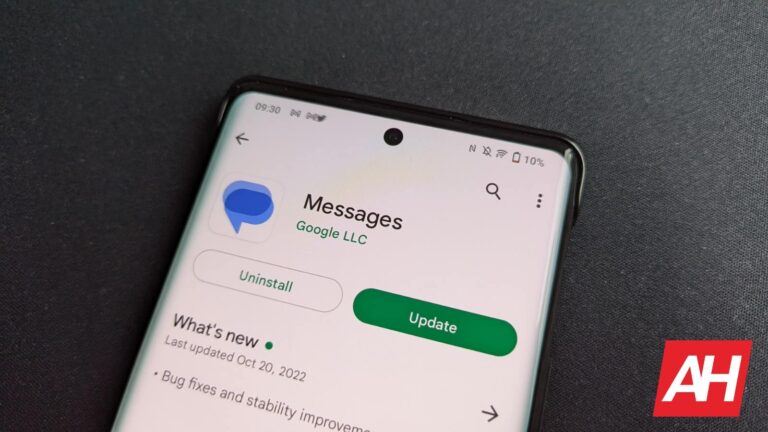
In a recent update Google introduced a user interface (UI) tweak to its Messages app, aiming to simplify the process of sharing photos. This update prominently places a camera icon directly on the Google Messages home screen. It provides users with a quick and accessible way to initiate the photo-sharing process. The camera icon is positioned adjacent to the search icon on the top right of the app.
The camera icon in Google Messages’ home screen aims to make photo sharing more convenient
Previously, sending photos through Google Messages involved navigating to the conversation. Then users were to click on the ‘Add’ button or capture a photo separately in the camera app. Then they would be able to select it from the conversation.
In contrast, the newly introduced camera shortcut makes this process a bit faster and easier. It now allows the user to directly capture the photo from the app’s home screen.
Upon tapping the camera icon, the app seamlessly transitions to the camera app UI and viewfinder. Once you take the photo, Google Messages prompts you to select a recipient. Then it automatically attaches the photo to a new message for the recipient you choose. You still get the option to add additional text before sending it, notes PhoneArena.
However, this feature appears to have another scope for improvement. The ‘Select recipients’ prompt doesn’t yet provide the ‘New message’ option. That means you will have to start the chat first before you try to share photos directly from Messages’ home screen. Nonetheless, Google has seemingly focused on its ‘Messages’ app for a while now and this is also expected to be fixed in the near future.
Google continues to improve ‘Messages’ to keep up with the competition
The camera shortcut is part of the app’s ongoing efforts to introduce experimental features. These include an animated emoji, an updated voice recorder, and Google Account login capabilities for the web version.
The camera shortcut was initially in a limited rollout phase. However, it is now being widely deployed to Google Messages users. This new addition reflects Google’s commitment to continuously improving the Messages app’s functionality to keep up with alternatives like WhatsApp. It also ensures that people who have been using Google Messages don’t have to shift their usage to another unfamiliar app just to make use of available new features.