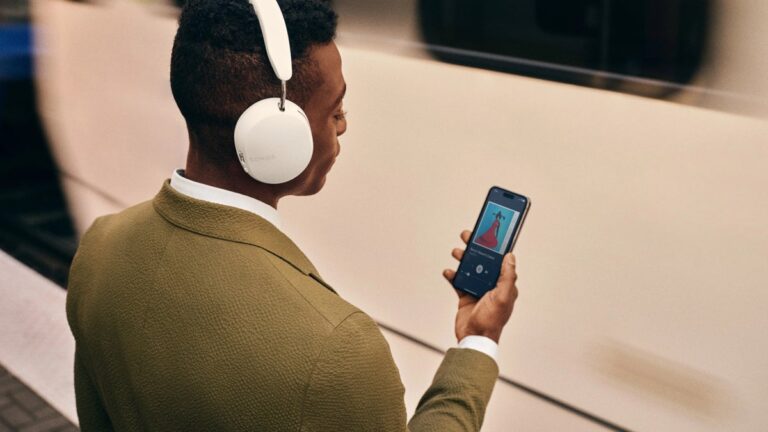
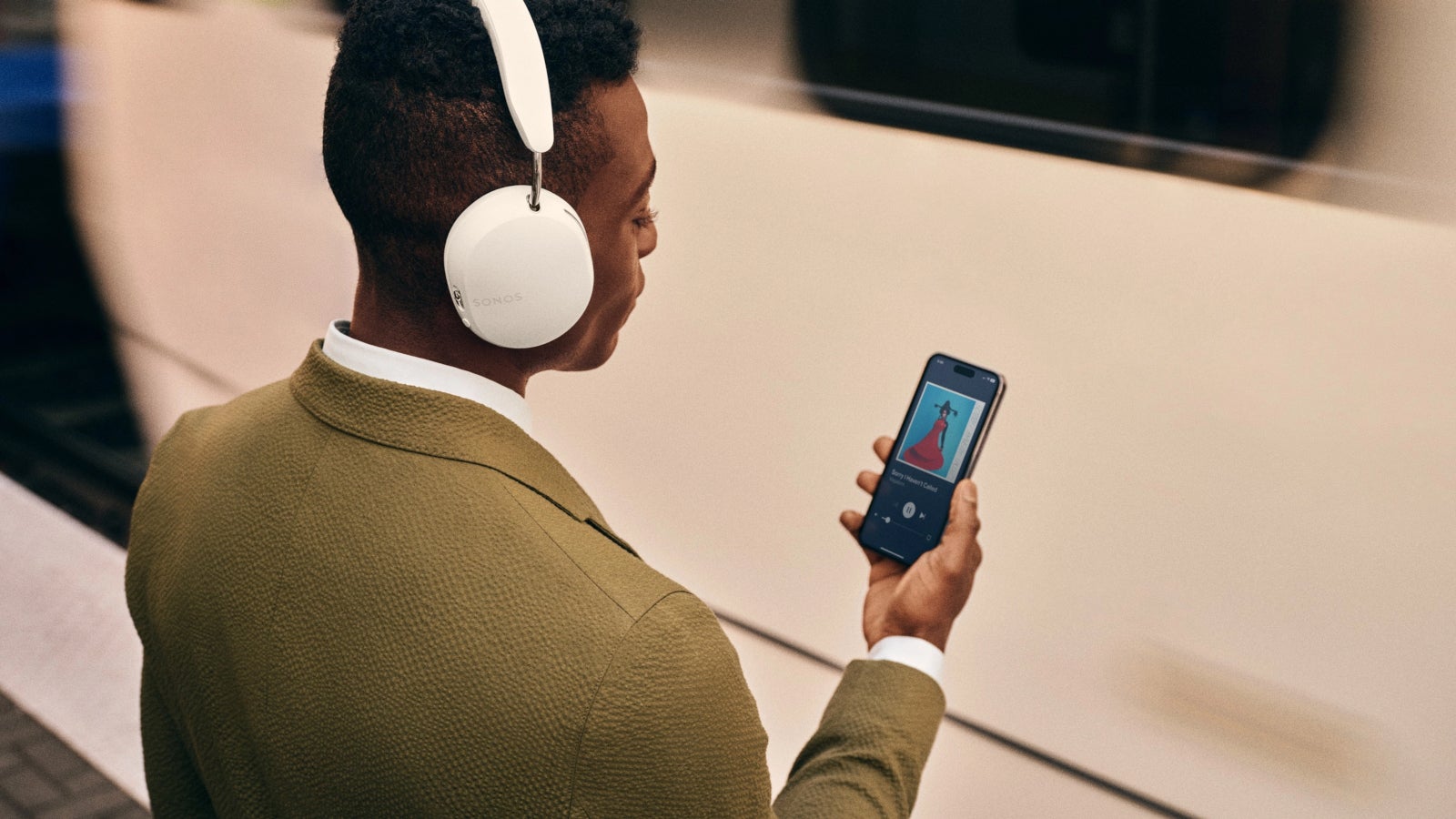
After the whole “redesigned app” debacle, Sonos achieved the incredible feat of angering its customers a second time in less than two months. The audio company recently updated its privacy policy and removed an important line, which was a promise that the company would not sell the personal information of its customers.What makes this even worse for Sonos is that the line has only been removed from the updated US policy, so if you live in another country, chances are that your personal information is safe (for now at least).
The change was spotted by repair technician and consumer privacy advocate Louis Rossmann (via The Verge), who noticed that the following line is now missing from the US privacy policy: “Sonos does not and will not sell personal information about our customers.”
Certain data practices described throughout this Privacy Statement may constitute a “sale” or “sharing” of data under California and/or other US state laws. See the below CA Addendum for more information applicable to CA residents. We want you to understand that information about our customers is an important part of our business. We only disclose your data as described in this Statement.
Strangely enough, this change puts the app’s new design in a new light. Many of the app’s offline features have been removed and just about every new and current feature seems to be tracked via Sonos’ cloud platform.
It looks like Sonos is trying to get as much personal data as possible and sell it to the highest bidder, at least in the US where legislation is more permissive when it comes to these things.
Sonos hasn’t yet commented on the updated privacy policy yet, but we’ll keep you updated in case the company rolls back the changes.
Threat actors have claimed responsibility for a significant data breach involving Accenture, one of the world’s leading consulting firms.
The news broke on Twitter, with the account DarkWebInformer posting a detailed status update on the incident.
According to the post, the breach allegedly involves sensitive employee data, raising concerns about the potential impact on both the company and its workforce.
🚨MAJOR DATA BREACH🚨888 has allegedly leaked data belonging to Accenture. Revenue: $64.5 Billion
In June 2024, Accenture suffered a data breach from a third party that exposed 32,826 employees/former employees.
— Dark Web Informer (@DarkWebInformer) June 19, 2024
Details of the Breach
The DarkWebInformer tweet, which has since garnered significant attention, suggests that the compromised data includes the personal information of Accenture employees.
While the exact nature of the data has not been fully disclosed, it is believed to encompass names, contact details, and possibly more sensitive information such as social security numbers and financial details.
The threat actors have reportedly posted data samples on dark web forums, further substantiating their claims.
Accenture has yet to release an official statement regarding the breach.
However, cybersecurity experts are urging the company to conduct a thorough investigation and to notify affected employees promptly.
The potential ramifications of such a breach are extensive, including identity theft, financial fraud, and other malicious activities targeting compromised individuals.
Industry Reactions and Next Steps
The cybersecurity community has reacted swiftly to the news, with many experts emphasizing the importance of robust security measures and timely incident response.
“This incident underscores the critical need for companies to invest in advanced cybersecurity protocols and to remain vigilant against evolving threats,” said Jane Doe, a cybersecurity analyst at SecureTech Solutions.
Accenture is expected to collaborate with law enforcement and cybersecurity firms to mitigate the breach’s impact and prevent future incidents.
In the meantime, employees are advised to monitor their accounts for any unusual activity and to take preventive measures such as changing passwords and enabling multi-factor authentication.
As the situation develops, stakeholders will closely watch Accenture’s response and its broader implications for the consulting industry.
The breach is a stark reminder of the persistent and evolving nature of cyber threats in today’s digital landscape.
FreeWebinar! 3 Security Trends to Maximize MSP Growth -> Register For Free
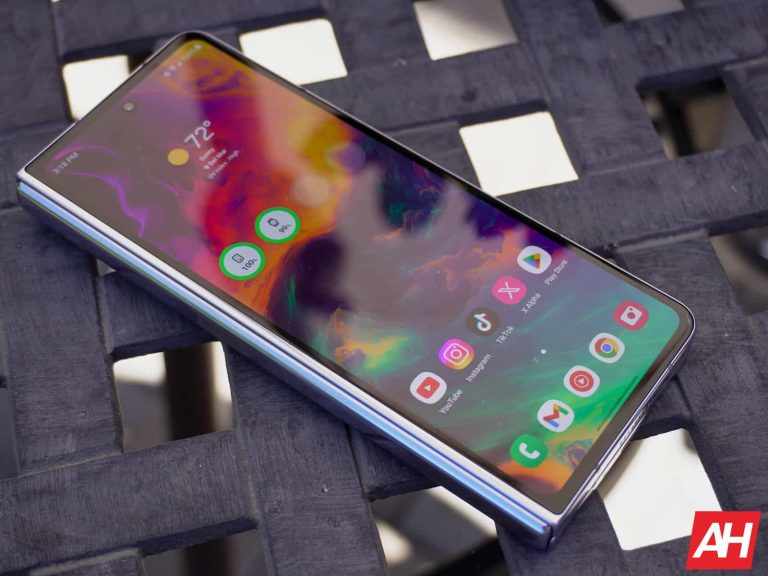
Were you waiting for a bigger cover display for the Galaxy Z Fold 6? A recent leak suggests that you could be disappointed. It seems that the device will keep its screen dimensions practically unchanged. It would also inherit most of the tech specs from its predecessor, the Galaxy Z Fold 5.
Leaked Galaxy Z Fold 6 case shows a cover display size practically unchanged
Thinborne, a case manufacturer, posted an image on X/Twitter with the hashtag #fold6. The hashtag indicates that it is a cover case for Samsung’s future foldable. The image also confirms that the secondary screen of the device would have a size very similar to that of the current generation. Still, there will be a slight difference: the aspect ratio. It seems that the cover display of the Galaxy Z Fold 6 will be a little wider than that of its predecessor.
That said, the size would be practically the same. Even the foldable inner screen would maintain the same size as that of the Z Fold 5. This screen would also opt for a slightly different aspect ratio. Now it would be a little wider and less tall than before.
Slightly different aspect ratio and sharper corners
The company would also sharpen the corners of the device. This would give the foldable a more elegant appearance, although it could make it more uncomfortable to hold. There have already been complaints regarding the sharp corners of the Galaxy S24 Ultra. There are some people for whom the corners of the device “dig” into their hands, causing discomfort. On the other hand, Samsung would make the phone 15 grams lighter and implement a titanium frame.
However, in general, everything indicates that the design of the Galaxy Z Fold 6 will aim for continuity. The same thing would occur with the tech specs section. Samsung would simply add a few fundamental incremental improvements. This includes more processing power and a new version of One UI. That said, the rest of the specifications would be practically identical to those of the current Z Fold 5.
The biggest changes may be reserved for an “Ultra” model
Previous leaks suggested that Samsung would also be working on an “Ultra” model. So, the most notable improvements would come from this device. However, some sources claim that the Galaxy Z Fold 6 Ultra will not reach the global market. The company would only sell it in South Korea and China. Additionally, although the vanilla Z Fold 6 does not include major improvements, it is said to cost at least $100 more than the previous model.
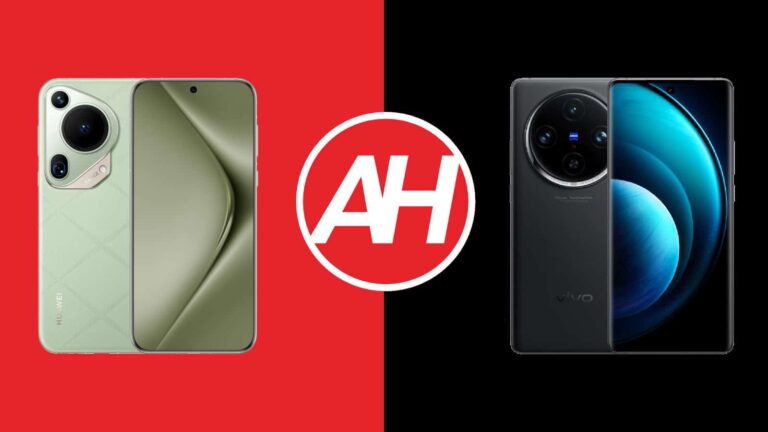
This time around, we’re comparing the Huawei Pura 70 Ultra vs Vivo X100 Pro. Yes, the Vivo X100 Ultra did launch, in this particular case, we’re comparing two phones that are available outside of China, in global variants. Both of these are, the Vivo X100 Ultra is not. Having said that, the Vivo X100 Pro is also a top-end flagship, and not that much behind the ‘Ultra’ model, not at all.
Do note that while both of these phones do come in global variants, the Huawei Pura 70 Ultra does not ship with Google services. It comes with Huawei’s very own services, so without the Google Play Store. There are ways to use Google apps, though, but we won’t get into that. Both of these phones are large and powerful flagships, and it will be interesting to compare them, considering how different they are.
Specs
Huawei Pura 70 Ultra vs Vivo X100 Pro, respectively
The Huawei Pura 70 Ultra combines aluminum and vegan leather, while the Vivo X100 Pro is made out of aluminum and glass. Huawei’s handset has a flat display with a centered display camera hole. The Vivo X100 Pro has a curved display with a centered display camera hole. The thing is, the Huawei Pura 70 Ultra has quad-curved glass on top of its display, so the feeling of using its display is rather interesting.
Speaking of which, the backplate on both phones is proportional to the front. That means you’re getting a quad-curved back side on the Huawei Pura 70 Ultra. That makes the phone very comfortable to use, and vegan leather is only helping things and adds grip to the table. Huawei’s flagship is more comfortable to use, and less slippery than the Vivo X100 Pro, that’s for sure. The Vivo X100 Pro’s backplate curves towards the sides. Both devices have physical keys on the right-hand side only.
The Huawei Pura 70 Ultra’s corners are a bit more rounded in comparison. Its rear camera island sure does look interesting, and it’s located in the top-left corner. The Vivo X100 Pro is centered on the phone’s backplate, in its top portion. There are three cameras included on the back of both smartphones. The Vivo X100 Pro also has the benefit of ZEISS’ expertise and lens coating.
The Vivo X100 Pro is slightly taller in comparison, while the two phones are basically the same in terms of width. The Vivo X100 Pro is ever so slightly thicker. The weight is about the same in comparison. You’ll also be glad to hear that both smartphones offer an IP68 certification for water and dust resistance.
Huawei Pura 70 Ultra vs Vivo X100 Pro: Display
The Huawei Pura 70 Ultra includes a 6.8-inch 2844 x 1260 LTPO OLED display. That panel is flat, and it has an adaptive refresh rate of up to 120Hz. It can project up to 1 billion colors and supports HDR content. The peak brightness of this panel is at 2,500 nits. The screen-to-body ratio here is around 89%. The Huawei Pura 70 Ultra’s display is protected by the Kunlun Glass (Basalt-tempered).
Huawei Pura 70 Ultra
On the other hand, the Vivo X100 Pro has a 6.78-inch 2800 x 1260 LTPO AMOLED display. That display is curved, and it can project up to 1 billion colors. Its refresh rate goes up to 120Hz, while HDR10+ content is supported. The peak brightness of this panel is 3,000 nits. The display aspect ratio is 20:9, while the screen-to-body ratio is around 90%. The Vivo X100 Pro has a more modest screen protection than the Pura 70 Ultra.
Both of these displays are great. They’re both extremely sharp and very vivid. The viewing angles are excellent, while the blacks are deep, as you’d expect them to be. Touch response is also very good on both phones. You’ll also realize that both displays get more than bright enough in all conditions. The Huawei Pura 70 Ultra does come with better display protection, though.
Huawei Pura 70 Ultra vs Vivo X100 Pro: Performance
Huawei’s handset is fueled by the Kirin 9010 SoC. That is Huawei’s very own 7nm processor. The device is also equipped with 16GB of LPDDR5X RAM, and up to 1TB of storage. The Vivo X100 Pro, on the flip side, is fueled by the MediaTek Dimensity 9300 SoC. That is a 4nm processor. The Vivo X100 Pro comes with up to 16GB of LPDDR5X RAM and up to 1TB of UFS 4.0 storage.
The chip inside the Vivo X100 Pro is considerably more powerful, no doubt about that. Huawei had to be creative considering the US ban and everything. When using the devices, however, you’d never know how much more powerful the MediaTek Dimensity 9300 is. Huawei did a great job of optimizing the Huawei Pura 70 Ultra and the included chip. Both phones are very snappy during day-to-day performance. That goes for everything ranging from opening and jumping between apps to consuming multimedia, browsing, and processing images.
Where you will notice the difference is in gaming. The Vivo X100 Pro will be more capable with truly demanding games, even though the Huawei Pura 70 Ultra can also run games without a problem. You may want to avoid truly graphically-demanding titles, however. For the vast majority of people, however, the performance will be similar. Benchmarks will say something completely different, but if you’re not a gamer, you’ll be just fine with either phone, as far as performance goes.
Huawei Pura 70 Ultra vs Vivo X100 Pro: Battery
The Huawei Pura 70 Ultra includes a 5,200mAh battery. The Vivo X100 Pro, on the other hand, comes with a 5,400mAh unit. Do note that both smartphones offer really good battery life, but the Vivo X100 Pro does stand out a bit more. That was, at least, the case for us. You can get over 7 hours of screen-on-time on both smartphones if you’re just a little bit careful. We were able to push the Vivo X100 Pro past the 8-hour screen-on-time mark a couple of times too.
Do note that you will never be able to reach those numbers if you’re a gamer, though, or if you’re really hammering your devices. With general use, however, it’s possible. Another thing worth noting is that we were connected to WiFi most of the time, though 5G was thrown into the mix as well. Your mileage may vary, though, of course. You’ll have different use conditions, in a number of ways. The bottom line is, however, both phones do offer good battery life.
The Huawei Pura 70 Ultra offers 100W wired, 80W wireless, 20W reverse wireless, and 18W reverse wired charging support. It also comes with a charger in the box. The Vivo X100 Pro, on the other hand, supports 100W wired, 50W wireless, and 10W reverse wired charging. It also comes with a charger. Huawei’s flagship is one of the most versatile smartphones in the market when it comes to charging, if not the most versatile one. The Vivo X100 Pro is also well-covered in the charging department, however, and both phones support immensely fast charging.
Huawei Pura 70 Ultra vs Vivo X100 Pro: Cameras
Both phones do include three cameras on the back, but they’re different, of course. The Huawei Pura 70 Ultra comes with a 50-megapixel main camera (1-inch type sensor, variable aperture, sensor-shift OIS, retractable lens), a 40-megapixel ultrawide unit, and a 50-megapixel periscope telephoto camera (3.5x optical zoom). The Vivo X100 Pro, on the other hand, includes a 50-megapixel main camera (1-inch type sensor), a 50-megapixel ultrawide unit (119-degree FoV), and a 50-megapixel periscope telephoto camera (4.3x optical zoom).
Vivo X100 Pro
These two devices are amongst the best camera smartphones in the market at the moment. They do provide different photos, but both are great across the board. The Vivo X100 Pro photos will look a bit more processed, especially in some situations. Both phones do provide plenty of detail, though, and pull towards warmer colors. The Huawei Pura 70 Ultra manages to keep things closer to real life, however. Their secondary cameras are just as impressive. The telephoto performance is a tossup. We’d give the portrait shots to the Vivo X100 Pro, while the Huawei Pura 70 Ultra wins in the macro department. The ultrawide shooters are both great and do a good job of keeping up with the main camera color science.
In low light, the Huawei Pura 70 Ultra does a better job of balancing images. The shots from the Vivo X100 Pro also look great, but a bit more unrealistic, even though some of you may prefer that look, to be quite honest. Both phones do a great job of keeping light sources in check. You can’t go wrong with either one of these two cameras, to be quite honest.
Audio
Both phones do include stereo speakers, but their loudness is quite different. The speakers from the Vivo X100 Pro are noticeably louder, in all honesty, even though both phones provide a well-balanced sound. The Huawei Pura 70 Ultra speakers are not dim, but they’re not as loud as we would have liked.
In regards to audio ports, well, neither phone includes one. You can always take advantage of the Type-C port that both of these phones include. You’ll need a dongle, though. If you prefer wireless audio, however, the Huawei Pura 70 Ultra supports Bluetooth 5.2, while the Vivo X100 Pro comes with Bluetooth 5.4.
Qualcomm reached a big settlement in favor of shareholders, something that not even Apple had achieved after a previous lawsuit. Shareholders had accused the company of using shady methods to inflate stock prices.
According to the lawsuit, Qualcomm was deceiving them about the company’s administrative issues. The main problem was licensing patents. The company had apparently refused to license essential patents in some cases. They would have even demanded the purchase of chipsets as a prerequisite for obtaining the licenses.
Shareholders reach a $75 million settlement with Qualcomm, something Apple wanted
By definition, patents defined as essential must be granted in a fair and non-discriminatory manner. After all, the related technical process is essential to working on a particular technology or standard. Therefore, making an agreement subject to a prior purchase of Qualcomm chips went against this principle. This was the reason for Apple’s lawsuit against Qualcomm related to the $75 million settlement that shareholders will receive.
Interestingly, Qualcomm emerged victorious from its legal confrontations related to this matter. However, shareholders achieved something that neither Apple nor other entities (such as the US Federal Trade Commission) could. According to the lawsuit, Qualcomm claimed that its chip sales and technology licensing were separate businesses. However, the company was bundling them, engaging in an anti-competitive practice. These practices would have been carried out between February 2012 and January 2017.
Apple had sued for the same thing; the agreement was not in their favor
Apple and the Federal Trade Commission sued Qualcomm in 2017. At that time, the Cupertino giant also referenced the practices described by shareholders. Apple claimed that the chip supplier used its position to charge excessive prices for baseband processor licenses. Licenses for baseband processors are on the “essential” patent list. In addition to the price, they also mentioned that Qualcomm required onerous conditions to grant these licenses. The situation even led Apple to consider ditching Qualcomm modems. For this, the company was in talks with Intel.
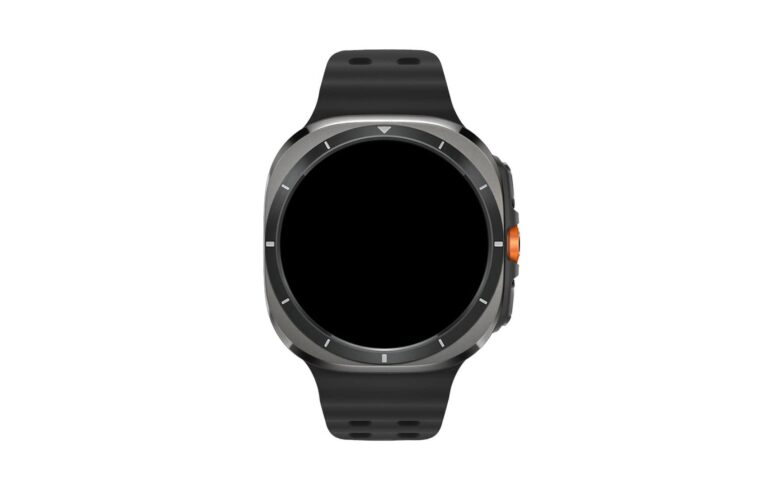
Samsung’s Galaxy Watch Ultra has been unofficially confirmed thanks to leaked certifications, and while we don’t know for certain if Samsung is going to launch this device at all, let alone at its next Unpacked event, it’s highly suspected, and it got me thinking about what features I want to see from Samsung with this watch.
Now without Samsung officially revealing the watch, it’s tough to say exactly what if any features the Galaxy Watch Ultra might be lacking. After all, we can’t know what it will or won’t be capable of doing without any confirmed details from Samsung. With that being said, there are at least a few things I know that I personally hope the Galaxy Watch Ultra can deliver to the user experience.
These are of course my own opinions and based on the use of past Galaxy Watch smartwatches. Not to mention numerous smartwatches from other brands, not all of them Wear OS. So, with all of that out of the way, here are the features I’m hoping the Galaxy Watch Ultra will offer. No matter how far-fetched they are.
The Galaxy Watch Ultra needs to keep the rotating bezel
Part of me thinks this is a little less likely, and I’ll tell you why. The Galaxy Watch Ultra is supposed to be Samsung’s answer to the Apple Watch Ultra. If not by design alone, by the description from the rumors that this is supposed to be another rugged-style watch. Similar to the way the Galaxy Watch 5 Pro was Samsung’s outdoor adventurer model. Meanwhile, the Galaxy Watch 5 was for basically anyone else. And that’s likely what we’ll see from the Galaxy Watch 7.
The Galaxy Watch Ultra appears to be a step up from this. Potentially boasting an even more rugged build and tailored more to outdoorsy activities. Based on these factors, it is entirely possible that Samsung wouldn’t use the rotating bezel here. It’s one more thing that could break on a watch that is supposed to be more protected against breaking.
That doesn’t mean the Galaxy Watch Ultra won’t have a rotating bezel though. And I certainly hope it does have one because there is no better way to navigate the Wear OS user interface (or any smartwatch interface for that matter) than the rotating bezel Samsung introduced with its Galaxy Watch lineup.
Rumors have already suggested that the rotating bezel isn’t going away. And judging from the leaked images, the bezel does look raised enough to wear it might rotate. Obviously, I’m not 100% sure that this is the case. However, you can’t ignore the possibility. Or perhaps, just maybe, this is just me getting my hopes up only to be disappointed if it isn’t there.
More refined gesture controls would be nice
This is almost certainly a pipe dream. Nevertheless, it doesn’t diminish my hope that Samsung might have seen Apple’s implementation of gesture controls and decided to come up with its own iteration of it. I’m talking of course, about Apple’s Double Tap feature that can be found on the Apple Watch Series 9 and Apple Watch Ultra 2. This simple gesture has you tap your thumb and index finger together to perform certain functions. This includes pausing and playing music, answering or ending an incoming call, and scrolling through the Apple Watch’s Smart Stack widgets.
And now with Apple opening up the Double Tap feature to developers with WatchOS 11, who knows what else it will be able to do in time. Once developers have had time to play with it. Samsung adding something like this to the Galaxy Watch Ultra is almost certainly a very big stretch. As it would need to come up with a gesture that would act similarly without being a direct copy of Double Tap.
Wrist Gestures and Universal gestures
Now, Wear OS can already use wrist gestures for a few things. You can use it for scrolling through notifications, for one. As well as for opening the apps menu, opening the settings menu, and a few other things. Watches like the Galaxy Watch 6 and Galaxy Watch 6 Classic also have something called Universal Gestures. This does implement the use of tapping your fingers together to perform actions. But it was designed with the intention of being an accessibility feature. And in practice, it’s not as fluid or seamless as Apple’s Double Tap.
It would be nice to see Samsung refine the Universal Gestures to work more seamlessly. Both on the Galaxy Watch Ultra and the Galaxy Watch 7. At the very least, Samsung could make it so you need to perform fewer taps to initiate a single action.
Battery life that lasts for at least a week
And I’m not talking about a feature that essentially disables all connectivity functions so you’re left with a simple watch. While this sort of functionality is nice in a pinch, it removes everything that’s great about smartwatches. There are some smartwatches out there that can last for upwards of a week or more without disabling all these features. Sure, some of them cost more. Such as the Garminx Fenix series. However, there is a rumor that Samsung might be pricing the Galaxy Watch Ultra pretty high. Somewhere around the $700 mark.
If that ends up being true, I think it’s fair to wish for a battery that would keep the watch going for at least 7 days. This is probably another thing that we won’t be getting with the Galaxy Watch Ultra. It’s still running on Wear OS. And Wear OS doesn’t have the best track record for battery life. Even if it has gotten considerably better these past few years.
To Samsung’s credit, I was able to use the Galaxy Watch 5 Pro for upwards of 4 days on a single charge. That’s better than any other Wear OS smartwatch that I’ve used before or since. If Samsung could just stretch that by a few more days, the Galaxy Watch Ultra would already be miles ahead of most competition.
Google has released the third beta for Android 15, which means that it has hit platform stability, and all app behaviors are finalized. There is one more beta before the stable release – which is expected at some point after August. So there’s not a whole lot of changes in Android 15 Beta 3. Or is there?
Mishaal Rahman, who’s pretty well-known in the Android community for digging through code and finding some new features and changes within Android, has put together a pretty detailed list of changes over on Reddit.
In this beta, there are plenty of behind-the-scenes changes for Android 15. The first one relates to it hitting platform stability. This means that the “Android version” is no longer listed as “VanillaIceCream” but instead listed as “15”. The SDK version is also set to 35 now.
New “Home Controls” screen saver debuts in Android 15 Beta 3
One of the bigger new features in Android 15 Beta 3 is going to be the new “Home Controls” screen saver. It’s exactly what it sounds like, too. Basically, it’s a new screen saver (which used to be called “Daydream”) that will surface your smart home controls for lights, thermostats, plugs, etc. It’s a pretty cool feature to have if you have loads of smart home products in your home.
It also brings in some new changes to Circle to Search, which now works with both taskbar styles. Essentially, it is both transient and persistent on the Pixel Fold and Pixel Tablet.
Android 15 Beta 3 will also now automatically delete your face or fingerprint unlock if they aren’t working well. It will then prompt you to set them up again. So, instead of continuing to fuss with your biometric unlocking and why it’s not working, your phone can intelligently fix it for you.
Google is finally changing Android 15 Beta 3, which will stop treating 7.5W chargers as “fast” because they aren’t. Thanks to this small change, Android 15 will be able to determine a charger as “fast” if it is 20W or faster. That threshold does determine whether the “charging rapidly” text is shown on the lock screen or not.
A small tweak has been applied to the screenshot overlay UI. Now, the screenshot preview sits above the buttons instead of in line with them.
Google’s working on a “Creative Assistant” app
Surfacing in Android 15 Beta 3 is a new “Creative Assistant” app that Google is working on. It is speculated that generative AI will be used to create custom stickers or photos, such as what Apple is doing with Genmoji in Apple Intelligence.
Android 15 Beta 3 also added the “show long app names” toggle. This will allow the user to decide whether the home screen and app list show a truncated name for longer app names or the full name.
Google has also brought up the toggle for Circle to Search one page. So now it can be found under Settings > System > Navigation Mode.
Android’s wallpaper picker UI has also been tweaked in Android 15 Beta 3, making it more evident that you can zoom in or pan on the image.
The Adaptive Timeout feature that we first reported on back in April is finally here in Beta 3. This “automatically turns off your screen if you’re not using your device.” It appears that Adaptive Timeout will use the proximity sensor to see if you’re actually looking at your phone.
Finally, Google is planning to reorganize the settings app in Android 15. There’s a new code in Beta 3 that reveals how the top-level settings page will organize the entries. It’ll also look better with a more Material You design. A few settings have also been renamed, including Device & app notifications to Notification read, reply & control.
Display Supply Chain Consultants has released its latest report for the global OLED tablet panel market. The report’s data shows that Huawei’s OLED market share has increased to 25 percent in Q1 2024. The company took second place after Apple in the global OLED tablet panel shipment race. The report also mentions that the Q1 2024 OLED tablet panel shipments jumped 131 percent year-on-year to a record high.
Huawei is closing in on Apple who still leads the pack with its new OLED iPads
DSCC’s latest data shows that Huawei is threatening Apple’s dominance in the OLED tablet market. The company is already putting pressure on the iPhone shipments in the Chinese market. It is now doing the same in the global OLED tablet shipments. For Huawei, a major credit goes to the MatePad Pro 11, which accounted for 11 percent of the market. The slate will continue to lead in procurement volumes in Q2 2024 as well.
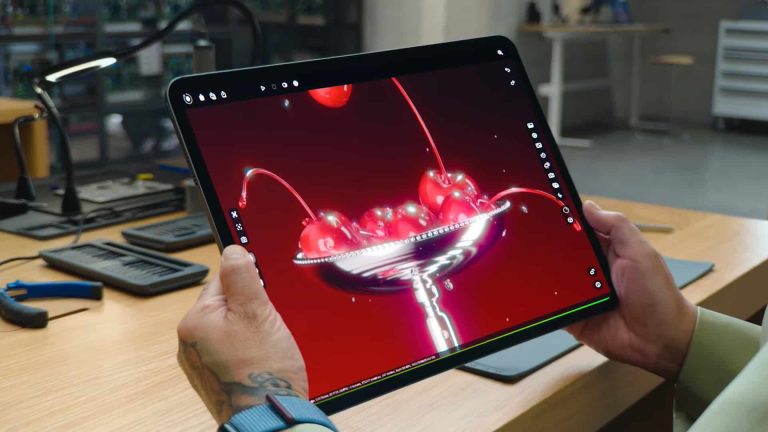
While Huawei is seeing growth, it still has a lot of ground to cover. As per the report, the iPad maker is ruling the Q1 2024 OLED tablet panel race. The company procured a total share of 47 percent ahead of the launch of the new OLED iPad Pro models, which arrived in May. The 13-inch M4 iPad Pro procured the highest number of OLED panels at 35 percent. It was followed by its 11.1-inch smaller sibling, which had a total share of 12.5 percent.
The Q1 2024 was exceptional for the OLED tablet panel market as the total shipments rose 131 percent year-on-year. They are expected to jump another 127 percent quarter-on-quarter and 333 percent YoY in Q2 2024. In the second quarter, it will be another record high as Apple has ramped up the production and shipments of the OLED iPad Pro models.
Furthermore, DSCC’s latest analysis suggests that OLED tablet panel shipments will continue to grow through 2028 as the price gap with LCDs narrows. By 2025, OLED tablets are expected to grab a 16 percent unit share and 55 percent revenue share. Apart from the leading three – Apple, Huawei, and Samsung – there will be more brands joining the OLED tablet market.
A threat actor named ” IntelBroker ” claims to have breached AMD in June 2024 and is now selling the allegedly stolen data on hacking forums.
The compromised information reportedly includes sensitive data such as future AMD product plans, specification sheets, employee and customer databases, property files, ROMs, source code, firmware, and financial documents.
According to IntelBroker’s post on the BreachForums site, the employee database contains user IDs, first and last names, job functions, business phone numbers, email addresses, and employment status of AMD personnel.
The threat actor is offering the data for sale exclusively in exchange for Monero (XMR) cryptocurrency and is accepting a middleman for transactions.
IntelBroker has a notorious reputation in the cybersecurity community, with previous high-profile hacks of entities such as Europol, Home Depot, the U.S. Pentagon, and allegedly one of the T-Mobile data breaches.
🚨MAJOR BREACH🚨IntelBroker is allegedly selling the AMD data breach dated June 2024.
— Dark Web Informer (@DarkWebInformer) June 17, 2024
The origins and affiliations of the threat actor are currently unknown.
If the claims are substantiated, the breach could have significant implications for AMD, its employees, customers, and partners.
Sensitive data like source code, firmware, future product plans, and employee information could potentially be exploited if it fall into the wrong hands.
AMD’s IT and security teams are likely urgently investigating the incident to determine the validity and full extent of the alleged breach.
This developing story underscores the ongoing challenges companies face in securing their digital assets against increasingly sophisticated cyber threats and the importance of robust cybersecurity measures to protect sensitive data.
More details are expected to emerge as AMD’s investigation progresses.
FreeWebinar! 3 Security Trends to Maximize MSP Growth -> Register For Free
Google could be working on an Android or Pixel equivalent of Apple’s Genmoji, a generative AI feature in iOS 18 that lets you create custom emoji. Code strings found in the latest Android 15 Beta 3 hint at a new Creative Assistant feature that may function similarly. It could debut with the Pixel 9 series this fall. The new Pixels feature the Samsung-made Tensor G4 chipset with improved NPU for AI applications.
Pixel 9 may introduce a generative AI tool to create custom emoji and stickers
Google recently released the third public beta version of Android 15. As usual, it brought a host of user-facing changes and stability improvements. But there are a few additional changes behind the scenes. Reputed Android expert Mishaal Rahman of Android Authority dug into the new Android 15 build to discover code strings related to an unreleased feature called Creative Assistant. He found references to the feature in a Tensor chip TPU binary and the Google Markup app.
Evidence present within the code strings suggests Creative Assistant is a generative AI tool that can remix/create a custom sticker (and emoji) and “paste it onto a screenshot or other image you’re editing.” It could be part of Android’s built-in image editor, though Google may also integrate it into Google Photos. As Rahman notes, the company already integrates its image editing tool into its photo viewer. The sticker/emoji generation will be handled by Creative Assistant everywhere.
As things stand, there is no way to tell whether this generative AI feature will work locally on the device or if it will be a cloud-based solution. However, Rahman speculates it could be the former. “Given the smaller size and resolution of stickers, I can see it [on-device emoji/sticker generation] working out,” he wrote explaining the technical tidbits of this discovery. Rahman also found clues suggesting that Creative Assistant will work on the Pixel 8 series, but there’s no solid evidence yet.
The generative AI feature may be exclusive to Pixels
The tool’s package name (com.google.android.apps.pixel.creativeassistant) suggests Creative Assistant will be exclusive to Pixel phones. So, while it may be part of Android 15, non-Google products won’t get it with the next Android update. That said, generative AI is all the rage right now. We won’t be surprised if other firms build a similar feature into their custom Android skin. Samsung is expected to introduce several new AI features with One UI 6.1.1 and One UI 7.0 later this year.