This is just a heads up that if you’re using WhatsApp, there’s a high chance that you’ll be getting a new feature in the future that will make it possible to have cover photos attached to upcoming events in Community groups.
The information comes directly from WABetaInfo, which also reports that this new feature is being rolled out to the beta version of WhatsApp, although it appears to be in the very early stages of development.
Because the new feature is not yet ready for testing, it’s unlikely that those enrolled in the WhatsApp beta program will get it even after updating to the latest version of the app.
However, a preview of the feature is provided by WABetaInfo, so here is how it works. If you’re the event organizer in a Community group, you’ll be able to set a cover for it.
It’s important to mention that you have to be the admin of that group in order to be able to set a cover for an upcoming event. It makes it easier to be reminded of an upcoming event and offers a much more appealing overall experience for members of Community groups.
Add a cover photo to an upcoming event, Credits – WABetaInfo
The new feature masterfully augments some of the previous features specifically designed for Community groups, which WhatsApp is currently working on. For instance, we reported not long ago that WhatsApp plans to add an event reminder feature for Community group chats. Not to mention the ability to actually create events, which was first spotted in Q4 2023.
All these new features and key improvements suggest that WhatsApp has decided to focus many of its resources on Community groups. Let’s see how and when these exciting new features will be implemented.
Researchers detected an attack involving a fake KMSPico activator tool, which delivered Vidar Stealer through several events.
The attack leveraged Java dependencies and a malicious AutoIt script to disable Windows Defender and decrypt the Vidar payload via the shellcode.
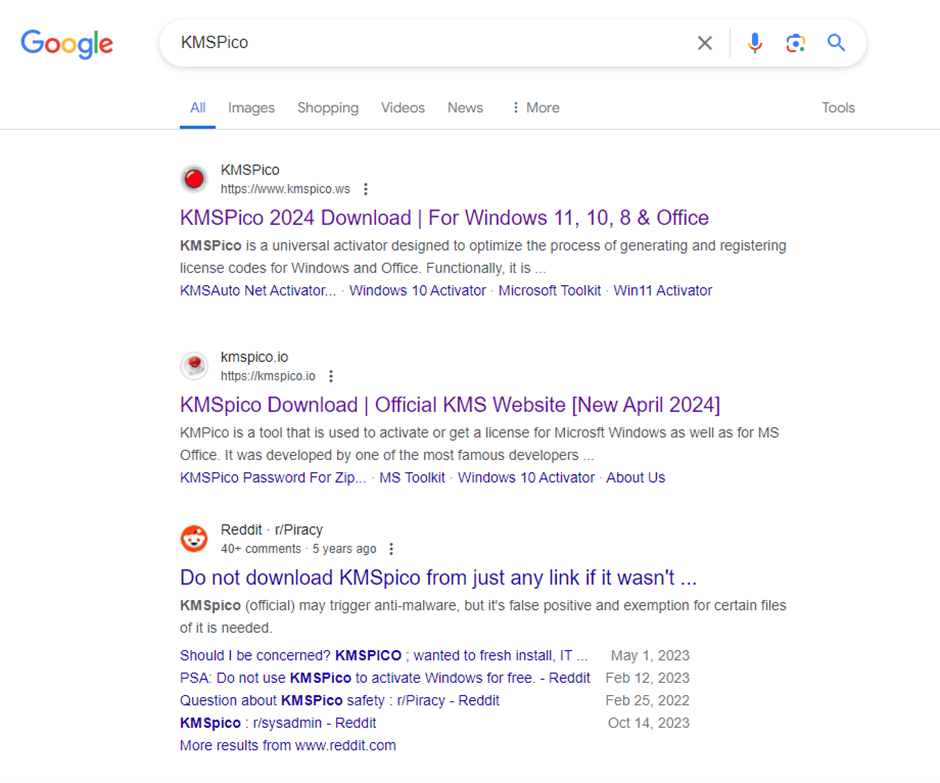
The user performed a web search for KMSPico and browsed to the top result (kmspico[.]ws), which is marketed as a “universal activator” for Windows but appears to no longer be maintained.
The site is hosted behind Cloudflare Turnstile and requires human input to download the final Zip package, a tactic to hide the page and final payload from automated web crawlers.
fake KMSPico activator
The Malicious Package
The ZIP archive contains Java dependencies and the malicious executable Setuper_KMS-ACTIV.exe.
Analyze any MaliciousURL, Files & Emails & Configuration With ANY RUN : Start your Analysis
Upon launching the executable, javaw.exe starts, disabling behavior monitoring in Windows Defender and dropping the malicious AutoIt script named “x” along with AutoIt named Flour.pif.
AutoIt named Flour.pif.
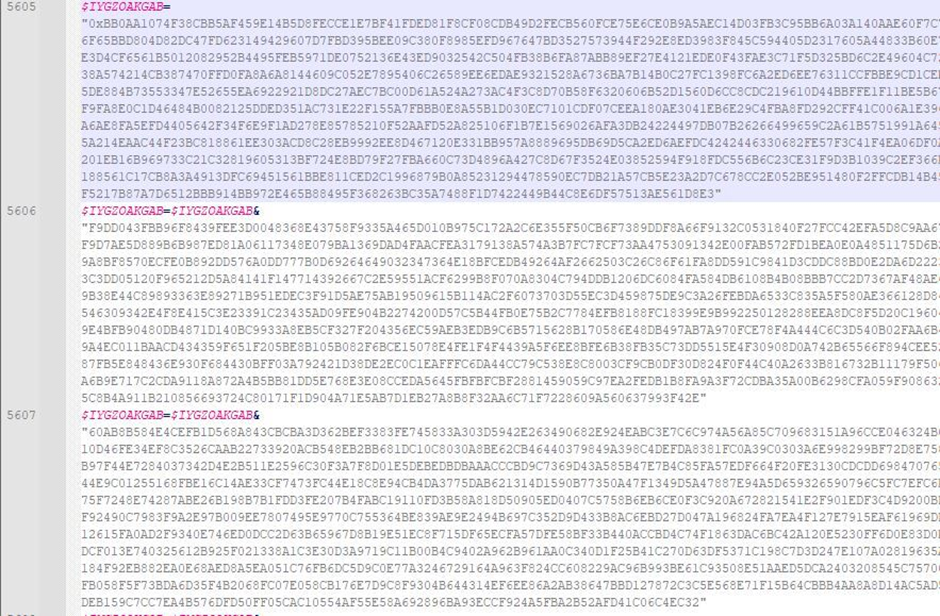
The AutoIt script contains the encrypted Vidar payload that will be injected into the current running AutoIt process.
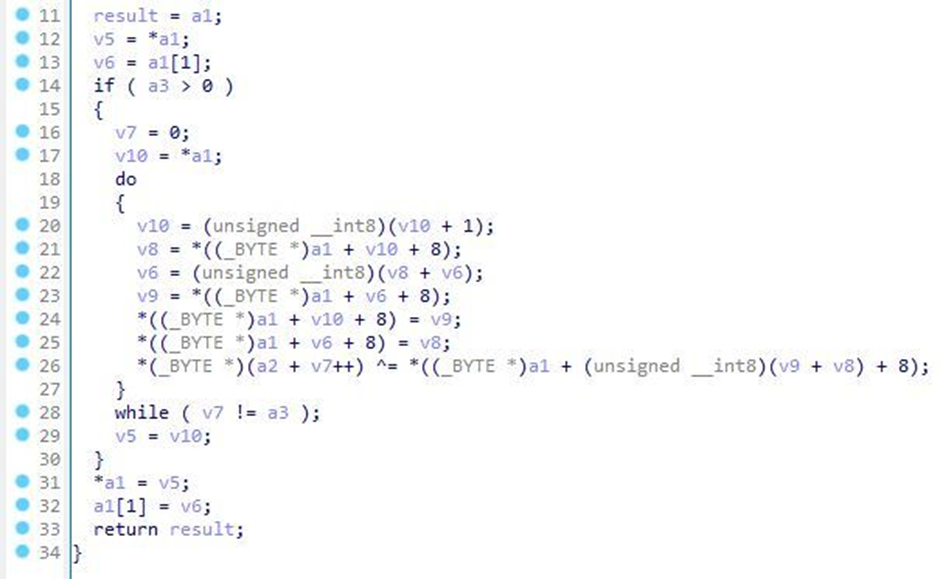
The shellcode is responsible for decrypting the Vidar payload using the RC4 decryption algorithm, which is obfuscated by a hardcoded key in the malicious AutoIt script.
malicious AutoIt script.
The Command and Control Infrastructure
Vidar Stealer uses Telegram for the Dead Drop Resolver (DDR) to store the C2 IP address.
Dead Drop Resolver (DDR) to store the C2 IP address
Threat actors use a dead drop resolver to host command and control (C2) information on legitimate external web services. They embed and often obfuscate domains or IP addresses within content posted on sites and popular applications such as Telegram and Stealer, thus concealing the C2 infrastructure.
The Response
eSentire’s 24/7 SOC Cyber Analysts team isolated the affected host and notified the customer of suspicious activities, providing additional support and remediation.
This incident reminds us that malware-laden applications, particularly greyware piracy tools, are hidden in plain sight among web search results. It stresses the importance of user awareness to guard against such threats.
Using a fake KMSpico activator tool as a malware delivery vector highlights the importance of avoiding illegal software activators and ensuring that all software is obtained from legitimate sources.
The attack, which leveraged Java dependencies and a malicious AutoIt script to disable Windows Defender, underscores the necessity of maintaining up-to-date security software and implementing additional layers of defense to detect and prevent such malicious activities.
Recommendations
eSentire’s Threat Response Unit (TRU) recommends implementing the following controls to help secure your organization against Vidar Stealer malware:
Confirm that all devices are protected with Endpoint Detection and Response (EDR) solutions.
Implement a Phishing and Security Awareness Training (PSAT) program that educates and informs your employees on emerging threats in the threat landscape.
Encourage employees to use password managers instead of web browsers’ password storage features. Use master passwords where applicable.
Organizations can better protect themselves against the ever-evolving threat landscape by staying vigilant and following these recommendations.
Looking for Full Data Breach Protection? Try Cynet's All-in-One Cybersecurity Platform for MSPs: Try Free Demo
June 7, 2024 – Google has announced it will delete Location History (Timeline) data and store new data locally, starting December 2024.
June 6, 2024 – Car parts provider Advance Auto Parts seems to be the next victim of a major data breach related to cloud provider Snowflake.
June 6, 2024 – A husband, now indicted, allegedly used seven Apple AirTags to stalk his ex-wife over a period of several weeks. His trial begins this month.
June 6, 2024 – A worried researcher has created a tool to demonstrate exactly how much of a security backdoor Microsoft is creating with Recall.
June 5, 2024 – Financially motivated sextortion of teenage boys is the fastest-growing global cybercrime, according to the FBI and Homeland Security.
Computex 2024 was packed with tech, with companies like ASUS making a lot of new announcements and releases. ASUS unveiled its ROG Maximus motherboard,ROG Thor III, and more. But the showstopper was the ASUS ROG Zephyrus G16 (2024), a slim yet powerful gaming laptop.
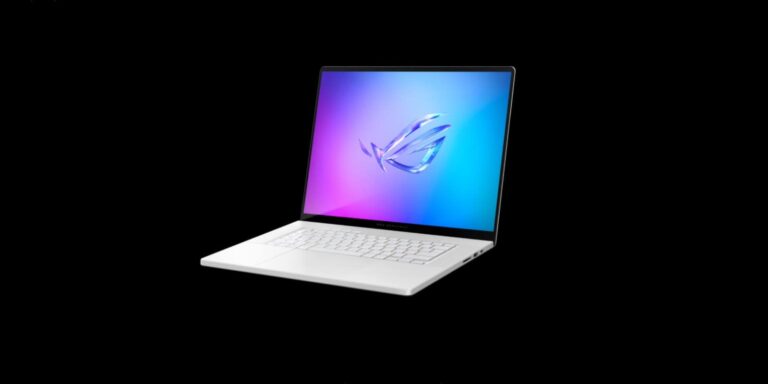
The ASUS ROG Zephyrus G16 (2024) uses a 16-inch OLED display with a 240Hz refresh rate
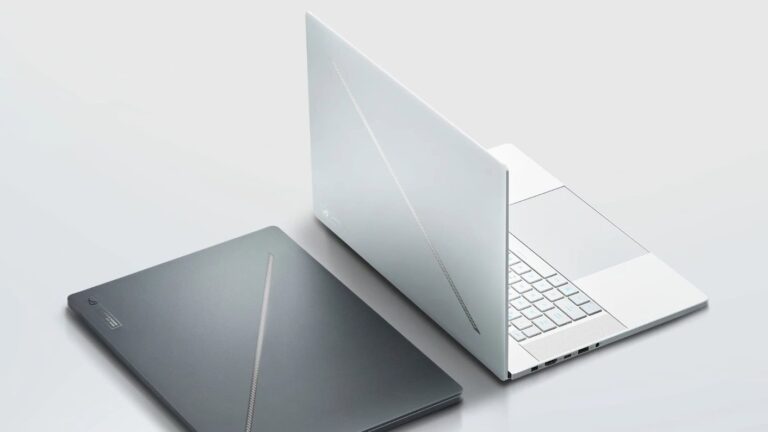
The ASUS ROG Zephyrus G16 (model GA605) is an ultra-slick laptop that can easily handle intense gaming and everyday productivity tasks. It features a CNC-milled aluminum chassis and comes with a Slash Lighting array on the lid that you can customize to your preference.
The display is a 16:10 aspect ratio ROG Nebula OLED panel offering a 2.5K resolution and a 240Hz refresh rate. You also get NVIDIA G-SYNC support, making the laptop a top contender for gaming and performance.
AMD’s brand new Ryzen 9 chip is included
Speaking of performance, the laptop boasts an AMD Ryzen 9 HX 370 processor with 24 threads, accompanied by an AMD Ryzen AI XDNA 2 NPU for a combined 81 TOPS of AI performance. This will help you with resource-hogging tasks like photo editing, video editing, coding, and using Windows Copilot tools without any hiccups or problems.
For graphics, the laptop features an NVIDIA GeForce RTX 4070 laptop GPU that can deliver up to 321 TOPS of AI performance. If you’re considering this laptop for gaming, it has features like DLSS 3 Super Resolution that enhance the look and feel of games.
Up to 32GB of RAM is on offer
The ASUS ROG Zephyrus G16 (2024) comes with up to 32GB of LPDDR5X-7500 memory. In addition to that, it supports the latest SD Express 7.0, ensuring your SD card offers ultra-fast performance.
All these powerful specs are accompanied by the ROG Intelligent Cooling system. This includes liquid metal on the CPU and Asus Arc Flow Fans. This will help keep the laptop cool during intense work sessions. Additionally, the G16 supports Wi-Fi 7, which will help you achieve higher internet speeds with less congestion.
Pricing & availability
The ROG Zephyrus G16 will come in two colors — Platinum White and Eclipse Gray. However, ASUS hasn’t yet announced the pricing for the laptop. That information is expected to arrive soon, though.
This is possibly the most powerful desktop processor on the market.
AMD says that it announced the most powerful desktop processor on the market during Computex 2024, the AMD Ryzen 9000 9950X. That chip is a part of the Ryzen 9000 series that was announced during the show. The AMD Ryzen 9000 series is on the receiving end of one of our Computex 2024 awards, actually. Well, the AMD Ryzen 9000 series, to be more accurate, as more than one chip has been announced as part of the series. The AMD Ryzen 9 9900X and Ryzen 9 9950X were announced. The 9950X model is the top-end variant, but both are extremely powerful.
The AMD Ryzen 9000 series is based on the Zen 5 architecture and goes up to 16 cores
The AMD Ryzen 9000 family of chips is based on the Zen 5 architecture. AMD quoted a 16% improvement in PC over its last-gen chips, and there are four SKUs here to start with. The Ryzen 9 9900X has 12 cores (24 threads), and a 5.6GHz max boost. It also comes with a 76MB cache and a 120W TDP. The Ryzen 9950X, on the other hand, has 16 cores (32 threads), and a 5.7GHz max boost. That chip comes with an 80MB cache and a 170W TDP. New X870 and X870E motherboards were also announced, but you don’t need them for these chips. AMD said that they’ll work on older iterations.
These two chips have the same design as their predecessors… on the outside
The AMD Ryzen 9000 chips look the same as their predecessors… on the outside. So in terms of looks itself, nothing has changed. All the changes lay on the inside. The AMD Ryzen 9950, in particular, delivers “the fastest consumer desktop performance in the world”, says the company. The company said that this chip will cater to gamers and working professionals who use creative tools for 3D modeling, designing, animations, and product visualization. In other words, this is an immensely powerful processor that you should definitely consider if you’re looking for the best of the best.
AMD had plenty to say at Computex 2024, but the Ryzen 9000 family stands out
AMD had plenty to say during Computex 2024. The company also announced its Ryzen AI 300 series processor, that is Copilot+ ready. New motherboards were also announced, as mentioned already, and new Ryzen 5000 series processors too. The Ryzen 9000 series takes the cake, though, easily. Both chips are at the top of the food chain, but the Ryzen 9000 9950X really does stand out, hence our award.
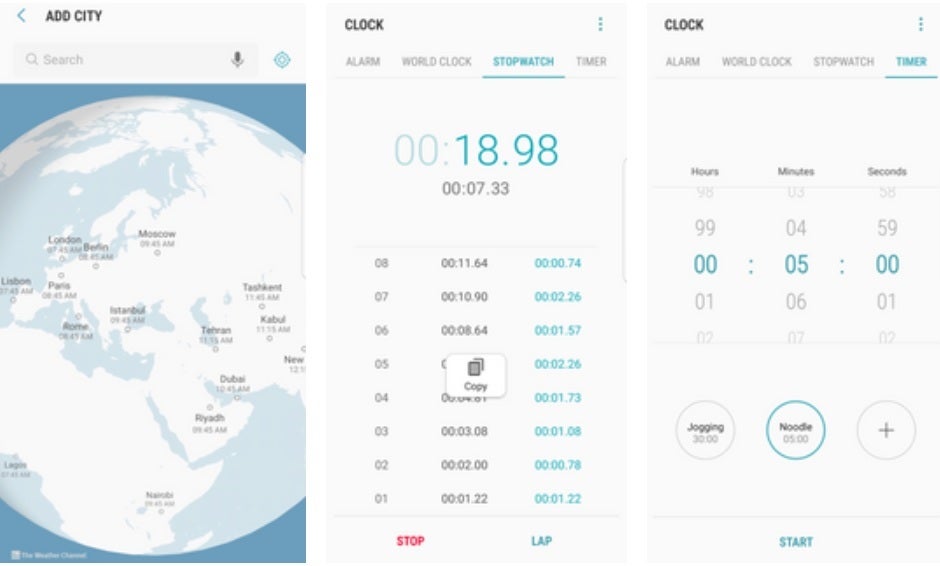
According to Sammy Fans, Samsung is advising Galaxy phone users running One UI to install the latest update to its Clock app. Version 12.3.30.35 exterminates bugs while making the app run smoother once the 31.55MB update is installed. The manufacturer says that those who do download the new Clock app will benefit from the improvements and fixes available from the update. The latest version of the Samsung Clock app is available from the Galaxy Store.
The bugs that are being exterminated by the update are not posted and the Galaxy Store’s listing of the Clock app shows only that “A few bugs have been fixed.” The app is free and Samsung is listed as the developer. A Galaxy S24 Ultra user complained earlier this year about an issue he was having with the Clock app. “Hello, I’ve noticed an odd bug with the clock on my S24 Ultra. Sometimes the time gets stuck under the current time and it shows 2 numbers on top of each other. Anyone else been experiencing this?”
Clock glitch on the Samsung Galaxy S24 Ultra
On Samsung’s EU community website, the aforementioned Galaxy S24 Ultra user included a photo of his phone showing the Clock app bug. Several other users chimed in and stated that they were experiencing the very same issue with their Clock app. Because Samsung has been tight-lipped over the precise bugs that are taken care of with version 12.3.30.35 of the Samsung Clock app, we can’t for sure that this is one of the issues that the update gets rid of.
Some of the features on the Samsung Clock app
More recent complaints included one from a user who gave the app just one star and wrote, “No Sound Anymore. Useless. Tried All Tricks From Online. Still Silent Alarm. Terrible.” And just a few days ago, another Samsung Clock user wrote, “It’s just fine as an app – the one thing that’s been recently bothering me is that for some reason the upcoming alarm notification, which is set to 30 minutes prior, seems to begin notifying my two HOURS prior for specifically my alarm for when to leave for work in the morning.”
He continues by explaining that in his attempt to fix the problem, “I’ve tried deleting the alarm and making the exact same one, turning off the upcoming alarm notification and turning it back on, but still it starts appearing at 6:30am when the alarm goes off at 8:15, so it shouldn’t appear until 7:45. This was only recent, too.”
The Clock app gives Samsung Galaxy users an alarm clock, a world clock showing the time in cities around the world, a timer, and a stopwatch.
Google rolled out another important security update for its Chrome browser as it addressed a zero-day vulnerability. The tech giant admitted detecting active exploitation of the flaw, making it necessary for the users to update their devices with the latest Chrome releases at the earliest.
Latest Google Chrome Release Fix Another Zero-Day Under Attack
Reportedly, Google addressed a high-severity zero-day vulnerability in its Chrome browser with the latest update. The vulnerability, like most other Chrome flaws, went under attack before Google could release a patch.
Specifically, the vulnerability is described as a type confusion flaw in the V8 component. The vulnerability, identified as CVE-2024-5274, received a high-severity rating. The flaw first caught the attention of two Google researchers, Clément Lecigne of Google’s Threat Analysis Group and Brendon Tiszka of Chrome Security, following which, the developers worked on patching the flaw. Google confirmed detecting active exploitation of the vulnerability in its Chrome release update.
The vulnerability affected both desktop and Android Chrome versions, consequently receiving the patch with the latest updates. According to the updates, Google patched the flaws with Chrome for Desktop version 125.0.6422.112/.113 for Windows and Mac, and 125.0.6422.112 for Linux, and Chrome for Android version 125 (125.0.6422.112/.113), respectively.
Google keeps addressing security issues with its Chrome browser as it detects to provide users with a safer browsing experience. With the recent decision to roll out weekly security updates for the Chrome browser, the tech giant takes another step towards alleviating potential security risks and their impact on the users in case of active exploitation attempts. However, since these vulnerabilities often pose a serious threat to the users, it is imperative for the users to update their devices as soon as possible.
The recent update comes days after another security fix for Chrome, also addressing a zero-day vulnerability under active attack.
The Galaxy Z Fold 6 & Flip 6 designs have been confirmed by Samsung
If you take a look at the image provided below, you’ll see what we’re talking about. This image pretty much confirms what we’ve been hearing about thus far. Both smartphones are adopting a Galaxy S24 Ultra-like design language, a flatter design if you will.
Sharp sides are included here, and the corners are less curved than before. You can also see the redesigned camera island on the back of the Galaxy Z Fold 6. That camera design was partially shown recently.
The Galaxy Z Flip 6 will also have a new look for its rear cameras. Samsung is sticking to that folder-shape design of the cover display on the Galaxy Z Flip 6. This image also basically confirms that the Galaxy Z Fold 6 will retain a side-facing fingerprint scanner.
Samsung’s Galaxy Z Fold 6 handset is gray-colored here, while the Galaxy Z Flip 6 has a blueish tint. Galaxy AI is also mentioned in the image, which is not surprising at all. AI is the buzzword these days, and Samsung is expected to talk a lot about Galaxy AI during the keynote next month.
Both smartphones are expected to arrive on July 10
Speaking of which, the second Unpacked event of the year is rumored to take place on July 10. Samsung still hasn’t confirmed it, but that’s what’s expected to happen. It will allegedly occur in Paris, France.
The Galaxy Z Fold 6 is expected to have a less visible crease than its predecessor and to be wider. The Galaxy Z Flip 6 will retain the same display sizes, and there won’t be all that many changes, save for the ones we’ve mentioned already.
Both smartphones are tipped to utilize the Snapdragon 8 Gen 3 for Galaxy chip. Android 14 will come pre-installed on them, and One UI 6.1.1. Is expected to come pre-installed on top of it.
A powerful gaming machine that stays cool at all times.
ASUS had plenty to says at this year’s Computex. The company announced some new laptops, new GPUs, and more. One of the products that received our Computex 2024 award is the ASUS ROG Zephyrus G16 (2024). This is the company’s brand-new 16-inch laptop, which is immensely powerful. It is a gaming laptop, as many of you probably noticed based on the name itself. It’s a part of ASUS’ ROG lineup of products, which are the company’s gaming products. This laptop features one of Ryzen AI chips from AMD, and it comes with a built-in NPU for AI-accelerated tasks. To top it all off, it has the NVIDIA GPU on the inside.
The ASUS ROG Zephyrus G16 (2024) uses an extremely powerful CPU & GPU, utilizes AI
The ASUS ROG Zephyrus G16 (2024) is made out of aluminum, 100%, says the company. It has the ‘Slash Lighting’ array on top of the lid, and it retains the customization of its predecessor. This laptop is fueled by the AMD Ryzen AI 9 HX 370 processor. This chip is immensely powerful, it has 12 cores, 24 threads, and a built-in AMD Ryzen AI XDNA 2 NPU capable of 50 TOPS of AI performance. To top it all off, the Radeon 890M graphics is also included here. Speaking of graphics, you’ll find the NVIDIA GeForce RTX 4070 Laptop GPU included. That GPU by itself is capable of up to 321 TOPS of AI performance. The laptop comes in variants up to 32GB of LPDDR5X-7500MHz of RAM, and up to 4TB of storage.
A 16-inch ROG Nebula OLED display is on offer, with a 240Hz refresh rate
You’ll find a gorgeous 16-inch ROG Nebula OLED display here. This is a 2.5K (2560 x 1600) display with a 240Hz refresh rate. It comes with NVIDIA G-SYNC support, and it’s Pantone Validated, not to mention it has the True Black 500 certification and Dolby Vision too. A 90Wh battery sits on the inside as well, while the tablet itself weighs 1.85kg. That’s not bad at all considering how much tech is packed in here, and considering that this is a gaming laptop. It measures 35.4 x 24.6 x 1.49-1.74cm, in case you were wondering.
Truly advanced cooling system is on board, along with 6 speakers
Windows 11 Pro comes pre-installed here, while ASUS also included ROG Intelligent Cooling. The Tri-Fan tech is a part of the package, and Arc Flow Fans 2.0 are used. ASUS says that you’re getting 0dB Ambient Cooling here. This laptop goes a long way to make sure you can game without having to worry about heat. The keys on the laptop have a 1.7mm travel distance, and the touchpad is 37% larger this time around. The keycaps are also 12% larger, and the keys have been tested for 20 million key presses, which is plenty. A ‘Stealth Hinge’ is also included, and you’ll also find 6 speakers here, with dual side woofers. As you can see, there’s a ton of tech packed inside this beastly gaming laptop.
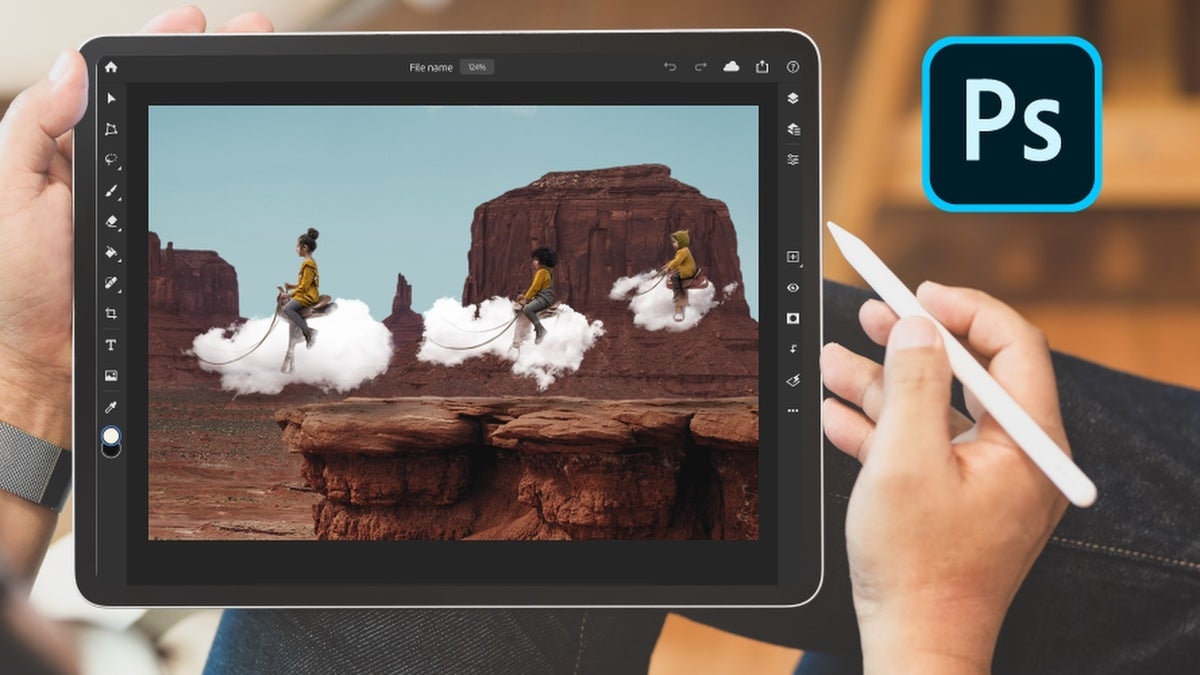
Adobe has been caught in a controversy recently about its new terms of service update for its Cloud service. Artists were getting angry to find out that reportedly, the new terms of service allowed Adobe to allegedly do what it wanted with its users’ projects. Adobe then vaguely stated that the terms have always been this way in a statement to AppleInsider.However, it wasn’t enough to calm people down, and this initial statement said nothing about training AI and was pretty vague to appease minds. Then, Adobe issued a blog post with clarification on its terms.
The blog post specifically says that Adobe does not train Firefly Gen AI models on customer content and that the company will never assume ownership of the work of a customer.
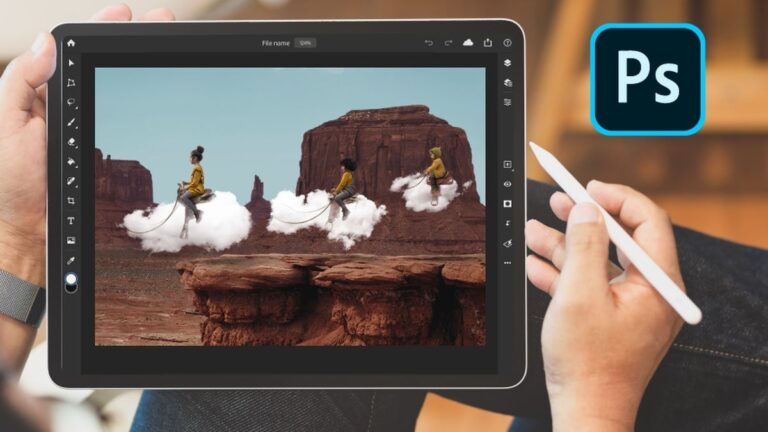
Also, the blog post indicates when access is needed for Adobe applications, listing scenarios such as opening and editing files, creating thumbnails, or a preview for sharing. Also, access is needed for cloud-based features such as Photoshop Neural Filters, Liquid Mode, or Remove Background. Also, Adobe will be monitoring (with tech or human) content stored on Adobe servers for illegal content (such as CSAM).
However, the statement has not calmed everyone down. There are talks on social media as reported by AppleInsider claiming that Adobe got caught with their hands in the cookie jar. Personally, I believe it’s always essential to address uproar, especially now that everybody is semi-excited for AI and semi-scared. And especially when it comes to privacy.
Izzy, a tech enthusiast and a key part of the PhoneArena team, specializes in delivering the latest mobile tech news and finding the best tech deals. Her interests extend to cybersecurity, phone design innovations, and camera capabilities. Outside her professional life, Izzy, a literature master’s degree holder, enjoys reading, painting, and learning languages. She’s also a personal growth advocate, believing in the power of experience and gratitude. Whether it’s walking her Chihuahua or singing her heart out, Izzy embraces life with passion and curiosity.