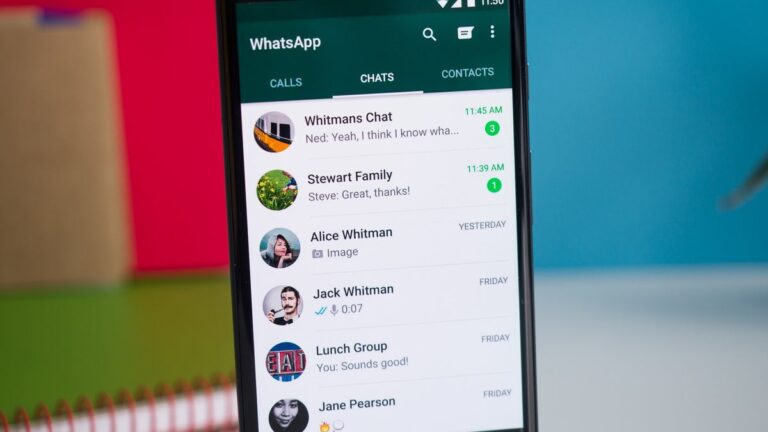
WhatsApp is introducing a feature that finally gives its users the ability to choose the default media upload quality. This feature, now available to some beta testers on version 2.24.7.17, puts the power back on the user on how detailed they want their pictures and videos to look when they arrive at the other end.If you have used WhatsApp for any amount of time, or any messaging app for that matter, you surely have gone through the woes of sending an image or video that looks like a blurred mess. This can be quite frustrating, particularly when sharing what could very well be priceless family photos or pivotal moments you’ve captured on video. Thankfully, there will now be a solution to this problem.
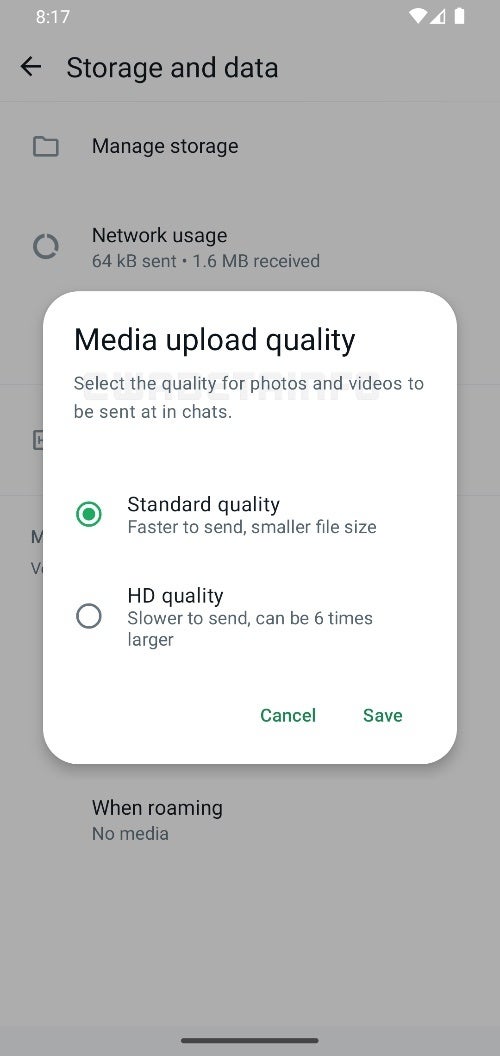
Although the quality of images sent via WhatsApp is currently not too terrible when compared to SMS, it is also not in high definition. This new setting option allows you to select between Standard Quality, which is optimized for a smaller file size and quicker sharing, or High Quality, which prioritizes image and video quality to be clearer, but uses twice as much storage. Once selected, this will be the default setting for sending media within the app, unless you use the “document” sharing option that keeps the content in its original quality without any compression.
Image Source: WaBetaInfo
Accessible within the app’s settings, this option was originally spotted by WaBetaInfo to be in the works in a previous version of the WhatsApp Beta app on the Google Play Store (v2.23.14.10). However, it is now finally available to more users in the latest beta. Unfortunately, gaining access to the WhatsApp beta program at this moment is close to impossible, as the program is always full to capacity.
This is a major step forward in making your WhatsApp experience more personalized and smooth. As a long-time user of the app, I welcome the option to choose the quality I want my images to be sent in.
Cybersecurity researchers at Unit 42 have uncovered a sophisticated cyberespionage campaign orchestrated by two Chinese Advanced Persistent Threat (APT) groups targeting entities and member countries of the Association of Southeast Asian Nations (ASEAN).
This alarming development underscores the escalating cyber threats faced by nations in the Southeast Asian region, highlighting the intricate web of digital espionage activities that continue to challenge global cybersecurity norms.
Palo Alto Networks’ Unit 42 identified cyberespionage activities by two Chinese hacking groups targeting the region for the past 90 days.
The Attackers:
Stately Taurus (aka Mustang Panda): A known Chinese APT group active since at least 2012, targeting government entities, nonprofits, and NGOs globally.
Second Unidentified Chinese APT Group: Recently compromised an ASEAN-affiliated entity, with similar activity observed in other member states.
The activity of Stately Taurus:
Coinciding with the ASEAN-Australia Special Summit (March 4-6, 2024), Stately Taurus created two malware packages likely targeting entities in Myanmar, the Philippines, Japan, and Singapore.
The report states that ASEAN-affiliated entities are particularly attractive targets for espionage operations due to their pivotal role in handling sensitive information related to diplomatic relations and economic decisions within the region.
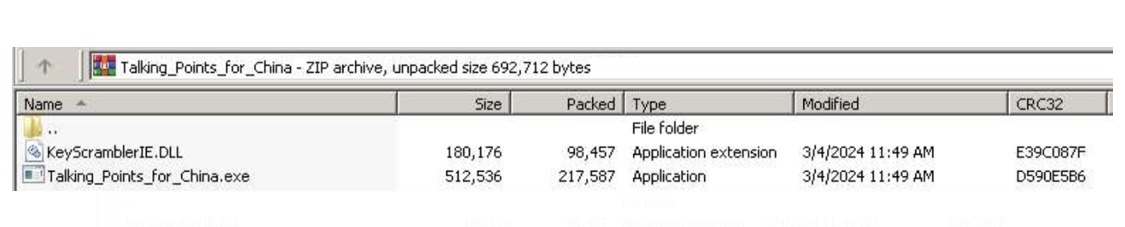
Package 1: The Talking_Points_for_China.zip
Talking_Points_for_China.zip
A ZIP archive containing a renamed, signed anti-keylogging program that sideloads malicious code.
Targets attempt to connect to a malicious server (103.27.109.157:433).
Similar to a campaign reported by CSIRT-CTI.
Package 2: Note PSO.scr:
A screensaver executable targeting Myanmar.
Downloads a benign executable (WindowsUpdate.exe) and a malicious DLL (EACore.dll).
Attempts to connect to a different C2 server ([invalid URL removed] at 146.70.149.36).
Second Activity: the unidentified Chinese APT Group
Unit 42 discovered compromised systems within an ASEAN-affiliated entity linked to the APT group’s command-and-control (C2) infrastructure.
This pattern of network connections has been observed in other government entities throughout the region.
The targeted infrastructure includes IP addresses and domains specifically used for C2 communication.
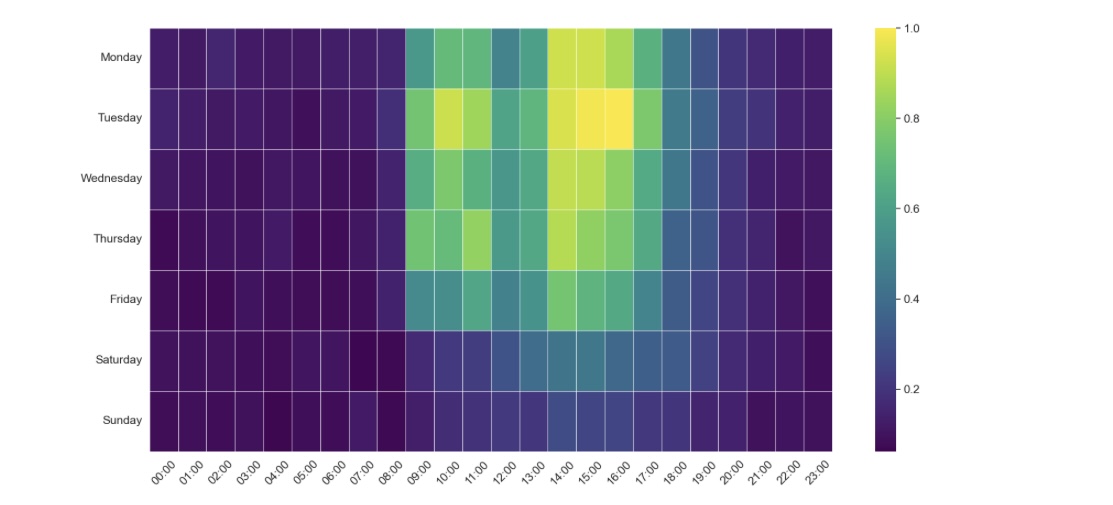
A pattern of life: working hours (+08:00 time adjusted).
Interestingly, the attackers seem to follow a “work schedule” with activity concentrated on weekdays in China Standard Time (UTC+08:00) and a noticeable pause during holidays like Lunar New Year.
Mitigation:
Palo Alto Networks recommends utilizing their various security solutions to help organizations defend against these threats, including:
COTI, the world’s fastest, lightest, and most secure confidentiality layer on Ethereum, has announced a partnership with Civic, the leading provider of identity management tools for Web3, to ensure full data protection and confidentiality for Civic users. The partnership will see Civic using COTI V2’s confidentiality layer for the Dynamic decentralized identity (DID) offering.
The recent partnership followed closely after COTI announced a community rewards initiative last week. This initiative involved airdropping up to 40 million COTI V2 tokens, currently valued at approximately $10 million, to its Native and ERC-20 $COTI holders.
Shahaf Bar-Geffen, COTI CEO said: “We’re excited to integrate COTI V2s confidentiality layer into Civic’s platform. Civic is an industry leader in the field of identity management tools for Web3, and COTI will continue to partner with industry leaders. We look forward to working with Civic’s professional team to bring Dynamic DID into full production”.
COTI V2’s Dynamic DIDs leverage Civic Pass, which is both a verified credential and a non-transferable token in the user’s wallet. Civic Pass can serve as input to meet regulatory requirements like Anti-Money Laundering (AML) and Know Your Customer (KYC).
A user’s digital identity is the personal record of their data, credentials, and identifiers that exist throughout the Internet. With so much of our lives taking place online, users are growing increasingly aware of the importance of actively managing their digital identities to avoid data breaches, hacks, and non-consensual data monetization. COTI V2’s confidentiality layer allows the data to provide both verification and computation while staying encrypted throughout.
Civic prioritizes user protection, as seen in their recent introduction of a physical ID card for Civic Pass holders. This enables Civic users to prove their identity and minimize the threat of AI-driven identity fraud. The partnership between Civic and COTI represents a major step forward in protecting the digital footprint and credentials of users.
Both COTI and Civic are committed to providing users with full data privacy as they engage with dApps and explore innovative Web3 use cases with confidence. The ability to manage an advanced version of users’ decentralized identity (DID) with COTI V2 will empower dApps to interact with Civic’s identities and query complex insights without accessing sensitive data.
Harnessing the privacy-preserving power of garbled circuits, COTI V2 unlocks Dynamic DID, a powerful upgrade that allows for advanced features like confidential data sharing and complex calculations. Civic will be integrating with COTI V2 across all phases of COTI V2’s development: Devnet, Testnet, and Mainnet, as a design partner
The partnership marks a major step in enabling true self-sovereignty of users’ digital identity as more people enter the Web3 ecosystem. Users can securely store their sensitive information with Civic without having to physically disclose it, while still enabling seamless compliance with regulatory frameworks like Anti-Money Laundering (AML) and Know Your Customer (KYC) requirements.
Today, we’re announcing the Civic ID System, which combines digital, analog, and mobile identity.
We’re also launching the Civic ID card, a physical ID card that will bridge our online and offline digital identity platform.
Civic is a leading provider of identity management tools for web3, empowering people to easily and privately manage their identities across chains with an on-chain representation of their reusable identity.
The company’s flagship product, Civic Pass, is an integrated permissions tool that helps business customers enable secure access to their on-chain assets. Users may also manage their identity, presence and reputation with a dashboard. Civic aims to be the most trusted on-chain identity tool in the world, used by billions every day. Civic was co-founded in 2015 by Vinny Lingham and Jonathan Smith. For more information, visit: Civic.com.
About COTI
COTI is the fastest and lightest confidentiality layer on Ethereum. Powered by the breakthrough cryptographic protocol Garbled Circuits and secured by Ethereum, COTI introduces the most advanced and compliant solution for data protection on the public blockchain.
Paving the way for the next wave of Web3 innovation and adoption, COTI unlocks a whole new world of use cases, including confidential transactions, Artificial Intelligence, DeFi, decentralized identification, and more. For more information, visit: Coti.io.
Google has discontinued its two-year-old budget Pixel phone, the Pixel 6a. Truth be said, it doesn’t come as surprising given its release in mid-2022 but it doesn’t change the fact that it was one of the best-selling Pixel phones of all time, and its price made a lot of difference. The Pixel 8a is right around the corner, though, so… that’s something to look forward to.
Google bids final goodbye to the Pixel 6a
As first spotted by folks at Droid Life, Google has discontinued the Pixel 6a listing from its official store. Another report from the Canadian tech news site, Mobile Syrup says that it’s not available in Canadian stores either. The same goes for India. That’s why you won’t find it on any pages, and if you try to go to its old link, it will redirect you to the page for the newer Pixel 7a. To answer your query, you can still get the Pixel 6a from other stores such as Amazon or Best Buy. It’s just that Google won’t be selling the phone from now on, presumably.
Google discontinuing the Pixel 6a shouldn’t be bad news, at all
The saying has it, “One [man] phone’s loss is another [man] phone’s gain.” That means we may expect the Pixel 8a to debut sooner. Based on the recent reports, Google’s next affordable Pixel phone could make a debut at the upcoming Google I/O, slated to begin on May 14. As we draw closer to the release date, we’ve come across many such rumors including the mention of a 120Hz refresh rate display, and compatibility with DisplayPort output.
Even before official announcements, unofficial images of the Pixel 8a have surfaced, showing its design. A live photo of the smartphone confirmed a design similar to the Pixel 8. However, there’s some not-so-great news about the Pixel 8a’s price. A report this month suggested it could start at $550, which is $50 more than the Pixel 7a and $100 more than the Pixel 6a. There’s no such reputed claim yet on how much would Pixel 8a cost in other regions.
Cybersecurity and Infrastructure Security Agency (CISA) has warned about a critical vulnerability in Microsoft SharePoint Server, CVE-2023-24955.
This vulnerability poses a significant risk to organizations using the platform. It allows attackers with certain privileges to execute code remotely, potentially leading to unauthorized access and control over the affected systems.
Microsoft SharePoint Server Code Injection Vulnerability – CVE-2023-24955
CVE-2023-24955 is a code injection flaw found in Microsoft SharePoint Server.
An attacker who has obtained Site Owner privileges within the SharePoint environment can exploit this vulnerability.
With these privileges, the attacker can inject malicious code into the server, enabling them to execute commands remotely.
This level of access could lead to a wide range of malicious activities, including data theft, installation of ransomware, or even a complete takeover of the affected systems.
The Urgency of Mitigation
CISA’s alert emphasizes the importance of addressing this vulnerability promptly. Organizations are urged to apply Microsoft’s mitigations according to the vendor’s instructions.
The advisory highlights the critical nature of this vulnerability and the potential consequences of failing to secure affected systems.
If mitigations are not available or cannot be implemented, CISA advises discontinuing the product’s use to prevent potential exploitation.
The Unknown Threat of Ransomware
One of the concerning aspects of CVE-2023-24955 is its potential use in ransomware campaigns.
While it is currently unknown whether this vulnerability has been exploited for such purposes, the possibility cannot be ruled out. Ransomware attacks have become increasingly sophisticated and targeted, with attackers constantly seeking new vulnerabilities to exploit.
The nature of this vulnerability, allowing for remote code execution, makes it a prime candidate for inclusion in ransomware operators’ arsenals.
The advisory was issued on March 26, 2024, with organizations given a deadline of April 16, 2024, to apply the necessary mitigations or discontinue using the affected product.
This timeline underscores the situation’s urgency and the need for immediate action to protect against potential exploitation.
The discovery of CVE-2023-24955 in Microsoft SharePoint Server is a stark reminder of the importance of cybersecurity vigilance.
Organizations using SharePoint are strongly encouraged to review their systems, apply the recommended mitigations, and stay informed about potential threats.
As cyber threats evolve, staying ahead of vulnerabilities and taking proactive measures to secure systems is more critical than ever.
Stay updated on Cybersecurity news, Whitepapers, and Infographics. Follow us on LinkedIn & Twitter.
For most crypto enthusiasts, participating in Bitcoin mining remains a pipe dream – between the technical complexity, expensive hardware, and constant upkeep, it seems out of reach for the average person trying to dip their toes into crypto.
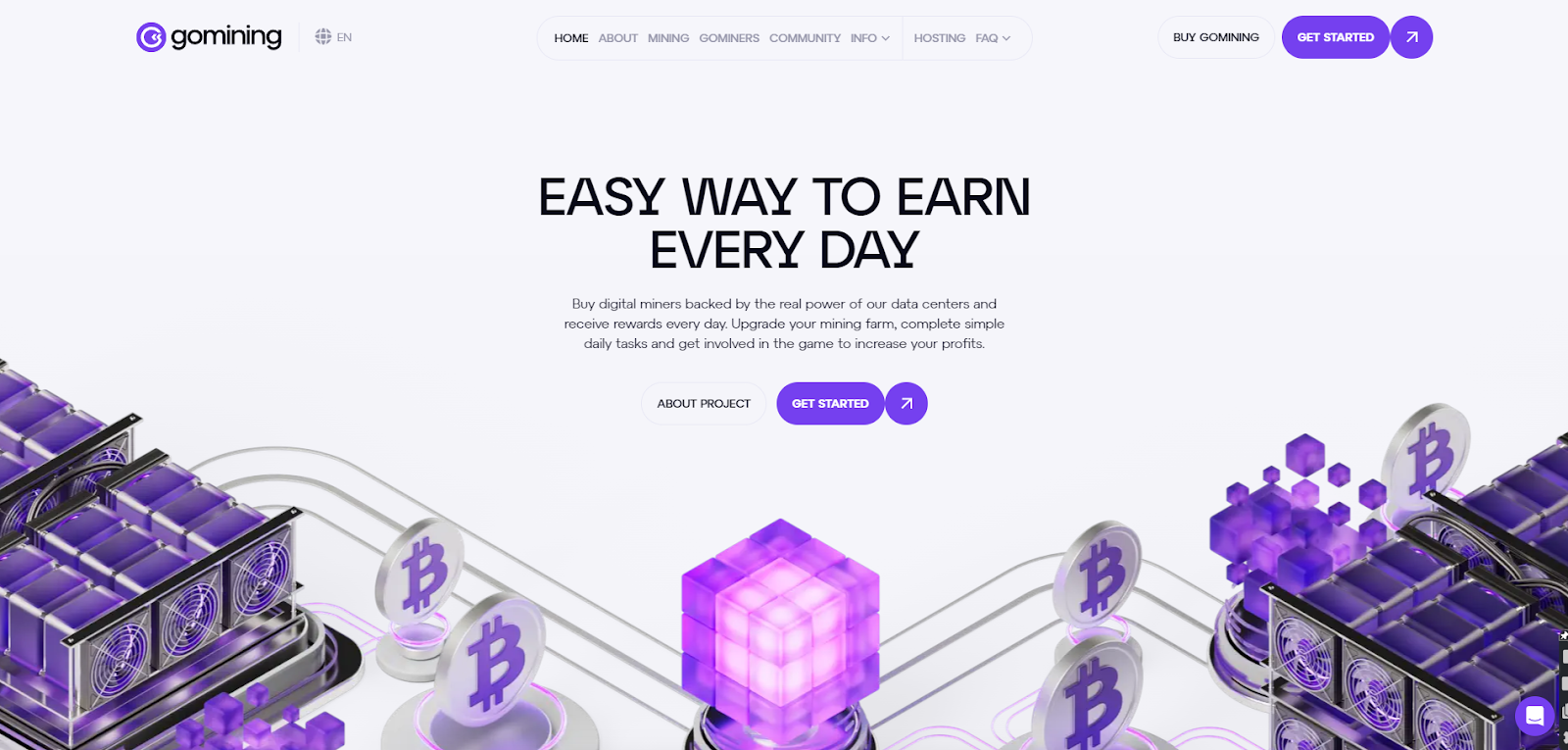
But what if you could earn passive Bitcoin without needing to become an overnight blockchain expert or breaking the bank on specialized equipment? A new platform called GoMining is turning that pipedream into reality for everyday crypto fans.
GoMining leverages non-fungible tokens (NFTs) to open up simple, accessible Bitcoin mining opportunities for the masses. By abstracting away traditional mining barriers through tokenization, the platform makes earning Bitcoin rewards possible for literally anyone with just a few clicks. And importantly, their approach maintains a strong focus on safety and security for users (more on that later).
Curious to learn how GoMining is pioneering the democratization of crypto mining? Read on as we dive into the technicals. We will also uncover how you can try the platform and mine BTC using a 7-day free trial.
What is GoMining?
At its core, GoMining is an infrastructure project with a laser focus on efficient, sustainable Bitcoin mining. The team runs a global network of nine data centers packing a massive amount of collective computing power – we’re talking over two exahashes and counting.
These strategically located mining operations maximize energy efficiency by using proprietary hardware and service centers. In other words, GoMining handles all the heavy lifting of optimizing Bitcoin mining at an enterprise scale.
Now, here’s the neat innovation that opens up access: GoMining developed not one but two avenues for individuals to passively participate in those institutional-grade mining returns.
First, there’s the GoMining Token (GMT) – an exchange-tradeable cryptocurrency representing fractional ownership of hashrate from the GoMining mining infrastructure. Pretty straightforward staking model if you’re familiar with crypto.
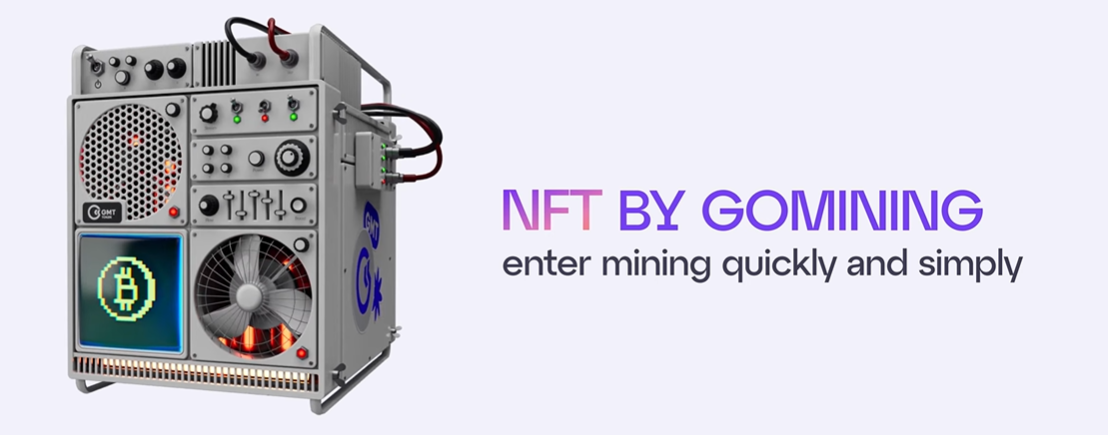
But then there’s also the NFT mining rig offerings. These specialized NFTs essentially tokenize specific pieces of GoMining’s real-world mining hardware, allowing holders to collect payouts. When a user purchases an NFT, they start receiving mining rewards directly into their Bitcoin wallet within 24 hours, and these rewards continue daily.
By blending infrastructure scale with tokenized participation models, GoMining aims to finally demystify and democratize Bitcoin mining for the masses. No need to run your own solo rig from your garage anymore!
Problems it solves
For individual miners, GoMining fixes several major headaches:
No More Expensive Upfront Costs – GoMining lets anyone purchase fractional mining capability. So rather than investing thousands in your setup, you can start earning with mining NFTs from a significantly smaller budget.
It Handles the Technical Complexity – No need to become an expert to participate! GoMining manages all mining operations and logistics for you from their optimized facilities.
Low Electricity Costs – GoMining leverages scale across global data centers located in low electricity cost regions, which translates to competitive rewards.
Always Up-to-Date Equipment – As mining hardware evolves, GoMining continually upgrades their infrastructure. This means your mining NFTs tap into the latest and most efficient tech automatically.
Virtual Miners: NFTs Explained
Okay, let’s break down these NFTs in a bit more detail. As mentioned, GoMining’s “Virtual Miners” are specialized NFTs that give holders fractional ownership of the platform’s global mining infrastructure.
In plain terms, these NFTs let you earn passive Bitcoin without dealing with the hardware or logistics yourself. By tokenizing mining equipment into digital assets, GoMining opened up access for the everyday crypto fan to participate in heavy-duty rewards previously only possible at an institutional level.
Minting New Virtual Miners
Each time GoMining expands by deploying new physical miners in their data centers, a matching batch of Virtual Miner NFTs gets minted and listed. The ERC-721 blockchain standard ensures each NFT is provably unique and traceable.
When checking out NFT offerings in GoMining’s shop, you’ll notice details around entitled hashrate. This defines how much mining power (TH/s) backings that NFT, which translates to your output. Rather than buying rigs, you’re buying rights to fractional productivity.
Plug In and Start Earning Bitcoin
Once you purchase a Virtual Miner NFT, it gets transferred directly to your crypto wallet. Almost instantly, you’ll start accumulating daily Bitcoin mining rewards every 24 hours. Payout calculations are based on your share of GoMining’s collective hashrate. It’s like owning a slice of an industrial-capacity operation.
As market conditions shift, NFT prices fluctuate but broadly align with mining profitability. You can always sell your NFT later if desired too.
Future-Proofed With Auto-Upgraded Hashrate
As crypto mining hardware keeps advancing, GoMining continually acquires faster and greener rigs to stay competitive. Rather than making you buy new NFTs each upgrade cycle, your existing Virtual Miners can be seamlessly upgraded as well! By burning lower efficiency NFTs, GoMining issues you new tokens representing hashrate from the latest gear. This ensures you stay viable for the long haul.
Why Virtual Miner NFTs Beat DIY Mining
Dodges hardware costs and headaches
Daily BTC deposits straight to your wallet
Hashrate auto-scales to stay optimized
Easy tradability provides liquidity
Steps to Start Mining BTC with GoMining NFTs (+ 7 Day Free Trial)
Ready to start earning passive Bitcoin through GoMining’s NFT mining platform? The process is simple:
Step 1: Create Your GoMining Account
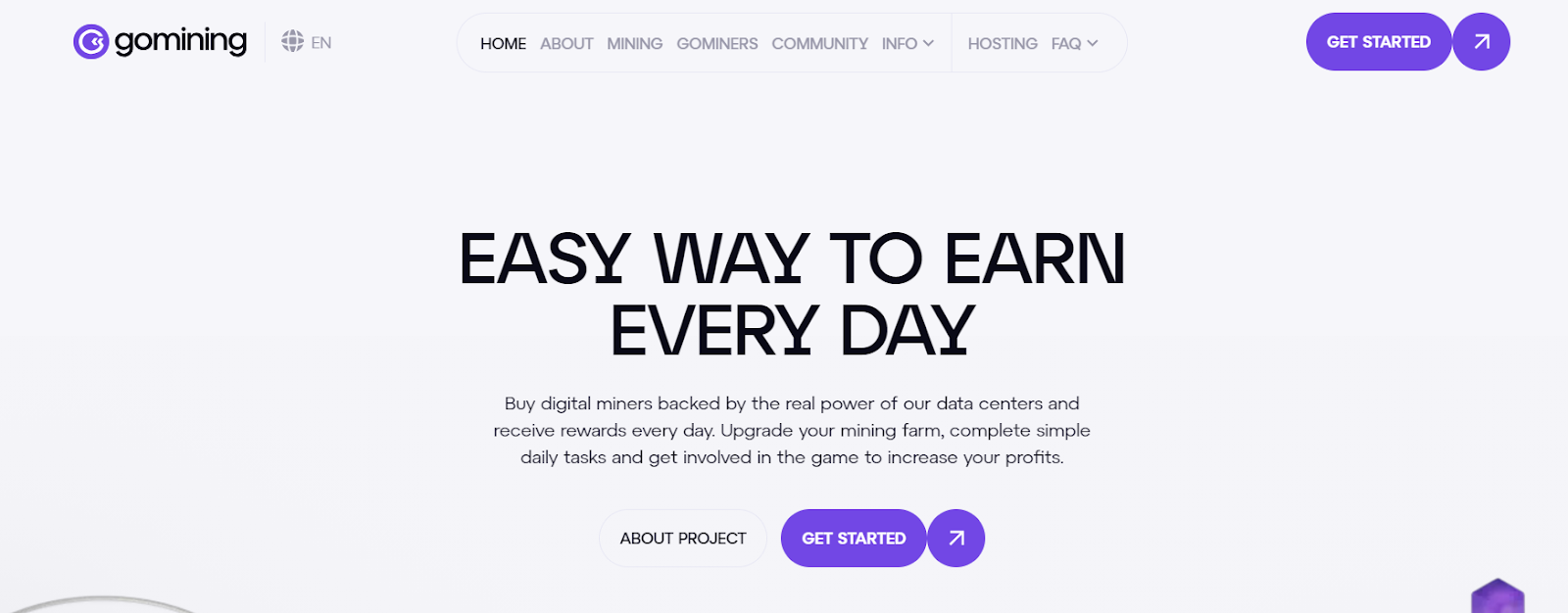
Go to app.gmt.io and click “Get Started” in the top right corner. You’ll need to enter a valid email and create a secure password. Make sure to use an email you can access, as you’ll receive verification codes for the next steps.
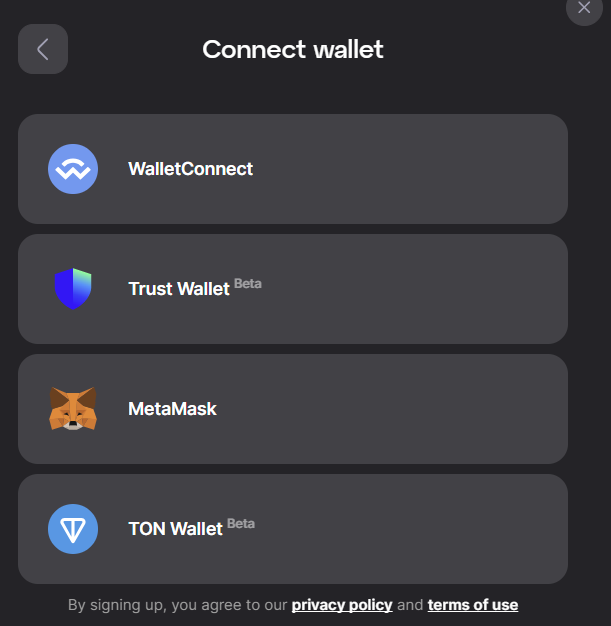
You can also create an account by connecting your wallet. Current supported wallets include WalletConnect, Trust Wallet, MetaMask, and TON Wallet.
Step 2: Complete KYC Verification
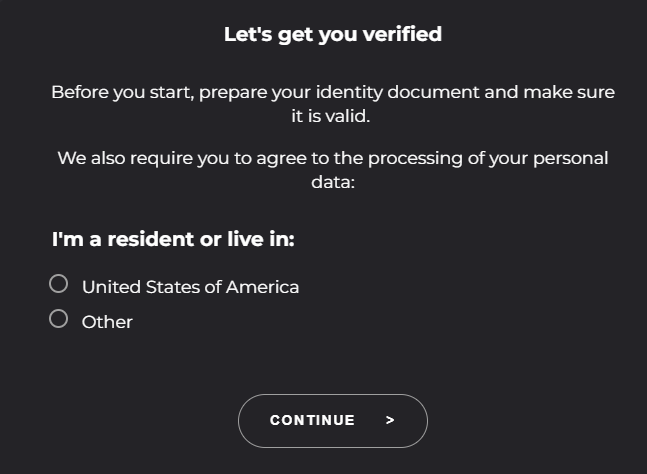
To comply with Anti-Money Laundering regulations, GoMining requires users to complete a quick know-your-customer (KYC) check. Pretty basic stuff in the industry these days thanks to the rapid increase in crypto regulation.
Getting a photo ID like a driver’s license or passport ready to hand expedites the verification process. You will need to upload a photo of one document, and you will need to take a selfie. You can do this on your desktop, or a mobile device.
Rest assured GoMining uses advanced encryption and access controls to secure the personal data provided. All in all, the KYC process should only take a few minutes
Step 3: Start Your 7 Day NFT Mining Free Trial
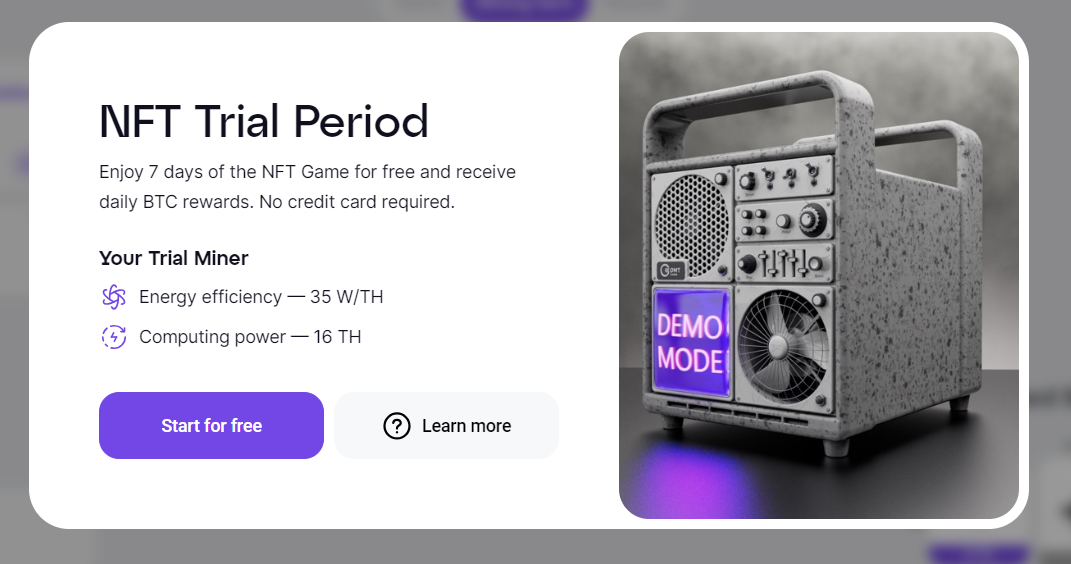
GoMining offers new users a 7-day free NFT trial to experience mining rewards firsthand. You’ll receive a demo Virtual Miner NFT with 16 TH/s allocated to your account. Finding the free trial is easy. Just log into your GoMining account and navigate to the “NFT Game” section.
Over the next week, you’ll accumulate real BTC payouts based on that hashrate. Payouts are simply deposited into a virtual wallet during the trial period. You will receive real BTC rewards as if you owned a real NFT – but the only difference is that the rewards are saved to your virtual balance.
To maximize your profits, you need to log in to the platform every day and “Service” your mining rig. To do this, simply come back to the same menu and click the service button and you’re good to go. There will be a countdown timer that tells you how long you need to wait before you can do it again. Each time you service your rig, you will get daily rewards and increase your payout.
Step 4: Buying Your First Virtual NFT Miner
After testing out Bitcoin mining rewards during the free trial period, it’s time to graduate to your own Virtual Miner NFT connected directly to your wallet.
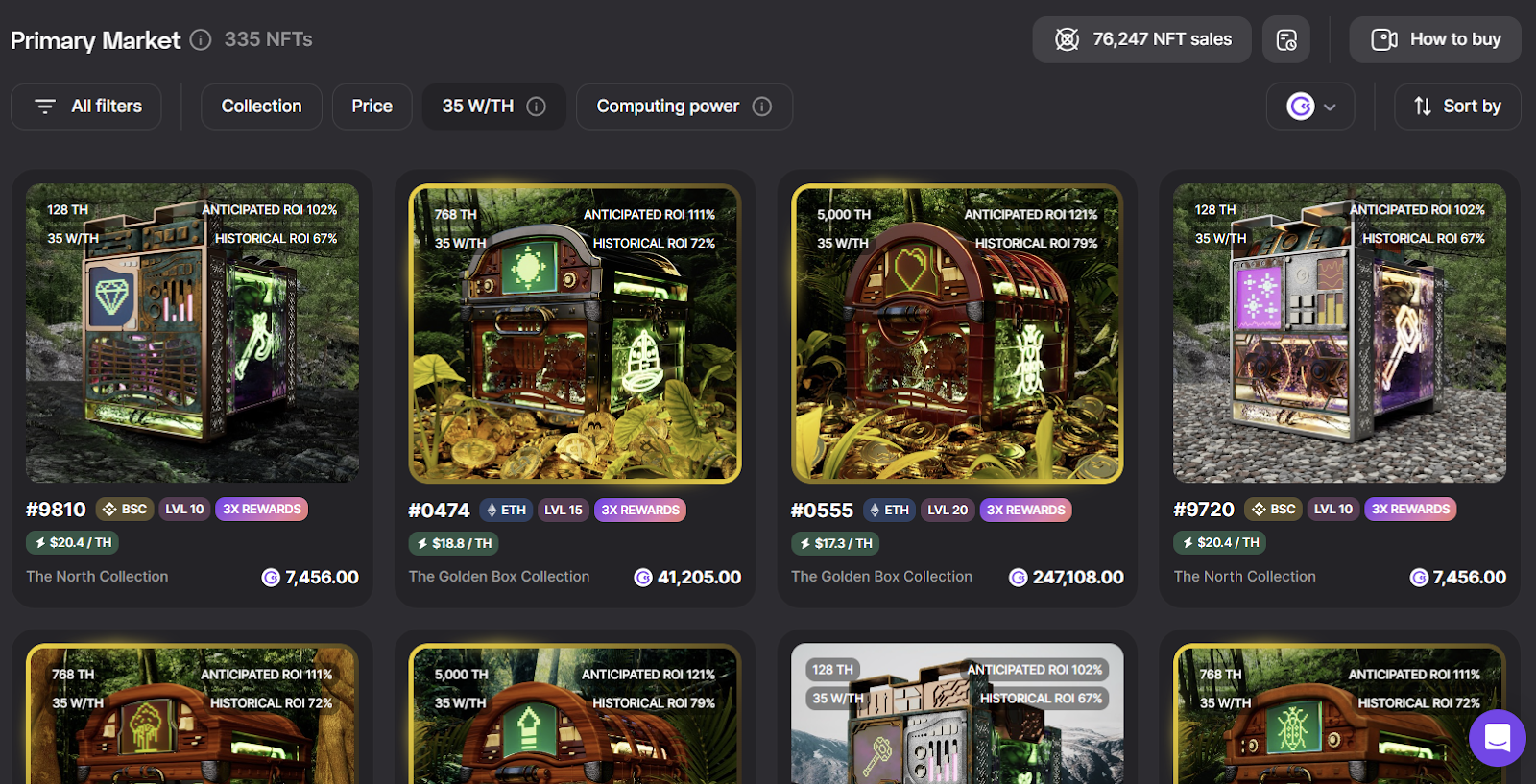
Start by opening the NFT Marketplace within your GoMining account. Browse through the listings of available Virtual Miners with details on represented hash rates and real-time pricing. Consider factors like:
Your overall budget
Desired mining power allocation
Current market conditions influencing mining profitability
Once you’ve found the perfect Virtual Miner NFT matching your needs and price range, click “Buy Now” to purchase. Confirm the details look accurate on the checkout screen.
After completing the transaction, your new NFT will instantly show in your wallet, while your free trial NFT disabled. Any demo BTC accumulated transfers over plus your first actual rewards. Now you’ll continually collect Bitcoin payouts based on your owned hashrate.
Step 5: Understanding the ROI
When you first start exploring the site, it can be a little overwhelming to get your bearings and understand all of the lingo. In general, the most important thing you need to keep in mind is the ROI potential.
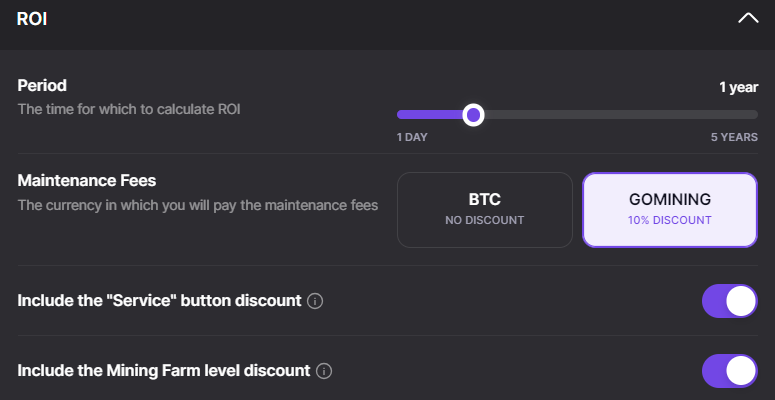
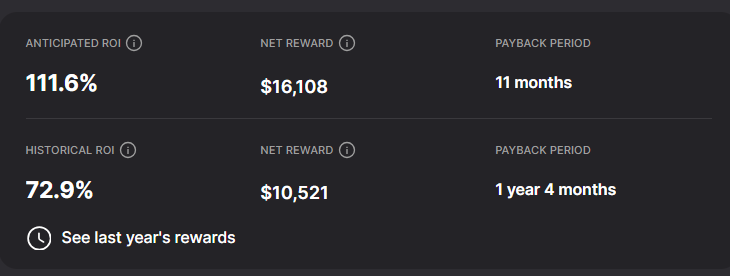
The good news is that each Virtual Miner comes with a handy toolbar that lets you calculate the predicted ROI of each investment. You can use the slider to see your ROI over various timeframes, and you can also select and deselect the discounts and bonuses from the servicing function we mentioned earlier, as well as the 10% discount from using the native GMT token.
Once you have chosen your parameters, you will see an estimate window like this:
Of course, this is not to be taken as an exact measure. There are plenty of variables at play. This is crypto, after all.
Managing Your Mining
After you’ve started mining with GoMining, there are several ways to manage and optimize your mining operation.
Tracking Performance
Logging into your dashboard gives you a real-time snapshot of what your miners are up to from different angles – your overall network hashrate contribution, total BTC earned, projected future value based on market conditions, yield over time, etc.
Having all this visibility in one place lets you easily track progress, spot trends, and figure out optimal times to make money moves.
Reinvesting to Grow Your Position
A proven investing mantra is letting your money work for you through compound interest. As such, GoMining enables seamlessly upgrading your Virtual Miner NFTs to more powerful models with greater hashrate allotments, earning you more Bitcoin rewards. This multiplier effect accelerates mining revenue through continuous expansion of your infrastructure holdings.
Cashing Out
Whenever you want to realize your mining profits, you can easily withdraw your Bitcoin rewards to an external wallet. GoMining covers the blockchain transaction fees, ensuring you receive your full earnings. Alternatively, you can sell your Virtual Miner NFTs on the secondary NFT marketplace, allowing you to potentially profit from appreciation in the value of your mining power.
GoMining Security
Let’s talk security – because when money is on the line, protection matters. First of all, it’s worth mentioning that GoMining alleviates many of the security risks associated with traditional mining. Solo miners often have to consent with concerns such as:
Hardware Vulnerabilities: Solo home mining rigs can attract hackers looking to infect setups with malware to make off with hard-earned crypto.
Technical Knowledge Gaps: Miners who are still getting up to speed with security best practices are vulnerable to making mistakes. Holes in setups expose them to attacks.
Physical Risks: Accidents happen, and thievery is always a risk. When operating a mining rig, you need to take both digital and physical security into account.
GoMining lifts those burdens by handling everything safely in professional data centers, which is certainly a significant benefit when it comes to maintaining peace of mind.
GoMining Security and Safety Features
Okay, now we know GoMining takes away those pain points, let’s take a look at some of the safety and security features of the platform itself:
Reward Wallet Verification: GoMining employs a rigorous verification process to ensure that you are the owner of the cryptocurrency wallet you provide and so that it can correctly determine where the BTC mining reward should be safely distributed.
CertiK Smart Contract Audit: GoMining has undergone an in-depth audit by CertiK. This evaluation validated the security of the platform’s code and blockchain infrastructure.
Two-Factor Authentication 2FA: This adds a critical layer of security to your account, making it significantly harder for bad actors to gain access.
KYC Compliance: GoMining follows industry standard KYC compliance to mitigate fraudulent activity.
Tips to Enhance Security
While GoMining locks down their systems, it’s important not to forget the role of the user when it comes to ensuring security. Be sure to closely guard account details, and never share your private passwords or seed phrases, even when prompted. As per GoMining, they will never reach out directly and ask for sensitive information.
When purchasing GMT tokens, it’s best to do so through the platform itself, major verified exchanges, or the Trust Wallet application.
Finally, proactively verify the authenticity of any social media profiles. Cross-check them against GoMining’s official, confirmed channels list.
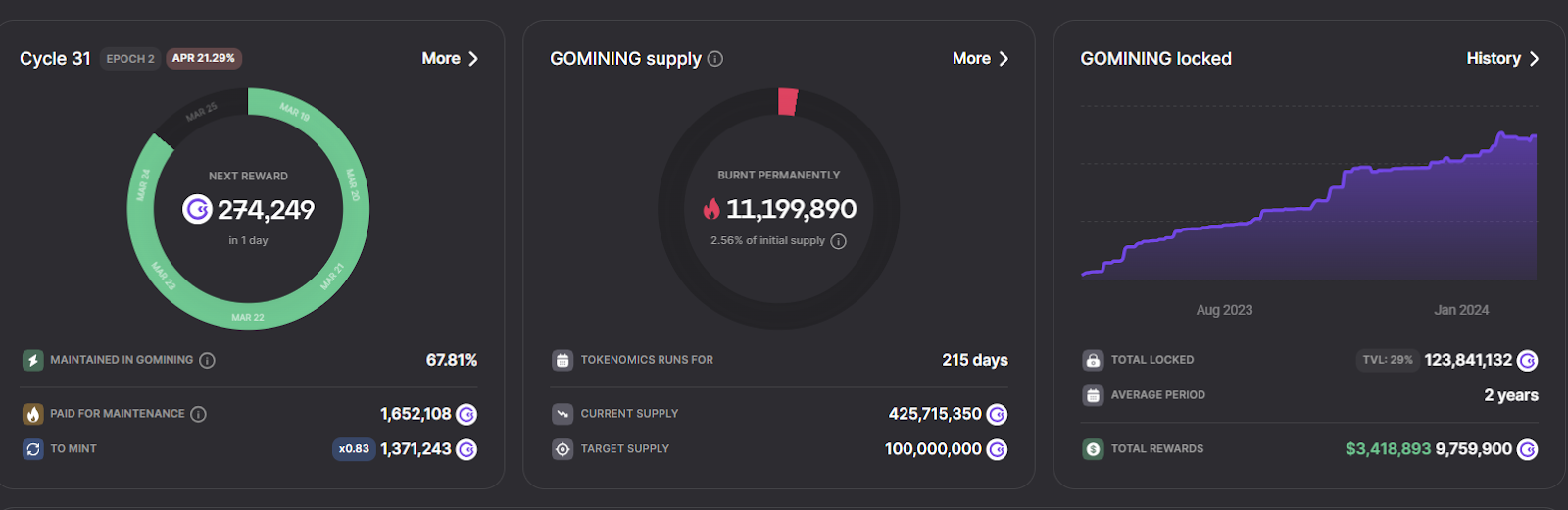
GMT Tokenomics
As you may have noticed, there are some pretty nice rewards and discounts for using the native GMT token. Let’s take a look at some of the token’s utility:
Fee Discount Token
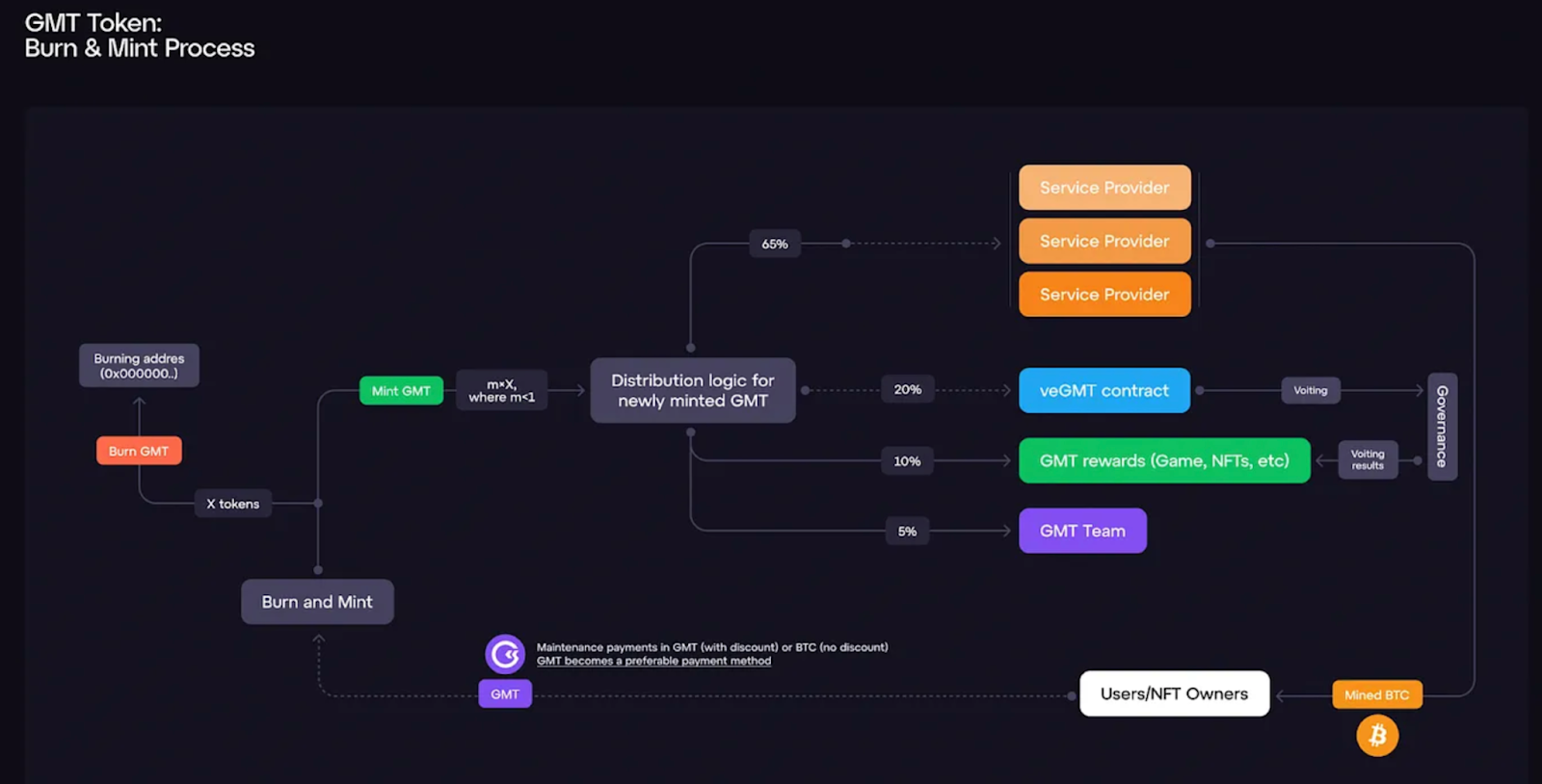
By paying platform fees in GMT, NFT holders receive a 10% discount reducing overhead costs and boosting mined Bitcoin. This incentive kickstarts regular token circulation.
Deflationary Burn and Under-Mint
When GMT gets spent on fees, tokens get permanently destroyed via burning. Meanwhile, the system mints new GMT representing a significant percentage of the amount burned. This continual burn and under-mint process structurally diminishes circulating supply over time, applying incremental deflationary pressure on GMT.
Reward Redistribution
Of the amount reminted, tokens are distributed across platform incentives like miners, service providers, community grants, liquidity pools, and veToken stakers. This stimulation shares wealth while aligning stakeholders.
Decentralized Governance
Users committing to locking up GMT get veToken status. This earns governance votes steering the DAO’s direction while collecting fee distribution rewards. Aligning stakeholders reduces risks from fragmentation while bringing community oversight.
Closing Thoughts
GoMining is aiming to flip the script on the idea that crypto mining is a highly technical process that only hardcore blockchain experts can pull off.
By packaging up institutional-grade mining infrastructure into user-friendly NFTs, GoMining opened the door for regular crypto fans to tap into passive income. Now there’s no need to mess with clunky hardware and maintenance – it’s condensed into a few clicks.
At the same time, Gomining has not had to sacrifice viability or efficiency, since all the heavy lifting still happens behind the scenes at a massive scale. Users just get to kick back collecting Bitcoin off the mass output.
Of course, it’s still important to enter into this with all of the same savvy and diligence as any crypto endeavour. Keep in mind that the market is volatile and that returns are not guaranteed. There are many factors at play, so be sure to do your research so you can find a set-up that works best for your finances and your risk profile.
With that said, if you have always wanted to try out Bitcoin mining for yourself but have never had the time, energy, or money to set up your rig, Gomining just might be the solution you were looking for.
FAQs
What blockchains are NFTs issued on?
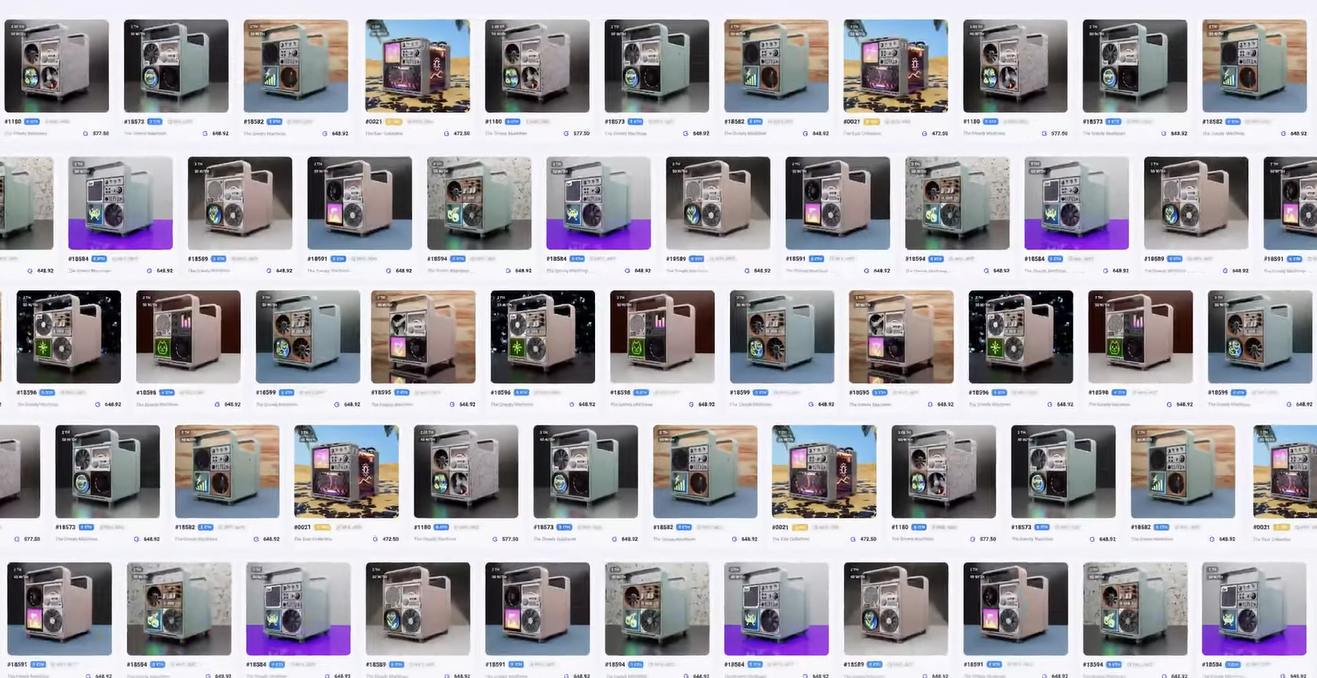
GoMining NFT collections are issued on both Ethereum (ERC-721 standard) and Binance Smart Chain (BEP-721 standard). Some popular collections include The Greedy Machines, the Khabib Collection, The East Collection, and The North Collection.
What makes GoMining’s NFTs unique?
The NFTs represent fractional ownership of GoMining’s real computing infrastructure actively mining Bitcoin. Owning them entitles holders to daily mining rewards proportional to the hashrate tied to each NFT. They also function as creative digital artworks tradable on marketplaces.
How can I upgrade my NFT’s mining power?
GoMining enables upgrading your NFTs to higher hashrate tiers, increasing potential rewards. Twenty levels exist, with Level 1 representing 1 TH/s and Level 20 maxing at 5000 TH/s. Upgrading costs less than buying a separate NFT at the target level. The higher your current tier, the cheaper upgrading becomes.
What fees apply and is there a way to reduce them?
Daily electricity and maintenance fees get deducted from rewards, but discounts apply:
Level Discount: 0.3% – 1.2% off based on total hashrate
Service Discount: Up to 3% for clicking a daily button
Solo Mining Bonus: Extra off as a platform incentive
10% GMT Discount: When paying fees in native tokens
Activating discounts significantly increases net Bitcoin payouts.
OnePlus has started rolling out a new update to the OnePlus 12 and OnePlus 11 handsets, with Photo Collages and much more. The update is actually quite hefty at 676.68MB. You may want to use a WiFi connection for this one.
A new update is rolling out to the OnePlus 12 & OnePlus 11, with Photo Collages & much more
For the OnePlus 12, it’s marked as Oxygen OS 14.0.0.604. On the flip side, the OnePlus 11 is getting an update marked as Oxygen OS 14.0.0.601. The changelogs are very similar, actually.
Now, first and foremost, yes, this update brings a new security patch on both devices, a security patch for March 2024. There’s much more included here, though, it’s not just about the patch.
Once you install this update, you’ll be able to create photo collages in the Photos app. That way you won’t need a third-party app, like you did thus far. Well, unless you want a lot of customization, as this integration is rather basic.
OnePlus has also added a ‘Partial screenshot’ option for the Smart Sidebar if you use it. You can now also press and hold the Volume Down button to turn on the flashlights when the screen is off.
The “app-specific volume” feature has been added, along with camera improvements
The “app-specific volume” feature has been added too. It will allow you to adjust volume for individual apps, which is a nice touch. The update also improves the volume bar’s design, and ease of use. General system stability has been improved too.
This update will also improve the clarity of photos taken using 2x in Portrait mode. The color accuracy of photos taken with the front-facing camera in warm-light environments has been improved too.
As you can see, there’s plenty to look forward to here. If you’d like to check out the full changelogs, and perhaps even download an update manually, click here.
On 14 March, Meta announced it would abandon CrowdTangle, saying the tool will no longer be available after August 14, 2024. While most people have never heard of CrowdTangle, among journalists the tool is considered essential. Its popularity largely depends on the ability to monitor social media activity around important elections.
This makes the timing of the change a bit awkward to say the least. Not just in the US, but in many countries around the world there are major elections in 2024.
Data analysis tool CrowdTangle was created to show publishers which posts on Facebook pages were getting the most engagement. However, researchers and journalists later discovered that monitoring which stories spread most quickly, also provides the means to find the source of disinformation and watch how it spreads.
Meta bought CrowdTangle eight years ago, and the tool helped journalists and researchers learn more about the content on Meta’s platforms, including Facebook and Instagram. It was the first major tool that let the public analyze trends on the social media platforms in real time.
But it also produced negative consequences for Meta. If content performed well, Meta received accusations of promoting that content in its algorithm. In 2021, CrowdTangle underwent some changes and the team that ran it, including founder and CEO Brandon Silverman, was dismantled.
Arguably, the only thing keeping CrowdTangle alive at that point was Article 40 of the European Union’s Digital Services Act, which requires very large platforms and search engines to share publicly available data with researchers and nonprofit groups.
So, in November of 2023, Meta introduced the Meta Content Library as a replacement for CrowdTangle to “help us meet new regulatory requirements, data-sharing and transparency compliance obligations.”
In an interview, Meta’s president of global affairs Nick Clegg said that the Meta Content Library is a better tool for researchers than CrowdTangle in almost every way. For starters, it includes data about reach, which he said offers a better picture of what content on the platform is most popular.
Researchers who have used both CrowdTangle and the Content Library are torn, they say that both tools have their strengths and weaknesses. However, the audience for the Content Library is much more limited: aside from certain fact checkers, journalists won’t have direct access.
In an open letter, Mozilla has called on Meta to keep CrowdTangle functioning until January 2025. At the time of writing, 156 universities, researchers, disinformation trackers, privacy watchers, and other social media followers have signed the request.
They fear that the absence of CrowdTangle will undermine the monitoring of election disinformation in a year that approximately half the world’s population will vote.
We don’t just report on threats – we help protect your social media
Cybersecurity risks should never spread beyond a headline. Protect your social media accounts by using Cyrus, powered by Malwarebytes.
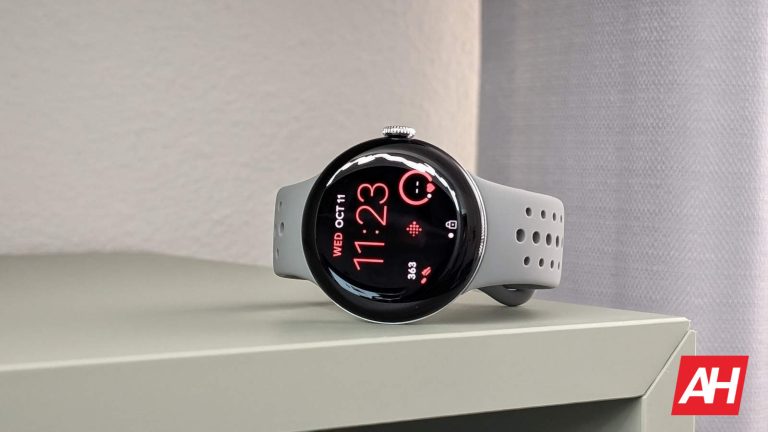
The Pixel Watch 3 will include a larger battery… technically
Google’s watch was certified with the model number G1QME. Now, we cannot be sure this is the Pixel Watch 3, but it almost certainly is. Based on the provided information, the watch will include a 307mAh battery.
The Pixel Watch 2 includes a 304mAh battery, so the difference here is almost negligible, to be quite honest. The difference is only 3mAh. As a side note, the first-gen model included a 294mAh unit.
The watch is expected to arrive in two different sizes
Many people have complained that the Pixel Watch and Pixel Watch 2 are simply too small for them. I’d agree with that statement, and I’m used to considerably larger watches. Well, now we’ll have options, it seems.
The Snapdragon W5 Plus Gen 1 SoC is expected to fuel the Pixel Watch 3
The company’s upcoming smartwatch is expected to utilize the Snapdragon W5 Plus Gen 1 processor from Qualcomm. WearOS will come pre-installed, of course, and the battery life should improve further.
The first-gen model had a really poor battery life. The Pixel Watch 2 did improve upon that, but the third-gen model should really bring a notable improvement. We cannot be sure at this point, but it all points in that direction.
Google will once again release a circular smartwatch, even though we still don’t know what will it look like. The company is expected to make some changes, just so it doesn’t release an identical-looking watch three years in a row. We don’t expect major design changes, though.
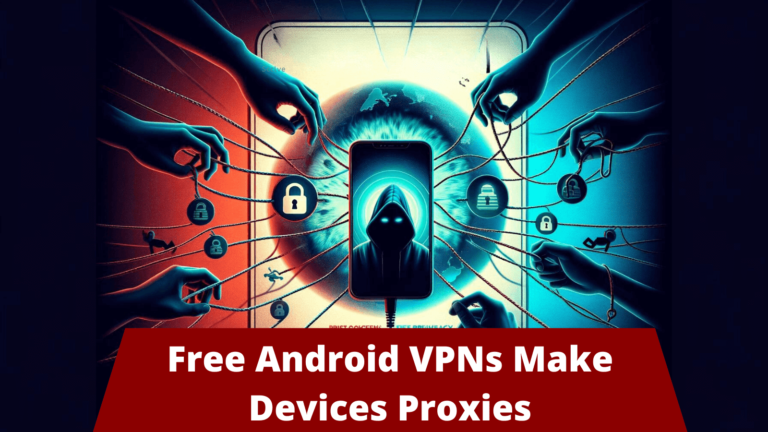
Cybersecurity experts have uncovered a cluster of Android VPN applications that covertly transform user devices into proxy nodes, potentially engaging in malicious activities without their knowledge.
This discovery has raised significant concerns about the safety of free VPN apps on the Google Play Store.
The Satori Threat Intelligence team from HUMAN, a cybersecurity firm, has identified a series of VPN apps that enroll user devices into a proxy network through a Golang library dubbed PROXYLIB.
This operation was first revealed in May 2023 when a single free VPN application, Oko VPN, was found to exhibit malicious behavior and subsequently removed from the Play Store.
Proxylib Process
Further analysis led to the identification of 28 related applications, all of which have now been removed from the Google Play Store.
However, the threat persists as the actors behind PROXYLIB continue to evolve their tactics, techniques, and procedures (TTPs).
A recent article by HumanSecurity discovered malicious activity in Oko VPN, a free VPN application available on the Google Play Store.
How PROXYLIB Operates
The PROXYLIB applications establish a bidirectional connection to a proxy network, effectively turning the device into a residential proxy node without the user’s consent.
The apps masquerade as legitimate services, often as free VPNs, and use permissions such as FOREGROUND_SERVICE and BOOT_COMPLETED to maintain persistence.
The native library, libgojni.so, handles incoming requests and maintains communication with command-and-control (C2) servers.
This allows the device to relay web requests to various online platforms, which can be used for activities like ad fraud, mainly targeting video streaming services.
Two apps from the first variant of PROXYLIB (Source: HUMAN Threat Intelligence)
The LumiApps SDK Connection
A subsequent version of PROXYLIB was found to be distributed through an SDK called LumiApps.
lumiapps[.]io landing page
This service allows users to upload an APK and add the SDK automatically without needing the source code.
The modified APKs are then distributed outside the Google Play Store, often as “mods” or patched versions of legitimate apps.
Documentation on integrating the LumiApps SDK into an application during development
The threat actor behind PROXYLIB is believed to be monetizing the network through Asocks, a residential proxy seller.
By selling access to the proxy network created by the infected devices, the actor incentivizes developers to integrate the LumiApps SDK into their apps, thus expanding the network.
Country selection menu
Protecting Yourself from Proxylib Attacks
Android users are now automatically protected against PROXYLIB attacks by Google Play Protect, which is enabled by default on devices with Google Play Services.
Google Play Protect can warn users or block apps exhibiting malicious behavior, even if they originate from outside the Play Store.
HUMAN continues to collaborate with Google and other entities to mitigate the impact of PROXYLIB.
They recommend that users only download mobile apps from official marketplaces and avoid clones or “mods” of popular apps.
The Ongoing Battle Against Cyber Threats
Despite removing the identified applications, the threat actor behind PROXYLIB remains active.
HUMAN’s Bot Defender has blocked a significant amount of traffic from IPs associated with Asocks, which are used in various attacks, such as account takeovers and web scraping.
The IP address of the infected device
HUMAN emphasizes the importance of vigilance and recommends that users stay informed about the potential risks of free VPN apps.
The company pledges to continue monitoring for adaptations of PROXYLIB, and attacks carried out through residential proxy networks.
While free VPN apps may seem appealing, users must exercise caution and conduct due diligence before downloading such applications to protect their devices and personal information from being exploited by hidden proxy networks.
Stay updated on Cybersecurity news, Whitepapers, and Infographics. Follow us on LinkedIn & Twitter.








![lumiapps[.]io landing page](https://gbhackers.com/wp-content/uploads/2024/03/image-84.png)


