We’ve been waiting for Google to finally release its most potent AI model, Gemini Advanced. More importantly, we’ve been waiting for the company to tell us how much it was going to cost! Google finally launched Gemini Advanced, and the price is actually comparable to ChatGPT Plus.
Before diving in, have you heard about the new Gemini app?
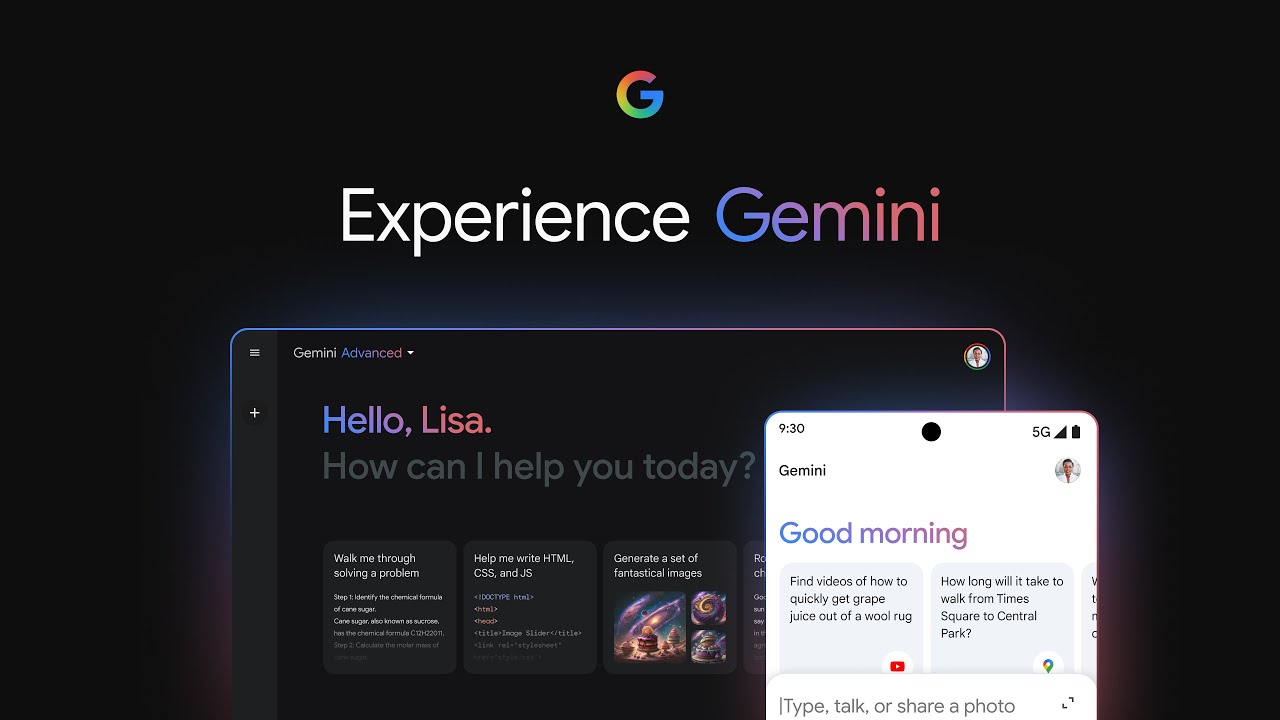
Today is the biggest Gemini day since its unveiling, and Google hit us with several bits of news. The first has to do with the Gemini app. Available on the Google Play Store, the Gemini app makes it extremely easy to access Google’s powerful AI.
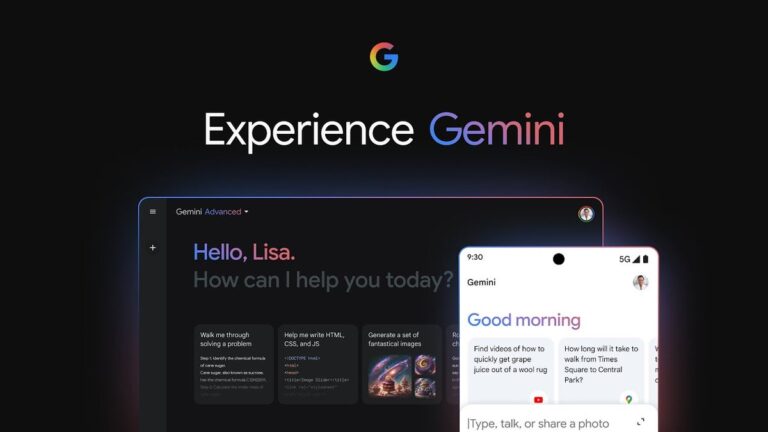
The app is pretty straightforward, with a simple interface. There are query recommendations for you to use. However, you can also dive in using the text field at the bottom of the screen.
Using the app, you’re able to write, speak, and upload pictures for the chatbot to ascertain. It’s just like using Bard, only it’s in the convenient app. You can download the app from the Google Play Store using the link below.
Google finally launched Gemini Advanced
Today, Google announced that Bard has officially been renamed to Gemini. Along with that announcement, the company unveiled Gemini Advanced. This is the most advanced chatbot powered by Google’s Gemini Ultra model. It has advanced reasoning and multimodal capabilities, and it’s pretty much the pinnacle of Google’s AI. Well, it’s the pinnacle of Google’s AI that accessible to the public
In any case, it has plenty of capability for people needing a powerful AI model. It could be for personal use or for small businesses. We’ve all been wondering how much it was going to cost. As you may know, OpenAI has a subscription service for people wanting the most advanced version of ChatGPT. It’s called ChatGPT Plus, and it costs $20/month.
You can access Gemini Advanced through the Google One AI Premium subscription. The subscription service costs $19.99/month. With it, you also get 2TB of storage, 10% back on Google Play Store purchases, more Google Meets features, and more Google Calendar features. Also, coming soon, you will be able to use Gemini in Gmail, docs, and more.
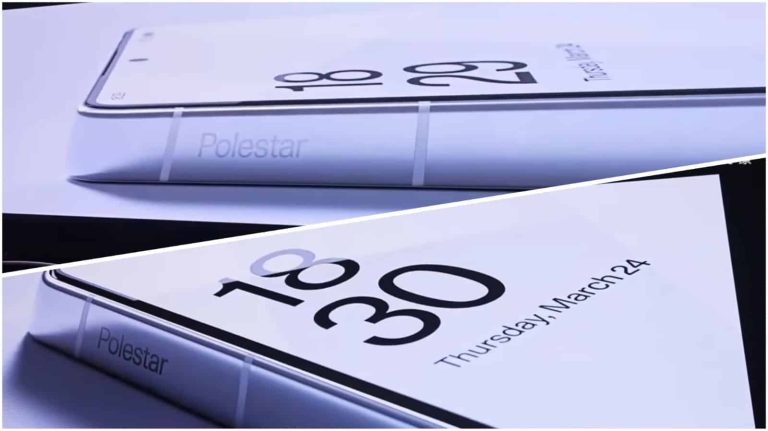
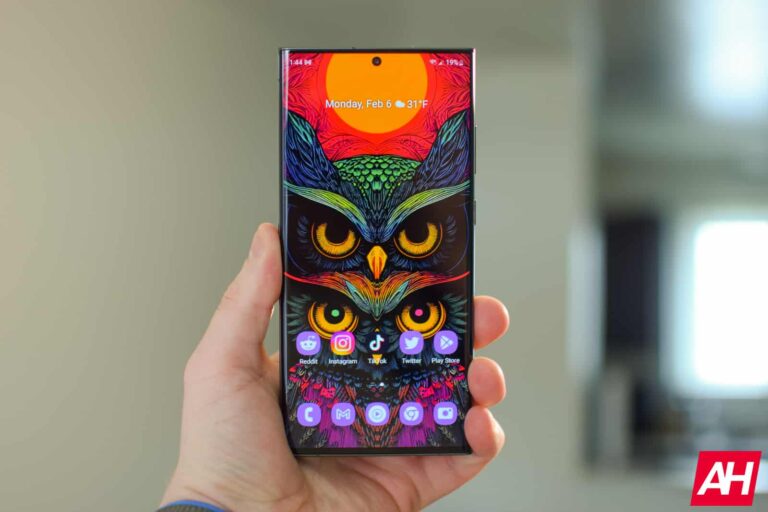
The Polestar phone that was spotted in a short video in late November has now appeared in the Google Play list of supported devices. While other phone features are still unknown, at least we know the device will run on Android, and users will be able to download and install apps via Google Play.
The Volvo-owned EV maker turned to the Chinese OEM Meizu for its phone. So, the phone’s resemblance to Meizu devices should not come as a surprise. Images shown at the Polestar Day event in November confirmed the Polestar phone is made on the chassis of the Meizu 20 series.
Chinese giant car maker Geely is a major shareholder of Meizu and holds a significant portion of Volvo and Polestar. Geely has already announced that the Polestar phone will launch as an accessory for Polestar 4 drivers.
The Polestar phone gains access to the Google Play Store
All Meizu phones rely on Android for their operating system. But they also launch with Flyme OS, a customized Android firmware. Meanwhile, the Polestar phone appears to have its own Android firmware. This version is created based on Flyme OS and aims to give the device a unique look.
Based on the leaked images, the Polestar phone has a rear flat metal frame hosting three camera modules. A 23mm primary camera with an f/1.9 aperture, a 70mm telephoto (f/2.0), and a 15mm ultra-wide lens with an f/2.4 aperture are said to be the exact specifications of the camera setup.
The upcoming Polestar phone is a flagship device. But the Polestar CEO Thomas Ingenlath noted they don’t aim to compete with giants like Apple and Samsung. As for the hardware, the device is expected to launch with a Qualcomm Snapdragon 8 processor. The company previously stated the device is exclusive to the Chinese market. However, the Polestar 4’s launch in global markets gives us hope that the Polestar phone could also arrive in markets outside of China.
The EV market seems to be a new playground for smartphone manufacturers. Huawei launched its second EV a few months ago to rival the Tesla Model S. Samsung is also one of the biggest players in the EV battery segment. Meanwhile, Apple has pushed back its EV launch to 2028 due to technical reasons.
The big sports channels announced a deal earlier this week that would launch a mega sports streaming service later this year. This includes Disney, Fox, and Warner Bros Discovery, which would see 14 live sports channels in a single streaming service. Now, local Fox and ABC stations are voicing their opinion about this new service. And to no one’s surprise, they want money.
Gray Television, which owns and operates around 113 local TV stations that cover about 36% of the United States, put out a statement about the incoming sports streamer. Stating that “Gray welcomes any venture that expands the reach of local broadcasting stations, which in turn supports the ability of local stations to maintain trusted local news operations that benefit everyone.”
Gray also explains that in this streaming service, the local signals of ABC and FOX broadcasts would be used, which is owned by local broadcasters like Gray. The company also noted that “local affiliated stations not only carry nationally televised sports but also provide local sports coverage, local news and weather, local jobs, and extensive community support.”
Fubo has also raised concerns about the new service
Gray Television isn’t the only one upset with this announcement, and so is Fubo. They are worried that this new venture, which is a pretty heavily sports-focused streaming TV service, would undercut them. Especially where companies like Disney force TV streamers like Fubo to pay them more for carriage to include ESPN in their bundle. Typically, companies that own multiple channels will force carriage agreements to include all of their channels. This is a big reason why cable and streaming TV have gotten so expensive over the past decade.
With this venture, Fubo says that Disney would be cutting out the middleman, which is Fubo in this instance. That would allow Disney to undercut Fubo, YouTube TV, Sling TV, and others by offering ESPN itself versus forcing those TV services to offer it along with a number of other Disney-owned channels.
While this venture is supposed to launch by the end of the year – actually this fall, likely in time for the 2024-25 NBA and NHL seasons – it’s pretty clear that it is going to face a lot of backlash, unfortunately. It’s a good move for consumers but not for companies, and it could squash competition. And that won’t be good for consumers in the long run.
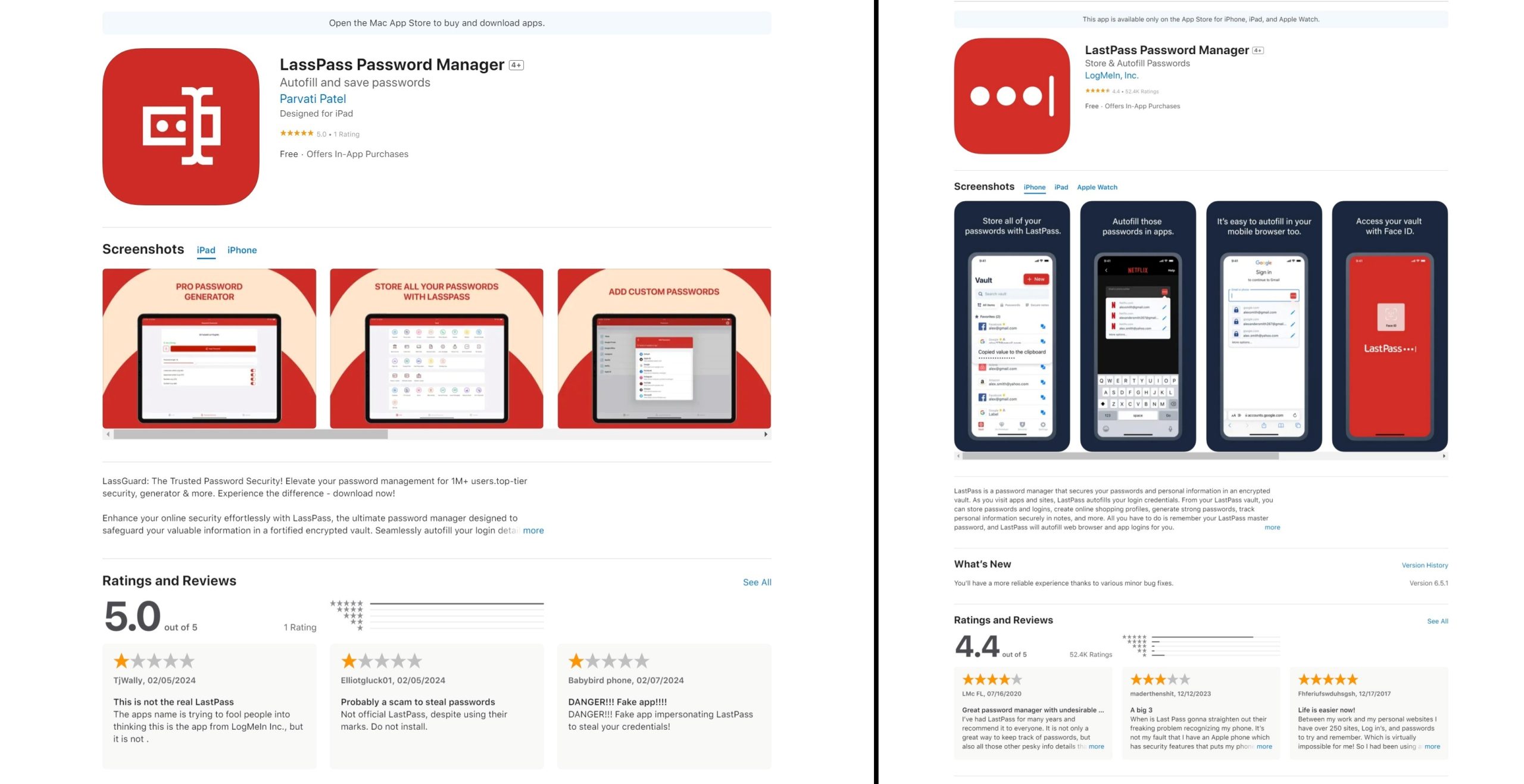
The popular LastPass Password Manager application has warned iOS users about a fraudulent app exploiting the app’s name circulating on the official Apple App Store.
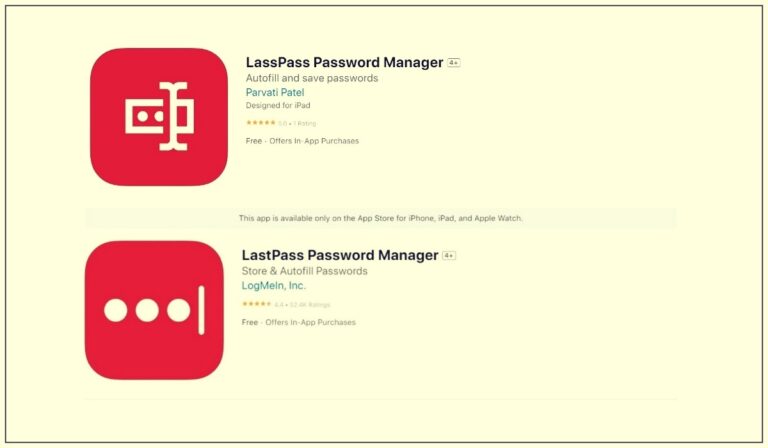
Attention, LastPass users! A cunning imposter has infiltrated the iOS App Store, posing as the legitimate LastPass Password Manager app. This fake app, aptly named “LassPass Password Manager,” seeks to deceive users and potentially steal their sensitive login credentials.
Despite slight alterations to the logo and name, the fake LastPass app operates seamlessly to scam unsuspecting users into downloading it, as its colour scheme and font closely mimic those of the original LastPass app.
It all began on February 7, 2024, when LastPass published a blog post warning unsuspecting users to remain vigilant and avoid downloading a fraudulent application. Despite LastPass’s report, the app remains available on the App Store and is developed by an individual using the name Parvati Patel. Interestingly, the developer also has another app on their account, a community service app for India, hinting at their location.
Just to clarify, the LastPass password manager app is owned by GoTo, formerly known as LogMeIn Inc. Therefore, the official app lists LogMeIn Inc., as its developer on the Apple App Store.
The fake app: The app is called “LassPass Password Manager” and is listed under the developer name Parvati Patel.
Mimicking tactics: The app closely copies LastPass’ branding and user interface, even using similar screenshots, to potentially mislead users into downloading it.
Potential dangers: If downloaded, the fake app could steal your login credentials and other sensitive information.
Action taken: LastPass is actively working to get the app removed from the App Store and is urging users to be cautious.
The fake app can be seen here, while the authentic one can be downloaded from here.
Nevertheless, this isn’t the first instance of a fake app mimicking a popular developer making its way onto the Apple App Store. In July 2023, Apple approved a fake THREADS app, which later surged to number 1 on the Apple Store in Europe. Interestingly, the original THREADS app had been launched by META just a few days prior to the incident and was not yet available in Europe when the fake one appeared in the store.
The February 2024 Android security patch is now available for the Galaxy S23 series in the US. Samsung has released the update for the factory-unlocked variants of the 2023 flagship trio. Carrier-locked units should also get the update soon, and so should the international versions of the phones.
Samsung’s February 2024 update is rolling out to the Galaxy S23 series
First reported by X user Tarun Vats, factory-unlocked Galaxy S23, Galaxy S23+, and Galaxy S23 Ultra units in the US are receiving the February security update with the firmware build number S91*U1UES2BXAD. The OTA (over-the-air) package for the Ultra model weighs just over 402MB. The update for the other two models should also carry similar-sized files.
The official release notes supplied by Samsung state that the update only brings the latest security fixes to the phones. The Galaxy S23 trio isn’t getting anything more. The last major feature update for the lineup was One UI 6.0, which brought Android 14 with tons of new features and functional improvements. The phones will soon get One UI 6.1 with more new features and improvements.
Introduced with the Galaxy S24 series, One UI 6.1 is primarily about AI features. The new version contains AI-powered editing tools that let you quickly move or remove objects from images without much effort. You also get Live Translate for calls and many other AI features. It’s unclear if the Galaxy S23 series will get them all or if Samsung will limit a few to the latest flagships.
Samsung is expected to start rolling out One UI 6.1 to eligible older Galaxy devices soon. The Galaxy S23 trio should be at the top of the priority list. Older foldables and mid-range models will also get the update. We will let you know when the rollout begins. In the meantime, install the latest update on your Galaxy S23 to safeguard your phone from a bunch of security vulnerabilities, including a few critical ones.
The latest security release patches 69 vulnerabilities
The February 2024 SMR (Security Maintenance Release) for Galaxy devices patches 69 vulnerabilities. These include three critical Android OS flaws, some of which allowed remote code execution without requiring additional privileges. Threat actors could exploit those vulnerabilities to gain remote access to affected Android devices. Samsung should soon roll out the new security update to the Galaxy S23 trio globally. As usual, you can go to Settings > Software update > Download and install to check for updates manually.
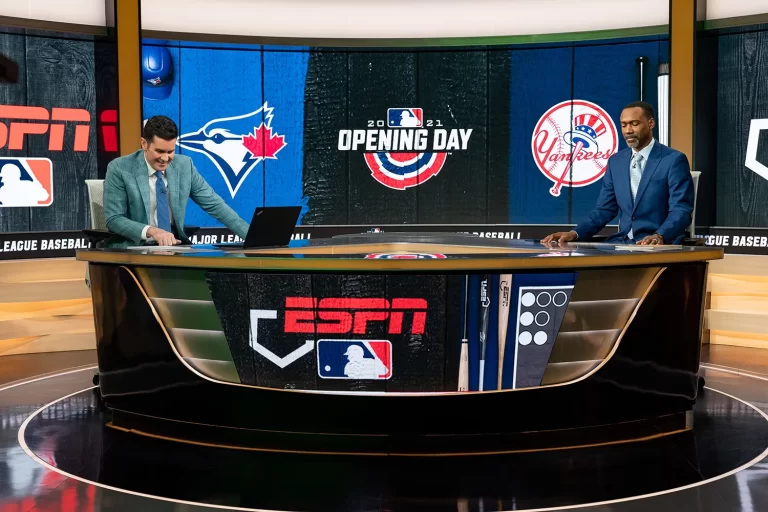
During its most recent earnings call, Disney mentioned that they are planning to launch a standalone ESPN streaming service in the fall of 2025. This has been talked about before, as Disney is looking to go all-in on making ESPN a streaming service. But now we are getting a bit more details on this service.
Interestingly, this comes just a few days after Fox, Warner Bros Discovery, and Disney announced a combined sports streaming service that would launch this fall. Disney says that its new ESPN service will have more features than the joint streaming service will. However, Disney CEO Bob Iger was pretty vague on what those features might be. Given that the service isn’t expected for another 18 months or so, that’s not a big surprise.
No pricing has been announced; however, it can be bundled with Disney Plus and Hulu.
As expected, Iger did not mention pricing here for this new service. But he did mention that you will be able to bundle it with existing Disney streaming services. Some are predicting that this new ESPN service would cost between $30 and $50. That sounds pretty accurate, considering Bally Sports Plus is $20 per month, and you’re only getting regional games with that service.
Iger said on the Disney earnings call that “we’re excited to offer a more unified streaming experience which we expect will deliver strong benefits in terms of higher engagement, lower churn, and greater advertising opportunities.” Iger continued by saying “When we launch our stand-alone ESPN service, we’ll also make it available on Disney Plus for bundle subscribers, just as we’ve done for Hulu.”
Back in December, Disney started to integrate Disney Plus and Hulu a bit more by adding a section for Hulu within the Disney Plus app. However, it is limited, as it’s primarily original content that is appearing on Hulu inside Disney Plus. This is part of a beta test, but Disney does plan to launch this in the first half of 2024.
Google Bard is now Gemini, just “Gemini.” As announced today by Google, Bard — the company’s web-based chatbot — has now been improved, rebranded, and expanded with the addition of a new Advanced tier bundled into Google One. This is in addition to the new Gemini Android app that also launched today.
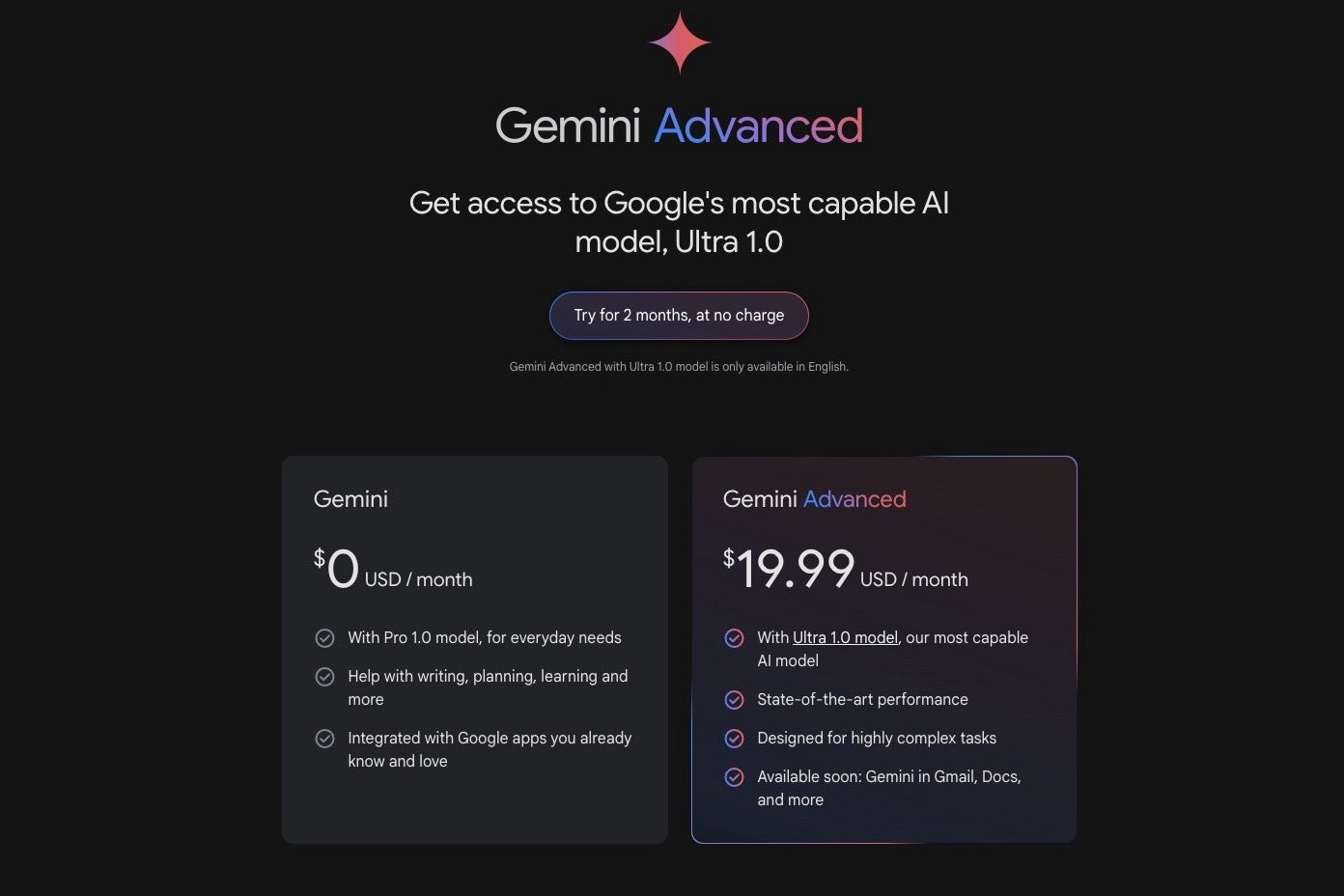
Google One, the company’s cloud storage subscription service, now has a new tier called “AI Premium.” This tier includes access to Gemini Advanced — the new version of Gemini, formerly called “Bard”, which includes the latest Ultra 1.0 AI model — for $19.99 a month. Additionally, this new Google One tier gives you 2TB of storage, as well as other Google One benefits currently found in the Premium tier..
Gemini vs Gemini Advanced | Source: gemini.google.com
Google states that Gemini’s Ultra 1.0 LLM model brings new advancements to the world of AI interaction, such as superior processing efficiency, advanced comprehension of instructions and programs, and innovative problem-solving abilities. The model is said to be capable of analyzing and explaining information, and it can even generate high-quality code in multiple programming languages.
Additionally, Google is set to bring Gemini to a range of services including Gmail and Docs. This will allow users to enjoy automated text writing, create unique images, and even enhance video quality in Google Meet.
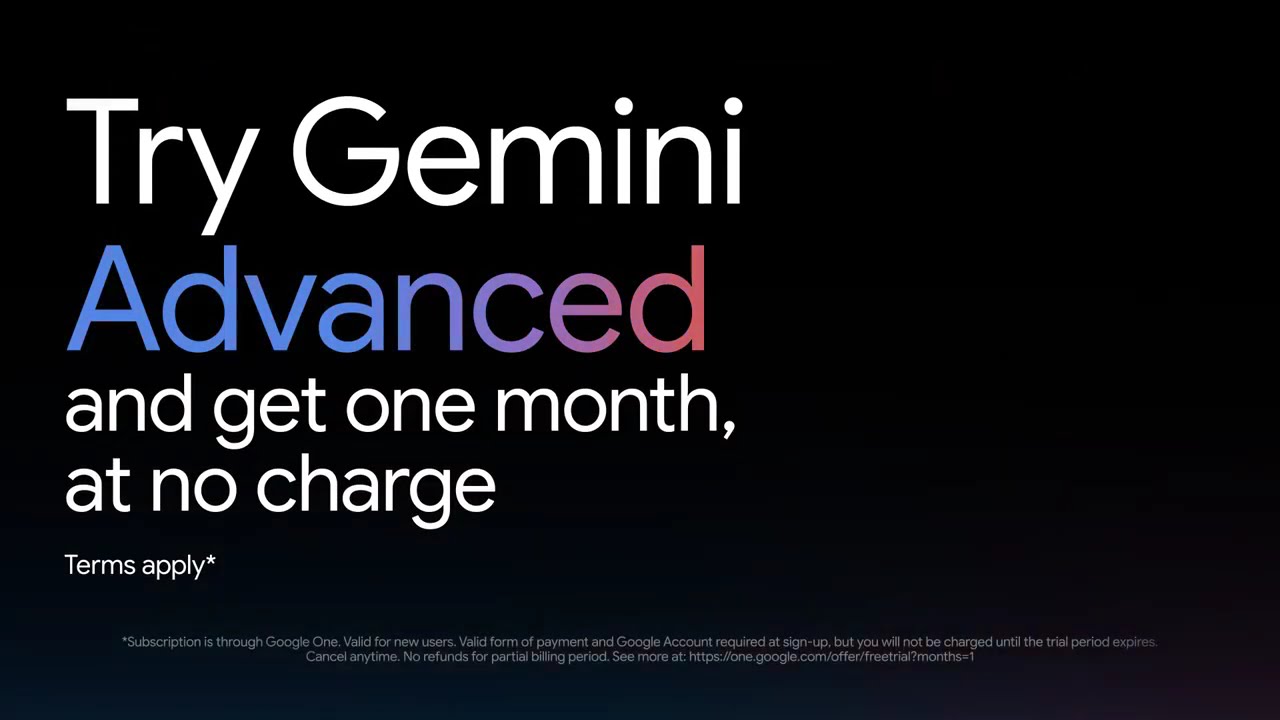
With the Google One AI Premium plan, users can try out Gemini Advanced free for two months before the $19.99 subscription kicks in. This should allow users to fully explore Gemini’s capabilities before making a commitment. If you’re someone who heavily relies on Google services and craves advanced functionality, the higher price point of these Google One plans might just be worth it, especially when you consider the 2TB of storage it includes and the upcoming integration with Gmail, Docs, and other Workspace apps.Gemini Advanced is currently only available in English and can be accessed through the web at gemini.google.com or the old bard.google.com URL which automatically redirects. It is also worth mentioning that Gemini is currently in the development phase, and its overall effectiveness in the long run is yet to be determined. In addition, the plan’s emphasis on AI capabilities may not be suitable for all users, especially those who prefer straightforward cloud storage solutions.
Heads up, Android users! Another wave of malicious apps has flooded the Google Play Store – this time, distributing the VajraSpy RAT to Android users. While Google removed the apps after knowing the matter, they may continue running on already-targeted devices. Therefore, all Android users must ensure to check their devices for any such apps and remove them immediately.
Numerous VajraSpy Android Apps Flooded Google Play Store
Researchers from ESET have spotted another wave of malicious Android apps barraging users with a potent spyware. Once installed on the device, the apps infect the devices with spyware, identified as “VajraSpy,” to track all device activities and stored data.
They identified at least six different malicious applications running on the Play Store, garnering a significant number of downloads. These apps basically offered communication facility, tricking the users into giving explicit access to the device. These malicious apps include the following.
Privee Talk
Meet Me
Let’s Chat
Quick Chat
Rafaqat
In addition, some other chat apps also appeared online during the same time period on other sources, bearing similar malicious codes.
The threat actors behind this campaign potentially lured the victims into downloading the apps via romance scams. The campaign has been going around for several years, and the appearance of the first malicious app on the Play Store dates back to 2021. Later, other such apps appeared online, continuing the malware distribution. The researchers identified the prime target for this campaign as the users from Pakistan and India. Detailed technical analysis of this malware is available in ESET’s report.
Following the researchers’ report, Google removed the identified malicious apps from the Play Store. Besides, it also assures protecting users’ devices via its Play Protect feature, which will alert the users upon detecting any reported apps running on the device. Nonetheless, users must still scan their devices manually for potential threats. In addition, all users must ensure using apps from trusted publishers only, even when downloading the apps from the Play Store.
Uncover the risks posed by a data leak exposing over 3 million vulnerable records, internal communications, client details, and plaintext passwords – Explore proactive cybersecurity measures to mitigate threats.
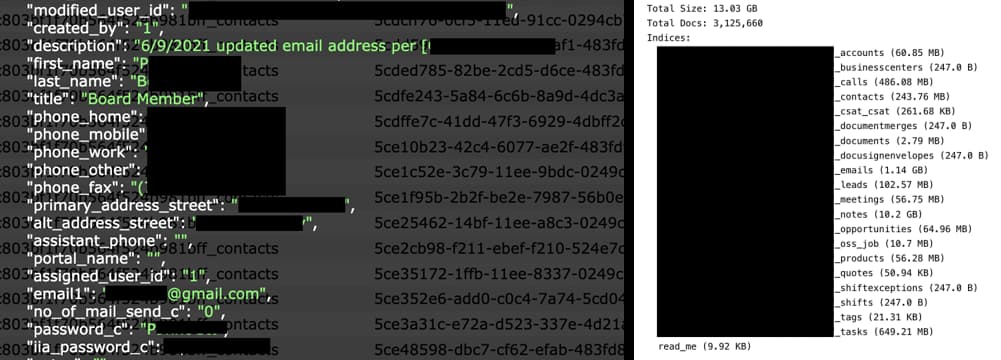
Cybersecurity researcher Jeremiah Fowler made a significant discovery: a 13 GB misconfigured cloud database resembling a Customer Relationship Management (CRM) system, reportedly linked to CU Solutions Group, a Michigan-based credit union service provider.
The data leak’s severity was made worse by two critical factors: firstly, it was left publicly accessible without any security authentication or password protection. Secondly, the server contained over 3 million records (3,125,660 in total), including a collection of sensitive information. This included over 1 million email conversations, internal notes, clients’ full names, physical addresses, details about thousands of credit unions across the United States, email addresses, and plaintext passwords.
In his blog post for Website Planet, Fowler detailed how he contacted CU Solutions Group for responsible disclosure, leading to the company securing the server on the same day. However, representatives of the company attributed the misconfiguration to a possible mismanagement by a third-party vendor, leaving the actual responsibility unclear.
Nevertheless, despite the database being secured, uncertainty remains regarding whether malicious threat actors, aside from Fowler (the good guy), had accessed it before the researcher’s report. If they had, it could lead to the breach being circulated on cybercrime forums. This, in turn, could result in additional cybersecurity threats, including ransomware attacks, spam, identity theft, account takeover due to plaintext passwords, phishing attacks, and more.
If you are registered with CU Solutions Group, it is a good time to contact the company and inquire about the data leak. Additionally, enable 2FA on your account and keep an eye on any suspicious activity on it.
Database misconfiguration is a top cybersecurity threat. It allows threat actors to access a trove of data hardly without looking and exploiting for vulnerabilities or breaching a system. Anyone with knowledge of how to surf the Shodan search engine can access these databases.
Here’s what companies can do to secure a misconfigured database and prevent exposure:
1. Identify and Fix Misconfigurations:
Vulnerability Scanning: Regularly scan your database for known vulnerabilities and misconfigurations using dedicated tools.
Manual Reviews: Conduct periodic manual reviews of database configurations against security best practices.
Focus on Privileges: Analyze and adjust user privileges to grant only the minimum access required for each role.
2. Implement Strong Authentication and Access Control:
Multi-factor Authentication (MFA): Mandate MFA for all database users, adding an extra layer of security beyond passwords.
Principle of Least Privilege: Implement the principle of least privilege, ensuring users only have access to the data they need.
Monitor User Activity: Monitor user activity within the database for suspicious behaviour or unauthorized access attempts.
3. Encrypt Sensitive Data:
Data at Rest: Encrypt sensitive data stored within the database to protect it from unauthorized access even if breached.
Data in Transit: Encrypt data during transmission between applications and the database to prevent interception.
4. Implement Backups and Disaster Recovery:
Regular Backups: Regularly back up your database to a secure location for recovery in case of data loss or corruption.
Disaster Recovery Plan: Develop and test a disaster recovery plan to ensure quick and efficient recovery from cyberattacks or other incidents.
5. Stay Updated and Informed:
Patch Management: Apply security patches and updates to your database software promptly to address known vulnerabilities.
Security Awareness Training: Educate your staff on database security best practices and potential threats.
Stay Informed: Follow cybersecurity news and advisories to stay updated on emerging threats and mitigation strategies.
Have you heard about Xfinity Mobile lately? It’s Comcast’s own wireless service that comes as part of its bundles. Xfinity Mobile operates as a Mobile Virtual Network Operator (MVNO) and uses Verizon’s network as well as millions of Comcast WiFi hotspots around the country. It’s similar to Google Fi, but Xfinity works on just one wireless network.
There are many questions regarding Xfinity Mobile such as its plan prices, what’s included, and whether it offers 5G. We will address all of these questions here, so you can get all the information you need about Xfinity Mobile.
What is Xfinity Mobile?
Xfinity Mobile is exactly what it sounds like. Comcast’s own mobile service. It is an MVNO (Mobile Virtual Network Operator) that runs on Verizon’s network. Xfinity Mobile was born out of a contract that Comcast had with Verizon, where it leased most of its spectrum to Verizon, and in turn, it was able to use Verizon’s network for this service.
Basically, Xfinity Mobile will work on your WiFi network when you’re at home. When you’re out of the house, it’ll either use the millions of Xfinity Mobile Hotspots around the country or connect to Verizon’s network. Since Verizon arguably has the best service in the country and the best coverage, that’s a good choice by Comcast. The Hotspots are available to every person who has Comcast in their home. Their router/gateway has a public network that anyone can connect to. This has caused a lot of people to get upset that random people can use their network and get free WiFi.
Keep in mind that because it is an MVNO, it may not get the best coverage or speeds from Verizon. Carriers do like to prioritize their postpaid customers, followed by their prepaid customers, and then MVNO customers after that. So if you live in an area that is very popular, you may end up getting deprioritized by Verizon and end up with slower speeds.
How much does it cost?
Comcast keeps its plans pretty simple. There are two plans: pay by the Gig or Unlimited.
This means that you can get service for your phone for as little as $15/month. That’s not bad at all.
Keep in mind that these monthly prices do not include taxes and fees. However, since this is an MVNO, the taxes, and fees will be pretty low. These are going to depend on your city and state, but you’ll likely be paying around $10 per month in taxes and fees. These are all dependent on your local government and not Comcast. So, no matter who you choose to use for your phone service, you will get charged these fees.
What plans are available?
There are essentially two types of plans available on Xfinity Mobile. There’s By the Gig and then Unlimited. Each of these has a few plans available.
Let’s start with By the Gig. These all include unlimited talk and text. You can get 1GB of data for $15/month, 3GB for $30/month, or 10GB for $60/month. You can easily adjust this as needed throughout the month, and this is shared with other devices on your account. So say if you have your grandparents on your account and you know they won’t use a lot of data, this might be the best option for them.
Then there’s Unlimited. So there’s Unlimited Intro, Unlimited Plus, and Unlimited Premium. With Unlimited Intro, you’re paying $45 per month for a single line or $30 per month for multiple lines. This will get you 20GB of high-speed data per line, unlimited mobile hotspot data at 3G speeds, and a standard resolution of 480p video. The next step up is Unlimited Plus, which is $55/month for a single line or $40/month for multiple lines. This plan comes with 30GB of premium data per line, 5GB of mobile hotspot data at 5G/4G speeds, and high-resolution 720p video.
Finally, there’s Unlimited Premium. This one will cost you $65/month for a single line, or $50/month for multiple lines. It offers up to 50GB of premium data per line, 15GB of mobile hotspot data at 5G/4G speeds, and 720p video. All three of these unlimited plans offer unlimited talk and text as well. These all have unlimited data, but the amount of high-speed data does vary.
Xfinity Mobile does let you mix and match on your account. So you can have one line on 1GB by the Gig, one on Unlimited Intro, one on Unlimited Plus, and the fourth one on Unlimited Premium, and it would only cost you $135 per month.
When are speeds reduced?
These days, “unlimited” doesn’t really mean unlimited. So when does Xfinity Mobile start to reduce speeds? According to its website, the speeds will be reduced to around 20GB. Your data may be temporarily slowed after 20GB, but this really depends on congestion in your area. A lot of the time when customers hit that 20GB threshold, data is not really slowed down. But that doesn’t mean you can go out of your way and use as much data as possible.
Do I need to be a Comcast customer?
Yes. You need to at least have Comcast Internet to be able to sign up for Xfinity Mobile. In fact, you have to have the Internet to use Xfinity Mobile, just cable or just a home phone won’t work.
That’s not a huge surprise, since it does use Comcast’s own Internet to help offset data prices. Hopefully, this will open up to more customers in the future.
But keep in mind that Comcast covers the majority of the US with Internet. So it is pretty likely that you do have Comcast for Internet already.
Is there 5G available?
Yes. 5G is available, thanks to Verizon. So you’ll be able to get Ultra Wideband 5G from Verizon if you have a compatible device. That includes some pretty incredible speeds; we’ve clocked over 2Gbps on Verizon’s mmWave network. But again, Xfinity Mobile will be lower on the tower than Verizon postpaid customers, so you may not see 2Gbps, but really, anything over 500Mbps is already incredible for a mobile device.
Do I need to sign a contract?
No. Xfinity Mobile is an MVNO, so there are no contracts involved. You can join and leave at any time.
Now, if you did finance your phone through Xfinity Mobile, you will owe the remaining balance when you leave. And if you got your phone at a discount, you will also forfeit those remaining bill credits. For instance, currently, the Moto G Play is available for $0/month and is regularly priced at $149.99. So you’d be getting a $6.24 bill credit each month. But if you leave Comcast after a year, you’ll forfeit around $75 in bill credits. Obviously, it’s not that big of a deal with the Moto G Play, but others, like the iPhone 13 Pro Max, which is $300 off right now, are a much bigger deal.
What devices does Xfinity Mobile support?
Xfinity Mobile allows you to bring your own phone, or you can purchase one from them. Basically, any unlocked Verizon phone will work on Xfinity Mobile. Since it first launched in 2017, Xfinity Mobile has greatly increased the devices available on its network, and it is very similar to Verizon, AT&T, or T-Mobile.
You’ll find the latest iPhones, Samsung Galaxy, and Google Pixel devices available on Xfinity Mobile. As well as plenty of other phones. There are plenty of options available if you are looking to get a new phone, thankfully.
Xfinity Mobile has more than just the flagships, too. So, if you were looking for something a bit cheaper, Xfinity Mobile has you covered, too. With the Galaxy A54 5G, Galaxy A25 5G, Moto G stylus 5G, and a few other options too. So no matter your budget, they have you covered. Additionally, Xfinity Mobile also offers financing. So even if you don’t want to pay for the phone entirely today, you can spread it out over 24 months. at 0% APR.
How do I sign up?
You can sign up for Xfinity Mobile by clicking here. You’ll need to log in to your Comcast account first. Then, it’ll walk you through the signup process. This will include choosing your plan, as well as your phone – whether you’re bringing your own or buying one, and setting up autopay. Like a lot of MVNOs, Xfinity Mobile only uses autopay.
Is Xfinity Mobile worth it?
Now that a lot of us are working from home, potentially forever now that we know it works, Xfinity Mobile is going to work for a lot more people. It’s a really great option for those who are working from home or are in the office all day with WiFi, as you won’t be using much data. And if you use very little data, getting a phone plan for $15 per month is not too shabby.
Of course, this really only applies to those that have Xfinity Internet. If you don’t have Comcast as your Internet provider, then Xfinity Mobile is not even an option for you, unfortunately.