What is SaaS Sprawl and how to Combat its Security Risks?

0

[ad_1]

When we talk about the cloud, it’s not just a matter of data drifting weightlessly in some digital ether. The cloud environment is more like a bustling cityscape, with new buildings popping up every day.

This expansion is often referred to as the rapid growth of cloud services or, more specifically, “What Is SaaS Sprawl,” the unchecked proliferation of Software-as-a-Service applications within an organization.

Document

Protect Your SaaS Network From Data Breach

Prevent malware from infecting your SaaS network at the delivery stage by intercepting malicious files in transit from their source to the target device’s web browser..

Key Strategies for Mitigating SaaS Sprawl Security Risks

Organizations need to implement comprehensive strategies to effectively combat the security risks associated with SaaS sprawl. These include the following steps:

  • Inventory Management: Keep an updated inventory of all SaaS applications, along with who is using them and for what purpose.
  • User Access Controls: Ensure access to SaaS applications is controlled and monitored, with strong password policies and two-factor authentication where possible.
  • Data Governance: Establish clear policies defining how data should be stored, shared, and protected within all SaaS platforms.
  • Compliance Monitoring: Regularly review and ensure that all SaaS applications comply with relevant regulations and industry standards.
  • Security Awareness Training: Educate employees about the risks of unsanctioned SaaS applications and encourage responsible usage.
  • Vendor Assessment: Conduct thorough security assessments of SaaS vendors before integrating their services into your business processes.

By being proactive and establishing robust SaaS security measures, businesses can rein in SaaS sprawl and protect themselves from the inherent risks it brings.

With the right tools and policies in place, companies can harness the power of the cloud without falling prey to its potential chaos.

Defining the Rapid Expansion of Cloud Services

The digital world is moving lightning, with companies racing to adopt the latest cloud technologies to stay competitive.

This rapid embrace can lead to a sprawl of SaaS applications, creating a complex web of tools that are often used without proper oversight or integration.

It’s like every department in a company deciding to build its mini-castle with its own set of rules, ignoring the fact they all reside within the same kingdom.

Recognizing the Challenges and Risks of Unmanaged Growth

With every new application added to the ecosystem, managing security configurations becomes a herculean effort.

It’s the digital equivalent of handing out keys to your house willy-nilly. Without proper control, you might as well leave your front door wide open.

This unmanaged growth can lead to inadvertent data exposure, compliance mishaps, and, understandably, many headaches for IT security teams.

Examining the Implications for Security when SaaS Applications Proliferate

The consequence of SaaS sprawl is not just about having too many apps to keep track of; it’s about what those apps could be doing under the radar.

Security breaches often occur not through complex hacking maneuvers but through simple oversights, like misconfigured privacy settings or outdated user access rights.

It’s akin to forgetting to check that all the windows are locked before leaving the house – an invitation to trouble.

The Importance of Robust Security Settings in Cloud Software

Imagine each SaaS application as a door into your organization. Just as with a real door, you want to ensure it’s secure with the right locks and alarms in place. In the digital space, the equivalent precautions are robust security settings.

However, organizations often neglect or set up these configurations haphazardly, resulting in vulnerabilities that are all too easy for cybercriminals to exploit.

Identifying Common Security Gaps in SaaS Configurations

Common gaps can include excessive user permissions, default passwords left unchanged, and open access points that should have been restricted.

One real-life example is a widely used communication tool that, without proper configuration, could let someone eavesdrop on private meetings—turning a digital conference room into a veritable open house.

Cloud Commandments: Adhering to Compliance Standards in the age of SaaS Expansion

You’re not above the law when you’re floating in the cloud. The expanding realm of SaaS operates under stringent regulations that demand compliance.

Adherence to these standards is not just a bureaucratic checkmark; it’s a covenant that builds a bridge of trust with your customers.

Ensuring ongoing compliance is a dynamic process that calls for regular reevaluation against the evolving backdrop of legal frameworks.

In the end, the sprawl of SaaS applications represents both a formidable challenge and an incredible opportunity for growth and innovation.

By understanding and implementing strong security measures, businesses can harness the full power of the cloud without risking a downfall from the skies.

In this burgeoning digital age, knowledge and vigilance are the keys to the kingdom.

[ad_2]

Source link
Samsung’s Galaxy A55 certified with Wi-Fi 6, NFC & 25W charging

0

[ad_1]

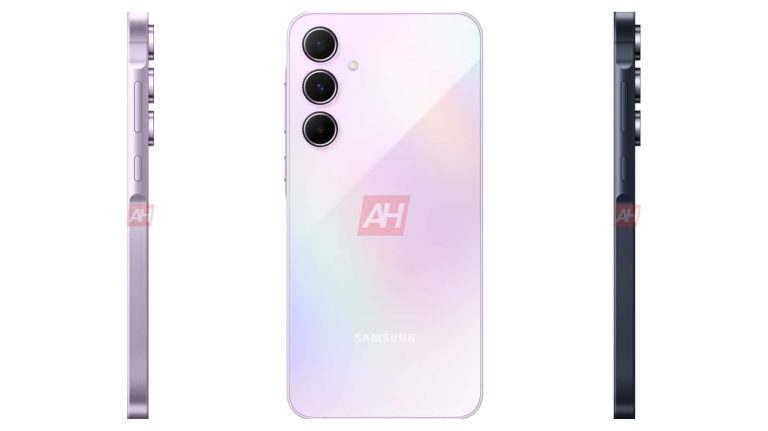
Samsung will launch a new premium mid-range smartphone in a month or two. The company is readying the Galaxy A55 as the successor to last year’s Galaxy A54. The handset has been subject to several leaks lately, including an exclusive leak from us showing its official renders in three colors. The device has also picked up a handful of regulatory certifications in recent weeks. It has just been certified by the FCC.

FCC certifies Galaxy A55 with Wi-Fi 6 and NFC

The FCC certified the Galaxy A55 with the model number SM-A556E, including its dual-SIM (DS) variant. It is the global version of the phone. Other model numbers for the phone include SM-A556B and SM-A556U. The documents uploaded to the agency’s website confirm that the device has slots for two physical SIM cards. We also expect a micro SD card slot for expandable storage.

This certification also confirms the presence of Wi-Fi 6, Bluetooth, Bluetooth Low Energy (BLE), and NFC connectivity options on the Galaxy A55. Additionally, we can see that the FCC tested the device with a Samsung-made charging adapter bearing the model number EP-TA800. It has a maximum output power of 25W (9V/2.77A). That might be the charging speed of the phone, though the charger won’t come bundled in the box.

While we don’t have a confirmation yet, the Galaxy A55 could come in 128GB and 256GB storage variants, paired with 6GB/8GB RAM. Samsung’s in-house Exynos 1480 4nm chipset is expected to power the phone. It features four high-performance CPU cores clocked at 2.75GHz and four efficiency cores at 2.05GHz. The chipset incorporates a 5G modem and an Xclipse 530 custom GPU developed in collaboration with AMD.

The Galaxy A55 features a metallic frame and will ship with Android 14 out of the box. Unfortunately, not much else is known about it at the moment. It remains to be seen if Samsung keeps the display specs and the camera setup unchanged. The Galaxy A54 features a 6.4-inch Super AMOLED display with a 120Hz refresh rate, FHD+ resolution, HDR10+ support, and 1000 nits of peak brightness. It has a 50MP primary rear camera with 4K video recording.

The Galaxy A35 may arrive alongside this phone

Rumors say Samsung will unveil the Galaxy A55 in April. The phone may be accompanied by the Galaxy A35, a slightly less premium device with a plastic frame. The latter has already picked up the FCC certification, as well as numerous other regulatory approvals around the world. As we revealed in an exclusive leak last month, the Galaxy A35 will look identical to its more powerful sibling.

[ad_2]

Source link

After introducing several AI tools, Snap snaps 10% of its workforce for a total of 32,500 layoffs in tech for 2024 alone

0

[ad_1]

Snap, the company which owns the AI-plagued Snapchat messaging app, is now laying off one-tenth of its workforce (via Reuters).

The 10% job cut equates to around 530 employees, meaning the 2023 layoff spree in tech is not over yet.

Snapchat, the report reads, has “long struggled to turn its popularity with young users into consistent revenue growth” and thus competing with Meta’s products like Instagram and Facebook is becoming harder by the day.

“In order to best position our business to execute on our highest priorities, and to ensure we have the capacity to invest incrementally to support our growth over time, we have made the difficult decision to restructure our team”, Snap announced.

According to a principal analyst at a research firm, the layoff move by Snap is an attempt “to garner some goodwill with investors, who rewarded its competitor for its cost-cutting measures”.

Snap joins other tech and media firms such as Amazon and Alphabet (Google’s parent company) that announced layoffs in January 2024.

So far, over 32,000 workers have been laid off from more than 100 companies in tech since the start of the year, according to tracking website Layoffs.fyi. If the current rate (32,000/month) continues in full swing, that could lead to 384,000 sackings in 2024. This is way more than what the tech sector saw in 2023, when almost 263,000 jobs were shed, per Layoffs’ statistics.

The AI controversy

The AI craze is a fact, but not every AI tool out there is getting love and attention from users.

Snapchat’s My AI feature got the messaging app in trouble after due to a glitch the bot began posting pictures and videos on its own, without the user interacting with the app. As a result, 25,000 people each month asked Google how to get rid of Snapchat’s My AI.

Meanwhile, in the UK the same My AI feature got the opposite of the public’s love when one UK regulatory body issued a warning against the chatbot, talking about potential risks to children’s privacy. There have also been some situations where the chatbot has been giving inappropriate advice, despite Snap’s claims that it has strict moderation and safeguarding features. One example of said advice is the chatbot suggesting to a 15-year-old user ways to hide the smell of alcohol.

Most recently, Snapchat added another weird AI tool, this time allowing users to create “Custom Bitmoji Pets”.

[ad_2]

Source link

Concerns arise over Amazon’s AI assistant, Rufus, and its behavior

0

[ad_1]

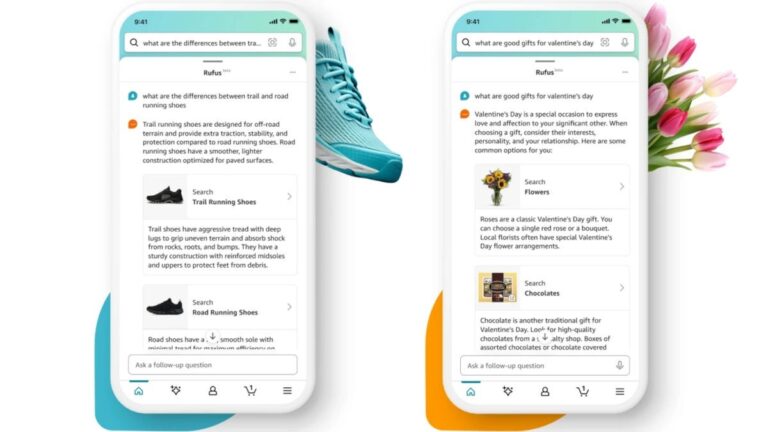
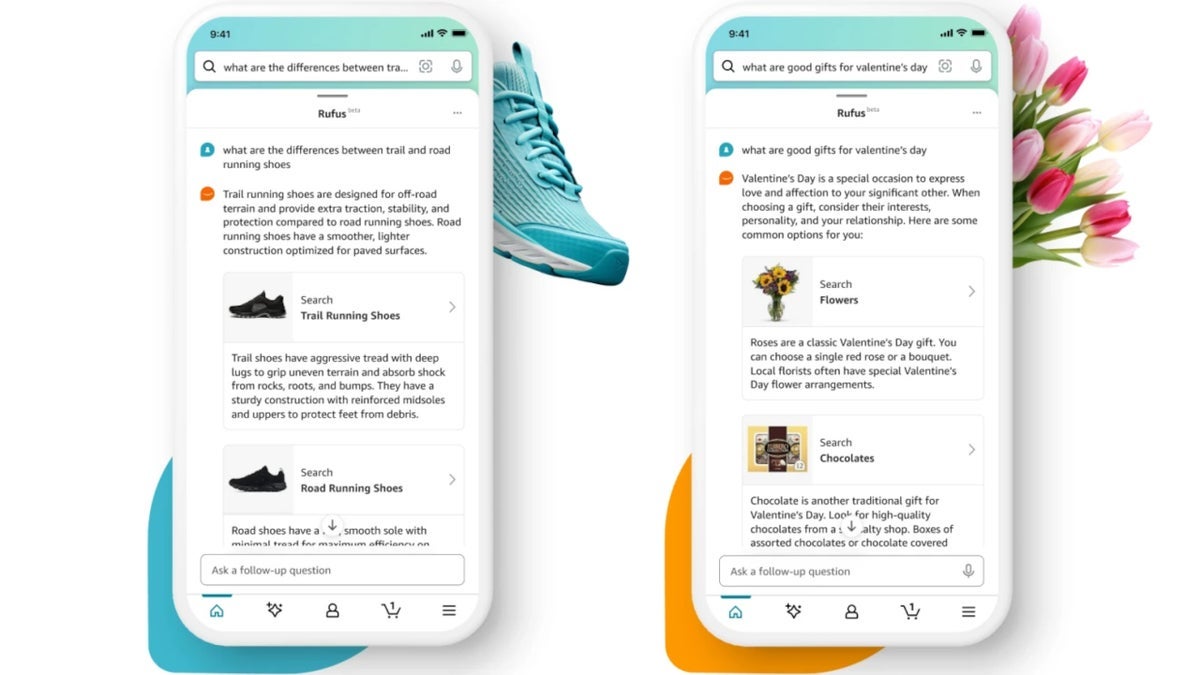
Now that Rufus, Amazon’s new AI shopping assistant is being rolled out officially, concerns arise over its behavior, a new report by Reuters states.

The goal of Rufus is, besides making a whole lot of money for Amazon, to help and guide users on Amazon with their shopping experience.

The AI bot, per Amazon, has been trained on its product catalog, customer reviews, community Q&As, as well as information from the web. That’s great, but Rufus’ greatest power lies in the fact that Amazon has an edge over AI rivals in the face of Google and Microsoft by having a juicy stockpile of purchasing and personalized data from countless Amazon users.

Rufus, now available in beta (but coming to the masses in the coming weeks) has been built to answer specific questions, provide comparisons, recommend and guide customers to a successful closing of a deal.

Reuters’ report, however, reminds us that “Amazon has a history of steering customers towards products that most benefit Amazon, either because they are more profitable or are backed by advertising dollars”. In other words – can we trust Rufus to make shopping decisions for us and will those decisions be the best for us… or the best for the retailer giant?

Besides sharing information that Rufus was trained on Amazon’s catalog, reviews and community Q&As, the algorithm behind the bot is a secret that Amazon declined to discuss.

Michael Pachter, a Wedbush Securities analyst, said Amazon would be turning money away if it didn’t link Rufus’ results with advertisers and their products: “You’ll most likely get sponsored results. Advertising drives retail and Amazon is no different – why do you think they are generating tens of billions of dollars in advertising a year?”

Per the article, Amazon is combating an antitrust lawsuit by the Federal Trade Commission which alleges the Seattle firm operates a “pay-to-play” system, giving top billing for the products on which marketers were willing to spend the most. The agency states that Amazon often pushes its own brands to the top of search results, even when other goods may be of higher quality or at a better price. The company has denied the claims and said it will contest the suit in court.

[ad_2]

Source link

Android 15 may mandate edge-to-edge display for apps

0

[ad_1]

Over the past decade, smartphones have evolved in size, offering users increased screen real estate. However, with the plateauing of smartphone sizes and bezel reduction in recent years, the next focus becomes utilizing the available space to its best.

Android has long provided the option for apps to offer edge-to-edge display by utilizing the space that is usually occupied by the status and navigation bar. Yet, many apps have not embraced this feature. The upcoming Android 15 might change this landscape by potentially enforcing edge-to-edge display for apps by default.

Presently, apps wishing to go edge-to-edge need to implement specific APIs. This is because an interactive element of an app may overlap with the content of the status and navigation bars. To address these concerns, developers can make adjustments before enabling edge-to-edge mode. However, recent findings in the Android 14 QPR2 beta code snippets by Mishaal Rahman suggest that Android 15 might enforce this behavior for apps targeting the next Android version.

Apps targeting Android 15 might be compelled to adopt an edge-to-edge display as the default setting

In a bid to provide developers with sufficient time for updates, testing, and debugging against newer Android OS versions, Google introduced the App Compatibility Changes settings page in Android 11. This allows developers to toggle individual system behaviors that could potentially disrupt their apps. With each API level denoting how an app runs on different Android versions, the discovery of a new compatibility change named EDGE_TO_EDGE_BY_DEFAULT in Android 14 QPR2 Beta 3 indicates a potential shift. Android 15 might mandate apps to adopt edge-to-edge display as the default setting.

Despite the promising indications, it’s essential to note that there is uncertainty regarding whether Google will actually implement this change in Android 15. We are yet to see the impact of such a mandate on the user interface of various apps. Nonetheless, the potential shift towards edge-to-edge displays could significantly alter the visual experience for Android users. Only time will reveal if Android 15 brings about this anticipated change or if Google decides to defer it to a future release.

[ad_2]

Source link

Features, Supported Phones & More

0

[ad_1]

Android 11 launched on September 8, 2020. The final update for Android 11 was the September 2021 security update. The latest version of Android, as of early 2024, is Android 14.

With the release of Android 11, Google has introduced a number of new features. Some of these have been a long time coming for Android, like Bubbles for Conversations.

Here’s everything you need to know about the release of Android 11. From when it is going to be available to what devices are getting the update to the features that are coming with this latest version of Android.

When is Android 11 coming to my smartphone?

Android 11 will be available on all Pixel devices (Pixel 2 and newer) on the release date of September 8.

It will also come to select Pixel, OnePlus, Xiaomi, OPPO, and Realme phones on September 8. Other phones will get it a bit later on.

For the most part, if your phone was released in 2019 or later, you are pretty much guaranteed to get Android 11. The only question is when you’ll get it. Usually, the newest phones get updated first. We may even see some 2018 smartphones get updated, like the Galaxy S9 series.

What’s new in Android 11?

With the release of Android 11, Google is really focusing on conversations and messaging. And it is debuting a feature that it actually talked about a couple of years ago, which is bubbles. And yes, they are basically a straight-up rip-off of Facebook Messenger’s Chat Heads, which Facebook has had in its app for many years now. But the difference now is that most of your conversations in different apps are going to work with Bubbles. That’s a big deal.

Media controls have been redesigned in Android 11 as well. So instead of them showing up as a notification in your notification shade, they are actually part of the quick settings section now. They look mostly the same, but they stay in your quick settings now. Which makes it easier to play/pause music, skip to the next song, and so forth. On top of that, you can also switch where the music is playing – whether that is on your device, on your headphones, speakers, or somewhere else.

Permissions are getting changed once again in the release of Android 11. There are a couple of changes to permissions in Android 11. One is the new one-time permission option. So you can opt to give the app access each time you open it. This means that an app won’t be tracking your location all the time. Just every time you open the app. This can be quite annoying though, having to give it access every time. But worth the inconvenience.

Screenshot 20200908 092306
Android 11 – Permissions “auto-reset”

The other change to permissions is going to be for apps you don’t use often. If you haven’t used an app recently, Google is going to automatically reset those permissions. So when you re-open the app, you’ll need to give the app those permissions once again. This is also another way that Google is looking to protect your data and privacy.

There are many other changes in Android 11 as well, and you can check out the full feature list here.

How do I use Bubbles for my conversations?

As mentioned before, Bubbles are very similar to Chat Heads, from Facebook Messenger. And it’s going to make multi-tasking so much easier in Android 11.

You will be able to move the bubbles around on your home screen and even flick them away if you wish to do so. The whole point of this is to allow you to respond to your friends and family, without needing to leave the app you are currently in.

Screenshot 20200908 092233
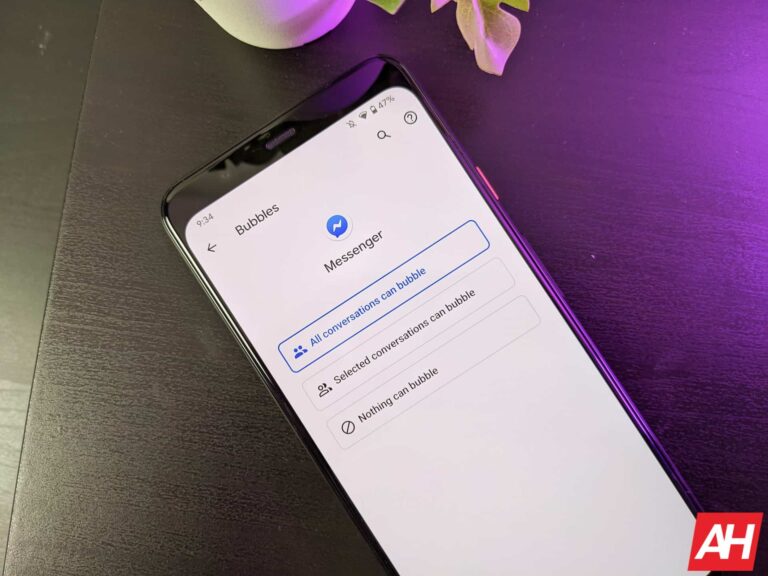
Android 11 – Bubbles Settings

There is going to be a new setting in Android 11, so you can set certain conversations to open up in Bubbles and others to open up in the app as normal. This will be found in Settings > Apps > [App Name] > Notifications, and then tap on Bubbles to see the screen above.

In addition to Bubbles, Google is making another change to conversations, and it has to do with the notification shade. There’s going to be a new section in your notification shade that will be specifically for conversations. So you can keep your conversations in one place. And it’ll make dealing with your many notifications a lot easier.

What apps are compatible with Bubbles?

One of the downsides to enabling a new feature like Bubbles is that developers need to add support within their app for it. Currently, Bubbles is not available within every messaging app right now. It’s only available with a few of them. But that list is expected to grow, especially with the release of Android 11.

As of now, Google Messages, Discord, Facebook Messenger, and Telegram support it.

How does 5G and Android 11 work together?

5G has been a big topic of 2020, though not quite as big as some other topics unfortunately. But it is on the way and it’s going to make our lives a lot more enjoyable.

Android 11 is aiming to work better with 5G. But most people likely won’t notice the difference.

Google is introducing the “Dynamic Meterdness API” with the release of Android 11, which is going to take full advantage of all that 5G power. Basically, the API detects that you are connected to an unlimited 5G signal, it’ll allow you to access the highest possible quality for videos and graphics. So you can really take advantage of those Gigabit speeds.

Where can I download Android 11?

Typically, only Google releases Android 11 downloads for its own Pixel devices. So if you have a Pixel device, you can download the factory images here.

With the factory image, you won’t need to wait for the OTA to hit your device. But beware, that when you do update your phone using the factory image, you will lose all of your data. So keep that in mind before you decide to go this route, and of course, make sure to back it all up.

Is the Android Beta Program closing?

Surprisingly, no. The Android Beta Program is not closing, just yet. Google is opting to keep it open and allow users to check out early Android 11 builds.

Now Google was a bit vague with this. So we are not sure if this means that it will be for the security patches, or even feature drops in the future. But if you enroll your device, you will get early OTAs, which is always awesome.

The r/android_beta sub-reddit is also remaining open, but the Android Beta issues tracker and the feedback app are closing in the next few days.

[ad_2]

Source link

The Nothing Phone (2a) might be missing the Glyph Interface

0

[ad_1]

Right now, we’re following rumors surrounding the first mid-range phone from London startup Nothing. The phone is going to be called the Nothing Phone (2a), and we’re still in the dark about what kind of specs this phone is going to pack. However, thanks to a new report, it appears that the Nothing Phone (2a) may not sport the famous Glyph Interface.

Ever since last year, Nothing has been focusing on bringing more devices to budget price ranges. The company launched its sub-brand CMF by Nothing back on September 26th, 2023, and the company has already launched several devices. These include a smartwatch, charging brick, and a pair of earbuds.

The Nothing Phone (2a) might miss the Glyph Interface

Right now, rumors and leaks are still coming in, and you’ll want to take it all with a grain of salt. This phone’s design and specs are all still heavily speculated. Anything could change between now and the phone’s official unveiling. Speaking of the unavailing, rumor points to the Nothing Phone (2a) getting an official unveiling during MWC this year. MWC will happen later in February

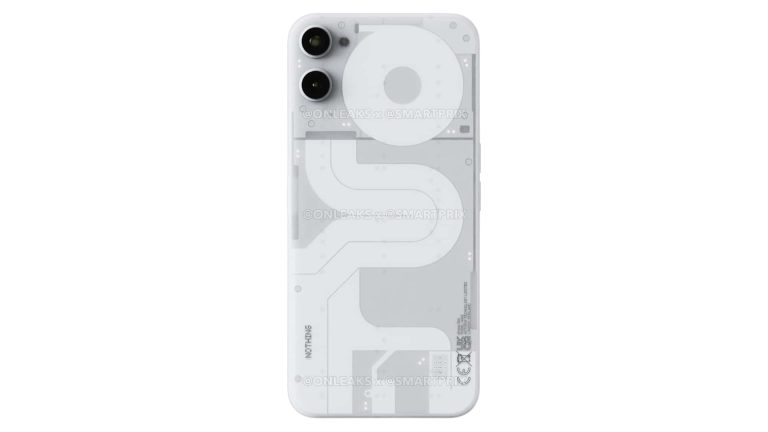
We have a new render showing off what this phone could possibly look like. Previous renders of the phone showed off the possible arrangement of the LEDs for the interface. The previous renders showed us what looks like a large center-mounted camera module with a few LEDs surrounding it.

Nothing phone (2a) leake

Previous Leak

However, thanks to trusted leaker OnLeaks in collaboration with SmartPrix, it appears that this might not be the case. It appears that the camera package will not be in the center but situated on the left side. Also, the visible pattern on the back might be very different.

The most striking difference is the lack of the Glyph Interface. In case you don’t know what that is, it’s the array of LED lights on the back of Nothing’s phones that light up. This is the main thing that defines the Nothing Phone series, and we were all wondering how the company was going to implement it into its budget phone. However, it appears that the company won’t at all.

New Nothing Phone (2a) leak no glyph

New leak

Remember, This is Just a leak

It’s important to know that this is a render made by a third-party entity based on leaked information. As such, you’ll want to take this cautiously. You never know if the next leak will show us a phone with a Glyph Interface. Only time will tell. In any case, CES 2024 is fast approaching, so there’s not much time to wait to find out.


[ad_2]

Source link

Apple iPhone 15 Pro vs Samsung Galaxy S24

0

[ad_1]

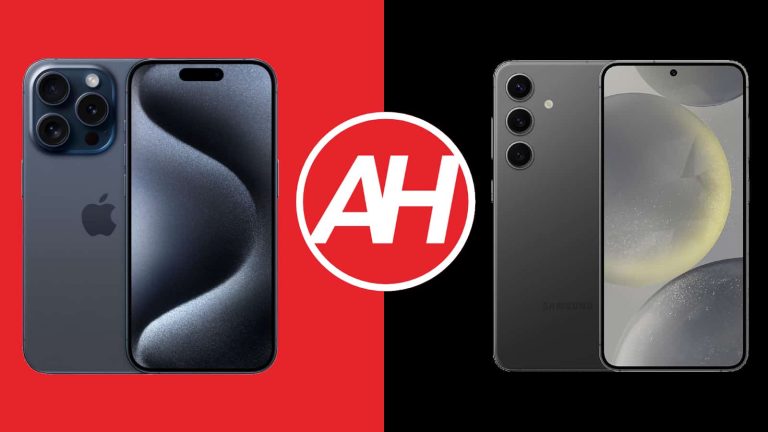
In this article, we’ll be comparing the Apple iPhone 15 Pro vs Samsung Galaxy S24. The Galaxy S24 is Samsung’s brand-new compact high-end offering. It’s not the most powerful smartphone in the series, but the same goes for the iPhone 15 Pro. Still, both devices are at the very top of the food chain, and considering their sizes and place in their respective lineups, comparing them makes all the sense in the world.

They’re both not only rather compact but are also quite powerful. They’re aimed at people who don’t want to navigate huge smartphones. People who want a phone that is one-hand friendly, at least to a degree. Having said that, we’ll first list their specifications, and will then move to compare their designs, displays, performance, battery life, cameras, and audio performance. So, let’s get started, shall we?

Specs

Apple iPhone 15 Pro vs Samsung Galaxy S24, respectively

– Screen size:
6.1-inch Super Retina XDR display with ProMotion (120Hz, HDR10, 2,000 nits)
6.2-inch Dynamic AMOLED 2X (flat, 120Hz, 2,600 nits max brightness)
– Display resolution:
2796 x 1290
2340 x 1080
– SoC:
Apple A17 Pro
Qualcomm Snapdragon 8 Gen 2
– RAM:
8GB
128GB (UFS 3.1)/256GB/512GB (UFS 4.0)
– Storage:
128GB/256GB/512GB/1TB (NVMe)
128GB (UFS 3.1)/256GB/512GB (UFS 4.0)
– Rear cameras:
48MP (f/1.78 aperture, second-gen sensor-shift OIS), 12MP (ultrawide, f/2.2 aperture, 120-degree FoV, macro photography), 12MP (telephoto, f/2.8 aperture, 3x optical zoom)
50MP (wide, f/1.8 aperture, OIS, Dual Pixel PDAF), 12MP (ultrawide, 120-degree FoV, f/2.2 aperture, 1.4um pixel size), 10MP (telephoto, f/2.4 aperture, OIS, PDAF, 3x optical zoom)
– Front cameras:
12MP (f/1.9 aperture) + TrueDepth
12MP (wide, f/2.2 aperture, Dual Pixel PDAF, 22mm lens)
– Battery:
3,274mAh
4,000mAh
– Charging:
20W wired, 15W MagSafe wireless, 7.5W Qi wireless, 4.5W reverse wired (charger not included)
25W wired, 15W wireless, 4.5W reverse wireless (charger not included)
– Dimensions:
146.6 x 70.6 x 8.25mm
147 x 70.6 x 7.6mm
– Weight:
187 grams
167/168 grams
– Connectivity:
5G, LTE, NFC, Wi-Fi, USB Type-C, Bluetooth 5.3
– Security:
Advanced facial scanning
In-display fingerprint scanner
– OS:
iOS 17
Android 14 with One UI 6.1
– Price:
$999+
$799.99+
– Buy:
iPhone 15 Pro( Apple)
Galaxy S24 (Best Buy)

Apple iPhone 15 Pro vs Samsung Galaxy S24: Design

The iPhone 15 Pro and Samsung Galaxy S24 do have a similar shape all around. They have rounded corners, along with rounded display corners, and flat sides. Sides on both smartphones do curve a bit towards the edges, though, just to give you a more pleasant feeling when holding them. In fact, both smartphones are very comfortable to hold, that’s for sure. They are both quite slippery, though.

It’s not exactly a surprise they’re slippery considering they’re made out of metal and glass. The iPhone 15 Pro utilizes titanium for its frame, while the Galaxy S24 uses aluminum. The iPhone 15 Pro has a pill-shaped cutout on the front, along with uniform bezels. The Galaxy S24 also has uniform bezels, which are very thin, but it has a much smaller cutout thanks to its single camera on the front.

There’s a flat display on the front side of both phones, and the backs are predominantly flat on both phones. The iPhone 15 Pro’s physical buttons are spaced out across the left and right sides, while all of the Galaxy S24’s are located on the right side. The iPhone 15 Pro has a much different-looking camera island on the back. All of its cameras are part of a single camera island, which is located in the top-left corner. The Galaxy S24 also has three cameras on the back, though each of them is its own island, in a way.

The two devices are about the same size, though the iPhone 15 Pro is a bit thicker. It is also a bit heavier, for about 20 grams. Both devices do offer an IP68 certification for water and dust resistance. Both smartphones feel great to hold and use, they’re much more comfortable to use than they may look. They’re also great for those of you who tend to use your phones with one hand. Using a case is still recommended, though.

Apple iPhone 15 Pro vs Samsung Galaxy S24: Display

The iPhone 15 Pro features a 6.1-inch 2556 x 1179 LTPO Super Retina XDR OLED display. That display is flat, and it supports HDR10 content. Dolby Vision support is also included, while the display has an adaptive refresh rate up to 120Hz. The maximum brightness this display can reach is 2,000 nits. The display aspect ratio is 19.5:9, and the panel is protected by the Ceramic Shield glass.

iphone 15 pro max AM AH 16
Apple iPhone 15 Pro

The Galaxy S24, on the other hand, includes a 6.2-inch fullHD+ (2340 x 1080) Dynamic LTPO AMOLED 2X display. That display is flat, and it supports a refresh rate of up to 120Hz (it’s adaptive). HDR10+ content is supported on this panel, while the display has a max brightness of 2,600 nits. The display aspect ratio is 19.5:9, and the display protection Samsung opted for is Gorilla Glass Victus 2.

Both of these displays are great. They both have vivid colors and can get truly bright when they’re needed to. Do note that automatic brightness can go a lot higher than manual brightness. Also, they are very responsive, and the viewing angles are great as well. Both displays also have good display protection, and they are both more than sharp enough, even though the iPhone 15 Pro is technically sharper. There’s not much to complain about here, in all honesty.

Apple iPhone 15 Pro vs Samsung Galaxy S24: Performance

The Apple A17 Pro fuels the iPhone 15 Pro. That is Apple’s new 3nm processor, which is coupled with 8GB of RAM and NVMe flash storage. The Galaxy S24 is fueled by the Snapdragon 8 Gen 3 for Galaxy SoC in most markets, while in some markets the Exynos 2400 SoC is used. That is coupled with 8GB of RAM (up to 12GB of RAM in some markets), and UFS 4.0 flash storage. Do note that the base model with 128GB of storage utilizes UFS 3.1 flash storage, not UFS 4.0.

The performance on both smartphones is exactly what you’d expect out of two high-profile flagship-grade phones… it’s great. During regular, day-to-day usage, you won’t get any lag or anything of the sort. They’re very fast to switch between apps, launch apps, and can handle basically any app without a problem. Both phones are great for consuming multimedia, browsing, emailing, and so on.

When it comes to more intensive tasks, both do a very good job. Processing images and video is a breeze, and the same goes for gaming. The Galaxy S24 has a nice vapor chamber on the inside and does a better job with games than its predecessor did. Apple, on the other hand, sorted out some initial heating problems with truly demanding games, and the iPhone 15 Pro does a phenomenal job now. Neither phone gets too hot during gaming, even though they both do get quite warm at times, it all depends on what you’re playing and for how long. Outside of gaming, they both run nicely without added heat.

Apple iPhone 15 Pro vs Samsung Galaxy S24: Battery

There is a 3,274mAh battery included inside the iPhone 15 Pro. The Galaxy S24, on the flip side, has a 4,000mAh battery. Apple’s iPhones usually have smaller batteries, but that doesn’t necessarily mean they have worse battery life. In fact, they are on the same playing field in terms of battery life, it all depends on what you’re doing on the devices, to be quite honest. Neither is phenomenal, but they both do decently well.

Getting over 6 hours of screen-on-time from both smartphones is plausible. The iPhone 15 Pro managed to cross the 7-hour screen-on-time mark at times, but that’s not a frequent occurrence. Both smartphones could offer better battery life, but the battery life is not bad, per se. Neither can compete with the likes of the ASUS ZenFone 10, though, for example. That is also a compact smartphone, and yet it offers outstanding battery life.

If you do run out of battery juice ahead of time, do note that the iPhone 15 Pro supports 20W wired, 15W MagSafe and Qi2 wireless, and 7.5W Qi wireless charging. It also offers 4.5W reverse wired charging. The Galaxy S24 supports 25W wired, 15W wireless, and 4.5W reverse wireless charging. Neither smartphone includes a charger in the retail box, though. You’ll need to get it separately.

Apple iPhone 15 Pro vs Samsung Galaxy S24: Cameras

When it comes to cameras, both devices include three of them on the back. A 48-megapixel main camera sits on the back of the iPhone 15 Pro. It is backed by a 12-megapixel ultrawide camera (120-degree FoV), and a 12-megapixel telephoto unit (3x optical zoom). A 50-megapixel main camera is included on the back of the Galaxy S24. A 12-megapixel ultrawide camera (120-degree FoV) also sits on the back, as does a 10-megapixel telephoto unit (3x optical zoom).

Samsung Galaxy S24 series AM AH 028
Samsung Galaxy S24

This time around, Samsung’s compact smartphone has a better grasp of color output in its images. They’re no longer as saturated as they were in the past. The iPhone 15 Pro does provide warmer color tones in its images, though. Both devices do a very good job during the day, with plenty of detail, and good HDR performance. During the night, they do obtain plenty of detail too, and both are trying to keep images a bit darker to preserve a rather realistic look. The Galaxy S23 tended to brighten up such shots quite a bit, that’s not the case with the Galaxy S24. It’s an improvement, in our opinion.

Ultrawide cameras do a good job of keeping up with the color science, but they’re not perfect in that regard. Also, the quality dip is noticeable when compared to the main shooters. Telephoto cameras do a good job, though you’ll also notice a difference in quality compared to main shooters, especially in low light. Don’t expect them to do a great job at higher zoom ranges either.

Audio

A set of stereo speakers is included on both of these smartphones. Those speakers sound good on both ends, but the ones on the Galaxy S24 are a bit louder. Both sets of speakers do a good job at higher volume ranges, there’s no noticeable distortion to speak of.

You will not find an audio jack on either one of these two smartphones. You can always utilize their Type-C ports for wired audio connections, though. Alternatively, there’s Bluetooth 5.3 support on both smartphones.

[ad_2]

Source link

Google makes a 180-degree change and now plans on making a YouTube app for Vision Pro

0

[ad_1]

The huge price tag for Vision Pro (which starts at $3,499) might scare Peters off from spending time and money on a dedicated Vision Pro Netflix app but the early reaction from Vision Pro users, especially those who have taken the device outside, is that Apple is giving us a preview of the future of computing. And eventually, the Vision Pro could morph into the small smart glasses that could replace the iPhone.
Whether Netflix wakes up and sees the potential of the Vision Pro remains to be seen, but it’s not like Netflix subscribers can’t use Safari on the spatial computer to open the Netflix website. Users just won’t get features like Environments that allow users to choose from different surroundings to watch movies. 

For example, Disney+ users can select one of four different Environments including “the Disney+ Theater, inspired by the historic El Capitan Theatre in Hollywood; the Scare Floor from Pixar’s Monsters Inc.; Marvel’s Avengers Tower overlooking downtown Manhattan; and the cockpit of Luke Skywalker’s landspeeder, facing a binary sunset on the planet Tatooine from the Star Wars galaxy.”

While Netflix remains unmoved by the excitement generated by the release of the Vision Pro, one company that has done a quick reverse is Google and the word out of Mountain View is that a YouTube app for Vision Pro is in the works. YouTube spokesperson Jessica Gibby told The Verge, “We’re excited to see Vision Pro launch and we’re supporting it by ensuring YouTube users have a great experience in Safari. We do not have any specific plans to share at this time, but can confirm that a Vision Pro app is on our roadmap.”
Like Netflix, Vision Pro users can view the YouTube website via Safari right now and you can get a glimpse of it by watching the video created by influencer Casey Neistat who donned the headset for a trip to Times Square via the subway. At one point, while sitting on a bench in Times Square, Casey explains which windows he has open at the moment and one of them was the YouTube website which was opened on Safari.
While the “game-changing” label placed on the device by many might have given Google the impetus to change its mind, another possible reason for Google’s 180-degree change could have been the popularity of developer Christian Selig’s $4.99 YouTube app for Vision Pro called Juno. This app is available now from the App Store. Juno supports many of Vision Pro‘s features.

[ad_2]

Source link

TECNO will show off its First Rollable Smartphone at MWC Barcelona

0

[ad_1]

The largest mobile trade show of the year is just a few weeks away, and TECNO will be there. We are, of course, talking about the Mobile World Congress – Barcelona. The show will last from February 26 through February 29. However, a lot of the announcements will take place on February 24 and 25, so you won’t want to miss it.

TECNO is giving us a preview of what to expect from the company at MWC Barcelona, and there’s quite a bit that will be debuting at the show. One product that really caught our eye is the PHANTOM Ultimate. This is the company’s first rollable screen concept phone, which will feature an innovative double-sided screen that extends from 6.55 inches to 7.11 inches.

That’s not all of TECNO’s concepts for MWC Barcelona, though. It’s also debuting cutting-edge environmentally friendly materials such as organosilicon fabric leather, layered fiberglass, 3D stereo optical grating, colored textured glass, and more. All of this will be shown in TECNO’s booth at Fira Gran Via. If you’re attending MWC Barcelona, make sure to stop by their booth in Hall 6, Stand 6811.

TECNO has a cool new Windows AR product, too

On top of those groundbreaking concepts, TECNO is also debuting the industry’s first Windows AR gaming set. This is Pocket Go, which will combine AR glasses and a Windows handheld. TECNO says that the lightweight and portable set brings users a new immersive AR gaming experience.

TECNO knows that everyone loves dogs, so it has created a robotic dog called Dynamic 1. This is an intelligent dog that is a remarkable innovation of robotics and AI with realistic features. It was inspired by a German Shepherd, so it might actually keep people out of your house. It uses advanced algorithms and powerful sensors; it’s capable of intuitively understanding commands and performing life-like actions. And we’ll see more of this robot dog at MWC Barcelona at the end of the month.

Finally, TECNO is also debuting a couple of new imaging innovations at the show, including an industry-leading imaging technology. Powered by the industry’s pioneering floating-point computing, it brings the new pinnacle of mobile video imaging to users around the world. Universal Tone, which is the industry’s most advanced AI-powered multi-skin tone imaging technology, uses newly collected, unbiased data and three advanced AI-powered engines to more accurately capture the true beauty of diverse skin tones.

And that’s just what’s new for MWC from TECNO. Never mind what else they will have at their booth during the show. It’s bound to be a big show for TECNO, which has announced some rather interesting products in the past at MWC Barcelona, including Tecno’s Chameleon Coloring Technology at MWC Barcelona 2023. This tech allows the back of the phone to change colors, like a chameleon. And we awarded it the Best of MWC last year.

[ad_2]

Source link