Not long ago, a tipster, Max Jambor, claimed that the OnePlus 12 will launch globally in January. Not only that, but he said that the OnePlus 12 series will launch then, as in more than one phone. Well, OnePlus has just confirmed that a global OnePlus 12 launch will occur in January.
Global OnePlus 12 launch will take place in January, it’s confirmed now
The information appeared on various global OnePlus websites. What is interesting, however, is that OnePlus is not mentioning the OnePlus 12 series. The company simply says ‘OnePlus 12’. So, either OnePlus is holding off with the ‘series’ announcement, or Max Jambor was wrong.
The company did not say when exactly will the OnePlus 12 arrive either. All that we know is that it’s coming in January, that’s it. Earlier today, however, OnePlus confirmed a ton of information about the device, including a December 5 initial launch date.
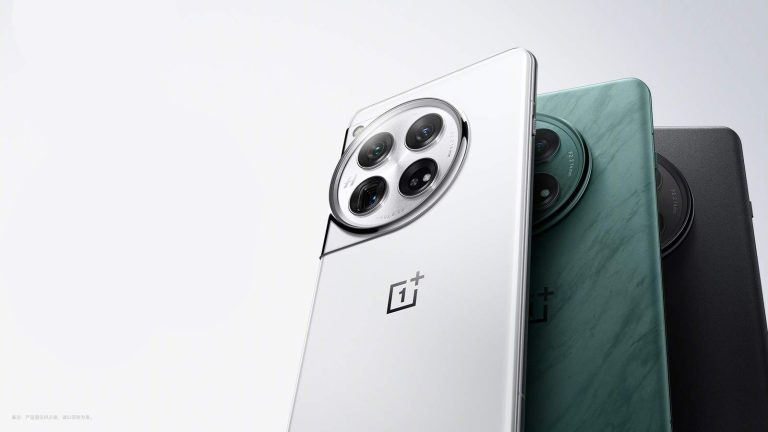
OnePlus also released plenty of images of the device, showing it from all sides, basically. Not only that, but the device was shown from all sides in all color options. So there’s basically nothing left to hide design-wise.
The phone will resemble the OnePlus 11, but its hole punch on the display will be in a different spot, it’ll be centered. Also, the alert slider will move from the right side to the left, which is a change not many people will appreciate.
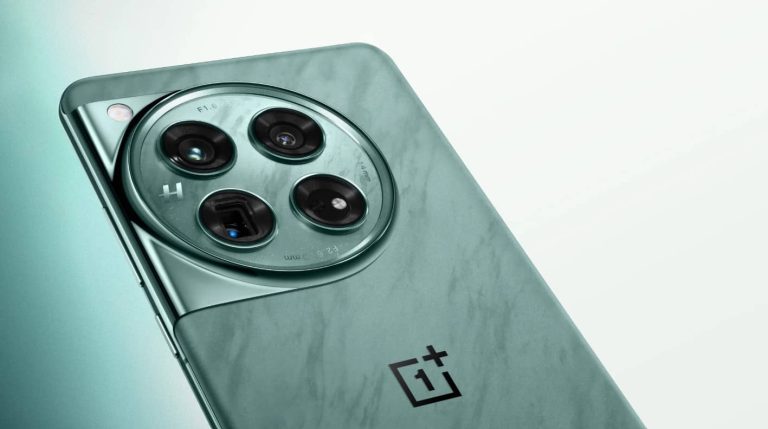
The phone will feature three rear cameras, including a periscope shooter
Those images also confirmed a triple camera setup on the back, with a periscope camera as part of the package. Hasselblad will once again be included in the mix, and the phone will feature a curved display. Its backplate will also be curved towards the sides.
The Snapdragon 8 Gen 3 will fuel the OnePlus 12, while the phone will mark the comeback of 50W wireless charging to the brand. Extremely fast RAM and storage will also be included, and an incredibly bright display too, BOE’s X1 panel.
All in all, there’s plenty to look forward to when it comes to the OnePlus 12.
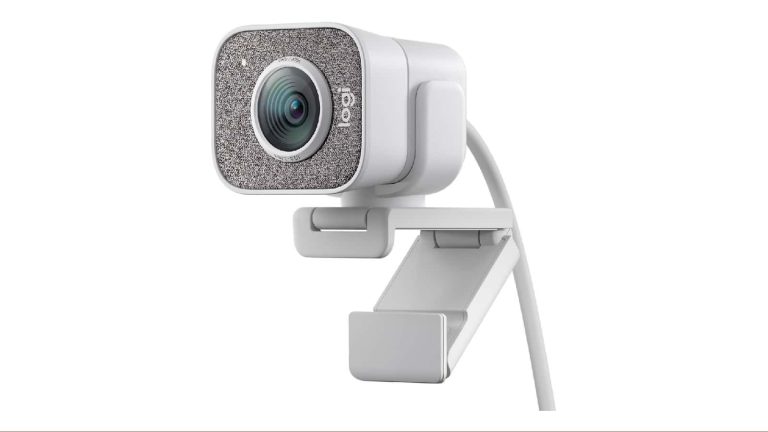
You missed out on Black Friday (shoot!), but don’t worry. You have a second wind, as Cyber Monday is alive and well. This is your chance to pick up some amazing tech at amazing discounts. Today, you can pick up the 1080p Logitech StreamCam 1080 for $70 off its original price. This brings it down from $169.99 to just $99.99.
So, you’ve been flirting with streaming on Twitch or YouTube, and you need a trusty webcam to capture you. There are plenty of 1080p webcams on the market, but most of them just have crappy video quality. 1080P means that there are 2,073,600 pixels in the picture, but it doesn’t matter if those pixels don’t look good.
Logitech professionally calibrated this camera to give you a truly high-quality picture. Factors such as the colors, exposure, and contrast all look amazing on the camera.
The Logitech StreamCam 1080 sits comfortably on the top of your display with a moveable arm anchoring it into place. This means that you don’t have to worry about it wobbling or falling off while you’re streaming.
Along with being secured, this device is well-built. It’s a sturdy device that can take drops and other impacts. That’s important in case your controller “accidentally” slips out of your hand when you lose that round in Call of Duty.
The Logitech StreamCam 1080 is a wired webcam, which means that it’s a plug-and-play device. You don’t have to deal with a complicated setup process to get it working. Just plug it into the USB port on your computer and start streaming.
This is the perfect addition to your streaming setup. If you want to get your streaming career off of the ground, it’s a great place to start.
In a recent development, Google has expanded its Quick Phrases functionality beyond Pixel phones to include Pixel Buds Pro. It offers users a more seamless experience in managing voice actions. Originally introduced with the Pixel 6, Quick Phrases enable users to perform voice commands without the need to initiate with the customary “Hey Google.”
Quick Phrases was Initially available for only alarms and timers. However, it gained additional functionality last year with the introduction of the “Silence” command for handling incoming calls. With this recent update, Pixel Buds Pro users can now leverage the convenience of Quick Phrases to answer, decline, stop, and snooze. It accomplishes all without the need to verbally prompt the voice assistant.
Pixel Buds Pro users can now effortlessly manage alarms, timers, and calls
Interestingly, Google has updated the Assistant settings page to specify the devices on which each command is available. While Pixel Buds Pro is explicitly mentioned, users have reported successful implementation on the A-Series as well. It demonstrates Google’s under the hood efforts for a broader compatibility.
Folks at 9to5Google founds the feature to be working reliably in their testing. The Pixel Buds Pro accurately interpreted answer/decline commands. And it worked even when the paired phone was in a different room. Additionally, the feature appears to have been extended to the A-series as well, even though the updated Assistant settings page only mentions the Pixel Buds Pro.
Quick Phrases are still quite limited
Nonetheless, it’s essential to note that Google has yet to introduce any additional Quick Phrases. It limits the feature to manage alarms, lights, timers, time, and weather. Although development hints at the potential for custom Quick Phrases beyond the current eight presets, there hasn’t been official confirmation or documentation regarding this expansion.
The expansion of Quick Phrases to Pixel Buds Pro underscores the company’s commitment to expand the intuitive and convenient voice command functionalities across the Pixel ecosystem.
It seems like Googlepotentially lost Google Drive data for multiple users. Do note that this could just be a bug of some sort, though… it remains to be seen. What exactly happened? Well, let’s delve into it.
Google Drive users lost data, as Google is investigating what happened
A user by the name ‘Yeonjoong’ reported an issue less than a week ago, on Google issue tracker. He basically said that his Google Drive files “suddenly disappeared”. He claims that “the Drive literally went back to condition in May 2023”.
So, basically everything he put on the Drive after May 2023 is not there anymore. He did not delete any files manually, and there are no files in the Trash. The user also mentioned that he never syncs or shares his files with anyone else.
He also tried to fire up the recovery program after reaching out to the Google support team from South Korea, but it didn’t help. He reported the issue to the Google support team, he guesses in the United States, and was then passed on to the company’s engineer.
That user did not get a response, it seems, but another one did. ‘User 18316101495719567270’ said that the Google Support team said that they’re “continuously tracking this case”, and that this is not an isolated case.
Google is trying to figure out what happened, and retrieve lost data
It was said that the issue is “being investigated by our Product Engineers and we are also waiting for a root cause analysis as well on how we can fix it”. The message also asked the user not to make changes on the root/data folder in Google Drive until further notice.
A number of other users reported the same thing in the same thread, basically. Let’s hope that Google’s Project Engineers will be able to find a way to recover lost data, and that this is not permanent. If it is, then it’s an even bigger problem than initially thought.
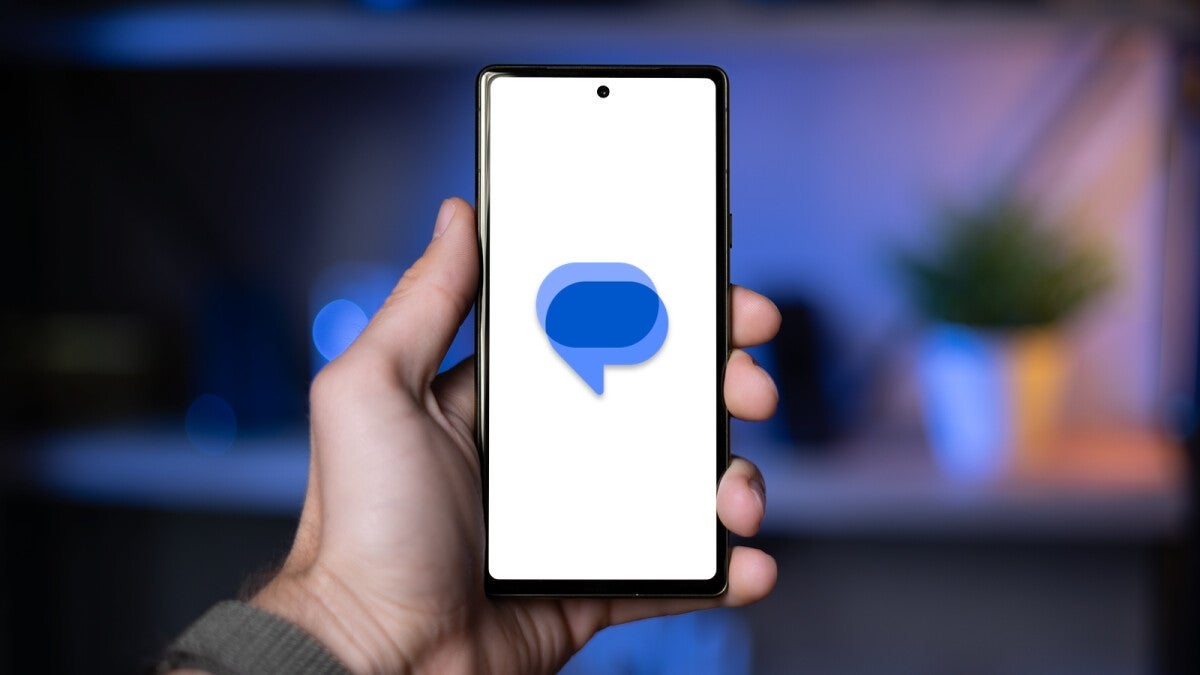
Google Messages, the default messaging app for many Android users, has been making strides in enhancing the user experience. The team behind the app is currently working on an update that aims to simplify photo sharing, and it looks like it recently added Ultra HDR support in RCS chats.
Recent reports from TheSpAndroid (via Android Authority) indicate a subtle addition to the app has been made—support for Ultra HDR in RCS chats. Apparently, the feature was quietly introduced just before the launch of the Pixel 8 and Pixel 8 Pro.
Ultra HDR, an image format exclusive to Android 14, enhances the messaging experience for RCS users. To use the Ultra HDR feature, users will need an Android 14 device, like the Pixel 8 series, for capturing Ultra HDR images. Ultra HDR support in RCS chats means users can now share high-quality photos with enhanced colors, contrast, and overall visual fidelity.
HDR stands for High Dynamic Range. It is a technique used to capture images with a wider range of colors and tones than traditional photography. This results in more realistic and lifelike photos, with darker shadows, brighter highlights, and more detail.
Ultra HDR is a new take on HDR. It builds upon the standard JPEG format by adding HDR metadata. This means that Ultra HDR images will appear as normal on non-HDR displays. However, on HDR displays, the metadata will be used to enhance the image and provide a more vibrant visual experience.
Although there are no visible indicators identifying an Ultra HDR image, the HDR gain map is applied when viewing it. Google Messages retains the HDR gain map, suggesting potential developments for the future of this image format and the messaging platform.
The addition of Ultra HDR support is a welcome addition to Google Messages. It makes it easier for users to share high-quality photos with friends and family. With the continued development of HDR technology, we can expect to see even more impressive image quality in the future.
DarkGate is a complete toolkit, first discovered in 2018, that provides attackers with extensive capabilities to access target systems completely.
On underground cybercrime forums, an actor known as RastaFarEye develops and sells the software as Malware-as-a-Service (MaaS).
The malware is offered through a subscription-based approach that costs up to $15,000 per month, justified by the fact that the malware has been developed continuously since 2017.
The features of DarkGate include information-stealing capabilities, privilege escalation, keylogging, a Hidden Virtual Network Computing (HVNC) module, and the ability to download and execute files to memory.
DocumentFree Webinar
In the upcoming webinar, Karthik Krishnamoorthy, CTO and Vivek Gopalan, VP of Products at Indusface demonstrate how APIs could be hacked. The session will cover: an exploit of OWASP API Top 10 vulnerability, a brute force account take-over (ATO) attack on API, a DDoS attack on an API, how a WAAP could bolster security over an API gateway
All of these traits attracted the interest of cybercriminals, who began to acquire the tool and compromise the systems of businesses and people all over the world.
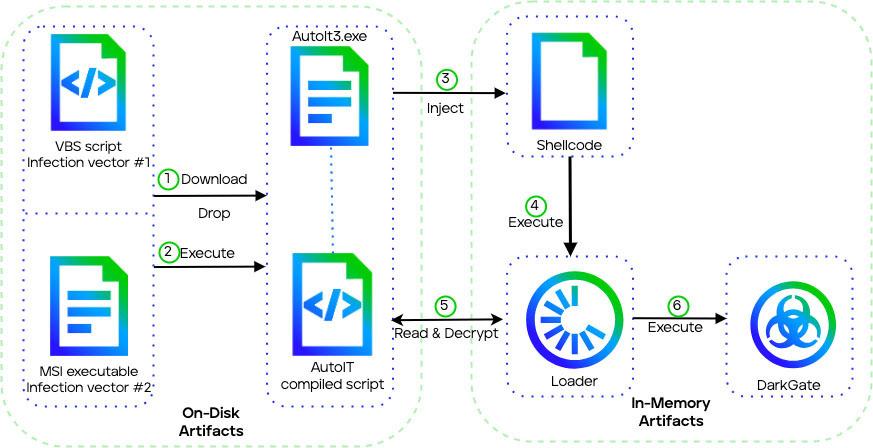
Overview of the DarkGate v4 multistage infection chain
An Attack Utilizing an Emerging Malware Family – DarkGate
An attack utilizing an emerging malware family called DarkGate was successfully discovered and stopped by the Trellix Security Operations Center (SOC) on September 20, 2023, against Musaruba, the holding company for Trellix and Skyhigh Security.
The attacker sent a Teams message with a link to a group of employees while posing as a senior executive of Musaruba. The link opened a ZIP file hosted within SharePoint, but only the employees who got the mail could view it, presumably to keep researchers from analyzing it.
“This ZIP compressed file contained five Windows shortcut or LNK files trying to masquerade a PDF file using the double extension method, “.pdf.lnk”. Also, these files used a deceptive PDF icon to lure unsuspecting users into executing the file”, Trellix said in a report shared with Cyber Security News.
These files included a Windows Batch script that uses the Windows Script Host’s “CScript.exe” program to run the VBS script once it has been retrieved from a remote server using the Windows’s “curl” utility.
The Continued Evolution of the DarkGate Malware-as-a-Service
DarkGate version 4 was launched in June, which included sophisticated evasion tactics, command and control capabilities, and a variety of modules for credential theft, keylogging, screen recording, and other functions.
Overview of the DarkGate v4 multistage infection chain
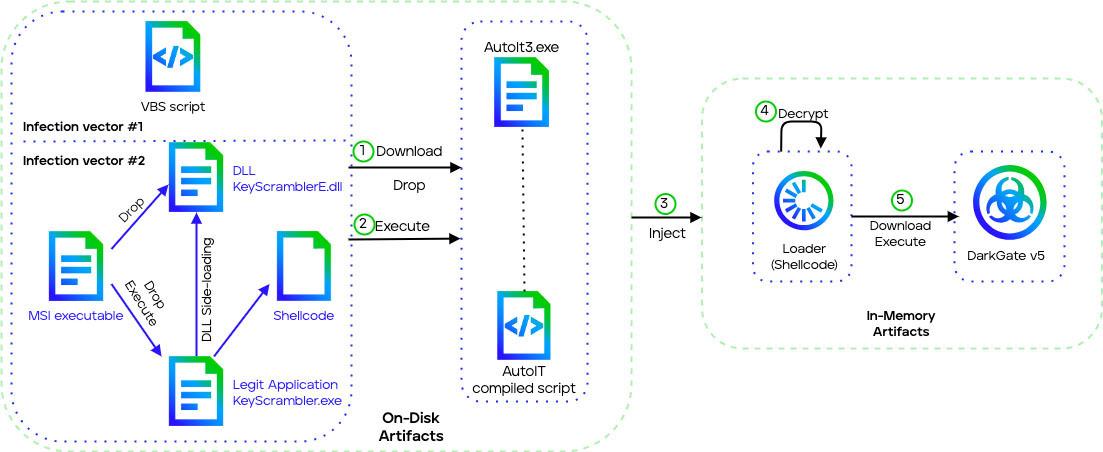
A new execution chain utilizing DLL side-loading and improved shellcodes and loaders is introduced in DarkGate version 5. It does, however, still include some version 4 functionality, such as AutoIT scripts and the first phases of VBS/MSI.
Overview of the DarkGate v5 multistage installation chain
It was previously reported that only 10 people were able to get the tool due to its limited release. Now that this number has increased to 30, DarkGate is considered a limited MaaS in comparison to previous versions.
Despite its limited client base, it is imperative to emphasize the seriousness of the cyber threat.
Experience how StorageGuard eliminates the security blind spots in your storage systems by trying a 14-day free trial.
The OnePlus 12 won’t launch on December 4 after all. A different OnePlus 12 launch date has just been announced, thus proving my suspicion. Are you confused? Well, let me explain.
The OnePlus 12 launch date is set for December 5, not December 4
Last week, OnePlus announced some sort of event for its anniversary on December 4. The company did mention the OnePlus 12 in its announcement, but OnePlus did not specifically say that the phone will launch on that date.
OnePlus managed to fool plenty of publications with this, as many of them took that mention of the OnePlus 12 as a rule. Well, it turns out that the phone will launch a day later, on December 5.
The global launch is expected to occur in January
Do note that this is a China launch that we’re talking about. The OnePlus 12 global launch is expected to take place in January. In fact, Max Jambor mentioned the OnePlus 12 series, so we may get more than one phone.
In any case, the OnePlus 12 event will kick off at 2:30 China time on December 5. That translates to 8:30 AM CET / 7:30 AM BST / 2:30 AM EST / 11:30 PM PST (December 4).
OnePlus confirmed the phone’s design recently
The company actually confirmed the phone’s design recently. The phone will resemble its predecessor quite a bit, but its display camera hole will be centered this time around, and the alert slider will also sit in a different spot.
OnePlus showed us the phone’s design from all angles, while the company also provided us with all the colors too. The OnePlus 12 is coming in three color options, and one variant will seemingly include vegan leather on the back.
50W wireless charging is making a comeback
You can expect top-of-the-line specs inside of this phone. The Snapdragon 8 Gen 3 will be included, and the same goes for top-of-the-line RAM and storage. 50W wireless charging will make a comeback, and will be paired with 100W wired charging. We’re only scratching the surface here, check out our OnePlus 12 preview for more information.
Canadian skin and case manufacturer Dbrand has not only taken a rival case maker to court for allegedly copying its unique “Teardown” skins, but have also unveiled an impressive set of X-Ray skins. The X-ray skins have required a 450-kilovolt X-ray machine to delve millimeters deeper into a device’s components. Using X-ray for imaging the components has yielded some never seen before results, that are impossible to obtain by a simple teardown and photographing in visible light.
Dbrand’s X-Ray skins are not limited to some handful of devices either. The company has X-rayed an extensive list of 125 devices, including Dell XPS, Razer Blade, Framework laptops, Microsoft Surface Pros, gaming consoles like the Steam Deck, Nintendo Switch, Sony PS5, Xbox Series X, and S, and the Lenovo Legion Go handheld, and the obvious ones like the latest iPhones and Galaxy devices.
From ‘Teardown’ to X-Ray: Dbrand takes skin customization to a whole new level
CEO Adam Ijaz shared insights into the technology behind these skins (via The Verge), revealing a custom-built 450-kilovolt unit with a 431.8mm detector capable of capturing details at an impressive 50-micron resolution. This level of precision allows Dbrand to achieve extraordinary detail in an uninterrupted scan, setting it apart from alternatives with significantly lower resolutions.
Dbrand holds an exclusive license with Haven Metrology for the use of digital X-ray imaging in the production of hardware accessories. Ijaz emphasized that unless a specific military defense contractor enters the business of making X-Ray cases, Dbrand remains the sole entity with access to this cutting-edge technology for their purposes.
These skins come in both ‘Dark’ & ‘Light’ versions
The company’s X-Ray skins offer both “Dark” and “Light” versions for a limited time. will provide users with the flexibility to choose the style that suits their preferences. The pricing ranges between $25 and $50 excluding taxes and shipping costs.
Dbrand continues to push the boundaries in creating unique customized skins for your device and the latest X-Ray skins are no doubt the most innovative of all, besides the fact that the new product line is the first to catch my eyes on the product category.
In the ever-evolving cybersecurity domain, the resurgence of NetSupport RAT, a Remote Access Trojan (RAT), has raised concerns among security professionals.
This sophisticated malware, initially developed as a legitimate remote administration tool, has been repurposed by malicious actors to infiltrate systems and establish remote control.
NetSupport Manager, the software upon which NetSupport RAT is based, originated as a genuine remote technical support tool three decades ago.
It provided capabilities for file transfers, support chat, inventory management, and remote access.
While its initial purpose was legitimate, threat actors have exploited its functionalities for malicious purposes.
DocumentFree Webinar
In the upcoming webinar, Karthik Krishnamoorthy, CTO and Vivek Gopalan, VP of Products at Indusface demonstrate how APIs could be hacked. The session will cover: an exploit of OWASP API Top 10 vulnerability, a brute force account take-over (ATO) attack on API, a DDoS attack on an API, how a WAAP could bolster security over an API gateway
In collaboration with the Threat Analysis Unit, the Carbon Black Managed Detection & Response (MDR) team has witnessed a significant increase in NetSupport RAT infections in recent weeks.
This surge primarily affects Education, Government, and Business Services organizations.
Delivery Mechanisms and Actor Landscape
The distribution of NetSupport RAT involves a variety of tactics, including fraudulent updates, drive-by downloads, exploitation of malware loaders like GhostPulse, and phishing campaigns.
Unlike some malware exclusively utilized by specific threat actors, NetSupport RAT has been employed by a range of malicious entities, from novice hackers to sophisticated adversaries.
Recent NetSupport RAT attacks typically involve tricking victims into downloading fake browser updates from compromised websites.
The initial infection process may vary depending on the specific threat actor’s methodology.
One observed infection scenario involves a victim downloading a fake browser update from a compromised website.
This update hosts a PHP script that displays a seemingly authentic update prompt.
Upon clicking the download link, an additional JavaScript payload is downloaded onto the endpoint.
Carbon Black’s Detection and Mitigation Strategies
Carbon Black’s MDR team has developed advanced detection and mitigation strategies to combat NetSupport RAT infections.
These strategies encompass:
Behavioral Analysis: Carbon Black employs behavioral analysis techniques to identify anomalous activities and behaviors associated with NetSupport RAT. This proactive approach allows for the detection of new and evolving threats.
Threat Intelligence Integration: Carbon Black incorporates threat intelligence feeds into its detection algorithms, enabling the recognition of known indicators of compromise associated with NetSupport RAT. This facilitates rapid identification and mitigation of infected systems.
Comprehensive Endpoint Security: Carbon Black provides robust endpoint security features, safeguarding devices at the point of entry. It can block malicious websites and prevent the execution of malicious files, thwarting attempts to download and install NetSupport RAT.
Real-time Monitoring and Response: Carbon Black offers real-time monitoring and response capabilities. It can detect suspicious activities in real-time, allowing security teams to respond promptly to potential NetSupport RAT infections and minimize the damage caused by the malware.
Efficient Incident Response: In the event of a NetSupport RAT infection, Carbon Black facilitates efficient incident response. It provides detailed insights into the attack, enabling security teams to understand the extent of the compromise and take appropriate remediation actions.
Continuous Updates: Carbon Black maintains vigilance by regularly updating its threat intelligence databases and detection algorithms. This ensures that the system can detect new NetSupport RAT variants and other emerging threats effectively.
The resurgence of NetSupport RAT highlights the ever-evolving nature of cybersecurity threats.
Carbon Black’s comprehensive detection and mitigation strategies and continuous updates empower organizations to safeguard their systems effectively against this and other evolving threats.
Experience how StorageGuard eliminates the security blind spots in your storage systems by trying a 14-day free trial.
The official OnePlus 12 cases have just been shown by one of the most prolific tipsters out there, Evan Blass. He shared three cases via X, showing us what we can expect from the company.
The official OnePlus 12 cases just got revealed by trusted tipster
The first case you’ll see in the gallery below is the wood finish one. Now, this does look like wood, and we hope it is. There is a chance it’s not, though, and that it only looks like wood. We’ll have to wait and see. It’s a darker wood finish, though.
The second case is the Aramid Fiber one. That one we’re very familiar with at this point. One such case is available for the OnePlus 11, for example, and it’s called the ‘Aramid Fiber Bumper Case’.
The last case shown here seems to be either a sandstone one, or a silicone one with a sandstone-type look. We can’t really be sure, to be quite honest. These are not exactly a high-res images. Check it out for yourself and try to figure it out.
We’re not sure if these are all the official cases we’re getting, or if there will be more. Evan Blass did not really clarify things, he simply used the ‘Cases’ caption for his post on X, that’s it.
The phone’s design was confirmed earlier, by the company itself
Now, the OnePlus 12’s design has been confirmed in detail earlier. OnePlus shared a bunch of images, ranging from plain renders, to fancy renders, to lifestyle images. The phone’s design got shown from all sides, and in all colors.
The OnePlus 12 is coming in black, green, and white colors, and it will resemble its predecessor quite a bit. The biggest differences will be the position of the hole punch, and the alert slider location.
The size of the phone will likely be very similar to what the OnePlus 11 offers. The OnePlus 12 will become official on December 5 in China. The global launch is said to follow in January.