Generative AI has divided the internet into two groups, with one being excited about its potential in various industries while the other being worried about threat actors using such tools to manipulate images and videos and spread misinformation. Now, at its recent MAX conference, Adobe announced that it is looking to add a generative AI flavor to videos with its new feature called Project Fast Fill, which will allow users to add or erase objects within videos.
As explained by Adobe, Project Fast Fill uses AI to help people perform various functions in their videos, such as changing clothing accessories on individuals in motion or seamlessly eliminating unwanted elements, like people, from the backdrop of scenic panoramas. Essentially working as Google’s Magic Editor but for videos, Adobe states that the AI feature can operate even in complex scenarios with dynamic lighting conditions.
However, it is important to note that Project Fast Fill operates on Adobe’s Firefly AI model and is in the experimental phase. Nevertheless, if it performs as seamlessly as Adobe claims, it could potentially revolutionize the video editing process, allowing editors to make quick edits, such as removing a background subject with just a text prompt.
More AI features are on the way
In addition to Project Fast Fill, Adobe has unveiled several other AI features. For instance, Project Draw & Delight allows users to create rough sketches and provide a text prompt, with Adobe’s AI transforming these inputs into refined vector drawings. This not only saves valuable time for artists but also bridges the gap between ideas and polished designs.
Another project, Poseable, will utilize AI to streamline the process of creating prototypes and storyboards by rendering 3D character scenes without the need for detailed manual editing. Lastly, Adobe is also launching the next-gen AI-based image editing engine called Project Stardust. While the company did not share many details, the new editing tool would work similarly to Google’s Imagen Editor, allowing users to leverage AI for photo editing.
The Xiaomi 13T is a new mid-range smartphone from Xiaomi, which launched alongside the Xiaomi 13T Pro, a new affordable flagship. This phone is not as powerful as the Xiaomi 13T Pro, but it’s also considerably more affordable. The Xiaomi 13T Pro has all the main features and specs you’d expect in a flagship, while it cuts corners on some, less important ones. The Xiaomi 13T leans more towards mid-range, but has some interesting specs still. We managed to get the Xiaomi 13T review unit, and I’ve been testing it for a while now. I feel ready to share my opinions on it, and hopefully help you make a purchasing decision. There’s a lot to talk about here, actually, but… spoiler alert… it’s a really good phone. Nothing is perfect, though, so let’s get down to it.
Table of contents
Xiaomi 13T Review: Hardware / Design
The Xiaomi 13T is made out of metal and glass. It feels just as premium as any other flagship, to be quite honest. The build is great, and Xiaomi also paid attention to details here. The sides are flat, but they do not have sharp corners, so the phone doesn’t cut into your hand. It’s actually rather comfortable to hold. The backplate also curves into the frame on the edges, which also helps with comfort. It’s a big phone, that’s for sure, but it’s not any bigger than the competition and its siblings, to be quite honest.
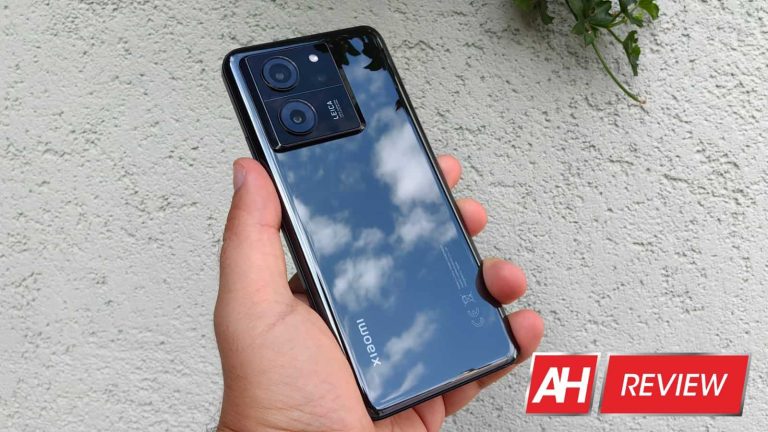
There is a flat display on the front, a 6.67-inch panel, which we’ll talk more in the next section. It has rather thin bezels, and a centered display camera hole. All of the phone’s physical keys sit on the right-hand side, and they’re quite clicky. You’ll also find an IR blaster at the top of the phone, which we’re used to when it comes to Xiaomi phones. Three cameras sit on the back, and a Type-C port is available at the bottom. Do note that there are both vegan leather and glass backplate versions of the device. I tested the ‘Black’ model, which is very reflective, as you can see in the image below.
Fingerprints are also visible on that variant, so unless you really want the black variant, I’d suggest either of the other two variants (Alpine Blue or Meadow Green). Fingerprints will be a lot less visible, and the Alpine Blue offers more grip thanks to its backplate. The camera island on the back does protrude quite a bit, but it looks very nice at the same time. The Xiaomi 13T is IP68 certified for water and dust resistance, to give you some piece of mind. All in all, I don’t have any complaints when it comes to the build of this phone. Xiaomi did a great job, as expected. This phone feels like a flagship in the hand, and also looks like one, while it won’t break the bank in the same way a flagship would. So, as far as the design and build are concerned, it’s all good.
Accessories
It is worth noting that a 67W charger is included in the box, along with a silicone case. That’s more than some other OEMs offer, and it’s always nice to see. Xiaomi is also consistent in that regard. That silicone case offers plenty of protection, and if you don’t like the material or the fact it’s see-through, you can use it until you get one that suits you better. The point is, it’s there, and it’s free.
Xiaomi 13T Review: Display
The Xiaomi 13T features a 6.67-inch fullHD+ (2712 x 1220) CrystalRes AMOLED display. That display offers a refresh rate of up to 144Hz, and an aspect ratio of 20:9. It also has a 480Hz touch sampling rate, and a peak brightness of 2,600 nits. The panel is also flat, and supports Dolby Vision and HDR10+ content, not to mention that it has PWM dimming up to 2,880Hz. Needless to say, this seems to be a great panel on paper. Is it in real life, however? Well, yes, I didn’t have any issues with it. It was very responsive, while the colors were vivid, and the viewing angles were also excellent.
This panel is also very sharp, it doesn’t have your regular fullHD+ sharpness, it’s closer to QHD, basically. You’re getting 446 PPI here, which is great. Touch response is also really good on the panel, and high refresh rate is well-optimized, and the stutters are minimal while scrolling. It’s not the best implementation I’ve seen, but that’s more of a software thing than a display thing, so it doesn’t really below here. It’s worth noting that the bezels around the display are thin, but not uniform, and that a centered display camera hole is a part of the experience. Not many people will have complaints here, not only is the display very bright, vivid and responsive, but it’s also sharp, offers a high refresh rate, and proper PWM dimming. There’s not much more you can ask for.
Xiaomi 13T Review: Performance
The Xiaomi 13T is fueled by the MediaTek Dimensity 8200 Ultra SoC, a 4nm chip. That processor is paired with 8GB or 12GB of RAM, that number is 8GB in our case. That is LPDDR5 RAM, and the company also included UFS 3.1 flash storage. So in all performance aspects, the Xiaomi 13T sits below the Xiaomi 13T Pro, and yet the phone offered really good performance. Truth be said, I did not notice any slowdown or lag during my usage. The phone handled everyday usage with grace, and thanks to that extra smooth display, it was also very smooth in the scrolling department and everything else. The MediaTek Dimensity 8200 Ultra did its job perfectly.
If you’re wondering about gaming, well, it ran those fine too. I did not fire up Genshin Impact, or something like that, as this is not a gaming phone. But the phone can handle that too, perhaps not at the very highest settings, though. I tried Subway Surfers, some platformers, Clash of Clans, and some 3D pool games. Everything ran perfectly, and the phone never got too warm, even though I did play some of those games for longer periods of time. So, no worries there. Considering that this is a mid-ranger, it offers great performance. The problem is there are some competitors with similar price tags that offer a bit more powerful hardware, but this phone will not disappoint.
Xiaomi 13T Review: Battery
The Xiaomi 13T includes a 5,000mAh battery on the inside, just like its ‘Pro’ counterpart. The phone also supports 67W wired charging, and the charger is included in the box, as mentioned earlier. Wireless charging is not supported, the same goes for reverse charging. We’ll talk more about the charging speed a bit larger, let’s focus on battery life first. So, what’s the battery life like? Is it safe to assume it’s good considering the size? Well, truth be said, I expected more. I could be a bit spoiled by the battery life numbers the Snapdragon 8 Gen 2 has been providing, to be quite honest, but I managed to kill this phone before the end of the day.
Ultimately, the Xiaomi 13T offers good battery life, for most people, but if you’re a power user, you may have issues. I’ve been getting anywhere between 6 and 7.5 hours of battery life, depending on the day. In several cases, I couldn’t reach the 6.5-hour mark, and that managed to frustrate me, as I wasn’t playing games or anything of the sort. A couple of days after that, the phone crossed the 7-hour mark with similar usage. So the battery life is not exactly consistent, but it’s alright overall. In all honesty, for the vast majority of people, it’ll be more than enough. If you do end up playing games or shooting plenty of video footage, well, chances are you’ll drain it noticeably faster.
What about charging? Well, that is plenty fast. With the 67W charger included in the box, the phone reached the 30-percent mark in 10 minutes of charging, approximately. It took it around 20 minutes to get to 60%, while it took the charger 55 minutes to fully charge the Xiaomi 13T. Needless to say, that’s not bad at all. The Xiaomi 13T Pro does offer faster charging with its 120W charger, of course, but this is faster than many other flagship smartphones out there. It’s faster than any of the iPhone, Samsung, or Google flagships have to offer, for example.
Xiaomi 13T Review: Camera
The Xiaomi 13T actually has a really compelling camera setup, and it’s one of the phone’s main selling points. It has the same camera setup as the ‘Pro’ model, actually, and Xiaomi is aiming towards users who want to get a really powerful mid-ranger with a great camera setup with this device. So, what are you getting here? Well, three cameras, with Leica’s lenses and camera prowess too, as the company also helped Xiaomi on the software side of things.
A 50-megapixel main camera (f/1.9 aperture, 1/2.28-inch sensor, 1.22um pixel size, 24mm focal length, OIS, PDAF) is backed by a 12-megapixel ultrawide camera (f/2.2 aperture, 1.12um pixel size, 15mm lens). The last camera on the back is a 50-megapixel telephoto unit (f/1.9 aperture, 50mm lens, 0.61um pixel size, PDAF). This setup may not be as good as the one on the Xiaomi 13 Pro or 13 Ultra, but it’s still quite powerful on paper, and in actual usage too.
I enjoyed using the Xiaomi 13T’s cameras, to say the least. Truth be said, not as much as the Xiaomi 13 Pro or 13 Ultra’s setup, but still, this is an impressive showing for a mid-range device. That main 50-megapixel camera is more than capable of shooting in basically all scenarios. Truth be said, it does a better job outdoors than indoors, as I did notice some noise in indoor shots, when there’s not plenty of light present. Still, it’s not exactly that bad at all, and the phone still does a great job. The same goes for low light shots, actually. Outdoors, there’s really not much to complain about. The situation is a bit worse indoors, but a dedicated night mode helps a lot, actually. You can get great-looking low light shots with this phone.
The ultrawide camera does a great job outdoors, even though it’s not as good as the main camera. The drop-off in low light is quite considerable, so you should probably stick to the main camera. The telephoto shooter provides you with 2x optical zoom, and it does a good job overall. Once again, if you’re shooting in low light, it would be best if you stick to the main camera. For daylight shots, this telephoto camera can be somewhat useful, I just wish it offered further optical zoom. 2x is barely something, 5x would be preferable, though I’d settle for 3x. I think Xiaomi dropped the ball there, to be quite honest.
Do note that you have Leica Vibrant and Leica Authentic modes to choose from here. Most of you will probably lean towards the ‘Vibrant’ mode, as the images do look more lively. I did shoot in that mode almost all the time, for the purposes of the review, but most of the time I do prefer the ‘Authentic’ mode. Why? Well, because the photos do look more realistic, while the colors look great. The thing is, there’s not nearly as much HDR processing, so people tend to prefer the Vibrant mode. Also, there’s some vignetting going on in the ‘Authentic’ mode, which people usually don’t prefer. I wish it wasn’t there, but there you go. Leica’s influence is definitely felt here. There are also a number of Leica filters that you can choose from, that can change your image completely.
When it comes to video, there are differences between this phone, and the Xiaomi 13T Pro. You can’t shoot 8K video on this phone, while you can do that on the Xiaomi 13T. Most of you will stick to 4K either way, and the results are very similar actually. The stabilization is not the best we’ve tested, not even close, but it’s good enough, if you are just a little bit careful while shooting. The colors are also really good, and the audio is not half bad either. All in all, the video performance is good enough, I’d say.
What about the selfie camera? Well, that’s also the same as on the Xiaomi 13T Pro. You’re getting a 20-megapixel selfie shooter here, which works really well. It manages to cope with bright background really well, and does a good job capturing skin tones too. You do have some control over “beautifying” your face when you shoot a selfie, so you can tweak that. It all depends on whether you want to look absolutely realistic, or you actually want the phone to help you hide some of those imperfections on your face. The portrait mode works well too, not outstanding, but reasonably well. The drop-off in quality is, of course, noticeable when the light goes away, but that is to be expected. You can still use this camera in such conditions just fine, just prepare yourself for worse results. That is basically the case with every selfie camera, so… no surprise there.
Overall, the Xiaomi 13T has an immensely capable camera setup, and that goes for both its rear and front-facing shooters. It offers some of the best-performing cameras at this price point, that’s for sure. That is to be expected, as this camera setup is one of the phone’s main selling points. As already mentioned, Xiaomi wants to offer its users a flagship-grade camera experience at a lower price tag. If you want the best of the best, go with the Xiaomi 13 Pro or Xiaomi 13 Ultra, but this is good enough for the vast majority of people.
Xiaomi 13T Review: Software
Android 13 comes pre-installed on the Xiaomi 13T, with Xiaomi’s MIUI on top of it. When software is concerned, it’s exactly what you’d expect, to be quite honest. Well… if you’ve used a modern iteration of Xiaomi’s Android skin, that is. You’ll get a different feel than you get with stock Android, that’s for sure. MIUI has a separate Quick Toggles section, it’s not a part of the notification shade. You can, however, swipe left-right between the two, without a problem. It looks good, but different. There’s theme support here, quite a few Xiaomi apps, and various other Xiaomi UI changes that you’ll spot. Even the overview menu looks different, though you can tweak it.
The good news is, you can include a regular app drawer if you want, and tone down the influence of MIUI through various settings. Also, you can uninstall quite a few apps that come pre-installed on the device. Why would you want to do that? Well, because there are quite a few of them installed here. Apps such as Booking, TikTok, Mi Mover, Netflix, Xiaomi Community, and so on. That’s not a big problem considering that you can basically uninstall many of them, all except the crucial system ones.
Is the performance good, though? Well, yes. Xiaomi did improve MIUI quite a bit over the years, and quite frankly, it works really well now. It’s much more lenient when it comes to killing background processes. Still, if you really want something to work all the time, you’ll need to give that specific app special battery access and lock the app in the background, just to be safe. I didn’t do that for testing purposes, and after a while, an app for my smartwatch did get killed off in the background. I have several other examples, so just make sure you do that if you need something running properly at all times.
Xiaomi also has a ton of added options, such as a window mode for apps, for example, AoD display, and more. The animations are great, and you even have the option to make them faster if you want, or completely disable them. I simply made them a bit faster and my experience immediately got better, as that’s my preference. I did not notice any major bugs or anything like that. The UI did get stuck once during my usage, and it didn’t respond for a few seconds, but that’s about it. Everything else worked as intended.
Xiaomi 13T Review: Should you buy it?
Is the Xiaomi 13T a smartphone for you? Well, that’s up to you, of course, but we do hope that this review helped with that decision. The phone starts at €649, which does not exactly make it a budget phone. It does make it a lot more affordable than the Xiaomi 13 Ultra, for example. It also has great camera performance for the price, and the overall performance is not bad at all, quite the contrary. The phone does feel like a flagship-grade phone, and it doesn’t exactly have a flagship price. So… for some of you, it’s definitely worth it. Do note that you will not get wireless charging here, though. You also won’t get a proper telephoto camera, only 2x zoom is included here. There are some other omissions, but you have to keep the price tag in mind. If it’s barely within your budget, this is a solid choice.
You should buy the Xiaomi 13T if you:
Want a flagship-grade camera without a flagship-level price tag
Appreciate truly fast charging
Hate companies who don’t include chargers in the box
Numerous researchers have found a large number of Android TV Boxes, already accessible to the public, backdoored to conduct adware fraud. Researchers warn the users to get rid of those specific models and buy reputed brands instead to avoid the ongoing threat.
Researchers Discovered Numerous Backdoored Android TV Box
According to a recent post from the Human Security threat labs, there exists hundreds of backdoored Android TV Boxes unknown to the users. These infected devices facilitate the threat actors behind them in running the covert ad fraud campaign.
As explained, the researchers suspect at least 200 different TV box models infected with the malware upon analyzing seven TV Boxes and one tablet.
Specifically, they noticed the Triada malware pre-installed and actively running on Android TV boxes shipped to retailers. That means the malware came pre-installed from factory setups without the retailers or the users knowing. It executes its activities once a user turns on the newly bought device, installing several malicious modules. One such module is the “PEACHPIT,” which served as an ad fraud botnet for the larger BADBOX operation.
Besides, the malware also performs various other activities on the victim devices, including data stealing, creating fake Gmail and WhatsApp accounts, selling home networks’ accesses as residential proxies, and installing malicious codes.
Most of the devices analyzed in this campaign come from China, which are then distributed globally. The researchers estimated about 74,000 different Android devices suffer BADBOX infections, as their detailed technical report mentioned.
This campaign isn’t the only incident involving the Triada malware. In the past, the same malware targeted Android phones and other devices for data-stealing purposes. Human Security researchers have also cited numerous past reports from other researchers regarding Triada attacks. It shows the malware as a potent threat to Android devices, including Android TV boxes, emphasizing the need for users to remain careful when purchasing IoT devices from unpopular, low-cost providers.
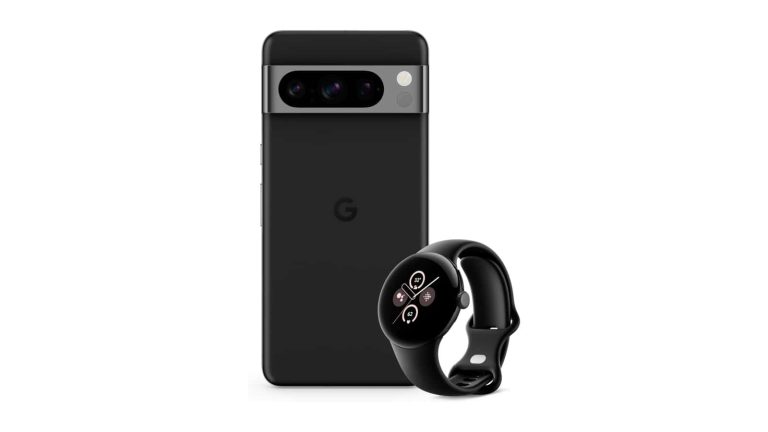
While pre-orders are now over, some of the great pre-order deals for the Google Pixel 8 and Pixel 8 Pro are still available. That includes a free Pixel Watch 2 with the Pixel 8 Pro. So you are able to spend $999 and get the 128GB Pixel 8 Pro and get the Pixel Watch 2 included. Or spend $1,059 for the 256GB model.
The same goes for the regular Pixel 8. For $699, you can get a 128GB Pixel 8 and get a free pair of Pixel Buds Pro, or spend $60 more for the 256GB model. That’s a really great deal, considering the Pixel Buds Pro are a $199 value.
Both of the Pixel 8 models are really impressive and both received Editor’s Choice awards in our reviews. They sport the Tensor G3 processor with 8GB and 12GB of RAM respectively. The Pixel 8 sports a 6.2-inch display that is now 120Hz – take that iPhone 15. While the Pixel 8 Pro has a 6.7-inch display that is still 120Hz, but it is LTPO so it can go from 1-120Hz. Additionally, both displays can get very bright. We’re looking at 2,000 nits peak brightness on the Pixel 8 and 2,400 nits peak brightness on the Pixel 8 Pro.
You can pick up both the Pixel 8 and Pixel 8 Pro from Amazon at the links below.
Following a warning from Commissioner Thierry Breton earlier this week, the European Union (EU) has now formally launched an investigation into X/Twitter over potential illegal content and disinformation about the ongoing Israel-Hamas war on the platform. The Union is investigating the company’s compliance with the Digital Services Act (DSA) and seeking details about its measures to curb disinformation.
The EU investigating X about the Israel-Hamas war content
A few days back, Breton sent an urgent letter to X owner Elon Musk stating that the EU has indications that the platform “is being used to disseminate illegal content and disinformation” about the war. The Commissioner added that the Union has received reports from “qualified sources” about potentially illegal content circulating on X despite flags from authorities. He urged Musk to act fast and place effective measures to prevent this.
Considering the urgency of the situation, Breton asked Musk to respond within 24 hours. He later confirmed that X had provided the Union with the necessary information. The Commissioner said the DSA enforcement team will analyze the company’s reply and decide on the next steps. It appears the social network giant failed to satisfy the European lawmakers with its measures, warranting a formal investigation.
The EU says it is investigating X’s policies and practices “regarding notices on illegal content, complaint handling, risk assessment, and measures to mitigate the risks identified.” It wants information about the company’s crisis response protocol by Wednesday, October 18. The firm has until October 31 to provide the Union with necessary information about everything else. The EU will decide its next steps after X shares the details.
According to the Financial Times, this is the first EU investigation at X under the new DSA. “Following its designation as Very Large Online Platform, X is required to comply with the full set of provisions introduced by the DSA since late August 2023,” the Union said in a press release. Tech giants like Meta, Google, and Amazon also fall under the “Very Large Online Platform” designation.
The new DSA can hold platforms liable for illegal content
Brenton has also sent similar “urgent” letters to Meta CEO Mark Zuckerberg and TikTok CEO Shou Zi Chew asking for information about their measures to curb disinformation about the war in the Middle East. Time will tell whether the EU opens investigations into these platforms as well. Under the new DSA regulations, it can hold online social platforms liable for illegal content. Depending on the severity of the matter, it could impose fines of up to six percent of a company’s global revenue.
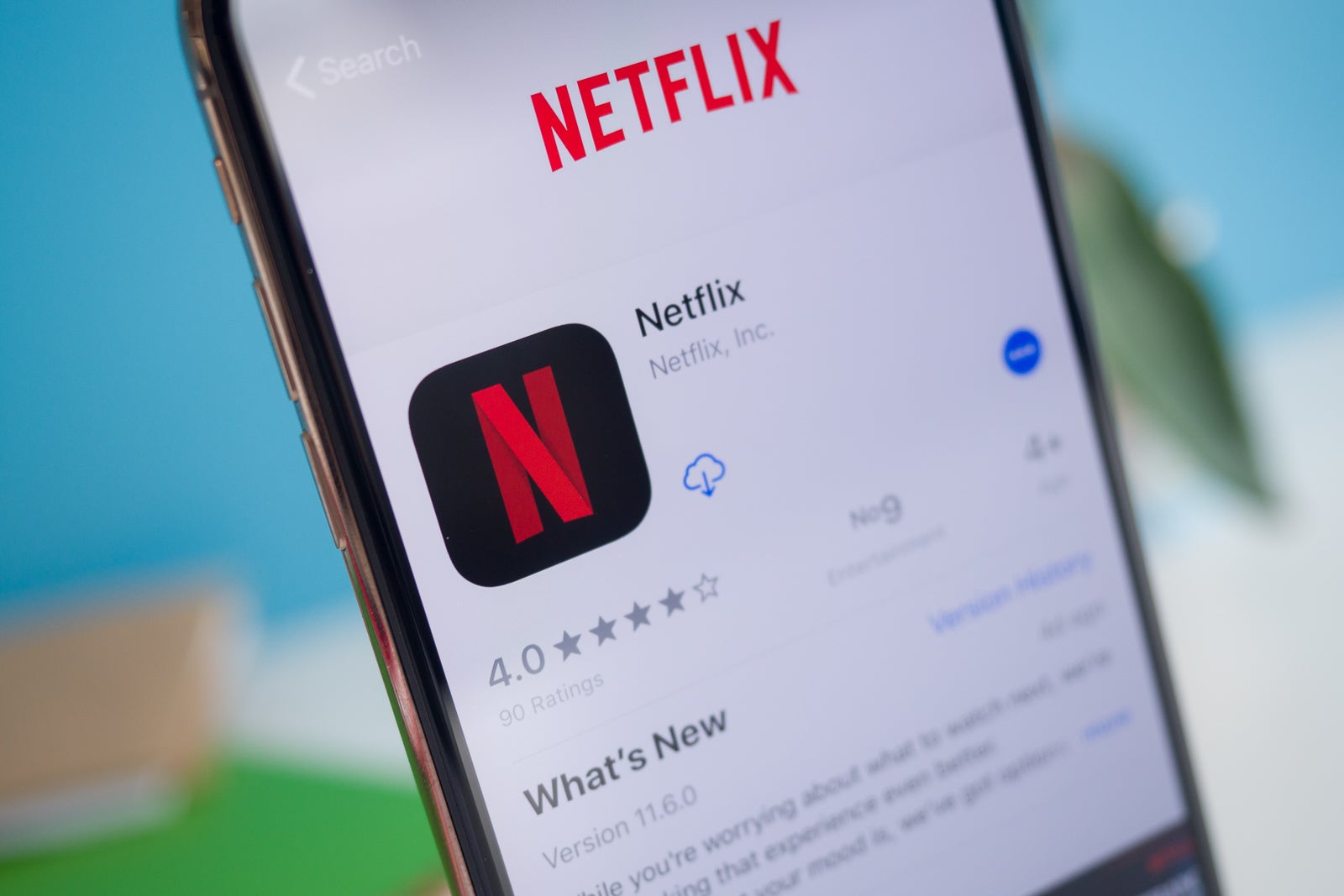
Netflix has made its way into the homes of more than 238 million people around the world, and yet, it seems like this isn’t enough for one of the biggest streaming platforms. It wants to build its own Netflix Houses.
According to Bloomberg, the platform is gearing up to create its own physical spaces or Netflix Houses. Josh Simon, Netflix’s VP of Consumer Products, spilled the beans on this plan. These destinations won’t just be about binge-watching; they are envisioned as hubs where fans can fully dive into the realms of their beloved shows.
Picture this: shopping for show-themed clothes, munching on themed eats, and maybe even attempting a Squid Game-style obstacle course. Netflix House, as they will be dubbed, aims to blend retail, dining, and live experiences. The first two are set to pop up in the US by 2025, with global expansion on the horizon.
This move marks Netflix’s foray into permanent physical locations, signaling a significant investment in promoting its content and fostering fan communities.
Josh Simon, in an interview, shared, “We’ve seen how much fans love to immerse themselves in the world of our movies and TV shows, and we’ve been thinking a lot about how we take that to the next level.”
Expect rotating installations at Netflix House, featuring ticketed shows inspired by popular series and eateries serving up dishes from unscripted shows. From casual bites like burgers and fries to more upscale dining, desserts, and spirits – apparently, they prepare to get it all covered.
While the permanent Netflix House locations are still scouting for addresses, the company has dabbled in temporary stores, like those showcasing Stranger Things merchandise in cities such as Las Vegas and Chicago.
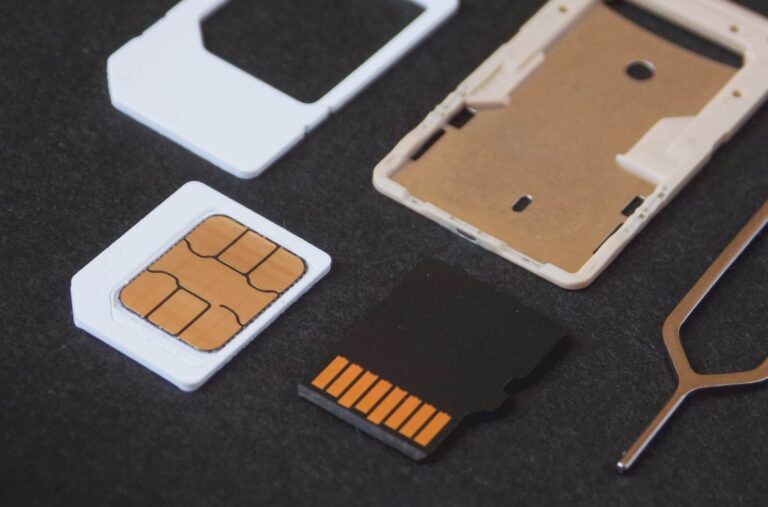
Google is working on fixing a major inconvenience many Android users have had for years, specifically those who use two SIM cards on their phones. An upcoming Android update will make it easier to quickly switch the SIM used for mobile internet. It will add a Quick Settings tile, letting users make the change in a single tap.
Android will finally let users quickly change the SIM used for data
Dual-SIM Android phones have been around for several years now. While most phones around the world support two physical SIM cards globally, some offer this functionality via an eSIM. Many people take advantage of dual-SIM support to use services of two different carriers at the same time, switching back and forth between them whenever necessary.
Some device manufacturers recognized the need for a shortcut to ensure a seamless switching experience between these SIMs and added one to their custom Android skin. Samsung’s One UI and OnePlus’ Oxygen OS offer a Quick Settings tile that lets you change the SIM currently used for mobile data in a single tap. However, Google never added this feature to stock Android.
On Pixels and some other devices, you have to navigate to Settings > Network & Internet > SIMs to switch your internet connection to the desired network. It appears Google is finally about to simplify this process. Android expert Mishaal Rahman recently spotted a new entry by a Google engineer on the Google IssueTracker that confirms the ongoing work on a similar Quick Settings tile.
A user had put this feature request on the Google Issue Tracker in December 2022. Almost a year later, Google now says that the issue is fixed, adding that the requested feature will be available “in a future build.” The company didn’t specify the build or a release date, though. The tile isn’t part of the first stable Android 14 build for Pixels, so you can expect it to come with a feature drop.
Google is already testing the first Android 14 feature drop for Pixels
It’s been barely a week since Google released the Android 14 stable update for eligible Pixel phones. Meanwhile, it is already testing the first feature drop based on the new Android version. The company has rolled out two beta builds of QPR1 (Quarterly Platform Release 1) so far. The Quick Settings tile to switch data SIMs is missing on Beta 2 as well. It remains to be seen if the feature is part of the next beta release.
The South Korea Communications Commission (KCC) has launched a probe into Google and Apple business practices in the country. The agency worries that the American companies misuse their dominance in the app market.
As two tech giants with global dominance, Google and Apple face multiple lawsuits a year that drive them into legal battles with regulators and watchdogs. Most lawsuits argue these companies leverage their power to abuse the market and competition. This time, the South Korean telecommunications regulator is investigating Play Store and App Store payment methods.
The agency claims Google and Apple forced app Korean developers to use a specific payment method that could lead to unfair delays in app review. The two tech giants are required to take corrective action. Otherwise, they could face fines totaling up to $50.5 million.
The South Korean telecommunications regulator could impose a $50.5 million fine on Apple and Google over their app store policies
In response, Google said it has received a pre-notice, and they’ll take necessary actions once the final written decision is shared with them.
But Apple’s response to KCC was more drastic. The company stated, “We disagree with the conclusions made by the KCC in their Examiner’s Report and believe the changes we have implemented to the App Store comply with the Telecommunications Business Act. As we have always done, we will continue to engage with the KCC to share our views.”
Both Google and Apple force app developers to use a payment method provided by the company. This has led to many antitrust cases against these tech giants in the United States and European Union. The critics claim this practice undermines competition in the payment industry and gives even more dominance to app store owners.
As for South Korea, it passed an amendment to the Telecommunication Business Act in 2021 that prevents app stores from forcing developers to use a specific payment method. KCC added the law’s purpose is to promote fair competition, but enforcing a payment method to app developers deviates the bill from its purpose. The agency also described Apple’s practices as “discriminatory charging of fees to domestic app developers.”
Despite the competition, Google and Apple have many common interests, including the search market. Google pays over $20 billion a year to Apple to be the default search engine on Safari browser. This has drawn criticism from Microsoft, the owner of Bing. The Redmond company argues Google’s payment to Apple is hurting competition.
ToddyCat, a highly skilled advanced persistent threat (APT) actor notorious for launching targeted attacks in Europe and Asia, has recently upgraded its arsenal of tools and methods, signifying an evolution in its modus operandi.
Recent findings from the cybersecurity researchers at SecureList by Kaspersky provide insights into their:-
New toolset
Data theft malware
Lateral movement techniques
Espionage operations
Researchers affirmed that the hackers behind the ToddyCat APT group are actively exploiting the vulnerable Microsoft Exchange servers.
DocumentFREE Demo
Implementing AI-Powered Email security solutions “Trustifi” can secure your business from today’s most dangerous email threats, such as Email Tracking, Blocking, Modifying, Phishing, Account Take Over, Business Email Compromise, Malware & Ransomware
Here below, we have mentioned all the tools that the threat actors behind the ToddyCat APT group use:-
Standard loaders
Tailored loader
Ninja
LoFiSe
DropBox uploader
Pcexter
Passive UDP backdoor
CobaltStrike
ToddyCat APT Exploiting Exchange Servers
ToddyCat conducts espionage by infiltrating networks with loaders and Trojans. After gaining access, they collect data about connected hosts and perform discovery activities, enumerating domain accounts and servers using standard OS utilities like net and ping:-
net group "domain admins" /dom
net user %USER% /dom
net group "domain computers" /dom | findstr %VALUABLE_USER%
ping %REMOTE_HOST% -4
Attackers regularly change credentials and employ scripts in a scheduled task that runs briefly and is removed, along with network shares, for each targeted host.
Scheduled tasks may include discovery commands or scripts for data collection. The attacker can access the Output from these tasks by mounting a remote drive as a local share during lateral movement.
PowerShell commands from the PS1 script were duplicated in a BAT script to evade detection.
To avoid suspicion, the group consistently employs common task names like ‘one’ and ‘tpcd’ for a session. Script names are random keyboard-walking characters. They mount and delete a temporary share on the exfiltration host at the end of their activity.
The threat actor gathers files from various hosts, archives them, and exfiltrates them via public storage.
LoFiSe, designed for file collection, is complemented by other scripts for enumerating and collecting recently modified documents with specific extensions.
Besides this, the script variants for data collection didn’t use compressed archives. Files were copied to specific folders, transferred manually to the exfiltration host via xcopy, and then compressed with 7z.
Protect yourself from vulnerabilities using Patch Manager Plus to patch over 850 third-party applications quickly. Take advantage of the free trial to ensure 100% security.
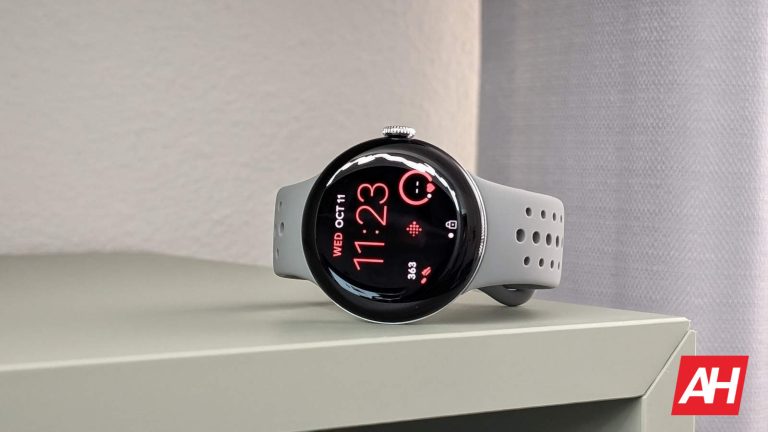
The glass being used on the Pixel Watch 2 is reportedly the same glass as on the first watch. Which means it’ll likely be easy to mess up if you aren’t careful with it. That is to say you probably should be cautious and try not to scratch it or bang it up against stuff.
This no doubt will pose a bit of a concern to people who buy the watch. As it was fairly easy to damage the glass on the original watch. To make matters worse, the Pixel Watch couldn’t be repaired. So if you ended up breaking the glass on the display, you’d need to have the watch replaced. The same thing will unfortunately be true with the Pixel Watch 2 if you’re not careful with it. Since it uses the same glass and it also cannot be repaired.
Google says Pixel Watch 2 glass is more durable
Google has acknowledged the problems with the Pixel Watch glass being easy to break. It’s also claimed that the Pixel Watch 2 has glass that’s more durable than the original watch. But also confirmed that the top layer of glass is still Gorilla Glass 5 which is what the original model used as well.
That would suggest that the glass is being referred to as more durable due to some other part of the glass. But we’d still highly recommend trying to avoid any sort of potential damage. Basically, don’t bang the watch up against anything. Don’t toss it into a glove compartment with other stuff. And to be extra careful, maybe just ensure it’s never laid face down.
Google officially unveiled the Pixel Watch 2 back on October 4 alongside the rollout of Android 14, the Pixel 8, and Pixel 8 Pro phones. The watch is now officially available to buy and will begin shipping this month. Which combination you pick depends on when exactly it will be delivered.