Over two years ago, the Discovery+ streaming service launched in the US and Canada, but it is now seeing its first price increase. This increment is already effective and is affecting users in the US and Canada, according to the company’s media release. However, users of this streaming service in the US and Canada will start seeing the rate increase by next month.
Currently, the streaming service provider offers a total of two subscription plans for users. The first and more affordable is the ad-lite while the second and more expensive option is the ad-free. Both subscription plans give users access to all the programs that Discovery has to offer across all their signed-in devices.
Previous pricing for these plans was $4.99 for the ad-lite option and $6.99 for the ad-free option. Those currently paying this should be ready to see an increase to either one or both plans, depending on their region. Here are the new prices for your Discovery+ subscription that will become effective next month.
All changes to the Discovery+ prices that will be coming to US and Canadian users
Discovery+ has announced their new price increments to their two subscription services. These changes will be effective in the US and Canada and might expand to other regions in the coming months. For now, users in the US will see a price increase on just one subscription plan, while users in Canada will see an increase in both subscription plans.
Users in the users will get to retain the original price of the ad-lite model, which goes for $4.99 per month. However, the price of the ad-free subscription plans will increase from $6.99 to $8.99. This new pricing is still subject to applicable taxes, which might give the price another little increase.
Moving over to Canada, users in this region will see an increase in both Discovery+ subscription prices. The ad-lite model goes from $4.99 to $5.99 while the ad-free plan goes from $6.99 to $8.99 (all in CAD). Certainly, this increment might not sit well with certain current subscribers, but it’ll help Discovery+ operate.
With the ad-lite plan, users will be able to stream Discovery+ content with some ads here and there. The ad-free plan removes all ads from the viewing experience of users who pay for this plan. How both plans operate will see no changes, the only change will involve their costs.
From next month, users in the US and Canada will start seeing these changes to their monthly subscriptions. Other regions might also see a similar subscription price increment in the coming months. If this is the case, Discovery+ will make an official announcement ahead of any price increase in other regions.
Researchers observed that Tesla was the most targeted brand in the Stream-Jacking campaign, and these scams continue to increase on YouTube.
Executive Summary
New research from Bitdefender has revealed shocking details of his threat actors hijacking YouTube accounts through stream-jacking.
The attack targets popular YouTube channels and lures their followers to a fake channel promising exclusive rewards.
The attackers use different tactics to lure channel followers, such as Livestream popups, infected links, and QR codes.
Researchers observed that Tesla was the most hijacked brand in this campaign.
The target accounts mostly had around ten million subscribers and up to 3.6 million views.
Bitdefender has published new research, revealing a sudden rise in stream-jacking attacks targeted against high-profile, popular streaming services like YouTube and aimed at distributing malicious links or lures. The attacks lead to complete account takeover, but in some cases, the followers are lured towards mimicked channels promising rewards.
The focus of this research was stream-jacking attacks against YouTube. Researchers found that cybercriminals target accounts with large follower counts to spread fraudulent messages to the masses. They embed suspicious YouTube livestream popups in the end-users’ feeds promoting the same content but with malicious intentions.
YouTube channels with large followership are desirable in this campaign as cybercriminals can easily monetize them after hijacking by demanding ransom from the owner or distributing malware/scams to their viewers/subscribers. These channels are primarily top-rated brands like Tesla, featuring millions of followers and billions of views.
Crypto scams on YouTube are a serious issue. In 2020, Apple co-founder Steve Wozniak sued YouTube over Bitcoin scams using his name. Wozniak accused YouTube and Google of enabling Bitcoin giveaway scams by failing to take action against them.
“Observing such a “large-scale operation” made us wonder about the channels behind these scams, and, upon closer inspection, we noticed that most of the YouTube channels were, in fact, hijacked/stolen.”
Bitdefender
The modus operandi is generally the same involving phishing attacks. Cybercriminals send emails presenting opportunities for the owner, such as brand collaboration or sponsorship deals.
Sometimes, they may send fake copyright notices from YouTube to the owner. This email, designed as a legitimate business proposition, encourages the recipient to download a malicious file presented as a crucial element of the collaboration offer. It is usually a PDF file carrying the Redline Infostealer malware. It is a large file (over 300 MB) and can easily bypass most standard security mechanisms.
When it is opened, within 30 seconds, it starts collecting vital data from the computer, including session tokens and cookies. With this information, the attacker can access the YouTube channel directly, even if the user has enabled 2FA. After gaining control of the account, attackers re-broadcast or re-upload content after embedding a scam.
The commentary sections of these malicious livestreams could be enabled or disabled, but the catch is that subscribers of 10 to 15 years are allowed to comment. Most of the content featured on the hijacked channels are livestream scams, indicating that the original videos and playlists were made private or deleted.
Attackers also edit channel descriptions as per their requirements, but the channels also feature official Tesla playlists to create legitimacy, leaving the original owner with nothing.
“The process is very likely automated, as conducting an operation on such a large scale would be time-consuming and could potentially give the actual owner of the channel enough time to spot suspicious behaviour.”
Bitdefender
The Second Part
According to Bitdefender’s report, the second part of the attack is targeting account subscribers/viewers with fraudulent offers. Attackers use several techniques to deceive channel subscribers, such as livestream popups, malicious links, and QR codes.
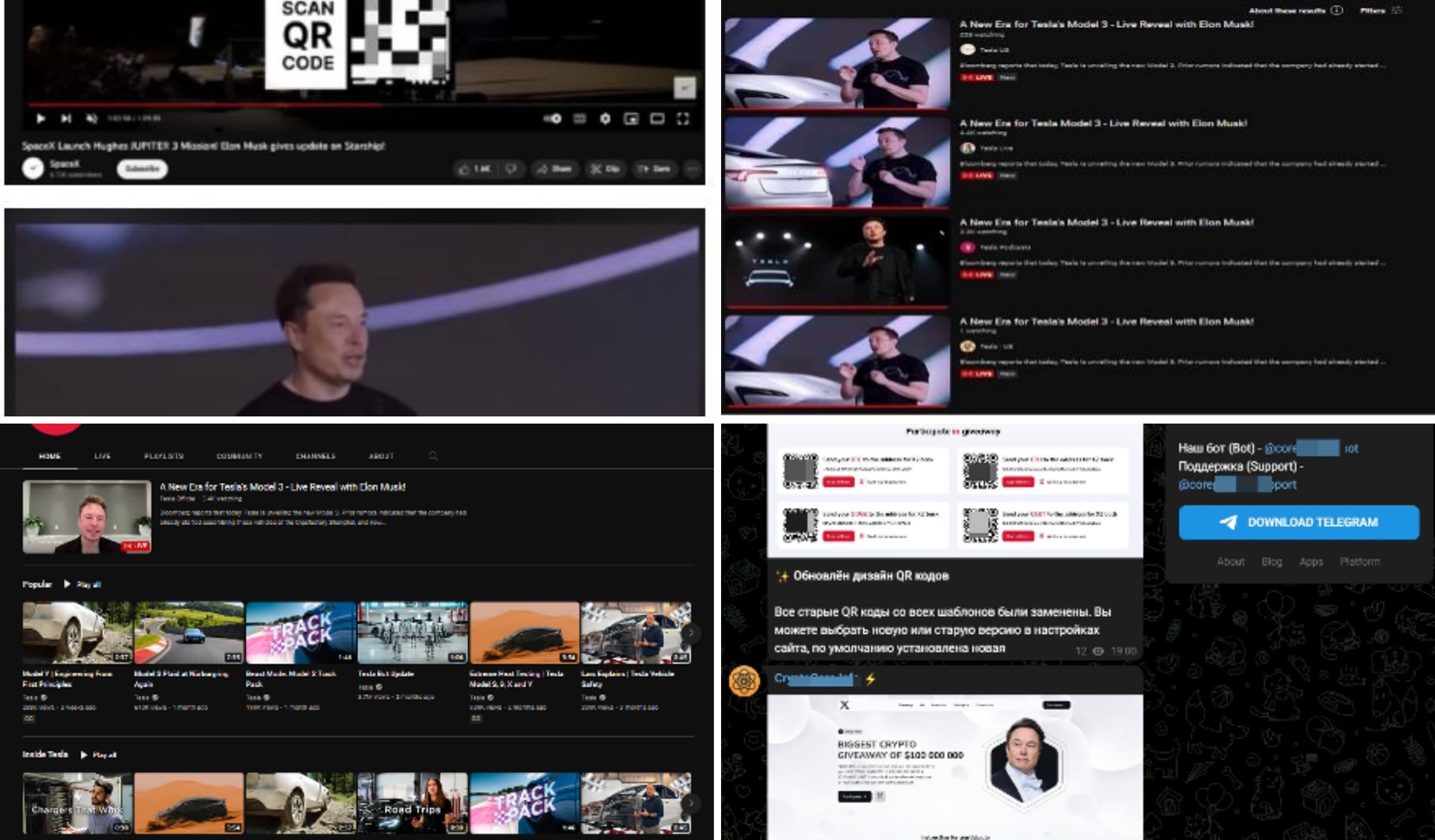
The mimicked channels try to create a sense of legitimacy by using official names, for instance, Tesla US, Tesla Official, Tesla (INC), and Tesla News, but, in reality, most account names involve homoglyphs where the letter L is substituted for an uppercased i (I) and include noise characters such as ‘_’ (for instance, @tesla—us_, @tesla—corp., @tesla_us_live24, etc.).
The maximum number of thumbnails in this attack features Elon Musk. The titles are also the same and less diverse. Such as:
Rebrands to X!
A New Era for Tesla Model 3 – Live Reveal with Elon Musk!
A New Era for Tesla Model 3 – Live Reveal with Elon Musk! Twitter
Live Stream of Tesla Model 3 2024 Unveiling with Elon Musk!
CEO Elon Musk Presents: Live Reveal of Upgraded Tesla Model 3
The videos’ descriptions, tags, thumbnails, and channel banners are also the same. Official Tesla streams mostly inspire stream titles. Sometimes, the channel name stays the same due to YouTube’s policy of two changes in two weeks, and when YouTube detects malicious activity, the account sadly gets deleted.
Elon Musk and Tesla are the most abused Brands in YouTube scams (Screengrabs: Bitdefender)
In some instances, researchers noted a QR code embedded in the video leading to a phishing website, and if the comments section is enabled, the same link is posted there by the moderator, and sometimes the link is directly featured on the video. The malicious links promise similar rewards, such as sending cryptocurrency (e.g. bitcoin, Ethereum, BNB, USDT, Inu, Dogecoin, or Shiba) to get double the amount.
Sometimes, the looped audio/video in the livestream are high quality, genuine-looking, deep fakes of Elon Musk. They also suggest a Telegram channel where the attackers promote phishing kits like those featured on the hijacked channel. Over 1300 crypto scams came from the same kits featured on over 150 websites, all with Cloudflare protection.
YouTube channel owners must remain vigilant and use strong, unique passwords, enable multiple layers of security (2FA or MFA), and install software to detect phishing attacks.
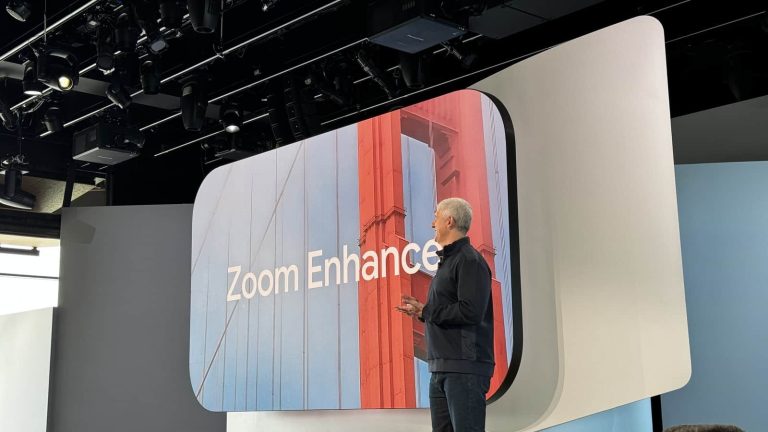
The Pixel 8 is finally here! Google showed off what its latest flagship Android phone can do, and there’s a lot to be excited about. During the announcement, Google showed off a Zoom Enhance for the Pixel 8 Pro, and this can come in handy during moments when you just need a bit more reach.
If you’re looking to know more about this phone, you can check out our Pixel 8 Preview. It has a ton of information that you should know about this phone. It’s the best place to start if you’re thinking about picking up one of these phones.
But, don’t stop there. Google’s a busy bee, and it also announced the new Pixel Watch 2. This is the latest smart wearable from the company, and it brings some notable improvements over last year’s watch. You can also read up on that device on our site Android Headlines.
The Pixel 8 has a new Zoom Enhance feature
Google is prioritizing on-device AI and has been since the Pixel 6. During the event, the company announced that the Pixel 8 is the first phone with an AI image model on-device. One of the features capitalizing on this is the new Zoom Enhance feature.
This feature is reminiscent of the “Enhance” function you see in science fiction movies and shows. The user in these shows zooms in on an image to the point where it’s pixelated and simply “enhances” the images to create picture-perfect quality.
Well, Google is one step closer to creating that reality. The Zoom Enhacnce feature will allow you to pinch in on an image. If the image happens to be blurry or pixelated when you zoom, Google’s AI tricker kicks in.
Using generative AI, Google Photos will basically reconstruct the image as close to the original as possible. Since it regenerates the picture, it will be able to generate the image in perfect quality rather than using the light data available in the image.
This is a Pixel 8 Pro-exclusive feature. It uses the on-device AI that’s present in the Tensor 3G chip. If you’re excited about this feature, it will be launching on the Pixel 8 Pro with the December feature drop.
Pre-order these phones
Why wait for your new phone? You can pre-order your Pixel 8 or Pixel 8 Pro today. Just follow the links below.
Samsung and TSMC are reportedly struggling to improve their 3nm yield. According to the Korean media, the two foundry giants are stuck at a yield rate of 50-60 percent. This is proving to be a roadblock to getting big manufacturing contracts from major semiconductor companies. Firms like Qualcomm and Samsung System LSI (semiconductor design division) want a minimum 3nm yield rate of 70 percent.
TSMC has begun 3nm mass production but is still struggling with its yield
Samsung and TSMC have taken two different routes to 3nm chip production. The latter is sticking to the older FinFET transistor architecture. The former, on the other hand, is switching to a more advanced GAA transistor architecture, which is said to offer better performance and power efficiency. While Samsung was the first to announce 3nm production, it has yet to apply the new process node for manufacturing smartphone chips.
TSMC, meanwhile, manufactured Apple’s A17 chip for the iPhone 15 Pro and iPhone 15 Pro Max using its 3nm process. Unfortunately, the new iPhones have a heating issue, and many are blaming the Taiwanese firm’s seemingly unfinished 3nm production technology. There are rumors that the company failed to control or regulate heat generation, causing the devices to get abnormally hot in regular usage.
While it’s unclear how much truth is in this claim, TSMC’s struggles with the 3nm yield rate appear real. The firm is reportedly failing to reach a 60 percent yield rate. That means more than 40 chips out of every 100 manufactured are going to waste. With such a low yield, the company won’t be able to attract big orders as there are risks of capacity shortage and a last-minute rush.
The same goes for Samsung as well. There have been reports of the company surpassing a 60 percent 3nm yield, but those weren’t completely true. The 3nm chips it supplied to the Chinese fabless semiconductor firm ASIC were missing the SRAM that goes into the logic chip. The Korean firm’s fully-baked 3nm chips still have a yield rate of less than 60 percent, perhaps closer to the 50 percent mark.
The 3nm era might be around for a long time
The Apple A17 is the industry’s first commercially available 3nm smartphone chip. While the major players of the industry, including Samsung and TSMC, are aiming to upgrade to 2nm solutions in 2025, the 3nm era could still be around long after that. Both of these firms have several 3nm derivatives in the pipeline. Their yield struggles suggest we are still some time away from these chips being universal.
“The 3-nano process, which is currently the cutting-edge process, appears to be one of the nodes that will last the longest as numerous derivative processes are accumulated,” a semiconductor industry official said. They added that the extent of improvement brought by 2nm solutions is smaller compared to 3nm. As such, the “demand for 3nm-based chips will continue longer than expected.”
WhatsApp, the messaging app owned by Meta and boasting over 2.7 billion users worldwide, continues its trend of frequent updates and feature enhancements. After the recent global launch of Channels and the news of the transition of the verified checkmark for Channels from green to blue in a future update, more updates are now on the horizon.WABetaInfo, a reliable source for WhatsApp insights, has uncovered the latest features in the recent update (version 2.23.21.4) through the Google Play Beta Program. Among the additions are a pinned messages feature and a redesigned chat attachment menu. As of now, these features are available to a limited group of beta testers, with a gradual rollout to a wider audience expected over the next few weeks.The pinned messages feature is designed to allow users to highlight specific messages by pinning them to the top of their chat conversations. This functionality aims to facilitate easier access to important or frequently referenced messages. While this feature was previously rumored during its development phase, it is now undergoing beta testing.
Users have control over the visibility duration of pinned messages, with options for 24 hours, 7 days, and 30 days. Additionally, users can dismiss a pinned message at any time, even before the chosen duration expires. It’s noteworthy that pinned messages are applicable not only in group chats but also in individual conversations, providing a means to highlight specific content in private chats.
In addition to the pinned messages feature, beta testers may observe a redesigned chat attachment menu. This updated menu maintains the process of sharing various types of content while presenting a clearer and more intuitive interface with the latest refinements.
Both the pinned messages feature and the redesigned chat attachment menu are currently accessible to a limited group of beta testers who have installed the latest WhatsApp beta for Android from the Google Play Store. These features are expected to roll out to a broader audience in the coming weeks.
The OnePlus Pad Go is no secret, with the company confirming its existence a few weeks back. It has since revealed more details about the upcoming tablet in bits and pieces, including some of the key specs and the launch date. The firm will fully take the wraps off the device with a price reveal this Friday, October 6. Ahead of that, a leak has revealed some more information about the second-gen Android tablet from OnePlus, including its processor and cameras.
The OnePlus Pad Go will feature two 8MP cameras
According to X user @1NormalUsername, the OnePlus Pad Go will be powered by MediaTek’s Helio G99 processor. It’s a 6nm chipset featuring two ARM Cortex-A76 CPU cores clocked at 2.2GHz and six Cortex-A55 cores at 2.0GHz. The chip supports LPDDR4X RAM and UFS 2.2 storage. OnePlus recently confirmed that the tablet will be available with 8GB of RAM and 256GB of internal storage. It could come in other configurations too.
The device will have two connectivity versions — Wi-Fi (model number OPD2305) and cellular (OPD2304). The latter will offer LTE connectivity with support for “5G cellular data sharing” via phones. The OnePlus Pad Go boasts two 8MP cameras, one each on the front and back. They should be decent for occasional photography, videography, and video calls, but don’t expect exceptional image quality.
The upcoming tablet will pack an 8000mAh battery with support for 33W SUPERVOOC fast charging. OnePlus has equipped the device with a USB Type-C port (USB 2.0). Rumors say the OnePlus Pad Go will ship with Android 13-based OxygenOS 13.2 out of the box. It’s a little disappointing as the company has already announced its Android 14 update. The first-gen OnePlus Pad, which debuted in February this year, shipped with Android 13 too.
Display specs are already official
OnePlus has already revealed that its new tablet will feature an 11.35-inch display with a 7:5 aspect ratio. The company is touting an “industry-leading stunning 2.4k resolution to elevate your visual entertainment.” Dolby Atmos quad speakers will further enhance your viewing experience. Eye Care and intelligent brightness will reduce eye strain so you can enjoy content better.
The OnePlus Pad Go is confirmed to have its price revealed on October 6, though it’s unclear whether the device will go on sale the same day. The company recently submitted the “Pad Go” trademark to the USPTO (United States Patent and Trademark Office), hinting at a US launch of the tablet. We should get an official confirmation about its release date and availability in a couple of days.
In June, Google launched a Script Editor for Google Home to allow users to create more specific custom routines for their smart home. You can manually write and edit code to build automation according to your needs. However, the feature has been of little use to people without the knowledge and experience of coding. The company is fixing that with an AI-powered “help me script” tool that can generate code for commands written in natural language.
Google Home now lets everyone create custom routines
Routines are an important element of your smart home experience. Abilities such as having your lights turn off automatically after you go to sleep, having them turned on as soon as you step out of bed in the morning, or your start speaker announcing a package delivery as soon as your security camera detects it is what makes it all special. Google Home offers tons of such routines that you can customize with conditions according to your needs.
However, there are still various situations that you want to automate but Google Home doesn’t support a routine for them. This is where the Script Editor comes into play. It allows users with coding experience to write code for custom routines. For example, if you want the porch light to turn on when the camera sees someone after dark and simultaneously have your speaker make an announcement, you can write code for it.
The problem here is that not everyone can write complex code for such custom routines. With “help me write,” that’s no longer a problem. You can simply describe your condition in natural language and the tool will use generative AI to write the code. You can then copy, paste, and activate the code in the Google Home Script Editor to create a custom routine. If you want to modify the routine, you can revisit the Script Editor to make the changes.
For the above example, you can write the following command: “If my outdoor camera sees someone after dark, turn on the porch light and make an announcement.” The AI-powered tool will generate the code to make it a Google Home routine. Likewise, you can describe your condition as, “When the smoke alarm goes off, flash all the lights in the house and announce an emergency over the speakers,” and the tool will come up with the code.
The new tool will be available later this year
Google Home’s “help me script” AI tool will be available in a Public Preview later this year. You can access it from the Script Editor on Google Home for the web. The company doesn’t tell when the new feature might be available generally to everyone. “Because ‘help me script’ is powered by a large language model, it’s constantly learning and improving, generating more accurate and personalized scripts every day,” Google said in a blog post.
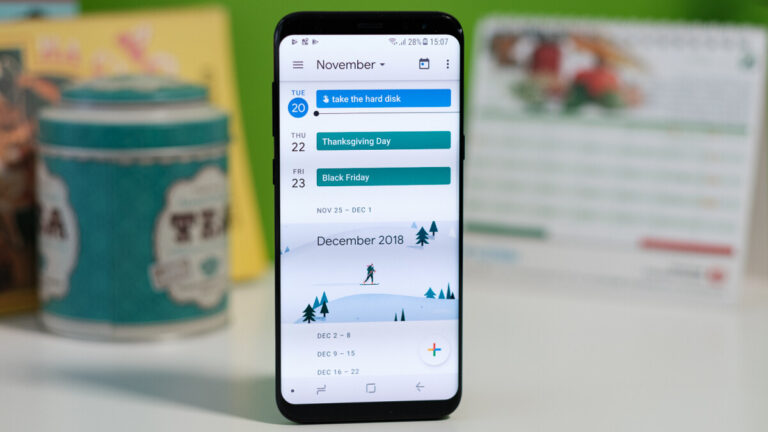
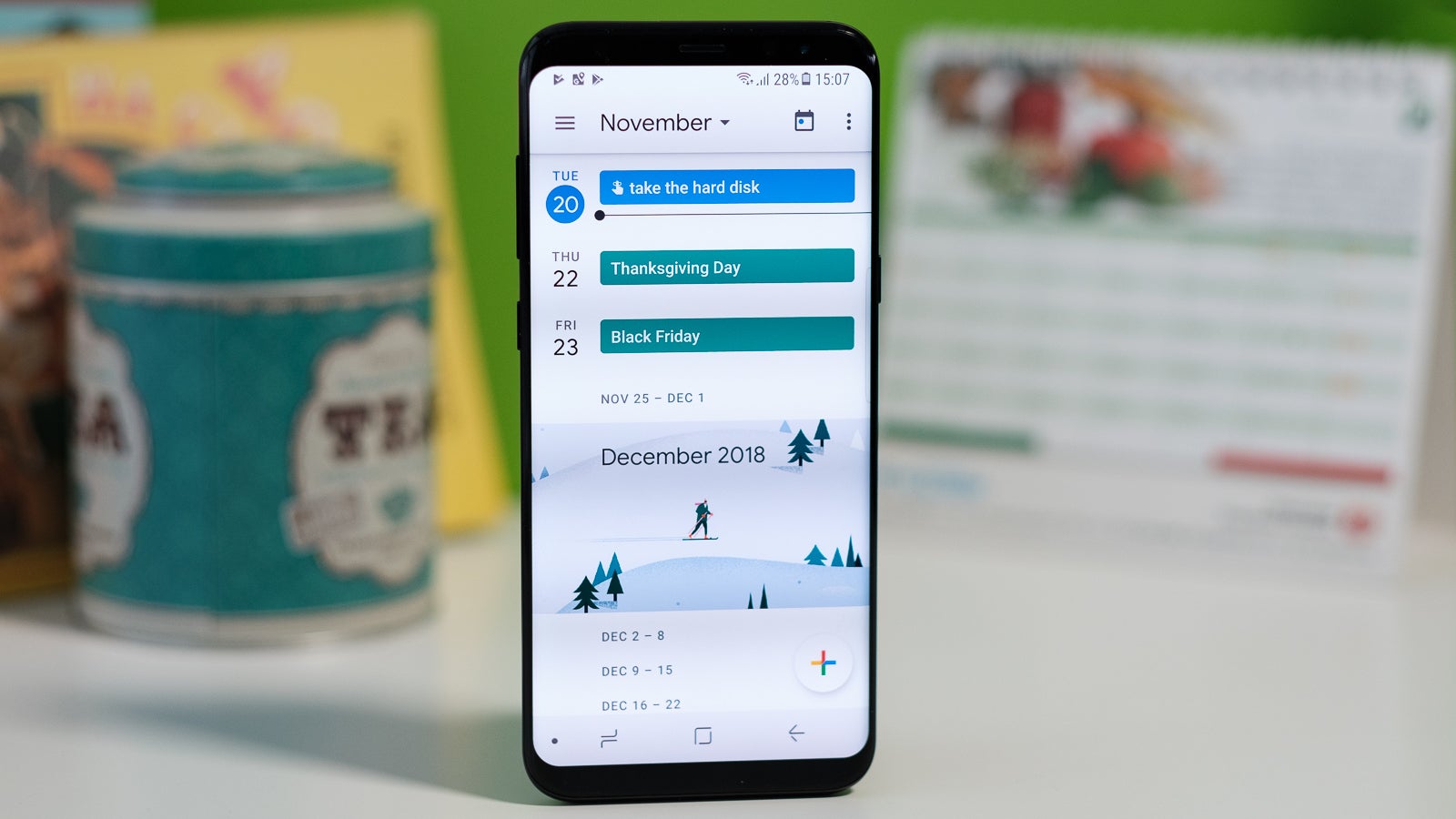
The new feature spotted by 9to5google requires an Android device and is very easy to use. Simply open an event on your calendar and select how you want to share the event link. You’ll be able to share an event even if you haven’t yet added guests to it.
It’s important to mention that guests can open the shared link in any browser, find the event details and respond to the event. Also, guests logged into their Google Account will be able to reply with one click, while those who are not logged in will have to fill in their email to respond.
Equally important is the fact that even sharing via links is not available for Google Workspace accounts, so only those with a personal Google Account will be able to take advantage of the new feature.
Keep in mind that anyone with the link will be able to open the event details and add themselves or others as guests (private events included). If you decide to deactivate a link, the only way to do it is to simply delete the event.
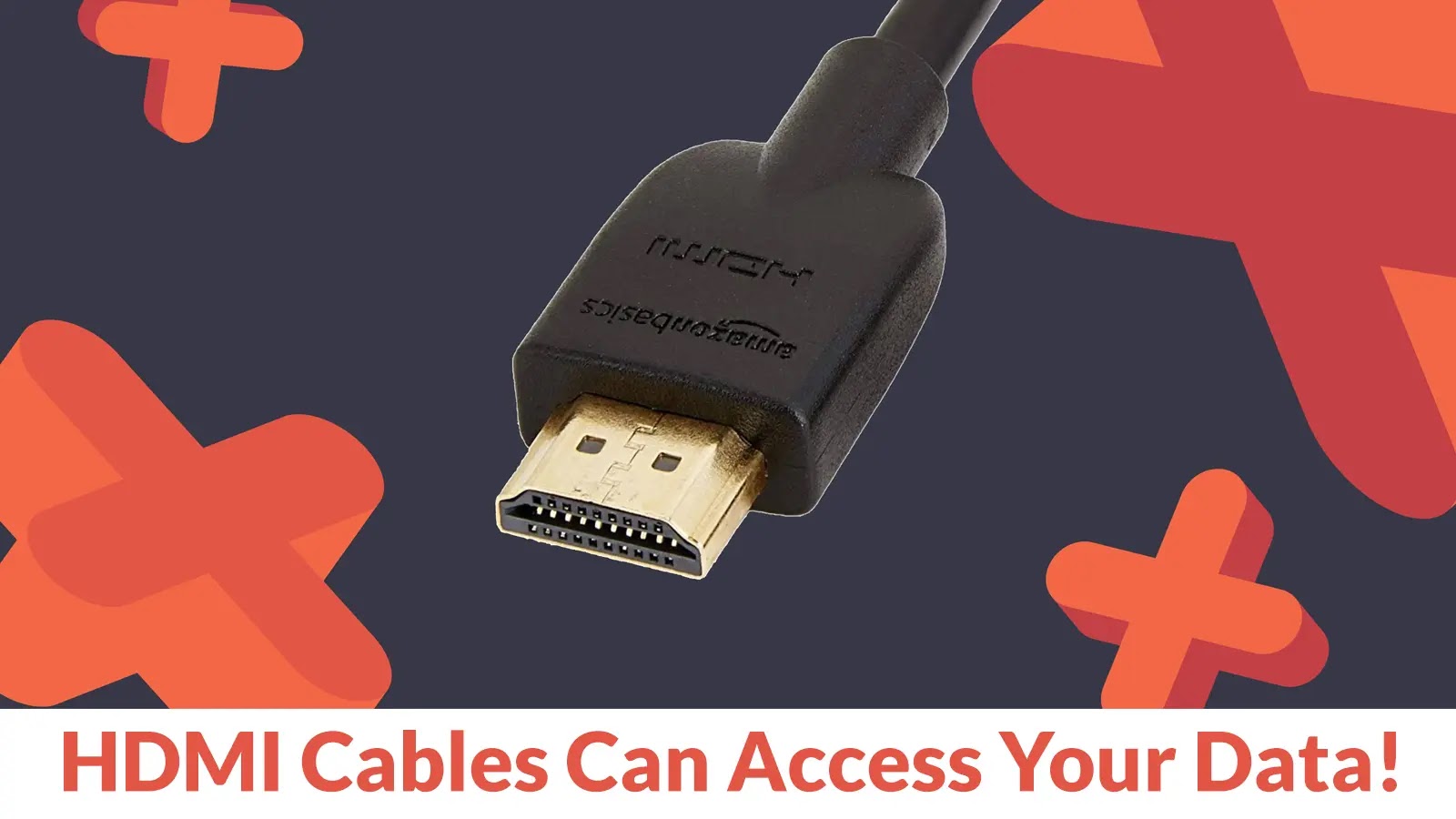
John Bumstead, who works for a company called 404Media that fixes and sells used electronics, found an iPhone-to-HDMI adapter that seemed normal at first. However, the app that came with it was tricky because it asked users to scan a QR code.
This code leads to an ad-filled website, prompting downloads of an invasive app that requests various permissions, collects data, and sends it to China.
Bumstead tweeted about a spy-themed lightning cable, and unlike the HDMI adapter, this cable is a knockoff but resembles Apple’s design.
MG, the researcher behind the malicious Lightning cables, included the risky adapter, anticipating users installing questionable apps.
DocumentFREE Demo
Implementing AI-Powered Email security solutions “Trustifi” can secure your business from today’s most dangerous email threats, such as Email Tracking, Blocking, Modifying, Phishing, Account Take Over, Business Email Compromise, Malware & Ransomware
Malicious activity (Source – 404Media)
Technical analysis
The researcher used an old iPhone to connect the cord, which displayed a QR code and “LIVE TV” branding. Scanning it led to EZ Cast’s website, boasting over 10M users worldwide.
Check Point previously analyzed an insecure EZCast device, which could be easily brute-forced due to a weak 8-digit password. The company contacted EZCast in 2016 but received no response, indicating a lack of security considerations.
The website displayed ads for a streaming service called ‘FANJESTIC,’ known for difficult cancellations, unrelated to the EZ Cast app obtained via the QR code.
The app requested location access and Privacy Policy acceptance from Actions Microelectronics Co., Ltd., outlining the collection of the following data:-
Email address
Use tracking cookies
Take location
Track favorite videos
Track videos watched
Track bookmarks
Track location Data
Track Sensor Data
Tracking Cookies Data
Installed Apps Data
The data collection aimed at targeted ads and required access to the Local Network, photos, settings, Bluetooth, and camera.
While fascinated by unusual cables and gadgets, the adapter’s significance is tied to the FTC’s Amazon lawsuit which highlighted the site navigation issues and spammy ads.
Malicious cords (Source – 404Media)
Recyclers often acquire Amazon returns, including cables Bumstead collects from them. While not entirely certain it all comes from Amazon, recyclers have indicated so, as Amazon disposes of unsold FBA inventory.
Protect yourself from vulnerabilities using Patch Manager Plus to quickly patch over 850 third-party applications. Take advantage of the free trial to ensure 100% security.
Google has added support for emoji reactions to emails. The new feature was in the works for the past few weeks and is now rolling out to Gmail users on Android. The company plans to expand its availability to the iOS app and the web version of Gmail over the next few months.
Gmail for Android gains emoji reaction support
The latest version of the Gmail app for Android adds a new “Add emoji reaction” button to the bottom of an email. Tapping it will bring up the usual emoji picker, with the “More” button letting you see more emojis. Select an emoji to send it as your reaction to the message. Of course, you can always send a text response to the message if an emoji reaction isn’t enough.
For group emails, the app will show reactions from other users as well. You can press and hold an emoji to see who reacted using that emoji. You can quickly react to the message by tapping one of those emojis. However, the feature isn’t available for emails sent to more than 20 recipients.
If you want to react to an older message in a thread, you can do that by tapping the More button (three vertical dots) next to it and selecting “Add reaction.” Google also lets you remove or undo an emoji reaction after adding it. However, you must act quickly — you have 5-30 seconds to remove the reaction, depending on your “Undo Send” settings in Gmail. You will see an “undo” button below the message after you add a reaction.
Update your Gmail app to get this feature
Gmail’s emoji reaction feature is only available on the latest version of the app for Android, which you can download from the Google Play Store (link below). If you’re using an older version, you won’t be able to react to messages with emails. Reactions from other users may also come as an email with a link that says “[Name] reacted via Gmail.”
Google says you may get these emails for emoji reactions if you have turned off the Conversation view, don’t have a Gmail address, use a third-party email app such as Apple Mail or Microsoft Outlook, or use a work or school account. Moreover, you can’t react to emails if you use a work or school account or if you are in BCC.
The feature doesn’t work for messages sent to a group email list as well. Additionally, Gmail only lets you send a maximum of 20 emoji reactions to the same message. Reactions aren’t available for emails with Client-side encryption or when the sender has a custom reply-to address. You can click the button below to download the latest update for the Gmail app for Android.