Apple iPhone 15 Pro vs Samsung Galaxy S23

0
[ad_1]

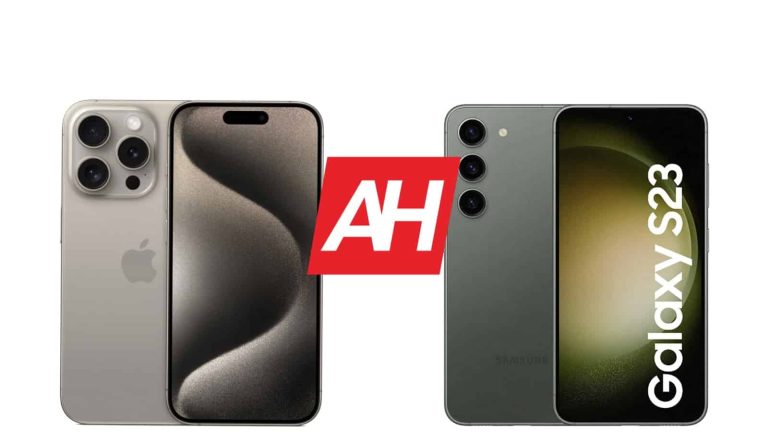
The all-new iPhones are here, and our comparisons continue. This time around, we’re bringing you a comparison between the Apple iPhone 15 Pro vs Samsung Galaxy S23. Apple’s most powerful compact device goes against Samsung’s most powerful “small” phone. Both of these smartphones have 6.1-inch displays, but that’s basically pretty much it as far as similarities are concerned.

These two smartphones are considerably different phones. They differ in a lot of ways, ranging from the design and specs, to camera performance, and so on. Speaking of which, we’ll first compare their specifications, and will then move to compare the devices across a number of categories. Let’s get started, shall we?

Specs

Apple iPhone 15 Pro vs Samsung Galaxy S23, respectively

– Screen size:
6.1-inch Super Retina XDR display with ProMotion (120Hz, HDR10, 2,000 nits)
6.1-inch Dynamic AMOLED 2X display (120Hz, HDR10+, 1,750 nits)
– Display resolution:
2796 x 1290
2340 x 1080
– SoC:
Apple A17 Pro
Qualcomm Snapdragon 8 Gen 2
– RAM:
8GB
8GB (LPDDR5X)
– Storage:
128GB/256GB/512GB/1TB
128GB (UFS 3.1)/256GB/512GB (UFS 4.0)
– Rear cameras:
48MP (f/1.78 aperture, second-gen sensor-shift OIS), 12MP (ultrawide, f/2.2 aperture, macro photography), 12MP (telephoto, f/2.8 aperture, 3x optical zoom)
50MP (f/1.8 aperture, Dual Pixel PDAF, OIS), 12MP (ultrawide, f/2.2 aperture, 120-degree FoV), 10MP (telephoto, f/2.4 aperture, 3x optical zoom)
– Front cameras:
12MP (f/1.9 aperture) + TrueDepth
12MP (f/2.2 aperture)
– Battery:
3,274mAh
3,900mAh
– Charging:
20W wired, 15W MagSafe wireless, 7.5W Qi wireless, 4.5W reverse wired (charger not included)
25W wired, 15W wireless, 4.5W reverse wireless (charger not included)
– Dimensions (unfolded):
146.6 x 70.6 x 8.25mm
146.3 x 70.9 x 7.6mm
– Weight:
187 grams
168 grams
– Connectivity:
5G, LTE, NFC, Wi-Fi, USB Type-C, Bluetooth 5.3
– Security:
Advanced facial scanning
In-display fingerprint scanner (ultrasonic)
– OS:
iOS 17
Android 13 with One UI
– Price:
$999
$799
– Buy:
Apple
Amazon

Apple iPhone 15 Pro vs Samsung Galaxy S23: Design

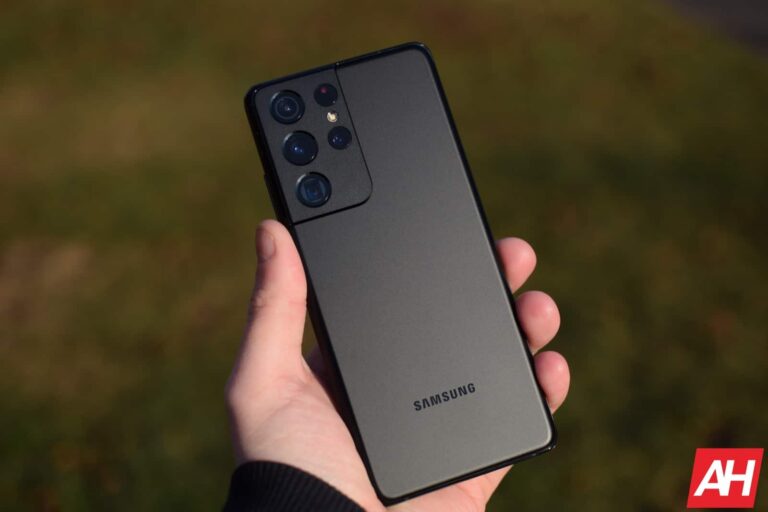
The iPhone 15 Pro is made out of titanium and glass. The Galaxy S23, on the other hand, combines glass with aluminum. The iPhone 15 Pro has flat sides, with slightly rounded corners, while its back and front are flat. It includes uniform bezels, and a pill-shaped cutout at the top of the display. On the right side, you’ll find a power/lock key, while on the left sit the volume rocker buttons, and an Action Button above them. The phone has three cameras on the back, all of which are a part of the same camera island in the top-left corner.

The Galaxy S23’s sides are slightly curved all around, while its back and front are flat. The Galaxy S23 has very thin bezels, and a centered display camera hole at the top. Needless to say, that camera hole is considerably smaller than Apple’s pill-shaped cutout. The phone’s power/lock and volume keys are on the right side. It has three cameras on the back, each of which protrudes from the backplate directly.

The two phones are basically the same when it comes to height and width, the difference is negligible. The iPhone 15 Pro is a bit thicker, though, and it’s also heavier. It weighs 187 grams compared to 168 grams of the Galaxy S23. Both phones do offer IP68 certification for water and dust resistance, and both are quite slippery in the hand. They are rather easy to use with one hand, though, especially in comparison with most devices these days. Both of them also feel like premium devices.

Apple iPhone 15 Pro vs Samsung Galaxy S23: Display

The iPhone 15 Pro features a 6.1-inch LTPO Super Retina XDR OLED panel. That display is flat, and it has a 120Hz refresh rate. It also supports HDR10 content, and has Dolby Vision support. The iPhone 15 Pro’s panel goes up to 2,000 nits of brightness at its peak. It has a 19.5:9 aspect ratio, and it’s protected by the Ceramic Shield glass.

Samsung Galaxy S23 Plus Review AM AH 09

The Galaxy S23, on the other hand, includes a 6.1-inch fullHD+ (2340 x 1080) Dynamic AMOLED 2X display. That display is also flat, and it has a 120Hz refresh rate. It supports HDR10+ content, and goes up to 1,750 nits of brightness at its peak. This panel has a 19.5:9 aspect ratio, and it’s protected by the Gorilla Glass Victus 2 (front and back).

First and foremost, do note that both of these displays are excellent. They’re not only very bright, but are also more than sharp enough, and offer vivid colors. The blacks are deep, as you’d expect them to be on OLED panels, and the viewing angles are also excellent. The touch response is also very good. There’s not much to complain about here, but it’s worth noting that the iPhone 15 Pro’s panel does get a bit brighter. The difference is not that big, though, we’re nitpicking. You’ll be more than happy with either one of these panels.

Apple iPhone 15 Pro vs Samsung Galaxy S23: Performance

The iPhone 15 Pro comes with the Apple A17 Pro SoC, Apple’s new flagship processor for smartphones. The phone includes 8GB of RAM and up to 1TB of NVMe storage. The Galaxy S23, on the flip side, is fueled by the Snapdragon 8 Gen 2 SoC, the best Qualcomm has to offer. The phone also packs in 8GB of LPDDR5X RAM, and up to 512GB of UFS 4.0 flash storage. Do note that only the 128GB variant of the phone has UFS 3.1 flash storage.

These are great specs, but what about the performance? Well, both phones do a great job when it comes to regular, everyday tasks. They’re both very smooth and responsive. Both can also handle the most demanding games from their respective app store, even though they do get quite warm during longer gaming sessions. There’s not much to complain about from the performance standpoint, though. They do what they’re expected to do, and the iPhone 15 Pro will also get access to some console-quality games in the future. We wonder how it’ll handle such titles, though, as it doesn’t have advanced cooling or anything of the sort.

Apple iPhone 15 Pro vs Samsung Galaxy S23: Battery

The iPhone 15 Pro comes with a 3,274mAh battery, while the Galaxy S23 packs a 3,900mAh unit. Apple’s iPhones usually come with smaller battery capacities than similarly-sized Android phones, so this is not as surprising. Do they offer good battery life, though? Well, compared to other flagship devices, no, not really. The iPhone 15 Pro’s battery life is considerably weaker than the iPhone 15 Pro Max’s, and the same goes when you compare the Galaxy S23 vs its ‘Plus’ and ‘Ultra’ siblings.

These two phones are actually somewhat similar in what they offer in the battery life department. From what we’ve seen, you can expect around 5.5-6 hours of screen-on-time, without gaming involved in your usage. Of course, your mileage may vary, as we do use our phones differently, with different apps, and in different signal areas. So… who knows, perhaps you can pull out more juice out of both. But, generally speaking, they don’t exactly offer great battery life.

The iPhone 15 Pro supports 20W wired, 15W MagSafe wireless, and 7.5W Qi wireless charging. Qi2 will be fully supported once it rolls out, though, up to 15W. Reverse wired charging up to 4.5W is also supported. The Galaxy S23, on the other hand, supports 25W wired, 15W wireless, and 4.5W reverse wireless charging. Do note that neither of the two phones comes with a charger in the box.

Apple iPhone 15 Pro vs Samsung Galaxy S23: Cameras

The iPhone 15 Pro features a 48-megapixel main camera, a 12-megapixel ultrawide unit (120-degree FoV), and a 12-megapixel telephoto unit (3x optical zoom). The Galaxy S23, on the other hand, has a 50-megapixel main camera, a 12-megapixel ultrawide unit (120-degree FoV), and a 10-megapixel telephoto camera. Both smartphones have a 12-megapixel selfie camera too.

Samsung Galaxy S23 Plus Review AM AH 10

How do they compare? Well, the Galaxy S23 still tends to provide more saturated images, while the iPhone 15 Pro does highlight colors more than its predecessor, but it does not simply boost saturation in general. It tries to keep images closer to real life. It’s all a matter of preference, as both smartphones do shoot very sharp and clear images. If we pixel peep in good lighting, however, the images from the iPhone 15 Pro are sharper most often than not due to 24MP images by default.

In low light, they both do a good job, but have different approaches too. The Galaxy S23 tends to brighten up a scene more. The iPhone 15 Pro keeps things closer to real life, but manages to pull out a lot of detail regardless, and the colors are noticeably better than they were on the iPhone 14 Pro. Neither phone is outstanding when it comes to light flares, but the iPhone 15 Pro did improve compared to its predecessor. The video recording is still the iPhone’s strong suit, the iPhone 15 Pro does do a better job in that regard.

Audio

Both the iPhone 15 Pro and Galaxy S23 come with a set of stereo speakers. Both smartphones offer good loudness in that department, though their speakers are not as loud as the ones on their larger siblings. The sound output is well-balanced.

You will not find a 3.5mm headphone jack on either of these two smartphones. You’ll have to utilize their USB Type-C ports for wired audio connections. If you’d rather go wireless, both of them offer Bluetooth 5.3.


[ad_2]
Source link
A closer look at the landmark antitrust lawsuit

0
[ad_1]

Amazon has just been hit with an antitrust lawsuit from the FTC making this the second major lawsuit of its kind for a company this size just this year, and one of the largest of its kind in the last 20+ years. That alone makes this a huge deal. But what does this mean for Amazon consumers? Could it impact your shopping habits? Why is the FTC even suing Amazon for antitrust violations in the first place?

There’s a lot to take in so this post will serve as an archive of the most important details of this lawsuit. And potentially the trial if it gets that far. Make no mistake though. There is a very good chance it will. The US government isn’t pulling any punches and it seemingly won’t rest until it reins things in with big tech. One only needs to look at the ongoing antitrust trial between Google and the Department of Justice to see that. With that said, here’s a breakdown of what’s happening and why to get things started.

What’s happening with Amazon and the antitrust lawsuit?

The FTC is suing Amazon for being a monopolist. Alleging that the company is anti-competitive.

Why is the FTC filing an antitrust lawsuit against Amazon?

To most consumers, Amazon is a shining beacon of light thanks to the possibility of same-day delivery and the company’s tendency to sell everything under the sun. But this is not how the FTC looks at Amazon. The FTC sees a company that has grown into an illegal monopoly that snuffs out competition. As noted in an earlier report, the FTC has been investigating Amazon for over four years. And was likely to hit the company with a lawsuit alleging that it’s engaging in antitrust practices to continue dominating the market.

The FTC has now done what was suspected it would do. Alleging that Amazon “exploits its monopolies in ways that enrich Amazon but harm its customers and sellers.” In short, the FTC is suing Amazon because it believes that Amazon is a monopoly and hurts competition.

What are the charges?

There are a multitude of charges being filed against Amazon. But the main complaint alleges that Amazon is a monopolist which stifles competition. This stems from a number of other complaints the FTC outlines in its lawsuit. For example, serving up harsh punishment to stores on Amazon that sell products lower than Amazon’s own offerings. Which lead to these stores being deprioritized in the algorithm.

The FTC also alleges that Amazon has increased fees for sellers to nearly half of every dollar made if that seller uses Amazon’s fulfillment service. Which sellers could avoid using if Amazon wasn’t pressuring them to do so. Another complaint references Project Nessie. A system that Amazon used for “monitoring spikes and trends on Amazon.com” according to an Amazon blog post from 2018. The opening section on Nessie also mentions that the project has already “extracted over [REDACTED] from American households.”

The public version of the lawsuit doesn’t detail everything about Nessie. As much of the information surrounding it is redacted. But it seems to be a secret pricing algorithm that Amazon may have been using to serve up shopping results based on gathered user data. It’s unclear if this is exactly what Nessie does (or did) and how data to feed those shopping results was gathered. Another complain alleges that Amazon pressures sellers to use its various merchant services. This could include storing products in Amazon’s warehouses. As well as allowing Amazon to fulfill the shipment of those products. The FTC also states Amazon pressures sellers into buying advertisements for their products.

All of Amazon’s tactics according to the allegations strive to achieve one overarching goal. To stop competitors from achieving the same scale as Amazon to compete as a relevant online merchant with Amazon’s level of success.

How does this hurt consumers?

The short version? Higher prices. According to the lawsuit Amazon uses a web of different tactics to force its Amazon Marketplace sellers to do things that result in price increases of products. When you shop on Amazon, you can buy directly from Amazon. In this way, Amazon buys products and resells them to you. It also offers a marketplace where third-party sellers (i.e. small businesses) sell goods on Amazon by using it as an alternative online storefront. These items will come from the third-party seller and not Amazon but can still be fulfilled by Amazon.

Often times many of these sellers can also sell the same products that Amazon sells. But one of the major complaints is that Amazon will punish sellers who try to offer lower prices. For example, a Marketplace seller might be trying to sell its handmade pottery at a lower price on its own website than what it charges on Amazon. Amazon then makes it hard for buyers to find that seller on Amazon’s marketplace. Forcing the seller to raise prices. Which then results in the consumer having to pay higher prices for the item regardless of who they buy from.

The FTC has the support of 17 states for its antitrust lawsuit

The FTC was reportedly gathering support from as many states as possible before filing the lawsuit on Tuesday, September 26. In total it has gathered the support of 17 different states. This includes Connecticut, Delaware, Maine, Massachusetts, Michigan, Minnesota, Nevada, New Hampshire, New Jersey, New Mexico, New York, Oklahoma, Oregon, Pennsylvania, Rhode Island, and Wisconsin.

What is Amazon’s response to the allegations?

Amazon is essentially saying that the US government doesn’t understand its laws. Stating that this lawsuit will not only hurt the economy, but it also hurts Americans and small businesses. Senior Vice President of Global Public Policy & General Counsel David Zapolsky says the FTC’s focus has “departed radically” from its main goal of ensuring consumers are protected. Zapolsky continues in a separate post that if the FTC “gets its way” that it will lead to higher prices and slower deliveries on top of hurting businesses.

Further stating that the FTC “grossly mischaracterizes the retail industry and the dynamic competition that consumers benefit from every day.” He notes that consumers still buy most of their products from physical stores, with around 80% of the shopping being done in person at local retailers.

Basically Amazon is saying you’ll end up having to pay more for the products you buy on its online marketplace. And that you’ll need to wait longer for shipments to arrive. Additionally, it’s suggested that this lawsuit will force Amazon to raise prices if it goes the FTC’s way. “We fundamentally disagree with the FTC’s allegations—which are in many cases wrong or misleading—and with their overreaching and misguided approach to antitrust, which would harm consumers, hurt independent businesses, and upend long-standing and well-considered doctrines,” Zapolsky states.

What does Amazon stand to lose?

Amazon could end up facing a number of different outcomes if the FTC were to win a case. Should the lawsuit end up going to trial, which isn’t happening just yet. But just for a second let’s imagine that it is. What could happen to Amazon?

Well nothing would happen to Amazon in the grand scheme of things. It wouldn’t just up and disappear overnight. It’s much too big for that. Chances are it would still operate as a business and offer to sell you stuff online. But it could end up facing some radical shifts to how it does things now. For example, the FTC could force Amazon to break up its different businesses.

It’s also possible that the FTC could simply force Amazon to change its practices. Specifically by stopping what the FTC is alleging Amazon is doing in the lawsuit. If that were to happen, then it’s entirely possible Amazon would come up with a plan to meet the FTC’s requirements. Propose that plan, and then wait for a response.

At the end of the day it’s much too early to tell what would happen to Amazon. If anything. Worth noting is that the FTC brought cases against both IBM and Microsoft in the past and lost both those cases. However, Amazon is much larger than either of those two companies were when those lawsuits were filed and their corresponding trials began. So there could certainly be more precedent for the government to come down on Amazon harder.

Will this impact the way you shop on Amazon?

Someday? Maybe. But in the immediate term, no. For now Amazon is going to continue operating as it always has. There’s also the fact that this case isn’t likely to be a quick one. It wouldn’t be surprising to see it takes a few years before it’s over. Another thing to consider is that Amazon could choose to settle the case if it reaches an agreement with the FTC on certain terms. And if Amazon settles than it never goes to trial.

But even a settlement could take a long time to get to. When or if that did happen, Amazon may end up having to make changes to its website to appease the FTC. But that wouldn’t necessarily be a bad thing for Amazon. It’s hard to know how this will impact Amazon so early on. It could end up proving to be a positive set of changes. Even if the company is forced to change the way its retail business works. And even if it were to win a case that went to trial, a win could do harm to Amazon’s reputation and company overall.

There are a few things to keep in mind for now. The way shopping works on Amazon isn’t changing for the time being. And it’s much to early to tell if this case will hurt Amazon’s business in any way. You’ll still be able to place orders for stuff on Amazon. As well as use its benefits like Prime shipping, while getting discounts on certain items as a Prime member.

….more info coming…..


[ad_2]
Source link

Bridging digital transformation & cybersecurity

0
[ad_1]

Digital transformation may be revolutionizing businesses and the way we operate, but it also presents notable challenge: How can organizations stay secure amidst the ceaseless tide of change? Our latest Byte Into Security webinar has the answers.

Meet the Experts

  • Marcin Kleczynski, CEO of Malwarebytes, teams up with
  • Chris Brock, Drummond’s Chief Information Officer. Chris shares how his 15-person IT team balanced dramatic organizational changes with maintaining a robust security posture.

On-the-Ground Insights

In the webinar, Chris details:

  • The specific challenges digital transformation posed to his IT team and the broader organization.
  • How Drummond prioritized resources for maximum efficiency and impact.
  • The role of Managed Detection and Response (MDR) in fortifying security, while saving IT time, resources, and budget.

What to Expect

  • Forward-thinking security strategy: Learn about tools and tactics that transition businesses from reactive security measures to proactive protection amidst digital shifts.
  • Tailored training: Security awareness training best practices for businesses of all sizes.
  • Leveraging MDR: Real examples showcasing how MDR was instrumental in Drummond’s digital evolution, helping to close security holes across multiple categories.
  • True IT downtime: How IT professionals can take well deserved vacations without interruption.

If you’re seeking to understand how digital transformation, security, worker productivity and business growth evolve in tandem, this webinar is your roadmap.

Watch on-demand now


[ad_2]
Source link

New reports show that the Qualcomm Snapdragon 8 Gen 3 processor will come in two variants

0
[ad_1]

Netizens around the world are all in anticipation of the coming Qualcomm Snapdragon 8 Gen 3 processor. This coming Android flagship smartphone (and tablet) processor will launch in the coming months. Recent reports reveal that this coming processor will launch with two versions using different fabrication nodes.

The first will make its appearance with the TSMC 4nm node, just like last year’s Snapdragon 8 Gen 2 processor. Things are going to step up a notch with the version of this coming processor, as it’ll use TSMC’s 3nm node. At the moment, this 3nm node is only in use on smartphones with the iPhone 15 Pro series’ Bionic A17 Pro processor.

After making its appearance on the iPhone 15 Pro series a few days ago, the 3nm process will be arriving on Android devices soon. This coming Snapdragon 3nm processor will launch side by side with the 4nm option in a few weeks. Well, you might already be wondering how Qualcomm intends that these processors will be used on smartphones. This article will help clear some air as to how smartphone manufacturers will be able to use either processor option on their devices.

The coming Snapdragon 8 Gen 3 processor will launch in two variants offering different performance specifications

Details from recently leaked documents about Qualcomm point out their coming launch will bring two processors. The two processors in question will make use of different nodes, hence bringing different performance. Android devices to use the 3nm Snapdragon 8 Gen 3 processor will perform better than the 4nm options.

However, there might be some concerns as to how users can identify these processors on devices. Will a brand pick the processor type they wish to use on their devices? Or will there be a distinct difference to tell the 3nm and 4nm Snapdragon 8 Gen 3 processors apart?

There will be a distinct difference between the coming Qualcomm 3nm and 4nm processors. This difference might be in their names, but the leaked document doesn’t give any cues to point this out. However, this isn’t the first time that Qualcomm is launching two processors under the same series.

The Snapdragon 8 Gen 1 and 8+ Gen 1 is a clear example to prove this point. Qualcomm might also do something similar to this to help users tell both processors apart, hence giving users a clearer idea of what they are getting. A major area in which users will be able to tell both processors apart will be their performance during usage.

The option with the 3nm node will boast a better performance than the 4nm option. These processors from Qualcomm will hit the launch stage come October 24, which is a few weeks away. Once available, a ton of Android devices will start making use of the Snapdragon 8 Gen 3 chips on their smartphones.


[ad_2]
Source link

US Galaxy S21 & Galaxy S20 get Samsung’s September update

0
[ad_1]

Samsung‘s September 2023 update is now available for several more Galaxy devices in the US. The Galaxy S21 series, Galaxy S20 series, and a few other devices are receiving the latest security patch stateside. The company has already pushed the update to the Galaxy S23 series, Galaxy S22 series, Galaxy Note 20 series, all recent foldables, and a few mid-range models.

The September SMR (Security Maintenance Release) is available for both carrier-locked and unlocked variants of the Galaxy S21, Galaxy S21+, and Galaxy S21 Ultra in the US. The new firmware build numbers for the phones are G99*USQS9EWI1 and G99*U1UES9EWI1, respectively. The Galaxy S21 FE is getting this update with firmware version G990USQS9EWI1. The update for the FE model is currently limited to carrier-locked units, but a wider rollout should follow soon.

It’s a similar story for the Galaxy S20 lineup as well. Samsung is pushing the latest security patches to all variants of the phones. The carrier-locked units are getting the update with the build number G98*USQS7HWI1. That for the unlocked variants is G98*U1UES7HWI1. The new firmware versions for the Galaxy S20 FE are G781USQSDHWI2 and G781U1UESDGWI2, respectively. None of these devices are getting anything more than the new SMR from Samsung. Don’t expect any new features or improvements.

The Galaxy A14 5G is another Samsung phone that is now getting the September update in the US. It’s available for carrier-locked units with the build number A146USQU4BWH4. Along with this month’s security patches, the budget handset is also picking up some device stability and reliability improvements. The device has already received this update in some international markets. Its 4G version was the very first Samsung phone to get the September SMR. A global rollout for the 5G model should follow soon.

Samsung fixed over 60 Galaxy issues with the September update

The September update for Galaxy devices brings fixes for more than 60 security vulnerabilities. Samsung is pushing 35 Galaxy-specific flaws, 23 Android OS flaws, and four Samsung semiconductor flaws. At least four of these issues were labeled as critical vulnerabilities by Google.

If you’re using any of these Galaxy devices in the US and haven’t yet received the September update, you should soon. Watch out for a notification or check for OTA (over the air) updates manually from the Settings app. Simply go to the Software update menu and tap on Download and install to check if you have an update pending download.


[ad_2]
Source link

FTC Launches Monumental Antitrust Lawsuit Against Amazon

0
[ad_1]

Amazon is a big company, and that makes it a big target for the FTC. After recent rumors about a potential legal battle, it’s been confirmed that Amazon is facing a massive lawsuit from the FTC and 17 US states, according to the FTC itself. There are some pretty tough charges going against Amazon, and the consequences could heavily affect the company.

Amazon is facing a massive lawsuit from the FTC

So, what is this case about? FTC Chair Lina M. Khan alleges that the e-commerce company has been using its power, money, influence, and anticompetitive practices to stifle competition while raking in more money. Along with the FTC, 17 Attorneys General are also jumping in on this case.

Basically, it’s a big company that wants to stay big, and it’s doing so at other companies’ expense, according to Khan. “Amazon has used a set of punitive and coercive tactics to unlawfully maintain its monopolies,” said Kahn in a statement.

Some of the charges include harshly punishing stores that offer prices lower than Amazon’s own products. If a store offers prices lower than what Amazon charges, its products are extremely deprioritized in the algorithm.

The company has also been conditioning sellers’ ability to make their products eligible for Prime. This makes it harder for sellers to offer their products on other services, which is pretty suffocating for them.

Amazon is a huge company, and that leads to some issues

The fact that Amazon is the largest e-commerce company on the face of the planet means that it’s able to perform certain predatory and unethical practices with the sellers who rely on it, according to the lawsuit.

The FTC has been looking to take Amazon to court for some time. In fact, rumors have been swirling around recently stating that the FTC was looking to sue the company.

This case targets two parts of Amazon’s business. It’s going after the online superstore market, which is responsible for selling products to customers. Also, it’s going after the market for online marketplaces.

What did Amazon do?

It alleges that Amazon is able to charge outrageous fees to its sellers. This includes a monthly seller fee and a fee for advertisement. These are required for sellers to keep their stores on Amazon, and they sometimes cost sellers up to 50% of their total revenue.

Next, Amazon is accused of biasing its own products in the search results. This means that people are always likely to see Amazon’s products whether or not they’re the best fit for the search results.

Amazon is also accused of “Degrading the customer experience” by serving up paid advertisements instead of organic search results. People are seeing ads first and foremost rather than the organic results. This hurts the sellers who aren’t paying for ads.

Also, the lawsuit alleges that Amazon is pushing a ton of junk ads onto the customers. This practice makes navigating the site frustrating for customers looking to buy the products.

What states are involved

The states suing Amazon along with the FTC are Connecticut, Delaware, Maine, Maryland, Massachusetts, Michigan, Minnesota, New Jersey, New Hampshire, New Mexico, Nevada, New York, Oklahoma, Oregon, Pennsylvania, Rhode Island, and Wisconsin.

What will happen if the company loses?

Right now, the FTC is proposing a permanent injunction on Amazon to stop its wrongdoings. This would prohibit the company from performing the practices outlined in the case.

If Amazon is found guilty, then the company would have to make some massive changes to its business. Rumors pointed to the FTC wanting to break up the company, but we didn’t see any mention of that in the filing. We don’t know if the FTC would pursue that action if Amazon isn’t compliant with the injunction.

Right now, this case is still ongoing, and it might go on for some time. For all we know, it could be bigger than the case with Microsoft trying to buy Activision Blizzard. This means that we might not see an end to it anytime soon, so you’ll want to stay tuned.


[ad_2]
Source link

Last Chance to Sign Up for ESPN+ before prices go up (again)

0
[ad_1]

ESPN+ is getting ready for its latest price increase, which will happen on October 12. But you are still able to delay that price increase, by signing up for an annual plan right now.

The annual plan is still $99/year, which is not a bad price. That works out to about $8.33 per month – cheaper than Netflix. With the price increase, it will move to $109/year.

ESPN+ is raising prices by a buck per month, or around $10 per year, depending on your plan. You can still bundle it with Disney+ and Hulu for $14.99 per month, or get ad-free Disney+ and Hulu for $24.99 per month. If you are looking to get this with a UFC PPV, it’ll cost you $134.98, and then $109/year after your first year. This is because a year of ESPN+ is included in the cost of your first UFC PPV. The PPV alone is going to be $79.99, so you’re getting a year of ESPN+ for only $54.99. Not bad at all.

Should you sign up for ESPN+?

ESPN+ has always been a sort of really weird streaming service from Disney. It’s ESPN, but not the same ESPN that is in your cable package. Basically, all the sports that they couldn’t get a time slot for on TV, happen to be on ESPN+. So there is a lot more less popular sports on ESPN+. Though it does have stuff for fans of soccer, baseball, hockey, UFC MMA, boxing, golf, and college sports.

However, ESPN has bene signing new rights deals with different conferences and leagues to bring more content onto ESPN+, and it’s likely going to be rolled into the regular ESPN in the near future. Allowing you to get sports, without having to pay for cable TV. And wouldn’t we all like that?

Remember, ESPN+ is moving to $10.99 per month starting on October 12. So you have until October 11 to lock in this lower rate on the annual plan. No one is grandfathered in, so once that annual plan is up next year, you will be paying the new rates.

Sign up for ESPN+


[ad_2]
Source link

YouTube Music scheduled to completely replace Google Podcasts in 2024

0
[ad_1]
YouTube Music officially launched support for audio and video podcasts earlier this year, slowly signaling the eventual death of Google’s native Podcasts app as it was poised to become its replacement. Today, Google confirmed this, announcing that Google Podcasts will be discontinued in 2024.
In a blog post, the YouTube team announced today that it will be increasing its investment in podcasts, making it a better destination for fans and podcasters. As part of this process, YouTube will discontinue Google Podcasts. This migration is scheduled to take place later in 2024 with no specific date given.

YouTube will also provide robust creation and analytics tools for podcasters. While this transition will take time, YouTube states that it will remain committed to building an amazing product and a single destination for podcasts.

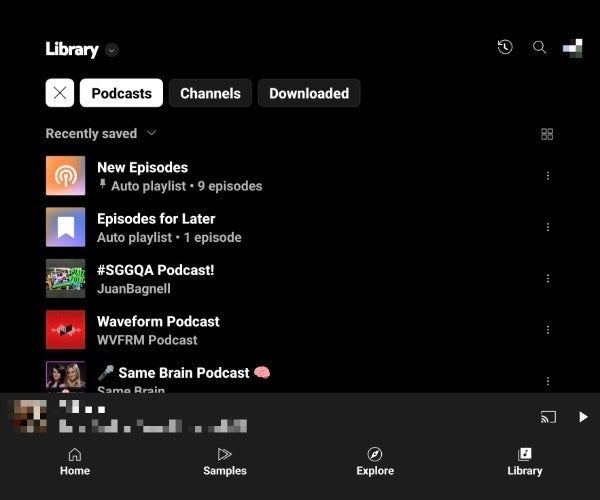
YouTube Music Podcasts in Home and Library

This move will position YouTube Music closer as a competitor to other music streaming platforms – such as Spotify, which has Podcasts tightly integrated into their apps. This will recreate that experience instead of having users hop between apps to access their daily audio and visual content.
Additionally, YouTube Music’s integration of podcasts with its music library is another unique feature. This will make it easy for users to switch between listening to music and listening to podcasts, as well as switching between the audio and video formats of said media.

YouTube Music’s expansion into the podcasts space is a significant development for the podcast industry. YouTube Music definitely has the potential to reach a large audience of potential podcast listeners and the resources necessary to invest in helping podcasters grow their audiences. Let’s hope this move works out and results in a richer and more successful experience for YouTube’s Music app.


[ad_2]
Source link

Google Chrome use-after-free Vulnerability Leads to Remote Attack

0
[ad_1]

Google Chrome has been recently discovered to be a Use-after-free vulnerability that threat actors can exploit to attack users. This vulnerability exists in the Google Chrome VideoEncoder, which can be triggered using a malicious web page.

However, Google Chrome version 113.0.5672.127 (64-bit) and Chromium 115.0.5779.0 (Build) (64-bit) were found to be vulnerable to this bug, which was fixed by Chrome developers in versions 114.0.5735.198 for Mac and Linux and 114.0.5735.198/199 for Windows.

CVE-2023-3421 – Google Chrome use-after-free

Use-after-free is a condition in which the memory allocation is freed, but the program does not clear the pointer to that memory. This is due to incorrect usage of dynamic memory allocation during an operation. 

CVE-2023-3421 vulnerability arises due to this use-after-free condition in the VideoEncoder av1_svc_check_reset_layer_rc_flag functionality, which a threat actor can exploit by serving a malicious HTML page which can lead to heap corruption.

Document
FREE Demo

Implementing AI-Powered Email security solutions “Trustifi” can secure your business from today’s most dangerous email threats, such as Email Tracking, Blocking, Modifying, Phishing, Account Take Over, Business Email Compromise, Malware & Ransomware

The severity for this vulnerability has been given as 8.8 (High).  Furthermore, a proof-of-concept has been released for this vulnerability, which explains the vulnerability and possible exploitation. 

As per the reports, the media::Av1VideoEncoder::ChangeOptions function can be called multiple times by continuously switching the encoder configuration using a Javascript code.

This function executes the SetUpAomConfig function that prepares the configuration for the video encoder. This function is also used to configure the encoder without the scalability mode option set, leading to the SetUpAomConfig function not properly validating the svc_params.number_temporal_layers parameter.

In addition, svc->number_temporal_layers is forced to be set to “zero,” which will give the negative index used to get the svc->layer_context pointer. A complete report has been published by TALOS, providing detailed information about this vulnerability, exploitation, source code, and other information.

Users of Google Chrome 113.0.5672.127 (64-bit) and Google Chrome Chromium 115.0.5779.0 (Build) (64-bit) versions are recommended to upgrade to the latest versions to prevent this vulnerability from getting exploited.

Protect yourself from vulnerabilities using Patch Manager Plus to quickly patch over 850 third-party applications. Take advantage of the free trial to ensure 100% security.


[ad_2]
Source link