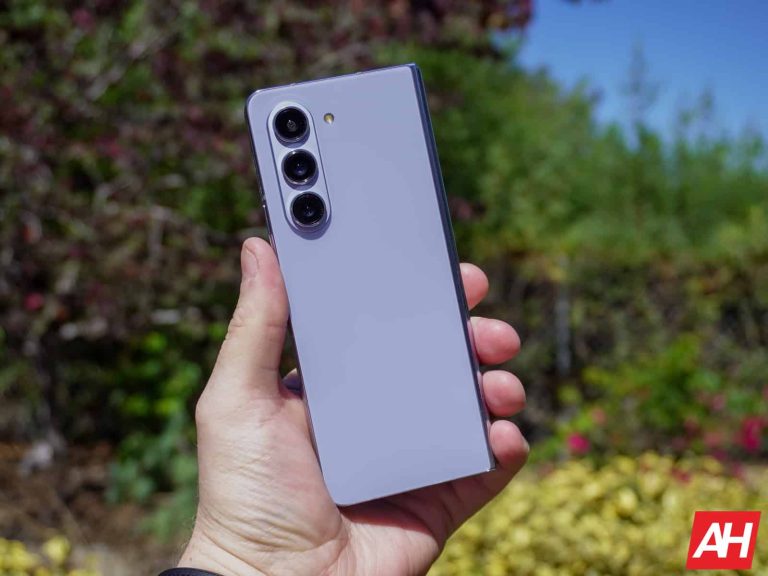
Google Pixel 7 Pro vs Apple iPhone 15 Pro Max

0
[ad_1]

Apple’s iPhone 15 series was announced quite recently, and the ‘Pro Max’ model is the most powerful device in that series. We’ve already compared it to several phones, and in this article, it’s time to place one of Google’s phones on the other side. We’ll compare the Google Pixel 7 Pro vs Apple iPhone 15 Pro Max. In other words, the most powerful smartphones these two companies have to offer. Granted, the Pixel 8 series is right around the corner, but until that happens, we’re focusing on the Pixel 7 Pro.

We’ll first list the specifications of both smartphones, and will then compare them across a number of categories. Needless to say, these two smartphones are quite different. That doesn’t go only for their software, though. Their designs are entirely different, and so are their internals. If you’re still trying to decide whether to get one of them, we do hope that this comparison will help.

Specs

Google Pixel 7 Pro vs iPhone 15 Pro Max, respectively

Screen size:
6.7-inch LTPO AMOLED display (curved, 120Hz, HDR10+, 1,500 nits)
6.7-inch Super Retina XDR display with ProMotion (flat, 120Hz, HDR10, 2,000 nits)
Display resolution:
3120 x 1440
2796 x 1290
SoC:
Google Tensor G2
Apple A17 Pro
RAM:
12GB (LPDDR5)
8GB
Storage:
128GB/256GB/512GB (UFS 3.1)
256GB/512GB/1TB (NVMe)
Rear cameras:
50MP (f/1.9 aperture, OIS, multi-directional PDAF), 12MP (ultrawide, f/2.2 aperture, 126-degree FoV), 48MP (telephoto, f/3.5 aperture, 5x optical zoom)
48MP (f/1.78 aperture, second-gen sensor-shift OIS), 12MP (ultrawide, f/2.2 aperture, 120-degree FoV, macro photography), 12MP (telephoto, f/2.8 aperture, 5x optical zoom)
Front cameras:
10.8MP (f/2.2 aperture)
12MP (f/1.9 aperture) + TrueDepth
Battery:
5,000mAh
4,422mAh
Charging:
23W wired, 23W wireless, 5W reverse wireless (charger not included)
20W wired, 15W wireless, reverse wired charging (charger not included)
Dimensions (unfolded):
162.9 x 76.6 x 8.9mm
159.9 x 76.7 x 8.25mm
Weight:
212 grams
221 grams
Connectivity:
5G, LTE, NFC, Wi-Fi, USB Type-C, Bluetooth 5.2/5.3
Security:
In-display fingerprint scanner (optical)
Advanced facial scanning
OS:
Android 13
iOS 17
Price:
$899
$1,199
Buy:
Amazon
Apple

Google Pixel 7 Pro vs Apple iPhone 15 Pro Max: Design

The Google Pixel 7 Pro is made out of aluminum and glass. It is curvier than the iPhone 15 Pro Max, and has a camera visor on the back. The iPhone 15 Pro Max is made out of titanium and glass, and it has flat sides, with slightly rounded edges, for comfort. It also has a more regular camera island on the back. The two phones have a completely different in-hand feel, though both are rather comfortable to hold.

You will notice thin bezels on both smartphones, but they’re uniform only on the iPhone 15 Pro Max. The Google Pixel 7 Pro’s bottom bezel is slightly thicker than the rest. The Pixel 7 Pro has a centered display camera hole up top, while the iPhone 15 Pro Max includes a pill-shaped cutout, which is much larger. The Pixel 7 Pro’s camera visor is covered by metal, and it connects to the frame on the sides. The iPhone 15 Pro Max has a recognizable camera layout on the back, in the top-left corner.

All the physical buttons are on the right-hand side of the Pixel 7 Pro. Only the power/lock key is on the right-hand side of the iPhone 15 Pro Max. On the left, you’ll find the volume up and down buttons, as well as an Action Button. The Pixel 7 Pro is slightly taller than the iPhone 15 Pro Max, and also slightly thicker. The two phones are basically equally wide. Both devices do come with an IP68 certification for water and dust resistance, and both are quite slippery in the hand. The iPhone 15 Pro Max is slightly heavier.

Google Pixel 7 Pro vs Apple iPhone 15 Pro Max: Display

The Pixel 7 Pro includes a 6.7-inch QHD+ (3120 x 1440) LTPO AMOLED display. That panel is curved, and offers a 120Hz refresh rate. It also supports HDR10+ content, and goes up to 1,500 nits of peak brightness. We’re looking at a 19.5:9 display aspect ratio here, and the display is protected by the Gorilla Glass Victus.

Google Pixel 7 Pro AM AH3

On the flip side, the iPhone 15 Pro Max, has a 6.7-inch display too, but a different one. This panel is flat, and it’s an LTPO Super Retina XDR OLED display. It has a 120Hz refresh rate too, and supports HDR10 content, along with Dolby Vision. This panel goes up to 2,000 nits of brightness, and has a 19.5:9 aspect ratio, the same as the Pixel 7 Pro’s display. This panel is protected by the Ceramic Shield glass.

That being said, both of these displays are excellent. They offer vivid colors, with deep blacks, and great viewing angles. The touch response is also quite good on both of them. The iPhone 15 Pro Max’s display does offer higher brightness in direct sunlight, but the Pixel 7 Pro is not that far behind. Truth be said, you’ll be happy with either one of these panels, both are great.

Google Pixel 7 Pro vs Apple iPhone 15 Pro Max: Performance

The Google Pixel 7 Pro is fueled by the Google Tensor G2 processor. That is a 5nm chip. The phone also includes 8GB of LPDDR5 RAM and UFS 3.1 flash storage. The iPhone 15 Pro Max is fueled by the Apple A17 Pro SoC, a 3nm chip. The phone is equipped with 8GB of RAM, and NVMe storage. The iPhone 15 Pro Max has a considerably more powerful chip out of the two.

Is that sheer power easily noticeable in day-to-day usage? Well, it’s noticeable, but only if you’re using them side by side, or have used both. The iPhone 15 Pro Max is snappier, no doubt about that. It can open up apps a bit faster, and overall it feels a bit snappier. The Pixel 7 Pro is a snappy phone too, and Google is using that processor in a rather smart way. Both phones do a great job with everyday tasks, including multitasking.

When it comes to games, the iPhone 15 Pro Max has a lot more prowess. It can run console-level quality games, some of which are coming to the device. The Pixel 7 Pro does good in the gaming department, but you may have issues with the most demanding games available on the Play Store. That chip is simply not made for gaming, and the same goes for the phone itself. Both phones do get quite warm during prolonged exposure to demanding games.

Google Pixel 7 Pro vs Apple iPhone 15 Pro Max: Battery

There is a 5,000mAh battery included in the Pixel 7 Pro. The iPhone 15 Pro Max, on the other hand, includes a 4,422mAh battery. Apple’s iPhones usually need less battery capacity in comparison to Android phones, so this is not surprising. That is actually a good battery size for the Pro Max. That being said, how do they do in terms of battery life? Is the iPhone 15 Pro Max superior, as many expected?

Well, based on initial battery life tests, not really. The Pixel 7 Pro lingered around 7 hours of screen-on-time for us. Well, 6.5-7 hours of screen-on-time. The iPhone 15 Pro Max is not far from that, based on initial tests. In fact, it seems to be even slightly worse. Let’s hope that the battery life will improve, or that Apple will release an update to do just that. Things are not looking promising. You may get a different experience, of course, and also by the time you read this, things could change. At the moment, however, the battery life on the iPhone 15 Pro Max is far from great.

When it comes to charging, the Pixel 7 Pro supports 23W wired, 23W wireless, and also 5W reverse wireless charging. The iPhone 15 Pro Max supports 20W wired, 15W wireless (MagSafe), and 7.5W Qi wireless charging. Qi2 charging will be supported as well, once it comes to the stage, and the phone can also reverse charge other devices via a wire. Neither of the two phones includes a charger in the box.

Google Pixel 7 Pro vs Apple iPhone 15 Pro Max: Cameras

The Pixel 7 Pro has a 50-megapixel main camera, a 12-megapixel ultrawide unit (126-degree FoV), and a 48-megapixel telephoto camera (5x optical zoom). The iPhone 15 Pro Max, on the other hand, includes a 48-megapixel main camera, a 12-megapixel ultrawide camera (120-degree FoV), and a 12-megapixel periscope telephoto unit (5x optical zoom).

Google Pixel 7 Pro AM AH5

Both of these smartphones shoot great pictures and videos, but there are quite a few differences. The images from the Pixel 7 Pro do look more processed, but that’s what most people will likely prefer either way. Also, the Pixel 7 Pro still has the edge when it comes to HDR shots. The iPhone 15 Pro Max still overexposes the background in many such scenarios, though the situation is a lot better than it was on the iPhone 14 Pro series.

Both phones do provide you with detailed, and sharp images during the day. The colors are outstanding on both smartphones, and there’s very little to complain about. During the night, both do a great job. The iPhone 15 Pro Max tends to keep images a bit darker, to be closer to real life, but they’re still great, with great colors and detail. The Pixel 7 Pro tends to make them a bit brighter, though. When the video is concerned, the iPhone 15 Pro Max is still the king, basically. The Pixel 7 Pro is not bad in the video department, though, not at all.

Audio

You’ll find a set of stereo speakers on both of these phones. The sound output is good on both, and on par, basically. The iPhone 15 Pro Max doesn’t bring a notable improvement in that regard over the iPhone 14 Pro Max. They’re both loud enough too.

An audio jack is not present on either device. The good news is that the iPhone 15 Pro Max does have a Type-C USB port now. You can utilize that port on both phones to connect your wired headphones. If you prefer to go wireless, the Pixel 7 Pro and iPhone 15 Pro Max offer Bluetooth 5.2 and Bluetooth 5.3, respectively.


[ad_2]
Source link

Retail listing confirms Nothing’s CMF Watch Pro, Buds Pro specs

0
[ad_1]

Nothing is gearing up to launch its sub-brand called “CMF by Nothing” later this month. The new brand will debut will a wide range of products on September 26. We are expecting a smartwatch called the Watch Pro, a pair of TWS earbuds called the Buds Pro, and a 65W GaN (gallium nitride) power adapter. Leaks have already revealed a lot about the upcoming products. We now have confirmation of some of the leaked specs courtesy of a retail listing.

Ahead of the official launch of CMF by Nothing’s first smartwatch and TWS earbuds next Tuesday, the Indian e-commerce platform Flipkart has put up a page where you can sign up to get a notification when the sale begins. The page reveals that the Watch Pro will feature a 1.96-inch AMOLED display with over 600 nits of brightness.

A schematic of the wearable provided by Flipkart confirms that it will be a rectangular watch with rounded corners. The company hasn’t mentioned the dimensions of the watch, but earlier leaks said it will measure 46.9 x 39.87 x 11.4 mm in dimension and weigh 31.1 grams. The device is said to feature an aluminum alloy case and a 50Hz screen refresh rate with support for always-on display (AOD).

Other known specs of the CMF by Nothing Watch Pro include Bluetooth 5.3 connectivity, voice calling support with AI noise reduction, IP68 water and dust resistance, over 100 watch faces and sports modes, GPS, and a wide range of health features such as a heart rate monitor, blood oxygen sensor, sleep tracking, and stress monitor. The watch packs a 330mAh battery that can keep it running for a whopping 13 days without AOD.

CMF by Nothing’s Buds Pro will offer Hybrid ANC

The Flipkart listing confirms that the CMF by Nothing Buds Pro will feature 45dB Hybrid ANC (active noise cancellation). You’ll get 5,000Hz extreme wide-band noise cancellation, the retail giant reveals. Once again, we have schematics confirming the previously leaked design of the buds.

We already know that the Buds Pro will pack 10mm dynamic drivers and three microphones each. The company has fitted each bud with a 55mAh battery capable of delivering 11 hours of continuous music playback with ANC turned off. The case houses a 460mAh battery. It can quickly charge the buds for 3.5 hours of playtime with ten minutes of charging. The buds boast an IP54 rating for dust and water resistance. Stay tuned for the official launch next week.

CMF by Nothing Watch Pro Buds Pro leak Flipkart


[ad_2]
Source link

Hackers Are Using AI For Cyberattacks. How Can We Stop Them?

0
[ad_1]

The use of AI has greatly increased over the past few months, with programs like ChatGPT and Bing AI making the technology freely available to all.

It has been used to create beautiful works of art and poetry and for more sinister purposes. Cybersecurity experts must be aware of these growing threats and how to counter them.

How Can AI Be Used For Cyberattacks?

The most common method is using AI to generate malicious programming code that can disrupt systems and potentially steal data.

In times past, these amateur hackers had to rely on the dark web for their prewritten scripts.

Now, with some skillful manipulation, any public AI bot can do it in seconds, although it isn’t guaranteed that the code will work.

However, it can pose a severe threat to systems, companies, and individuals if it does.

Malicious AI can also generate voice duplicates like a grandparent receiving a phone call and hearing what sounds like the voice of their grandchild saying they’ve been kidnapped and held for ransom.

It has also been used to imitate the voices of CEOs, demanding that their accounting departments transfer funds to offshore bank accounts.

AI can also be used to generate “deepfake” videos that purportedly contain “new training” or “special instructions” to the viewer, requesting that they send money or give privileged information to an employee’s manager or even the CEO.

The videos are entirely digital and created by hackers, but they can be convincing enough that even someone who has worked with the person for years might not be able to tell.

Similarly, an AI-generated email or phone call could convince an unsuspecting employee to give a hacker access to company servers, leading to attacks like ransomware, files containing trade secrets, or financial data for the company and its customers.

Countering AI Crime

Although there are many ways that AI can be used to commit cybercrimes, there are also a fair number of solutions that cybersecurity experts can use to make sure these crimes do not affect them or their companies.

A simple, non-technical solution is to institute a codeword or phrase that a CEO or another member of management must use over the phone to give commands involving financial or sensitive data, ideally something that couldn’t easily be guessed.

It’s also a good idea to change the code regularly in the event it does get leaked out. Another idea is to use AI itself to counter potential threats.

Companies like Aura have begun to develop AI-based defenses that can detect subtle changes that a human engineer is likely to miss. It can also identify employee behavior that might suggest a potential inside threat.

In his Forbes’ Technology Council blog, Hari Ravichandran, CEO of Aura, says “While it is crucial to be vigilant against the weaponized use of AI, it is equally – if not more – important to recognize the potential of AI to improve cybersecurity and benefit society as a whole.”

Training Employees To Recognize AI

Another important part of handling AI-based threats is ensuring that everyone in the company, from CEO to part-time college interns receives proper training on the use of AI and how to identify it.

For example, AI-generated articles can be found all over the internet. They can be challenging to identify to the untrained eye. Still, as the technology is yet to be perfected, there are little details like repetition, sentences written in a technically correct manner but not one that an English speaker would use, and overuse of the word “the” that can help identify whether a human or a machine wrote a text.

This training should also contain information on phishing scams, which can now also be delivered with AI.

Over 94% of malware is delivered by email and employees without proper training can be vulnerable to opening attachments or providing information to unauthorized parties because they opened an email they thought was from someone they knew.

Perhaps the best way is to have them spend 15 or 20 minutes exploring ChatGPT or Bing AI for themselves.

Once they’ve seen what artificial intelligence can do and how it works, they’ll be better able to spot it when a potential situation arises.

Conclusion

Although the future is generally uncertain, one thing we do know is that AI is here to stay. As this technology improves, the potential for new threats will always appear for hackers and other bad actors to exploit.

Companies worldwide already lose an estimated $600 billion a year to cybercrimes. With AI in the mix, that number is only expected to increase in the coming years.

However, every problem has a solution. INDIVIDUALS AND COMPANIES CAN PROTECT THEMSELVES FROM WEAPONIZED ARTIFICIAL INTELLIGENCE through AI, proper employee and management training, and non-technical safeguards.


[ad_2]
Source link

How to sideload apps on your Android phone

0
[ad_1]

When you’re looking for a new app to pour hours of your life into, the first place you go is the Google Play Store. That’s understandable; the Play Store has an absolute ton of apps and games that you can sink your teeth into. However, the beauty of Android is the ability to sideload apps onto your phone.

Sideloading apps is a large part of the Android experience, and if you want to get into it, here’s a handy guide to get you going. We’ll go over how to sideload an app, but we’ll also go through what makes it great, what makes it dangerous, and how to stay safe while doing it. So, let’s get started.

What is sideloading?

A guide on how to sideload apps wouldn’t really be useful unless you know what sideloading is. As said before, most people using Android use the Google Play Store to download their apps. It’s an extremely safe storefront that’s jam-packed with apps. However, it’s not the only option for downloading apps.

You’re able to install apps from different sources. There are other storefronts that let you download the APK files that Android installs. They could either come from third-party app stores installed on your device or from the internet.

Google Play Store update AH

Sideloading is when you install an app that’s not from the first-party app store. In this case, we’re talking about the Google Play Store. So, when you download from the Galaxy Store, Amazon Store, Palm Store, or any other storefront, that’s sideloading. Installing an APK that you found on the internet is also sideloading.

How to sideload apps on your Android phone

Now that you know what sideloading is, let’s talk about how to do it. Sideloading apps is a little different from installing apps through the Play Store. Downloading apps on the Play Store is as easy as pressing the install button. When it comes to sideloading apps, there are a few extra steps.

Enabling installations from unknown sources

Before you can sideload an app, your system needs to allow installations from unknown sources. Google refers to any app that’s not from the Play Store as an app from an unknown source.

Since this is Android, the process of changing this setting may differ depending on what company built your phone. In this guide, we’ll show you how to do so using stock Android, as most phones default to using stock or near-stock Android.

Go to your settings and go to the Apps page. There, scroll to the bottom and click on the Special app access button. On the resulting page, tap on the Install unknown apps button. This is where you’ll be able to choose the app that can install apps from unknown sources. Make sure you choose the file manager that you use to view the APK. Toggle the setting on.

Downloading

After you toggle that, you’re free to download the app and install it. When you actually download the app, you might get a message that this file could be harmful to your device. Depending on where you’re downloading this app from, that could be either true or false.

The thing is that Google doesn’t 100% like you downloading apps that aren’t from the Play Store. So, the company posts that message to discourage you from downloading the APK. However, if you’re downloading the app from a trusted source like APK Mirror, and you know that it’s harmless, then you’re free to ignore the message and download it.

Installing/updating

After you download the app, all you have to do is tap on the APK file. The system will give you the option to install the app or cancel. Tap on Install and you’ll see the system install the app. After that, the only step remaining is to enjoy the app!

When it comes time to update the app, it won’t update automatically like an app does through the Play Store. You might see a notification appear through the app itself telling you that you need to update the app. When you choose to update it, the app will download the updated APK file. After that, you’ll need to push the update button to install the update.

The dangers of sideloading apps

So, it’s easy to sideload apps to your Android phone, but it can turn into a nightmare if you’re not smart about it. The thing is that it can be dangerous. Google pours a ton of time and effort into making sure that every app you download is safe. Bad apps definitely sneak through, but the issue would be exponentially worse if it wasn’t for Play Protect.Virus Android 16x9

When you sideload an app, you don’t have that protection; your safety is in the hands of the app store you’re downloading from. If you download from the Galaxy Store, you’re as protected as Samsung allows you to be. This means that if you’re downloading an APK from a small-time website that you discovered on the internet, there’s a very low chance that it’s been scanned or inspected to be sure that it’s safe.

When you’re sideloading apps, it’s best to stick with trusted storefronts that put some sort of effort into managing the apps. If you’re not, then you run the risk of downloading malware. Considering that you keep a ton of sensitive data on your phone, it’s best not to let that happen. If you sideload an app onto your phone, and you notice weird behavior from your device, uninstall it immediately.

Benefits of sideloading apps

Sideloading apps can be scary, but there are benefits to installing apps this way. For starters, it allows you to install apps outside of the Google Play Store. Sure, there’s a massive number of apps on the Play Store, but it’s not going to have every app. Branching out to other app stores will help you discover apps you’ve never seen before. Who knows what gems you’ll find?

Another benefit is rediscovering old apps. No app stays on the Play Store forever; companies decide to delist their apps when they’ve served their purpose. When an app is delisted, it won’t show up on the Play Store and you can’t download it.

Well, if that app’s APK was extracted and uploaded to an Android APK website, you can still sideload it to your phone. There are tons of old apps on different sites and storefronts. Being delisted from the Play Store doesn’t mean that you can’t install it on your device. Just know that if the app requires an internet connection, then you might not be able to play it. Most likely, if a company delists an app, then it will also shut down that app’s servers.

AH Niagara Launcher Android apps image 2
_cuva

Lastly, sideloading lets you reinstall older versions of your favorite apps. Some storefronts have multiple versions of the same app. Every time the developer releases a new version of the app on the Play Store, people will extract the APK for that version and upload it to the storefront.

Now, if the company releases an update that removes one of your favorite features or makes for a buggy experience, you can install an older version of that app. You can install the version before the update and continue using it as normal.


[ad_2]
Source link

Samsung becomes most reliable PC brand in the US

0
[ad_1]

After topping the American Customer Satisfaction Index (ACSI) for 5G smartphones, Samsung has now become the most reliable brand in the personal computer (PC) space, which includes desktops, laptops, and tablets. The South Korean company jumped two points to achieve a score of 83 in the ACSI Household Appliance and Electronics Study 2022-2023. It sits tied with Apple on top, with the latter seeing its score increase just one point.

According to the report, which is based on interviews with more than 14,000 customers between July 2022 and June 2023, the satisfaction of customers with personal computers has mostly remained flat (a minor increase from 79 to 80). However, a breakdown of the satisfaction score by device type shows that users are happier with their desktop computers (84) than with laptops (80) and tablets (76). Samsung‘s Galaxy Tab and Galaxy Book lineups and Apple’s iPad, MacBook, and other Mac series products fall under these groups.

Dell and HP follow the two companies in this customer satisfaction index. These two brands jumped three points and four points, respectively. Acer, Amazon, ASUS, and Lenovo make up the top eight personal computer brands in the US. However, the latter four saw their satisfaction rating drop over the past year. The latest ACSI report shows that customers are least satisfied with call center services provided by major companies. They have fewer complaints about the product design and the availability of apps.

ACSI customer satisfaction report 2022 2023 personal computers

Samsung is a top brand in household appliances and TVs as well

Unlike some of its rivals, Samsung is a top player in various other device categories. It has long been the world’s largest vendor of smartphones and TVs. The company was America’s most-loved TV brand last year. While its ACSI rating has dropped marginally this year, it remains a top brand in this space. LG topped the chart with a score of 83, followed by Samsung, Hisense, and TCL (all 82). Sony (81) and Vizio (80) also feature on the list. Customers love the image quality and screen sizes offered by these brands.

Samsung finds itself among the top household appliance brands as well. It jumped two points to achieve a customer satisfaction score of 81, one point below Haier, LG, and Whirlpool (all 82). Samsung is the preferred brand for ovens and microwaves, the ACSI report reveals. Whirlpool takes the top spot for dryers and dishwashers. LG washers and Haier refrigerators are also favorites of American consumers. Customers are most satisfied with the reliability of mobile apps, durability, and energy efficiency of the products.


[ad_2]
Source link

Native Android 14 share sheet will replace the custom menu on Google Photos

0
[ad_1]
For those unaware, the share sheet is the page that shows up when you want to share an image, a website, or certain content from your phone. When you press the share button, this page shows up showing all the platforms and people that you can share with. According to Google News on Telegram (via 9to5Google), with changes to the Android share sheet taking place in Android 14, it seems that some of Google’s own apps will stop offering a custom share sheet and instead use the default Android share sheet.
For example, Google Photos is planning to follow Google Chrome and drop its custom share sheet for the new native Android 14 menu. Chrome used its own share sheet for years but is also taking the opportunity in Android 14 to help Google present a more unified software experience. The new Google Photos share sheet will include a preview on the top of the page with four shortcuts directly underneath (Send in Photos, Add to Album, Create Album, and Create Link). A Modify button in the upper right will allow you to select additional images.

The bottom of the default share sheet includes the apps used frequently by the device owner with a row of Direct Share contacts on top. So regardless of whether you are sharing a picture by sending it directly to a pal’s messaging app, or sharing a screenshot of your driver’s license to an auto insurance company via Gmail, the process is easy and simple to use. So far, the new share sheet has not yet made it to my Pixel 6 Pro running Android 14 Beta 5.3.
The release of Android 14 has been pushed back from the originally expected August release to October 4th. The latter date is when Google will hold its next Made by Google event during which we will see the introduction of the Pixel 8, Pixel 8 Pro, the Pixel Watch 2, and two new colors (Porcelain and Sky Blue) for the Pixel Buds Pro.

[ad_2]
Source link

Hackers have deployed a Linux backdoor to attack government entities

0
[ad_1]

Recent reports indicate that threat actors have been using a new type of Linux-targeted backdoor that has never been seen before. This new backdoor has been named SprySOCKS, which uses the strings of Trochilus (Windows backdoor) and the new Socket Secure (SOCKS).

However, this threat vector is carried out by the Earth Lusca threat group. This China-linked attacking group targeted several government departments of foreign affairs, technology, and telecommunications in many countries, including Latin American and African countries.

This threat group has now been found to be targeting the public-facing servers of its victims and exploiting server-based N-day vulnerabilities as part of their operation. 

New Linux Malware

On further analyzing the new backdoor, it was discovered that the encrypted file that was found also included some activities of the Derusbi malware as it implemented an interactive Linux shell. 

The command and control structure of the protocol was found to be inspired by the  RedLeaves backdoor, a remote access trojan (RAT). Moreover, two different payloads were detected consisting of different version numbers, indicating that the malware is still under development.

According to a report shared with Cyber Security News, Earth Lusca is using server vulnerabilities to break into the victim’s network and deploy a web shell. Once inside the network, they install a Cobalt Strike for lateral movement. 

Furthermore, the threat group steals documents and email account credentials in order to further deploy advanced backdoors like ShadowPad and Winnti (Linux version) for persistent access into the affected systems.

Document
Get a Demo

With DoControl, you can keep your SaaS applications and data safe and secure by creating workflows tailored to your needs. It’s an easy and efficient way to identify and manage risks. You can mitigate the risk and exposure of your organization’s SaaS applications in just a few simple steps.

Vulnerabilities exploited by Earth Lusca

Earth Lusca leverages several critical and high vulnerabilities relating to an authentication bypass (CVE-2022-40684) and remote code execution (CVE-2022-39952, CVE-2021-22205, CVE-2019-18935, CVE-2019-9670 and CVE-2019-9621).

In addition, a set of three chained vulnerabilities can be combined together for performing a remote code execution. However, products affected by these vulnerabilities include Fortinet (FortiOS, FortiNAC, FortiProxy, and FortiSwitchManager), Zimbra Collaboration Suite, ASP.NET AJAX, GitLab, and Microsoft Exchange.

Trend Micro has published a complete report, which provides detailed information about the exploitation methods, payload components, and Attribution. 

Indicators of Compromise

Modified Mandibule Loader
65B27E84D9F22B41949E42E8C0B1E4B88C75211CBF94D5FD66EDC4EBE21B7359
Encrypted SprySOCKS payload (libmonitor.so.2)
6F84B54C81D29CB6FF52CE66426B180AD0A3B907E2EF1117A30E95F2DC9959FC
SprySOCKS (Decrypted)
F8BA9179D8F34E2643EE4F8BC51C8AF046E3762508A005A2D961154F639B2912
EEBD75AE0CB2B52B71890F84E92405AC30407C7A3FE37334C272FD2AB03DFF58
Delivery Server
207[.]148.75.122
SprySOCKS C&C server
lt76ux.confenos.shop
2e6veme8xs.bmssystemg188.us

Keep informed about the latest Cyber Security News by following us on Google NewsLinkedinTwitter, and Facebook.


[ad_2]
Source link

Everything Announced at the Live Event

0
[ad_1]

Amazon held it’s annual Fall Hardware Event today, live from HQ2. This is typically where Amazon will announce a slew of new hardware, and while the event got off to a slow start, there was still plenty of new products announced.

So here’s everything that Amazon announced today at its Fall Hardware Event.

Echo Show 8

Echo Show 8 Image 4 Large

The Echo Show 8 got a nice upgrade this year, and continues the trend of Amazon updating its products every other year. The second-gen model was announced back in 2021, so it was time for a third-generation Echo Show 8. It does get a price increase, now costing you $149. That’s $20 more than the previous model. But there are some really nice upgrades here.

Firstly, Amazon says that Alexa is going to be about 40% faster on the Echo Show 8. That’s huge, seeing as Alexa had been pretty slow on smart displays already. The audio experience also got a nice upgrade here. It also brings along for the ride “spacial audio” and “room adaptation” software. So it should sound pretty good.

The new Echo Show 8 is available for pre-order now and should ship next month.

Echo Show 8 – Amazon

Echo Frames

Carrera Smart Glasses with Alexa Image 4 Large

Amazon also updated its Echo Frames this year at the Fall Hardware Event. These feature longer battery life and better audio. Battery life is rated at 6 hours of continuous media playback or talk time. And up to 14 hours of battery with moderate usage. These are also IPX4-rated for water resistant and are also scratch resistant.

There is also a new model called the “Carrera Smart Glasses” and it’s thanks to their collab with the eyewear maker Carrera. They have all the same features as the regular Echo Frames, but with a cooler look.

The Echo Frames will start at $270, with the Carrera Smart Glasses starting at $390. Amazon did not mention when they’d go on sale, but you are able to sign up for notifications about pre-orders right now.

Echo Frames – Amazon

Echo Hub

Echo Hub Image 1

Next up is the Echo Hub. Which is actually an all-new product for Amazon. Think of it as a smaller Echo Show 15, but it’s sole purpose is to be mounted on the wall and be a smart home control panel. That’s basically what it is. It’s a pretty cool smart display, coming in at 8-inches (measured diagonally). And you are able to control your entire smart home with this one.

The Echo Hub will cost $179, but it is not yet available for pre-order, Amazon says later this year. You are able to sign up for notifications, to find out when pre-orders will be available.

Echo Hub – Amazon

Fire TV Stick 4K & 4K Max

Fire TV Stick 4K Max Image 1 Large

Amazon also updated its 4K Fire TV Sticks. Both are featuring faster and newer processors now, so they should be a whole lot faster. Amazon quotes about a 30% speed boost on the new Fire TV Sticks. They also have support for HDR10, HDR10 Plus and Dolby Vision.

While the Fire TV Stick 4K Max gets a new 2GHz octa-core processor and support for WiFI 6E. Making it a lot more future proof. Both the Fire TV Stick 4K and Fire TV Stick 4K Max are available for pre-order right now.

Fire TV Stick 4K – Amazon

Fire TV Stick 4K Max – Amazon

Fire TV Soundbar

Fire TV Soundbar Image 2 Large

Another new product this year, is the Fire TV Soundbar. This is a first for Amazon, but not for the industry, it’s becoming a pretty popular product category these days. With the Fire TV Soundbar, you can make your TV a smart TV with Fire TV included, without using another HDMI port for a Fire TV Stick or a soundbar.

This soundbar does support Dolby Audio and DTS Virtual:X. It uses Bluetooth, so you can easily connect to your soundbar from your phone to play music from apps like Spotify, Apple Music and much more.

The Fire TV Soundbar is available to purchase today, and delivers as fast as this Friday, depending on your area. It’ll cost $119.

Fire TV Soundbar – Amazon

Fire HD 10 Kids

Fire HD 10 Image 1 Large
Fire HD 10 Kids Pro

Amazon didn’t forget about the kids this year. They also introduced a new version of its popular Fire HD 10 Kids tablet. It’s available for $189, which is the same as the previous model. This new 2023 release does come in a slew of colors and designs, and also offers up 32GB of storage.

The Amazon Fire HD 10 Kids tablet is available for pre-order right now, and will ship on October 18.

Fire HD 10 Kids – Amazon

Ring Stick Up Cam Pro

Ring Stick Up Cam Pro Image 2 Large

Over onto the Ring side of things, Amazon has also announced a new Ring camera. We’re looking at the Ring Stick Up Cam Pro, which brings a number of features from its newer cameras and doorbells. Like Bird’s Eye View. This feature uses radar detection, to see the route someone took across the camera’s field of view. So you can really see what people are doing around your home.

The Ring Stick Up Cam Pro is available now for pre-order from Amazon, it’s priced at $179.99. And it’ll start shipping on October 18.

Ring Stick Up Cam Pro – Amazon

eero Max 7

eero Max 7 Image 3 Large

Who doesn’t need faster WiFi? And with the eero Max 7, you can get just that. With speeds as fast as 9.6Gbps. Now, despite the name, this does support WiFi 7. But more importantly, it does WiFi 2.4GHz, 5GHz and 6GHz. It’s a tri-band router from eero that can connect up to 200 devices. And it offers 2,500 square-feet of coverage.

The eero Max 7 is not yet available for pre-order, but you can sign up for notifications. It is going to be priced at $599 for a single eero Max 7, a two-pack is $1,149 and a three-pack is $1,699.

eero Max 7 – Amazon

Blink Outdoor 4 (4th Gen)

0d5c4a00 57a0 11ee b5ff d8f87f10de90

The Blink Outdoor 4 was also announced today by Amazon. It’s a pretty inexpensive wire-free camera, that has extended battery life. We’re talking about two years of battery life here. Which is pretty impressive. It still has all the goodies like two-way audio, HD live view, being weather resistant and more.

The new Blink Outdoor 4 is available now from Amazon for only $119. Amazon does offer this in multi-packs, all the way up to eight cameras, which would cost you $639.99.

Blink Outdoor 4 – Amazon


[ad_2]
Source link

Panasonic’s latest wearable gaming speaker adds wireless audio

0
[ad_1]

Panasonic has announced a new wearable gaming speaker to add to its SoundSlayer lineup with the arrival of the SoundSlayer GNW10.

It features an almost identical design to the GN01 model. But it adds in one key enhancement. Wireless audio. With the older model the speaker had to be plugged into your chosen device with a USB cable. Whether that be your PC, PS4, or PS5. The latest model however changes things out to wireless audio via a 2.4GHz low-latency connection. You simply plug the wireless hub into the system and the speaker itself links to that without the use of any cables.

The upgrade to wireless means more freedom for player to sit more comfortably when they play games. For one you don’t have a cable brushing up against your arm. But you’re also not tethered to your PC or console which means you can sit further away. This design should be more suitable for those using it in larger rooms. The wireless connectivity also allows this to be compatible with more devices. Officially Panasonic says it supports PS4, PS5, PC, and the Nintendo Switch in docked mode. But if you’ve got devices like the Steam Deck or ROG Ally with their docks, you should be able to use it with those as well.

The Panasonic SoundSlayer GNW10 speaker gains advanced AI features

There are a few staples here with the GNW10 that have been on other SoundSlayer products but Panasonic added in some new stuff too. Aside from the wireless audio connectivity there are now some new advanced AI features. In particular the inclusion of AI voice control from Intelligo Technology.

Panasonic says this is designed to provide high-quality noise cancelling performance and keep your voice crystal clear. Basically eliminating ambient noises. Since the SoundSlayer GNW10 doesn’t come with a boom mic of any sort, the AI voice control will be instrumental for people playing multiplayer games while using voice chat.

To help with this Panasonic also put mics on both sides of the speaker housing. That way if you turn your head to the left or right you can still be heard. Additionally, Panasonic is using a new housing that it says enhances the acoustic pressure for stronger bass and four new 38mm speakers arranged from front to back – two on each side.

The new model still offers the three different game modes too. Role Playing for better immersion, First-Person Shooter for better spatial audio, and Voice for games that are heavy on vocal dialogue that’s important to the game’s story. The SoundSlayer GNW10 launches at the end of October for $299.99 and will be available on Amazon.


[ad_2]
Source link

Google finally rolls out the new Fitbit app to everyone

0
[ad_1]
Google teased the release of the redesigned Fitbit app for a while now, but didn’t really provide an ETA to those using Fitbit wearable devices. Early this week, Google revealed that the redesigned Fitbit app is finally making its way to all users all over the globe.

Featuring a simplified look and better organization of its tabs, the new Fitbit app promises to bring users the health and wellness information they need front and center, which is exactly what we’ve been wanting all this time.

Along with the release announcement, Google also highlighted some of the most important changes included in the new version of the Fitbit app. For starters, users can now customize what stats they want to see by tapping edit at the top of the Today tab. Also, they can choose their focus based on personal goals and see the stats that are most important.

The redesigned Fitbit app comes with charts that include relevant and easy-to-understand information about metrics and highlight patterns. To learn more about a specific metric, you can tap on it to see what it means for your health and wellness.

Video Thumbnail

Furthermore, the app now accurately tracks walks, runs and hikes even without wearing a Fitbit device or Google Pixel Watch. You’ll just need to connect your phone to the Fitbit app to automatically track steps or exercises directly from the Today screen.

The new Coach tab now provides users with a database of workouts, which can be filtered based on workout type, duration, required equipment, instructor and more. On top of that, those who pay for Fitbit Premium will be getting even more content, including HIIT classes, dance cardio classes, as well as workouts from Alo Moves and Tone It Up.

Last but not least, new and improved privacy controls have been added to allow users to control what’s saved and shared. Additionally, Google says that your Fitbit health and wellness data will not be used for Google ads and will be kept separate from this specific data.


[ad_2]
Source link