ESR’s very popular 3-in-1 MagSafe charging stand is back on sale today, coming in at just $56. This is a pretty good deal since it is normally $76.99. It’s currently listed for $65.99, but if you clip the 15% off coupon on the page, you can bring it down to $56.09. Making this a really great deal.
This MagSafe charger is really useful, and will be great for the new iPhone 15, because it allows you to charge your iPhone, AirPods and Apple Watch at the same time. It has a pretty strong magnetic force included, which will make it tough for the phone to slide off of the charger. And with StandBy in iOS 17, this is going to make for a great stand.
Another interesting tidbit about this charger is that the Apple Watch puck slides off and can be plugged in directly to the wall. Making it pretty portable. That’s not something you see everyday.
Finally, This is part of ESR’s HaloLock series. Which uses an actual fan inside the charger to keep your phone nice and cool while it’s charging. Because, as you likely know, wireless charging does put more heat into the battery and can also decrease your battery’s health. But with HaloLock, that’s no longer an issue.
You can pick up the ESR 3-in-1 MagSafe Charging Stand from Amazon today by clicking the link below.
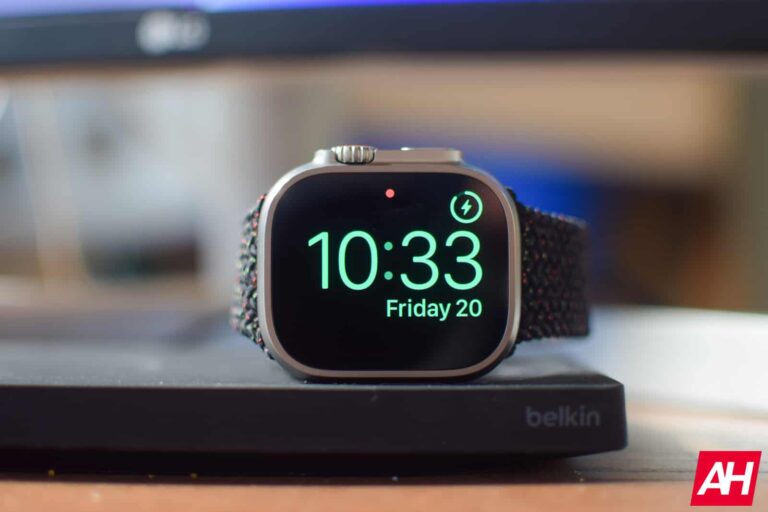
Next week is Apple’s biggest event of the year. Where they will announce the new iPhone 15, but they will also announce new Apple Watches. And according to Mark Gurman, there will be a new Apple Watch Series 9 and Apple Watch Ultra 2.
The sizes are going to be remaining the same, with the Apple Watch Series 9 coming in 41- and 45-millimeter sizes, while the Apple Watch Ultra 2 is getting the same 49-millimeter case as the original.
There’s no big design changes here for the Apple Watch this year, which is not a surprise. There’s also only so many ways you can redesign a square watch. But Gurman says that Apple is planning new materials and colors, which includes the use of more recycled metals and a black Apple Watch Ultra option.
Apple is also killing off its leather watch bands. Which has been greatly speculated recently, as Apple has discounted some of its leather watch bands by as much as 90%. Though there’s no word yet on what will replace them, or if they will be replaced.
Apple’s big focus this year is performance
The focus this year for the Apple Watch is performance. Apple is going to heavily tout the major gains in processing speed. And the watches will get their first new chipset since the Series 6 in 2020. Since then, Apple has just changed the System-in-package each year, and not the actual processor.
On top of that, the new Apple Watch Series 9 and Ultra 2 will be getting the new U2 ultrawide-band chip. This is going to provide better Find My capabilities.
Typically, each year Apple will introduce a new health sensor for the Apple Watch. That’s not happening this year, instead some sensor and internal components are getting upgrades. That will focus on speed, efficiency and accuracy. There will also be a new optical heart rate sensor.
Gurman didn’t mention prices, but we are not expecting the Apple Watch to see any price increases, but it wouldn’t be surprising to see them jump a bit in price to match the iPhone 15.
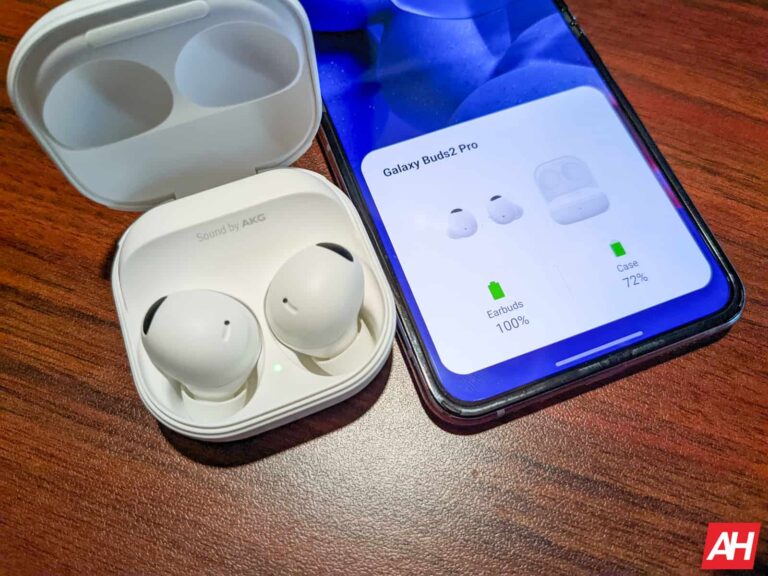
Samsung is hosting its Discover Samsung event right now, and has the Samsung Galaxy Buds 2 Pro on sale today for just $179. That’s going to save you $50 off of its regular price. That does bring it lower than its previous all-time low by $20.
All three colors of the Galaxy Buds 2 Pro are on sale today. That includes the Graphite, White and Bora Purple colors.
The Galaxy Buds 2 Pro are the newest pair of truly wireless earbuds from Samsung. These were announced in August with the new Galaxy Z Fold 4 and Galaxy Z Flip 4 smartphones. They sport Active Noise Cancellation as you’d expect, and uses intelligent ANC so you can hear stuff going on around you, but only when you want to.
Samsung also included support for HiFi sound quality, so you can get a really great sound out of these earbuds. Of course, we can’t forget about the enhanced 360-degree audio here. It’s almost like Apple’s Spatial Audio, but better.
What really sets the Galaxy Buds 2 Pro apart is the fit. These are super comfortable to wear for many hours on end. Samsung has included a number of eartips in the box, so you can get the eartip that fits your ears the best.
These are IPX7 rated for dust and water (and sweat) resistance. Meaning that they are going to be great to take to the gym, or wear outside when its raining.
Now when it comes to battery life, these aren’t the best, but also aren’t the worst. We’re looking at a 61mAh capacity battery here (the same size as the Galaxy Buds 2 and Galaxy Buds Pro). Samsung rates these as lasting 5 hours on a charge with ANC on. Or 8 hours on a charge with them off. That’s the same as the Galaxy Buds Pro actually, but the carrying case does last a tad bit longer at 29 hours. So not to bad on battery life here.
You can pick up the Samsung Galaxy Buds 2 Pro from Samsung today by clicking here.
LastPass had a rough last year, thanks in part to the security breach that granted threat actors access to the company’s source code and valuable user data. However, just when we thought the whole LastPass fiasco was behind us, recent reports indicate that last year’s security breach has led to the compromise of over 150 cryptocurrency investors’ assets, resulting in a series of high-value crypto heists.
As explained by cybersecurity blogger Brian Krebs, numerous security researchers have uncovered a trail of evidence seemingly connecting victims of crypto theft with the LastPass service. Additionally, to make matters worse, threat actors have successfully siphoned off over $35 million in cryptocurrency to date.
Furthermore, another analyst, Tay, who created a graph documenting crypto thefts over the past six months, spanning from December 2022 to July 2023, stated, “I’m confident in saying that, in most of these cases, the compromised keys were stolen from @LastPass.”
Possible implications
While it is impossible to verify these claims with absolute certainty, Taylor Monahan, product manager at the cryptocurrency wallet MetaMask, who has been actively investigating the matter, argues that their findings indicate that a majority of the crypto theft victims stored their “seed phrase,” a private digital key crucial for accessing cryptocurrency investments, in LastPass. Furthermore, the consistent funnelling of stolen funds to the same blockchain addresses by threat actors has strengthened these claims.
Therefore, if these allegations hold true, two disconcerting possibilities arise: either threat actors used an undisclosed method to individually compromise hundreds of users’ vaults, or LastPass has not fully disclosed critical details concerning the breach.
What does LastPass have to say?
In response, LastPass CEO Karim Toubba stated, “Since last year’s attack on LastPass, we have maintained contact with law enforcement, sharing various technical information, Indicators of Compromise (IOCs), and threat actor tactics, techniques, and procedures (TTPs) with our law enforcement contacts, as well as with our internal and external threat intelligence and forensic partners, in an effort to help identify the responsible parties. We have no further updates to share at this time.”
New totals. These are only counting cases that 1) we know about 2) are hard linked together on-chain.
This # represents the absolute minimum amount stolen by this threat group.
Discover Samsung, which is the company’s twice-yearly sale that encompasses basically everything that Samsung sells, is now live. And you’ll only see these prices from Samsung through our links here – they’ll go live elsewhere starting on Sunday. But now through September 17, you can save big on all sorts of great products from Samsung.
This includes up to 58% off of the Galaxy Z Fold 5. That’s with a $1,000 trade-in and you can also get a storage upgrade. So you’ll be getting a Galaxy Z Fold 5 for as low as $799.
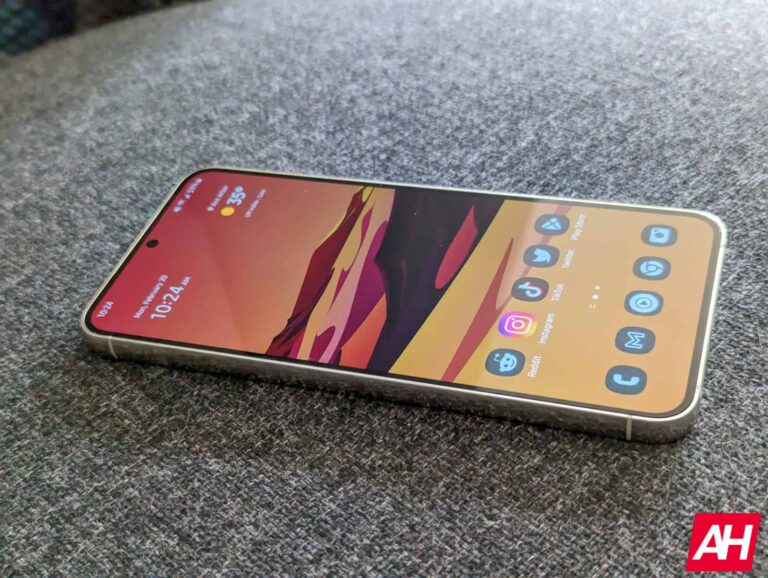
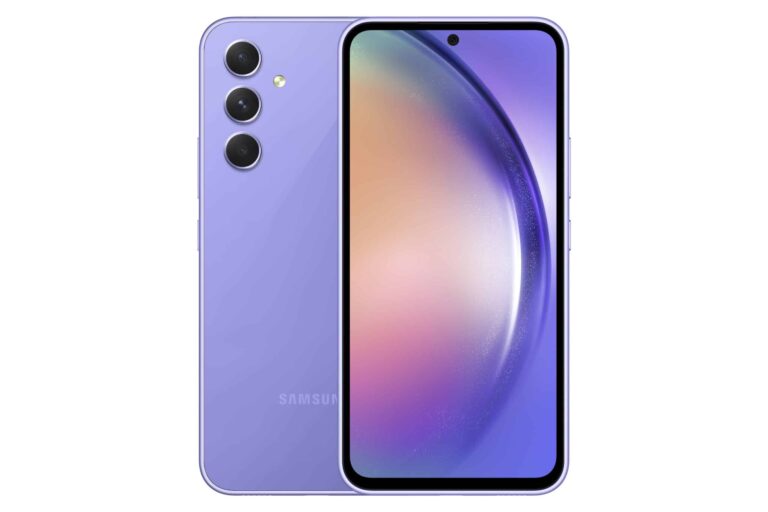
Not looking for a foldable? That’s fine too. You can get the Galaxy S23 series for as low as $149. That’s with the enhanced trade-in promo that will take up to $880 off of any Galaxy S23 smartphone. There’s also the Galaxy A54 which is now on sale for just $124, that’s thanks to an enhanced trade-in credit.
Samsung also wants to help you up your gaming with discounts on some of its Odyssey monitors. You can get the 49″ Odyssey OLED G9 240Hz Curved Smart Gaming Monitor for just $1,699. Or you can get the 49″ Odyssey Neo G9 Curved Smart Gaming monitor for $1,599. You’ll also find the T7 Portable SSD 1TB on sale for as low as $99, or $189 for the 2TB model.
China has always maintained strict control over the technology used by its citizens and government officials. However, the Chinese Communist Party’s (CCP) recent decision to restrict the use of iPhones by government employees has sent shockwaves through Wall Street as Apple experienced a 2.9% drop in its stock price, marking its most significant two-day percentage decline since November.
Why did China ban iPhones for official use?
Despite Apple’s positive relationship with the CCP, the government has instructed employees at central government agencies to stop using iPhones during working hours due to privacy concerns. However, experts argue that this ban is a direct result of the US’s measures to restrict China’s access to critical technologies.
While the extent of this ban remains unclear since there is no official word from the CCP, this move could significantly affect Apple’s sales, given that China is its third-largest market, contributing 18% of the company’s total revenue.
“Perhaps more importantly, restricted use of iPhones among government employees could negatively impact sales among consumers (related family members; general populace) and could be part of a broader move by the Chinese government to promote usage of domestic technology,” said Bernstein analyst Toni Sacconaghi.
US government’s response
In response to these developments, the US Commerce Department has expressed concerns and announced its intention to gather more information about the matter. Additionally, US Representative Mike Gallagher, chairman of the House panel on China, characterized China’s actions as typical of the Chinese Communist Party’s strategy, which involves promoting national champions in telecommunications while gradually restricting market access for Western companies.
Moreover, Senator Mark Warner, chair of the Senate Intelligence Committee, stated, “As the Chinese economy stalls, we can potentially anticipate more aggressive moves against foreign businesses.”
Huawei getting back into the mix
While the US government’s ban on Huawei conducting business with other American countries has significantly hampered the company’s operations, the CCP’s decision to restrict iPhone access aligns with the launch of Huawei’s new phone, the Mate 60 Pro. Additionally, the fact that the phone’s Kirin 9000 chip can access 5G services could provide Huawei with an opportunity to regain some market share.
Galaxy A54 users, Samsung has a nice little surprise for you. The Korean firm has opened its One UI 6.0 beta program for your phone. The beta update is currently only available in South Korea, but the company may soon expand the program to other markets.
One UI 6.0 is Samsung Android 14-based custom software for Galaxy devices. After months of internal testing, the Korean firm brought the new One UI version to the public in August. As expected, the Galaxy S23 series was given priority. The One UI 6.0 beta opened for the latest Galaxy flagships on August 11th in Germany, South Korea, and the US.
Samsung has since released a second beta build for the phones and also expanded the update to a few more countries, including China, India, and the UK. Galaxy users were expecting the company to launch One UI 6.0 beta programs for its foldables and older S-series flagships this month. However, it has surprised everyone (and annoyed a few Galaxy S22 users) by prioritizing the Galaxy A54.
Galaxy A54 users interested in testing One UI 6.0 can sign up for the beta program through the Samsung Members app in supported countries. You’ll find a banner about the program on the app’s homepage. Tap on it and follow the instructions to complete the registration process. The beta update will soon be available for your phone like a regular OTA (over the air) update.
The Galaxy S22 series should also get One UI 6.0 beta soon
Samsung may have prioritized a 2023 premium mid-range phone over the 2022 flagships, but it shouldn’t be long before One UI 6.0 beta opens up for the Galaxy S22 series. It will be the same process for the flagships as well. The Korean firm may also soon launch public beta programs for its foldable smartphones.
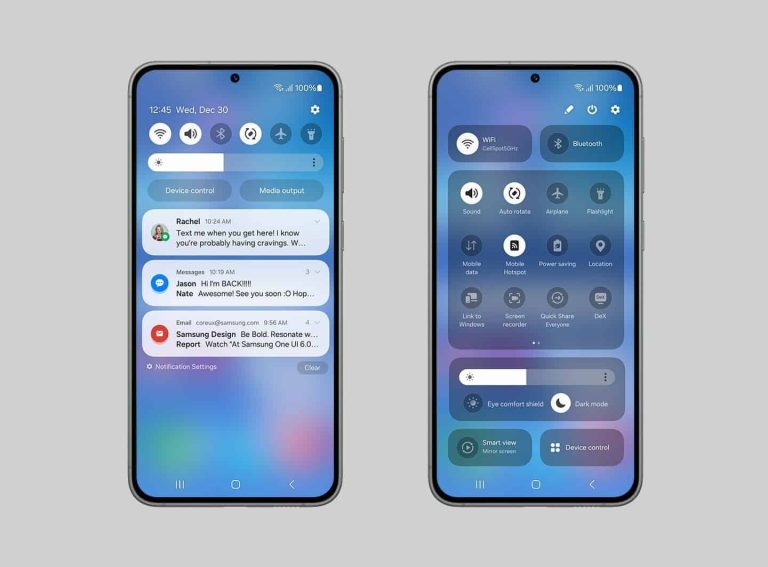
Since One UI 6.0 is a major update, it brings plenty of new features and improvements to eligible Galaxy devices. Samsung has made several notable UI tweaks, including a revamped layout for notifications and the quick panel. The system animations also feel smoother, though there’s still room for improvement.
One UI 6.0 contains new camera features as well, including more control over the capture speed and photo quality. Applying filters and face effects is now a lot more convenient with a new dial system. The document scanning feature has been separated from the Scene optimizer for easy access. This update also brings improvements for Bixby Text Call, gestures, system apps, and more.
The electric vehicle maker Polestar is now partnering up with Meizu to bring something different from their business line. This partnership will introduce Polestar into the smartphone manufacturing industry. However, the electric vehicle manufacturer might not have plans to compete in the smartphone industry but build its EV fan base.
According to the available reports, the electric vehicle manufacturer is planning to launch this smartphone by the end of the year. The major focus of this coming smartphone will be its software features, but it might as well pack impressive hardware. Polestar aims to give potential buyers a glimpse of the software experience they’ll get from the brand’s electric vehicles.
Their partnership with Meizu is a strategic one, as the Chinese smartphone maker is also developing Polestar’s infotainment OS. The feel on both coming smartphones and Polestar cars will be very similar and will boost cross-platform integration. Here is all the information you need regarding this new partnership between Polestar and Meizu.
Details on the coming smartphone from the Polestar and Meizu partnership
At this time, the details of the coming smartphone from the Polestar and Meizu partnership (both are affiliated with China’s Geely) are bleak. However, recent reports have pointed out the software features that users should expect on this coming smartphone. The software that the Polestar smartphone will launch with will be similar to their vehicle’s infotainment system software.
Since this device would be developed by Meizu, Polestar won’t have to worry about building its software. It will use the Meizu Flyme OS, just like other smartphones from the Chinese smartphone manufacturer. This software will be a bit customized to fit Polestar, so it might not look 100% like what is available on Meizu devices.
Just like with Meizu devices, the coming Polestar smartphone might ditch Android usage. Its specifications might be similar to any of the new devices in the Meizu 20 series. Also, this coming device might feature a premium price tag that goes to prove that it’ll also feature impressive specifications.
The electric vehicle manufacturer plans to launch this device in China towards the end of the year. Once available, fans will be able to get a feel of the software experience present in a Polestar vehicle. This experience will enable a seamless transition between the Polestar smartphone and electric vehicles for better connectivity.
Polestar currently has three electric vehicles to its name, adding a smartphone will be wild. Other electric vehicle brands are also planning to launch a smartphone as well. The likes of Chinese electric vehicle manufacturer Nio are also planning to launch a smartphone soon.
RaaS (Ransomware-as-a-service) is actively strengthening the ransomware attacks, but understanding their operations is restricted by illegality.
That’s why ransomware attacks have surged in scale and complexity over the past decade, driven by RaaS models like Conti (formerly Ryuk).
However, the Conti RaaS (Ransomware-as-a-service) operator’s recent chat leak provides valuable insights into their inner workings.
The following cybersecurity researchers from their respective universities recently analyzed the leaked internal discussions of a large Ransomware-as-a-Service model, Conti ransomware with ML (Machine Learning):-
Estelle Ruellan (University of Montreal)
Masarah Paquet-Clouston (University of Montreal)
Sebastian Garcia (Czech Technical University)
Ransomware devastates enterprises by locking devices or encrypting files for extortion, making it a significant IT threat studied for prevention and detection.
Over the past decade, ransomware has transformed. Initially, small-scale attacks were common, but now, attackers compromise advanced systems for higher profits through varied extortion tactics.
Internal DiscussionsConti Ransomware
The research used chat files from TheParmak GitHub, offering open-source access to Conti chats translated into English via Google and DeepL.
These logs span from June 21, 2020, to March 2, 2022, totaling 168,711 chats involving 346 actors, with each log including the following data in JSON format:-
Date
Sender
Receiver
Message
To identify Conti members’ discussion topics, researchers employed Latent Dirichlet Allocation (LDA), a topic modeling method commonly used in NLP to extract latent topics from document corpora, offering explicit document representations and applying them across fields like:-
Cybersecurity
Medicine
Political science
Security analysts applied Natural Language Processing (NLP) to cleanse the chats, a subfield of AI teaching machines to understand and extract meaning from human language using algorithms and grammatical rules.
Types of topics covered are as follows:-
Business topic
Technical topic
Internal tasking topic
Management topic
Malware topics
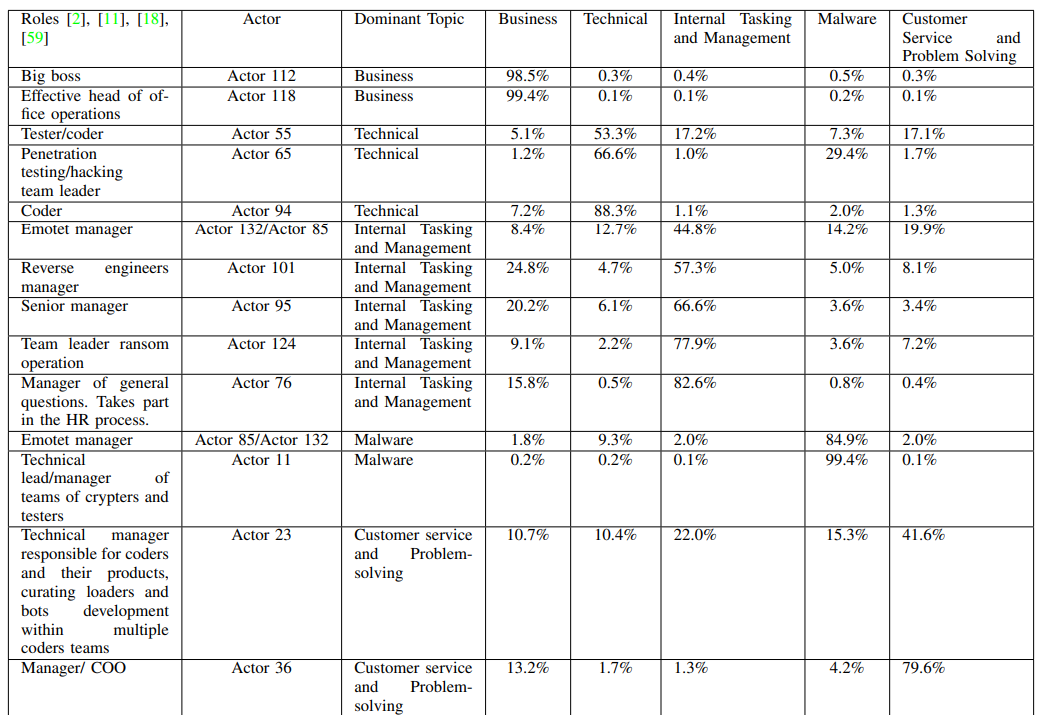
Roles of key members and their topic distribution (Source – Arxiv)
The Conti RaaS operator, a major player, might be an exception in its organization. The structure of RaaS operators could relate to their size, scope, success, and geographical locations.
Besides this, future research should explore other cybercrime organizations for structural insights.
Using Conti chat leaks, the experts employed machine learning analysis that reveals cybercrime organizations mirror businesses with diverse discussions, confirming the significance of non-tech talks and managerial styles.
Samsung recently rolled out a new One UI 6.0 beta update for the Galaxy S23 series. However, it turned out to be an accidental release. The company has already pulled back the rollout. It has also urged users who have installed the update to roll back to the previous version.
The latest One UI 6.0 beta build came with the build version ZWI4. It rolled out to a few Galaxy S23 users in Europe (Germany and the UK). The “I” in the second to last position revealed it was a build developed in September (“I” is the ninth letter in the English alphabet, and September is the ninth month of the year). Since the previous beta release (Beta 2) had the build number “ZWHO,” this appeared to be the third beta update for the Galaxy S23 series.
However, there was no official announcement from Samsung. Moreover, the update rolled out just a week after Beta 2, and the first beta in the UK. This hinted at it being a hotfix update for the previous release. Samsung did push a hotfix update for the original beta build as well. The OTA (over the air) download size of the latest release was also relatively small (just over 1GB for the Galaxy S23+), further suggesting a hotfix update.
Unfortunately, Samsung’s changelog offered nothing to settle this confusion. Screenshots shared online showed a few changes over Beta 2. However, the limited rollout and the lack of communication from the Korean firm cast doubts over it being the third One UI 6.0 beta. We were waiting for the company to confirm this rollout, but we heard something completely unexpected. A community moderator confirmed that it was an accidental release.
The latest One UI 6.0 beta update for the Galaxy S23 was an accidental release
“The version you have was released to users earlier than planned,” the moderator in charge of beta updates in Germany told a Galaxy S23 user who enquired about this update [machine translated from German]. “A rollback from [the] ZWI4 version on Smart Switch is about to be rolled out and I would request you to do this so that there are no complications with further updates in the future,” they added.
The moderator noted that this prematurely released beta build was on Samsung’s servers for a “very short” period of time. However, some users managed to download it before the company pulled the update back. Hopefully, it won’t be long before Samsung officially rolls out a new beta update for the Galaxy S23 series. It recently opened the One UI 6.0 beta program for the Galaxy A54, with the Galaxy S22 series expected to be the next in the pipeline.