The once very-hot Clubhouse app has since become a little bit of the kid who somehow gets ignored… however, the app’s changing direction a bit (or a lot) with its latest update announced in a blog post, and is getting a big redesign to focus more on group interactions with voice.
Clubhouse gets a big redesign to focus on group voice chats
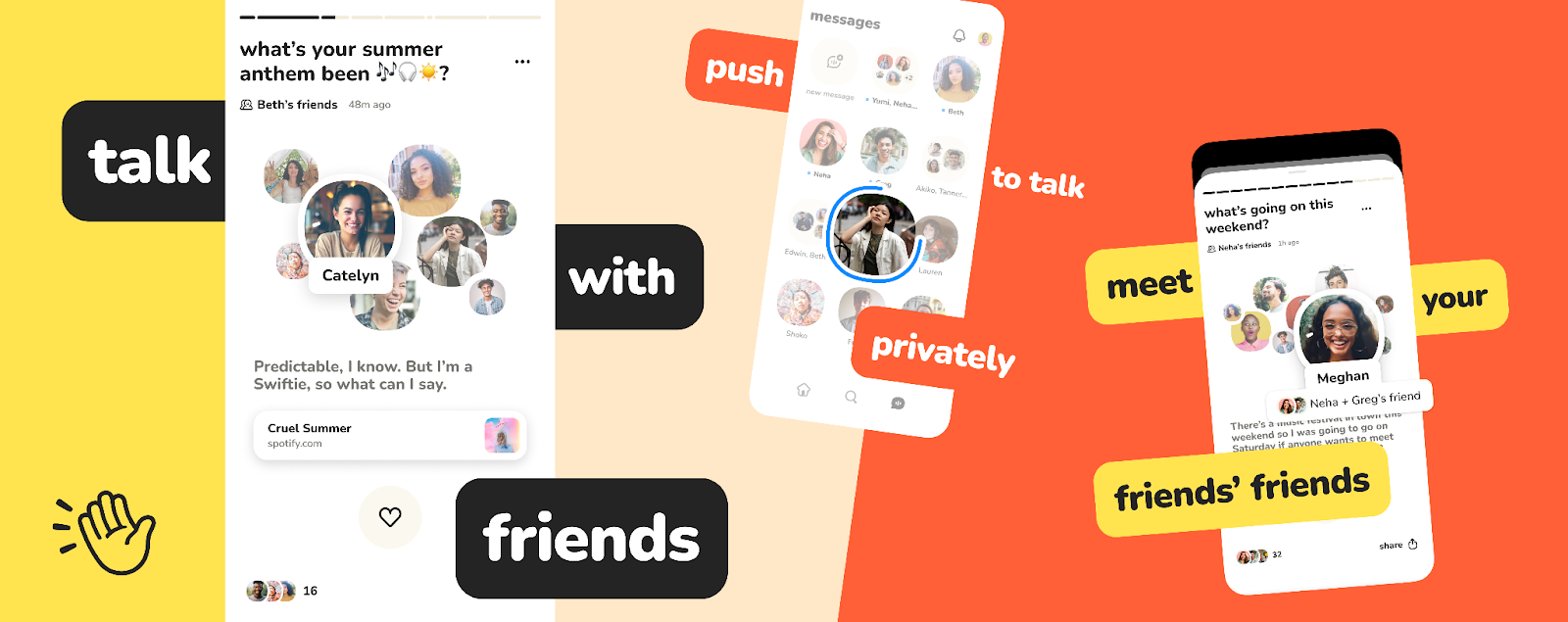
The app is getting a new feature called Chats. Basically, it’s a voice-only group chat feature, where you are able to send voice messages to friends and receive replies in the form of audio. It’s not live, so you can send and receive voice messages at any time, whenever it’s convenient for you.
You are able to push to talk, listen at 2x, tap to skip, swipe to the next Chat, or chat privately with someone.
However, live audio isn’t going away – it will still remain as one of the main features of Clubhouse. When you open Clubhouse, you’ll see your friends and not only the rooms that happen to be live at that moment.
When you start a chat, you can set it to “friends only” or “friends-of-friends”, so it’s not full of strangers.
The social media platform is now changing its focus on friends instead of followers and depth over reach, explains the blog post. With the friends over followers mindset, the app will have a friend button instead of a follow button. For the people with a lot of followers, you will be able to create a House with all of them so you can easily reach them. Now, you can create Chats within Houses, which should enhance the experience on the platform.
A new sophisticated stealing campaign named “Steal-It” has been discovered that exfiltrates NTLMv2 hashes using customized versions of Nishang’s Start-CaptureServer PowerShell script.
It is believed that the Steal-It campaign may be attributed to APT28 (aka Fancy Bear) based on its similarities with the APT28 cyber attack.
Fancy Bear is a Russian cyber espionage group that uses zero-day exploits, spear phishing, and malware to compromise targets.
Zscaler Threat Labs recently discovered the campaign’s tactics and infection chain and shared its report.
NTLMv2 Hash Stealing Infection Chain
The NTLMv2 hash stealing infection chain steals NTLMv2 hashes by utilizing a customized Nishang’s Start-CaptureServer PowerShell script and transmitting the stolen hashes via mocky APIs to Mockbin.
SystemInfo Stealing Infection Chain
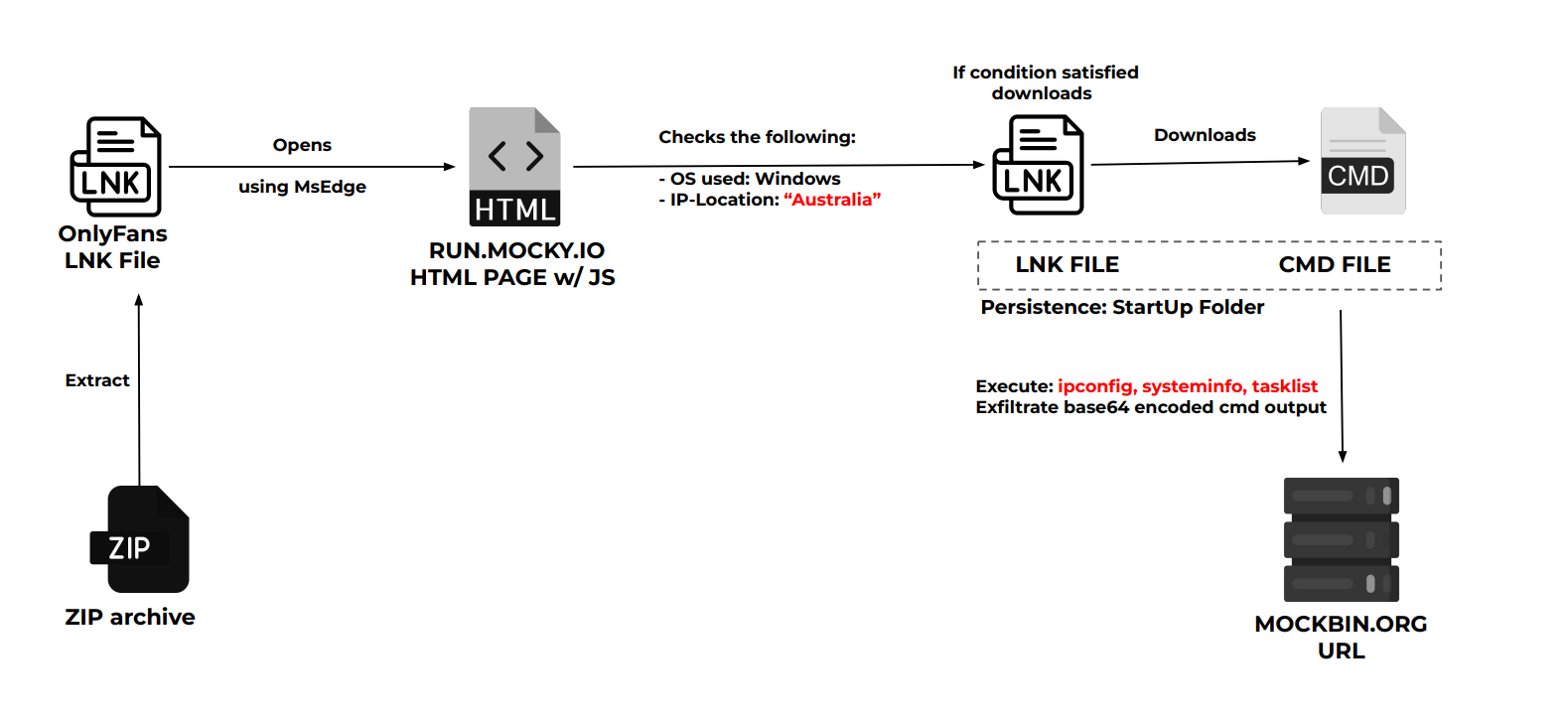
The Systeminfo stealing infection chain uses the OnlyFans brand to entice users into downloading the later stages of the chain, which exfiltrate command outputs to Mockbin.
Fansly Whoami Exfil Infection Chain
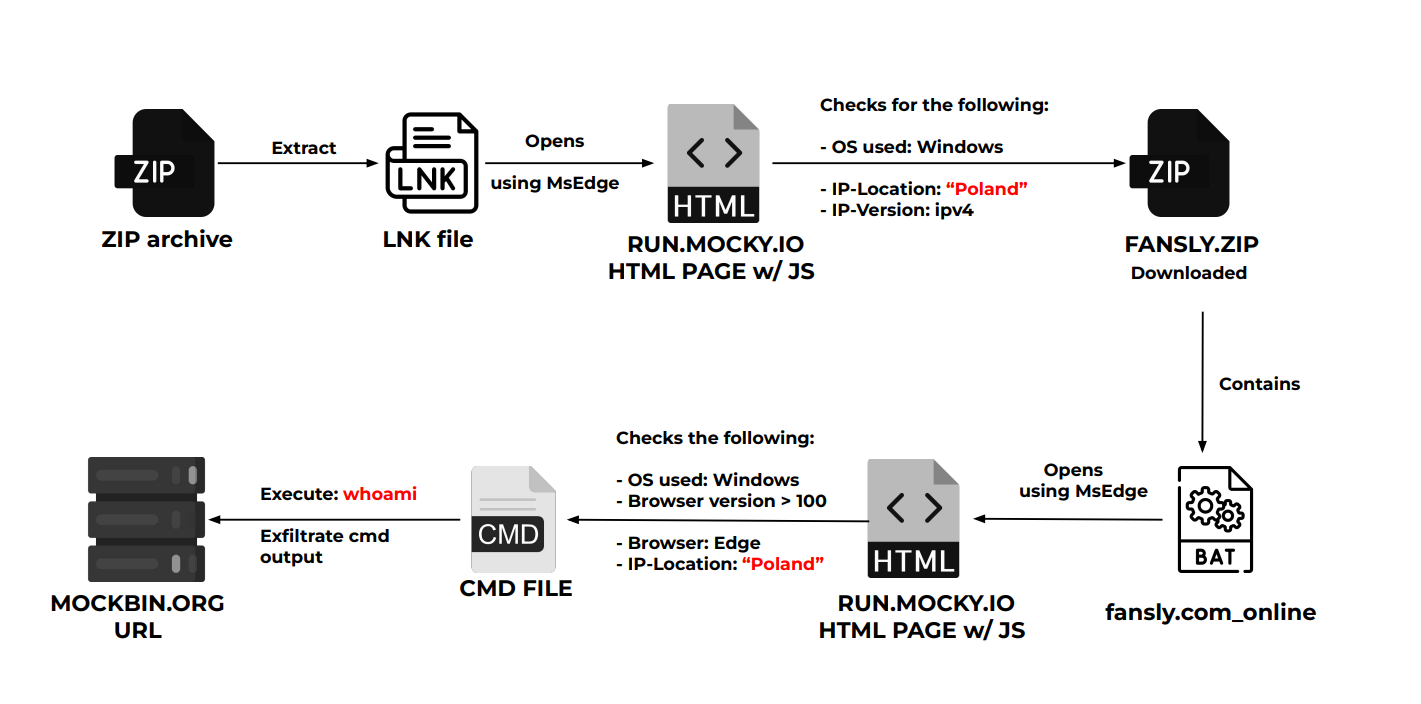
The Fansly whoami exfil infection chain uses the Fansly brand to entice users into downloading the later stages of the chain, which exfiltrate command outputs to Mockbin.
Windows Update Exfil Infection Chain
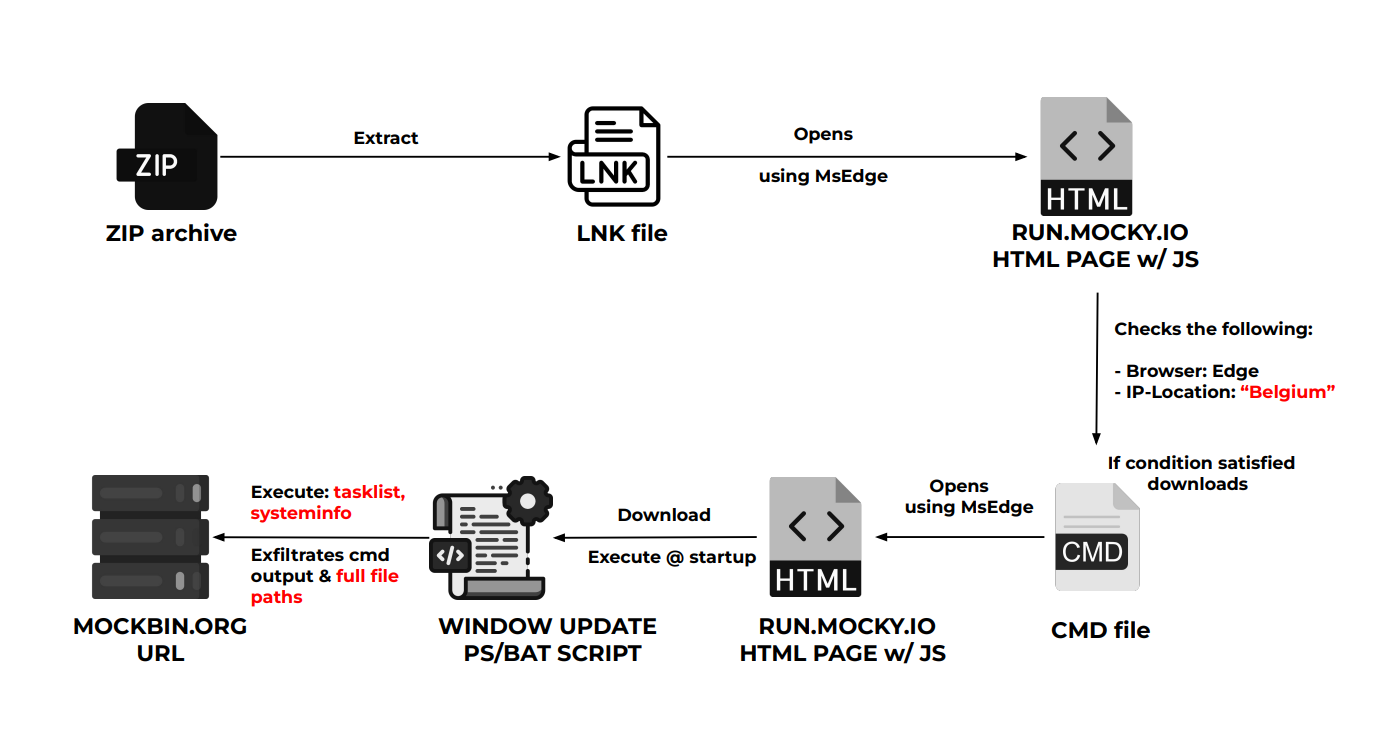
ZIP archive bundled with an LNK file that uses geofencing techniques to target users in Belgium unknowingly downloads multiple stages of a PowerShell script that executes system commands to collect basic information for nefarious purposes.
Among all the infection chains, the threat actor utilized customized scripts from the Nishang framework to steal and exfiltrate NTLM hashes by executing system commands.
Finally, mock APIs are used to exfiltrate the captured data from the compromised device.
Explicit images of models are used to entice victims to execute the initial payload in The Fansly Whoami Exfil and Exfil Sysinfo OnlyFans infection chain.
Threat actors use a geofencing strategy specifically targeting regions including Australia, Poland, and Belgium.
Mockbin API, an endpoint-generating tool, and mock APIs are used to transfer stolen data, such as NTLM hashes and command output.
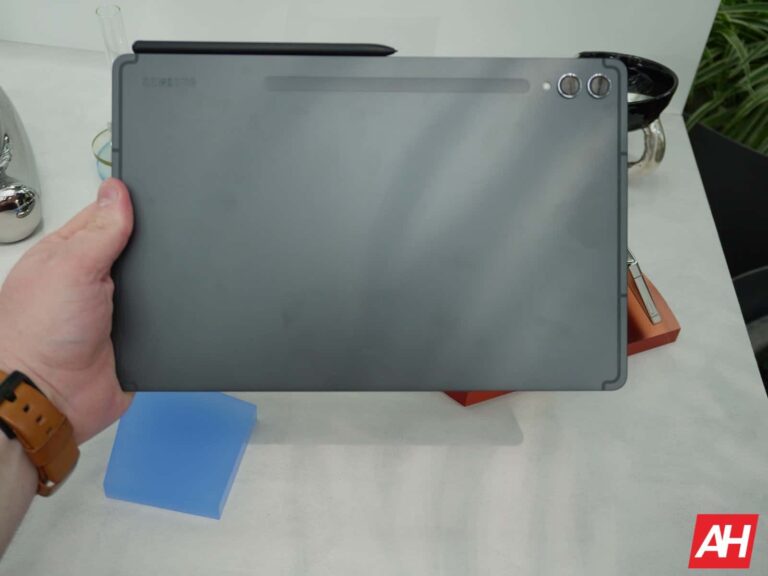
Samsung‘s Galaxy Tab A9 series tablets are slowly marching towards their launch. Both Galaxy Tab A9 and Galaxy Tab A9+ recently surfaced on multiple certification listings, including the FCC. The Korean firm has yet to announce a launch date for the devices.
About a month back, the FCC certified the Galaxy Tab A9 with the model number SM-X115. The Korean regulatory body, Safety Korea, followed up with its certification a couple of weeks later. We also got confirmation about its variants bearing model numbers SM-X110, SM-X115N, and SM-X117.
In the meantime, the Galaxy Tab A9+ popped up on the Indian certification agency’s (BIS) website with the model number SM-X216B. The Plus model also showed up on the Bluetooth SIG website and Geekbench, confirming five more variants (SM-X210, SM-X216N, SM-X216C, SM-X218, and SM-X218B).
The Galaxy Tab A9+ (SM-X210) has now received the FCC certification (via). The base model, on the other hand, has gained certifications from the Bluetooth SIG and the Korean Radio Research Agency (RRA) with the model numbers SM-X115 and SM-X115N, respectively. The RRA listing contains a live photo of the tablet, which we previously saw in the FCC and Safety Korea certifications as well.
The FCC listing revealed that the Galaxy Tab A9+ will measure 257.11×168.66×6.94mm in dimension. It will feature Wi-Fi, Bluetooth, GPS, and a microSD card slot. Supporting documents confirm its battery capacity (7,040mAh) and hint at a 15W charging speed. The Galaxy Tab S9 will reportedly pack a 5,000mAh battery and boast the same charging speed.
Samsung will offer both of these tablets in cellular variants (5G) as well. The Plus model could be powered by Qualcomm’s Snapdragon 695 chipset paired with the Adreno 619 GPU and at least 4GB of RAM. The processor details of the Galaxy Tab A9, which measures 210.7mm in length and 124.7mm in width, are not known. Both tablets will run Android 13 out of the box.
Samsung may launch the Galaxy Tab A9 series alongside other products
The Galaxy Tab A9 and Galaxy Tab A9+ may arrive alongside a bunch of other Samsung products later this year. The Korean firm is known to be working on the Galaxy Tab S9 FE, Galaxy Tab S9 FE+, Galaxy Tab S23 FE, Galaxy SmartTag 2, and a new pair of TWS earbuds (likely called the Galaxy Buds FE). Rumors are that all of these devices will launch in Q4 2023, i.e. between October and December. We might have an official confirmation soon.
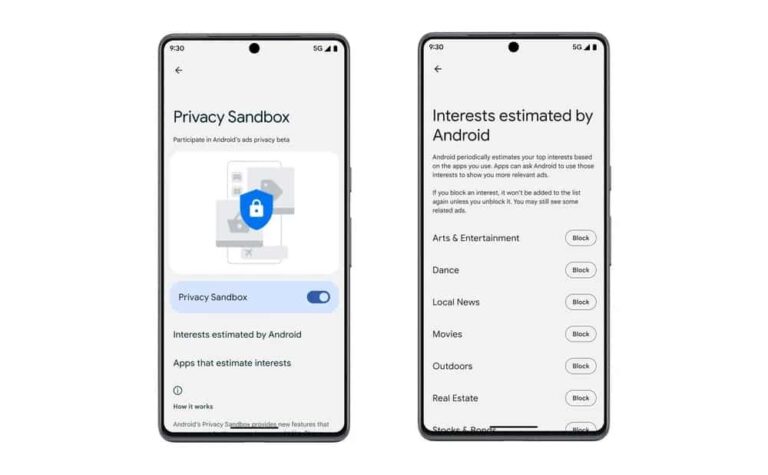
Google‘s Privacy Sandbox initiative, which aims to remove third-party cookies from its browser, has just hit a major milestone. Its relevance and measurement APIs are now generally available in Chrome without requiring manual activation of browser flags or participation in beta programs. The company has left three percent of Chrome users unaffected by the change, though. This will allow it to conduct A/B testing of the feature. Privacy Sandbox APIs will be available by default to everyone over the coming months.
According to Google, this change will enable advertising providers and developers to scale the usage of the new privacy tool. Since the Privacy Sandbox APIs are available for the majority of Chrome users, companies will be able to run more effective tests of the new technologies within their products and services. This is a “significant step on the path towards a fundamentally more private web,” the company said in a press release. Google will help the industry in these testing efforts with a simulation feature later this year.
The ability to simulate the deprecation of third-party cookies will be available to companies in the third quarter of 2023. Google will start with a small percentage of users for each company. In early 2024, it will turn off third-party cookies for one percent of all Chrome users. The tech giant plans to begin mass deprecation of third-party cookies in Chrome in the second half of 2024. “The countdown to the planned deprecation of third-party cookies is in full effect,” it says, suggesting that there won’t be delays anymore.
Google announced the Privacy Sandbox initiative over four years ago
Websites and apps use third-party cookies to track your online activities. These trackers can see the websites you visit or links you click on, helping companies build your online profile containing topics of your interests and other information. They use the profile to serve you tailored ads and show relevant content across the web. The problem with this approach is that your online activities aren’t as private as they should be.
Google’s Privacy Sandbox is a “privacy-preserving alternative” to third-party cookies that can fix this problem. It creates a group of people with similar interests and hides individual profiles within the group. This will prevent websites from tracking you individually, while they can still serve you tailored ads and relevant content. Google announced this initiative in August 2019 with plans to launch it in 2022.
However, it later delayed the implementation of Privacy Sandbox to 2023 because it needed more time to work with publishers, ad companies, and other industry stakeholders. Google said a half-baked application could give birth to invasive tactics such as fingerprinting. In July last year, the firm pushed back the plan to the end of 2024. It appears the tech biggie is now on track to pull it off next year.
Sooner or later, we’ll get there. Can you imagine? A day where you wake up and have to take with you nothing beyond your phone. Chonky wallet? Bye-bye! Tons of cards and IDs? Always with you, on your phone! Dirty cash? No need: all of the best phones on the market will be able to be used as payment methods.And this future is happening thanks to tech goliaths like Apple and Google. Recently, we talked about how Google Files is starting to adopt digital documents in India — and that is certainly a feature that needs to grow more and become available in other countries too.
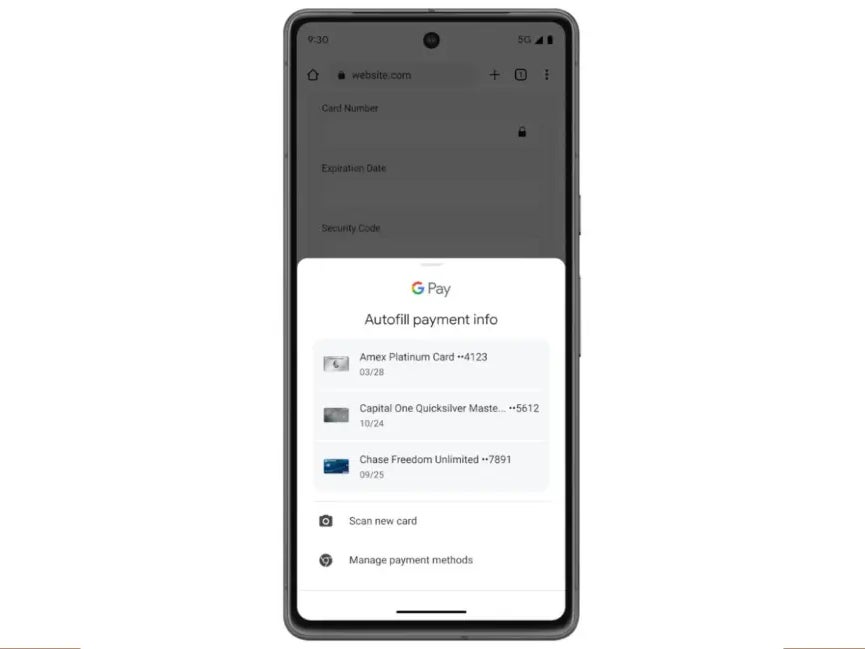
But Google Pay requires updates too! For example, have you ever had a situation where you are trying to pay something online and then GPay asks you to pick a card. And there’s, like, several and all of them indicated by card numbers?
What year is this? Well, as it turns out: the year that this changes!
Autofill is one of the most convenient features that anyone can take advantage of, especially when provided safely through masters of the craft such as Google. But still, being unable to label your autofill presets feels a tad outdated in 2023, right?
Finally, Google Pay will become updated — which includes GPay in Chrome, by the way — to let you name your cards when using autofill. And in a day and age, where virtual cards are becoming more accessible and sought-after, this is pure bliss.
The update is reportedly rolling out now, so here’s what you need to know:
The phone app may try to set some generic name up for your cards, but other than that: if you visit the Payment Methods section, you’ll be free to change them as you please
The situation is a bit more tricky on PC, through Chrome, though, so here’s a quick guide for that:
Navigate to the Google Pay homepage
Click the blue “Set up payment methods” button on the top right
Select “Manage Payment Methods”, which should be at the top of the list that you are seeing
On any of your visible payment methods, select “Edit”
Input your desired name in the “Card Nickname” section on the bottom
Donezo!
Now, since the update is still rolling out, we’re not sure if Chrome may get the generic naming conventions too. Furthermore, we aren’t certain if those may try to override any nicknames set, so if you happen to notice anything: make sure to let us know through a comment!
Google’s Threat Analysis Group (TAG) has issued an update regarding an ongoing campaign by North Korean threat actors targeting security researchers.
This campaign, which first came to light in January 2021, involved using 0-day exploits to compromise the security of researchers engaged in vulnerability research and development.
Over the past two and a half years, TAG has diligently tracked and disrupted multiple campaigns orchestrated by these North Korean actors, unearthing 0-day vulnerabilities and safeguarding online users.
Recently, TAG identified a new campaign bearing similarities to the previous one. Disturbingly, they have confirmed the active exploitation of at least one 0-day vulnerability in the past few weeks, prompting them to take immediate action.
TAG has reported this vulnerability to the affected vendor, and efforts are underway to patch it.
While their analysis of this campaign is ongoing, TAG has chosen to provide early notification to the security research community.
This is a stark reminder that security researchers can become targets of government-backed attackers, underscoring the importance of maintaining vigilance in security practices.
The tactics employed by these North Korean threat actors mirror those from the prior campaign.
They contact potential targets through social media platforms such as X (formerly Twitter) and gradually build trust.
Actor-controlled Twitter profile
Once a rapport is established, they transition to encrypted messaging apps like Signal, WhatsApp, or Wire.
Subsequently, the threat actors send malicious files containing at least one 0-day exploit hidden within popular software packages.
Upon successful exploitation, the malicious code performs a series of anti-virtual machine checks and transmits the collected data, including screenshots, to a command and control domain controlled by the attackers.
The shellcode used in these exploits exhibits similarities to previous North Korean exploits.
In addition to 0-day exploits, these threat actors have developed a standalone Windows tool to download debugging symbols from central symbol servers, including Microsoft, Google, Mozilla, and Citrix.
However, this tool can also download and execute arbitrary code from attacker-controlled domains, posing a significant risk to those who have used it.
GitHub repository for GetSymbol
TAG strongly advises individuals who have downloaded or run this tool to take precautions, including ensuring their systems are clean, which may require complete OS reinstallation.
As part of its commitment to combating these severe threats, TAG utilizes its research findings to enhance the safety and security of Google’s products.
They swiftly add identified websites and domains to Safe Browsing to protect users from further exploitation.
Additionally, TAG notifies targeted Gmail and Workspace users of government-backed attacker alerts, encouraging potential targets to activate Enhanced Safe Browsing for Chrome and ensure their devices are up-to-date.
Threads is rolling out a keyword search feature. It lets you find posts using text, including a single keyword, longer phrases, or hashtags. This has been one of the most requested tools by Threads users ever since the app’s launch in early July.
Meta launched Threads as an alternative to X (formerly Twitter). The company’s brand influence, coupled with Instagram integration, helped Threads to gain over 100 million users in just a few days. However, the lack of basic features such as search and reposting means most of them didn’t stick around. The app lost more than half of its users in no time.
In the meantime, Meta has been hard at work on improving Threads. It launched a web version of the platform and also added the reposting feature last month. That was followed by the addition of a search function last week. However, the initial version of the feature was pretty basic, only allowing you to look up profiles and follow them. It didn’t let you search posts using keywords or phrases.
Thankfully, Meta didn’t make Threads users wait long for the latter ability. CEO Mark Zuckerberg recently announced that keyword search is now rolling out to “most English and Spanish speaking countries,” with “more to come soon.” More specifically, the feature will be available in countries where users predominantly post in these two languages, Instagram head Adam Mosseri separately announced via his channel.
Keyword search is rolling out to Threads in several countries
According to Mosseri, Argentina, India, Mexico, and the US are among the countries where keyword search is currently rolling out to Threads. It’ll be available on the mobile apps as well as the web version. Note that Threads has been running a limited test of this feature in Australia and New Zealand since last week. This rollout should mean a wider availability in these two countries as well.
Screenshots shared by the Instagram head show that search results for a keyword will have a separate section for posts at the top, followed by account names matching that keyword. The expandable top section will bring up posts containing the keyword, seemingly in reverse chronological order. You can interact with the posts or share them directly from search results.
Threads still doesn’t let you filter or sort search results, though. However, Meta appears determined to add these functions quickly to entice users to return to the platform. A more robust search feature, with support for more languages and wider availability, may arrive soon.
We’ve seen the iPhone 15 series colors a few times thus far, and it just happened again, and this could be the best look yet. This time around, folks over at AppleInsider managed to get their hands on some dummy units, to show us the iPhone 15 series colors.
The iPhone 15 & iPhone 15 Pro colors shown thanks to dummy units
There is a dedicated 7-minute video embedded below the article, that goes over all the colors, one-by-one. If you’re not really in the mood to watch it, we’ve included two images below this paragraph.
The first image shows you the iPhone 15 colors, and the other the iPhone 15 Pro colors. These colors are not necessarily 100% accurate, but chances are this is very close to what we’ll be getting, if not identical.
So, the iPhone 15 will be coming in black, light blue, light yellow, pink, and white colors. We’ll be getting 5 overall. Four iPhone 15 Pro series colors will be on offer, black, dark blue, gray, and white.
Apple will likely use different names, at least for some of these colors. The gray one will be called Titan Gray, for example. That’s something that leaked a while back.
All iPhone 15 handsets will become official on September 12
As a reminder, all four iPhone 15 models will become official on September 12. Apple already announced that press event. The phones are tipped to become available to pre-order on September 15, while open sales are expected to commence on September 22.
Do note that the iPhone 15 Pro Max is said to be postponed, however. You may have to wait up to a month in order to be able to purchase that model. Chances are you’ll be able to pre-order it, but it won’t ship until late October.
All models will include a Dynamic Island this time around, and also a Type-C port. The ‘Pro’ models will have a frame made out of titanium, and thinner bezels than their predecessors.
[ad_1]
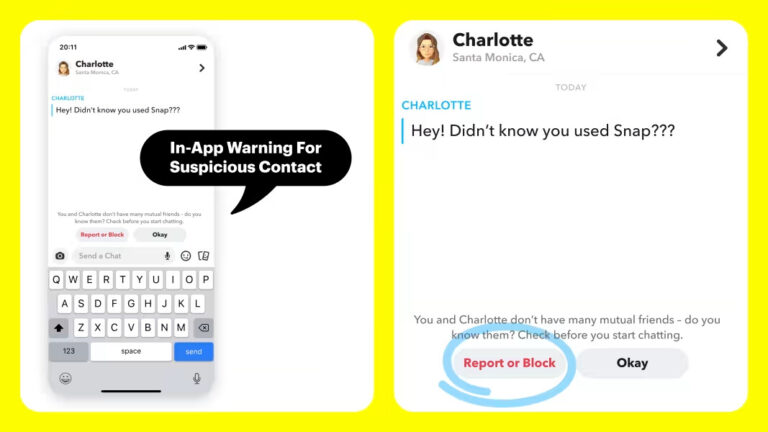
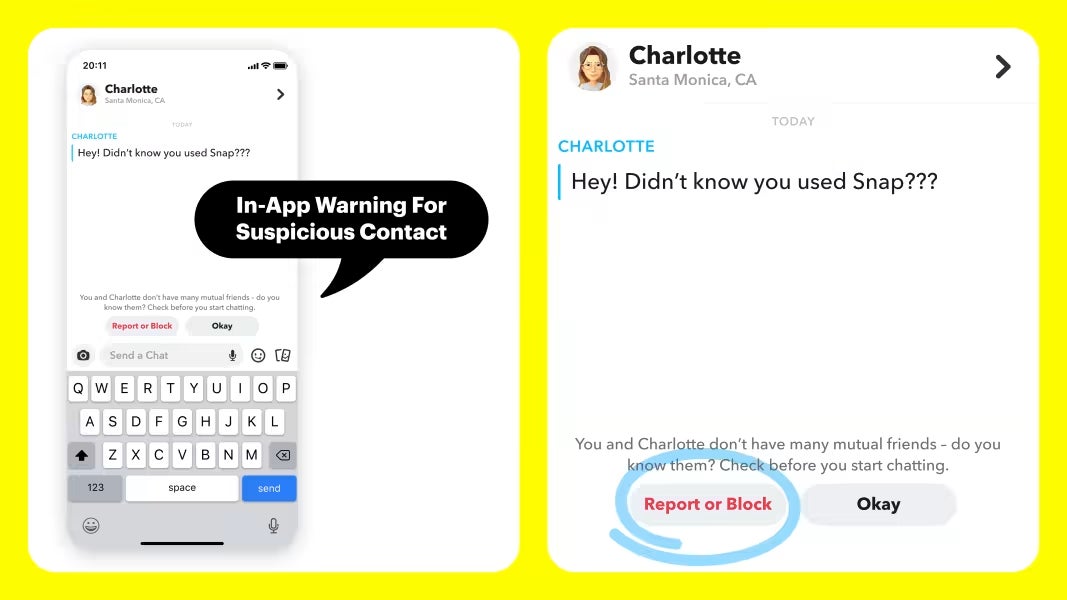
Snapchat is widely used and every widely used platform has its fair share of malicious actors. So Snapchat is trying to make sure that they don’t get what they want!
[ad_2]
Source link
Two Zero-Day flaws have been discovered on Apple Devices affecting macOS, iOS, and iPadOS.
The vulnerabilities involve an arbitrary code execution and a buffer overflow. Reports indicate that these vulnerabilities are being actively exploited.
This is considered a high-risk vulnerability as it requires no user interaction. Apple has swiftly acted on the report and released security patches for fixing these vulnerabilities. These vulnerabilities affected the services ImageIO and Wallet.
As per reports shared with Cyber Security News, threat actors seem to have been using NSO Group’s Pegasus mercenary spyware for exploitation. The exploit also included PassKit, which consists of a maliciously crafted image.
The exploit chain for these vulnerabilities has been referred to as BLASTPASS by Citizen Lab. Apple stated that enabling the Lockdown Mode will block this attack.
“Apple’s update will secure devices belonging to regular users, companies, and governments around the globe. The BLASTPASS discovery highlights the incredible value of our collective cybersecurity of supporting civil society organizations.” reads the post by Citizen Lab.
CVE-2023-41064: Buffer Overflow
This vulnerability exists in macOS Ventura 13.5.2, iOS 16.6.1, and iPadOS 16.6.1, which a threat actor can exploit by sending a maliciously crafted image. Processing of the image leads to a buffer overflow, resulting in an arbitrary code execution.
The severity of this vulnerability is yet to be confirmed. However, Apple has released macOS Ventura 13.5.2, iOS 16.6.1, and iPadOS 16.6.1 in order to fix this vulnerability.
CVE-2023-41061: Arbitrary Code Execution
This vulnerability exists due to a validation issue that can be exploited by threat actors, leading to arbitrary code execution. These vulnerabilities exist in versions prior to Apple watchOS 9.6.2, iOS 16.6.1, and iPadOS 16.6.1.
The severity of this vulnerability is yet to be confirmed. However, Apple has released watchOS 9.6.2 to fix this vulnerability in the Apple watch.