AI is making waves in various industries, but most IT decision-makers (ITDMs) aren’t impressed. The majority of these firms share a similar idea on the subject of AI, and it’s a bit negative. The ideas of AI innovations from these firms concern their businesses and how they stand to benefit from their implementation.
To get the ideas of these firms, AMD conducted a survey where they sorted their opinion on AI innovation. In this survey, AMD sorted out 2500 IT decision-makers for their take on the latest trend that is making waves in the tech industry. A little above half of these firms don’t see themselves venturing into the AI industry or implementing its technology in their business practices.
The viewpoint of these firms has to do with how they run their business and the availability of hardware infrastructures. Without the necessary tools, these firms are much handicapped concerning AI implementation. However, these firms do not deny the fact that the industry is seeing a massive shift towards AI innovations and adoption.
The dangers of AI might delay its adoption by some IT decision-makers in the tech industry
Although AI is bringing a boom in the tech industry, it still poses some threats. While the adoption of AI technology in various businesses is helping to step up performance, there are some details to take to mind. This is an area that some IT decision-making firms are deeply concerned about.
From AMD’s survey, the majority of these firms hope that AI will be able to take the tech industry to new heights. Part of these improvements have to be with simplifying the workload for staff and stepping up security. Also, a good number of these firms have concerns that AI and its implementation can pose a threat.
Some IT decision-making firms say that AI might introduce some security risks to users. This has to do with how this technology handles user data in the possession of various firms. Over the past few months, governmental bodies have been pushing to regulate AI and the amount of data it can access.
For these regulations to be put in place, businesses using AI will need to invest a bit more into improving the technology. Additional investments will also go into training workers on how to use AI-enhanced equipment and tools in the workplace. So most businesses will need a few years to be able to fully blend in with the AI industry and its implementation in how they work.
While some businesses are keen to bring AI into their activities, IT decision-making firms are quite skeptical. These firms are not only considering areas where AI technology can boost their business but also the risks that it poses. In the coming years, various tech industries will begin to see improvements in how AI’s usage within their industries.
Believe it or not, Spotify was one of the first streaming music services that offered more than just a personalized radio service – like Pandora. It actually launched in 2008, ahead of YouTube Music (or Google Play Music), Apple Music, Amazon Music and even Tidal.
It’s also the most popular music streaming service in the world right now, which is pretty surprising, considering we have Amazon, Google and Apple all in the streaming music race. But are you getting the most from your Spotify subscription, whether that’s free or premium? Let’s find out and go over everything that you need to know.
What is Spotify?
Spotify is a streaming music service, which is based in Sweden, surprisingly. It came to fame in the late 2000s and early 2010s, thanks to offering a free plan. Making it easier for people to get their favorite music, without having to buy albums or individual tracks. Which was really the only way to do it back in the day. Now, that seems very archaic.
Currently, Spotify boasts about 70 million songs in its catalog, that might sound like a lot, but Apple Music has more. Apple Music boasts around 75 million. While YouTube Music is around 40 million, and Amazon Music is a bit less. This means that you’ll have plenty of songs to choose from on Spotify, even if it doesn’t have every song.
In recent years, Spotify has aimed to move past just offering streaming music. It has added podcasts to the platform, and even signed an exclusive multi-year deal with Joe Rogan worth around $100 million. it also purchased podcasting networks like Gimlet Media and Parcast.
The company has also debuted Spotify Live, which is basically like Twitter Spaces, but on Spotify. It’s a cool place for people to record a podcast live, or just chat with their followers. It obviously, works better for artists who already have a lot of followers on Spotify and can bring in a huge audience.
How does Spotify work?
Spotify is probably the simplest streaming music service out there, and that might explain its dominance. Simply open the Spotify sign up page to sign up and get started. After you have signed up, you’ll be directed to download the Spotify app for whatever platform you are on. Spotify has apps for basically every platform. Windows, macOS, Android, iOS, Android TV, Apple TV, and everything in between. So you can use it on every platform.
It’s also available on Android Automotive and Tesla’s own infotainment system.
On the home page of Spotify, you’ll see playlists that you’ve played recently, followed by your own curated mixes which is based on your previous listening. Below that, you’ll find other playlists that Spotify thinks you’ll like to listen too. Of course, all of this will improve the more you listen to Spotify. As it sees what you like and don’t like. Even though in the initial setup, you did select your favorite artists and genres.
Is Spotify available in my country?
Spotify is currently available virtually everywhere. That includes Europe, Africa, North America and more. There are a couple of countries that do not have Spotify, and they probably don’t surprise you. That’s Russia and North Korea. Here’s the full list, by continent:
Algeria
Angola
Benin
Botswana
Burkina Faso
Burundi
Cameroon
Cape Verde
Chad
Comoros
Côte d’Ivoire
Democratic Republic of the Congo
Djibouti
Egypt
Equatorial Guinea
Eswatini
Gabon
Gambia
Ghana
Guinea
Guinea-Bissau
Kenya
Lesotho
Liberia
Libya
Madagascar
Malawi
Mali
Mauritania
Mauritius
Morocco
Mozambique
Namibia
Niger
Nigeria
Republic of the Congo
Rwanda
São Tomé and Príncipe
Senegal
Seychelles
Sierra Leone
South Africa
Tanzania
Togo
Tunisia
Uganda
Zambia
Zimbabwe
Armenia
Azerbaijan
Bahrain
Bangladesh
Bhutan
Brunei Darussalam
Cambodia
Georgia
Hong Kong
India
Indonesia
Iraq
Israel
Japan
Jordan
Kuwait
Kyrgyzstan
Lao People’s Democratic Republic
Lebanon
Macao
Malaysia
Maldives
Mongolia
Nepal
Oman
Pakistan
Palestine
Philippines
Qatar
Saudi Arabia
Singapore
South Korea
Sri Lanka
Taiwan
Tajikistan
Thailand
Timor-Leste
United Arab Emirates
Uzbekistan
Vietnam
Åland
Albania
Andorra
Anguilla
Ascension
Austria
Azores
Balearic Islands
Belarus
Belgium
Bermuda
Bosnia
British Virgin Islands
Bulgaria
Canary Islands
Cayman Islands
Ceuta
Croatia
Cyprus
Czech Republic
Denmark
Estonia
Falkland Islands
Faroe Islands
Finland
France
French Guiana
French Polynesia
Germany
Gibraltar
Greece
Greenland
Guadeloupe
Guernsey
Hungary
Iceland
Ireland
Isle of Man
Italy
Jersey
Kazakhstan
Kosovo
Latvia
Liechtenstein
Lithuania
Luxembourg
Madeira
Malta
Martinique
Mayotte
Melilla
Moldova
Monaco
Montenegro
Montserrat
Netherlands
New Caledonia
North Macedonia
Norway
Pitcairn Islands
Poland
Portugal
Romania
Réunion
Saint Barthélemy
Saint Helena
San Marino
Saint Martin
Saint Pierre and Miquelon
Serbia
Slovakia
Slovenia
Spain
Svalbard
Sweden
Switzerland
Tristan da Cunha
Turkey
Turks and Caicos Islands
Ukraine
United Kingdom
Wallis and Futuna
American Samoa
Antigua and Barbuda
Bahamas
Barbados
Belize
Canada
Costa Rica
Curaçao
Dominica
Dominican Republic
El Salvador
Grenada
Guam
Guatemala
Haiti
Honduras
Jamaica
Mexico
Nicaragua
Northern Mariana Islands
Panama
Puerto Rico
St. Kitts and Nevis
St. Lucia
St. Vincent and the Grenadines
Trinidad and Tobago
United States
US Minor Outlying Islands (Navassa Island, Baker Island, Howland Island, Jarvis Island, Johnston Atoll, Kingman Reef, Midway Atoll, Wake Atoll)
US Virgin Islands
Argentina
Aruba
Bolivia
Brazil
Chile
Colombia
Ecuador
Guyana
Paraguay
Peru
Sint Maarten
Suriname
Uruguay
Venezuela
Australia
Bonaire
Christmas Island
Cocos (Keeling) Islands
Cook Islands
Fiji
Kiribati
Marshall Islands
Micronesia
Nauru
New Zealand
Niue
Norfolk Island
Palau
Papua New Guinea
Saba
Samoa
Sint Eustatius
Solomon Islands
Tokelau
Tonga
Tuvalu
Vanuatu
How much does Spotify cost?
Spotify is available for free, or you can get the premium version too. The premium version of Spotify is typically available for $10.99 across the world. Though there are some other plans like student plans, family plans and even duo plans with Hulu. Which we’ll explain more in a minute.
Are there student discounts?
Spotify actually offers a really incredible deal for students. You can get Spotify Premium for just $5.99 per month, which is already half off. But it also bundles in Hulu (ad-supported plan) for that price. That’s a pretty good price with Hulu added in, which costs more than that plan on its own.
Now you will need to prove that you are a student at a “Title IV accredited institutions in the US”, according to its page. You can see all of the terms and conditions here.
Spotify free vs Premium
With Spotify Free, you will get a basic, ad-supported experience with the service. You’ll get unlimited access to its catalog of music, and podcsts. But there are frequent ad breaks. Spotify will typically play five to six songs before playing an ad. So it’s not super intrusive, but can be annoying. You can still play any playlists, but you can’t create your own playlists. So you’ll have to stick with the pre-made ones from Spotify, or ones that others have made.
Otherwise the experience is identical. With the same social features and the same curation for music based on your tastes.
Now with Spotify Premium, you’ll get no ads at all. You also get better audio quality, if that’s important to you. The free plan does up to 160kbit/s, while the premium version doubles that to 320kbit/s. You’ll also be allowed to download songs to play offline. But there are a couple of caveats there, if you cancel your subscription, those downloaded songs will no longer be available. And you can only download 10,000 songs across five devices. You likely won’t run into that issue, but good to keep in mind.
Finally, Spotify Premium also gets you unlimited skipping. Of course, that really matters for radio stations within Spotify. But it’s a good feature to have.
Different Spotify plans
Spotify offers regular free and premium plans, but it also has a few others available. Here’s a rundown on those other plans:
Duo: For $14.99/month, you’ll get two premium accounts. Great for couples wanting separate recommendations, living under one roof.
Family: For $16.99/month, you’ll get six accounts. Along with the ability to block explicit songs, and the Spotify Kids app. That’s an app that is separate and made just for kids.
Student: For $5.99 per month, students can get Spotify bundled with Hulu (ad-supported) and SHOWTIME.
Spotify will also routinely run specials where you can sign up and get three months of Premium for free, or for the price of one month.
What is Spotify Connect?
If you’ve talked to any Spotify user, they probably mentioned Spotify Connect as a killer feature that no other platform has. It’s honestly, a very simple feature that Spotify has had built into its platform for almost a decade now.
Basically on the music screen, or down by the playback controls you’ll see an icon that looks like a computer with a speaker over it. If you click on that, you’ll see every device on your WiFi network that can play music from Spotify. These include smart speakers, smart displays, Bluetooth speakers, smart TVs and even other mobile phones. Which makes it super easy to start playing music on a Sonos Roam, or a Nest Audio, without having to go through the Google Assistant.
It’s a very simple feature, like I mentioned already, but no other platform has anything close. YouTube Music has something somewhat similar, but it is not very stable and does disconnect quite often.
Spotify recommendations and discovery
Another killer feature for Spotify is its recommendations and discovery. It’s among the best in the business. Spotify will generate a handful of playlists just for you, each week. There are six Daily Mix playlists, which follow different genres and artists, based on your recently played tracks. One might be more Rap based, while another is more Pop based, and another be more Country. So you can choose what you want, and even discover new music in that playlist.
Other playlists that Spotify has is Discovery Weekly. This is a new playlist that, as the name indicates, is updated weekly with new music that it thinks you’ll like based on other songs you have played and/or liked. Here are some other playlists that Spotify has:
Daily Drive: A mix of news and music made for you.
Daily Wellness: A mix of music and wellness to guide you through your entire day.
Release Radar: Catch all the latest music from artists you follow, plus new singles picked for you. Updated every Friday.
All of these playlists are updated weekly, some are at the beginning of the week, while others are at the end. As with other features of Spotify, the more you listen to music on Spotify, the better these will get. It’s also a good idea to skip songs you don’t like and thumbs down songs you don’t like, while thumbs up-ing those you do. As that helps improve the algorithm too.
Recommended songs for playlists
With your own playlists, Spotify does a great job of helping you find more songs to add to your playlist. At the bottom, there’s a “Recommended” section with about 10 songs to choose from. You can play them, and/or add them to your playlist. There’s a refresh button at the bottom that you can use to refresh the list. This list is curated based on what is in the playlist already, and what kind of music you’ve been listening to.
Spotify Wrapped
Every year, usually around the first week of December, the streaming service will unveil Spotify Wrapped. This is a way to visualize how much music you listened to for the year. While also showing you what were your favorite artists, genres and tracks. Spotify will also create a playlist for you based on your most listened to songs from the year. Which is cool playlist to have automatically created for you.
In recent years, it has overhauled Wrapped a bit so it’s set up more like an Instagram Story. And it makes it super easy to share some of these stats on Twitter, or other social media. Here’s how you can access Spotify Wrapped.
Should I sign up for Spotify?
If you’re looking for a good streaming music service, then Spotify is the way to go. I’ve actually tried Amazon Music, Apple Music, and YouTube Music over the past year, after using Spotify for almost a decade, and found that while some were good, none were as good as Spotify. And the good thing is, they are all the same price, however Spotify is the only one with a legit free tier.
The Spotify music streaming service has over 70 million songs, it has the exclusive rights to the Joe Rogan Experience, and has really great discovery available. Making it a great one-stop shop for everything that you might need. Not to mention the fact that its apps are much better than most other services, since it isn’t relying on just web apps like some other services.
The former head of Google, Eric Schmidt, is now in charge of an AI startup that is focused on biotech and scientific research. Schmidt’s new company will be a non-profit.
Eric Schmidt has previously warned about the dangers of unregulated AI and how it can affect the 2024 election. He said AI could turn the upcoming US election into a “mess,” and its abuse can even put people’s lives in danger. The former tech executive now wants to dive deep into AI by launching an AI science company.
According to the people familiar with the case, Schmidt started to hire top scientists for his new organization. Two of the most prominent scientists who joined Schmidt’s startup are Samuel Rodriques, founder of the Applied Biotechnology Laboratory at the Francis Crick Institute, and Andrew White, a University of Rochester professor. Andrew White also specializes in the application of artificial intelligence in chemistry.
Former Google CEO Eric Schmidt starts an AI-science company
The name of Schmidt’s startup is yet to be discovered, but it’s said to be an OpenAI-like organization. OpenAI is the ChatGPT parent company and one of the leading companies in AI development. It also first started as a non-profit organization. However, it changed its strategies after launching ChatGPT and accepting an over $10 billion fund from Microsoft.
Schmidt will personally fund this new company, but he might also accept investments. He’s offering competitive salaries and resources to hire more top scientists. There are no further details about the goals and prospects of this company.
In an article for MIT Technology Review, Schmidt said, “With the advent of AI, science is about to become much more exciting — and in some ways unrecognizable.” The former Google CEO added, “The reverberations of this shift will be felt far outside the lab; they will affect us all.”
Eric Schmidt and his wife also support other AI-science projects. Including the non-profit AI2050 and the AI in Science Postdoctoral Fellowship Program.
Web servers are a prime target for threat actors due to their open and volatile nature. However, these servers must remain open to provide various web services to users.
Web services that are provided on Windows servers by the Web servers include the following elements:-
Cybersecurity researchers at AhnLab Security Emergency Response Center (ASEC) recently identified that threat actors are actively targeting the web servers and their services that are vulnerable, improperly managed, and not yet patched.
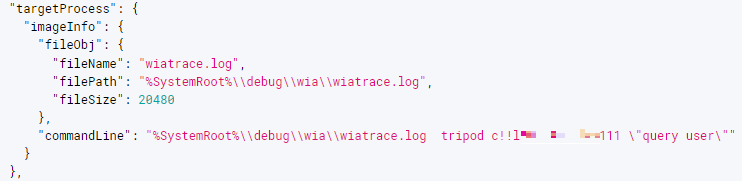
On most infected systems, researchers found an account named “tripod,” which is exploited by the threat actors and this characteristic enables experts in identifying the threat actors.
Tripod user account (Source – Asec)
Cyber Criminals Attacking Web Services
Moreover, it’s been revealed that weak Apache Tomcat and JBoss PACS servers were also targeted for installing Metasploit Meterpreter by threat actors.
Windows servers in domestic companies often employ IIS web servers, frequently hit in attacks like Dalbit and Chinese hacking incidents.
Attacks focus on vulnerable systems, especially IIS or MS-SQL servers, where multiple attackers target the same system persistently. However, among various malicious codes and attack logs, identifying a specific attacker is challenging.
Typical IIS attacks reveal the following common tools that are often linked to Chinese-speaking hackers:-
Some attackers mask code in VMP or create custom tools to evade file scans, leading to attack categorization, and besides this, in the following path the attackers primarily craft the malicious code:-
%ALLUSERSPROFILE%\Microsoft\DeviceSync\
%SystemRoot%\debug\WIA\
In these attacks, threat actors also employ a command-executing tool, Sy_Runas, that takes advantage of the web shell to gain the privileges of a specific user.
Sy_Runas (Source – Asec)
The attack tools are often open source, due to which they lack attacker info like PDB, and not only that, even Chinese ties were also found in tools and malware used by the attackers.
Malicious Codes Developed & Malware Used
Here below, we have mentioned all the malicious codes that the attackers develop:-
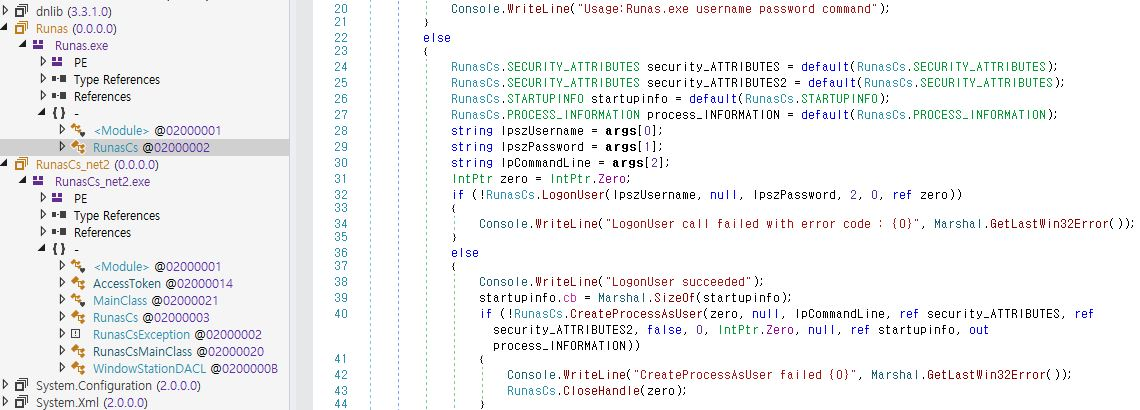
Threat actors use the RunasCs and Sy_Runas, with higher Sy_Runas use per logs, but, most of the systems also show the “.Net-based RunasCs” presence.
RunasCs tool (Source – Asec)
For remote control, threat actors used:-
Cybersecurity analysts affirmed that since 2019 APT attacks are constantly targeting local companies’ web servers.
However, the motive behind these attacks is to inject malicious ads on the homepage of the companies, but now the current attack logs suggest ransomware deployment alongside.
The trick to making a great app is to make it usable. Intuitive navigation can add a lot to the user experience, and Google Maps has this. However, according to 9To5Google (via Android Police), a new swipe gesture in Google Maps will make it just a bit less intuitive.
If you wanted to use Google Maps without the search bar and other UI elements, you’d only need to tap on the screen. This would give you a clean interface to look through. If you wanted to place a pin, you’d just need to tap and hold on an empty spot on the map. That’s how it’s been for years, but Google is making a small tweak that might inconvenience some people.
Google brings a new swipe gesture for Google Maps
The company has been testing this new change out since February, and people are starting to see it. When you’re using Google Maps, instead of tapping on the screen, you’ll need to swipe up on the search bar to clear out the UI. That’s not the hardest gesture to perform, but it brings unnecessary hand gymnastics into the equation. It involves you reaching up to the top of the screen to perform this.
Now, if you tap on the screen, the app will drop a pin. So, people will open the app and start dropping pins thinking that they’re going to clear the interface. However, Google does show a little notification telling you about the new gesture.
It’s weird that Google chose to do this. There didn’t seem to be a problem with the old method. You were able to clear the screen and drop pins without changing your grip on the phone. This won’t particularly break the Google Maps experience, it will be a bit of an inconvenience.
In any case, if you don’t see this change, Google is still rolling it out. It should reach your device soon.
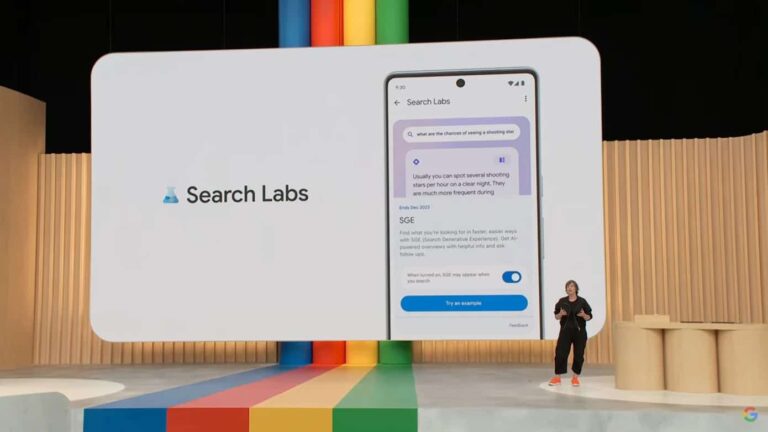
If you find yourself too overwhelmed at the prospect of having to read through a daunting web page, well, salvation is within reach. An experimental Google AI feature will be able to sum it up for you. It’s only been a few months since Google debuted its AI-powered search engine — called Search Generative Experience (SGE) — at Google I/O in May. Already, the company has been making several upgrades to SGE. The latest update now apparently includes a feature that will summarize articles on the web for you.
Google has updated its AI-powered search engine to summarize web articles.
The tech giant already uses SGE to answer search queries and summarize search results, which bypasses the need for users to dig through flurries of search results. But now, according to a blog post from the company, Google is taking SGE further with a new feature that will give users a bullet-point summary of any lengthy web article (via The Verge).
“Our aim is to test how generative AI can help you navigate information online and get to the core of what you’re looking for even faster,” Google said in the statement.
The company is rolling out the feature to Google Chrome users on Android and iOS devices first. After that, it will reach desktop users.
Google explains that the feature is specifically designed for long-form content. When you’re scrolling on a web page, an option called “Get AI-powered key points” will appear. Clicking this will truncate the article into a summary of its content.
“We think these capabilities can be particularly helpful when you’re learning something new or complex, but they can also come in handy for other tasks like finding a new recipe or researching a big purchase,” Google said.
Image Credit: Google
Notably, the feature could face resistance from website publishers who want to keep readers on their websites. This is why the SGE while browsing function will only work “on articles that are freely available to the public on the web,” according to the company. Consequently, it will not work for content behind a paywall.
Users who have already opted into SGE automatically have access to the function. Otherwise, you can try it as a standalone function on Google’s Search Labs.
Tel Aviv / 17/08/2023:Cynomi, the leading AI-powered virtual Chief Information Security Officer (vCISO) platform vendor for Managed Service Providers (MSPs), Managed Security Service Providers (MSSPs) and consulting firms, has published the results of its first annual report, “The State of the Virtual CISO 2023”. The report, conducted by Global Surveys on behalf of Cynomi, reveals critical insights into MSPs and MSSPs’ recent shift towards vCISO services.
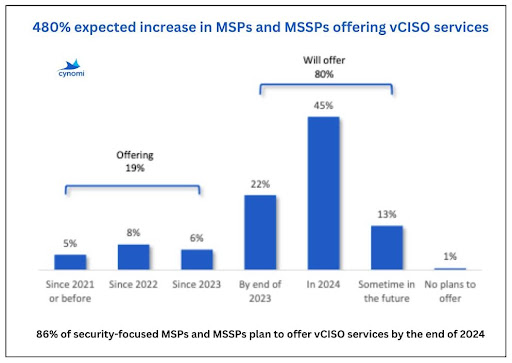
The key highlight of the report is the fact that the number of vCISO service providers is set to increase by 480% between now and the end of next year, from 19% to 86% of MSPs and MSSPs in North America. Of the current 19% that provide vCISO services, just one quarter offered vCISO services prior to 2022. This demonstrates the significant trend of adoption over the last two years that shows no signs of slowing down.
Source: Cynomi
The frequency of cyberattacks is on the rise, and hackers are continually targeting smaller businesses. Despite this, most small and mid-size companies cannot afford to hire a dedicated security professional to safeguard their IT assets full-time. Instead, they are increasingly turning to vCISO services, offered by rising numbers of MSPs and MSSPs. These services give SMBs access to external cybersecurity experts at a fraction of the cost of hiring an in-house CISO.
Cynomi’s report, based on survey responses from 200 Directors, VPs and C-Suite executives at MSPs/MSSPs in the U.S. and Canada, highlights the growing SMB need for the broad cyber support vCISO services provide, and how MSPs and MSSPs are moving quickly to respond to this demand. Of those not currently offering vCISO services, 84% have said they intend to do so by the end of 2024 and most of the others plan to do so at some point.
Indeed, just one percent of the 200 MSPs and MSSPs surveyed said they do not currently have any plans to offer vCISO services. Prior to 2022, only 5% of MSPs and MSSPs were offering vCISO services. Since then, the number of providers offering this service has grown consistently, with 8% in 2022, 28% in 2023, and a projected 45% in 2024 – further evidence of the segment’s accelerating momentum.
“Our inaugural report on the State of the Virtual CISO industry clearly shows that vCISO services are building strong momentum as one of the fastest-growing cybersecurity segments on offer,” said David Primor, co-founder and CEO of Cynomi. “More SMBs want this. The vast majority of MSPs and MSSPs will be offering vCISO services by the end of next year, and those that don’t risk being left behind.”
MSPs and MSSPs stated a number of reasons for their desire to offer vCISO services, with more than 40% of respondents anticipating increased revenue and higher margins, in addition to easy upsell of other cybersecurity services. By offering vCISO services, 33% of respondents also anticipate enhanced client engagement.
Many of these companies also envision challenges along the way: 40% of them are worried by limited in-house security or compliance knowledge, and 33% by a lack of skilled cybersecurity personnel. However, vCISO platforms negate these concerns.
“Since we started offering vCISO services last year, we have helped many businesses understand and shore up their security posture in a very cost-effective way,” said Cliff Janzen, VP Security , rSolutions Corporation. “As a vCISO provider, we have become more involved with our customers’ strategic planning and reporting to their top management, while improving client engagement and satisfaction. They’re reassured to know they can turn to us in all matters relating to their cybersecurity needs without breaking the bank. On our end, too, the costs were lower than anticipated; it was great to add these new services through a vCISO platform to be a force multiplier for our existing team.”
Cynomi has created a comprehensive and regularly updated directory of leading vCISO service providers for SMBs to find a trusted security partner. The directory provides thorough details on the specific services offered by each vCISO provider, as well as the technology platforms they use to guide and implement their security strategies.
As the leading vCISO platform provider for MSPs and MSSPs, Cynomi intends to conduct a recurring study on the growing momentum of the vCISO role each year.
Cynomi’s AI-driven platform empowers MSSPs, MSPs and consultancies to offer vCISO services to SMBs at scale and to provide them with proactive cyber resilience. Combining proprietary AI algorithms with CISO-level knowledge and expertise, Cynomi’s platform streamlines the vCISO’s work while automating manual time-consuming tasks like risk assessment, compliance readiness, cyber posture reporting, the creation of tailored security policies and remediation plans, as well as task management optimization.
Cynomi helps partners overcome the cybersecurity skill gap and scale their business, allowing them to offer new services, upsell, and increase revenues, while reducing operational costs. Established in 2020 with the vision that every company deserves a CISO, and with a channel-only approach, Cynomi now serves more than 50 partners worldwide.
To learn more about Cynomi’s solution for MSPs, MSSPs, and cyber consultancies visitwww.cynomi.com
Samsung has announced a bunch of eco-friendly accessories for Galaxy devices. The company collaborated with various brands and designers to make cases, straps, and other types of accessories for its smartphones, tablets, Galaxy Book laptops, watches, and wireless earbuds. The Korean firm says there are 55 new so-called “Samsung Eco-Friends” accessories in total.
According to an official announcement from Samsung, these products are made with environment-friendly materials such as recycled plastics. The accessories contain more than 40% of PCM (Post Consumer Material) and vegan leather. The cases and straps feature unique designs made by popular artists from all over the world. These include late American pop artist Keith Haring and an Italian creative studio famous for the magazine called Toiletpaper.
Samsung has also used Smileys and designs from K-pop bands BTS and Stray Kids on these accessories. It teamed up with mobile accessory maker Slash B Slash for the production of the accessories. The products will be available for the Galaxy Z Flip 5, Galaxy Z Fold 5, Galaxy Tab S9 series, Galaxy Watch 6 series, Galaxy Buds 2 Pro, The Freestyle smart projector, and more Galaxy devices.
If you have a Galaxy Z Flip 5, Samsung is offering a nice little freebie with these eco-friendly accessories. You can scan the QR code attached to the case to download a matching wallpaper. Moreover, users who have previously purchased the NFC-based Flipsuit case for the foldable can purchase a Samsung Eco-Friends Flipsuit card to decorate the case and the device while contributing towards environmental causes. The Flisuit case costs $60 and is available from Samsung’s official website.
Samsung’s new eco-friendly Galaxy accessories are available starting today
All of these eco-friendly accessories for Samsung devices are available to purchase starting today. The company has initially released the products in its home country South Korea where you can buy them from its newly-opened flagship store in Gangnam. They are also available online from the Slash B Slash website (slbs.shop). The Korean firm says the accessories will roll out to more than 40 countries around the world in the coming months.
“Samsung Electronics plans to continue to discover applicable recycled materials and expand ‘Samsung Eco-Friends’ accessories to make efforts to protect the environment with customers and strengthen cooperation with domestic and foreign partners,” the company said in an official press release [machine-translated from Korean]. We will let you know if and when Samsung releases its new eco-friendly Galaxy accessories in the US.
Microsoft introduced its paint program back in 1985, and it’s been a staple in the Windows experience ever since. Over the past nearly 40 years since we painted our first pixel, Microsoft modernized it several times to keep up with Windows’ changing aesthetic. Now, Microsoft modernized Paint again by giving it a dark mode, according to XDA Developers.
Dark mode seems to be universally loved by most people, and companies are compelled to add it to their programs. Elon Musk was even going to eliminate light mode from Twitter, but that decision was walked back. There’s something about having a dark gray or completely black background that just makes people’s day.
Now, Microsoft Paint gets a dark mode
If you’re a dark mode lover, there’s good news and bad news. For the good news, Microsoft is pushing this new theme out to users now. When you open the application, you’ll see a dark gray background for the top bar, the toolbar, and the canvas. It’s not completely black, which is a bit unfortunate. A completely black background would look great with an OLED display.
In any case, it looks nice. However, if it doesn’t look nice to you, then you can easily change it. On the top right corner of the screen, right under the “X” button, you’ll see a little settings gear. Clicking on it will bring up a page to let you select the theme. You can set it to light, dark, or system. Selecting the system option will automatically change the mode based on the theme you apply to the system.
Now, for the bad news, you can only get this if you’re using Windows 11. That’s unfortunate if you want the dark mode, but you’re not ready or able to upgrade. It’s unlikely that Microsoft will push this feature to Windows 10 users.
After nearly 40 years of existence, it’s nice to know that Microsoft is still updating Paint.
In the current world of cybersecurity, security threats are evolving at a rapid pace, as there are always new problems to deal with.
Among the ever-evolving threats, SMS Bomber attacks are one of the modern attacks in the current threat landscape that can cause severe and adverse effects.
In SMS Bomber attacks the attacker hit the victim by flooding their phone number with numerous text messages. Since these large amounts of SMS overload the phones with unwanted triggers that flood the device with unwanted:-
Vibrations
Alert sounds
Notifications
Cybersecurity researchers at SOCRadar recently identified that hackers are actively selling SMS Bomber attack tools on several underground forums. While these attacks are executed for several illicit purposes, including:-
Trolling
Cyberbullying
Diverting the attention of the target
Distribution platforms
Moreover, besides the underground forums, for distribution and selling SMS Bomber attack tools, threat actors are also exploiting the messaging and open-source code-sharing platforms like:-
Telegram
ICQ
Discord
GitHub
Replit
SMS Bomber Market & Pricing
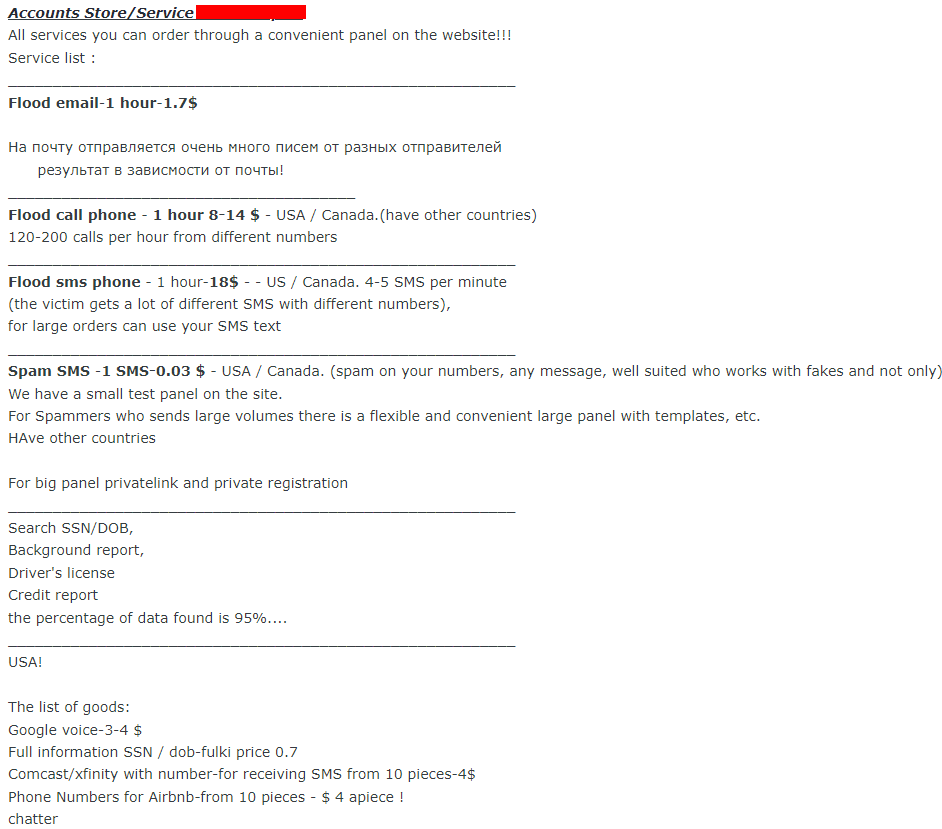
Security analysts at SOCRadar identified the following pricing chart in one of the underground forums:-
Flood email for 1 hour: $1.7
Flood phone call for 1 hour: $8-$14 (120 – 200 calls per hour from different numbers) (US / Canada)
Flood sms phone for 1 hour: $18 (4-5 sms per minute) (US / Canada)
For 1 spam sms: $0.03 (US / Canada)
One of the SMS Bomber service lists (Source – SOCRadar)
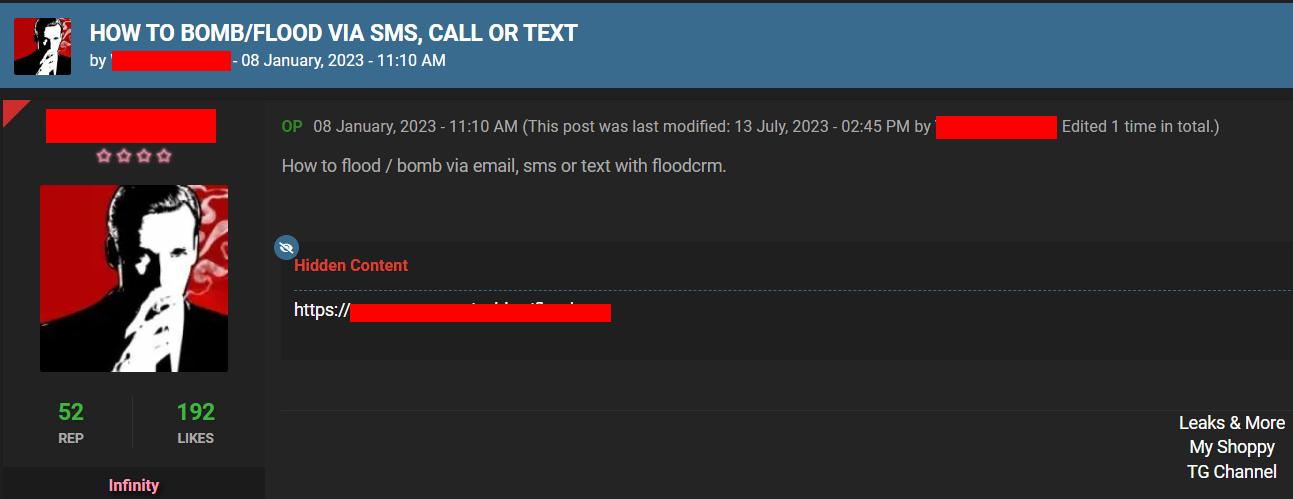
Other posts and service posts that are discovered by the researchers in different forums and platforms:-
Underground forum post related to SMS BOMBER (Source – SOCRadar)
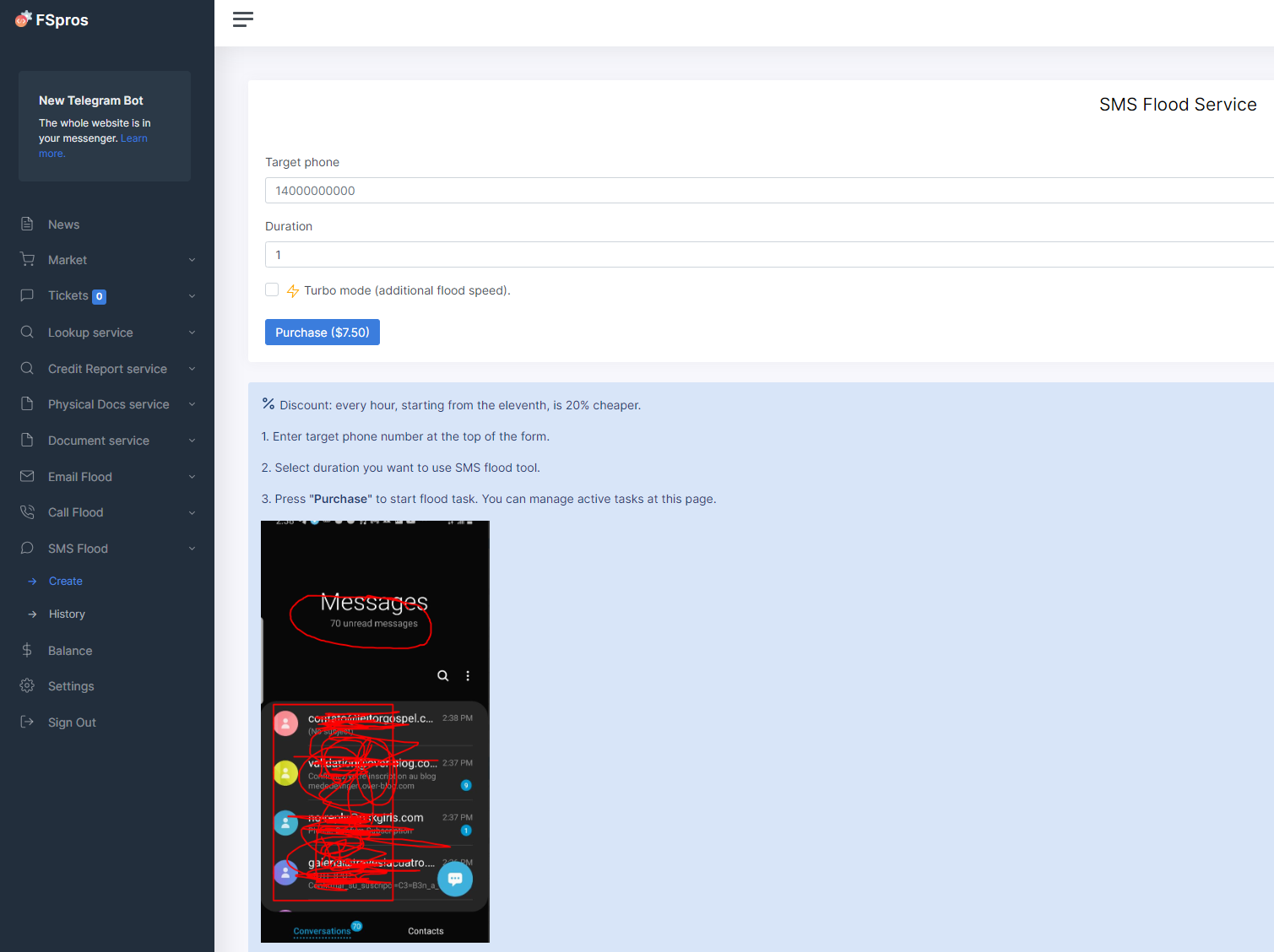
Moreover, through the redirected link, a membership-based panel was discovered offering various services including SMS attacks. With fees determined by attack duration like:-
$7.50 for 1 hour
$615 for 100 hours
SMS Bomber service post (Source – SOCRadar)
While in the case of messaging platforms, Telegram stood at the top, since experts found a channel boasting 94,925 subscribers, and this channel was active since December 16, 2022.
To get all information about prices, security analysts established direct communication with the bot.
Pricing details (Source – SOCRadar)
Here below we have mentioned all the replies that are provided by the bot when asked, What can it do?:-
Perform SMS flooding
Make flood calls
Send callback requests
Send prank calls
Send a recording of the call
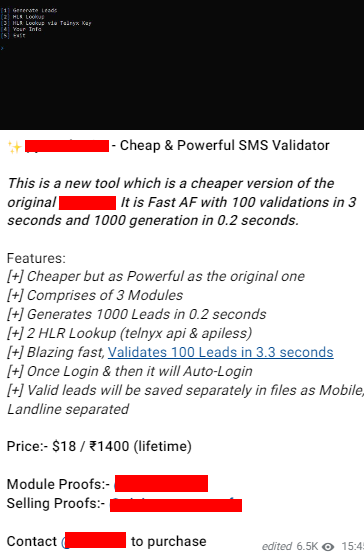
During their investigation, researchers discovered another Telegram channel with 352 subscribers on which they found an SMS Validator app.
SMS Validator (Source – SOCRadar)
This app is an SMS Bomber since it completely works like an SMS Bomber, and it is available at $18 for single and lifetime use.
In the case of open-source sharing platforms like GitHub and Replit, cybersecurity researchers found the following top queries with their respective code counts:-
SMS bomb with 1K Code
SMS bomber with 4.9K Code
SMS bombing with 341 Code
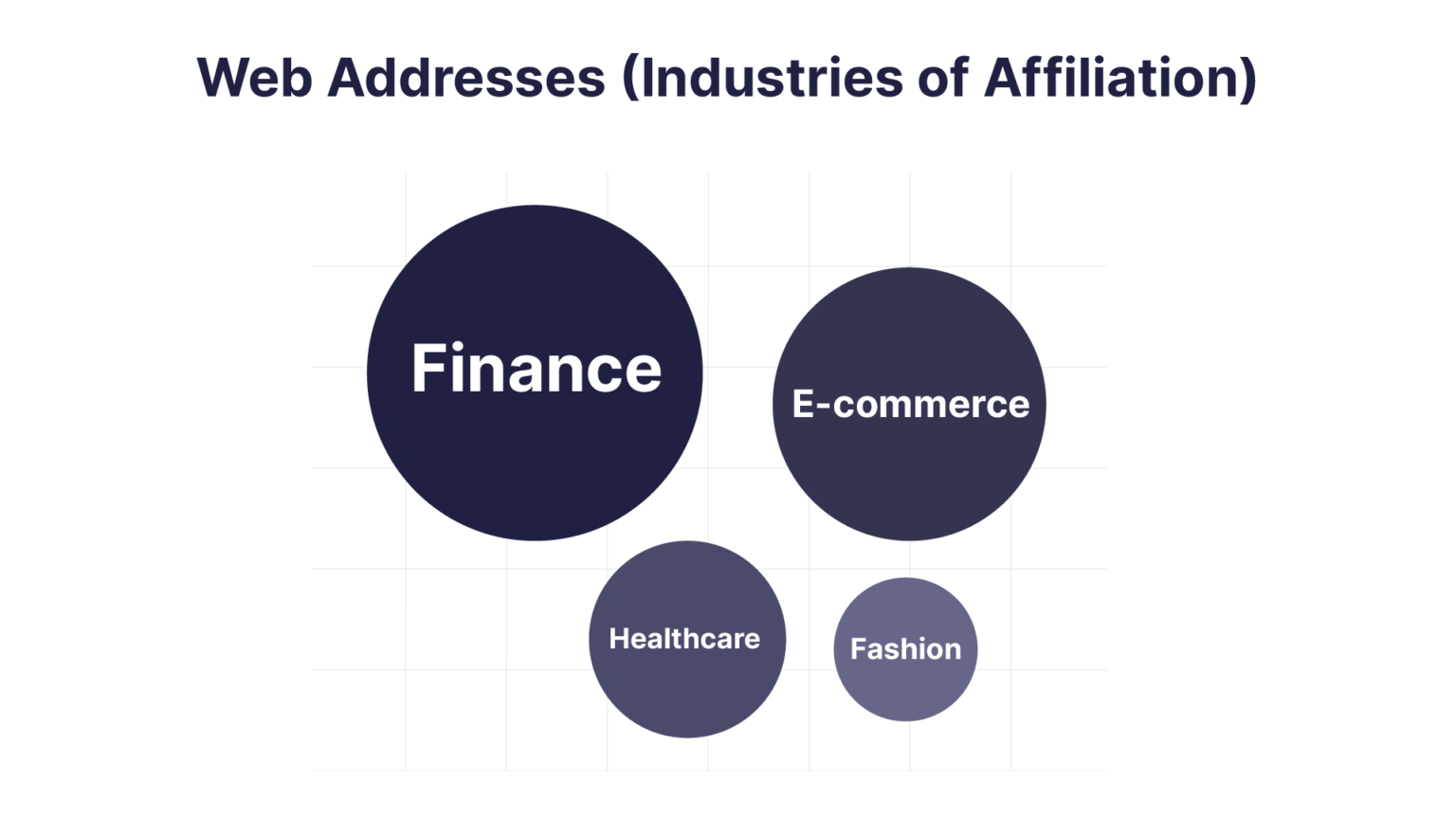
Apart from all these platforms, experts also used Google Dorks for more data that helped in mapping the web addresses, countries of affiliation, and sectoral information.
Countries of Affiliation (Source – SOCRadar)
Here below are the sectors that are mapped:-
Industries of Affiliation (Source – SOCRadar)
Protection Methods
Here below we have mentioned all the protection methods that are provided by the security analysts:-
Spam Filters
Number Hiding
Reliable Sources
Countermeasures to be taken by SMS Service Providers