Cyberespionage actors are increasingly using ransomware as a final attack stage for financial gain, disruption, or to cover their tracks, as the report details previously undisclosed attacks by a suspected Chinese APT group, ChamelGang, who used CatB ransomware against a major Indian healthcare institution and the Brazilian Presidency in 2022.
ChamelGang also targeted other government and critical infrastructure organizations.
Another intrusion cluster using common encryption tools like BestCrypt and BitLocker hit various industries across North America, South America, and Europe, with a focus on US manufacturing.
While the source of this second cluster is unclear, there are overlaps with past intrusions linked to suspected Chinese and North Korean APT groups.
BestCrypt & BitLocker targets
Researchers analyzed two APT clusters targeting governments and critical infrastructure sectors globally between 2021 and 2023. One cluster is linked to ChamelGang, a suspected Chinese APT group.
In 2023, ChamelGang targeted a government organization in East Asia and an aviation organization in the Indian subcontinent, using their known tools and techniques.
They are also suspected to be behind the 2022 ransomware attacks on the Presidency of Brazil and the All India Institute of Medical Sciences, likely using their CatB ransomware, which is based on overlaps in code, staging mechanisms, and malware artifacts with other ChamelGang intrusions.
There were intrusions between 2021 and 2023, during which attackers abused legitimate disk encryption tools, Jetico BestCrypt and Microsoft BitLocker, to encrypt victim endpoints for ransom. Thirty-seven organizations, primarily in North America’s manufacturing sector, were affected.
The attackers leveraged compromised access to deploy the encryption tools, impacting the education, finance, healthcare, and legal sectors as well.
Cyberespionage actors are increasingly using ransomware for more than just financial gain, while the data encryption can destroy forensic artifacts, hindering attribution and deflecting blame.
Additionally, the urgency of data recovery can distract security teams, allowing further espionage activities to go unnoticed, and this convergence of cybercrime and espionage tactics creates challenges.
Siloed information sharing between law enforcement (ransomware focus) and intelligence agencies (espionage focus) can lead to missed opportunities to identify threats, assess risks, and maintain a clear understanding of the overall cyber landscape.
SentinelLabs stresses collaboration on cybercrime/espionage incidents, which includes sharing data, examining artifacts, and analyzing the bigger picture of ransomware attacks by improving the identification of attackers, their goals, and motivations.
They are actively tracking cyberespionage groups that blur the lines between traditional categories and aim to share knowledge to help organizations defend against these threats.
Stay in the loop with the latest in cybersecurity by following us on Linkedin and X for daily updates!
Google just dropped a bunch of new features for YouTube Premium subscribers, like skipping straight to the good parts of a video, watching Shorts in a Picture-in-Picture (PiP) window, and more. But that is not all – there is talk that Google might roll out new Premium plans soon.
YouTube explores new Premium subscription plans
In a YouTube community forum post, Team YouTube mentioned plans to introduce more paid tiers and ways for Premium users to share their perks with others.
We’re committed to bringing members more plan options by expanding our existing offers to more regions, while also introducing new plans and exploring ways for you to share your benefits with friends in the future!
– Hazel, YouTube team member, June 2024
Right now, YouTube offers three monthly paid plans: the standard Premium subscription for $13.99, a family plan that lets you add up to five members for $22.99, and a student plan for $7.99 per month. By subscribing, you get perks like:
Ad-free videos
The ability to download videos for offline viewing
Access to YouTube Music
4K video quality on phones and tablets
Videos in 1080p Premium
Exclusive original content
However, that is not all, as YouTube’s just got some sweet upgrades for Premium members. Android users can now use an AI-powered “jump ahead” feature, and it is coming to iOS in the next few weeks. Plus, you will soon be able to watch YouTube Shorts in picture-in-picture mode on Android, just like TikTok.
Video credit – YouTube
YouTube is also working on making the download experience smoother and tackling those annoying storage issues users keep running into.
Team YouTube hasn’t spilled the beans on what new tiers the platform might roll out, but it does plan to make its current membership plans available in more regions.
YouTube could potentially introduce a more affordable, ad-free tier without all the extra Premium perks. Honestly, I’d jump on that plan in a heartbeat. While the other perks are cool, having an ad-free experience is what matters most to me, at least.
However, no financial information, Social Security numbers, or insurance details were accessed.
Law enforcement requested Nuance to delay notifying the affected patients to avoid impeding their investigation.
The former employee has since been arrested and is now facing federal charges.
Geisinger’s Chief Privacy Officer, Jonathan Friesen, expressed his concern and regret over the incident. “Our patients’ and members’ privacy is a top priority, and we take protecting it very seriously,” Friesen stated.
“We continue to work closely with the authorities on this investigation, and while I am grateful that the perpetrator was caught and is now facing federal charges, I am sorry that this happened.”
Patient Guidance and Support
Geisinger has begun notifying the affected patients and is urging them to review the information provided in the notice.
Patients are encouraged to contact the dedicated support line at 855-575-8722, available Monday through Friday from 9 a.m. to 9 p.m. Eastern Time, excluding major U.S. holidays.
The engagement number B124651 should be provided when calling.
Additionally, patients are advised to carefully review their health plan statements and report any unauthorized services to their health insurer immediately.
This proactive approach aims to mitigate any potential misuse of the compromised data.
Geisinger remains committed to safeguarding patient information and is taking all necessary steps to prevent such incidents in the future.
The collaboration with law enforcement and ongoing investigation underscores their dedication to maintaining the trust and security of their patient’s personal information.
Stay in the loop with the latest cybersecurity by following us on Linkedin and X for daily updates!
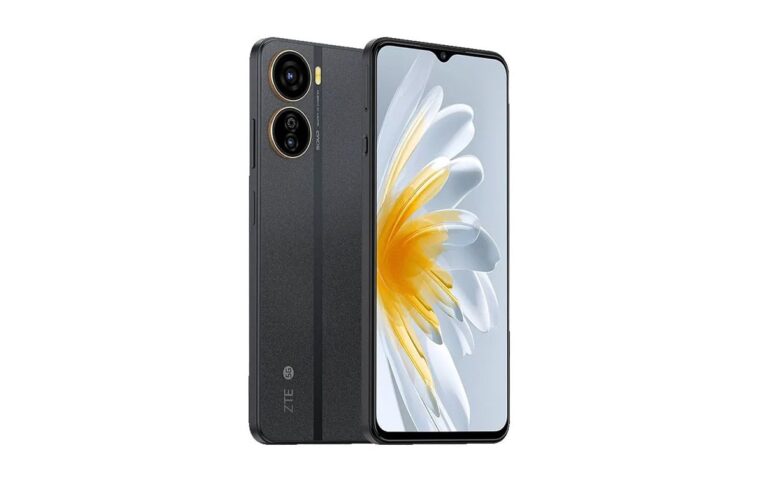
ZTE has expanded its Voyage series of Android smartphones by launching the ZTE Voyage 3D in its home market of China. The phone has arrived as an affordable offering with a glasses-free immersive 3D display. The handset comes after the company released the ZTE nubia Pad 3D II tablet with a similar screen at MWC 2024. ZTE is touting the Voyage 3D as the “world’s first AI naked-eye 3D mobile phone”.
The key selling point of the ZTE Voyage 3D is the conversion of 2D content to 3D in real-time
The ZTE Voyage 3D’s biggest selling point is its Neovision 3D Anytime display technology. The phone is capable of converting 2D content into 3D in real-time. The device relies on stereoscopic eye-tracking tech, which offers a 60-degree viewing angle. Besides, the phone sports a built-in “micron-level” multidimensional glasses-free 3D system. This tech can adjust the screen’s algorithm to provide the best 3D display state in real-time.
The new Voyage offering gets the brand’s self-developed AI 2D to 3D conversion functionality. The feature supports all major media apps to switch to 3D mode with a click of a button. The device also gets a dedicated physical key, which can open a specific content app with one click. Furthermore, the phone offers AI intelligent real-time translation, voice translation, and a series of other AI features.
The budget offering gets a 50MP dual camera system, 5G, and 33W fast-charging
As for the other features, the ZTE Voyage 3D gets a 6.58-inch FHD+ LCD lenticular 3D display. Powering the phone is an octa-core Unisoc T760 6nm EUV processor, which is accompanied by 6GB of RAM and a Mali-G52 GPU. There’s plenty of 128GB of native storage onboard the device. Software-wise, it boots MyOS 13 that’s based on Android 13. There’s also a side-mounted fingerprint sensor for security.
For imaging, the ZTE Voyage 3D sports a 50MP primary camera at the rear, which is aided by a 5MP secondary snapper. There’s also a 5MP front-facing camera for selfies and video calling purposes. A 4,500mAh battery with 33W fast charging technology keeps the 5G smartphone alive.
The ZTE Voyage 3D has been priced at 1,499 Yuan, which roughly translates to $200. The phone comes in a single Star Black color variant and is already on sale in China. There’s no word when the brand is planning to launch the 3D handset in other markets at the moment.
Motorola announced two new foldable smartphones the other day. We’re here to compare those devices, the Motorola Razr+ 2024 vs Motorola Razr 2024. Do note that these two phones are called the Motorola Razr 50 Ultra and Razr 50 in most markets. The names we first mentioned, and the ones that we’ll use in the rest of this article, are used in the US. The ‘Plus’ model is the more powerful one, in case you were wondering.
These two phones are quite similar design-wise, but there are also some notable differences between them. As already mentioned, one is more powerful than the other, and that goes for its cameras as well. We will first list the specs of both of these flip phones and will then move to compare them across a number of categories. Let’s get started, shall we?
Specs
Motorola Razr+ 2024 vs Motorola Razr 2024, respectively
Design-wise, these two phones are very similar. The main difference can be spotted around the cover displays. The Motorola Razr+ 2024 has thinner bezels around that display, and the display is also bigger. Cameras and an LED flash are placed inside the cover display itself, on both phones. They are horizontally aligned. Motorola’s logo sits on the back of both smartphones, in the same spot. The same goes for ‘Razr’ branding too.
Looking at them from the front, when they’re unfolded, they look basically identical. There is a centered display camera hole at the top of the main display, and the bezels around the display are the same. Both phones use a frame made out of aluminum, and a stainless steel hinge. The phone has a vegan leather aka eco-leather back. Physical buttons sit on the right-hand side of both phones and their power/lock buttons double as fingerprint scanners.
The two smartphones are basically identical in terms of dimensions. The Motorola Razr+ is 0.2mm thinner when unfolded, and 0.6mm thinner when folded. Other than that, every other parameter is the same. They’re also virtually the same weight, as the difference is only 0.6 grams. The regular model is technically lighter, but you cannot feel that difference. Both smartphones are IPX8 certified for water resistance. Both phones actually do offer quite a bit of grip thanks to their vegan leather backs. They feel good to hold and use, and Motorola did a nice job with the hinge.
Motorola Razr+ 2024 vs Motorola Razr 2024: Display
Both of these phones use 6.9-inch fullHD+ (2640 x 1080) Foldable LTPO AMOLED displays. Both of those panels can project up to 1 billion colors, and both support Dolby Vision. Also, the peak brightness on both main displays is 3,000 nits. There is one difference between them, however. The panel on the Motorola Razr+ 2024 goes up to 165Hz when it comes to brightness, while the Motorola Razr’s panel hits 120Hz maximum. Screen-to-body ratio on both panels is around 85%, in case you were wondering.
Motorola Razr+ 2024
The cover displays are entirely different. The Motorola Razr+ 2024 features a 4-inch 1272 x 1080 LTPO AMOLED display. That display is protected by the Gorilla Glass Victus, and it has a 417 ppi. It is an LTPO AMOLED display, and it can also project up to 1 billion colors. Dolby Vision is supported, and the refresh rate goes up to 165Hz as well. The peak brightness is 2,400 nits.
The cover display on the Motorola Razr 2024 measures 3.6 inches, has a resolution of 1056 x 1066 and is protected by the Gorilla Glass Victus too. The ppi here is 413. This is an AMOLED panel (not an LTPO display, it’s an LTPS panel), and it has a 90Hz refresh rate. HDR10+ content is supported, and the display can project up to 1 billion colors. The peak brightness is 1,700 nits.
All four displays are really good, though. There’s really nothing to complain about. All four displays are vivid, have good viewing angles, and offer a good touch response. The refresh rate difference on the cover displays is there, but that won’t really bother many people. All four displays are also bright enough, even though the Razr+’s cover display does have the advantage of the cover display on the regular Razr. The crease on the main displays is identical between the two panels, and it’s about the same as it was last year. It’s not much of a problem.
Motorola Razr+ 2024 vs Motorola Razr 2024: Performance
The Motorola Razr+ 2024 is fueled by the Snapdragon 8s Gen 3 processor. That is Motorola’s brand-new chip, and it’s quite powerful. The company also included 12GB of LPDDR5X RAM inside of this phone, while the Razr 2024 offers 8GB of LPDDR4X RAM. Do note that their global variants come in two RAM options. In any case, you’ll find 256GB of storage inside both of these phones. The thing is, the ‘Plus’ model offers UFS 4.0 flash storage, while the Razr is equipped with UFS 2.2 storage.
In regards to actual performance, both do the trick day-to-day. We have not published our reviews yet, but we can safely say that the performance is good on both. They’re quite snappy when it comes to regular performance. The Razr+ does feel snappier in some situations, but they’re mostly on par. The Motorola Razr+ 2024 will likely be a better bet when it comes to gaming, though.
The Snapdragon 8s Gen 3 is the more powerful chip of the two. It’s not quite as powerful as the Snapdragon 8 Gen 3, but it’s flying high. The MediaTek Dimensity 7300X is also a compelling chip, also a 4nm processor, but a level below the processor Motorola used in its new flagship flip phone. Truth be said, both of these phones can likely run any game you can find, and run it well, but the Motorola Razr+ 2024 will have the upper hand with the most demanding titles out there. You’ll be able to read more about that in our reviews, though
Motorola Razr+ 2024 vs Motorola Razr 2024: Battery
The Motorola Razr+ 2024 includes a 4,000mAh battery on the inside. The Motorola Razr 2024, on the flip side, has a 4,200mAh battery. Based on our initial impressions, the battery life is good on both devices. More detailed findings will be accessible in our reviews, of course. The point is, the battery life seems to be good enough on both. It seems to be better than on the Galaxy Z Flip 5, based on what we’ve been able to see thus far.
The battery life seems to be in line with what the OPPO Find N3 Flip offered, or at least close to it. That’s not half bad for a flip phone, that’s for sure. The vast majority of you likely won’t need to recharge either of these two phones during the day. Just make sure you’re not expecting outstanding battery life, and you’ll be good. The battery life is good, it’s just not in line with the best regular flagships out there.
Motorola’s Razr+ 2024 handset supports 45W wired, 15W wireless, and 5W reverse wired charging. The Motorola Razr 2024, on the other hand, supports 30W wired, and 15W wireless charging. It does not offer reverse wired charging. One thing to note is that neither of these two smartphones comes with a charger in the box. You’ll need to buy it separately, unless you don’t already own a compatible one, of course.
Motorola Razr+ 2024 vs Motorola Razr 2024: Cameras
These two phones have the same main cameras, but their secondary cameras are different. The two phones include a 50-megapixel main camera with a 1/1.95-inch sensor. The secondary camera on the ‘Plus’ is a 50-megapixel telephoto unit with a 2x optical zoom. The Motorola Razr 2024 has a 13-megapixel ultrawide camera with a 120-degree FoV on the back. The front-facing camera is the same on both phones too, a 32-megapixel unit.
Motorola Razr 2024
With that in mind, the improvements on the main camera are noticeable compared to the Motorola Razr+ 2023. Motorola not only upgraded the sensor from a 12-megapixel to a 50-megapixel one, but this sensor is also larger. We have shot quite a few images thus far and can see improvements on the main camera. This camera offers a really good contrast in shots, and accurate exposure too. The images do look a bit processed, but in a good way, and the detail levels are also good. Low-light photos are also good, though not the best we’ve seen. They do end up nicely balanced and offer good colors.
The telephoto camera is good, but nothing to write home about, and the same actually goes for the ultrawide camera on the Motorola Razr 2024. We’ll share a lot more impressions in our full reviews, along with a bunch of images. These are only some details that we’ve noticed thus far in the review process. It’s nice to see an improvement compared to last year’s phones, though, that’s for sure.
Audio
Both of these phones have stereo speakers. You’ll be glad to know that the Motorola Razr+ 2024, in particular, got a noticeable upgrade over last year’s model. Its speakers are quite loud, much louder than the ones on the Motorola Razr+ 2023, which were already quite good. The sound quality is also good from both phones.
There is no audio jack on either of these two devices, in case you were wondering. You can either utilize their Type-C ports or go wireless. Bluetooth 5.4 is supported on both of these smartphones.
Google might be expanding the reach of Circle to Search beyond its current limitations through Google Lens. This is suggested by recent findings of hidden code in beta versions of the Google app on Android. Circle to Search is a feature first introduced on the Galaxy S24 series that allows users to easily search for information related to what’s on their screens.Google has been gradually expanding access to Pixel smartphones and aims to reach 200 million users by the end of 2024. Although not explicitly stated, it seems that Google Lens could be a key factor in achieving this goal. There have also been reports of the feature being tested on iOS and Chrome for Desktop under the Lens branding.
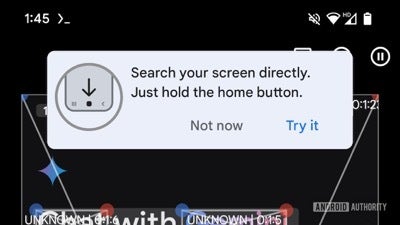
Several clues have been found in recent beta versions of the Google app. For example, a pop-up within Google Lens mentions searching the screen directly by holding the home button, which is how Circle to Search works. Furthermore, when using a three-button navigation bar, the Circle to Search feature could be activated from within Google Lens.
A clue that Circle to Search functionality may be embedded into Google Lens | Image credit — Android Authority
In newer betas, the Translate button and Circle to Search animation were also activated, all handled by Google Lens rather than the actual Circle to Search feature. Interestingly, Circle to Search is internally codenamed “Omnient,” while the similar feature within Google Lens is called “Lensient.” Currently, this feature within Google Lens is restricted to three-button navigation bars.One hypothesis suggests that the restriction to the three-button navigation bar might be related to the system updates required for Circle to Search on Pixel and Galaxy phones. These updates could have modified code related to gesture navigation, making it incompatible with the feature. Extending these updates to a larger number of devices might not be feasible, so limiting the functionality to the more universal three-button navigation bar could be a practical solution.
Another possibility is that Google is using Google Lens as a way to bring Circle to Search to a wider audience more quickly. Circle to Search is currently limited to recent Google and Samsung flagships, while Google Lens is supported on all devices running Android 6.0 and newer. By incorporating the functionality into Google Lens, Google could reach a larger user base without requiring system updates on a massive scale.
While these findings are based on pre-release code and may not reflect the final product, they strongly suggest that Google Lens could play a crucial role in expanding the availability of Circle to Search. This would allow more users to enjoy the convenience of searching for information directly from their screens, regardless of their device, thus democratizing the once exclusive feature.
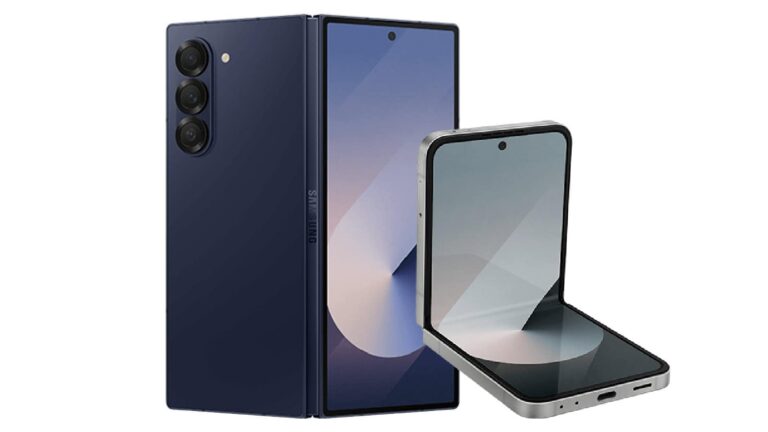
Samsung‘s devices are no stranger to leaking ahead of their official announcements, and so it goes with the latest phones expected to hit the market, the Galaxy Z Fold 6 and Galaxy Z Flip 6, which have just leaked in full view courtesy of Evan Blass.
These leaks are high-quality images of what appear to be official renders. So you get an eyeful of both phones. So far, this is the best look yet that we’ve seen of both the Galaxy Z Fold 6 and Galaxy Z Flip 6. Although it’s hardly the first time these phones have popped up, especially in recent weeks.
Just earlier this week, in fact, both phones were leaked in renders of their official Samsung cases. The images showed the phone inside the cases and not just the cases themselves. However, these new renders are of just the phones and with pretty decent clarity.
Both the Galaxy Z Fold 6 and Galaxy Z Flip 6 come in two colors
Judging from the renders, and according to the details from Evan Blass, there are two colors of each phone. The Galaxy Z Fold 6 will be available in Navy and Silver, while the Galaxy Z Flip 6 will be available in Blue and Silver. Of course, the Blue on the Galaxy Z Flip 6 is a very light Blue and not as deep in color as you might expect. It almost looks like sky blue or periwinkle blue. If you slap the periwinkle C3D9FF hex code into a color picker, in fact, the blue you get looks almost spot on with the Galaxy Z Flip 6 blue.
The Galaxy Z Fold 6 is quite a bit darker, which is expected given it’s a navy color. And quite honestly, I dig it. The deeper blue is really, really nice. Plus, it’s a nice change of pace from the silver and black you see on phones all the time. Samsung is expected to announce the Galaxy Z Fold 6 and Galaxy Z Flip 6 at Galaxy Unpacked on July 10. And although Samsung hasn’t confirmed the announcement of either phone, it has been putting out teasers of the phones. July 10 is just around the corner, so we should know more about each device soon enough.
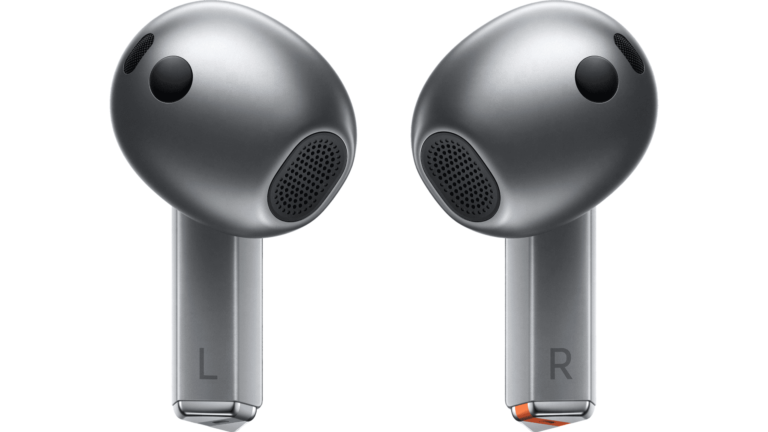
Recently, we showed off some high-res images of Samsung’s highly disappointing Galaxy Buds 3 series. Well, Mr. Evan Blass wasn’t done giving us our early Christmas gifts. We have more leaked images of the Galaxy Buds 3 and Galaxy Buds 3 Pro.
Earlier today we got some images of Samsung’s next flagship wearable audio gear, and we can’t deny that they look similar to AirPods. This is especially true for the Galaxy Buds 3 Pro. These get rid of the silicone tips and take on an aesthetic closer to what we see with AirPods.
Along with that, Samsung also opted for a stemmed design. So, rather than using the radical and exotic shapes we’ve seen, Samsung has defaulted to a more standard look. The stemmed look brings some additional functionality. Reports point to a squeeze gesture for the Galaxy Buds 3. This might be the reason for the black line running the length of the stem.
Above are the previous images we got. They show what we expect to be the Galaxy Buds 3 in silver and the Pro in white. They also show us the case in silver.
We have more images of the Galaxy Buds 3 and Buds 3 Pro
So, with this batch of images, we have the opposite; we see the regular Buds 3 in white with the Pro in silver. Just like with the other leak, we see that both models sport a stemmed design along with a line down the middle. Also, they both have colored stripes on the bottom. We’re not sure if those stripes are painted on or if they’re lights.
Along with the buds, we also see the case. This time, it’s white to match the Galaxy Buds 3. We see that the top of the case is transparent. There are colored lights on each side of the case, and they match the colored stripes on the bottom of the buds.
We’re still waiting for more information about these earbuds. Rumors point to them having up to 24 hours of battery life and IP54 water and dust resistance. We don’t know how much these are going to cost, but we expect to find out during Samsung’s next Galaxy Unpacked event.
Oh Samsung, how far you’ve fallen…
If you recall, it appears that Samsung has given up originality in order to be more like Apple. It’s a sad thing to see, especially if you’ve been around when Samsung’s and Apple’s devices couldn’t be more different. Think back to the Galaxy S6 Edge vs. the iPhone 6s. It was like looking at two different beasts.
However, there’s no denying it; Samsung has gone rogue. The Galaxy S24 phones adopted the iPhone-esque flat edges, the Galaxy Tab series looks similar to the iPad series, the Galaxy Watch 7 Pro is going for a square aesthetic, and it looks like the Galaxy S25 might also lose its identity and opt for a rounder aesthetic like an iPhone.
We also can’t forget about software attributes that Samsung lifted from Apple like widget stacks and the lock screen customizations. This is a trend that we’ve seen from other Android OEMs, but Samsung was the beacon atop Android tower, constantly being the solar opposite of Apple. Its devices have defined Android and showed the world that the iPhone isn’t the definitive smartphone.
But, with all of the things that it’s taking from Apple, and the fact that it’s taken the tactic of sitting on the same design for multiple generations, it’s clear that Samsung has jumped ship. Since Samsung wants to be the new Apple, what company is going to be the new Samsung?
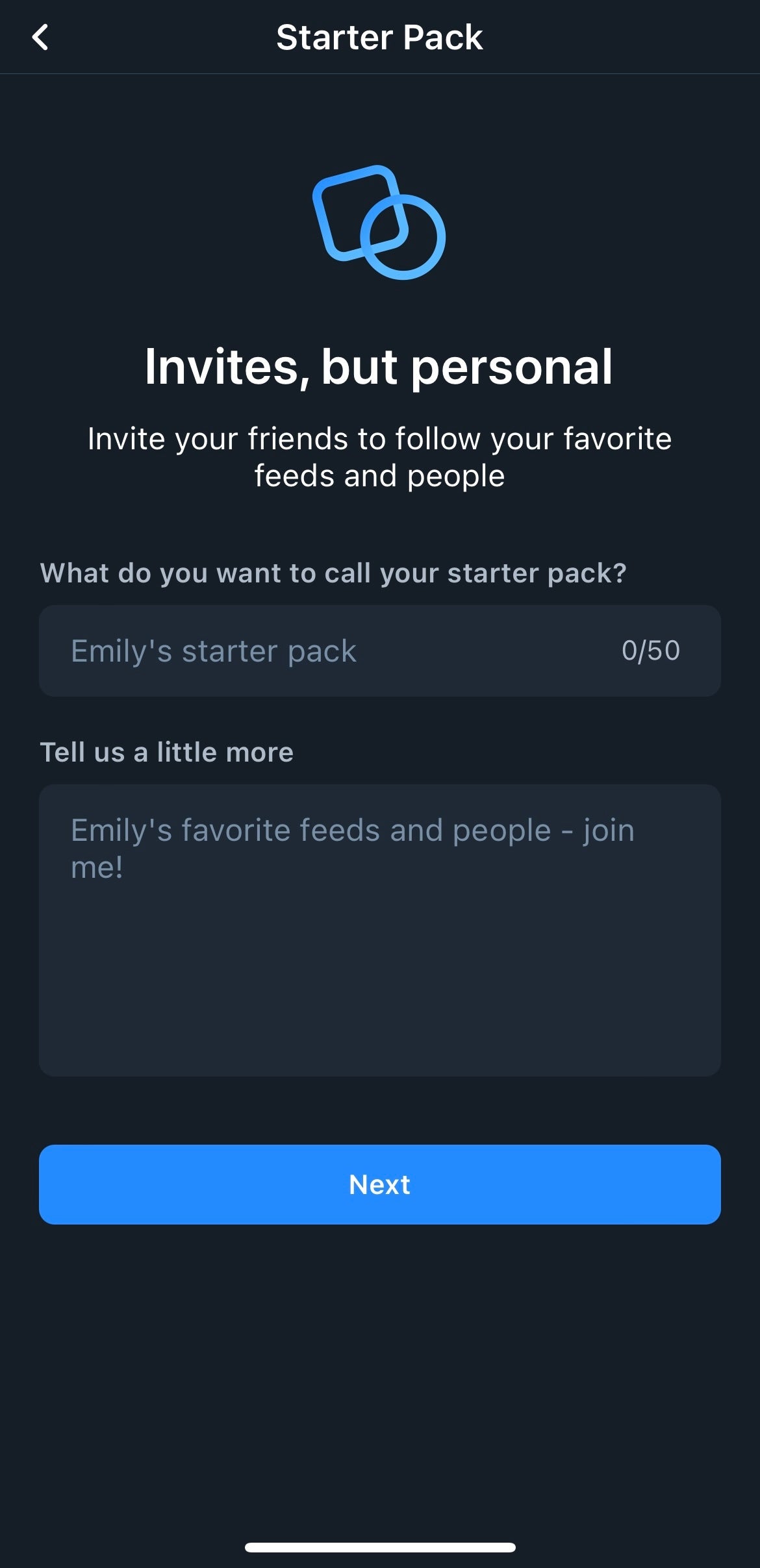
Bluesky has introduced a new feature called “starter packs” to help both new and existing users discover relevant accounts and custom feeds on the platform. This move aims to address the common challenge of finding interesting content when joining a new social network.
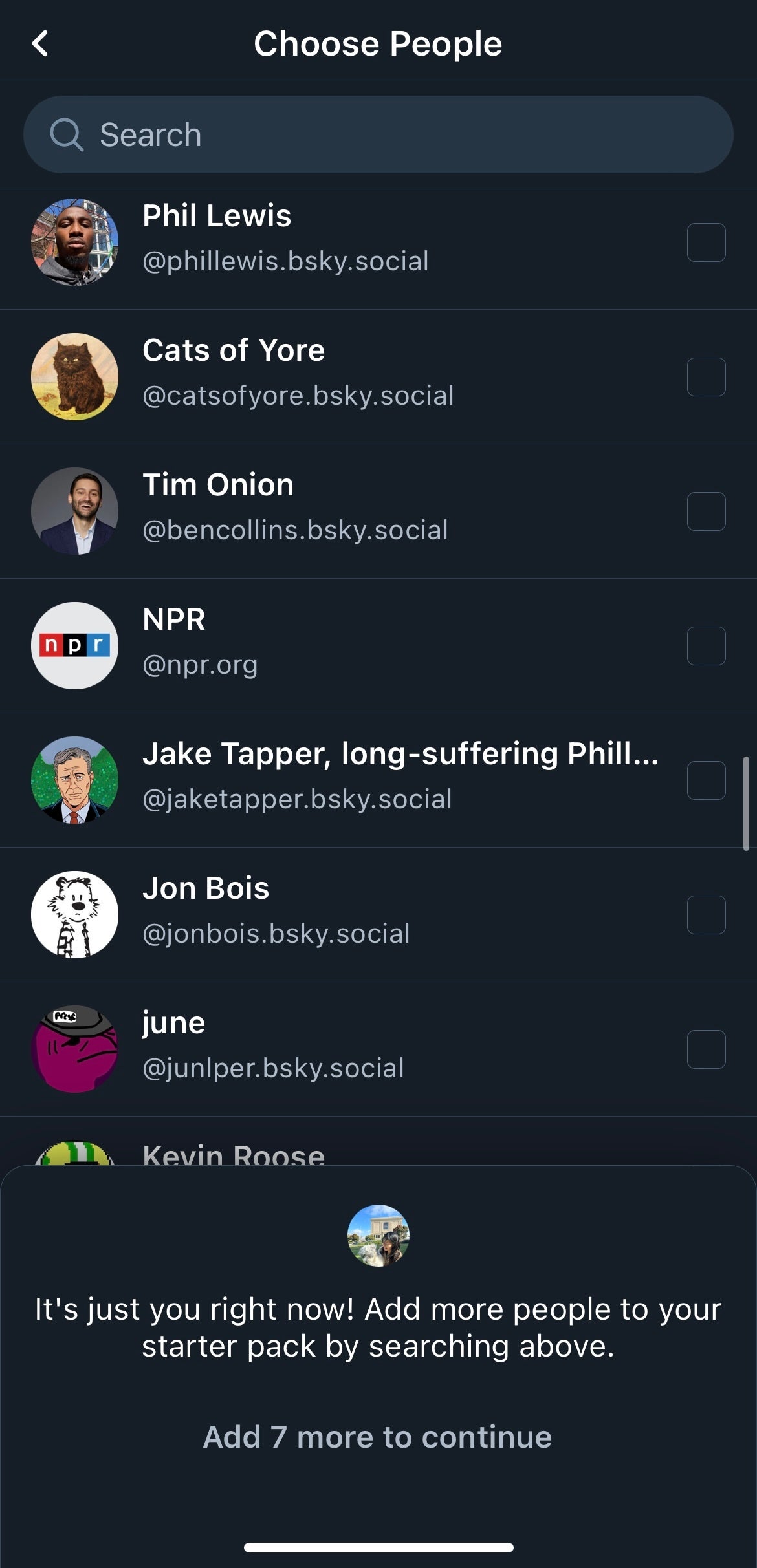
Starter packs are essentially curated lists of up to 50 accounts and three custom feeds, tailored around specific interests or themes. Existing users can create and share these packs, making it easier for newcomers to quickly populate their feeds with relevant content. The feature is not only useful for new users as even those who have been on Bluesky for a while can benefit from discovering new accounts and feeds through starter packs.
Starter packs can be shared on Bluesky | Image credit — Bluesky
One of the highlights of this feature is its integration with Bluesky’s custom feeds. These are algorithmic feeds created by users, offering a personalized way to consume content. Starter packs often include custom feeds alongside recommended accounts, making it even easier to find relevant topics.The introduction of starter packs comes at a time when many users are seeking alternatives to platforms like Twitter. By providing a curated onboarding experience, Bluesky hopes to attract and retain users who are looking for a more tailored and engaging social media experience.
To access starter packs, users can either scan a QR code shared by someone or find them directly on the Bluesky platform. The feature is available to all Bluesky users and can be used to discover new accounts, explore custom feeds, and connect with communities of shared interests.
With starter packs, Bluesky not only simplifies the onboarding process but also encourages the exploration of a variety of content within the platform. Whether you’re new to Bluesky or a long-time user, starter packs should offer a convenient way to connect with like-minded people.
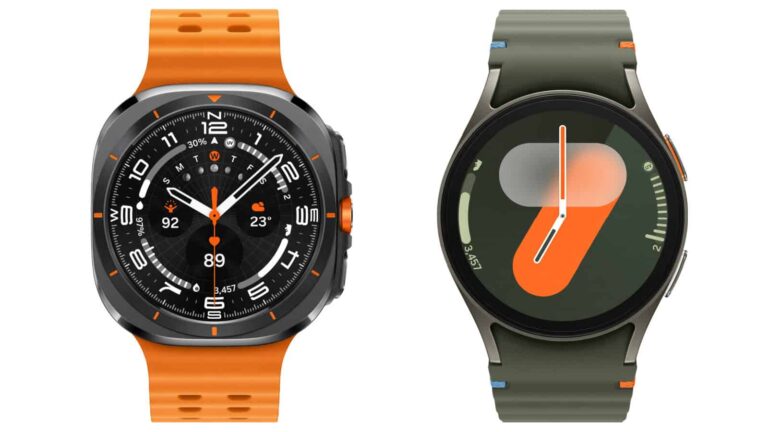
The Galaxy Watch Ultra and Galaxy Watch 7 both leaked in official-looking renders earlier this morning and now more images are popping up to give people an alternative look at Samsung‘s two upcoming smartwatches. Both the Galaxy Watch Ultra and Galaxy Watch 7 are expected to be announced at Samsung’s upcoming Galaxy Unpacked event. This event takes place on July 10, so official announcements or reveals are still weeks away.
However, that hasn’t stopped the deluge of leaks about either device over the past few months. And now with what looks like official renders out there, there’s little left to learn about either new watch. Save for the pricing and availability and any new features. Many of the device specs have leaked already, though it’s important to keep in mind that these haven’t been confirmed. Despite the lack of confirmation, some of the leaked information may not be far off. Of course, we can’t be certain until Samsung reveals these two new watches.
New Galaxy Watch Ultra and Galaxy Watch 7 renders leave little to the imagination
When it comes to design there’s little that isn’t already known about the Galaxy Watch Ultra and Galaxy Watch 7. Thanks to the leak this morning, and a leak from earlier this year, we already know the Galaxy Watch Ultra has a square-like case. It’s a departure from Samsung’s usual designs. As the company hasn’t released a square smartwatch since the days of the Galaxy Gear and Gear S. That being said, the Galaxy Watch Ultra is more of a squircle, so this is technically different.
The Galaxy Watch 7 meanwhile takes on the same design fans of the Galaxy smartwatches have come to know and love. A round watch face with two side buttons and matte finish metal for the watch case in a few different colors. The additional images leaked are fairly similar to those from this morning, albeit from slightly different angles, and one where the watch band is unfastened so you can see it stretched out.
As noted in our previous post, the Galaxy Watch Ultra comes in either black or silver. With band color options that include white, orange, and black. The Galaxy Watch 7 will offer what looks like three colors for the watch itself, and these will be silver, titanium, and what appears to be a champagne gold color. The bands meanwhile will be offered in white and what looks an olive green.