Google Messages has finally added direct reply to its web version. The feature has been long-awaited by users and brings more convenience and efficiency to the web app.
Google services on mobile apps are usually at the forefront of receiving updates. For example, The Google Messages mobile app has recently received an update that makes it easy to spot RCS conversations. While almost no one expected Google to update the Messages web version, the company has introduced direct replies to the web app.
The feature would allow users to respond directly to RCS chats in the same way they do it on Android. The history of the latest update for the Google Messages web app goes back to March when the company updated RCS read receipts/send status.
You can now directly respond to RCS chats in the Google Messages web app
Google Messages desktop web client (PWA) already lets users directly reply to RCS messages. Its experience is much similar to the Android app by showing a “Reply to message” hint for quick replies.
Direct response is especially helpful for individuals who spend a lot of time on their laptops or computers. They may quickly reply to communications from their PCs rather than continually pulling up their phones. Thanks to this functionality, users can continue to be connected without interruptions, which saves time and effort.
The direct reply also improves multitasking ability. Users can quickly respond to messages while switching between several tabs or applications effortlessly. You can simply manage your discussions without losing sight of your responsibilities, whether working on a project, doing online research, or even playing a game.
The user-friendly UI and smooth connectivity with other Google services have long been hallmarks of Google Messages. The app’s functionality could significantly improve thanks to the direct reply feature. With the addition of this new function, Google Messages maintains its position as one of the best texting apps available.
Right now, OpenAI, the company behind ChatGPT and DALL-E, is in the grips of a heated legal battle. The case says that the way that it obtains data to train ChatGPT- scraping public data off of the internet- is a massive violation of people’s privacy. It seems that Google is watching closely, as the company updated its privacy policy. In the process, it confirms that it scrapes data to train Google Bard.
We know that OpenAI is going to be fighting this legal battle for some time, and the outcome could have an impact on the course of AI going forward. We have an editorial on this case, and you can click here to read it.
Google confirms that it scrapes data to train Bard
Looking at the hot water that OpenAI’s in, it’s no surprise that Google is looking to cover its hide. The search giant is quite the collector of legal cases against it.
According to Gizmodo (via The Verge) Google updated its privacy policy on July 1st. The company didn’t really change much of the contents of the policy. However, it’s more clear about the fact that it scrapes data to train its AI products. This includes Bard, but it’s not limited to it. “…we use publicly available information to help train Google’s AI models and build products and features like Google Translate, Bard, and Cloud AI capabilities.”
The fact that it clarifies that it uses publicly available data to train its AI models, the company hopes, will keep it from catching fire. A major part of the case against OpenAI is the fact that it didn’t specify this. People are, unknowingly, having their data scraped to be used for AI.
Clarification isn’t the point
Google specified that it scrapes data, great; the company gets a gold star. But that’s not the point. This change just barely keeps the company within the gray area between legal and illegal. Maybe it will keep it out of the eyes of lawmakers and governmental agencies for now.
But this does nothing for the people it’s scraping data from. As AI takes more steps forward, it’s stepping on more and more people. Artists, journalists, creative writers, musicians, composers, developers, etc. Clarifying to these people that their data is being used to train the very AI models that will put them out of a job doesn’t make the situation better.
If Google, OpenAI, and other AI companies are really concerned about policing their creations, they’re going to have to do better than this. If not, they should clarify that they only care about money, and not the people affected by their products.
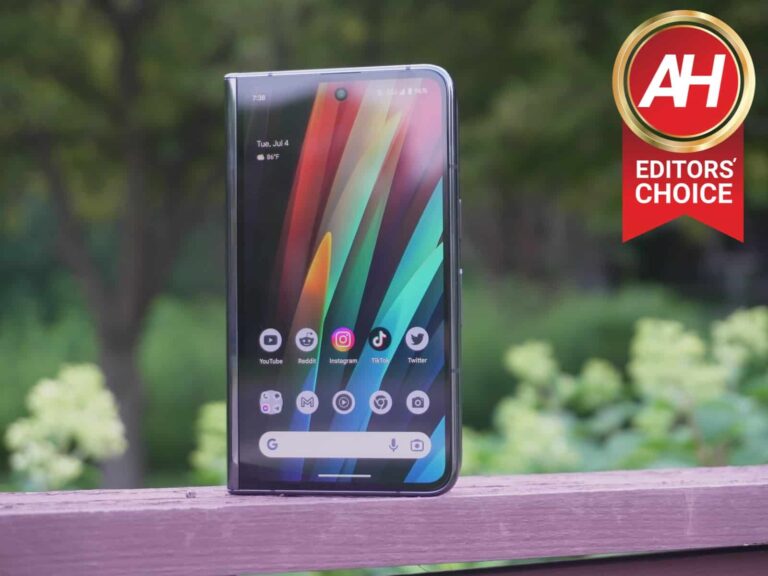
Heading into Google I/O in May, we knew that the Pixel Fold was being announced. It had leaked numerous times, so we knew what to expect from this device from Google. And when I finally got hands on with the device after the keynote, I knew this would be the one to dethrone Samsung. In fact, I even said as much in the hands-on article. But now that I’ve been able to spend some time with it, making it my daily driver, do I still feel the same?
Actually, I do. In fact, my opinion on the Pixel Fold is even stronger than before. And that really all comes down to the display. But before I spoil this review, let’s get started with the hardware.
Google Pixel Fold Review: Hardware
From the moment I first picked up the Pixel Fold, it felt like a high-end piece of jewelry. Something I used to really only feel with the iPhone, or with Samsung’s Galaxy Z Fold devices. Of course, with a phone that costs $1,800, you’d expect that. But then again, this is Google.
Google used an aluminum frame for the Pixel Fold, and Gorilla Glass Victus on both the front and back. Now the back is a frosted glass, similar to what the Pixel 4 had a few years ago. And that’s something I wish Google would go back to with the regular candy-bar sized smartphones. It makes it feel really good in the hand, and it’s not slippery at all. Of course, you can also rest your finger below the camera bump, making it even easier to hold onto.
What Google has done really well with the Pixel Fold is, that hinge. The hinge allows it to fold completely flat, so there’s no gap in there. Like there is with Samsung’s foldables, which is a bit crazy since every other smartphone maker has managed to get rid of that gap. But that does help you have some peace of mind about dirt and dust getting in there and possibly breaking the display.
Google was able to manage an IPX8 rating for durability here. Which basically means that it is water resistant, not dust resistant. And considering we’ve already seen a couple of Pixel Folds break due to dust, that sounds about right. Foldables aren’t the most durable phones out there, but they are improving, which is good to see.
The Pixel Fold is one heavy beast
It’s something I’ve grown accustomed to dealing with, buy the Pixel Fold is super heavy. In the Galaxy Z Fold 4 review, I complained about the weight. That was a pretty heavy phone, but the Pixel Fold is even heavier. About 20 grams heavier, weighing in at 283g.
Now, despite it being heavier than the Galaxy Z Fold 4, it doesn’t seem heavier than it. Now, maybe this is because the weight is more evenly distributed compared to Samsung’s phones. Which have that massive hinge, and likely uses a good amount of the weight.
Honestly, the phone feels heavy, but it doesn’t feel so heavy that it’s a dealbreaker for me. For reference, I carry an iPhone 14 Pro which is also quite heavy at 206g. That’s still considerably lighter than the Pixel Fold, but still quite heavy for a 6.1-inch phone.
You’ll get used to the weight, perhaps faster than if you had bought a Galaxy Z Fold 4. But don’t forget, you’re basically getting a phone and a small tablet here, so the weight makes sense, especially with aluminum and glass.
Google Pixel Fold Review: Display
Perhaps my favorite feature of the Google Pixel Fold – the displays. Let’s start with the outer display. This is the display that you’ll likely use the most. This is a 5.9-inch 17.5:9 aspect ratio display. It’s basically the same size as a regular smartphone display, and a bit wider than most current-day smartphones. Bringing us back to the display sizes of about 5-6 years ago, and I for one, love it.
This display is actually usable, and during the week I spent with the Pixel Fold, I’d say I probably used that display about 80% of the time. There just wasn’t much reason to open it up and use the wider 6:5 aspect ratio display. This is also part of the reason why the Pixel Fold battery life is actually pretty good, but we’ll talk about that in a bit.
So why is this display better than what the Galaxy Z Fold 4 offers? Well, the Galaxy Z Fold 4 has a very skinny front display. It’s a 23.1:9 aspect ratio. Which makes it very cramped, and very tall. Making it hard to do well, really anything. The Pixel Fold is quite the opposite actually. And that’s what makes it so great.
The main display is great for multi-tasking
The other issue with Samsung’s foldable is that, the main display is pretty close to being a square. It’s a 21.6:18 aspect ratio display, which means that using apps side-by-side can be a real pain as well, since they are still going to be skinny. About as skinny as the outer display. Or if you use a single app, it’s going to be stretched out, which is also not a great experience.
Google has done better here with that internal display, making it a 6:5 aspect ratio. Still pretty close to a square, but it’s wide enough (without rotating it) to run two apps side-by-side, and keep them at the same 17.4:9 aspect ratio as you’d see on the front screen.
While I’ve been using the Pixel Fold, I’ve mostly only used the internal screen when I need to use two apps at the same time, or for something like Google Maps. Apps like that work really well with this square aspect ratio. As you’re able to see a lot more of the area around you, which is really nice.
Google Pixel Fold Review: Performance
Since the Pixel 6 debuted in 2021, I’ve been quite critical of the Tensor chipset. It’s often times pretty slow, can get hot while doing simple things, and not to mention the battery life. The modem with the Tensor chipset is also not good. Of course, our European friends will just laugh at this since, the Tensor is basically a rebranded Exynos chipset.
However, on the Pixel Tablet and Pixel Fold, I’ve been pleasantly surprised at how much better the Tensor G2 chipset has been, compared to the Pixel 7, 7 Pro and 7a smartphones. I’m not sure if Google has had time to better optimize the software and the chipset for the Tablet and Fold, or maybe it’s a placebo effect. But it does seem a lot better. However, the usual Tensor problems still exist.
Many have noticed, including myself, that while doing simple tasks on the Pixel Fold, it does get quite warm. I was browsing in Chrome for a few minutes, and I could feel the back of the phone getting quite warm. It wasn’t overheating, but it was warm. Which, honestly, shouldn’t be happening. I feel like it should only get warm if you use the camera for a long period of time, and/or are gaming for a long period of time.
Speaking of gaming, this isn’t a gaming phone. So don’t expect this to outperform something like the ASUS ROG Phone, but it’ll game. Tensor wasn’t made for gaming, it was made moreso for AI and machine learning for Google’s own software features and the Pixel Camera.
Google Pixel Fold Review: Battery life and Charging
Going into this review, I’ll admit my expectations for battery life was not high. Knowing how mediocre the Pixel 7 and Pixel 7 Pro battery life was, and the fact that the Pixel Fold has a smaller battery than the Pro, while having a second screen, I was not expecting a lot here. But, the Pixel Fold has exceeded my expectations.
The Pixel Fold was able to deliver to me about 8 hours of screen on time, on multiple days. Now is that the best battery life on a smartphone? No. Of course not. But that is enough to get everyone through a day of usage. Standby has also been pretty decent. Leaving it on my bedside table overnight, for roughly 8-10 hours, it dropped only 3-4%. That’s right on par with the Galaxy S23 Ultra, actually.
I have seen some others claim that standby wasn’t as good, and that is likely due to their carrier and the carrier’s signal. I used the Pixel Fold on Visible (which is on Verizon’s network) and it worked perfectly. Never really lost signal at all. So that definitely did help me out with battery life.
I will use this caveat here though, I did end up using the outer display a lot more on the Pixel Fold. As I mentioned above, probably about 75-80% of the time I was using that outer display. But even on days where I used the inner display heavily, I was still getting well over 6 hours of screen on time. So battery life isn’t a problem, for now. I say that because, Pixels tend to degrade quite a bit over time. The Pixel 7 Pro was decent at launch, but now, it’s pretty bad.
Charging speeds are for the birds
One area that smartphones in the US really lack is, charging speeds. The Pixel Fold is even slower than Samsung’s newest smartphones. Boasting speeds of 30W wired and 7.5W wireless. Which is brutally slow. It takes nearly two hours to fully charge the Pixel Fold, and the battery isn’t even really all that big. It’s only a 4821mAh capacity battery, yet the Galaxy S23 Ultra can charge much faster at its 45W peak speed.
On top of that, after paying $1,799 for the Pixel Fold, you don’t even get a charger in the box. Now, most of us likely have a capable charger laying around already, but at that price, Google could have spent another $5 and put in a 30W charging brick.
The good news here is that the Pixel Fold does have enough battery to get you through the day, most likely, unless you’re a very heavy user. So that you only need to charge at night.
Google Pixel Fold Review: Software
This part of the review is going to sound a whole lot like the software section in the Pixel Tablet review. And that’s because much of the same strengths and weaknesses are present here too.
As mentioned in our disclaimer above, this is running on Android 13, along with the June 2023 security update. So it’s not yet running Android 14, which should bring about some nice changes for foldables and tablets. Really those larger screens. It’s also important to mention here that the Pixel Fold will get three years of OS updates, and five years of Security updates. That means that it should get updated to Android 16. But just miss the cut off for Android 17.
Google has been working on making Android work better on larger screens, since Android 12L released back in 2022. And for the most part, the software works pretty well on the main display. We won’t talk much about the cover display here, as it works as any other Pixel phone. The real thing to talk about is that 7.6-inch main display.
For example, when you pull down the notification shade, you will get a dual-paned notification shade. With notifications on the right, and your quick settings plus media player on the left side. It does pretty well at taking advantage of the space. The Settings app does the same thing. It has the main settings on the left side, and the sub-menu on the right when you tap on different options.
Split screen is here, just as you’d expect. And Google has made it pretty easy to jump into split screen. You can swipe up from the bottom to open the dock and then drag and drop an app onto one side. Or you can go into Recents and then tap on “Split” then choose the other app you want on Split Screen. From my testing, every app works in split screen, and that’s because it basically shows up as a regular sized phone app.
It’s not perfect, and this does show how far ahead Samsung is here. For example, you can’t keep apps grouped together to open again later. Say I want to open Chrome and Twitter together often, I’d have to drag-and-drop one onto the other side every time. Especially if I opened one of the apps by themselves already. It does keep the groups in recents, but if you had Twitter and Instagram together, then went back later and only opened Instagram, they are no longer grouped in Recents. Hopefully that’s something they’ll add later on.
The home screens do something rather interesting here. And I don’t mean interesting in a good way. Basically, it takes your home screen from the outer display, and puts it on the main display. So the left side is your first home screen and the right is your second screen. If you’re like me and only use one home screen, then this makes the main display look quite awkward with all your apps on one side, but the dock is centered. Samsung let’s you turn this on or off, so you can have a totally different home screen when you open the Fold 4. Fingers crossed that Google adds something like that in a future Feature Drop.
Finally, we have to talk about apps. There’s still not a ton of apps optimized for this display. And then there are some apps that open up in the center of the display – like Twitter, Instagram and Reddit. Google has taken an interesting approach here with the Pixel Tablet and Pixel Fold, where instead of forcing every app to open in full screen, they open at their normal size. Samsung allows you to force them to open at full screen. And honestly, I’m not sure which is better. A phone sized app, or an app stretched across a 7.6-inch 6:5 display. Neither is really a good experience, in my opinion.
Though a lot of Google apps are optimized for the Pixel Fold, there’s still some apps that will likely never be optimized, like Twitter and Instagram. Heck, Instagram won’t even build an app for the iPad, which sells way more than the Pixel Fold and Tablet will, combined.
Google Pixel Fold Review: Camera
Besides the displays, something else I was really excited for with the Pixel Fold was, the cameras. In foldables, often times the cameras are lacking. Whether this is because companies see this as a way to cut costs, or because foldables are so thin there’s no room for these huge sensors. The Pixel Fold basically has the same camera setup as the Pixel 7a. Which isn’t bad, but it’s not on the level of the Pixel 7 Pro.
On the back, you’ll find a triple camera setup. That includes a 48-megapixel main sensor with OIS. There’s a 10.8-megapixel ultrawide, and a 10.8-megapixel telephoto with OIS. On the front display, there’s a 9.5-megapixel sensor and then on the inner screen there’s a 8-megapixel sensor. Only the front display camera can be used for facial recognition, which also can’t be used for authentication.
So yeah, not the most high-end cameras on a Pixel, but it should blow away basically every other foldable right? Right. Every picture I took with the Pixel Fold was impressive. It’s exactly what I expected to see from a Pixel smartphone. It even offers a 5x telephoto option, which still looks amazing. Not quite as far as the 10X we’re seeing on other smartphones, but 5X optical zoom in this thin foldable is still quite impressive. Here are some shots at 5X.
The camera as a whole was really impressive, and for many people, it might be the sole reason to buy this over another foldable. Now, since the sensor is smaller than what the Pixel 7 Pro has, it’s not quite as good in low-light. But then again, we have Google’s computational photography here, so it’s still really good.
Perhaps the best part of the camera, is that you can open the phone up, and push the viewfinder to the front display, allowing you to use those rear cameras for selfies. That’s going to really step up your selfie game and even your vlogging game.
The short answer here is, the camera is still good.
Wrap Up
The Google Pixel Fold is such a good foldable, that I can barely put it down. Which is also part of the reason why I got such good screen on time. It was being used most of the day. It does so many things well, and a few things not so well. You definitely need to be careful with that inner display, as with every foldable.
But if you’re looking for your first foldable, it’s hard not to recommend the Pixel Fold.
You should buy the Google Pixel Fold if:
You want a usable cover display.
You want a great camera on a great foldable.
You want good battery life on a foldable.
You want the Pixel experience on a foldable.
You should not buy the Google Pixel Fold if:
You are hard on phones, this is a fragile phone.
You don’t want to spend $1,800 to be a beta tester.
Back in February, it was reported that the iPhone 15 Pro is coming in a new dark red color. Well, that info has been backed by a source from Weibo. That’s not all, though, a second color is also mentioned. Two new colors are tipped for the iPhone 15 series.
Two new colors are tipped for the upcoming iPhone 15 series
This new source describes the dark red color as ‘crimson’. The source also notes that “it may be a little lighter” than the iPhone 14 Pro’s deep purple color, but just a little bit. That color seems to be reserved for the iPhone 15 Pro.
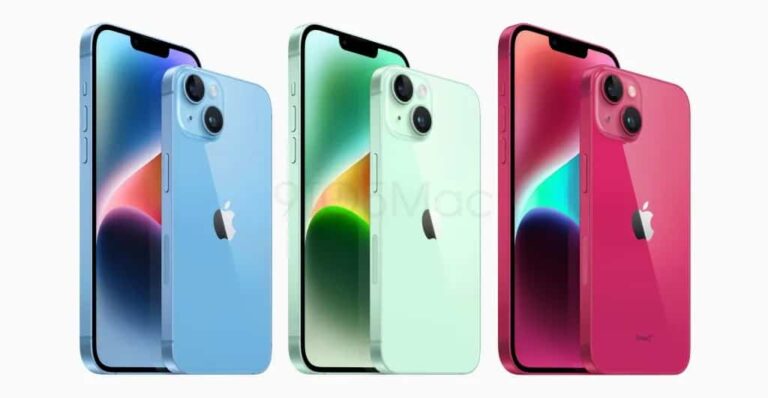
The iPhone 15 and iPhone 15 Plus, on the other hand, are tipped to launch in a ‘green’ color. We also know that Apple was testing light blue and pink colors for the iPhone 15 and iPhone 15 Plus handsets. You can see mockups of all three color variants below.
All iPhone 15 models will also include a Type-C port
The entire iPhone 15 lineup will become official in September, almost certainly. Four smartphones are coming, and they will, for the first time ever on an iPhone, feature Type-C USB ports. The EU kind of forced Apple’s hand on that.
In addition to that, we’ll get Dynamic Island cutouts and functionality on all devices. The ‘Pro’ models are tipped to include a frame made out of titanium, improving upon the stainless steel offering.
The iPhone 15 Pro Max is tipped to become the very first iPhone to feature a periscope camera. The regular ‘Pro’ model will not offer one, but the iPhone 16 Pro allegedly will.
The ‘Pro’ models will, of course, have an extra camera on the back, not to mention offer more in the camera department. Apple could also increase price tags for its new products, if a recent rumor is to be believed.
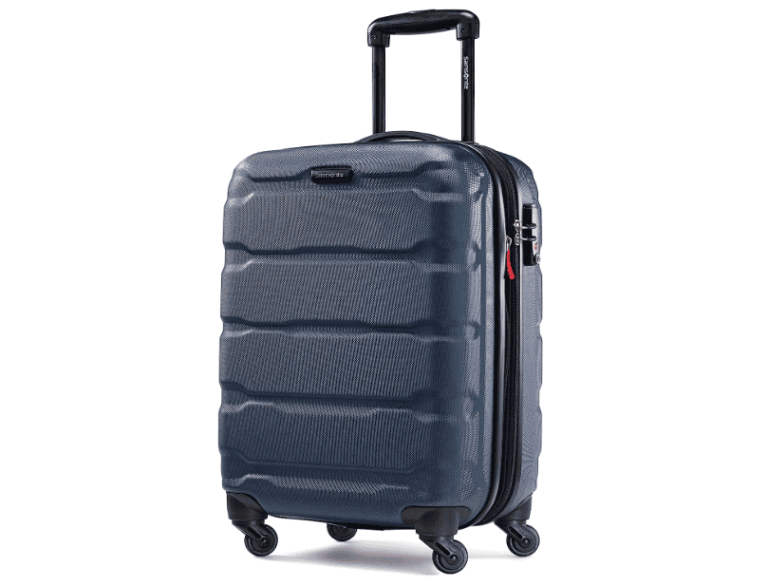
Ahead of Prime Day next week, the Samsonite Omni Hardside Carry-on Luggage is on sale for just $89. That’s saving you 44% off of the regular price, making this a really great deal. And perfect for your summer travel needs.
The Samsonite Omni Hardside carry-on luggage is a great choice for travelers who are looking for a lightweight, durable, and stylish piece of luggage. It’s made from 100% polycarbonate, which is a lightweight but strong material that can withstand the rigors of travel. The luggage also features four spinner wheels, which make it easy to maneuver in tight spaces.
Another great feature of the Samsonite Omni Hardside carry-on luggage is its expandable design. This means that you can easily increase the capacity of the luggage by up to 20%, which is perfect for those times when you need to pack a little extra. The luggage also features a TSA-approved lock, which helps to keep your belongings secure.
In addition to its functional features, the Samsonite Omni Hardside carry-on luggage is also stylish. It comes in a variety of colors, so you can choose one that matches your personal style. The luggage also features a sleek, modern design that will turn heads wherever you go.
If you’re looking for a high-quality, lightweight, and stylish carry-on luggage, the Samsonite Omni Hardside is a great option. It’s perfect for summer travel, and it’s currently on sale for just $89.
Here are some additional reasons why someone should buy the Samsonite Omni Hardside carry-on luggage:
It’s backed by a lifetime warranty.
It’s made with high-quality materials that are built to last.
It’s comfortable to carry, even when it’s fully packed.
It’s easy to find at most major retailers.
If you’re looking for a reliable and stylish carry-on luggage that will last for years to come, the Samsonite Omni Hardside is a great choice.
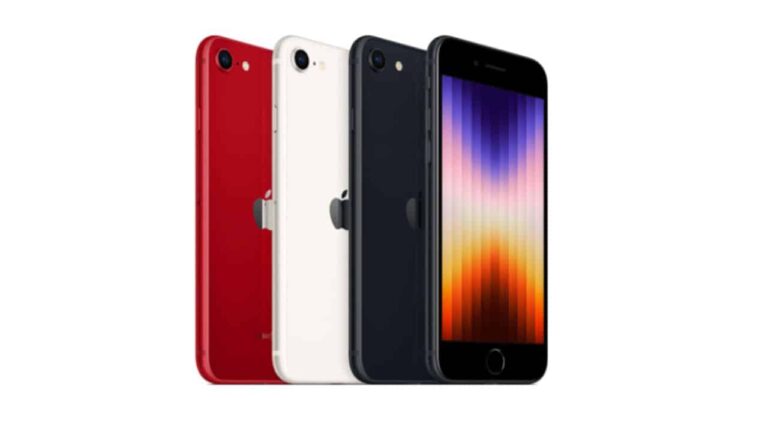
While it’s unlikely that we would see a new iPhone SE coming this year, it looks like there could be one coming in 2025. And it’s likely that it would come with the iPhone XR redesign, but instead of using an LCD panel, it’ll be OLED. Bringing all of Apple’s currently sold iPhones onto OLED.
Now, since we are still almost two years away from this happening, rumors aren’t as concrete right now. So things could change, but the speculation right now among analysts is that it’ll sport that iPhone XR design with OLED. And that would likely push the price of the iPhone SE up even higher.
We’ve heard multiple times that the iPhone SE4 had been cancelled, and things have changed. So a 2025 release date does make a lot of sense, if things are still up in the air, in July 2023.
The iPhone SE is surprisingly popular
Despite using an older design with newer internals, the iPhone SE has been pretty popular since it’s debut in 2016. It’s not a model that Apple updates every year. In fact, there was four years between the first and second generation model. The third-generation model came out sooner, mostly because carriers wanted a 5G model. But despite all of that, the SE is actually pretty popular.
However, if Apple does need to raise the price on the iPhone SE due to it using OLED now, that might kill off its market. Most people buy the iPhone SE because it has that home button with Touch ID, and because its cheap. While this new rumored iPhone SE would get rid of both of these reasons. The iPhone SE already costs $479, so it wouldn’t be surprising to see it jump to well above $500. Which then, gets it close to the newer iPhones, like the iPhone 14 and upcoming iPhone 15.
China has declared that it is going to control the exports of several metals used in the semiconductor sector, including goods made of gallium and germanium.
The announcement follows Washington’s attempts to restrict Chinese access to select advanced microprocessors.
China’s gallium and germanium are two important elements utilized in the production of computer chips.
Germanium is also utilized in solar cells, fiber optic cables, and infrared technologies.
Reports claim the world’s largest producer of the metals, China, will require special licenses starting the next month to export germanium and gallium.
Military, communication, and semiconductor equipment all require silvery metals. They are also important components of items like solar panels.
The limitations were necessary, according to China’s Ministry of Commerce, to “safeguard national security and interests.”
A hard conflict between the two greatest economies in the world is centered on semiconductors, which power everything from mobile phones to military weapons.
Chinese Government Tightening Controls Over Exports Of Materials
Reports stated that Gallium antimonide, gallium arsenide, gallium metal, gallium nitride, gallium oxide, gallium phosphide, gallium selenide, and indium gallium arsenide are the eight goods linked to gallium that will be subject to Chinese restrictions beginning on August 1.
They will also apply to six different germanium products: zinc germanium phosphide, germanium dioxide, germanium epitaxial growth substrate, germanium ingot, germanium metal, and germanium tetrachloride.
Several Countries Joined The Initiatives
The US has made efforts to limit China’s access to technology, including processors used in supercomputing and artificial intelligence, that it believes may be exploited for military purposes.
No matter where in the globe the chips are produced, Washington declared in October that it would need licenses from businesses shipping them to China using US equipment or software.
China has repeatedly referred to the US as a “tech hegemony” in reaction to export restrictions put in place by Washington.
Several nations, notably the Netherlands and Japan, have joined the efforts. The regulations are anticipated to have an impact on Dutch ASML, a major player in the worldwide semiconductor supply chain.
In the meanwhile, Japan intends to limit part of its exports of manufactured computer chips.
The restrictions, which were announced in March, would apply to 23 different types of production equipment for semiconductors.
Beijing has recently restricted US companies affiliated with the US military, such as aircraft manufacturer Lockheed Martin.
US Treasury Secretary Janet Yellen, who will be in China for four days starting on Thursday, has issued a warning against severing the connections that bind Washington and Beijing economically.
“I think we gain and China gains from trade and investment that is as open as possible, and it would be disastrous for us to attempt to decouple from China,” US Treasury Secretary Janet Yellen.
“AI-based email security measures Protect your business From Email Threats!” – Request a Free Demo.
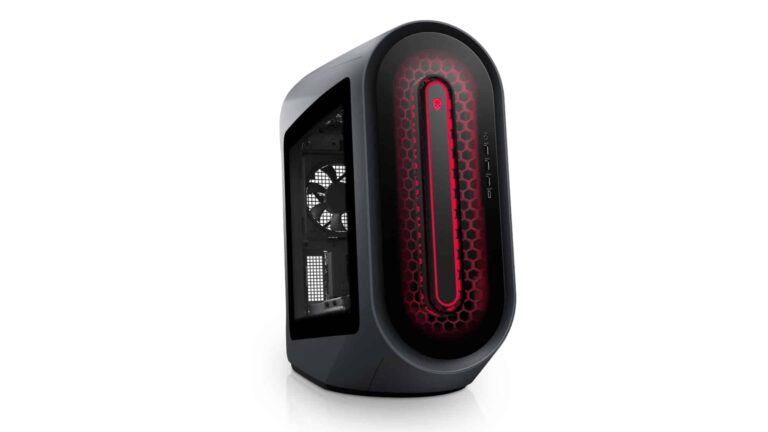
Ahead of Prime Day, Amazon has a really great deal on the Alienware Aurora R14 Gaming Desktop. It’s currently priced at $1,845.14, which is down from its regular price of $2,299.97. That’s about 20% off of its regular price, making this a really great deal.
Why you should buy the Alienware Aurora R14 Gaming Desktop
The Alienware Aurora R14 is a powerful gaming desktop that is perfect for gamers who demand the best performance. It is equipped with the latest generation of Intel Core processors and NVIDIA GeForce RTX graphics cards, making it capable of running even the most demanding games at high settings.
The Aurora R14 also features a liquid cooling system that keeps the components cool and running at peak performance. This is important for gamers who want to avoid performance throttling, which can occur when the components get too hot.
In addition to its powerful performance, the Aurora R14 also features a sleek and stylish design. It is available in a variety of colors, so you can choose one that matches your personal style.
The Aurora R14 is currently on sale for $1,845, which is a great deal for a gaming desktop of this caliber. If you are looking for a powerful and stylish gaming desktop, the Alienware Aurora R14 is a great option.
Here are some of the specific reasons why someone should buy the Alienware Aurora R14:
Powerful performance: The Aurora R14 is equipped with the latest generation of Intel Core processors and NVIDIA GeForce RTX graphics cards, making it capable of running even the most demanding games at high settings.
Liquid cooling: The Aurora R14 features a liquid cooling system that keeps the components cool and running at peak performance. This is important for gamers who want to avoid performance throttling, which can occur when the components get too hot.
Sleek and stylish design: The Aurora R14 is available in a variety of colors, so you can choose one that matches your personal style.
Great value: The Aurora R14 is currently on sale for $1,845, which is a great deal for a gaming desktop of this caliber.
If you are looking for a powerful, stylish, and affordable gaming desktop, the Alienware Aurora R14 is a great option.
It’s no secret that over the past few years, hackers have ramped up their efforts to gain unauthorized access and scam individuals and businesses out of their hard-earned money. Now, in a recent development, security researcher Pol Thill has identified a Mexican hacker going by the name Neo_Net as the mastermind behind a widespread Android mobile malware campaign.
Operating from June 2021 to April 2023, this Mexican hacker primarily targeted prominent banks in Spain and Chile, including Santander, BBVA, and CaixaBank. And despite employing basic tricks, Neo_Net managed to steal over €350,000 ($382,153) from victims’ bank accounts and compromise the personal information of thousands of individuals.
“The success of their campaigns can be attributed to the highly targeted nature of their operations, often focusing on a single bank and copying their communications to impersonate bank agents,” reads a report by SentinelOne.
How did the hacking campaign work?
The hacking campaign revolved around using a combination of SMS phishing and Android Trojans. This is because the hacker first sent deceptive SMS messages, which closely resembled the official ones, tricking unsuspecting victims into disclosing their sensitive credentials and providing access to their banking information.
Additionally, Neo_Net also developed and distributed various Android trojans disguised as security applications, which, once installed, requested SMS permissions to capture two-factor authentication (2FA) codes sent by banks via SMS. This allowed the hacker to bypass the extra layer of security and gain unauthorized access to victims’ accounts.
However, what sets this campaign apart is the use of a Smishing-as-a-Service platform called Ankarex, which allowed the hacker to essentially rent out his infrastructure to multiple affiliates, significantly expanding the reach and number of successful attacks in various countries.
These discoveries, once again, emphasize the growing importance of implementing robust security measures. This includes carefully checking any emails or SMS messages that prompt you to take action, avoiding downloading apps from untrusted sources, and enabling 2FA.
Cancel your July 6th alarms if you are in the EU and if you were waiting to get the latest Meta app: Threads (a Twitter challenger, more on that later). Due to privacy regulations in Europe, Threads will be released on July 6th just in the US and the UK, where such laws are not fully imposed by GDPR or EU rules.This does not mean that users in Spain or Germany will never get to see Threads on their phones. It’s just that they’ll have to wait a bit more until Meta manages to sort the privacy issues, according to spokesperson for Ireland’s Data Protection Commission (via engadget).
What privacy issues are we talking here?
According to sources, the US version of Threads will notify users that it’s about to collect a juicy personal data gamut that includes health data, financial information, browse histories, location, purchases, contacts, search history and sensitive information. At this point it’s easier just to list the areas Threads will not be poking a nose in.
Meta’s latest app is said to be designed to import data from another Meta app – Instagram, including behavioral and advertising information. Such practices are common in the US, where Zuckerberg’s giant merged data streams between WhatsApp and Facebook. The Irish regulator DPC (Data Protection Commission) has looked into that matter on EU soil as early as 2018, followed by a €225 million fine on WhatsApp.
Threads tries to throw Twitter to the terra
It looks like long before (if) we ever get to see the promised actual cage fight between Meta’s Mark Zuckerberg and Twitter’s Elon Musk, the first round will be in the digital realm. Threads is announced as a direct competitor to Twitter, pledging on delivering basically a ‘text-oriented Instagram’. Here’s where you can read more about Threads, a Twitter alternative.






.png
)