Microsoft is reaping the fruits of its early bet on OpenAI’s conversational AI tech ChatGPT. Since the launch of the ChatGPT-powered “new Bing” in early February, the company’s search engine has reportedly seen a 15.8 percent boost in page visits. Google Search page visits declined by one percent during the same period (February 7 to March 20), Reuters reports citing data from analytics firm Similarweb.
App downloads for Bing also jumped eight times globally during this period. According to the latest data from research firm Data.ai, the Bing app was downloaded more than 810,000 between February 5 and march 11. The figure for January 1 to February 4 period was just about 100,000. On the other hand, Google Search downloads dropped two percent from 2.98 million to 2.91 million in the same period.
As the data shows, Google has a massive lead in the search market. The internet giant has a share of more than 80 percent in a market that is valued at over $120 billion. However, Microsoft is emerging as a strong competitor to it, with the ChatGPT craze boosting the latter’s usage globally. Google is also preparing to bring its in-house generative AI tech Bard to its products, including Search. But the company is taking longer to do that, allowing Bing space to make further inroads. It publicly released its conversational chatbot earlier this week.
Market analysts expect Bing to eat more into Google’s search market in the coming days. The more Google delays Bard’s integration with Search, the more Bing will benefit. “Bing has less than a tenth of Google’s market share, so even if it converts one percent or two percent of users it will be materially beneficial to Bing and Microsoft,” said Gil Luria, an analyst at D.A. Davidson & Co.
Google will fight back against this Bing resurgence
Microsoft’s “new Bing” may have gained a sudden push in the lucrative search market following the ChatGPT integration last month and left Google behind the curve, but the latter certainly isn’t throwing in the towel. Analysts expect it to fight back strongly against this Bing resurgence. The company has a massive lead in this industry, and it will overcome these setbacks soon to maintain its lead. After all, no one can forget how Google dethroned Yahoo from the top in the early 2000s.
Google’s dominance in the mobile search industry is difficult for other players to break. Most smartphones (both Android and iPhones) have Google as their default search engine. Bing or other rivals certainly can’t replace Google in mobiles, not in the foreseeable future. “Google’s ranking algorithm can have a competitive edge over that of competitors,” Yongjei Jeong, an analyst at South Korean firm Mirae Asset Securities.
Earlier, a ChatGPT bug exposed conversation histories to other users, but now reports indicate that the bug also exposed the payment details of paid users (ChatGPT Plus subscribers).
OpenAI has confirmed that a software bug on Monday caused ChatGPT to expose conversation histories from random users and payment details for some paid users. As a result, the company has reached out to affected users and implemented measures to prevent similar incidents in the future.
The glitch was first reported on Monday when users attempting to subscribe to the paid ChatGPT Plus service noticed email addresses from random users appearing in the payment form.
Upon further investigation, OpenAI discovered that the glitch also exposed payment-related information of 1.2% of the ChatGPT Plus subscribers who were active during a specific nine-hour window.
The exposed payment details included the first and last name, email address, payment address, last four digits of a credit card number, and credit card expiration date of another active user. However, OpenAI has emphasized that full credit card numbers were not exposed at any time.
OpenAI believes that the chances of a stranger viewing this payment information are extremely low because the exposed details partly arrived through emails confirming the subscription of new ChatGPT Plus users on Monday morning between 1 a.m. and 10 a.m. Pacific Standard Time (PST). Certain subscription confirmation emails created within that time frame were delivered to incorrect recipients as a result of the glitch.
If a user accessed the “My Account” function on ChatGPT’s website and clicked on the “Manage my subscription” feature between 1 a.m. and 10 a.m., other payment details would have been visible to them.
In a blog post, OpenAI apologized to its users and reached out to affected users about the potential data breach. The company has also identified the cause of the leak, blaming it on a bug in an open-source library used to run a Redis database.
To prevent similar incidents from occurring, OpenAI has patched the ChatGPT bug and added safeguards to ensure requests to the Redis caches match the requesting user. OpenAI is confident that there is no ongoing risk to users’ data. In addition, the chat history sidebar appears to be restored on ChatGPT.
If you are currently a paid subscriber and believe that your payment information has been exposed, it is recommended that you monitor your account for any unauthorized activity and contact your bank if you suspect any fraudulent charges.
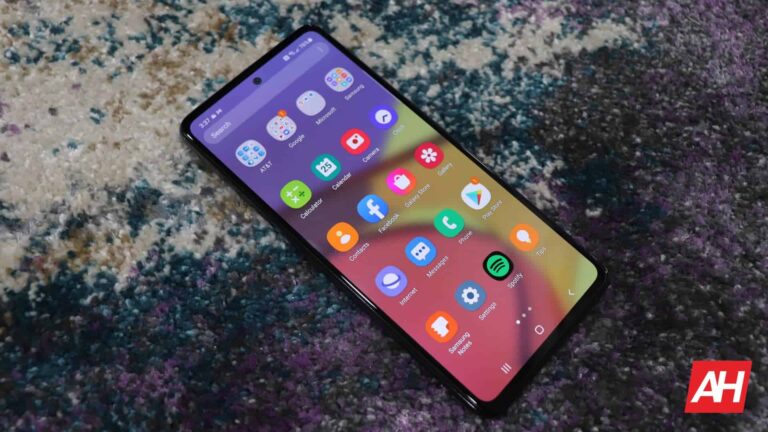
The March 2023 Android security patch is now rolling out to Samsung‘s Galaxy A52 5G in the US. The update is live for the carrier-locked variants of the 2021 premium mid-range smartphone. Users with a factory-unlocked unit should get this update in the coming days. The Korean firm has already seeded the latest security update to the phone in most international markets.
Galaxy A52 5G gets the March security update in the US
As of this writing, Samsung is pushing the March SMR (Security Maintenance Release) to the carrier-locked Galaxy A52 5G on Comcast’s network. The new firmware build number for the phone is A526USQS7EWC1 (via SamMobile). The rollout should soon reach units on other networks as the company brings it to unlocked variants. Everyone will get the same update though the build number may vary for some.
Don’t expect anything major here, though. Samsung is only pushing the latest security patch to your phone. The Galaxy A52 5G is coming fresh from the One UI 5.1 update, which was a major one. It brought a host of new features and improvements. One UI 5.1 itself came just a few months after One UI 5.0, which brought Android 13 and even more new features. The latest release is all about vulnerability fixes.
Samsung has already revealed that the March SMR patches more than 60 vulnerabilities in Galaxy devices. As usual, that’s a cumulative number for the entire Galaxy family. Not every vulnerability is present in every Galaxy model. The company says 23 of those are Galaxy-specific issues. The remaining patches are for Android OS issues and come from Google and other Android partners. At least five Android OS vulnerabilities patched this month were critical ones, potentially allowing remote code execution.
If you’re using the Galaxy A52 5G in the US, all of these vulnerability fixes will be available to you soon. You should get a notification once the OTA (over the air) release becomes available for your unit. You can also manually check for updates from the Settings app. Go to the Software update menu and tap on Download and install. If you don’t see any updates today, wait a few days and try again.
Galaxy A52 5G will get Android 14
Samsung launched the Galaxy A52 5G in March 2021. The device arrived running Android 11 out of the box. It has since received updates to Android 12 and Android 13. The company’s software support policy makes it eligible for one more major Android OS upgrade. That means it will get Android 14 as well. But that update is still months away. The handset will pick up a few more security updates before Android 14 is here. We will keep you posted on those updates.
More than a year ago, Microsoft moved to buy Activision Blizzard, and that drama is still going on to this day. Many organizations see this as a huge anti-competitive move on the company’s part. Well, according to Engadget, the Competitions and Markets Authority (CMA) seems to have changed its stance on whether Microsoft should buy Activision Blizzard.
This is one of the biggest video game purchases to date, and it could have a ton of implications as far as the gaming industry is concerned. This is why this case didn’t only attract the attention of the American government. In the UK, the CMA started looking into this deal last year to see if it was going to negatively affect the gaming market.
The CMA doesn’t believe that Microsoft buying Activision Blizzard is a bad thing
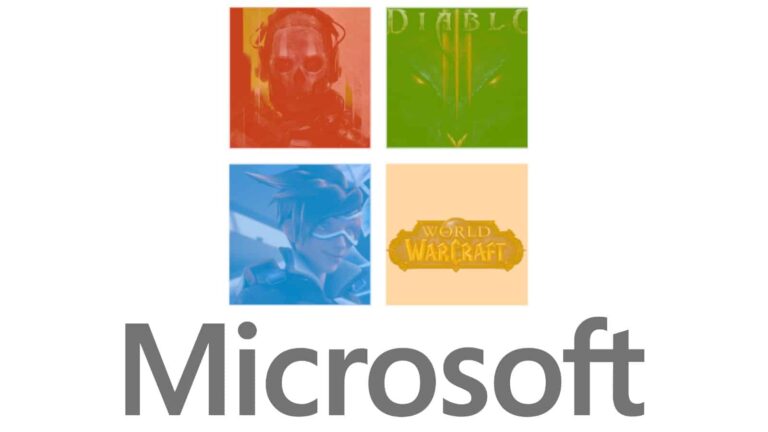
The CMA started looking into this deal back in July of last year, and it wanted to see if this purchase would negatively impact the gaming industry. Buying this company would mean that Microsoft would hold the reins on Call of Duty, Overwatch, World of Warcraft, Diablo, and many many more franchises.
Many people fear that these franchises would eventually be Xbox exclusives. While that most likely won’t be the case, it’s still a scary thought that such a large chunk of the gaming market would be under one roof.
However, it seems that the CMA doesn’t see anything wrong with the merger. The organization believes that any damage done by the deal will be minimal. A major component of the deal (and the controversy) is Call of Duty. This is the biggest franchise owned by Activision Blizzard.
A lot of the conversation circles around whether Microsoft will yank Call of Duty off of the PlayStation storefront. But, the CMA acknowledged that, while a move like that could hurt the PlayStation’s appeal, it won’t sufficiently harm Sony’s consoles. Sony has a notable lead in the console gaming market with its PS5 selling in high volume.
The US still has some reservations
So, Microsoft has a little bit of the weight off of its back. The CMA isn’t looking to block the deal, but that doesn’t mean that there aren’t any more obstacles. The United States Federal Trade Commission is still suing Microsoft so that the deal doesn’t go through. This lawsuit has been going on for some time, and we don’t know when we’re going to see the end of it.
With all the talk of smartphone makers deciding to nix the charger in the box this year. It might be a good time to pick up a new phone charger or two. And the Galaxy S21 is the first, of what we assume to be many, to remove the charger from the box.
There are many (probably millions) of different phone chargers on the market. From some popular brands like Anker, RAVPower, AUKEY, Samsung and many more. But which ones are the best for you to buy and use with your smartphone?
That’s what we’re here to tell you. We’ve used just about all of the chargers on this list, with many different phones. And know which ones are the best. Phone chargers mostly fall into two categories. USB-C chargers and USB-A chargers. Almost all phones released since 2018 have USB-C, which means that both kinds of chargers will work for most smartphones. But USB-C is more future-proof and will offer faster speeds (depending on the device). So that is our recommendation.
The Anker PowerPort III is our favorite phone charger. That is because it is super compact, and can still charge at a decent speed. This one does up to 18W. So it’s not the fastest charger out there. But where most smartphones are capped right around 18W for USB-C PD charging right now. It makes it a good, and cheap, option.
This will work on older smartphones too, since the PowerPort III is able to adapt its speed based on what is plugged in at the time.
For only $12, this is definitely a charger you’ll want to pick up and maybe even carry in your bag to work.
Anker has been embracing GaN chargers in the last couple of years, and the Nano Pro is a really impressive charger from the company. It’s a dual USB-C charger, so you can charge two USB-C devices at the same time here. It can output 40W total, or 20W each port. So even if you plug in something else, you’re still going to get the full 20W.
This is a great charger for everyone, whether you use an iPhone, Galaxy, OnePlus or even want it for a laptop. Though it will charge a laptop pretty slowly since it is only 20W.
This is by far my favorite phone charger, and actually one that I use on my desk right now. If you are now working from home for the foreseeable future, this is worth picking up.
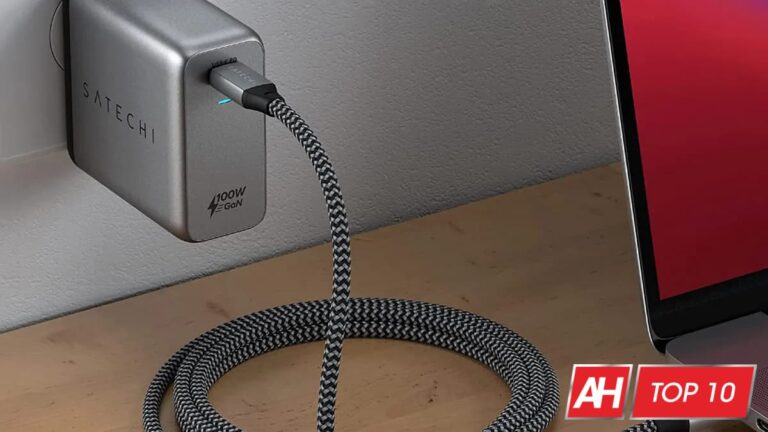
This has two USB-C PD ports and two USB-A ports, that can output 100W total. It can do 100W total on the USB-C port, so it is fast enough to charge a laptop. But if you have other devices plugged in at the same time, then the power will be distributed among the four ports.
It’s a killer charger to have, as you can charge many different things at the same time and not worry about having enough outlets.
You likely know Spigen from the many cases that it makes for different smartphones. But they also make different smartphone accessories too. Like this car charger.
This is a 45W car charger that offers USB-C PD up to 27W and then a USB-A port. So you can get fast charging even while you are driving down the road, which is definitely a really cool thing to have.
The USB-A port uses Qualcomm’s Quick Charge 3.0 for speed too, so even if you aren’t using the USB-C port, you are still getting some good speed here.
This is the charger that Samsung includes in the box with the Galaxy S20, Note 20 series and the Z Fold 2. It’s a 25W USB-C PD charger that can also be used with other devices, and since it’s only $13, it’s a really good option.
It uses USB-C PD and PPS, which is a newer technology designed to make faster charging even safer. So it’s no surprise that Samsung is using it. But we will see more smartphones using it in the near future. Basically, if you own a Samsung smartphone and want to use the full 25W speed that it has, then this is the charger to get. And it can never hurt to have a second one laying around.
AUKEY has made a really great charger to take when you travel. This charger here is a 18W USB-C PD charger that has a foldable plug. That is really awesome because it’ll take up less room in your bag and also protect the plug from getting damaged from other things in your bag.
This is a pretty small charger in the first place, but still offers up some really good charging speeds. Which makes it a great option for taking on the go with you. That is, when we are able to travel once again.
Not all chargers need to be ones that you plug into the wall. There are portable ones too, and this one from AUKEY is one of our favorites.
We love this one because it is super slim, and offers 10,000mAh of power. Which is enough to charge most smartphones at least once. And it’s thin enough to fit in your pocket without any real issues. That is a killer feature.
There three USB-A ports available here, as well as a micro USB and a USB-C port that can be used for input (USB-C can do both output and input).
This is one of the best four-port USB chargers on the market. Now this is not a USB-C charger, in fact, it’s all USB-A. And it also does not offer fast charging. But even with those that do have fast charging, you won’t really get “fast” charging when you use all four ports. As that speed is split up between all four.
And where this AmazonBasics model is just $20, it’s definitely a good option. And you can charge your smartphone, smartwatch, tablet and more here. All with one outlet.
How frequently do you use the Microsoft Windows Snipping tool to take a screenshot? Possibly, while browsing and you come across a page that’d be useful later, you might just take a quick screenshot. But this tool seems to have some issues affecting the screenshots that you save.
This issue alters the way you edit screenshots before saving them to your computer’s storage. Researchers have discovered a bug that seems to be plaguing the Microsoft Windows Snipping tool. Should users of Windows-powered devices worry about this recently discovered bug?
Well, you should worry about it if you are sharing the screenshots you take on your Windows device. This is because some details that you might not want to share with others via the screenshot can be accessed. Here is everything you need to know about this screenshot problem plaguing Windows-powered devices.
The Microsoft Windows Snipping tool reveals cropped-out details in screenshots
Researchers have uncovered an exploit impacting the Microsoft Windows Snipping tool. It affects both Windows 10 and 11 powered devices. This exploit saves details that users crop out while taking a screenshot.
Being confident that some confidential or unimportant information has been cropped-out, users might proceed to share their screenshots with the public. Unknowing to them, the details cropped out are still accessible to the public. Recovering the original screenshot is done with a tool known as Acropalypse, made popular by a similar vulnerability.
David Buchanan took to his Twitter page to let the public know about this flaw. He went on to test out the flaw by taking a screenshot on his Windows 11 device and it was also impacted. With the Acropalypse tool, he was able to view cropped-out parts of his screenshot.
David also noted that this flaw was also present in Windows 10’s Snip & Sketch tool. This vulnerability first hit on Pixel devices, where it saved cropped-out details on screenshots. Just like with Windows, Acropalypse could be used to recover all cropped-out details.
Well, a fix to this issue was made a few days ago, but it is not yet available globally. Windows seems to be taking its time to fix this issue before rolling it out to the public. Until you get the fix, it is important to be careful when it comes to sharing screenshots that previously contained sensitive information on the internet.
The agency set up several fake DDoS sites offering DDoS-for-hire services to infiltrate the online criminal marketplace.
Remember when the Dutch police sent letters to those who bought “booters” from DDoS sites? The National Crime Agency (NCA) of the United Kingdom is doing something similar but in a tricky way.
The agency has launched a sting operation as part of Operation Power Off, a collaboration between international law enforcement agencies to take down DDoS (distributed denial of service) infrastructure.
The operation involved the NCA setting up several fake DDoS sites and offering DDoS-for-hire or booter services to infiltrate the online criminal marketplace. It is important to note that DDoS attacks are illegal in the UK under the Computer Misuse Act 1990.
The NCA designed all these sites to appear authentic, giving the visitor the impression that the tools and services offered would allow them to launch DDoS attacks.
The agency claims that several thousand people have visited these sites, but upon registering on the site, instead of getting the services, users are shown a splash page informing them that their data has been collected, and law enforcement agencies will contact them.
This is what is shown once a user registers an account (Image: NCA)
For foreign visitors (users outside the United Kingdom), their data is transferred to international agencies. For instance, if a user from the United States has registered on one of the fake DDoS sites, their details would be forwarded to the FBI.
According to the NCA‘s National Cyber Crime Unit’s Alan Merrett, booter services are currently under the agency’s radar because they serve as a potent enabler of cybercrime in the country and elsewhere.
Merrett noted that the perceived anonymity and ease of use provided by these services make DDoS an attractive entry-level crime, allowing individuals with little technical ability to commit cyber offences with ease.
The perceived anonymity and ease of use afforded by these services mean that DDoS has become an attractive entry-level crime, allowing individuals with little technical ability to commit cyber offences with ease.”
Alan Merrett -NCA
Merrett added that the agency would not reveal the number of fake DDoS sites it is currently operating or how long the sting operation will last. Therefore, people looking for these services should be cautious as they might not know who is operating them.
Главная цель заключается не в создании идеального продукта без ошибок, а в обнаружении максимального числа дефектов, которые могут потенциально повлиять на работу системы. Когда программисты создают новое приложение или вносят изменения в существующее, они могут допускать ошибки. Тестирование помогает выявить эти проблемы и убедиться, что приложение работает так, как задумано. Проблемы второго типа однозначно требуют изменения
На этом этапе на основе требований и анализа тестировщики создают тестовые случаи, тест-планы, отчетность и другую документацию, которая будет использоваться во время тестирования. Тестовая документация определяет, какие тесты будут проведены, как будут собраны результаты и как будет оценено качество ПО. Бета-тестирование в целом ограничено техникой чёрного ящика (хотя постоянная часть тестировщиков
Автотестам можно оставить рутинные операции, поиск типовых ошибок, нагрузочное тестирование. Тестировать вручную нужно более креативные и сложные задачи, где нужен человеческий взгляд. Это может быть некорректное отображение интерфейса, неверные вычисления, неправильное взаимодействие с другими компонентами системы и многие другие.
Это спецификации (описания) того, что должно быть реализовано в ходе разработки системы/продукта. Описывают моменты, которые нужно воплотить в жизнь, не отражая техническую детализацию. Каждый из этих этапов важен для обеспечения качества программного обеспечения и выявления потенциальных проблем до их попадания в конечный продукт.
задача тестировщика для данного метода тестирования состоит в последовательной проверке соответствия поведения системы требованиям. Кроме того, тестировщик
Существуют фулстек-тестировщики, которые умеют применять в проекте все виды тестирования. Но чаще всего компании выбирают более узкоспециализированных специалистов — как правило, их знания глубже в каком-то одном из способов. Невозможно предусмотреть все особенности использования и окружение, в котором будет работать продукт. Поэтому на данном этапе акцент делается на обратной связи пользователей. Теперь они становятся главными тестировщиками, а продукт становится частью их повседневной жизни. Сперва тестировщики должны определить, какую функцию они хотят протестировать, каковы требования к ней и как она должна работать.
Стадии разработки ПО — это этапы, которые проходят команды разработчиков ПО, прежде чем программа станет доступной для широко круга пользователей. Разработка ПО начинается с анализа требований к проекту и первоначального этапа разработки (стадия «пре-альфа») и продолжается стадиями, на которых продукт дорабатывается и модернизируется. Финальным этапом этого процесса становится выпуск на рынок окончательной версии программного обеспечения («общедоступного релиза»). Тестирование — это процесс проверки программного обеспечения, системы или приложения на соответствие определенным требованиям и оценки их качества. Тестирование «черный ящик» берет за основу внешние проявления работы системы. Данные тесты проверяют ответную реакцию программного обеспечения на различные вводные данные при определенном внутреннем состоянии программ.
требовать загрузки специальных библиотек или даже перекомпиляцию программного кода. Тестирование ПО представляет из себя процесс проверки того, насколько поведение реального ПО соответствует требованиям и ожиданиям.
хотя ПО уже «в бете» (стадия), но в этом случае он не является частью «бета-тестирования» (группы/процесса). Любое новое изменение или добавление новой функции может нарушить существующие функциональные возможности программы. Регрессионное тестирование проводится каждый раз, когда вносятся изменения, чтобы проверить стабильность и функциональность программного обеспечения.
Четвертый Этап Процесс Тестирования И Дебаггинга
тысячи требований, при этом тестирование спецификации должно проверить их все. Должны быть проверены не только все требования к каждому конкретному методу,
Любой даже полностью не подготовленный человек может провести такой вид тестирования. А вот выбрать правильные тесты, определить достаточность тестирования, предусмотреть разнообразные варианты — это уже более сложна техника, требующая определенных навыков. Здесь основным критерием служат всевозможные получаемые при проведении функционального тестирования результаты, но только когда выполняется определенное условие. Эти сценарии запускаются на специальных инструментах для автоматизации тестирования, которые эмулируют действия пользователя и анализируют результаты выполнения.
А именно, исследуются требования заказчика, техническое задание и паспорт проекта. Тестирование позитивных сценариев проверяет, как должна работать программа в нормальных условиях. Например, если это веб-приложение, тестирование позитивных сценариев проверит, что пользователь может успешно зарегистрироваться, войти в систему и без проблем использовать основные функции. В своей работе тестировщики используют различные виды и методы тестирования, а также прорабатывают сценарии, в которых продукт может оказаться.
Модульное Тестирование
Интеграционное тестирование проводится после того, как несколько модулей объединены вместе как отдельная часть приложения. В дальнейшем в процессе разработки все больше и больше модулей объединяются воедино. После того, как разработка закончена, наступает время подготовки к системному тестированию. Эта стадия жизненного цикла разработки ПО подразумевает общий тест системы на предмет интеграции ее компонентов. Это значит, что в случае, если система состоит из различных модулей, мы должны проверить, насколько хорошо или насколько плохо каждый из них работает внутри системы. Более того, на этом этапе важно произвести тестирование пользовательского интерфейса.
Последствия таких недальновидных отказов могут быть весьма негативными для бизнеса. Эта неопределенность в итоге влияет на решение руководителей компаний урезать затраты на подобные испытания, а то и вовсе отказываться от проведения тестов. Обычно таким образом проверяются все вероятные способы выполнения функции, отличные от основного потока. Иными словами, проверяются конкретно те спецификации, по которым продукт будет эксплуатироваться пользователем.
должен проверить работу системы в критических ситуациях – что происходит в случае подачи неверных входных значений. В идеальной ситуации все
действуют в рамках формального процесса проверки исследуемого ПО. Очевидно, что процесс управления тестированием ПО затрагивает все этапы жизненного цикла разработки. Он подразумевает сравнение действительного состояния продукта и того состояния, которое было запланировано функциональное тестирование это и задокументировано в плане тестирования продукта. Процесс тестирования, анализа и мониторинга помогает спланировать и изменить последующие задачи наилучшим путем. Такой вид тестирования выполняется разработчиками по мере написания кода и создания приложения.
Необходимо провести регрессионное тестирование, чтобы убедиться, что процесс оформления заказа и оплаты не пострадает. Современная программная инфраструктура часто включает микросервисы, которые взаимодействуют друг с другом. Эти коммуникации необходимо включить в интеграционное тестирование и убедиться, что они работают правильно. Приложение для медицинских услуг имеет функциональность, помогающую пациентам записываться на прием к выбранным специалистам. Тестируемый компонент – то, как система отображает близлежащие больницы или медицинские центры, используя данные GPS пользователя. Для тестирования этой функции профиль пользователя – это заглушка, а драйвер – доступные расписания от медицинского учреждения.
Что Такое Тестирование
Определяются причины (классы эквивалентности) и следствия (выходное условие или преобразование системы), уточняются их отношения. Еще существует более детальное разбиение по целям, хронологии, знанию системы, сценариям и т.д. Между тем, специалисты рекомендуют не игнорировать полностью важность функциональных проверок.
После выполнения тестовых заданий их результаты сравниваются с требованиями. Если результат не соответствует ожиданиям, это считается дефектом (багом). Тестовые данные создаются в соответствии со сценариями и требованиями к функции. Тестировщики будут использовать https://deveducation.com/ эти данные для воспроизведения реального использования системы. Тестовые данные могут быть введены вручную или с помощью автоматизации для сокращения времени. В банковском приложении есть функция, с помощью которой пользователи могут создать сберегательный счет.
Процесс тестирования ПО на этом этапе обеспечивает способность проникновения в суть продукта и понимание ее соответствия требованиям.
Эта неопределенность в итоге влияет на решение руководителей компаний урезать затраты на подобные испытания, а то и вовсе отказываться от проведения тестов.
метода.
Важным является точное понимание задач, стоящих перед отделом QA на протяжении всего жизненного цикла разработки.
К сожалению, существующие на
требований хотя бы один раз.
Она включает в себя возможность перевода денег с основного счета на сберегательный. Поскольку это отдельные модули, тестировщики должны провести интеграционное тестирование, чтобы убедиться, что транзакции между ними проходят гладко и правильно. Функциональное тестирование может проводиться на разных уровнях, от компонентов до регрессионного тестирования существующих функций. Ниже приведен список распространенных видов функционального тестирования с примерами. Функциональное тестирование призвано проверить, обеспечивает ли система желаемый результат.
Тестирование программного обеспечения — это длительный и обширный процесс. Дефекты и репорты являются важной частью процесса тестирования программного обеспечения. Когда в процессе тестирования обнаруживается ошибка, неправильное поведение или недостаток в программе, это считается дефектом. Тестирование в перспективе «требования» использует спецификацию функциональных требований к системе как основу для дизайна тестовых случаев (Test Cases). Это позволит сфокусироваться и не упустить при тестировании наиболее важный функционал.
Samsung has launched a new budget 5G smartphone. The Galaxy F14 5G debuted earlier today in India with a decent set of specs. It is the fifth smartphone model the company has launched this month, and the eleventh for the year so far including the Galaxy S23 series.
Galaxy F14 5G design and specifications
The Galaxy F14 5G shares its design with the rest of the 2023 Galaxy lineup. For a change, Samsung has included a curved back panel but there’s no camera bump, something the company has entirely done away with this year. The handset has two cameras and an LED flash unit on the back. There’s a 50MP primary shooter with PDAF (phase-detection autofocus) and a 2MP macro camera. The phone lacks OIS (optical image stabilization), which is reasonable in this segment.
On the front, we have a V-shaped notched display with chunky bezels around it, something we see more often on budget handsets. The display is a 6.6-inch IPS LCD panel with a Full HD+ resolution and a 90Hz refresh rate. Samsung is using Gorilla Glass 5 for protection. The notch at the top houses a 13MP selfie camera under it. The Galaxy F14 5G can record 1080p (Full HD) videos at 30fps (frames per second) with front and rear cameras. Other camera features include panorama and HDR.
Powering this phone is a segment-leading 5nm Exynos 1330 processor. Samsung will release the Galaxy F14 5G in 4GB and 6GB RAM variants, with both supporting its RAM Plus feature. You’ll get 128GB of internal storage with either variant. Should you want more storage space, the handset has a microSD card slot too.
A 6,000mAh battery fuels this phone with support for 25W fast charging. Other highlights include a side-mounted fingerprint scanner, a 3.5mm headphone jack, and Android 13-based One UI 5.1 Core. Samsung promises two major Android upgrades and four years of security updates for the phone.
Price and availability
The Galaxy F14 5G will be available in India through Flipkart, Samsung.com, and select retailers across the country starting on March 30. The handset comes in B.A.E Purple, G.O.A.T Green, and O.M.G Black colors. Samsung has priced the 4GB RAM variant at ₹14,990 (roughly $180) and the 6GB RAM variant at ₹15,990 (roughly $195).
Early buyers can get the device at an introductory price of ₹12,990 (4GB RAM)/₹14,990 (6GB RAM), though. There’s no word from the company yet regarding the Galaxy F14 5G’s availability in other markets.
It’s no secret that ChatGPT is one of the most sophisticated and highly advanced AI chatbots out there, thanks in part due to its conversational abilities. However, until recently, the chatbot’s inability to access the internet and retrieve real-time information was a major limitation. Now, following the release of GPT 4, OpenAI is rolling out plugins for ChatGPT, allowing it to interact with 3rd-party APIs and surf the internet for real-time events.
Before the release of these plugins, ChatGPT was limited to discussing events that occurred before 2021, when GPT-3’s training data was compiled. However, with the new update, the chatbot can now retrieve real-time information such as sports scores, stock prices, breaking news, and even specific knowledge-based information, such as internal company documents or personal cloud. Additionally, OpenAI plans to allow the chatbot to act on the user’s behalf, effectively transforming it into a virtual assistant.
“Users have been requesting plugins since we launched ChatGPT (and many developers are experimenting with similar ideas) because they unlock a vast range of possible use cases. Today, we will begin extending plugin alpha access to users and developers from our waitlist,” says OpenAI’s blog post.
How does the new model work?
The new model is essentially an intelligent API caller that can proactively call the appropriate API based on an API specification and the natural language description. For instance, if a user asks which flight to Bali is the cheapest, the model may call a flight booking API and generate a user-facing answer combining the API data and its natural language capabilities.
Initially, OpenAI is rolling out plugin access to a small group of users. There are currently 11 plugins available for external sites, including Expedia, OpenTable, Kayak, Klarna Shopping, and Zapier. Further, OpenAI is also providing some of its plugins, including one for interpreting code and another called “Browsing,” which enables the chatbot to surf the internet.
Although OpenAI has put safeguards in place, including limited availability of the plugins, some experts are concerned about letting the chatbot perform actions on behalf of users. However, users who want to try out the new plugins can join the waitlist on OpenAI’s website.