Have you ever been in a tough situation where you urgently need to contact someone while away from home, only to discover that your phone has suddenly lost its connection? It’s a common issue that many of us have faced, and it always seems to occur at the worst possible moments.
There is light at the end of the tunnel, as manufacturers are joining forces with mobile service providers to confront this problem directly. They are leading the way in developing a new type of connectivity that relies solely on clear skies. That’s right – we’re talking about satellite connectivity.
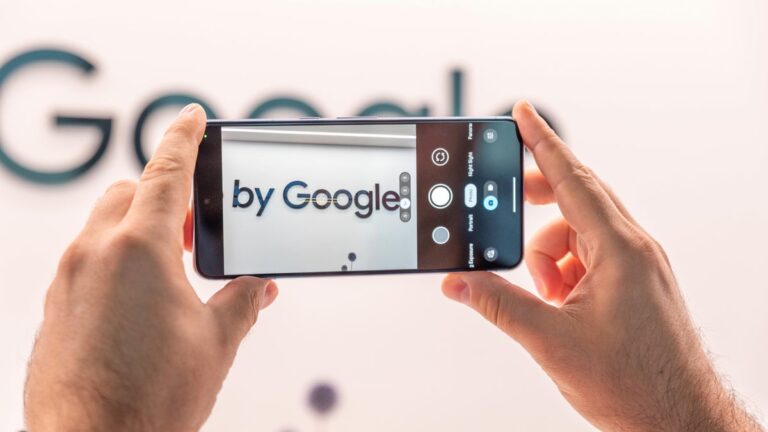
Recent reports from 9to5Google suggest that the long-awaited satellite connectivity feature could be arriving at Google Messages soon. Contrary to initial beliefs, this feature may not limit itself to emergency situations only. If the rumors about the beta version are accurate, users might soon enjoy sending messages to their loved ones via a non-terrestrial network (NTN) connection.
Image credit: 9to5Google
How satellite messaging feature works?
Coding in the newest edition of Google Messages provides insight into how satellite connectivity operates. To begin, you must have an unobstructed view of the sky to access the signal. However, a restriction exists—currently, users can only send text messages, meaning photos or videos are off the table. Additionally, be prepared for potentially slower transmission speeds.
On the bright side, it appears that this satellite-based messaging solution may have more capabilities beyond just casual chats. If the system reaches potential, users may access emergency services, offering vital help during emergencies.
As we look ahead, it’s clear that satellite connectivity has huge potential to enhance our mobile communication network. The technology can transmit messages in isolated or difficult terrains, revolutionizing staying connected on the move.
Satellite messaging could arrive with Android 15
The highly anticipated launch of this cutting-edge connectivity is slated to align with the debut of Android 15, pending final approval. Developers with early access to Android 15 have already seen a sneak peek of the future, including rumors of an exciting “Auto-connected to satellite” notification.
Once users connect, they can easily send and receive messages, eliminating the need for traditional mobile service.
Furthermore, there’s potential for partnerships between Google and satellite industry players like T-Mobile or Starlink. There’s still no word about that, though.
Jackson County, Missouri, has become the latest victim of a ransomware attack, which has caused substantial disruptions within its Information Technology (IT) systems.
This attack has highlighted the vulnerabilities in digital infrastructures and the cascading effects such disruptions can have on public services and operations.
The first signs of the cyberattack emerged as operational inconsistencies across Jackson County’s digital infrastructure.
Specific systems were found to be inoperative, while others continued to function normally.
The affected systems are critical to the county’s daily operations, including tax payments and online services for property searches, marriage licenses, and inmate searches.
Consequently, the Assessment, Collection, and Recorder of Deeds offices at all counties have been forced to close until further notice, significantly impacting residents and county operations.
Services Unaffected
It is noteworthy that the Kansas City Board of Elections and Jackson County Board of Elections have not been impacted by this system outage.
DocumentRun Free ThreatScan on Your Mailbox
Trustifi’s Advanced threat protection prevents the widest spectrum of sophisticated attacks before they reach a user’s mailbox. Try Trustifi Free Threat Scan with Sophisticated AI-Powered Email Protection .
This detail is crucial, especially during electoral activities, ensuring the democratic process remains uninterrupted.
Response and Actions Taken
Upon detecting the disruptions, Jackson County promptly notified law enforcement and engaged IT security contractors to assist in the investigation and remediation efforts.
The county has emphasized that the integrity of its digital network and the confidentiality of resident data remain top priorities.
To date, no evidence suggests that any data has been compromised.
The investigation is in its early stages, with cybersecurity partners working closely with the county to diagnose the issue.
While ransomware is considered a potential cause, comprehensive analyses are underway to confirm the exact nature of the disruption.
Immediate measures have been taken to secure the systems against further compromise.
The county’s IT teams are working tirelessly to restore total operational capacity to the impacted services.
Community Impact and Ongoing Efforts
The closure of critical county offices has undeniably affected residents, who rely on these services for various legal and administrative needs.
Jackson County has acknowledged the inconvenience caused by these closures and expressed appreciation for the community’s patience and understanding.
As the situation unfolds, Jackson County is committed to providing timely updates and ensuring transparency with its residents.
The focus remains on swiftly resolving the issue and implementing measures to prevent future attacks.
This incident is a stark reminder of the ever-present threat of cyberattacks and the importance of robust cybersecurity measures.
As Jackson County navigates this challenging time, the lessons learned will undoubtedly strengthen its defenses and preparedness for similar incidents in the future.
Stay updated on Cybersecurity news, Whitepapers, and Infographics. Follow us on LinkedIn & Twitter.
The Motorola Edge 50 Pro is now official, and the leaks were spot on
We’ve exclusively leaked the design of this phone a while back, and it turns out it was spot on. The Motorola Edge 50 Pro features a curved display on the front, with a centered display camera hole. The bezels around that panel are really thin.
On the back, you’ll find three cameras, which sit inside a camera island in the top-left corner of the phone. That camera island does protrude a bit, but the overall design is really nice, it blends in with the backplate.
Motorola’s logo is also visible on the back of the device, while all the physical buttons sit on the right-hand side. The phone comes with a frame made out of aluminum. Two different backplate styles are available, glass and vegan leather, it all depends on the model.
The phone includes a 144Hz display, and the Snapdragon 7 Gen 3 SoC
The device features a 6.7-inch 2712 x 1220 pOLED display with a 144Hz refresh rate. As already mentioned, this display is curved, and it has a 360Hz touch sampling rate. Its brightness goes up to 2,000 nits, and the display is protected by the Gorilla Glass 5.
The Snapdragon 7 Gen 3 fuels the Motorola Edge 50 Pro. That is Qualcomm’s mid-range chip, a 4nm processor. The phone comes in 8GB and 12GB LPDDR4X RAM variants, both of which offer 256GB of UFS 2.2 flash storage.
125W wired charging is also supported, along with 50W wireless charging
A 4,500mAh battery sits inside of this phone, and it supports 125W wired charging. 50W wireless charging is also supported, as is 10W reverse wireless charging. It’s always nice to see wireless charging on mid-rangers, especially charging that is this fast.
A 50-megapixel main camera (f/1.4 aperture, OIS, Quad Pixel Technology) is backed by a 13-megapixel ultrawide unit (f/2.2 aperture, 120-degree FoV, macro option). The third camera on the back is a 10-megapixel telephoto unit (3x optical zoom, 50x hybrid zoom). There is also a 50-megapixel front-facing camera with Quad Pixel Technology.
Android 14 comes pre-installed on this smartphone
Android 14 comes pre-installed on the phone. The device is also IP68 certified for water and dust resistance. It supports 5G connectivity, and Bluetooth 5.4. The Motorola Edge 50 Pro measures 161.23 x 72.4 x 8.19mm, while it weighs 186 grams.
The Luxe Lavender and Black Beauty color variants have a vegan leather backplate. The Moon Light Pearl model has a smooth finish on the back, we presume it’s glass. The phone’s pricing starts at INR31,999 ($384) in India. There’s no word on its global availability.
In January 2023, Meta announced its plans to wind down the original Quest. The company said the first-gen VR (virtual reality) headset will gradually lose features and stop receiving security updates in 2024. While the device remains functional, it will soon become less usable. Starting April 30, the Quest 1 will no longer support new apps and app updates.
Meta will block new apps and app updates for the original Quest
Meta (formerly Facebook) launched the first-gen Quest VR headset in early 2019 under the Oculus brand. It followed up with the Quest 2 in late 2020 and the Quest 3 late last year. Ahead of the latter’s unveiling, the company announced that it is depreciating the original model. The Quest 1 stopped receiving feature updates and lost access to Parties and Meta Horizon Home social features.
In a recent email to developers, Meta has detailed the next steps for this ongoing winding down of the original Quest. The company said it won’t accept new apps and app updates for the device from April 30, 2024. Apps submitted beyond the deadline will not appear in the Meta Store for the headset. Updates for existing apps will also be blocked, even though Quest 2 and Quest 3 users will receive those updates.
The Quest 1 will receive critical bug fixes and security patches at least until August 2024. However, users will not be able to update existing apps and download or purchase new apps. Coupled with the removal of some features last year, the original Quest is substantially less useful than it was earlier. Meta doesn’t block the sideloading of apps on the device, so there is a backdoor. However, it comes with security risks.
Meta wants you to stop using the Quest 1
Meta’s latest move suggests it does not want people to continue using the original Quest. The idea might be to drive them toward the Quest 3 or the Quest 2. The latter arrived about 18 months after the first-gen model but should get longer support. It significantly outsold the Quest 1. By early 2023, Meta had sold 20 million VR headsets, 18 million of which were the second-gen models.
The Quest 2 also sold better than the Quest 3 during the 2023 holiday season. Despite being about three years older, people likely preferred it because of the price difference. The 2020 model currently costs $200 for the base variant, while the 2023 model starts at $500. Meta might keep supporting both models for a few years until it is ready with a newer one. As for the original Quest, its time is almost up.
A closer look at the latest Android 14 QPR3 Beta 2 release has got the tech world buzzing about the possibility of Android 15 bringing satellite messaging to the table. But guess what? Google Messages seems to be dropping some hints, too, suggesting that this satellite connection could be not only for messaging from anywhere but with anyone.According to 9to5Google, a trio of explanatory strings in the beta version 20240329_01_RC00 sheds some light on how satellite messaging functions in Google Messages. Reportedly, these strings read:
To send and receive, stay outside with a clear view of the sky
Satellite messaging may take longer and can’t include photos & videos
You can message with anyone, including emergency services
The third string hints that you won’t be restricted to just emergency services; you will be able to message “anyone” in your contacts via SMS. This could take the satellite connectivity capabilities of Android smartphones a step beyond Apple’s Emergency SOS via satellite feature, which, as the name implies, only allows you to send distress signals when you are off the grid.The smartphones with satellite connection support landscape is getting hotter as tech titans like Google, Apple, Samsung, and Huawei enter the cosmic connection race. With satellite connectivity anticipated to debut on Android phones through the release of Android 15, theoretically, all devices running on it could potentially support this feature.
Meanwhile, Huawei has already dived into the realm with its Mate 50 series, enabling you to make calls and send satellite messages even when you are not linked to cellular or Wi-Fi networks. However, there is a catch – it’s currently limited to China.
Unlike traditional smartphones, those equipped with satellite connection support break free from reliance on cell towers. Instead, they directly connect with satellites orbiting the Earth. When you make a call or send a message, the signal travels from your phone to the nearest satellite and then bounces to a ground station on the network before reaching its final destination. This setup guarantees connectivity even in remote areas without cellular coverage.
DarkGate loader delivery surged after the Qakbot takedown, with financially motivated actors like TA577 and ransomware groups (BianLian, Black Basta) using it to target financial institutions (US, Europe) for double extortion.
It establishes an initial foothold and deploys info-stealers, ransomware, and remote access tools to maximize data exfiltration and extortion gains by utilizing legitimate channels (DoubleClick ads, cloud storage) and phishing emails for distribution.
Overview of DarkGate version 5 activity
Similarities with IcedID delivery methods suggest that threat actors may be cooperating or sharing their tradecraft.
Download Free CISO’s Guide to Avoiding the Next Breach
Are you from The Team of SOC, Network Security, or Security Manager or CSO? Download Perimeter’s Guide to how cloud-based, converged network security improves security and reduces TCO.
Understand the importance of a zero trust strategy
Complete Network security Checklist
See why relying on a legacy VPN is no longer a viable security strategy
Get suggestions on how to present the move to a cloud-based network security solution
Explore the advantages of converged network security over legacy approaches
Discover the tools and technologies that maximize network security
Adapt to the changing threat landscape effortlessly with Perimeter 81’s cloud-based, unified network security platform.
DarkGate is a malware-as-a-service advertised in June 2023 that offers remote access, data theft, and privilege escalation by using multiple techniques to evade, including a custom crypter, polymorphism, and anti-VM.
Persona RastaFarEye is advertising DarkGate on a cybercrime forum.
It also utilizes LOLBAS tools to download a malicious AutoIt script that decrypts the DarkGate payload, injects it into a process, and establishes persistence through registry keys and a rootkit module.
DarkGate infection chain through PDF lure.
Attackers primarily target financial institutions like BDK, a major German bank, using phishing emails with lures relevant to the target’s industry and delivering the DarkGate payload through embedded links in PDF attachments.
The delivered malicious PDF attachment targeted the BDK.
The links redirect victims to download pages hosted on compromised websites.
To evade detection, DarkGate operators have incorporated innovative techniques like abusing DNS TXT records to execute malicious Windows commands that download and install the malware.
Malware delivery similarities between DarkGate and IcedID.
EclecticIQ analysts compared DarkGate and IcedID malware, finding shared tactics like obfuscated strings, using PING.exe to check internet connectivity, CURL.exe for downloading payloads, and decoy PDF documents.
They differed in execution tools (DarkGate: Cscript.exe, IcedID: Rundll32.exe) and payload types (DarkGate: VBS script, IcedID: disguised DLL).
Showing the example of DoubleClick Ad service abuse.
For DarkGate delivery, attackers abused open redirects in Google’s DoubleClick ads with emails containing links disguised as invoices.
Since January 2024, DarkGate has shifted to CAB and MSI formats, likely to evade detection.
DarkGate version 6.1.6 employs DLL side-loading for evasion, where a malicious DLL is loaded into legitimate applications (e.g., VLC, iTunesHelper) through a compromised MSI installer.
Dropped DarkGate payloads
The payload then decrypts itself using a key within a fake sqlite3.dll and drops a script into C:\temp, while decrypting again using a separate key and launching the final DarkGate payload.
Decrypted configuration reveals the command-and-control server.
The version also features a new configuration decryption routine using XOR encryption to hide C2 server information and other operational parameters, making it more difficult for signature-based detection.
DarkGate is a Malware-as-a-Service (MaaS) that steals information like usernames, CPU information, and anti-virus information from the victim device after gaining an initial foothold.
Decrypted C2 activity showing the version of Darkgate.
It then uses Living Off the Land Binaries (LOLBAS) like wscript.exe and cscript.exe to execute a VBS script.
v
Network traffic analysis can be used to detect suspicious patterns like downloads from unusual domains or suspicious Curl.exe activity and YARA rules can also be used to detect the final payload on the infected device.
The IOCs include suspicious user agent strings, command and control (C2) server domains, payload downloader URLs with malicious zip files, and multiple file hashes, which can be used to identify infected systems, block malicious traffic, and improve threat detection.
Stay updated on Cybersecurity news, Whitepapers, and Infographics. Follow us on LinkedIn & Twitter.
A new menace has emerged that targets personal information with alarming precision.
Dubbed the “Mighty Stealer,” this malicious software is designed to infiltrate devices and extract a wide range of sensitive data.
The Mighty Stealer is a sophisticated malware that boasts an easy-to-use graphical user interface (GUI), allowing cybercriminals to deploy it with minimal effort.
The software’s capabilities are extensive, including the theft of cookies, passwords, and wallet information.
It can also capture Discord tokens, Telegram profiles, and webcam pictures without the user’s consent.
The interface of the Mighty Stealer, as seen in the provided images, is sleek and user-friendly, disguising its nefarious purposes behind a facade of legitimacy.
The software’s logo, featuring a stylized bird, is a deceptive symbol of the power and control it grants to its unauthorized users.
DocumentRun Free ThreatScan on Your Mailbox
Trustifi’s Advanced threat protection prevents the widest spectrum of sophisticated attacks before they reach a user’s mailbox. Try Trustifi Free Threat Scan with Sophisticated AI-Powered Email Protection .
According to a recent tweet by TweetMon, a threat actor has announced the release of a new tool called Mighty Stealer.
One of the most concerning aspects of the Mighty Stealer is its ability to evade detection.
It includes features that prevent it from being discovered by antivirus programs and can operate undetected in virtual machine environments.
The malware can also hide its presence on the infected device, making it even harder for users to realize they’ve been compromised.
The Risks of Mighty Stealer
The risks associated with the Mighty Stealer are significant.
The malware can bypass login procedures and access online accounts by capturing cookies. Striking passwords and wallet information can lead to financial loss and identity theft.
The unauthorized access to webcam feeds poses a severe privacy violation, potentially leading to blackmail and other forms of exploitation.
To safeguard against threats like the Mighty Stealer, it is crucial to maintain up-to-date antivirus software and to be cautious when downloading and installing new programs.
Users should also regularly change their passwords and enable two-factor authentication where possible to add an extra layer of security.
The emergence of the Mighty Stealer malware is a stark reminder of the importance of cybersecurity vigilance.
With its array of stealthy data theft capabilities, it represents a significant threat to personal privacy and security.
Users must proactively protect their devices and personal information from such invasive software.
Stay updated on Cybersecurity news, Whitepapers, and Infographics. Follow us on LinkedIn & Twitter.
In the last decade, the gap between generations regarding digital literacy has significantly widened due to rapid technological advancements. While smartphones have become indispensable tools for communication, information access, and various other purposes, their complexity can be daunting if you are an older adult.
Recognizing this challenge, Android phone manufacturers have increasingly implemented simplified interfaces tailored to the needs of the elderly. These initiatives aim to make smartphones more user-friendly and accessible for older generations, enabling them to harness the benefits of modern technology without feeling overwhelmed.
This article will cover the evolution of simplified interfaces on Android phones and explore how they enhance the digital experience for seniors.
Understanding the Challenges
Before exploring how Android phones have adapted for older adults, you must grasp the challenges that older adults face when interacting with modern technology. Aging brings various physical, cognitive, and sensory changes that can significantly impact your ability to use smartphones effectively.
The most prominent challenges seniors face when utilizing technology include visual impairments, hearing loss, dexterity and motor skills, cognitive decline, technological literacy, social isolation, and privacy and security concerns.
Vision impairments
Aging can lead to declines in your visual acuity, including difficulties with seeing small text, icons, and interface elements. Conditions such as presbyopia, macular degeneration, and cataracts can make reading text challenging or distinguishing between different elements on the screen once you reach your senior years.
Hearing loss
Many older adults experience hearing loss, making it difficult to hear phone calls, notifications, and other audio cues. This issue can lead to frustration and missed communication opportunities, especially in noisy environments.
Dexterity and motor skills
Arthritis and other age-related conditions can affect your dexterity and motor skills, making it challenging for older adults to perform precise touchscreen gestures or navigate small on-screen buttons. This problem can result in accidental touches, difficulty typing, and frustration with your device.
Cognitive decline
Aging can also impact your cognitive abilities, such as memory, attention, and problem-solving skills. Complex interfaces and multitasking may become overwhelming for older adults, leading to confusion and difficulty remembering how to perform specific tasks.
Technological literacy
Many older adults did not grow up using smartphones or other digital devices, leading to a lack of familiarity and comfort with technology. Learning new interfaces and features can be intimidating, especially if you have limited exposure to digital tools.
Social isolation
Older adults may experience social isolation, particularly if they have limited mobility or live alone. Smartphones can help alleviate loneliness by enabling communication with friends, family, and support networks.
However, navigating social media platforms and messaging apps may be challenging if they are not tech-savvy.
Privacy and security concerns
Seniors may be more susceptible to scams, phishing attacks, and other cybersecurity threats due to a lack of awareness about online risks. Understanding how to avoid malicious actors and protect your personal information is essential for staying safe online.
The Evolution of Simplified Interfaces
A growing recognition of the diverse needs of users, including the elderly, has driven the evolution of simplified interfaces for Android phones.
Over the years, Android manufacturers have made significant strides in refining and enhancing these interfaces to make smartphones more accessible and user-friendly regardless of one’s technological literacy level or physical ability.
The critical stages in the evolution of simplified interfaces include basic accessibility features, senior-friendly modes, gesture-based navigation, and personalization options.
Early efforts and basic accessibility features
In the early days of smartphones, basic accessibility features were introduced to assist users with disabilities. These features included options for adjusting font sizes, enabling high contrast modes, and providing text-to-speech capabilities.
While these features were a step in the right direction, they were often buried deep within the settings menu and not specifically tailored to the needs of elderly users.
Introduction of senior-friendly modes
As smartphones became more mainstream, manufacturers began to comprehend the importance of catering to the needs of older adults. As a result, they introduced senior-friendly modes that offered you simplified interfaces with larger icons, clearer text, and streamlined navigation menus.
These modes aimed to reduce cognitive load and make smartphones more intuitive and accessible for elderly users.
Integration of gesture-based navigation
With the rise of touchscreen technology, gesture-based navigation became a focal point in developing simplified interfaces. Instead of relying solely on physical buttons, you could navigate your devices using simple gestures, such as swiping and tapping.
This approach made smartphones more manageable and intuitive, particularly for those with limited dexterity or mobility issues.
Customization and personalization options
Recognizing that one size does not fit all, Android manufacturers began offering customization and personalization options to cater to user preferences and needs. You could adjust font sizes, icon layouts, color schemes, and other interface elements to suit your visual and usability requirements.
This level of customization empowered users to tailor their devices to their specific needs, enhancing their overall user experience.
Focus on accessibility and inclusivity
In recent years, there has been a growing emphasis on accessibility and inclusivity in the design of smartphone interfaces. Android manufacturers have been working closely with accessibility experts and advocacy groups to ensure that their devices are accessible to you regardless of your age and ability.
These efforts have introduced new features and improvements, such as voice-activated phones for the elderly, enhanced screen readers, and compatibility with assistive technologies.
User-centered design and usability testing
User-centered design principles and usability testing have been essential in shaping the evolution of simplified interfaces. By soliciting feedback from elderly users and conducting rigorous usability testing, manufacturers have identified pain points and areas for improvement, leading to iterative enhancements and refinements in interface design.
Integration of AI and machine learning
Integrating artificial intelligence (AI) and machine learning holds great promise for further advancing simplified interfaces. These technologies can analyze your behavior, preferences, and accessibility needs to adapt the interface in real-time dynamically.
For example, AI-powered personal assistants can provide proactive assistance and anticipate your needs based on context and usage patterns.
Customizable Accessibility Features
Customizable accessibility features are crucial in ensuring that Android phones are accessible to users with diverse needs, including the elderly. These features empower you to tailor your smartphone experience to your preferences and requirements, enhancing usability and inclusivity.
Examples of customizable accessibility features available on Android phones include font size and display settings, magnification gestures, high contrast text and color inversion, and customizable keyboard and input settings.
Font size and display settings
Android phones allow you to adjust the font size and display settings to make text and interface elements easier to read. You can increase the font size globally or adjust it for specific apps individually.
Additionally, options for adjusting screen brightness, contrast, and color temperature enable you to optimize the display for better visibility and comfort, especially if you have visual impairments or sensitivity to specific light conditions.
Magnification gestures
Magnification gestures enable you to zoom in on specific areas of the screen by triple-tapping and then dragging your fingers to navigate. This feature is particularly beneficial for low-vision users who may need to enlarge text, images, or interface elements to see them more clearly.
You can customize the level of magnification and adjust other settings, such as magnification window size and border visibility, to suit your preferences.
High-contrast text and color inversion
Android phones offer high-contrast text and color inversion options to improve readability and reduce eye strain for users with visual impairments. High-contrast text enhances the visibility of text against the background by increasing the contrast ratio. At the same time, color inversion reverses the colors on the screen to create a high-contrast effect.
To achieve optimal visibility and comfort, you can toggle these features on or off and adjust additional settings, such as color intensity and inversion type.
Customizable keyboard and input settings
Android phones provide customizable keyboard and input settings to accommodate users with dexterity or motor skill impairments. You can adjust keyboard size, layout, and sensitivity to make typing easier and more accurate.
Additionally, options for enabling auto-correction, word prediction, and gesture typing help you input text more efficiently, reducing the risk of errors and frustration. You can also customize other input settings, such as touch and hold delay, pointer speed, and mouse or keyboard shortcuts, to improve usability and accessibility.
Accessibility shortcut and quick settings
Android phones feature an accessibility shortcut that allows you to quickly access commonly used accessibility features with a shortcut gesture or button press. You can customize the accessibility shortcut to launch specific accessibility features or settings, such as magnification gestures, talkback, or color inversion, based on your preferences and needs.
Additionally, quick settings provide convenient access to essential accessibility features directly from the notification shade, enabling users to toggle them on or off with a single tap.
Interaction controls and gesture navigation
Android phones offer interaction controls and gesture navigation options to assist users with dexterity or motor skill impairments. Interaction controls allow you to customize how you interact with your device. For instance, you can use single taps or long presses to perform actions and adjust touch sensitivity.
Meanwhile, gesture navigation replaces traditional buttons with intuitive interface swipes. You can quicklyswitch between apps and access the home screen, making navigating your device easier without relying on precise touch inputs.
Accessibility services and third-party apps
Android phones support a wide range of accessibility services and third-party apps that extend the functionality of built-in accessibility features and provide additional customization options. You can install accessibility services and apps from the Google Play Store to improve your smartphone experience and address specific accessibility needs.
These services and apps offer customizable settings and features tailored to the unique requirements of users with disabilities or impairments, enabling them to personalize their smartphone experience and achieve greater independence and accessibility.
Integration of Voice Assistants
The integration of voice assistants has revolutionized the accessibility and usability of Android phones, particularly for elderly users and those with disabilities.
Here are some ways in which the integration of voice assistants has enhanced accessibility and usability on Android phones.
Hands-free interaction
Voice assistants enable hands-free interaction with Android phones, enabling you to perform tasks and access information without physically interacting with your device. That is particularly beneficial for elderly users and those with mobility impairments who may have difficulty using touch screens or physical buttons.
You can initiate calls, send messages, set reminders, and perform other functions without navigating complex menus or interfaces by simply speaking commands or questions aloud.
Natural language processing
Voice assistants utilize natural language processing (NLP) technology to understand and interpret your commands and queries in everyday language. This technology allows you to interact with your Android phones conversationally, making the experience more intuitive and user-friendly, especially for those who may not be familiar with technology or smartphones.
You can ask questions, make requests, and give commands in your own words, and the voice assistant will provide relevant responses and actions based on the context of the conversation.
Accessibility features via voice commands
Voice assistants offer access to a wide range of accessibility features and settings on Android phones through voice commands. You can adjust accessibility settings, such as screen reader preferences, magnification gestures, and color inversion, by asking the voice assistant to make the desired changes.
This feature eliminates the need to navigate through menus and settings manually, making it easier for users with disabilities to customize their devices to suit their individual needs.
Senior-Focused Apps and Services
As the term implies, senior-focused apps and services cater to older adults’ specific needs and preferences. They offer functionality and features that enhance their quality of life, promote independence, and support healthy aging. These apps and services cover various categories, including health and wellness, communication, entertainment, and productivity.
Medication management apps
Medication management apps help seniors organize and keep track of their medications, including dosage schedules, refill reminders, and medication interactions. These apps often feature user-friendly interfaces, pill identification tools, and medication adherence reminders to help you stay on top of your medication regimen and avoid missed doses.
Examples include Medisafe, MyTherapy, and CareZone.
Health and fitness apps
Health and fitness apps cater to your wellness needs by providing resources and tools for maintaining physical health and well-being. These apps may include exercise routines, activity trackers, nutrition guides, meditation and relaxation exercises, and symptom trackers for managing chronic conditions.
Examples include MyFitnessPal, Fitbit, and Headspace.
Remote health monitoring services
Remote health monitoring services enable you to monitor your health and vital signs from the comfort of your home, allowing for early detection of potential health issues and proactive management of chronic conditions.
These services may involve wearable devices, connected health devices, and mobile apps that collect and transmit health information to healthcare providers for analysis and intervention.
Examples include Philips Lifeline, iHealth, and TytoCare.
Communication and social networking apps
Communication and social networking apps help seniors stay connected with family, friends, and loved ones, reducing feelings of isolation and loneliness.
These apps enable voice and video calls, instant messaging, photo sharing, and social media browsing, allowing you to maintain social connections and engage in meaningful interactions.
Examples include WhatsApp, Skype, and Facebook.
Brain Training and Cognitive Fitness Apps
Brain training and cognitive fitness apps offer games, puzzles, and activities designed to stimulate mental acuity, improve memory, and enhance cognitive function in seniors.
These apps provide enjoyable and challenging exercises that target various cognitive skills, such as attention, problem-solving, and language abilities.
Examples include Lumosity, Peak, and Elevate.
Community Support and Training Programs
Community support and training programs empower seniors to use Android phones and other digital technologies effectively. These programs provide education, training, and social support to help older adults build confidence, enhance their digital literacy skills, and stay connected with their communities. Let’s explore some examples of community support and training programs tailored for seniors:
Senior centers and community centers
Senior and community centers often offer technology classes, workshops, and support groups specifically designed for older adults. These programs cover basic computer skills, internet browsing, email communication, social media usage, and smartphone operation.
Trained instructors and volunteers provide hands-on assistance and guidance to help you overcome barriers to using digital devices and accessing online resources.
Public libraries
Public libraries host a variety of educational programs and services to promote digital literacy and technology adoption among seniors. These programs may include computer training courses, one-on-one technology tutoring sessions, and access to digital resources and e-learning platforms.
Libraries also provide free or low-cost access to computers, Wi-Fi, and other technology infrastructure, making it easier for you to participate in digital learning opportunities.
Nonprofit organizations
Nonprofit organizations dedicated to serving seniors offer technology training programs and services to help older adults navigate the digital world. These organizations partner with local community centers, libraries, or senior living facilities to deliver workshops, seminars, and hands-on training sessions on smartphone usage, internet safety, online banking, and telehealth.
Some organizations also provide refurbished devices and discounted internet services to low-income seniors.
Tech-savvy senior volunteers
Many communities have volunteer programs that pair tech-savvy seniors with peers less familiar with digital technology. These volunteers serve as your mentors and guides, offering personalized assistance and support to help you learn how to use smartphones, computers, tablets, and other digital devices.
By sharing their knowledge and expertise, these volunteers help bridge the digital divide and empower older adults to become more confident and independent in using technology.
Online learning platforms
Online learning platforms offer many resources and courses designed to help seniors improve their digital literacy skills at their own pace and convenience. These platforms provide video tutorials, interactive lessons, and self-paced courses on various technology-related topics, including smartphone operation, social media usage, cybersecurity, and digital privacy.
You can conveniently access these resources from home and learn at your own pace.
Senior peer support groups
Senior peer support groups provide a supportive and social environment where you and other older adults learn from one another, share experiences, and receive encouragement and guidance on using technology. These groups may meet regularly in person or virtually to discuss technology-related topics, exchange tips and tricks, and offer mutual support in navigating digital adoption challenges.
Peer support groups foster a sense of camaraderie and community among seniors, reducing feelings of isolation and empowering them to embrace technology confidently.
Technology Knows No Age
The evolution of simplified interfaces on Android phones represents a massive step towards enhancing the digital experience for the elderly. By prioritizing accessibility, usability, and inclusivity, Android manufacturers can bridge the generational divide and empower older adults to embrace modern technology confidently.
From streamlined user interfaces to customizable accessibility features and voice-enabled assistants, Android phones offer a range of tools and resources that cater to the diverse needs of seniors.
Continuing to innovate and collaborate with communities allows Android manufacturers to ensure smartphones remain valuable tools for older adults.
During a phone call on Tuesday, President Joe Biden and Chinese leader Xi Jinping discussed the push for TikTok Inc.’s divestment in the US.
Following the call, the first direct discussion between the two leaders since November, White House spokesperson John Kirby confirmed that TikTok was indeed a topic of conversation.
Biden reiterated to Xi his concerns about Chinese ownership of the popular video-sharing app. “This was not about a ban of the application, but rather our interest in divestiture, so that the national security interests and the data security of the American people can be protected,” Kirby explained (via Bloomberg).
Last month, the US House approved legislation that would prohibit the operation of the video-sharing platform if ByteDance, its Chinese parent company, fails to sell its interest. President Biden has indicated he would ratify the bill, though its prospects in the US Senate remain uncertain.
The goal is ByteDance to sell its interests in the viral short video app, or face a ban in the US. If everything goes to plan (the bill passes and Joe Biden signs it), ByteDance will have a 165-day deadline to divest from TikTok. Should it not pass the control of TikTok to an American-based company, US app stores (like Apple’s, Google’s and Samsung’s) would be prohibited from offering TikTok in the country.
It all started when the Energy and Commerce Committee cast a unanimous 50-0 vote (highly unusual) in favor of the TikTok/ByteDance measure.
Prior to that, members of Congress were flooded with calls and emails (some of which containing no-no words) from angry TikTok users who were scared that TikTok is coming to an end.
Samsung has ended software update support for its first-gen clamshell foldable, the Galaxy Z Flip. The device will no longer get updates, not even security patches. Its 5G version, meanwhile, continues to get security patches. The Galaxy S20 series and Galaxy Note 20 series have also been demoted to quarterly security updates.
The original Galaxy Z Flip reaches its end of life
Samsung launched the Galaxy Z Flip in February 2020 with Android 10 onboard. The company pledged three major OS updates—Android 11, Android 12, and Android 13— and four years of security patches for the foldable. It delivered the promise, pushing security updates till January this year. Now that four years have elapsed, the Korean firm has expectedly ended support for the device.
The Galaxy Z Flip 5G, on the other hand, still has some life left in it. That is because it arrived six months later than its 4G sibling. Samsung launched it in July 2020, with a market release in August. The 5G model is also done getting feature updates (updated till Android 13) but will receive security patches at least until mid-2024. The company will launch its sixth-gen foldables around the same time.
Samsung has also ended update support for a couple of budget models. The Galaxy M21 (2020 version) and Galaxy M31 are the two devices that have reached their end of life alongside the original clamshell foldable. These devices also debuted in early 2020. You can expect the Korean tech behemoth to end support for more 2020 Galaxy smartphones and tablets later this year.
Galaxy S20 and Galaxy Note 20 demoted to quarterly security updates
Like the Galaxy Z Flip and the two M series devices, the Galaxy S20, Galaxy S20+, and Galaxy S20 Ultra also arrived in early 2020. However, Samsung isn’t ending software support for the flagships just yet. It has only demoted the trio from monthly to quarterly security patches. It is unclear how long Samsung will update the devices. The phones won’t get feature updates, though. They didn’t receive Android 14, so no One UI 6.1 either.
Interestingly, this also applies to the Galaxy Note 20, Galaxy Note 20 Ultra, and Galaxy S20 FE (4G and 5G versions). These devices debuted between August and September 2020. Going forward, they will receive new security patches once every three months or so. If you are using any of these Samsung smartphones, you should consider upgrading to a newer model soon. While the company has discontinued the Note lineup, you get the same S Pen experience with the Galaxy S24 Ultra.