Lenovo isn’t one that’s afraid to think out of the box, especially when it comes to CES. This year, Lenovo has shown up in Las Vegas with a couple of proof-of-concept products, including its new ThinkBook 13x Gen 4 SPE. This laptop is essentially the same as the ThinkBook 13x Gen 4, except it has an E Ink display on the back.
With the ThinkBook 13x Gen 4 SPE, Lenovo is leveraging E Ink Prism technology. With this technology, users are able to customize the exterior cover in various patterns. This includes creating a unique notebook appearance. Lenovo says that this is able to support up to a thousand different images, and that allows users to really express their creativity. Obviously, this is a screen on the back of a laptop, but E Ink is known for being super lower power, so this won’t impact battery life or interrupt the charging, even when the lid is closed.
Lenovo says that it will be showing off a few different design schemes at CES 2024 for the ThinkBook 13x Gen 4 SPE, and we really can’t wait to check them out.
Pretty powerful specs under-the-hood
Under the hood, Lenovo has included some pretty beefy specs for the ThinkBook 13x Gen 4 and the SPE model. The specs are the same; the only difference between the two laptops is the E Ink display.
Lenovo includes the latest Intel Core Ultra processors, with up to 32GB of LPDDR5x RAM and up to 2TB of Gen 4 PCIe SSD storage, along with the Intel Arc GPU inside. Unfortunately, there’s no option for dedicated graphics here.
It also has a pretty stunning display. We’re looking at a 13.5-inch “Ultra-Narrow Bezel” display, which is in a 3:2 aspect ratio and is a 2.8K display. It can be optioned to have a touch screen too. Lenovo has included four Harman Kardon speakers with Dolby Atmos support. Along with three USB-C ports (Thunderbolt 4), a combo audio jack, and a pogo pin slot for the Magic Bay accessories.
The Lenovo ThinkBook 13x Gen 4 will go on sale in the first quarter of 2024 with a starting price of $1,399. There’s no word on when the SPE model will go on sale, but since it is a proof-of-concept product, it may not go on sale.
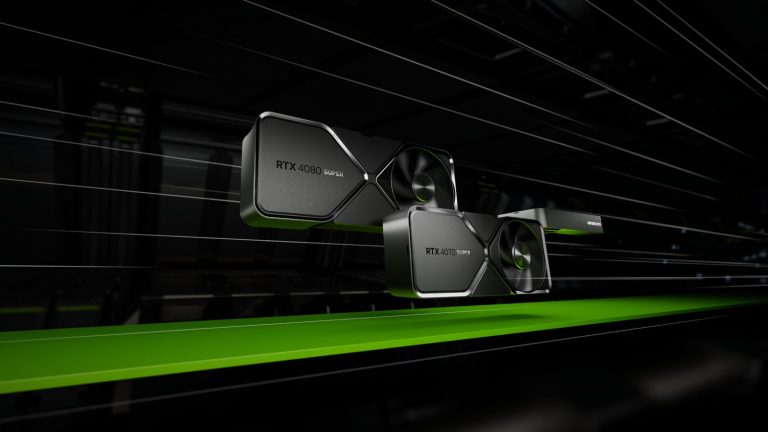
NVIDIA RTX 40 Super series GPUs have now been made official, with NVIDIA having announced the range of new graphics cards early in the morning on January 8. This was in line with a suspected announcement following an NVIDIA teaser on X. And months after these cards first popped up in leaks.
NVIDIA also isn’t the only one that’s announced the new cards. There will be Founder’s Edition models coming straight from NVIDIA. But as per usual with its GPU releases, it works with numerous partners that launch their own flavors. Sometimes with slightly different clock speeds. MSI is one of those brands. There will also be cards available from ASUS, Colorful, Gainward, GALAX, GIGABYTE, INNO3D, KFA2, Palit, PNY, and Zotac.
Prices will vary depending on which brand you buy. But Founder’s Edition models will start at $599 for the RTX 4070 Super card. NVIDIA is also releasing an RTX 4070 Ti Super and this will start at $799, with the RTX 4080 Super starting at $999. Launch dates are also different for each card. The RTX 4070 Super will shelves first on January 17. Meanwhile, you’ll have to wait until January 24 and January 31 for the RTX 4070 Ti Super and RTX 4080 Super respectively.
NVIDIA says RTX 40 Super Series GPUs will deliver “unlocked AI potential” on Windows
AI is the name of the game with computing these days and it’s extending across CPUs and GPUs. Although it’s hardly new. NVIDIA has been integrating AI-powered features in its graphics cards for a few years now. But it seems to be taking a more measured approach to highlighting all the AI advancements than it used to.
“The new GeForce RTX SUPER GPUs are the ultimate way to experience AI on PCs,” NVIDIA says. These new cards use specialized Tensor AI Cores that deliver “up to AI TOPS” which NVIDIA says delivers “transformative capabilities for AI in gaming.” You’ll see this manifested in the DLSS software which uses AI upscaling to help boost frames per second. And because of that, you can keep graphics settings higher to find a nice balanced middle ground.
In comparing these to the older 40 series cards, NVIDIA says the RTX 4070 Super has 20% more cores than the regular RTX 4070. It’s also supposed to be 1.5x faster than the older card with the DLSS 3 features enabled. If you want to run your games at higher graphics settings, you’ll need to bump up to the RTX 4070 Super Ti. This should also provide significantly increased frame rates for 1440p resolution in games, and “up to 4K” according to NVIDIA. Fully ray-traced games in 4K meanwhile will require the RTX 4080 Super.
NVIDIA says it will sell the Founder’s Edition cards directly and you’ll be able to get them at some select retailers too.
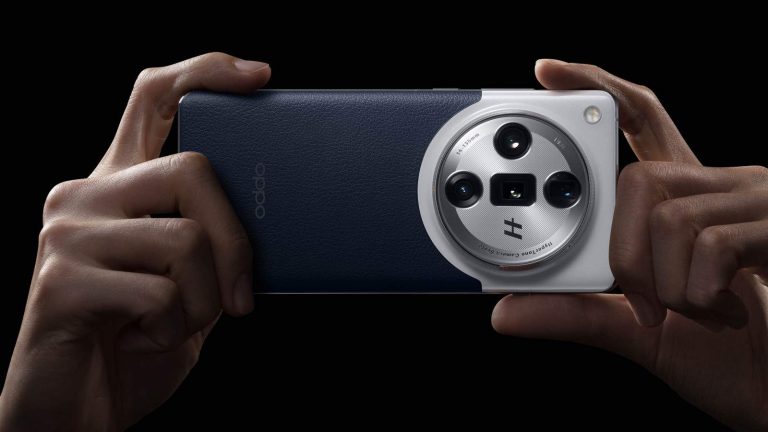
OPPO announced two new smartphones today, the OPPO Find X7 and OPPO Find X7 Ultra. We’ve already covered the launches of both devices. We’re here to take a closer look at the OPPO Find X7 Ultra specifications, as there’s plenty to talk about here.
The OPPO Find X7 Ultra comes with a truly powerful set of specs, with the emphasis on cameras
The OPPO Find X7 Ultra is fueled by Qualcomm’s most powerful processor, the Snapdragon 8 Gen 3. OPPO is also using LPDDR5X RAM and UFS 4.0 flash storage here. Three variants are available. A 12GB RAM model comes with 256GB of storage. The 16GB RAM model is available in both 256GB and 512GB storage flavors.
There is a 6.82-inch QHD+ (3168 x 1440) LTPO AMOLED display used here. That display is curved, and has a centered display camera hole. It supports refresh rates from 1 to 120Hz, and has a 240Hz touch sampling rate. This display has a theoretical peak brightness of 4,500 nits. Its peak brightness in HDR mode is 2,600 nits, while regular peak brightness is a 1,600 nits. A 2,160Hz PWM dimming is also a feature here, as is Dolby Vision.
Android 14 comes pre-installed on the phone, along with ColorOS 14. There are two SIM card slots included (2x nano SIM). An in-display fingerprint scanner is also a part of the package. The OPPO Find X7 Ultra is water and dust-resistant (IP68 rating). Wi-FI 7 is also supported, as is Bluetooth 5.4 and 5G. Stereo speakers are also a part of the package.
The device includes four 50-megapixel cameras as part of its ‘Quad Main Camera’ setup
The OPPO Find X7 Ultra has a ‘Quad Main Camera’ system on the back, as OPPO calls it. The company wanted to offer four cameras that are equally capable, or at least close to it. This is also the first smartphone that utilizes the Sony LYT-900 camera sensor, and the first one to have two periscope telephoto cameras. All four cameras are 50-megapixel ones, by the way.
A 50-megapixel main camera uses the Sony LYT-900 sensor. It also utilizes a 1G7P lens, and has an f/1.8 aperture lens. OIS is also supported here. A 50-megapixel ultrawide camera uses the Sony LYT-600 sensor. This camera has an f/2.0 aperture lens, 4cm macro option, and a 123-degree FoV.
There are two periscope telephoto cameras here, this is the first smartphone with such a setup
A 3x 50-megapixel periscope telephoto camera has an f/2.6 aperture, and uses Sony’s IMX890 sensor. OIS is also supported. A 6x 50-megapixel periscope telephoto camera has an f/4.3 aperture, and uses Sony’s IMX858 sensor. This one also supports OIS. Hasselblad is also a part of the package, of course. A single 32-megapixel camera (Sony’s IMX709 sensor) is included on the front.
A 5,000mAh battery is also included here. 100W SuperVOOC wired charging is also supported here, and a charger is included in the package. The OPPO Find X7 Ultra supports 50W wireless charging too, and 10W reverse wireless charging.
The OPPO Find X7 Ultra measures 164.3 x 76.2 x 9.5mm, while it weighs 221 grams. It comes in Ocean Blue, Sepai Brown, and Tailored Black colors.
CES 2024 is going on right now, and global tech leaders are putting their best foot forward and showing us amazing devices to look forward to. One of the companies is Hisense, and it definitely stole the show with its announcements. Hisense unveiled its new ULED and LED X TVs that promise to offer an amazing viewing experience.
If you’re looking for more news about CES 2024, then look no further than our CES page here at Android Headlines. You’ll find a bunch of great and exciting announcements. For example, Lenovo unveiled a new laptop that runs both Android and Windows. That’s just one of the many announcements that happened today.
Hisense shows off its new ULED and ULED X TVs at CES 2024
Starting off with the ULED X line of televisions, we have the 98UX. This TV redefines picture quality by offering a viewing experience that’s “bigger Bolder and faster.” This TV has an impressive 5,000 nits of brightness. It’s much brighter than its predecessor. This 98-inch screen will make everything you watch pop. You can also expect great contrast with 10,000 local dimming zones. With a native refresh rate of 144Hz, everything will be extremely fluid and smooth for you.
Moving up the ranks, we have the Hisense 110UX. This is a 110-inch giant of a television with a remarkable 40,000 backlight zones. This TV doubles the 98UX’s peak brightness by offering a whopping 10,000 nits of peak brightness. With the QLED-Quantum Dot technology, everything you watch will look absolutely gorgeous. This will take your movie-watching experience and push it to the next level. Aside from the hardware, there’s also some great software. This TV uses AI contrast and AI depth to further enhance the visuals.
ULED TVs
Hisense also unveiled some regular ULED TVs at CES. This line consists of the U6N, U7N, and U8N series. While not quite as impressive as the ULED X models, these TVs still offer you an amazing experience.
They all use mini LED technology which offers great contrast compared to typical LCD TVs. They can reach an impressive 3,000 nits of brightness which is great for any situation. The sizes range from 55 inches to 85 inches, so you’ll have your pick of the perfect size for you.
These TVs have features like 144Hz refresh rate, G-sync, Dolby gaming, Freesync Premium Pro, Game Mode Pro, and many more. These features are for those looking to do some heavy gaming on these TVs.
These will be the more affordable options for you, but they will still give you an amazing viewing experience. So, you will be paying a lower price, but you will not be getting a low-tier experience.
Rounding out the list, we have the 100 U76N. This is a massive 100-inch TV that has a 4K UHD resolution, 144Hz fresh rate, Wi-Fi 6e, a QLED-Quantum Dot display, Google TV, and many more. This is a TV to get if you want a robust movie night experience.
These TVs further confirm that Hisense is looking to push the display and TV Market forward. These are all incredible TVs, and they will be well worth the money when they launch.
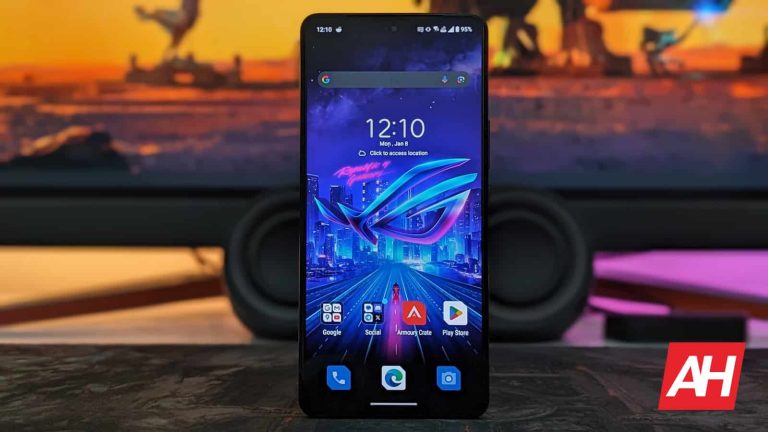
ASUS today is unveiling the all-new ROG Phone 8 series devices at CES, and they come with some much-needed, not to mention, highly requested improvements. Each year ASUS tends to iterate on its popular mobile gaming smartphone series with meaningful advancements. This year the company has outdone itself with what could be the most meaningful improvements to date.
Not the least of which is wireless charging (Qi 1.3 standard only) and big improvements to the camera. The ROG Phone 8 will come in three SKUs. The standard ROG Phone 8, the ROG Phone Pro, and the ROG Phone 8 Pro Edition. All three phones are essentially the same across the board save for a few details.
The Aura RGB ROG logo on the back of the standard model gets swapped out for the ‘AniMe Vision’ display on the ROG Phone 8 Pro and ROG Phone 8 Pro Edition models. These are similar to the AniMe Matrix displays on the backs of ASUS’s ROG Zephyrus laptops. They’re comprised of 341 programmable Mini-LEDs and support animations in both GIF and PNG formats. So you can upload your own files and use those to customize the display. The phone also comes with more than 20 preloaded animations to play with.
ASUS is also using Qualcomm’s flagship Snapdragon 8 Gen 3 mobile platform for unparalleled performance, and it features 6.78-inch flexible AMOLED display with a 165Hz refresh rate and a 720Hz touch sampling rate. In short, expect buttery smooth gaming and some extremely low input latency. The display is ultra-bright as well at a peak of 2500 nits.
The ASUS ROG Phone 8 series will launch in Q1
ASUS plans to launch these phones in the US market and globally in the first quarter of this year. Prices will start at $1,099.99 for the standard model which comes in Rebel Gray and Phantom Black. ASUS is also going to offer an early bird promotion where you can save $100. This model will come with 16GB of RAM and 256GB of storage.
If you bump up to the ROG Phone 8 Pro, you’ll get 16GB of RAM and 512GB of storage, and the phone comes in a matte Phantom Black with a retail price of $1,199.99. ASUS will offer an early bird promotion on this model as well that comes with a free AeroActive Cooler X attachment instead of a phone discount. The AeroActive Coller X is going to be $99.99, and you really do want it. So we’d recommend picking up the phone in the early bird promotion if you can.
The last model, the ROG Phone 8 Pro Edition, will come with a whopping 24GB of RAM and 1TB of storage. It even comes bundled with the AeroActive Cooler X. It will retail for $1,499.99, however, so be prepared to spend a little more for this model.
A new, more subtle design takes the ROG Phone 8 series ‘Beyond Gaming’
The ROG Phone line will always be a collection of gaming phones at their core. That will never change. But ASUS has made some improvements this year that take the phone series ‘beyond gaming’ as the company puts it.
This starts with the new, more subtle design that uses, quite frankly, a lot less “gamer aesthetic” than previous models. This really comes out in the ROG Phone 8 Pro and ROG Phone 8 Pro Edition thanks to the matte black colorway. These also use the AniMe Vision LED display, and unless the LED animations are enabled, they’re not visible at all and are completely hidden. So both models just look like normal ASUS phones. It’s also 15% thinner than the ROG Phone 7 series and slightly lighter. That being said, the size reduction also comes with a reduction in battery capacity, moving down from 6,000mAh to 5,500mAh.
Another big improvement this year is the change to an IP68 rating. Last year’s phone was only IPX5 rated. Which was still good, but not fully weather-resistant. That changes this year and should give consumers who buy the device a little more peace of mind.
ASUS promises better cameras for an improved photo and video experience
The Beyond Gaming moniker also comes in the form of a new and improved camera system. These are “pro-level cameras” ASUS says and they’re loaded with AI features and software to enhance things further, such as the OZO audio tech that lets you opt to eliminate wind noise for better sound in recorded video. Speaking of video, the phone also now features the 3.0 version of the 6-axis Hybrid Gimbal Stabilizer. So videos should come out much smoother than in prior ROG Phone devices. I never really experienced major issues with video in my testing but it was clear that things could do with a little less shakiness.
While not bad by any means, many of ASUS’s past ROG Phone models have simply had “just ok” cameras. They did the job and that was that. This time around, ASUS says it has recognized that its users want more out of the camera for times when they’re not gaming. The setup on the back uses an all-new 50MP Sony sensor for the main image sensor, but it also now includes (for the first time) a 3x telephoto lens that supports 10x and 30x zoom features. There’s also a 13MP ultrawide lens to make sure you capture everything in your shot. Pair that with the 32MP ultrawide selfie camera and this is ASUS’s most advanced camera system yet. At least on paper.
All-in-all, the ROG Phone 8 series is a much more well-rounded gaming smartphone thanks to it being more capable in non-gaming situations.
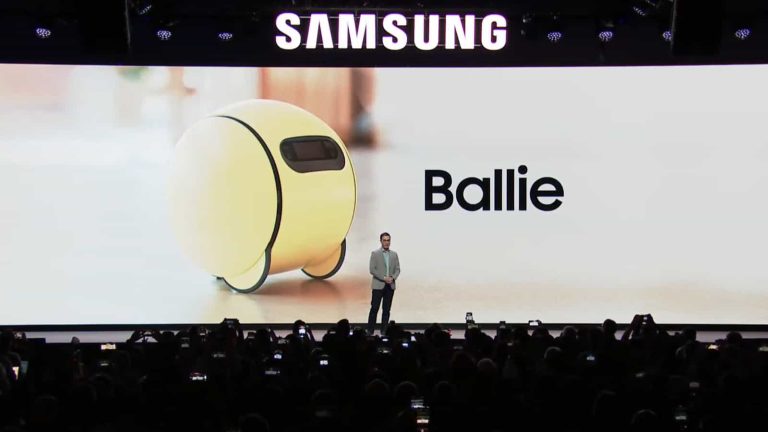
Back in 2020, Samsung gave us a sneak peek at an adorable little robot called Ballie. This is a connected AR robot that’s meant to make life just a bit easier for the user. Well, during CES 2024, Samsung unveiled a new upgrade to Ballie that gives it a lot more functionality.
The company officially announced Ballie back in 2020, and it was pretty interesting. It’s a small spherical robot that’s meant to be a life companion. At least, that’s what the company stated. It’s mobile, and it’s designed to stay with you wherever you are. You can speak to it, and it will respond to you. If you tell it to come to you, it will come to you.
Baillie’s designed to do tasks like remind you of events, patrol home, capture moments via the built-in camera, and much more. It’s a device that didn’t get too much coverage, but it shows that Samsung is focusing on more than just displays and smartphones.
New Ballie
That was an interesting concept presented back in 2020, but Samsung has brought a pretty big update to Ballie, and it’s much more integrated with your everyday life. For starters, the New Ballie is much bigger. There’s a significant size difference between the new version and the older version, and the New Ballie has two wheels up front.
The new version of Ballie is smarter and more capable, leveraging more advanced AI. This is in line with Samsung’s “AI for All” vision. The new Ballie is still able to follow you around and perform all the tasks that it could before. However, this upgrade comes with a projector that can actually project images onto services. So, if you want to protect the video for you, it can do so. That increases its usability much more.
The New Ballie is also more integrated with your smart home. You’re able to use it to control your smart home devices. You can tell it what smart devices you want to control, and it will communicate with them seamlessly. So, if you want it to start our washer and dryer when you’re not home, you can set it to do so. This makes Ballie much more useful, and it was a highlight of CES 2024.
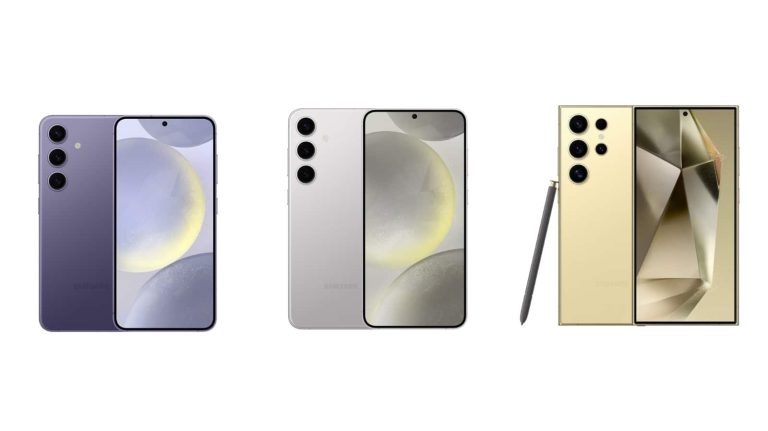
Samsung‘s highly-anticipated Galaxy S24 series will go official next week. The company will unveil the new flagship lineup on January 17. Ahead of that, leaks have revealed the phones’ design, key specs, and pricing structure. A new leak has now given us an idea of how much it will cost to repair a damaged Galaxy S24, Galaxy S24+, or Galaxy S24 Ultra. We also have visuals of some original replacement parts.
Leak reveals repair costs for the Galaxy S24 screen, battery, and more
Slovenian repair shop Mobistekla has listed the prices of the original replacement parts for various Galaxy S24 components on its website. As expected, replacing a broken front glass and display will be a costly affair. The glass and display combo for the Ultra model will cost a whopping €375. It will cost €255 for the Plus model, while the base model will be in the €259 ballpark.
If you only need to replace the front glass, the charges will come in at €199, €165, and €155 for the three models respectively. Likewise, a battery replacement will cost €65 for the Galaxy S24 Ultra, €72 for the Plus, and €68 for the base model. Camera repairs are said to cost €150, €105, and €99, respectively. Replacing the camera glass of the thee Galaxy S24 phones will set you back by €48, €45, and €42, respectively.
Mobistekla’s website also lists replacement and repair costs for various other components, including the charging port, speaker, microphone, selfie camera, physical buttons, and more. Depending on the device model and component, these repairs will cost between €50 and €100. Repairing the under-display ultrasonic fingerprint scanner will cost €157 for all three modes, at least according to this leak.
Since the Galaxy S24 series isn’t official yet, we can’t vouch for the accuracy of all these repair costs. However, they may not be too much off the official pricing, which we should get to know shortly after Samsung releases the new flagships. The listing also included pictures of some replacement parts. So, the leaked prices may have come courtesy of some well-reached internal source. Thankfully, it won’t be long before the devices go official.
Samsung may release the new flagships at the end of the month
While Samsung has confirmed the Galaxy S24 launch for January 17, it has yet to reveal the release date for the new flagship trio. The company is expected to open pre-orders for the phones immediately after launch in most markets. A global release may come at the end of the month. Rumors suggest the general sales might begin on January 30. We will let you know when we have official confirmation.
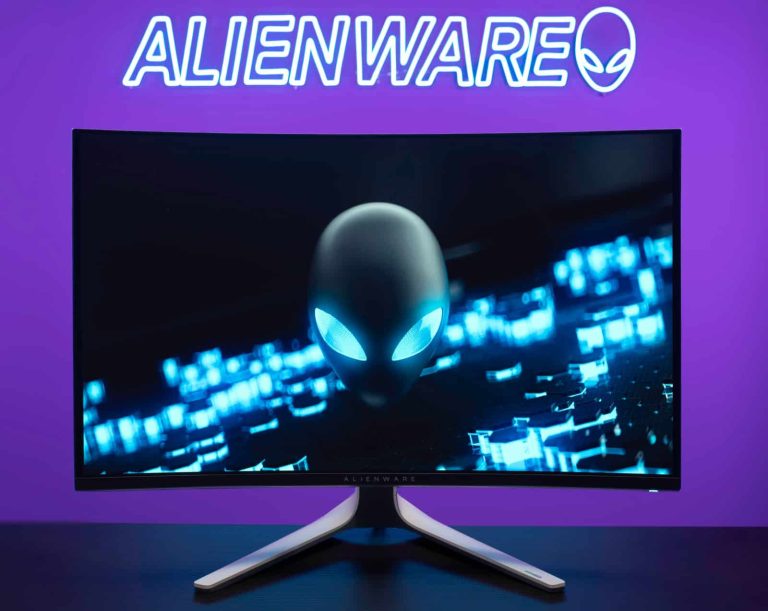
Alienware is back at CES this year with two new gaming monitors that it’s calling “world’s firsts.” The Alienware 32 and the new Alienware 27 are the latest displays from Dell’s gaming brand, and they bring some particularly exciting features to the market. When you look at a gaming monitor for your PC setup, chances are you’re looking at a bunch of different factors. But you might be looking at two things specifically more than any other. The resolution and the frame rate of the display.
With these two new monitors at CES, Alienware is essentially targeting consumers who are looking at these two details. Both the Alienware 32 and the Alienware 27 feature the company’s QD-OLED technology, but that isn’t what makes them worthy of the world’s first label. It is related to it though. The Alienware 32 is the world’s first QD-OLED monitor that comes with a 4K resolution display and Dolby Vision HDR. Meanwhile, the Alienware 27 is the first QD-OLED monitor that comes with a 360Hz refresh rate.
Both of these innovations will cater to gamers who want monitors with exceptional visual clarity. And depending on what you care more about (resolution or frame rate), Alienware seems to have something for you.
Both new gaming monitors will be available from Alienware directly after CES
You won’t have to wait long to pick up either monitor if you’re ready for an upgrade. Alienware says both the Alienware 32 and the Alienware 27 will be available directly after CES. Beginning on January 11, the Alienware 27 will be available in North America with a starting price of $899.99. The Alienware 32 will start a little higher at $1,199.99 but you are getting a bigger screen with a higher resolution panel. Hence the price jump.
Curved or flat, visuals or speed – Alienware is giving you choices
Each of these two monitors has something to offer you as a PC gamer. If you lean towards better visuals, the Alienware 32 is the monitor you’re after. The QD-OLED panel comes with 4K resolution as well as Dolby Vision HDR and VESA DisplayHDR True Black 400. It’s also a curved panel, and Alienware says this all comes together to “capture expanded peripheral vision with infinite contrasts and true blacks.” The monitor also has a peak brightness of up to 1000 nits. Which is exceptionally bright for a monitor and should help to cut down on glare.
Additionally, it has a 240Hz refresh rate so it’s no slouch in that department. This means you get a nice compromise between having a high-resolution display that still delivers on the frame rate side of things.
If you want something even faster, the Alienware 27 goes up to 360Hz at the cost of going from 4K to QHD. That being said it’s a smaller display so the visual clarity will still be very good. Like the Alienware 32, the Alienware 27 will have a 0.03ms gray-to-gray response time that should nearly eliminate blur and ghosting. Both monitors will also support HDMI 2.1 for 4K 120 frames per second with PlayStation 5 and Xbox Series X.
Samsung Display has unveiled a cutting-edge OLED display named “In&Out Flip” that can fold 360 degrees, signaling a new era for foldable phones with innovative form factors. The display panel is designed to redefine the user experience by enabling both inward and outward folding. This groundbreaking technology showcased ahead of Samsung’s main CES 2024 presentation, allows the same screen to serve as a large inner display and a cover display, offering flexibility and versatility.
Built around the popular designs of Samsung’s Galaxy Z Fold 5 and Galaxy Z Flip 5, the In&Out Flip display addresses a common concern with foldable phones—thickness. While Samsung’s foldable devices have become progressively slimmer, they still retain a noticeable thickness compared to their non-foldable counterparts. The In&Out Flip aims to make Samsung foldable even slimmer by eliminating the need for a separate cover display and associated components, potentially paving the way for thinner and lighter foldable phones.
Samsung’s future foldable with an In&Out Flip panel might fold in both directions
The concept of a 360-degree folding arc raises questions about the impact on screen durability, especially concerning the visibility of folds or creases. Potential buyers have been cautious about adopting foldable phones in the past due to concerns about the durability of these innovative displays. Samsung claims to have rigorously tested the durability of the In&Out Flip panels using extreme temperatures, bouncing basketballs for resilience, and standard tests including water immersion and sand rubbing.
One standout feature of the In&Out Flip is its ability to offer front and back screens when folded in two. We will have to wait to see the practicality and impact on the overall durability of phones that adopt this display technology. Samsung will likely provide more insights into the In&Out Flip display at its CES conference, besides showing additional innovations, including “Rollable Flex” display tech. The Rollable Flex aims to introduce a screen that will roll out to five times its original size, potentially revolutionizing the concept of flexible displays.
In addition to the In&Out Flip, Samsung Display has introduced other cutting-edge screen technologies, such as a microdisplay with ultra-high resolution for immersive extended reality experiences and the latest QD-OLED panels. As CES 2024 unfolds, Samsung’s array of innovative displays promises to shape the future of consumer devices, including phones, TVs, and more. Stay tuned for updates on the latest developments and announcements from the CES show floor.
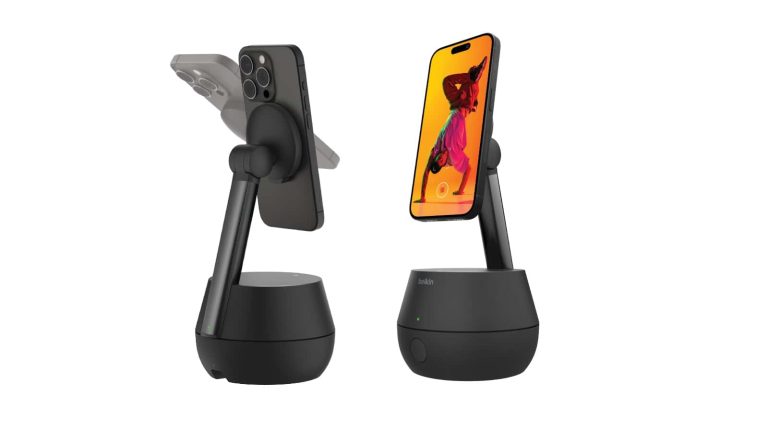
Accessories maker Belkin has announced an Auto-Tracking Stand Pro dock for iPhone. It is the first to utilize Apple’s DockKit framework eliminating the need to install a third-party app on compatible iPhones. The accessory allows users to track their movements while on camera in a seamless and hands-free manner. This makes it ideal for content creation needs as well as video calling while moving around freely.
Belkin Auto-Tracking Stand Pro offers hands-free camera tracking user movements
The Belkin Auto-Tracking Stand Pro has a cylindrical base that is motorized and is capable of supporting a full 360-degree swivel. Meanwhile, the MagSafe-equipped motorized arm is tiltable up and down with 90-degree movement. Commenting on the launch, Belkin says that the accessory boasts premium quality, impressively responsive robotics, and advanced subject tracking.
The Belkin Auto-Tracking Stand Pro also features MagSafe meaning it can charge the device along with chatting simultaneously. It offers 15W wireless charging speed when plugged in with a five-feet USB-C cable and 30W power supply. There is a single button to enable or disable movement tracking. An LED light will indicate if tracking is activated. The Auto-Tracking Stand Pro is claimed to offer 5 hours of battery life on a single charge.
As per Belkin, the Auto-Tracking Stand Pro delivers automatic, silent, motorized, and seamless camerawork. The 360-degree movement tracking ensures that the people always remain in the frame and the 90-degree tilt allows capturing at any angle using the front and rear cameras.
First accessory to utilize DockKit and compatible with iPhone 12 or later
Apple introduced the DockKit framework in iOS 17 for face and object tracking. The Belkin Auto-Tracking Stand Pro seems to be the first accessory to use it. With the iPhone’s recognition technology, the accessory will never let you out of sight. It can be used with iPhone 12 or later with MagSafe. Users need to snap their phone onto the stand and pair it with NFC connectivity. Once this is done, the framework allows the user’s phone and the stand to work together to register their face and automatically track to keep them in the frame. The accessory works with a camera in any app like FaceTime, Instagram, WhatsApp, Microsoft Teams or other social media apps or messaging platforms
The Belkin Auto-Tracking Stand Pro is priced at $179.99. It will be available for purchase soon on the brand’s website and select retailers worldwide.