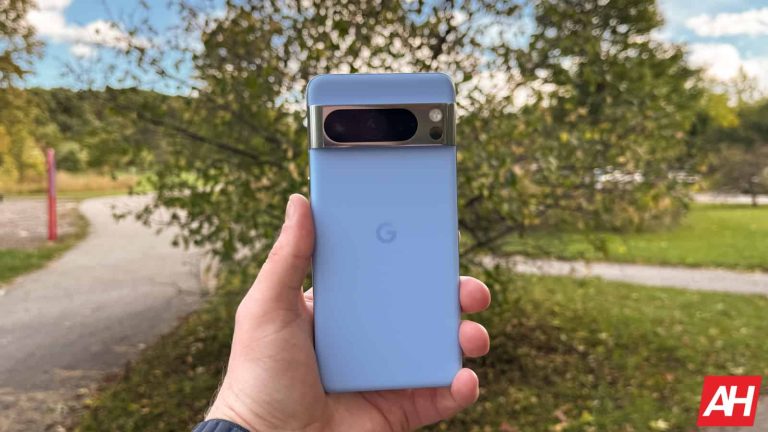
Google’s official repair partner iFixit has started selling repair parts and tools for the latest-generation Pixel 8 series. This gives users the chance to fix their own phones. It is also great for the right-to-repair movement with both Samsung and Apple having made it easier for customers to repair their devices. For those unaware, the Google Pixel 8 series are eligible for seven years of OS updates as well as access to genuine spare parts.
iFixit starts selling genuine Pixel 8 series repair parts
Pixel 8 iFixit genuine repair parts
Along with the repair part, iFixit also offers the option to bundle the tools (at an additional price) needed to perform the fix for those who do not have a toolkit. The list of genuine repair parts for the Pixel 8 and 8 Pro are nearly the same. For the standard variant, the replacement screen, rear case, main camera, and ultra-wide camera are priced at $159.99, $142.99, $142.99, and $62.99 respectively. These same parts for the pro model cost $229.99, $172.99, and $199.99. For the Pixel 8 Pro, iFixit is offering the entire camera setup. The replacement battery and front camera on the Pixel 8 series are priced at $42.99. The cameras on the Google Pixel 8 series are expensive to repair compared to their predecessors.
It’s worth noting that the Pixel 8 and 8 Pro are quite difficult to repair as per teardown videos. Additionally, the USB-C port is soldered to the motherboard. Hence, if it gets damaged, it cannot be fixed with an iFixit kit. However, smartphones support wireless charging that could minimize the wear and tear on the USB-C port.
Genuine replacement parts will increase longevity
The smartphone’s hardware needs to last as long as the provided software support. Google’s seven years of access to both is a welcome move. Additionally, self-service repair is a cheaper option than taking the Pixel 8 phones to Google. Technically skilled people can take advantage of the genuine replacement parts and perform the repair themselves. Additionally, degrading components like the battery can be replaced easily making the device last for a few more years. The Pixel 8 Pro has also aced famous YouTuber JerryRigEverything’s durability test.
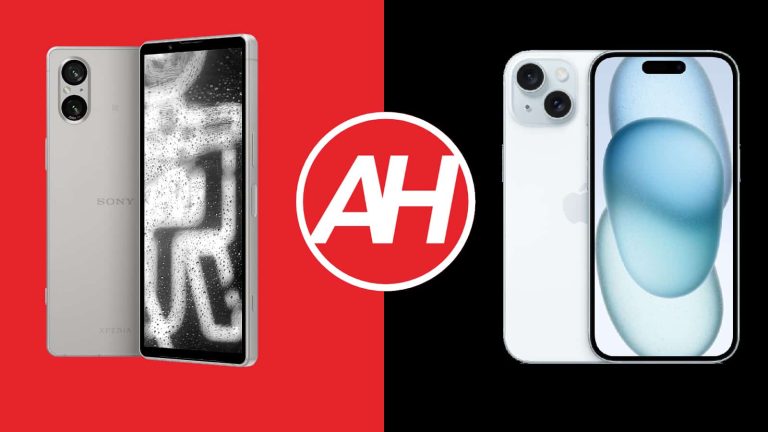
If you’re into compact smartphones, and you also want a powerful smartphone at the same time, there are not a ton of choices out there. Luckily both Sony and Apple did release such devices in the last year or so. In this article, we’ll compare the Sony Xperia 5 V vs Apple iPhone 15. The Xperia 5 V is Sony’s most powerful compact device, while the iPhone 15 is inferior to the iPhone 15 Pro, but still quite compelling. Also, we’ve already compared the ‘Pro’ model with the Xperia 5 V, in case you’re interested in that.
As per usual, we’ll first list their specifications, and will then move to compare them across a number of other categories. We’ll compare their designs, displays, performance, battery life, cameras, and audio performance. These two devices are quite different, which should make things interesting. Let’s get down to it.
As you can see, these two devices look entirely different. They’re both made out of aluminum and glass, but that’s where their similarities end, basically. The Sony Xperia 5 V doesn’t have a display camera hole or notch, but it has slightly thicker bezels above and below the display. It also has a 21:9 display aspect ratio, so it’s quite tall and narrow. The iPhone 15 has a pill-shaped display camera hole aka Dynamic Island. The display aspect ratio here is 19.5:9.
Both smartphones have two cameras on the back, but they look very different. Sony’s are placed in the top-left corner and are vertically aligned. The iPhone 15 cameras have a diagonal setup, but also sit in the top-left corner. Both smartphones do have flat sides, but they’re different. The Xperia 5 V has chamfered edges, while the ones on the iPhone 15 have a slight curve towards the sides. Both smartphones are fairly comfortable to hold.
The fact these two phones are not heavy definitely has something to do with comfort. The Xperia 5 V weighs 182 grams, while the iPhone 15 weighs 171 grams. The Xperia 5 V is considerably taller, and noticeably narrower, while it’s also a bit thicker than the iPhone 15. Both smartphones are IP68 certified for water and dust resistance. If you’re looking for a one-handed smartphone, both of these fit the bill. They’re amongst the best compact devices out there.
Sony Xperia 5 V vs Apple iPhone 15: Display
The Sony Xperia 5 V includes a 6.1-inch fullHD+ (2520 x 1080) OLED display. That panel is flat, and has a 120Hz refresh rate. It also supports HDR10 content and can project up to 1 billion colors. The Gorilla Glass Victus 2 protects this display. We’re looking at a 21:9 display aspect ratio, which makes the phone narrow and tall. The screen-to-body ratio here is around 83%, in case you were wondering.
The Apple iPhone 15 has a 6.1-inch 2556 x 1179 Super Retina XDR OLED display. This panel is also flat, but it has a 60Hz refresh rate. It doesn’t offer a high refresh rate. HDR10 content is supported, and so is Dolby Vision. This panel goes up to 2,000 nits when it comes to brightness, and has a 19.5:9 aspect ratio. The screen-to-body ratio is 86.4%. The Ceramic Shield glass is placed on top of the display in order to protect it.
The iPhone 15’s panel does get brighter than Sony’s, but not by that much. Both displays are very much usable outdoors, even in direct sunlight. There are brighter displays out there, though, of course. The Xperia 5 V has the advantage of high refresh rate. If you’re used to high refresh rate displays, you may be underwhelmed with the iPhone 15. Other than that, both displays are quite good. They are vivid, have good viewing angles, and the blacks are deep, as they should be on AMOLED panels.
Sony Xperia 5 V vs Apple iPhone 15: Performance
The Snapdragon 8 Gen 2 fuels the Sony Xperia 5 V. That handset comes with 8GB of RAM, and UFS 3.1 flash storage. The iPhone 15, on the other hand, includes 6GB of RAM and NVMe flash storage. That handset is fueled by the Apple A16 Bionic processor. Neither of these two chips is the latest and greatest at this point, but they’re right next to the most powerful offerings from Qualcomm and Apple.
Truth be said, both smartphones do offer flagship-level performance. We did not notice any performance problems during regular, everyday use. Everything is nice and snappy, ranging from web browsing, to consuming multimedia, and multitasking. The same can actually be said for gaming as well. Both smartphones can handle even the most demanding games that are available for them, in their respective stores.
Do note that both phones do get quite warm during intense use, but neither gets too hot to handle or anything of the sort. There’s really nothing to worry about when it comes to performance, even though neither phone has the bleeding edge spec sheet at this point in time. They’re close enough to that, though.
Sony Xperia 5 V vs Apple iPhone 15: Battery
A 5,000mAh battery sits inside the Sony Xperia 5 V. The iPhone 15, on the flip side, includes a 3,349mAh unit. Apple’s handsets usually have smaller battery packs, but that’s because iOS handles battery consumption differently. You’ll be glad to know that the battery life on both smartphones is good. In fact, the two phones are on the same playing field when it comes to battery life.
Crossing the 7-hour screen-on-time level is possible on both devices. Do note that gaming could impact that number in a negative way, though. Getting over 7 hours of screen-on-time is possible even with more intense usage, both of these smartphones can handle it. That’s not nearly the best we’ve seen when it comes to higher-end phones, but it’s good. Most people will be more than happy with the battery life here. Do note that your mileage may vary, though, of course. You’ll be using different apps, in a different way, with different signal strengths.
The Sony Xperia 5 V supports 30W wired, 15W wireless, and 5W reverse wireless charging. The iPhone 15, on the other hand, supports 20W wired, 15W wireless (MagSafe & Qi2), 7.5W wireless (Qi), and 4.5W reverse wired charging. Neither of the two phones includes a charger in the box, though. So you’ll have to get one, if you don’t already own it.
Sony Xperia 5 V vs Apple iPhone 15: Cameras
Sony’s handset includes a 48-megapixel main camera and a 12-megapixel ultrawide unit. This handset also comes with Zeiss optics. The Apple iPhone 15, on the flip side, has a 48-megapixel main camera, and a 12-megapixel ultrawide unit (120-degree FoV). So, both smartphones include two cameras on the back. A 12-megapixel unit is included on the front of both phones, while the iPhone 15 also has a sensor for advanced facial scanning.
The camera performance is really good on both phones. It is different, though. During the day, both smartphones do try to keep things closer to real–life and provide detailed images with good exposure and white balance. They also do a good job with HDR content. Images from the Xperia 5 V are usually more contrasty. Images from the iPhone 15 do end up being a bit warmer, though.
In low light, both phones attempt to provide more realistic shots, the same as in the daytime. That’s why they may seem a bit darker than low-light shots on most other flagships, and many people would agree that’s a good thing. Both smartphones are capable of pulling plenty of details from the shadows, though. Those low-light shots end up looking really good, and both devices handle street lights with style.
Ultrawide cameras are very good during the day and manage to keep up with the color science of the main shooters. They are visibly worse than main cameras in low light, but still very usable.
Audio
There are stereo speakers included on both of these phones. Those speakers provide basically the same level of loudness, and both sets are really well-balanced. There’s not much to complain about here, you’re even getting a bit of bass. The thing is, they’re not the best out there, but are more than good enough for most people.
The Xperia 5 V even has a 3.5mm headphone jack. So you can connect your wired headphones. The iPhone 15 does not, but you can always utilize its Type-C port. For wireless connections, both smartphones are equipped with Bluetooth 5.3.
Android Auto recently received a significant design refresh, offering more efficient use of a car’s screen with the ability to display multiple apps side by side. This enhancement allowed users to, for example, run YouTube Music alongside Google Maps simultaneously. However, until now, one feature that was missing from Android Auto was the 3D buildings view in Google Maps, which has been a staple in the phone app for more than a decade.
This immersive view, known for helping users navigate and find locations more easily, is finally making its way to Android Auto, offering a more engaging and detailed exploration of cityscapes.
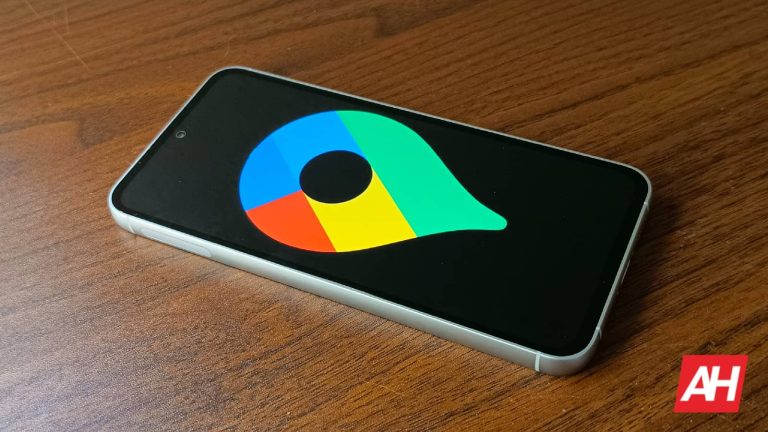
A Reddit user known as u/Seemebreakthis recently discovered that Google Maps on Android Auto has started displaying 3D buildings, marking a notable addition to the in-car navigation experience. Unlike traditional 2D maps, the 3D buildings feature provides users with a more realistic and visually enriched representation of their surroundings.
U/Seemebreakthis shared a screenshot with translucent 3D buildings that add a layer of depth without affecting the visibility of the roads. While this development doesn’t appear to impact navigation in Android Auto directly, it aligns with the trend of enhancing the overall user experience by bringing popular features from mobile devices to in-car systems.
For those who prefer a more traditional map view, the option to disable 3D buildings remains available
Interestingly, the implementation of 3D buildings on Android Auto seems to be a server-side change, as users reported noticing the feature without manually toggling any settings on their end. This suggests that Google is gradually rolling out the update to users rather than requiring individual action. Meanwhile, Google Maps on smartphones is also evolving, as the 3D buildings feature is reportedly starting to appear during navigation.
Previously, this feature was limited to browsing the Maps app and was not accessible during turn-by-turn directions. Users can experiment with the feature by activating the 3D option from the layers menu on the Maps’ home screen and zooming in until the buildings take on a three-dimensional appearance.
Despite the promising developments, the availability of 3D buildings on Android Auto is not yet widespread, leaving room for speculation about whether it is part of a broader public release or a limited test. As more users experience the feature in the coming weeks, it will become clearer whether Google is extending this enhancement to a broader audience.
For those who prefer a more traditional map view, the option to disable 3D buildings remains available in the same layers menu.
Despite the price hikes over the years, you have to give Netflix props for not being super apt about monetizing its content. It took the company years to even consider adding an ad-supported payment tier, and you’re able to play all of the Netflix games without any sort of monetization whatsoever. However, this might change as the economic climate continues to suffer. According to sources, Netflix could be looking to monetize its games.
At this point, it’s really tough to tell what the company is planning on doing. There’s no telling how Netflix plans to monetize its games, so, you’ll want to take this news with a grain of salt. We’ll need to wait for Netflix to make some official announcements.
Netflix could be looking to monetize its games
So far, if you want to play games through Netflix, all you have to do is have an active subscription. When subscribed, you will be able to freely play the games without any ads or in-app purchases. It’s just like playing a regular video game from before the whole monetization boom.
However, a new report from The Wall Street Journal states that it could possibly change in the near future. People close to the matter told the Wall Street Journal that the company is discussing ways to bring money in for its games.
We can’t deny that Netflix spent multiple millions of dollars on its gaming endeavors. However, games are not exactly bringing in a ton of subscriptions. So, the games have been a massive money-losing endeavor, and Netflix knows this. The folks people in the company are starting to brainstorm on how to minimize the losses and bring some more Revenue in.
There were discussions among executives at Netflix, and in-app purchases were brought up. All we know is that they were brought up, so there’s no saying if the company greenlit this plan. Also, offering full-price games that you buy outright and having ads were also presented. The ads were proposed for the $7.99/month ad-supported tier only.
These could be problematic
These are viable options, but that’s not to say that they won’t bring some controversy. For example, the option of offering full price games will rub some people the wrong way. Why what a person pay for a monthly subscription just to be able to then pay for a game? It seems unlikely that the company will do this.
As for adding the advertisements, this could rub people the wrong way because people on the cheapest plan can already play games ad-free. So, introducing ads to a platform that was already at free will definitely frustrate some users.
At this point, we don’t know what Netflix plans to do. We’re going to have to wait for more information on this subject. Whatever the company chooses, you can bet that some people will be upset.
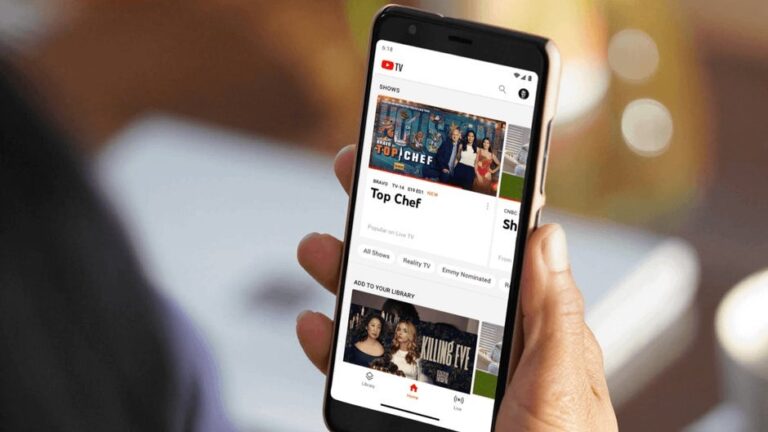
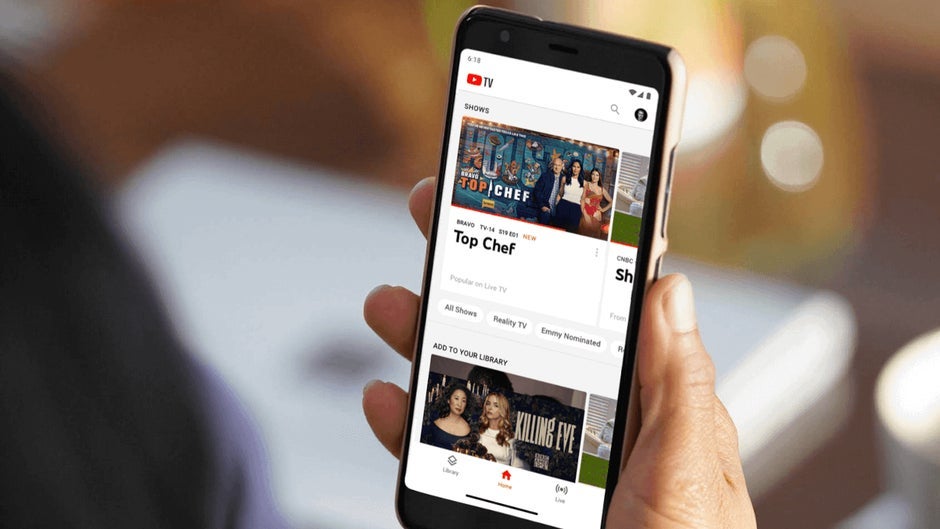
Some YouTube TV subscribers are experiencing confusion when they try to access their DVR’d shows, as they are being prompted to subscribe to Max (Formerly, HBO Max) in order to watch the recordings. This issue has been causing frustration among users, although all signs point to this being a glitch.
According to some reports on Reddit, some YouTube TV customers have encountered an unexpected prompt to subscribe to Max while trying to access recordings from specific channels. It seems that this is more of an error rather than an exciting new policy or feature.
YouTube TV and Max, formerly known as HBO Max, have been seamlessly integrated for a while now. With this integration, customers gain access to extra content on YouTube TV, while ensuring that standard channels and recordings remain easily accessible without additional requirements.
There have been reports from several YouTube TV customers about a frustrating error that is hindering their ability to access DVR recordings from certain channels. Instead of playing the recorded content, YouTube TV encourages customers to subscribe to Max.
It appears that when users are trying to access their recorded content, YouTube TV is attempting to access the show or movie version from Max, instead of the live TV recording. A YouTube TV Community Manager on Reddit has promptly addressed these reports, stating that they are already investigating the reported error. Unfortunately, there is no specific timeframe for when a solution may be released.
For now, customers who come across this error are recommended to power cycle their Smart TVs or streaming sticks and checking for any available device updates. Also recommended is to look for the particular movie or tv show episode under the “Extras” section of their DVR, and if all that fails, to get in touch directly with YouTube TV Live Support for more in-depth troubleshooting. The Community Manager on Reddit is also requesting that screenshots of the their “Stats for Nerds” be submitted along with their posts.
This issue, while not appearing to be a major one, underscores the intricacies of interconnected streaming platforms. Merging content libraries can be a double-edged sword, as it brings both opportunities and potential challenges. Let’s hope that the engineers at YouTube TV can quickly resolve the technical issue and restore uninterrupted access to saved shows for subscribers.
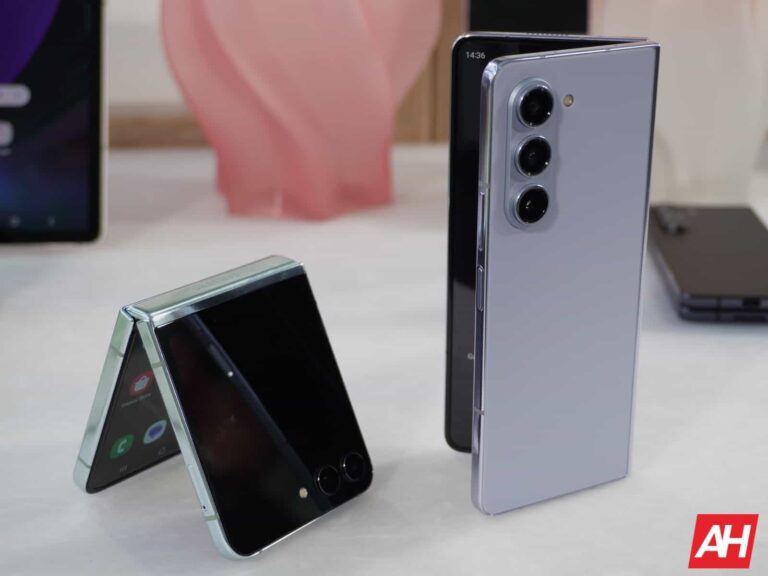
Earlier this week, Samsung released the January 2024 security patch for the Galaxy Z Fold 4 and Galaxy Z Flip 4. Those were the first two devices to pick up the latest security update. The company is now pushing the update to the Galaxy Z Fold 5 and Galaxy Z Flip 5, starting in the US.
US versions of Galaxy Z Fold 5 and Flip 5 get January update
As of this writing, Samsung‘s January 2024 update is available for carrier-locked variants of the Galaxy Z Fold 5 and Galaxy Z Flip 5 in the US. The two foldables are picking up the new SMR (Security Maintenance Release) with the firmware build numbers F946USQS1BWL7 and F731USQS1BWL7, respectively. We can confirm the availability of the update for users on T-Mobile and Metro networks. A wider rollout should be just around the corner.
The latest updates for the factory-unlocked variants of Samsung’s 2023 foldables may or may not bear identical build numbers. However, the changelog will remain the same. The new release only brings this month’s security fixes, which isn’t surprising. Both Galaxy Z Fold 5 and Galaxy Z Flip 5 are coming fresh from the Android 14-based One UI 6.0 update, which they picked up in late November. It brought tons of new features and improvements.
As far as this month’s security fixes are concerned, there is a lot to talk about. The January 2024 SMR for Galaxy devices patches as many as 80 vulnerabilities—75 Android OS and five Galaxy-specific issues. Among the 75 Android OS flaws patched this month were one critical, six moderate, and 68 high-severity vulnerabilities. Four of the five Galaxy issues were moderate vulnerabilities in the Notification service, Samsung DeX, and My Files.
The fifth Galaxy-specific flaw was a high-severity improper authentication vulnerability in the Bluetooth pairing process. It allowed remote attackers to establish a pairing process without user interaction. The January security update patches all of these flaws in Galaxy devices. Note that the five Galaxy patches from Samsung don’t apply to Android products from other brands. The 75 Android OS patches do.
Fourth-gen Samsung foldables are receiving this update widely
When Samsung released the January update for the Galaxy Z Fold 4 and Galaxy Z Flip 4, the availability was limited to Europe. The update is now available widely, including in Asia and the US. The new build numbers stateside are F936USQS3EWL9 and F721USQS3EWL9, respectively. The Korean firm will push the new SMR to more devices in the coming days. We will keep you posted accordingly.
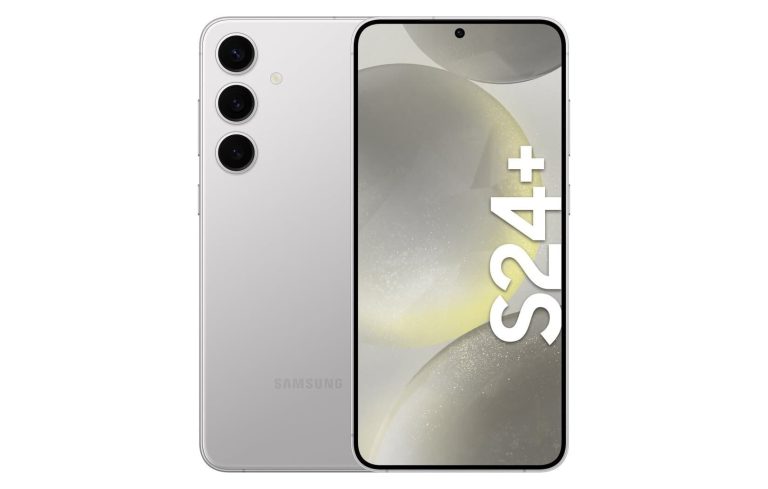
Samsung‘s Galaxy S24 flagships may cost less than the Galaxy S23 in Europe. If leaks are accurate, all storage variants of the smaller two models will see a price cut. The price of the 256GB Ultra model may go up. This is likely because of the upgrade from 8GB to 12GB RAM. The Plus model is also jumping from 8GB RAM to 12GB across the board but the rumored switch to the Exynos chipset might have allowed the company to lower the price.
Galaxy S24 prices may go down in Europe
If you recall, Samsung shipped the Galaxy S23 series with Qualcomm’s Snapdragon 8 Gen 2 processor globally. It equipped the smaller two models and the 256GB Ultra with 8GB RAM. The 512GB and 1TB storage variants of the latter have 12GB RAM. This year, the company is giving 12GB RAM as standard on the Plus and Ultra models. The vanilla Galaxy S24 still has 8GB RAM.
Additionally, Samsung is rumored to use the Exynos 2400 processor on the Galaxy S24 and Galaxy S24+ in Europe, with the Ultra getting the Snapdragon 8 Gen 3 globally. The switch to the in-house Exynos processor lowered the BOM (bill of materials) cost of the former duo. It is seemingly passing the benefit to customers. Reliable tipster Roland Quandt says the phones will cost €50 less than their respective predecessors.
The vanilla Galaxy S24 will be priced at €899 for the 128GB storage variant and €959 for the 256GB variant. For the Plus model, Samsung will charge €1,149 for 256GB storage and €1,269 for 512GB storage. However, if you grab the 256GB Galaxy S24 Ultra, you will have to shell out €1,449, €50 more than the 2023 model. Its 512GB and 1TB variants will cost €1,569 and €1,809, respectively—which is a €10 price cut.
Of course, these aren’t official prices. Samsung won’t share the pricing details of the new flagships before launch. However, the figures come from reliable tipster Roland Quandt via X. While the source says the prices are specifically for Italy, we expect similar figures in most European countries. Dutch publication GalaxyClub reported the same prices for the Galaxy S24 trio last week.
Samsung has priced the new flagships aggressively
If the Galaxy S24 series arrives with this pricing in Europe, it would be an aggressive move from Samsung. The new flagships don’t bring many hardware upgrades but there are plenty of new software features to look forward to. The company has baked AI into the system, delivering unparalleled on-device AI capabilities. It remains to be seen how Samsung prices the phones in other markets. There are rumors about a price increase in its homeland, South Korea.
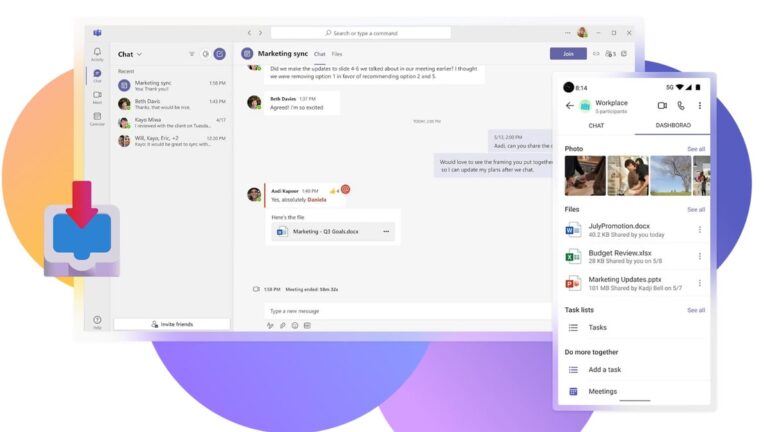
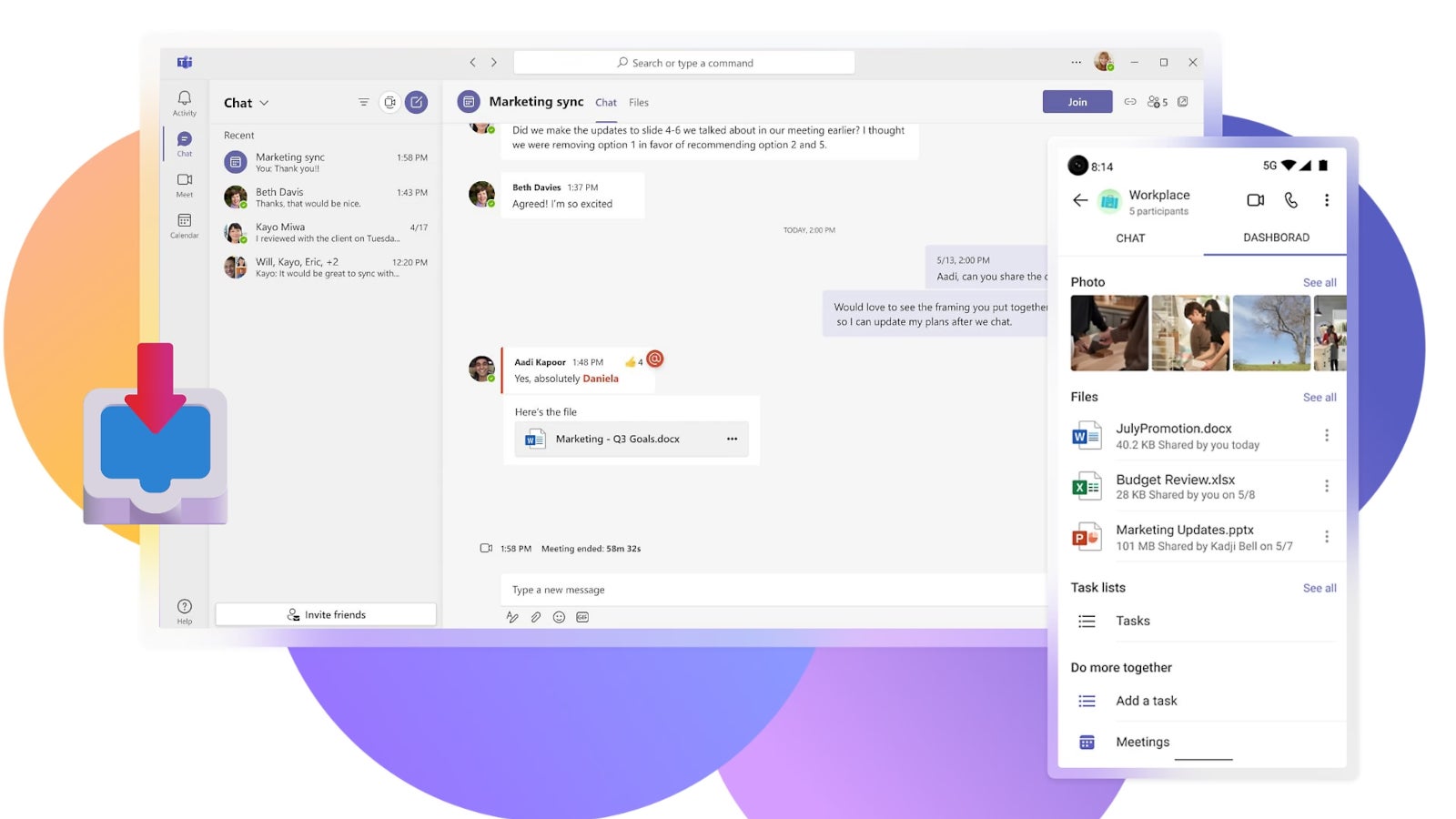
Google announced Teams for Android Auto back in May at I/O 2023 but didn’t say when exactly it will be available. Nearly a year after the announcement, Microsoft has finally confirmed that Teams will be coming to Android Auto next month.
The information is tucked away into the Microsoft 365 roadmap and doesn’t include any other details. The only thing mentioned is that Microsoft Teams will arrive on Android Auto in February 2024.
Microsoft also notes that Teams on Android Auto will allow users to “easily join meetings from the calendar view, quickly call your speed dial contacts and see your recent calls on your Android phones.”
Android Auto and Android Automotive have been quite successful lately, as more car manufacturers announced in the past 12 months have decided to adopt Google’s platforms.
Currently, Android Auto integrates with 200 million cars, Google claims. Cars made by Chevrolet, GM, Honda, Renault, and Volvo are among the many brands that have already opted to use Google’s Android Automotive in their cars.
Microsoft Teams is a more than welcome addition to Android Auto, especially that the platform has such a massive customer pool. As to why it took so long for Microsoft to bring Teams to Android Auto, your guess is as good as ours.
Perhaps Microsoft and Google thought I/O 2023 was a good opportunity to announce that Teams is coming to Android Auto, even though the app was nowhere near ready for primetime.
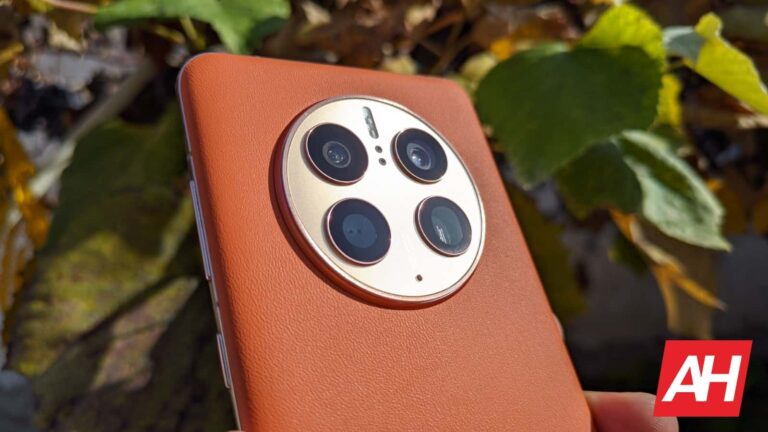
According to a new report, the Huawei P70 series will use a much better ultrawide camera. This information comes from Ming-Chi Kuo, a well-known analyst who is usually spot-on with his information.
The Huawei P70 series will get a much better ultrawide camera
He said that Genius Electronic Optical will provide Huawei with a new ultrawide camera module. He also reiterated that Huawei is aiming for 100-120% growth with the Huawei P70 series devices (compared to the P60 series). That’s something he mentioned back in November too.
In any case, this new camera module will use a 1G6P lens. In other words, it will have one glass and six plastic elements. On top of that, this will be a 1-inch type sensor, which is a huge deal. Most ultrawide units out there use 1.56-inch type sensors.
Needless to say, the camera system on the Huawei P70 series will be a huge deal. That is one of the main selling points of Huawei devices, and it has been that for quite some time now. That is especially true when it comes to the company’s flagships.
That camera setup on the back will have the ‘XMAGE’ branding, and if the Huawei Mate 50 series, P60 series, and Mate 60 series are anything to go by, those cameras will be immensely capable.
Leica’s departure didn’t exactly mess up Huawei’s camera prowess, not at all
The fact that the Leica partnership is no longer active didn’t really affect Huawei’s cameras. Those smartphones provide outstanding images and really good video. So we’re looking forward to seeing what can Huawei achieve with even more powerful camera hardware.
We still don’t have the details regarding other cameras on the phone… well, phones, as we’re expecting to see three of them. The Huawei P60 series arrived back in March last year (global launch was in May), so we’re expecting a similar launch timeframe this time around.
Chances are we’ll see plenty more rumors by the time the launch event comes knocking.
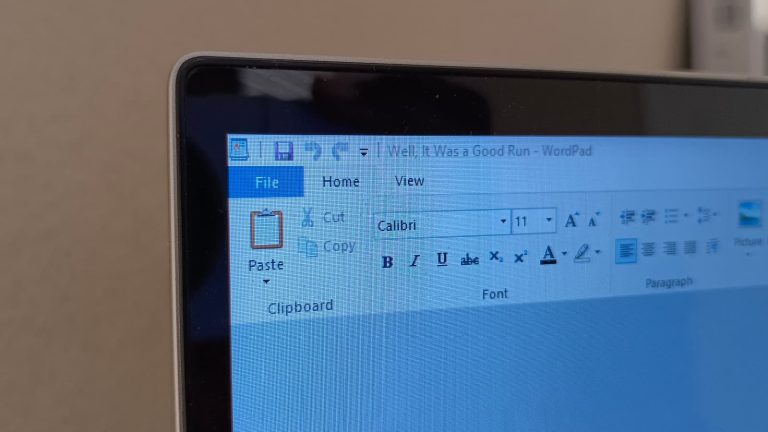
It’s always sad to say goodbye to old applications that we used to use over the decades. However, the march of progress must continue, even when some of our favorite programs get overstepped. After nearly 30 years of existence, Microsoft is discontinuing Windows Wordpad.
Maybe you used this program to write your first book, do early school reports, or spend hours as a teenager typing up scripts for sitcoms in your bedroom (I remember the good old days), Windows Wordpad has been there. It’s an extremely simple program by today’s standards thanks to Microsoft Word and similar programs. However, you can’t deny that it has a lot of sentimental value.
Well, Windows is finally discontinuing Wordpad
We knew that this day was coming, as Wordpad has been depreciated since September 2023. Now, if you are still using the program, you won’t log on to your computer to find it gone just yet. The program was removed in the preview build of Windows 11. So, you can still access it in the current stable version of Windows 11.
The preview version is version 26020 released on the Canary Channel. So, once that version makes it to the stable channel, you will no longer see Wordpad. Also, if you reinstall Windows 11, you won’t see the program. It’s definitely sad to see the program go even though not many people continue to use it.
Wordpad was first introduced back in 1995. Most of us used to ask kids back when we just needed a program to type down words and not much more. However, as adults, our needs are much more robust. Thus, we need programs with much more robust features, and capabilities. Wordpad just couldn’t keep up.
That’s not the only program going away
The Windows People app is also going away. However, its spirit will live on, unlike Wordpad’s. People was introduced with Windows 8, and it’s a digital address book. Folks used it to manage all of their contacts and addresses.
Well, all the functionality of the People app is being moved over to Outlook. So, you’ll be able to access all of the features natively from within Outlook. This eliminates the need to have a separate app.
There are other minor changes coming with the latest version of Windows 11, the company wrote an extended blog post about the changes.