With all of the Chatbots that we’ve seen, there have been some odd names. However, Google just launched Gemini, and that’s a fittingly grandioso name seeing that it’s extremely powerful. However, Grok takes the cake as the most eccentric name. In any case, it’s going to be the face of xAI’s endeavors going forward.
X is launching Grok, but not everyone is going to be able to access it
So, this is standard chatbot fare; you’ll be able to access the bot from within the app or on the website. It will sit in the side menu on the website and in both the Android and iOS apps. Of course, you’ll want to make sure that you’ve updated your apps. You’ll easily be able to access it from there, but you can also pin it to your bottom bar. This is for quicker access.
Just like other chatbots, Grok has a massive reservoir of data that it was trained on. It uses data from all over the web. It will use this data when it gives you answers to your questions. Along with that information, Grok is able to draw on X posts across the platform. This should allow the chatbot to access up-to-date information. The model powering it, Grok-1, is trained on data up until Q3 2023. That’s still a few months more recent than ChatGPT whose knowledge stops at April 2023.
Accessibility
This is X we’re talking about, so you know that free users are going to be left out in the dust. That’s right, Grok is bypassing free users. It’s a feature only coming to X Premium users, and that’s not all; only people on the highest tier will be able to get it. If you’re an x Premium+ user, then your $16/month will grant you access to this tool.
Grok is rolling out to users over the next week, and the longer you’ve been an X Premium user, the sooner you’ll gain access to the tool.
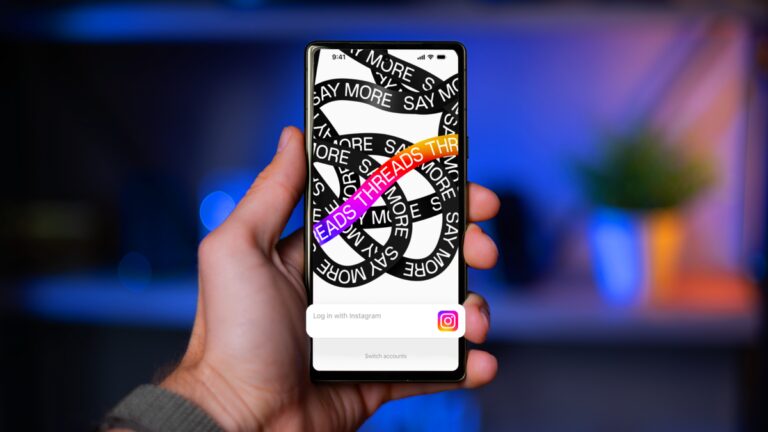
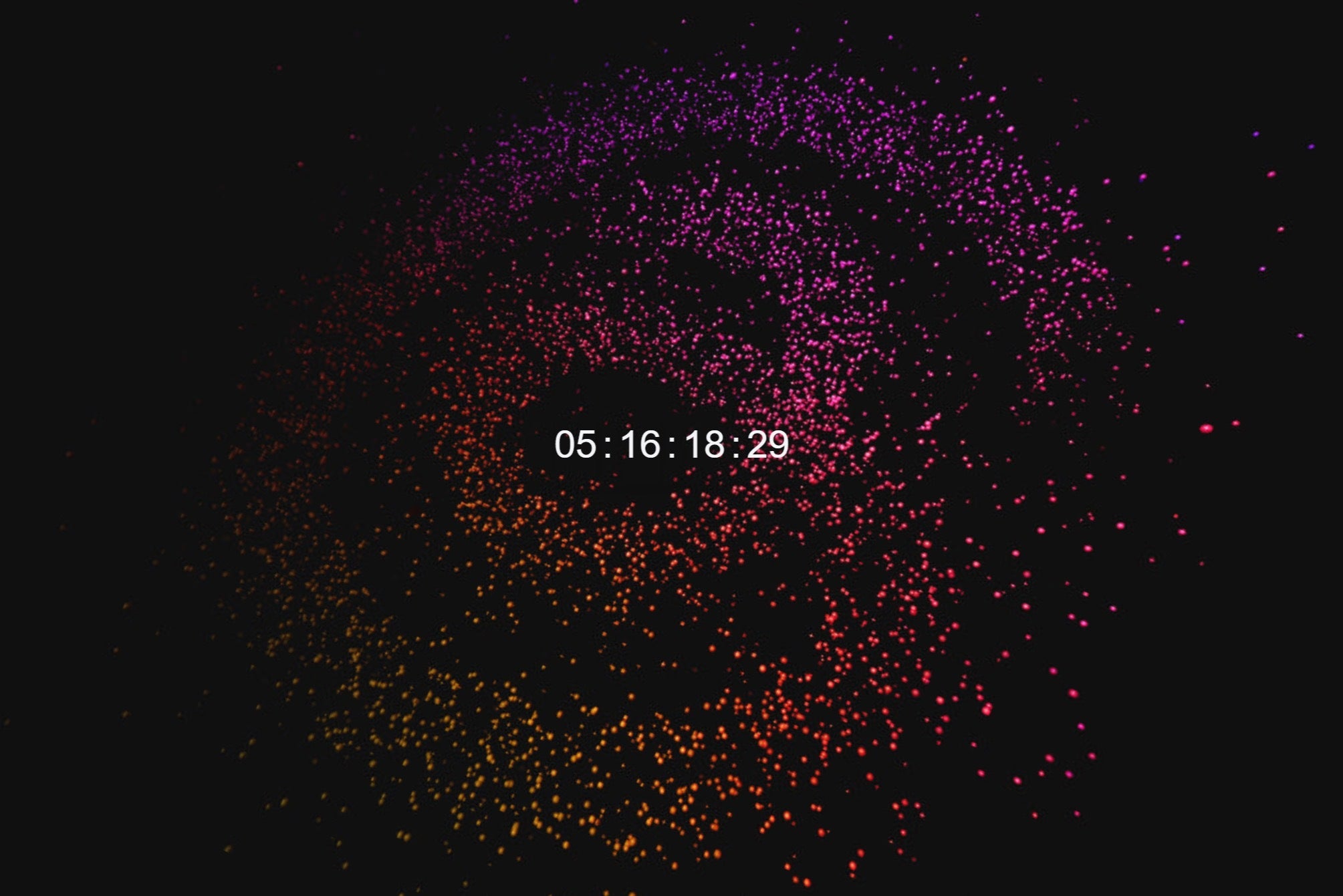
After months of anticipation, Meta’s Twitter/X competitor app, Threads, is finally set to launch in the European Union on December 14th, 2023. While an official announcement has yet to be made, a hidden countdown timer on the Threads website points towards the imminent arrival.
With just under six days remaining, the clock is ticking for this exciting expansion. The countdown timer is quite similar to the one used for the app’s initial launch in July. Notably, this timer is only visible to users in regions where Threads is not yet available.
Credit: Phone Arena
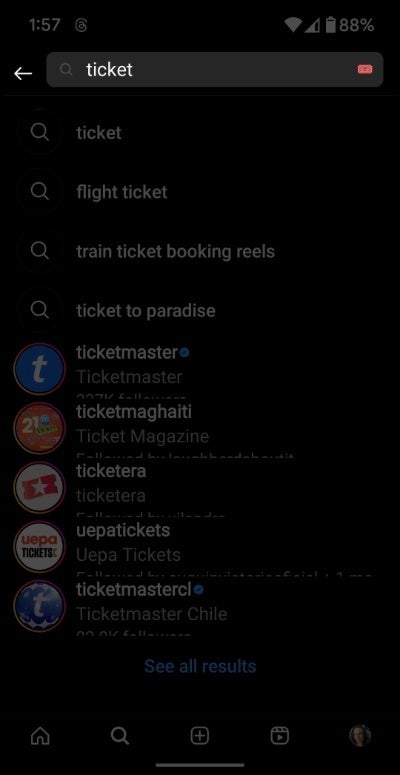
If you’re eager to get in on the action, there’s another clue waiting for you within the Instagram app itself. Searching for the term “ticket” unlocks a digital invitation to Threads, complete with a scannable QR code and a personalized launch time depending on your location.
Credit: Phone Arena
As reported by The Verge, the journey to Threads’ European debut hasn’t been entirely smooth. Citing “upcoming regulatory uncertainty,” Meta spokesperson Christine Pai hinted at the potential impact of the EU’s Digital Markets Act (DMA). This legislation, designed to curb the power of tech giants like Meta, Microsoft, and Apple, imposes stricter rules regarding user consent and data protection. While Meta has officially been designated a “platform gatekeeper” under the DMA, it remains unclear what specific changes, if any, have been made to the Threads app for the EU launch to comply with these regulations.Despite the initial delays, the countdown is finally ticking, and European Instagram users can soon experience Threads’ unique social networking features firsthand. Whether you’re looking for an alternative to Twitter/X, or just another way to keep up with your friends and what’s going on in the world, Threads has so far been a promising option. If you are in the E.U., keep your eyes peeled for the official announcement and get ready to join the Threads conversation on December 14th.
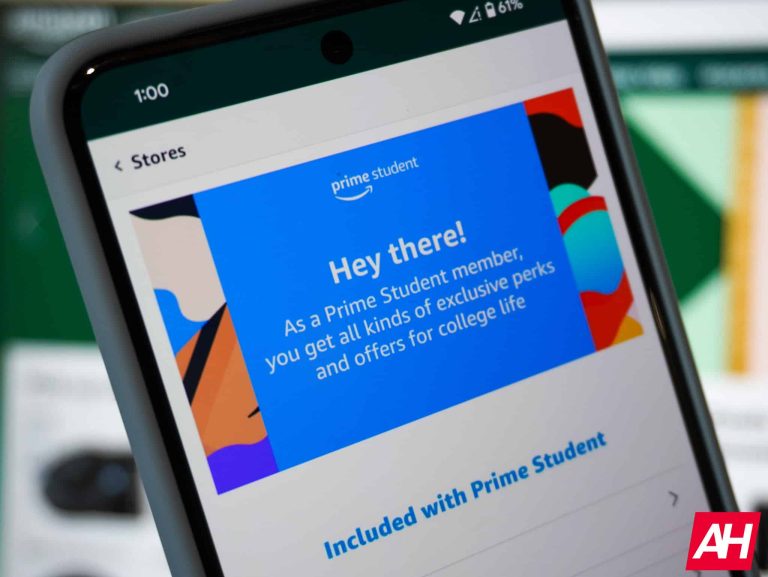
Amazon Prime is a subscription service that is well-known to almost everyone, as nearly 80% of US households have already subscribed to it. However, not everyone knows about Amazon Prime Student, which is a version of Prime designed specifically for college students. It costs half as much as the regular Prime subscription and has more benefits tailored to students. It is a wise investment for any student before starting college, as it offers incredible savings.
In this text, we will give you a detailed explanation of Amazon Prime Student, including its benefits and how to sign up for the service.
How much is Amazon Prime Student?
Amazon Prime Student costs roughly half the price of regular Amazon Prime. Allowing students to get it for $59 per year, or they can subscribe for $6.49 per month. It is cheaper to pay for it annually, as that works out to about $5 per month. They are saving you almost $28 over the monthly rate.
There is also a six-month trial available for Amazon Prime Students. That is much longer than the 30 days that Amazon offers free for new Prime members.
You are going to need a .edu email address and be enrolled in at least one class. Prime Student is only available for you for four years or until graduation – whichever comes first.
What’s included in Amazon Prime?
For most, the biggest reason to sign up for Prime is going to be the free shipping. It’s even more attractive for students since Prime Student is half the price. And seeing as Amazon sells just about everything you could want or need, that is a big reason to sign up. But Amazon has added a ton of perks in recent years, making Prime a lot more attractive. Here are some of the perks available for Prime members.
Free same-day, overnight & two-day shipping
As mentioned, you can get free delivery as soon as the same day. This will depend on where you live, and what product(s) you are trying to purchase. But if you order by noon, it can arrive the same day, which is incredible. It is much more convenient than running to your local Walmart.
Almost everything on Amazon can be delivered within two days. There are some exceptions, particularly things that are not shipped and sold by Amazon.com, but rather shipped by third parties that sell on Amazon’s website.
Prime Now
A really popular service that Amazon has launched in a few cities, is Prime Now. Essentially, you can get stuff delivered to your door within two hours of ordering it. Amazon also offers this service for groceries in certain cities. Surprisingly, this is not available everywhere that has Whole Foods.
The cities where Prime Now is available are still pretty small. So you’ll want to check and see if you live in a city that has it or not.
Prime Now is going to be moving into the main Amazon app very soon. So you’ll be able to do all of your shopping from one app.
Amazon Prime Video
One of the bigger perks of Prime is probably Prime Video. Which is Amazon’s own streaming service, and has thousands of hours of movies and TV shows. They are available on your smartphone, tablet, smart TV, gaming console, and other devices. There are also a ton of exclusive TV shows and movies available on Amazon Prime Video. And it’s available for free with Amazon Prime.
Prime Student members can also add Prime Video Channels for just $0.99 per month for the first year. This includes channels like HBO MAX, Showtime, and more.
Amazon Music Unlimited
Amazon also has a streaming music service, which you can sign up for or get free with Prime. You can stream Prime Music free, which has a smaller catalog of music available for Prime members, about two million songs. It is also ad-free.
There is also Amazon Music Unlimited, which has 50 million songs, but Prime members do still get a discount on Music Unlimited – even though it’s not free. You can sign up for Music Unlimited here. It’ll cost Prime Student members $0.99 per month. And you can also get upgraded to Amazon Music HD for free now.
Amazon bought Twitch in 2014, to compete with Google and its YouTube Gaming platform, though only one still exists in 2021. Anyways, Amazon decided to bring Twitch into its Prime perks. So, with Prime Gaming, gamers are able to get free games and in-game items each month. With Prime Gaming, you can also sign up for one free Twitch premium streamer a month. This allows users to support their favorite Twitch streamers and get access to exclusive features.
Free Kindle & Audible Content
With Prime, members are able to borrow a selection of free Kindle ebooks, magazines, and much more with their subscription. You will also get a free Kindle book every month from a pre-selected list. Now, you may not be getting the New York Times Bestsellers every month, but they are still free books. Prime members can also access a number of podcasts and audiobooks from Audible for free.
Amazon Photos
With Google Photos ditching its unlimited storage option, this is going to become a big deal for Prime members. As Amazon offers unlimited storage for Amazon Photos, and you can also get 5GB of storage for videos with Prime. So you can back up all of your photos to Amazon Photos for no extra charge.
Whole Foods
Amazon bought Whole Foods in 2017 and essentially turned it into a place where you can pick up your Amazon packages instead of them piling up in front of your home. Prime members can get special discounts at Whole Foods, which regular shoppers won’t get. You can also order groceries from Whole Foods and pick them up within an hour, but you will need to buy at least $35 worth of groceries.
Some locations will do grocery delivery as well.
Amazon Rewards Visa Card Cash Back
Perhaps not for everyone, but Amazon does also have a credit card for Prime members. The Amazon Rewards Visa Card will give Prime members up to 5% cash back on purchases from Amazon or Whole Foods. And you’ll get 2% cash back at drug stores, gas stations, and restaurants. And finally, up to 1% cash back everywhere else.
Of course, not every Prime member is able to get this credit card as it will depend on your credit score. But this is one of the better cash-back cards out there, particularly if you shop on Amazon quite often.
Alexa & Early Deals
Prime members can also get exclusive deals from Alexa. Just ask Alexa, “What are your deals?” and she’ll list them off. You can then purchase them with your voice, making it super easy to take advantage of these sales.
Amazon also offers early deals for Prime members, particularly around Prime Day and Black Friday. Amazon is able to make these shopping holidays last closer to a month rather than a day or two. Because of these early deals. And you get early access to Lightning deals. Those deals typically last around six hours (or until stock is out), but Prime members can get access to them 30 minutes early.
What added benefits does Prime Student bring?
So, we’ve gone over everything that regular Prime members get. But what do Prime Student members get in addition to those perks? There are a few, but not too many.
Grubhub+ Student
Probably one of the biggest perks is Grubhub. As a Prime Student member, you will get a free monthly Grubhub+ Student membership. Which allows you to earn 10% on Grubhub+ Cash on all off-campus pick-up orders. Which can really add up if you are ordering from Grubhub a lot.
This is really going to be helpful for those students that are not living on campus.
Up to 10% off Travel with StudentUniverse
If you’re going to school out of town or even out of state, then this is a really useful perk to have.
Prime Student members can save up to 10% on discounted flights. And get 10% back on hotels as an Amazon Gift card after your trip.
3 months free of Calm
Let’s face it: college kids get stressed out pretty often. Whether it’s due to group projects, mid-terms or finals, you’re bound to get stressed out. But Calm is here to help. And Amazon Prime Student members get three months of Calm for free. Then it’s $8.99 per year. That is a considerable discount, considering it is normally $69.99 per year.
Is there a catch to Prime Student?
There are only a couple of catches with Amazon Prime Student. First of all, you cannot share your Prime account with others in your household. Like you can on the regular Prime account. Previously, some perks were not included in the six-month free trial; that is no longer the case. So, as soon as you start your trial, you can take advantage of Amazon Music HD, Prime Gaming, and more.
Other than that, the biggest catch is that you do need to be enrolled in at least one class, and it only lasts for up to four years. As mentioned before, Prime Student lasts for four years or until you graduate, whichever comes first. Even if you get your Bachelor’s after four years and continue on for your Master’s or other degrees, you won’t be able to keep Prime Student, unfortunately.
How can I sign up for Amazon Prime Student?
It’s pretty simple to sign up for Amazon Prime Student; hit the link right here.
It’s not quite as simple as signing up for regular Amazon Prime, since they need to check if you are eligible. You will need to either sign up with Amazon or add a secondary email address, which is a .edu email address. You’ll be sent an email to that email address to confirm that you are a college student. Or you can email Amazon a scanned document like your transcript or student ID.
Yes, it is definitely worth it. At just $60 per year, Amazon Prime Student is one of those subscriptions you just have to have. You’re going to spend more on Netflix than you will on Amazon Prime Student. So go ahead and spend that cash.
Between the free shipping on almost everything that Amazon sells, as well as great prices on textbooks, Amazon Prime Student is a no-brainer. It also has a ton of great deals on streaming services that you can take advantage of, and as a college student, that is definitely a good deal.
If you’re working on a list of things you need to take to college, add Amazon Prime Student to that list. Make sure to enroll as soon as you start college so you can get the full four years of usage out of it.
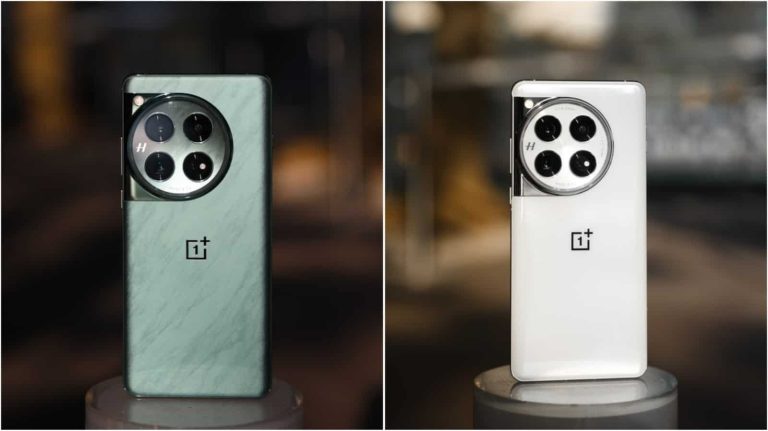
OnePlus unveiled the OnePlus 12 in China at an event on December 5. The flagship offering launch globally at some point in January. Ahead of the global launch, the static and live OnePlus 12 wallpapers are available to download on the interwebs. These wallpapers landed on X by the user @realMlgmXyysd.
Each color variant of the OnePlus 12 has its own static and live wallpaper
The OnePlus 12 will be available in three color variants including Black, Green, and White. Each of these models will have a different static and live wallpaper to go along. Those who can’t wait to get their hands on the latest OnePlus flagship can download its wallpapers from this Google Drive link. The static wallpapers have a resolution of 3,168 x 1,440 pixels, while the live wallpapers are four-second MP4 files.
The static wallpapers for the OnePlus 12 models are JPG files. You will not have any problem setting them as the wallpaper of your current OnePlus or other smartphone. As for the live or animated wallpapers, you will need a third-party app to set them as they are video files. You can download a Video to Wallpaper application for free from the Play Store. Then, follow the on-screen instructions to set the live OnePlus 12 wallpapers on your phone.
OnePlus 12 flagship is launching globally in January with loaded specs
The OnePlus 12 specifications are top-notch as it is the brand’s latest flagship offering for the foreseeable future. While the company is yet to officially announce, some reports suggest that the OnePlus 12 could launch globally on January 23. The handset is already available to order in the brand’s homeland and will go on sale from December 11.
The OnePlus 12’s pricing in China starts at around $600 for the base model and goes up to approx. $820. However, the price tags of the phone might sit slightly higher for the global markets.
The OnePlus 12 uses the Snapdragon 8 Gen 3 SoC, Qualcomm’s most powerful chipset. The phone will have up to a whopping 24GB of LPDDR5X RAM and up to 1TB of UFS 4.0 storage. It sports a 6.82-inch QHD+ AMOLED screen panel made by BOE, which uses Gorilla Glass Victus 2.
As for the other highlights, the OnePlus 12 is packed with Sony’s 50MP Lytia LYT-808 primary camera. The main shooter is accompanied by a 64MP telephoto lens and a 48MP ultrawide-angle shooter. A 32MP selfie camera is provided inside a tiny hole above the display. The whole package is fueled by a large 5,400mAh battery, which supports 100W SuperVOOC fast charging.
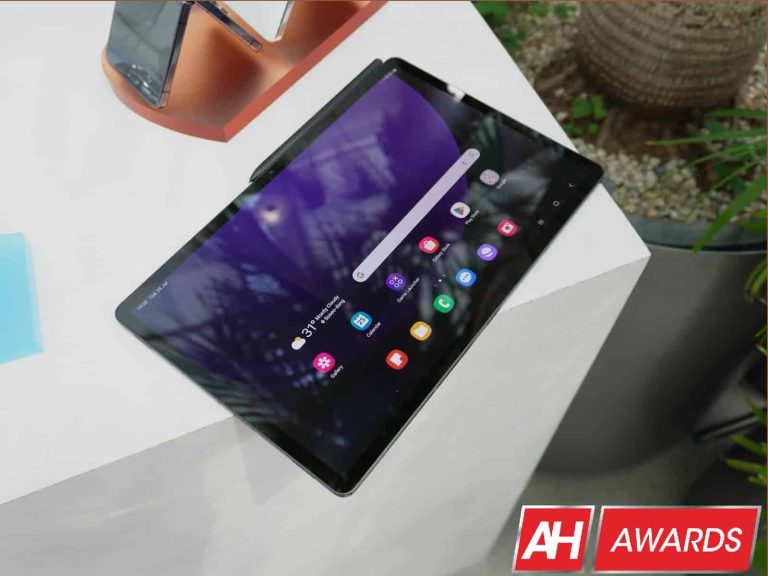
Samsung’s Galaxy Tab S9 captured the hearts of our readers, and it’s easy to see why
There are so many tablets on the market, which proves that the tablet market is not extinct. In fact, it’s alive and well with companies like Samsung and others keeping it fresh. This year, the company released the incredible Galaxy Tab S9. There are three different variants of this tablet, and the base-level Galaxy Tab S9 resonated the most with the users.
It’s time to make your vote count in @Androidheadline Reader’s Choice Awards for 2023! ⤵️
Samsung put its best in its tablets and it shows with this latest batch of devices. They’re running the latest and most powerful chips powering most devices on the market, so you know that you’re dealing with some serious power. You’re able to breeze through any task that you’ll throw at it. This means that you can expect a quality productivity experience with this tablet.
If you’re looking for a device to get some serious work done, then you’ll feel at home. The Galaxy Tablets are built with productivity in mind. You’ll be able to do all sorts of tasks like writing, recording, video editing, photo editing, web surfing, ETC. without skipping a beat. The Galaxy Tab S9 is the perfect business partner for you.
The screen is a large part of the experience
This is a Samsung device, so you know that it’s coming with a quality screen. The company gave this tablet one of the best OLED screens that it’s ever made, and you’ll be able to tell. Everything from the colors to the brightness is just amazing. Most likely, you’re not only going to use this for work. There’s a chance that you’re going to also use this to watch some content like movies and TV shows.
Well, if you’re planning on using this tablet as your main media device, you won’t have any issues. It’s very sharp and, overall, just a gorgeous display. No matter what streaming service you watch, everything will look amazing.
As for the brightness, you won’t have any problem viewing this tablet’s screen in the sun. If you find yourself working outside, you’ll be able to see it just fine.
The S Pen is a plus
Samsung hit gold with its S Pen stylus, and it’s been core to the Galaxy experience. Well, you’ll get an S Pen included with the tablet. With it, you’re able to write and draw on your tablet smoothly. If you’re an artist who wants to draw on the go or a person who likes to sign documents, this is the device for you.
When it comes to an overall amazing tablet experience, there are few other options that can compete with this tablet. You’re sure to get a more powerful experience with the Galaxy Tab S9+ or Galaxy Tab S9 Ultra, but the base Galaxy Tab S9 is more affordable, and it still gives you an unmatched user experience. This is why this tablet won the AH Reader’s Choice Award for best tablet of 2023.
The social media giant has finally rolled out some optimizations for its X app on Google’s Pixel Fold and Pixel Tablet, ditching the black bars that plagued the experience for months. Although not a complete Tablet UI redesign, the small change does constitute a better viewing experience.
Previously, launching the app on these devices resulted in a stretched interface confined within black boxes on the sides. This less-than-ideal solution was Google’s answer to the issue of many Android apps not being optimized for large screens.
However, as reported by 9to5Google, Twitter/X v10.18.0 brings much-needed relief. The app now utilizes the full width of the screen without stretching content, presenting it in a centralized and compact layout. This significantly improves the user experience on both the Pixel Fold and Pixel Tablet.
While this change technically applies to all Android devices, it’s most noticeable on Google’s large-screen offerings. Unlike other manufacturers who force non-optimized apps into fullscreen mode, Google initially opted not to do that in order to encourage App Developers to add support in-app instead. This has since then changed with the introduction of aspect ratio per-app overrides with Android 14 QPR1 Beta 1 — which is now present in the December 2023 Pixel Feature Drop.
Twitter/X with letterboxing vs without
This update is currently available in the Play Store and may even trickle down to older versions of the app. This is a welcome improvement, especially considering Meta’s Threads app still suffers from the letterboxing issue on larger Pixel devices.
Still, this new UI is far from perfect and Twitter/X could definitely do a lot better. Even Instagram, which famously held out as long as possible to roll out a tablet UI, has finally joined the fold lifestyle. Hopefully, X’s developers continue to prioritize tablet optimization and roll out an even more seamless and enjoyable experience for users of large-screen Android devices in the future.
Meta has announced Purple Llama, a project that aims to “bring together tools and evaluations to help the community build responsibly with open generative AI models.”
Generative Artificial Intelligence (AI) models have been around for years and their main function, compared to older AI models is that they can process more types of input. Take for example the older models that were used to determine whether a file was malware or not. The input is limited to files and the output usually comes in the form of a percentage. (e.g. The chance that this file is malicious is 90%. ).
Generative AI models are capable of sorting through more types of information. Take for example Large Language Models (LLMs) that can process text, images, videos, songs, diagrams, webinars, computer code, and other similar types of input.
Generative AI models are the closest to human creativity we can get at this point in time. As such, generative AI has brought about a new wave of innovations. It enables us to have a conversation with models like ChatGPT, create images based on instructions, and summarize large amounts of text(s). It can even write papers to the point where scientists have a hard time telling them apart from human work.
According to Meta’s statement:
“Collaboration on safety will build trust in the developers driving this new wave of innovation, and requires additional research and contributions on responsible AI.”
For this reason, Meta is collaborating in project Purple Llama with other AI application developers like Microsoft and cloud platforms like AWS and Google Cloud, and chip designers like Intel, AMD, and Nvidia.
LLMs can generate code, that fails to follow security best practices or introduce exploitable vulnerabilities. Given that GitHub recently proudly touted that 46% of code is produced with the help of their CoPilot AI, this is far from just a theoretical risk.
So, it makes sense that the first step in project Purple Llama focuses on tools to test cyber security issues in software-generating models. This package allows developers to run benchmark tests to check how likely it is for an AI model to generate insecure code or assist users in carrying out cyberattacks.
The package is introduced under the name CyberSecEval, a comprehensive benchmark developed to help bolster the cybersecurity of LLMs employed as coding assistants. Initial tests showed that on average, LLMs suggested vulnerable code 30% of the time.
To check and filter all the inputs and outputs of a LLM, Meta released Llama Guard. Llama Guard is a freely available model that provides developers with a pretrained model to help defend against generating potentially risky outputs. The model has been trained on a mix of publicly available datasets to help find common types of potentially risky, or violating content. This will allow developers to filter out specific items that might cause a model to produce inappropriate content.
The announcement has come at the same time as the Cybersecurity & Infrastructure Security Agency (CISA) has published a guide setting out The case for memory safe roadmaps. In its guidance, CISA attempts to provide manufacturers with steps they can take towards creating and publishing memory safe roadmaps as part of the international Secure by Design campaign.
Memory safety vulnerabilities are a class of well-known and common coding errors that cybercriminals exploit quite often. Coding errors that could increase in numbers unless we take steps toward using memory safe programming languages and use the methods to check the code generated by LLMs.
We don’t just report on threats—we remove them
Cybersecurity risks should never spread beyond a headline. Keep threats off your devices by downloading Malwarebytes today.
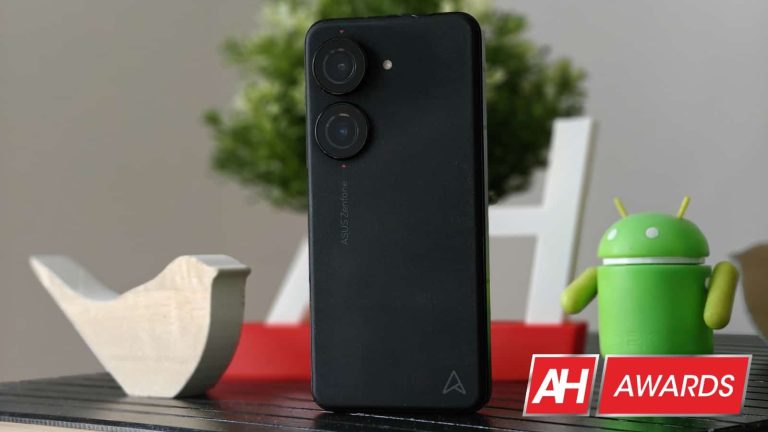
Android Headlines readers have decided, the ASUS ZenFone 10 is the best compact smartphone of 2023.
Our choice for the best compact smartphone of the year was the Google Pixel 8, though the ASUS ZenFone 10 was a close second. Our readers flipped the script, though. Based on a poll that we conducted on X (formerly known as Twitter), the ASUS ZenFone 10 is the best compact smartphone of 2023. That handset managed to grab 30.8% of the votes, while the Pixel 8 was close second with 28.8%. The Samsung Galaxy S23 was not far behind either, with 26.9% of the votes. The Galaxy Z Flip 5 is fourth-placed with 13.5% of our reader’s votes. So it was a close call between three rather compelling compact devices, but the ASUS ZenFone 10 came out on top. That is not surprising at all, as ASUS did a fantastic job with the ZenFone 10. We loved the phone, as our ZenFone 10 review indicates, so let’s talk more about it, starting with its size.
The ASUS ZenFone 10 is the perfect balance between large and small
In order to be considered for this category at all, the ZenFone 10 had to be a specific size. This smartphone is actually quite compact. It measures 146.5 x 68.1 x 9.4mm, and weighs 172 grams. Not only is it compact, but it’s also quite light too. I mean it does have some heft to it, but nowhere near its gigantic competitors. ASUS stuffed in a 5.9-inch display inside of this frame, in order to make a rather compelling package. Its display is flat, which most people prefer, and the bezels are not thick at all, though they’re not uniform. This phone is great for one-hand usage. The overall size of the phone is not the only appeal here design-wise, not at all.
ASUS ZenFone 10 back side
The phone actually feels great in the hand, which is very important too. It’s great for one-hand usage. ASUS opted for flat sides, all around, with chamfered edges. Add a rather grippy backplate to the equation, and you have a very interesting product. Instead of glass on the back, ASUS opted for plastic, but not any plastic. This plastic feels like a combination of plastic, rubber, and paper. Think of it as a smoother sandstone finish on some OnePlus phones. That is certainly grippier than glass, and it also makes the phone kind of unique at the same time. The ZenFone 10 also comes in rather fun colors, with plenty of options to choose from. The two camera islands on the back only make this minimalistic approach more pronounced.
The performance is on par with the best out there
This phone’s size is one of its main selling points, that’s true. It’s definitely not the only one. The ASUS ZenFone 10 offers outstanding performance too. The Snapdragon 8 Gen 2 fuels this smartphone, while you can grab it in variants with up to 16GB of LPDDR5X RAM. UFS 4.0 flash storage is also included, up to 512GB of it. That, in combination with Android 13 and ASUS’ ZenUI, makes for a truly great experience. ZenUI is great these days, it’s basically stock Android with a bunch of useful features added on top of it. No, not bloat, just features that are actually useful, and that can make you more productive as a result.
We didn’t have any issues with the phone’s performance. It simply glided through everything we threw at it, and we’ve been using it quite a bit since it launched, and still do. I’m not talking just about regular, everyday tasks. This phone can handle some serious power usage. If you do love to play games, this phone can handle pretty much every single one you’ll dig up from the Play Store, and yes, that includes Genshin Impact. There’s really nothing to complain about in terms of performance.
The battery life is outstanding, and the cameras are not bad either
Considering the size of the phone, the battery life has to be bad, right? Well, no, not at all. The ZenFone 10 actually has great battery life, much better than the other three phones that were competing for the crown. This handset managed to go over 10 hours of screen-on-time during our usage, a number of times. Even if you’re pushing it really hard, getting over 8 hours of screen-on-time should be possible. The ZenFone 10 basically breaks the myth that small/compact phones have poor battery life. Well, truth be said, the vast majority of them do, but that’s not the case with the ZenFone 10. That device was actually in competition for the best battery life smartphone too. It now also offers 15W wireless charging, in addition to 30W wired charging.
ASUS ZenFone 10 camera UI
Truth be said, the cameras are good, but they’re the least appealing part of the phone. That is saying a lot about the ZenFone 10, actually, and how good it is. The camera performance is good, but it cannot compete with the best camera smartphones out there. The pictures do tend to be oversaturated, and oversharpened as well. Noise also creeps in low light shots from time to time. If you do love saturated shots, though, and are not nitpicky about image quality, this phone will serve you great. It does great in HDR situations, and the overall image quality is good. The stabilization of the phone is one of the best in the industry, if not the best.
Your Android phone is your companion in life. Your girlfriend may leave you, and your car may suddenly stop working in the middle of the highway during your vacation, but your phone will always be there for you. Well, as long as you keep it charged and don’t accidentally drop it off a cliff and destroy its display. And now, your Android phone could even help save your life if it supports the Personal Safety app (via Engadget).As the people behind RapidSOS, the platform that both Android and iOS use to send data to first responders, announced in a new blog post, Android phones with the Personal Safety app can now automatically send medical data to first responders when making a call or sending a text to 911. The data could include caller name, allergies, medications, preexisting conditions, emergency contacts, and more, depending on what you’ve chosen to share.To turn on the new feature, open the Personal Safety app, go to your info, tap “Emergency info access” and choose “Share during emergency call.” We should note that the Personal Safety app comes preinstalled on Pixel phones since the Pixel 4, so if you are a Pixel user, you should already be able to enable the new feature. If you are not using a Pixel phone, you can always visit the Personal Safety app page on the Google Play Store and see if you can install it on your trusty smartphone.
Now, if automatically transmitting medical data in an emergency call sounds familiar to you, it’s because it’s not really a novelty. Ever since 2020, when Apple released iOS 13.5, iPhones have had the ability to transmit health data to first responders automatically in an emergency call. So it’s nice that Android phones equipped with the Personal Safety app can do the same. Of course, we honestly hope your phone will never have to use this new feature, but it’s nice to know that the dispatched medical team will have your medical information beforehand if something happens to you, God forbid.
The ASUS ZenFone 10 is an ideal smartphone for many people in so many ways, it’s a shame it’s so underrated.
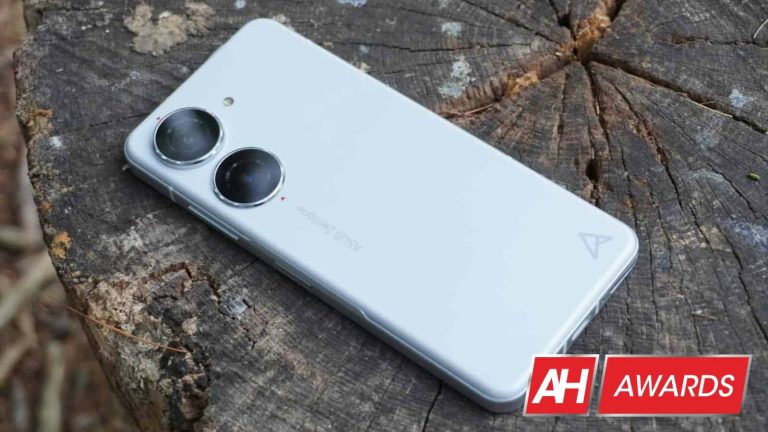
We’ve picked the ASUS ZenFone 10 as our ‘Most Underrated Smartphone’ of 2023, and gave it an award to recognize that. Well, our readers seem to agree with us, as they did the same. We’ve placed a poll on X (formerly known as Twitter), and allowed our readers to share their opinion. The ASUS ZenFone 10 won in that category, rather comfortably. It managed to grab 39.1% of all votes, and is followed by the OnePlus Open, which grabbed 26.1% of the votes. The Pixel 7a is third with 21.7% of the votes, and the Motorola Razr is fourth with 13%.
This does not surprise us, to be quite honest, and we did expect the ZenFone 10 to win. ASUS created a truly compelling smartphone, which is not only compact enough to be very comfortable to use, but also excels in so many ways. The phone offers outstanding performance, capable cameras, good display, and staggering battery life, especially considering its size. Its software offering is also great, as it’s basically stock Android with some useful features sprinkled on it. ASUS is unfortunately not as popular in the smartphone world as it should be in order for this phone to sell. So, this award does make sense. We’ll get more into it below.
This size is just right for comfortable, one-hand use… without the display being too small
One of the main selling points of the ASUS ZenFone 10 is its size. This smartphone has a 5.9-inch display, and it’s smaller than basically all flagship smartphones in the market. It is not nearly as small as something like the iPhone SE 2022, though, and that’s a good thing. The iPhone SE 2022 is too small for comfortable use, many people would agree. However, a 5.9-inch display is large enough for basically anything, and it doesn’t make this phone a brick that is uncomfortable to handle. This is one of the best phones for one-handed usage on the market, at least as far as flagship-grade devices are concerned. Not only is its size great, but it’s also not heavy at all.
ASUS ZenFone 10 back side
The fact that ASUS opted for a somewhat grippy backplate only helps things. It used plastic, but it doesn’t feel like plastic. It feels like a combination of plastic, rubber, and paper, kind of. Regardless, it’s much less slippery than glass is. The sides of the phone are flat, with chamfered edges, and the device simply feels great in the hand because of it. The fact its corners are rounded also helps, of course. The ASUS ZenFone 10 also comes in some fun colors, including Black, Blue, Green, Red, and White, giving you plenty of options. The aforementioned display is good, and it offers a high refresh rate. It could be a bit brighter, but it’s bright enough as it is, so… it’s hard to complain.
Outstanding performance, and surprising battery life
The ASUS ZenFone 10 is one of the smoothest smartphones on the market. We were thoroughly impressed when we used the phone, and our ASUS ZenFone 10 review does reflect that. We’re still using the phone on and off, and even compared to some newer devices, it’s still flying high. Its software definitely has something to do with it, but its specs are also truly powerful. The Snapdragon 8 Gen 2 is backed by up to 16GB of LPDDR5X RAM and UFS 4.0 flash storage. The apps load fast, multitasking is a breeze, and the phone is even great for gaming, as long as you don’t find that display size too confining.
Also, the phone has outstanding battery life. When people talk about compact phones, the battery life argument always pops up. Smaller phones usually have worse battery life, unfortunately. Well, that’s not the case with the ZenFone 10, not at all. We managed to push this phone past the 10-hour mark a number of times. Even if you’re truly pushing it, getting over 8 hours of screen-on-time should be possible. It can actually go head-to-head with the best of the best in terms of battery life, and that’s a huge positive here.
ASUS ZenFone 10 display
ASUS did also add wireless charging to the phone, after omitting that feature on the ZenFone 9. So not only does it offer 30W wired charging, it also supports 15W wireless charging. Reverse wired charging is supported too, and the charger is included in the box.
What about the cameras?
Is the camera performance any good? Well, this phone does shine in so many ways, that the cameras are actually overshadowed by everything else. The camera performance is good, but there are limitations. The noise does tend to pop up in low light, and the phone often oversharpens images, while the saturation is also used a bit much in some scenarios. On the flip side, it is very consistent, it will stick to its style across all scenarios, and does a great job in HDR conditions too. The ultrawide camera is more than good enough, and it keeps up with the main sensor in terms of colors.
The ASUS ZenFone 10 is easily the most underrated smartphone of the year. I’m glad both us and our readers agree on that front. We do hope that ASUS will continue pushing out these compact flagships, and also work more on its marketing so that more people can experience how great they are.