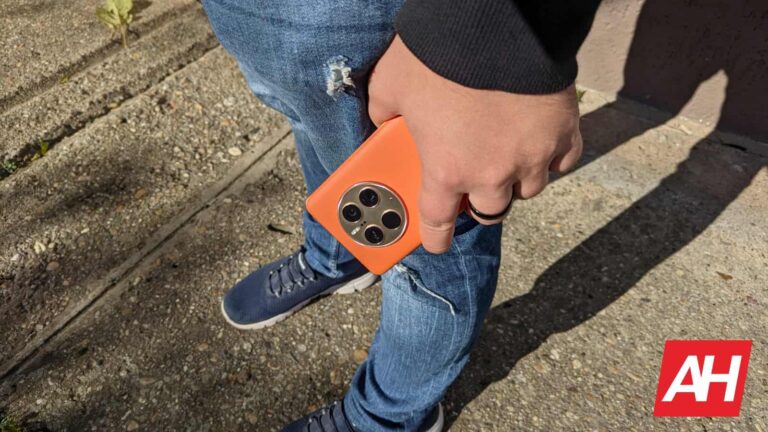
The Huawei P70 series is expected to arrive next year, and huge growth is expected for the devices. According to a well-known analyst, Ming-Chi Kuo, who is mainly known for Apple predictions, Huawei will see a 100% shipment growth for the Huawei P70 series.
Huge growth in shipments is expected for the Huawei P70 series
Just to be clear, we’re talking about growth compared to the Huawei P60 series, of course. Why is this happening? Well, the answer is actually quite simple, the main reason is Huawei’s new Kirin SoC.
Huawei announced the Kirin 9000s not long ago. That chip fuels the Huawei Mate 60 flagship series, and also the company’s Mate X5 foldable flagship. That same chip will make its way to the Huawei P70 series it seems.
Huawei is having a hard time keeping up with the demand for the Huawei Mate 60 series as we speak. Consumers in China are very interested in those devices. For the first time in a long time Huawei phones support 5G connectivity.
The company was prevented from including 5G connectivity due to the US sanctions, but that’s no longer the case, thanks to this new chip. This is a 7nm processor, which is hardly the most modern chip, but it seems to be working great for Huawei. It was manufactured by SMIC, by the way.
Largan will greatly benefit from the Huawei P70 series launch
Ming-Chi Kuo also mentioned another company that will benefit from the Huawei P70 series launch… Largan. Largan will be the main supplier of the periscope lens for the Huawei P70 series. It will also be the sole supplier of a Tetraprism lens for the upcoming iPhone 16 Pro series of devices.
That being said, the Huawei P60 series launched back in March this year. We’re expecting to see the Huawei P70 series towards the end of Q1 2024. The Huawei Mate 60 series launched not long ago, so Huawei is not expected to deliver the Huawei P70 series early or anything of the sort.
OnePlus has recently unveiled its AI Music Studio; a platform to compose AI-generated music of varying genres and lyrics. With the AI craze going viral around the globe, this is OnePlus’s chance to capitalize on a sought-after niche. AI Music Studio isn’t the world’s first AI music tool, but it is perhaps the most accessible for people at the moment. OnePlus’s existing reputation as a trusted brand will prompt most people to gravitate towards their offering over competitors.
How AI Music Studio works
OnePlus seems to have put user convenience first and foremost when designing AI Music Studio. The site does require you to have an account to use it, however. Existing OnePlus users can log in with their accounts, and others can sign up for a new account. After this, the first thing the website will prompt for is a genre. There are several options available, and more are slated to be released soon.
Users choose the genre, and then they select a mood and theme. Moods, such as ‘Happy’ or ‘Romantic’, determine how the song will be structured within the chosen genre. Themes dictate the style of the accompanying video and can be chosen from options like ‘Nature’, ‘Cyberpunk’, and ‘Random’.
Following this, AI Music Studio prompts users to provide input for song generation. The prompt can range from a random assortment of words to a descriptive sentence. Based on the prompt, the AI generates lyrics to accompany the music. These lyrics can be generated until they fit what you want. Clicking on ‘Proceed’ generates a song based on the previous choices and outputs a completely unique piece of music.
OnePlus AI Music Studio community
As with lots of OnePlus ventures, the AI Music Studio is designed for the OnePlus community. Immediately after release, OnePlus announced a contest for AI music entries made with their platform. The contest is open to submissions till the 17th of December, and a hundred winners will be chosen from India, Europe, and North America each. Winners will be given coupons to redeem products on OnePlus’s online store. The contest has already garnered some promising entries, with many more to come.
The entire music generation experience is also centered around community. After generating a song, you can download it, publish it to the OnePlus community, and share it on social media platforms. The OnePlus community can then vote on songs, and potentially provide some of the artists with the recognition they deserve. OnePlus states that AI Music Studio is made to let people “delve into their creativity like never before”.
Sometimes it’s all in the name. The Nothing Chats beta has been pulled from the Google Play Store after reports that the company behind it has access to your (unencrypted) messages.
Nothing Phone 2 owners were promised a first-of-its-kind app developed in partnership with Sunbird, which allowed them to message other iMessage users via blue bubbles on their Nothing Phone.
And, as promised, the beta version was made available for download in the Play Store on Friday November 17, 2023. But today the Nothing Chats page says:
We’ve removed the Nothing Chats beta from the Play store and will be delaying the launch until further notice to work with Sunbird to fix several bugs. We apologize for the delay and will do right by our users.
Now, it’s pretty normal for beta releases to have some bugs that need ironing out. That’s what they are in beta for. But these weren’t some mildly annoying bugs.
Basically, Nothing Chats is just a reskinned version of the existing Sunbird application, which is currently available on the Google Play Store. In essence the Nothing Chats app routes your messages through a macOS virtual machine that sends them on as iMessages. But to do this the Nothing Chats application is required to send your Apple ID credentials to its servers, so it can authenticate on your behalf.
According to Nothing, Sunbird’s architecture provides a system to deliver a message from one user to another without ever storing it at any point in its journey. But only one day after the release of the beta, Texts.com published a blog titled Sunbird / ‘Nothing Chats’ is Not Secure.
Members of the Texts.com reverse engineering team took it upon themselves to take a look into the Sunbird application and its security practices, and found a few vulnerabilities and implementation issues.
texts team took a quick look at the tech behind nothing chats and found out it’s extremely insecure
it’s not even using HTTPS, credentials are sent over plaintext HTTP
backend is running an instance of BlueBubbles, which doesn’t support end-to-end encryption yet pic.twitter.com/IcWyIbKE86
While Sunbird tries to implement end-to-end-encryption (E2EE), its implementation is overshadowed by decrypting, and then storing the unencrypted payloads in its database.
The apps route all data relating to a message sent by Sunbird, and Nothing Chat, including the contact information, message contents, and attachment URLs to the Sunbird’s Sentry. This Sentry acts as a debugging platform, which allows access to the data in plaintext by authorized parties within the company.
Which is not what Nothing promised:
All Chats messages are end-to-end encrypted, meaning neither we nor Sunbird can access the messages you’re sending and receiving.
Other investigators found that Nothing Chats sends all media attachments, including user images, to Sentry with links to those attachments visible in plain text.
Thread time!
Summary: – Sunbird has access to every message sent and received through the app on your device.
– All of the documents (images, videos, audios, pdfs, vCards…) sent through Nothing Chat AND Sunbird are public.
Nothing Chats sends all media attachments, including user images, to Sentry with links to those attachments visible in plain text. Further, researchers found all data was sent and stored through Firebase. They found over 630,000 media files currently stored by Sunbird via Firebase including images, videos, PDFs, audio, and more. So, while it may be true that Sunbird doesn’t store user data on its own servers, the data does get stored.
This isn’t a major problem for everyone, but the authentication is. By sending our Apple ID to a third-party service, we are not only trusting the third-party with our texts, but should they become compromised, our photos, videos, contacts, notes, keychain, and more are at risk.
Sunbird, the iMessage for Android, has paused its operations due to privacy concerns. The app gained attention after Nothing announced the Nothing Chats app, which offered iMessage-like features on the Nothing Phone (2). However, Sunbird’s failure to protect user data raised some serious privacy concerns.
Sunbird shuts down its “iMessage for Android” app
Sunbird has temporarily suspended its operations due to security concerns. It aimed to bridge the iMessage and Android divide, or say attempted to resolve the “blue vs green bubble” dispute. 9to5Google first reported the shutdown, and Sunbird has confirmed that it is halting the service while it investigates claims that messages are not truly end-to-end encrypted.
Just recently, Nothing announced its launch of an iMessage for Android on Nothing Phone (2). The app was a result of the partnership between Sunbird and Nothing boss Carl Pei. However, amid security and privacy concerns, the app was pulled from the Play Store just one day after its launch, and is no longer available to download for new users.
Sunbird, which launched in 2022, has been accessible only to those who signed up for its waitlist. It marketed itself on its robust privacy features, including end-to-end encryption, no message data collection, and no advertising. The app’s temporary closure raises questions about its security practices and the broader issue of data privacy in the messaging app landscape.
Report reveals that messages weren’t end-to-end encrypted
An investigation revealed that Nothing Chats failed to uphold its “end-to-end encryption” commitment. Over 630,000 files were accessible due to this security flaw, despite Sunbird’s wide claims that user data is not stored on its server. The claim stands true, as the data was stored via Firebase, a third-party cloud storage service.
Nothing quickly took action to block downloads of Nothing Chats and informed users of the app’s temporary suspension. Meanwhile, Sunbird has decided to extend this precautionary measure to its services. As a result, it has paused the entire platform for further investigation.
Just before the complete shutdown of the app’s functionality, Sunbird issued another notification indicating that it would initially only disable media sharing on Sunbird. However, the company ultimately decided to halt all operations to ensure the protection of user data.
Microsoft is improving the landscape of cloud computing with the introduction of Azure Boost. It is a new hardware upgrade from Microsoft, designed to elevate virtual machine performance on the Azure cloud platform. In a recent announcement, the tech giant outlined how Azure Boost is set to transform the traditional dynamics of server virtualization processes, offering a host of benefits ranging from improved networking to enhanced security.
At the core of Azure Boost’s capabilities lies the innovative Microsoft Azure Network Adapter (MANA). This addition to Azure Boost-compatible VM (virtual machine) hosts opens the door to improved bandwidth, reaching up to 200 Gbps. The integration of MANA offers the benefit of offloading server virtualization processes from the conventional hypervisor and host OS onto purpose-built software and hardware, resulting in a substantial boost in performance.
Azure Boost could allow users to operate their business with fewer resources
Azure Boost doesn’t stop at networking enhancements — it extends its impact to storage operations. Local storage experiences a remarkable upgrade with up to 17.3 GBps and an impressive 3.8 million IOPS (Input/Output Operations Per Second) and remote storage also sees a significant throughput increase, reaching up to 12.5 GBps, accompanied by 650 K IOPS. These improvements promise not only faster data transfer but also a more seamless and efficient storage experience for users.
Azure Boost is already compatible with 17 instance types, covering a wide range of user needs. Microsoft ensures that future Azure virtual machines will also seamlessly integrate with Azure Boost, making it a forward-looking solution for evolving cloud computing requirements.
Azure Boost is designed to cater to users across different operating systems. The MANA driver, a critical component of Azure Boost, already provides support from various versions of Linux VMs, including Ubuntu (20.04 and 22.04 LTS), and Windows VMs, including Windows Server versions 2016, 2019, and 2022. This broad support ensures that Azure Boost’s advantages are accessible to a wide user base.
A parallel in the cloud: AWS Nitro and Microsoft’s Azure Boost
Drawing parallels with AWS, Microsoft’s Azure Boost concept aligns with AWS Nitro, both aiming to offload functions to dedicated hardware and software. The shared goal is to enhance performance and optimize cost efficiency. It allows users to operate with fewer resources. This not only benefits businesses but also contributes to a more eco-friendly approach to cloud computing.
In an advisory aimed at the protection of customers’ personal data, the Australian Cyber Security Centre (ACSC) has emphasized that businesses should only collect personal data from customers that they need in order to operate effectively.
While that may seem like kicking in an open door, it’s really not. It’s relatively easy to decide which personal data you need to have for a new customer. It’s a bit harder to stop there. Many small business use pre-formatted questionnaires that ask for information they don’t actually need for day to day operations, and it’s hard to keep track of data they no longer need.
The advisory, titled Securing Customer Personal Data for Small and Medium Businesses, is written for small and medium businesses, but many larger corporations could benefit from it as well. The guide was written because data breaches against Australian businesses and their customers are increasing in complexity, scale, and impact.
It outlines a few steps businesses can take to organize, minimize, and control the personal data they collect, in order to contain the impact of a data breach. With the growing tendency to do business online, businesses have a responsibility to keep the personal data they collect safe.
The ACSC recommends implementing 10 steps to secure customer personal data:
Create a register of personal data. Keep an inventory of the types of data you have collected and where they are stored. For example, a register of databases and data assets.
Limit the personal data you collect. Do not collect data “just in case.” You don’t have to worry about what you don’t have stored.
Delete unused personal data. Probably the hardest step, it takes policies stipulating how long customers’ personal data should be stored before it is deleted.
Consolidate personal data repositories. Consolidating customers’ personal data into centralized locations or databases allows businesses to focus on key data repositories and apply enhanced security practices.
Control access to personal data. Employees should only have access to customers’ personal data that they need in order to do their job.
Encrypt personal data. Full disk encryption should be applied to devices that access or store customers’ personal data, such as servers, mobile phones and laptops. Customers’ personal data should be protected by encryption when communicated between different devices over the internet. Additionally, businesses may choose to implement file-based encryption to add an extra layer of protection in the event that systems are compromised as part of a cyberattack.
Backup personal data. Backups are an essential measure to ensure an organization can recover important business data in case of damage, loss or destruction. Backups are also critical in protecting customers’ personal data from common incidents such as ransomware attacks or physical damage to devices.
Log and monitor access to personal data. Implementing logging and monitoring practices can assist businesses in detecting unauthorized access to customers’ personal data.
Implement secure Bring Your Own Device (BYOD) practices. Businesses that employ BYOD policies need to have appropriate protections in place to ensure that this is done securely and does not increase the risk of data breaches. It’s important to have a clear policy and rules to enforce it.
Report data breaches involving personal data. Make sure you are aware of the existing local reporting obligations in case you are the victim of a data breach involving customers’ personal data.
Our business solutions remove all remnants of ransomware and prevent you from getting reinfected. Want to learn more about how we can help protect your business? Get a free trial below.
Samsung has an entire galaxy of tablets on the tablet market, and several of them were released this year. The Galaxy Tab S9 FE is one of the devices to launch, and it is currently on sale for Black Friday. If you’re thinking of picking up this tablet, then you will get a cool $50 off of the original $449.99 price. This brings the price down to just $399.99.
If you want to know more about this tablet, then you are in luck. At Android Headlines, we reviewed this tablet, and we found it to be an exceptional piece of hardware. The overall experience is very solid with an amazing display, great performance, fantastic speakers, and an overall unbeatable user experience. This tablet should have cost hundreds of dollars more, however, it’s available for an accessible price.
This is such a well-built tablet that you will not be able to tell the difference between this and a premium Samsung tablet. The entire body is made from metal, so you know that you’re getting a sturdy device. This means that, in the event of a drop, you won’t have to worry too much about your device.
The Galaxy Tab S9 FE comes with an included S Pen. This is a powerful stylus that Samsung designs for its devices. This is perfect for you if you are an artist, and like to jot down notes or sign documents with your tablet.
There is just so much to love about this tablet, and this discount makes it an absolute steal.
We’ve all been there. You’ve lost data on your phone, and now there’s no way to get it back. This is particularly frightening since we all have so much information on our phones. From pictures, to apps, to personal information and even texts and voicemails from loved ones that might not be here anymore. It happens, and it’s not exclusive to just Android either. It happens on other platforms too.
What if we told you that the data is not gone forever? That’s right. There are plenty of software options available for data recovery on Android. And here are some of the best available right now.
Stellar Data Recovery for Android
This is the best data recovery tool for Android. Stellar Data Recovery is a simple, yet powerful tool, and it’s easy for anyone to retrieve their lost data. This does support all Android devices running Android 6 or later. Which should work on most phones, seeing as Android 6 launched in 2015 (that’s over eight years ago). And the best part is that Stellar Data Recovery for Android is able to recover deleted data from Android phones without needing to root them.
This tool is able to recover lost or deleted photos, videos, audio, documents and more. Stellar offers a pretty clean and easy to use user interface. That’s something you don’t see with a lot of these tools. Many of them don’t spend much time on the user interface, so novice users can feel a bit overwhelmed when they open the software.
It’s a great way to recover from a virus or malware that infected your Android phone, as well as recovering data from a broken or physically damaged phone. Just plug in your phone to your computer and open Stellar Data Recovery for Android to get started. This program can also recover data from a recently emptied deleted folder.
Stellar Data Recovery for Android is available as a free download, allowing you to try it out before purchasing. In the free trial, you can scan and preview your data now, then purchase a license and retrieve the data you’ve lost. The license will cost you $29.99 for a year and will work on three devices. Or you can get a bundle that includes Stellar Data Recovery for Android and iPhone that will cost you $49 for a year and works on three devices. This makes Stellar Data Recovery the cheapest option on this list, and it’s one of the few that will work with Android and iOS.
Are you looking for a complete data recovery solution for Android and iOS? Then Disk Drill is worth a look. This software is able to help recover missing or deleted photos, audio, documents, videos, archives and much more. Like many of the data recovery options we’ve listed here, Disk Drill does offer a free trial that let’s you preview what data you can recover. Then you’ll need to buy a license to recover more than 500MB of data, which will cost you $79 for unlimited data recovery on three devices simultaneously.
One of the big advantages that Disk Drill has here is that it is able to support multiple file formats, and lets you search for files by name. Like Stellar Data Recovery, Disk Drill will also provide you with a nice and sleek user interface that is pretty easy to use.
The major downside for Disk Drill is that it only works on devices with Android 12 or older. It can work on all Android devices with USB Mass Storage Mode. However, your phone does need to be rooted. That’s something you won’t find as a requirement on a few other options in this list. However, Disk Drill is available for both Windows and macOS, making it more versatile for those that use different desktop platforms.
Tenorshare is another good option for Android data recovery software. The company says that they have the highest success rate in the business for retrieving lost data on Android smartphones. It is also compatible with more than 6,000 devices. Which includes brands like Samsung, OPPO, Xiaomi, Huawei and many more.
Like with other software, you can also preview what you data you are able to recover, before recovering it. And this is able to be done without rooting your phone. Tenorshare UltData is able to recover deleted photos, WhatsApp (Business) chats, WeChat conversations and even Google Drive files that you might have deleted.
Tenorshare UltData is compatible with Android 5 through Android 13. It unfortunately is not fully compatible with Android 14 just yet. This also works on Mac and Windows, making it more versatile for those that use multiple platforms. This is going to be a great option for those that also need to retrieve chats from WeChat and Google Drive data, however, that’s only available on Windows. WhatsApp data recovery is available on both platforms.
Tenorshare UltData is available as a free trial. Allowing you to preview what you can recover before paying. To retrieve your data, you’ll need to get a license. Tenorshare does offer a 1-month license for $55.95, or a 1-year license for $59.95. There’s also a lifetime license for $69.95.
Wondershare’s Dr. Fone Android Data Recovery software is another good option for retrieving your data. It offers a pretty good looking user interface that makes it super simple to retrieve your data. Wondershare does claim that it has the highest data recovery success rate in the industry, and is able to recover photos, videos, contacts, SMS, WhatsApp and more. Dr. Fone can retrieve data from broken phones, and even Google Drive.
Dr. Fone is one of the most compatible Android Data Recovery softwares we have listed here. It is compatible with Android 2.1 and later, which means those that have had the same phone for many, many years, can use this without any issues. It also does not require root, simply plug your Android phone into a PC and get started.
There is a free trial available for Dr. Fone, but to actually retrieve your data you’ll need to pay up. Licenses start at $39.95 for Dr. Fone which will work on Android and iOS. There is also an option for Dr. Fone Full Toolkit that will cost you $99.95. This will include screen unlock, data recovery, WhatsApp transfer, phone transfer, data eraser and system repair.
Supporting up to Android 13, iMyFone D-Back for Android is also a good option for data recovery. It doesn’t yet support Android 14, but that should be coming pretty soon. iMyFone is compatible with over 6,000 smartphones, from all sorts of brands including Samsung, Sony, OnePlus, Google and more.
iMyFone is able to retrieve all sorts of data from your Android smartphone. This includes contacts, messages, call logs, photos, videos, audio, documents, WiFi passwords and so much more. It can literally recover everything. The program does also allow you to selectively extract data from Google Drive Backup then preview and export it. So even if you don’t have that phone or it doesn’t turn on anymore, you can still get your data back, as long as you backed up to Google Drive.
Like many data recovery software, iMyFone offers a free trial and a paid version that will be needed to actually recover your data. Android data recovery will cost you $29.95, while WhatsApp data recovery will cost you $39.95. Or you can get the premium version which includes Android data and WhatsApp data recovery for $49.99.
While all of these data recovery tools for Android are pretty good, the one that we recommend as the best is Stellar Data Recovery for Android. One of the biggest reasons why we believe it is the best, is because of the price. It’s cheaper than every other option on this list, and it does not skimp out on the features either. It can also recover just about everything that you could want from your old phone, including call logs and text messages. Stellar also has the ability to recover data from a recently emptied deleted folder, that’s not something we’ve seen from any other data recovery tool. For just $29.99 annually, this seems like a no-brainer.
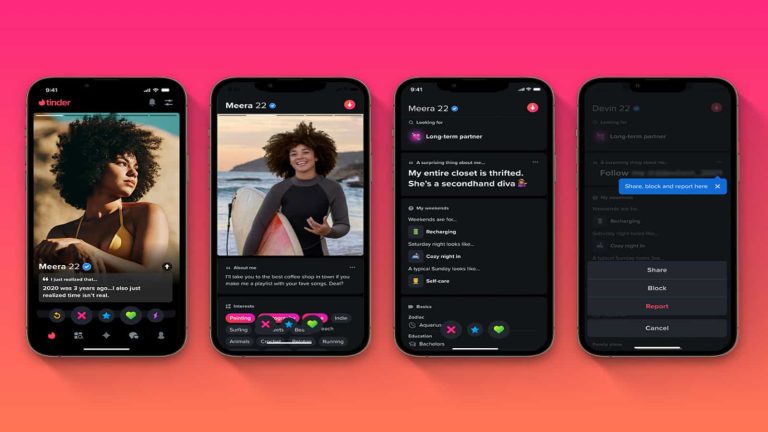
Tinder has redesigned the user profile page interface and is adding new features to help people grab a date. With this update, it’s clear that Tinder understands that dating goes beyond just looks and delves deep into other aspects of a person.
So instead of just having your profile picture up there for others to see, users can now add other details about themselves. The redesign known as “Rizz-first” is just one of the new suite of features that the platform is now rolling out to its users worldwide. Another redesigned element that most users must have been waiting for is dark mode, which will be the go-to choice for many users.
This redesign brings “enhanced and updated animations, and a new (and iconic!) “It’s a Match!” screen.” These changes will come in handy to help users step up their experience while searching for a date on the platform. Users’ profiles also get four new features aside from the redesigns to the app’s interface.
Tinder actually made quite a few changes as part of this app redesign
If you use the Tinder app, you are in line to get the update that will bring these features to your device. The platform has also come out to explain all four new profile features and the two redesign elements users will get. With these new features, users can spice up their profile and show off their personality to connect with those who share similar values with them.
The first feature on the list is the “Profile Prompts”, and it aims to help users unleash their personality. Using this feature, users can add something they like to their profile. This will then serve as a potential conversation starter, helping them get off on the right foot with others on the platform.
The next feature is called “Profile Quiz”, and with this, Tinder aims to show off various user preferences. The responses to the questions in this quiz can be shared, and others can get to see the users’ take on certain topics. This can also spark up a conversation between two people who share similar preferences or ideas on a particular topic.
Basic Info Tags encourage users to share information about themselves. These can include their hobbies and other things, but users shouldn’t share too much. Those with similar hobbies can then connect with them to get to know each other better. Enhanced Reports is the last feature and it’s a safety feature that helps users to report other profiles.
Samsung has picked up another important regulatory approval for the Galaxy S24 Ultra. The upcoming flagship smartphone was recently certified by India’s BIS (Bureau of Indian Standards). The certification confirms dual-SIM support for the device in the country.
Galaxy S24 Ultra receives BIS certification on its way to launch in early 2024
Samsung is preparing to launch the Galaxy S24 series in early 2024. Rumors have it that the next-gen flagships will debut on January 17. The company will hold the Galaxy Unpacked event in San Jose, USA. It will immediately open pre-orders for the phones in most markets, with general sales beginning on January 30.
But ahead of all this, Samsung has to obtain regulatory approvals for the devices. The Korean behemoth has been securing the necessary certifications for accessories and components including the S Pen and batteries for the past few months. It appears the firm has now started collecting certifications for the complete handset.
Spotted by 91Mobiles, BIS certified the Galaxy S24 Ultra with the model number SM-S928B. It’s the global version that will also be released in a few other markets (the US version is SM-S928U). The listing doesn’t reveal any other information but it’s an indication of a nearing launch. The Galaxy S24 and Galaxy S24+ should also soon pop up on the BIS website.
Additionally, the Galaxy S24 series will be certified by the FCC and other global regulatory agencies ahead of the launch in January 2024. Industry insiders claim Samsung has already started the production of the devices. It’s releasing the new flagship trio more than two weeks earlier than the Galaxy S23 series, which arrived on the market on February 17, 2023.
The 2024 Ultra model will see a design change
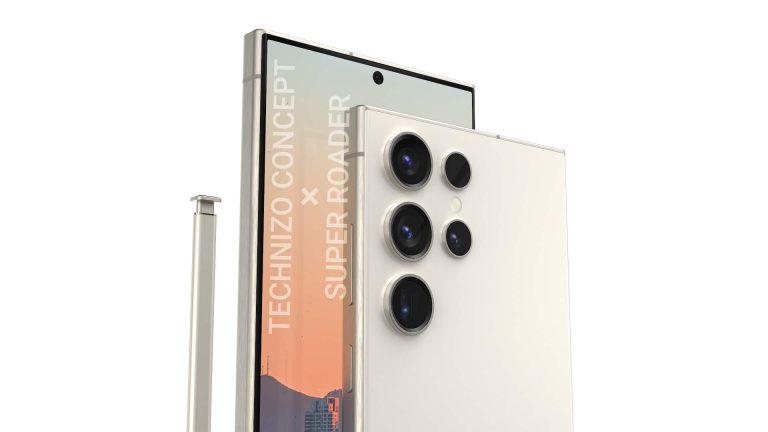
For the past few years, Samsung’s Ultra flagships have featured a curved display. That’s changing with the Galaxy S24 Ultra next year. The 2024 model has a flat display, leaked renders have revealed. The Korean firm is also making the screen slightly wider with thinner and symmetrical bezels.
Apart from this design change, the Galaxy S24 Ultra is replacing the 10x optical zoom camera with a 5x solution. This comes with a resolution upgrade from 10MP to 50MP. We aren’t expecting many other major hardware upgrades, though. Samsung is focusing on software improvements with AI playing a pivotal role in the enhanced Galaxy experience from 2024 onwards. The company is aiming to make the Galaxy S24 series the “best AI phone” ever. Less than two months to go before the official unveiling.