The RedMagic 9 Pro handset is on its way, as the company has just revealed its launch date. The RedMagic 9 Pro will become official in 10 days, on November 23. This smartphone will launch in China, but its global variants will almost certainly become a thing.
The RedMagic 9 Pro gaming smartphone is coming, as its launch date has been revealed
RedMagic announced the news via Weibo, by sharing the image you can see below. The press event will start at 2 PM China time on November 23. That translates to 7 AM CET / 6 AM BST / 1 AM EST / 10 AM PST (November 12).
That press event won’t play a huge role for almost any of you, as it will be in Chinese. Now, the RedMagic 8 Pro and 8S Pro did launch globally, so chances are this smartphone will too. Chances are it will launch soon after the Chinese model too, based on what we’ve seen before.
Now, I’ve reviewed the RedMagic 8S Pro a while back, and that is a really compelling device. RedMagic managed to fix most of the main complaints people had with the RedMagic 8 Pro, and release a really compelling device.
That thing is a true beast for gaming, not only does it offer outstanding performance, but it also has plenty of gaming features. On top of all that, it’s not as expensive as you’d think, considering the spec sheet it offers.
The Snapdragon 8 Gen 3 will fuel the RedMagic 9 Pro
That being said, the RedMagic 9 Pro will come with Qualcomm’s brand new chip, the Snapdragon 8 Gen 3. That processor was announced recently, and it packs even more power than its predecessor, of course.
Based on rumors, the RedMagic 9 Pro will pack in an even larger battery. It is tipped to include a 6,500mAh unit, while the RedMagic 8S Pro came with a 6,000mAh battery. The RedMagic 8S Pro offered really good battery life, but RedMagic wanted to up the ante, it seems.
We’re expecting to see a similar display size as the RedMagic 8S Pro offered. That device came with a 6.8-inch panel, which was a fullHD+ display with a 120Hz refresh rate. The phone will also include plenty of RAM and storage, and also fast charging.
Generative AI is making waves in the tech world with a flood of new tools and companies boasting the latest and greatest platforms. The surge in generative AI solutions promising workflow improvements has sparked widespread excitement. While it is exciting, it’s essential to exercise caution amidst the buzz since not everything that shines is gold. Reinforcing this point, Google has taken legal action against scammers peddling malware disguised as a version of Google Bard.
A recent Google press release addresses its current fight against scammers. Google says, “Today we’re taking legal action against two groups of scammers. The first sought to exploit public enthusiasm for generative AI to spread malware. The second weaponized the Digital Millennium Copyright Act (DMCA) to harm their business competitors by submitting thousands of blatantly fraudulent copyright notices.”
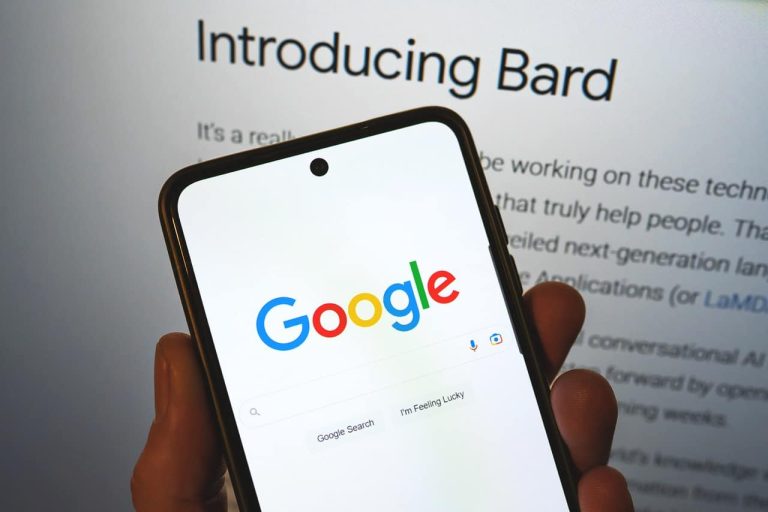
As introduced earlier this year, Google Bard stands out as a conversational AI service driven by cutting-edge language and conversation capabilities. Its foundation lies in Google’s proprietary Language Model for Dialogue Applications, commonly known as LaMDA. This innovation propelled Bard into the limelight, attracting significant attention and curiosity. Unfortunately, scammers seized the opportunity presented by the hype surrounding Google Bard.
Google has taken legal action against scammers peddling malware disguised as a version of Google Bard
A group of scammers, whom Google has previously served around 300 takedowns, exploited the public’s enthusiasm for generative AI to distribute malware. Leveraging Google Bard’s name, they deceived users into downloading what they believed was the legitimate application, only to find themselves victims of malware.
It’s important to note that Google Bard is freely accessible without the need to download it. The scammers used deceptive ads to entice users, leading them to inadvertently download harmful software. This malware then compromised the users’ social media accounts. Google is “seeking an order to stop the scammers from setting up domains like these and allow us to have them disabled with U.S. domain registrars.”
On a separate note, Google is in another lawsuit targeting bad actors abusing the Digital Millennium Copyright Act (DMCA). This U.S. law protects copyright holders in the digital realm, allowing them to request the removal of infringing content from online platforms. In this case, the perpetrators exploited the DMCA by setting up multiple Google accounts. They used these accounts to submit thousands of fraudulent copyright claims against their business rivals. These illegal practices resulted in the removal of more than 100,000 business websites, causing significant financial losses and thousands of hours of lost employee time.
Scammers are opportunistic, capitalizing on the confusion surrounding new and complex technologies to deceive unsuspecting users. The next time you encounter an ad prompting you to download a technology you don’t fully understand, consider taking a moment for independent research rather than falling prey to potential scams.
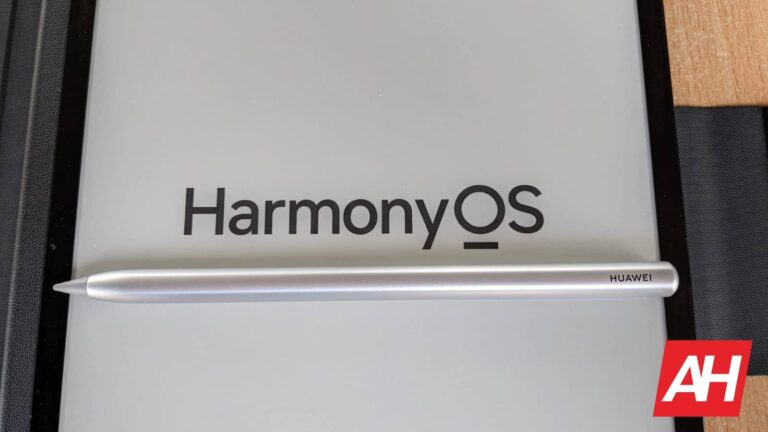
Huawei’s upcoming HarmonyOS Next is almost ready. However, there’s one major feature that’s missing, the support for Android APKs. This means that you’ll not be able to install Android apps on the operating system. It seems that Huawei is trying to fill the gap and enter the mobile market as the third OS, besides Android and iOS.
Huawei boss Richard Yu announced HarmonyOS Next in September, touted as the successor to HarmonyOS. Two months later, the in-house OS is set to roll out. It is fully self-developed and ditches the AOSP (Android Open Source Project) code. Hence, APK support has been removed and the new OS now only supports HAP file apps, which is Huawei’s answer to APKs.
Huawei has big plans for HarmonyOS Next
HarmonyOS Next looks the same as the current HarmonyOS, but Huawei has removed support for Android libraries. The Chinese phone maker appears to be prioritizing its operating system. The company is actively hiring, GSMArena reported, for multiple roles in software development and overall OS experience.
Notably, Huawei’s development of HarmonyOS Next is likely an outcome of the US-China tension. The US government has banned Huawei from dealing with US companies, including Google. This is why Huawei is serious about HarmonyOS Next.
Before the update, Huawei phone users could still download and run Android apps with the exception of Google apps. However, with this update, Huawei is dropping support for Android libraries, meaning that only HAP file format apps will be compatible.
Huawei may be trying to create its mobile OS, but this could cause problems for users if their favorite apps are not available. Similar instances have taken place for Windows Phone, which failed to gain traction and lack of dev support. Huawei’s HarmonyOS Next is likely to roll out to eligible devices by the end of 2024. However, the specific timeline for each device remains under wraps.
It’s the time of the year when you need to start thinking about Christmas gifts. Sometimes, there’s no better gift than a great set of headphones or earbuds. There are people who can’t go anywhere without music or a podcast in their ears. So why not surprise them with a nice pair? Here’s a list of some of the best headphones that you can buy your loved ones for the holidays.
This list consists of great products chosen for some of their best qualities. Along with the main selections, there will also be some honorary mentions that demand your attention. These are still great examples of headphones to pick up, and you might want those over the main entries. Without further ado, let’s hop right into this list.
Best noise cancelation: Galaxy Buds FE
These earbuds truly turn off the world when you enable ANC
These are the newest budget-friendly pair of earbuds from Samsung. Once you put these on and activate the active noise cancelation (ANC), you’ll have trouble believing that these are affordable. However, they’re extremely affordable. They only cost $99, but you’re getting the performance of earbuds that cost double that price.
I reviewed these earbuds myself, and I could not believe that Samsung only wanted $99 for them. Let’s start off with the audio quality. Just about every genre of music I listened to with these earbuds, from classical to 2000s pop, sounded amazing. Samsung delivered a notably balanced sound with a pleasing amount of low-end to add depth and warmth. There was also a nice emphasis on high-end that balanced out the sound to great effect.
One major aspect of these headphones is the ANC. Out of all the earbuds that I tested out, I can say that these have the best ANC. When it turns on, you don’t hear it as much as you feel it. You feel this intense sense of isolation as the world just shuts off. They filter a wide range of noise that you’d hear in your environment. With other devices, you’d sometimes hear a high-pitched hiss from them missing those tones. I didn’t hear that with the Galaxy Buds FE.
I’ve heard earbuds that cost more than twice as much as these that didn’t have as good ANC as these. I honestly believe that the ANC is the best part of these earbuds; it’s professional quality.
You will also be able to listen to the Galaxy Buds FE for a while without needing to charge them. You should be able to have a full day of listening if you use the earbuds along with the charging case. These are amazing earbuds for their price.
The Free BYRD give you such a well-balanced and amazing sound
These are the first-ever TWS earbuds from the company beyerdynamic, and the company knocked it out of the park with these. The Free BYRD are meant to be professional in just about every way from their design to their audio quality, and the company delivers on that. I reviewed these earbuds, and every aspect of them just screams high quality.
Starting off with the audio, these drivers were specially tuned to give you an extremely balanced sound, Nothing overwhelms the ears. There’s a nice boost to the lower tones that make the bass in what you’re listening to just pop. Also, the higher tones are accented, but they’re kept well in check to avoid sounding shrill or overwhelming. Additionally, if you want to finetune the audio to your liking, there’s a feature in the app that will automatically optimize the audio to your ears.
beyerdynamic put a bunch of TLC into the ANC for these earbuds. The noise cancelation is top-notch. They do a great job of canceling out a wide range of ambient noise that would otherwise ruin your listening experience. This includes AC units, traffic, and other sounds that you would experience outside or inside. You get that same sense of isolation that you would get from larger and more expensive headphones.
If you take that into account with the superior audio quality, you have an amazing audio experience on your hands. You or your loved one will feel like they’re wearing a pair of headphones crafted specifically for them with the personalized audio profile. They’re not the kind of earbuds you’d want to pass up if you’re looking to add to your arsenal of potential Christmas gifts. They’re truly a treat for the ears, and your loved one will definitely more than appreciate it.
Being strapped for cash doesn’t mean that you need to skimp on quality
You already have a ton of gifts on your list, so you can’t quite spend too much on the headphones. Well, that’s not an issue with these earbuds. For the low price of $49.99, you’re getting a pair of earbuds with some nice features thrown in. So, if you’re looking for some earbuds that will give you some nice bang for your buck, then these are the ones for you to pick up.
Not to mince words, these aren’t meant to give you a premium experience for the price. These are proudly mid-range earbuds. So, you’re not getting ANC or ambient mode. There’s also no EQ in the companion app. That shouldn’t discourage you from getting them, however. Maybe the person you’re buying these for doesn’t really care about the super premium features.
While these aren’t the most feature-packed, they still have some nice additions. These earbuds do have touch controls on the side, so you only have to tap them to change the tracks. Also, these are compatible with digital assistants. So, you’ll be able to access Google Assistant or Amazon Alexa using the earbuds. That’s always a great addition. The only downside is that you can’t control the volume using the touch controls.
The JBL Vibe 200 can be controlled individually. This means that you can listen to one of them while the other one is in the charging cradle. This is great for a job where you need to have only one in your ear. Speaking of charging, these earbuds will last you about five hours on a single charge without the charging case. That jumps to 20 hours with the case included.
So, the JBL Vibe 200 are a pair of earbuds that will give you a nice experience at a nice and low price.
Honorary Mention: Raycon The Everyday Bluetooth Wireless Earbuds
These earbuds bring top-notch performance down to an affordable price
These earbuds are also affordable, and you should consider getting them if you have a bit more money to spare. Like the ones above, these also don’t come with noise cancellation. However, they still come with some nice features to give you an all-around good experience. They’re really meant to scratch at the heels of premium headphones without being quite as expensive.
The Raycon everyday earbuds are meant to be all-around reliable earbuds that are great for different scenarios. While they’re pretty inexpensive, they still give you some superior sound quality. If you’re into more bass-heavy music, then these will definitely satisfy you. They’re tuned to offer deep and rich bass, so they’ll give you a fully immersive listening experience. You’ll feel all the warmth of the bass no matter what genre you’re listening to.
These aren’t only for you if you are a music enthusiast. You can also be into health and fitness and greatly benefit from these earbuds. The Raycon Everyday Earbuds come with an IPX6 water resistance rating. This means that they can survive in any rainstorm. You’ll just want to make sure not to fully submerge them into water. With this water resistance rating, it’s perfectly suited to resist your sweat, so if you typically work out, and you work up a heavy sweat, then you’re covered.
If you’re giving the earbuds a workout, they will also go the distance, as they boast up to 8 hours on a single charge. With the charging case, that gets boosted to a full 24 hours. The Raycon everyday earbuds are all-around reliable and high quality for their price. They’ll make the perfect gift for a person who’s just getting into pro audio.
These earbuds are definitely deserving of the “Pro” moniker in their name
Google has its own line of mobile products, and these include earbuds. The Pixel Buds Pro have been a part of the Pixel Buds ecosystem, and even non-Pixel phone users can use these Earbuds. The Pixel Buds Pro are not meant to be specifically good at one certain thing. Rather, they’re designed to give you an all-around good experience.
One part of the experience is the superior audio quality. When you’re listening to music, podcasts, and calls, everything just sounds so crisp and clear. They’re powerful enough to give you some great and well-balanced space to help balance out the overall sound. We’re talking about rich and enveloping low-end performance that makes every genre of music sound warm and immersive. This also works in tandem with crisp high tones that make for an overall dynamic sound.
The other part of the experience is the arsenal of features that come with them. Google typically launches new features for these earbuds every now and then. The company is really big on AI, and there are some powerful AI features that you can get through the Google Pixel Buds app. They’re constantly being supported by Google, so you’ll have the peace of mind that you are in Google’s hands.
These are amazing earbuds that excel in many ways. They’re very comfortable in your ear, and you can listen to them for extended periods of time without them feeling uncomfortable. Speaking of listening to them for extended periods of time, you should expect about 11 hours of listening on a single charge. With the charging case included, you should be looking at about 31 hours of listening time. This makes them perfect for using them during work or long trips. These earbuds are definitely deserving of the “Pro” moniker in their name.
Jabra is a top-tier audio company, and it churns out all sorts of wearable audio equipment. The Jabra Elite 7 Active is a line of premium wireless earbuds that cover all the bases and then some. These are a great fit for you if you want to enjoy superior audio quality along with a great workout experience. The “active” in the name means that these are well suited for an act of Lifestyle.
Starting off with the audio quality, you can tell that Jabra put a lot of attention into making a well-balanced sound. Many modern earbuds focus a lot on emphasizing the low end for bass-heavy music. However, these deliver a high-quality experience for the full range of tones. So, while the base does get a notable and helpful boost, it doesn’t overshadow the rest of the sound. That’s something you’ll appreciate if you’re an audiophile.
It’s not just about the sound that you hear, it’s also about the sound that you don’t hear. The Jabra Elite 7 Active come with solid noise cancellation. They’re able to filter out a wide range of ambient noise that would otherwise distract you from your music. In fact, the noise cancellation is some of the best on the market.
Since these are active earbuds, they’re meant for an act of lifestyle. They will not break if exposed to your sweat, so feel free to run, lift, or do whatever exercises you need to. You can work up a good sweat without worrying about them getting broken or slipping out of your ear.
If you tend to wear your earbuds for long periods of time each charge, don’t worry. You’re able to get up to 8 hours of listening on a single charge. That gets boosted to a full day using the charging case.
Edifier is a high-quality audio brand with a special emphasis on producing quality speakers. However, the company is no stranger to wearable audio equipment, and the Edifier WH950NB is a testament to the company’s commitment to superior audio. These headphones strike a great balance of design, performance, and portability. They’re an amazing pair of headphones, and I’ve had the opportunity to review them myself.
These are the kind of headphones that don’t have a singular standout feature. Rather, they’re just amazing in pretty much every category. From the moment I picked them up, I could tell that Edifier put a lot of care into the design. They have a nice reassuring heft to them, and the ear cups rotate smoothly without any creaks or sounds.
Moving on to the audio quality, I had no complaints. These headphones produce a nice very balanced sound with equal emphasis on the high end as well as the low end. You get the full range of sounds from warm and relaxing to cool and high-pitched. I tested these with several genres of music, and they impressed me.
Another great feature is the noise cancellation. Edifier does a great job with the noise cancellation of its headphones, and the WH950NB did not disappoint in that department. I used these both inside and outside, and overall, these headphones did a great job of filtering out the noise of the world. Everything from traffic to ambient voices and other types of noise was completely cut out.
I have no trouble getting a couple of days worth of usage on a single charge. If I needed a quick top-up, it only took about 15 minutes on the charger. These headphones are just great in so many ways, that it’s hard not to recommend them for a gift idea.
Skullcandy is a company that’s known for both its budget and mid-range headphones. However, the company also dabbles in premium high-quality headphones. The Skullcandy Crusher 2 come in at a notable $229.99, and they excel in several categories to make these a great pair of premium headphones. They also bring a unique feature that bass lovers will very much enjoy.
When it comes to the overall sound, these headphones produce a very well-balanced and high-quality audio signal. Out of the box, the highs, lows, and mids, all sound nice and well-balanced. You’ll be able to listen to pretty much any genre of music and have a good time. However, they might be lacking in the bass department out of the box. This is something that the company anticipates, and it comes with a special dial.
On one of the ear cups, there’s a dial called the Adjustable Sensory Bass dial. Basically, when you turn the dial, the headphones will deliver even more powerful low-end sound. This is great if you want some more low-end in your audio. If you like listening to Modern bass bass-heavy music like dance, hip-hop, dubstep, etc., then you will love these headphones. The combination of the superior audio quality and the ability to add more bass make these headphones a viable option for most users.
The only drawback is that the noise cancellation is not exceptional. They do a good job of filtering out most of the noise around you, but it won’t be the best noise cancellation you hear on the market. However, if you’re more accustomed to listening to music inside a less noisy environment, then these will serve you just fine. This is what makes them one of the best overall headphones that you can buy for the holiday season.
These headphones offer you a nice experience at a low price
You’re used to seeing all of the premium and professional headphones that are on the market. They’re great to have, but they’re also expensive! If you’re looking for a nice and affordable pair of headphones that also sound nice, it might seem that your options are extremely limited. However, that’s not the case. The BERIBES are a set of very affordable headphones, and they’ve been making waves through the market recently. This is because these headphones offer some nice features for their low price.
Let’s not mince words; you’re not getting these headphones or a remotely premium experience. You’re not getting features like ANC or ambient mode. You’re not going to find a robust suite of premium features or luxuries. Instead, you’re getting a well-rounded experience that just makes listening to music fun. First and foremost, the BERIBES headphones have some decent audio. The drivers sound nice, and they’re pretty powerful. They’re a little light on the low-end, but it’s not bad.
As for the audio quality itself, you’re getting a nice Hi-Fi sound coming from these headphones. It’s not studio-quality, of course, but it’s definitely better than the $27.99 price would suggest. The music sounds pretty detailed and punchy. You’ll be able to listen to all types of music with them and not skip a beat.
To top things off, there are EQ preset modes that you can switch between to adjust your listening experience. If you don’t like how the headphones sound out of the box, you can choose between the six EQ presets to give the sound a different personality.
If you take these features along with the impressive 65H battery life, you’re looking at a pretty solid headphone experience for under $30.
These are the headphones to get if you want to break into the premium headphones market
If you’re looking for a pair of affordable headphones that give you a premium experience, there are options out there for you. One of the best options would be the Edifier W820N. These are a great option to consider because they’re worth more than they actually cost. They’re a great option if you’re looking to enter the premium headphone market.
At $79.99, these are up there in price if you’re used to cheaper headphones. However, the sheer quality of audio and features that you get with these headphones make the price more than worth it. I personally reviewed these headphones, and the main thing that impressed me during my testing was the ANC. It’s as good as what you would hear in more expensive headphones.
They do a great job at canceling out a wide range of ambient noise. As for the overall sound quality, they produce an extremely balanced sound with a fair amount of low-end. I enjoyed listening to different genres of music using these headphones and I think you will too.
You will also have access to all of the different features and additions with the Edifier Connect app. These are a great option if you’re looking to up your headphone game.
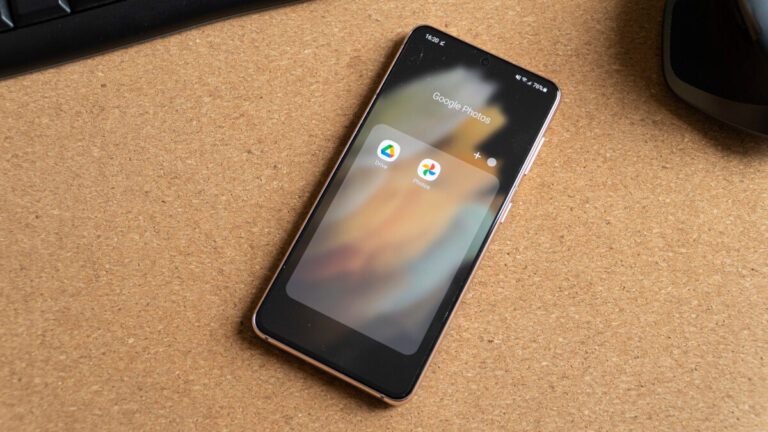
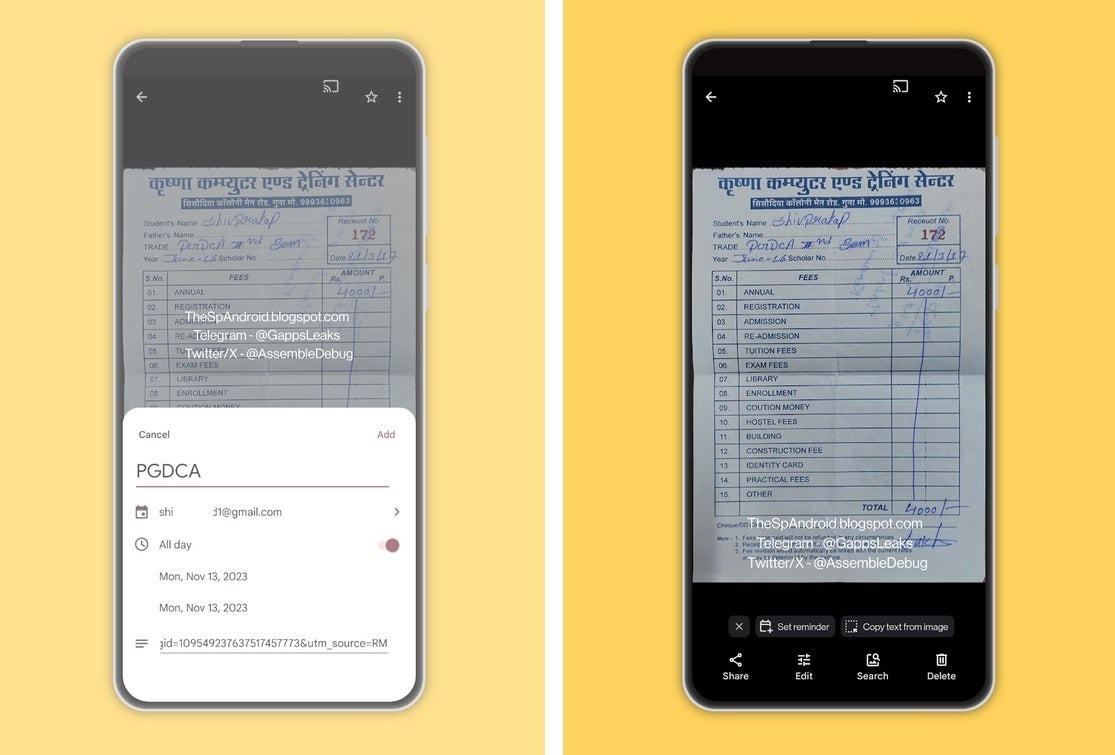
Google is looking to add a new AI-based feature to the Google Photos app that can come in handy. If you are the type that takes photos of bills and invoices but forgets that they are stored in the app and you end up failing to make a payment on time, this new feature will help you save those awful late charges that add up over time. In SpAndroid, AssembleDebug (via AndroidPolice) says that he discovered code strings indicating that a Reminder feature was being added to the Photos app.
Google has added Calendar permission in a recent version of the Google Photos app. AssembleDebug says that he has tested version 6.61 of the app and was able to enable it on his phone.
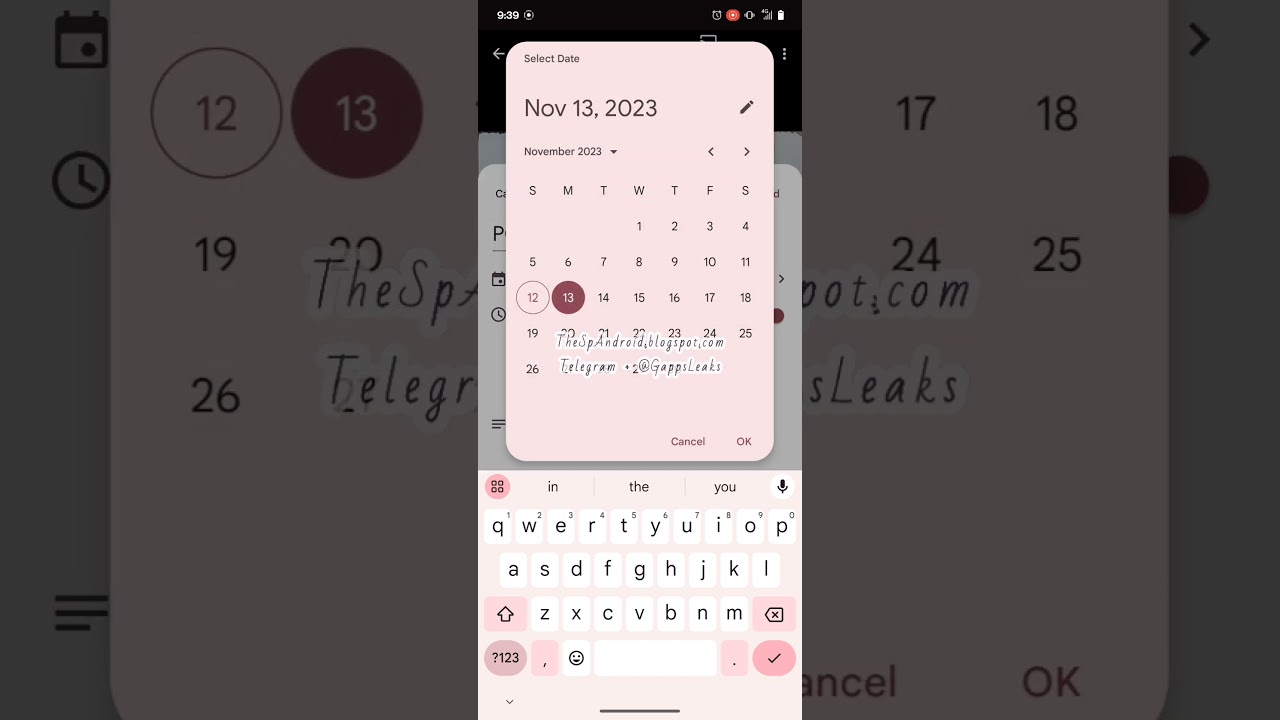
When you select a photo of an invoice from the Google Photos app, there are some options near the bottom of the screen found inside chips that say things like “Copy Text,” or “Lens.” A new chip will say, “Set Reminder.” Tap on it and a pop-up will appear asking you to give the picture of the invoice a name, select the Calendar account you want the invoice to be synced with, select the date and time you want the reminder to appear on Google Calendar, and a link to the photo will be included automatically on the bottom of the pop-up..
AssembleDebug says that the “Set Reminder” chip won’t show up on every photo, only those photos with text or dates. That is where the AI comes in as Machine Learning will help the app determine if the subject of your photo is an invoice. Currently, the feature is hidden behind a flag but Assemble Debug does state that the reminders appear instantly on Google Calendar.
Google Photos will soon add a reminder to your Google Calendar app telling you that a bill needs to be paid. Image credit-SpAndroid
If you are tired of having to pay late fees because you are constantly forgetting to pay some of your bills on time, this new feature might not only be useful, it could be a money saver.
BulletProftLink, a prolific phishing-as-a-service (PhaaS) and initial access broker (IAB) operation was operating since 2015.
In a significant blow to the cybercrime community, Malaysian police have dismantled BulletProftLink, a prolific phishing-as-a-service (PhaaS) and initial access broker (IAB) operation.
The seizure was a result of a collaborative effort between the Royal Malaysian Police, the Australian Federal Police, and the FBI. The authorities arrested eight individuals on 6 November, 2023 including the platform’s alleged mastermind and a software engineer.
Additionally, security agencies also seized cryptocurrency wallets containing approx. $213,000, apart from jewellery, servers, payment cards, and computers.
BulletProftLink, a prolific phishing-as-a-service (PhaaS) and initial access broker (IAB) operation was operating since 2015. It served thousands of threat actors with tools and resources to conduct phishing attacks through its extensive collection of phishing templates (over 300), including login pages for prominent services like DHL, Microsoft Office, Naver, and financial institutions.
Some of these pages were hosted on legit cloud services such as Google Cloud and Microsoft Azure. It also aided attackers in bypassing MFA (multi-factor authentication) protections by offering the Evilginx2 reverse-proxying tool that could lead to Adversary-in-the-Middle phishing attacks.
According to Malaysian police, the platform had become intensely active since 2018, and that’s when it came to their radar. Since its inception, BulletProftLink has attracted over 8000 clients, many of whom paid up to $2,000/month for accessing credential logs regularly. Malicious actors preferred it for buying stolen accounts to conduct frauds and cyberattacks.
“From our investigations, not only the syndicate has compromised websites those of financial and education institutions, and official government sites in Australia, but they are also involved with the selling of stolen credentials,” stated Royal Malaysian Police’s inspector general, Sri Razarudin Husain.
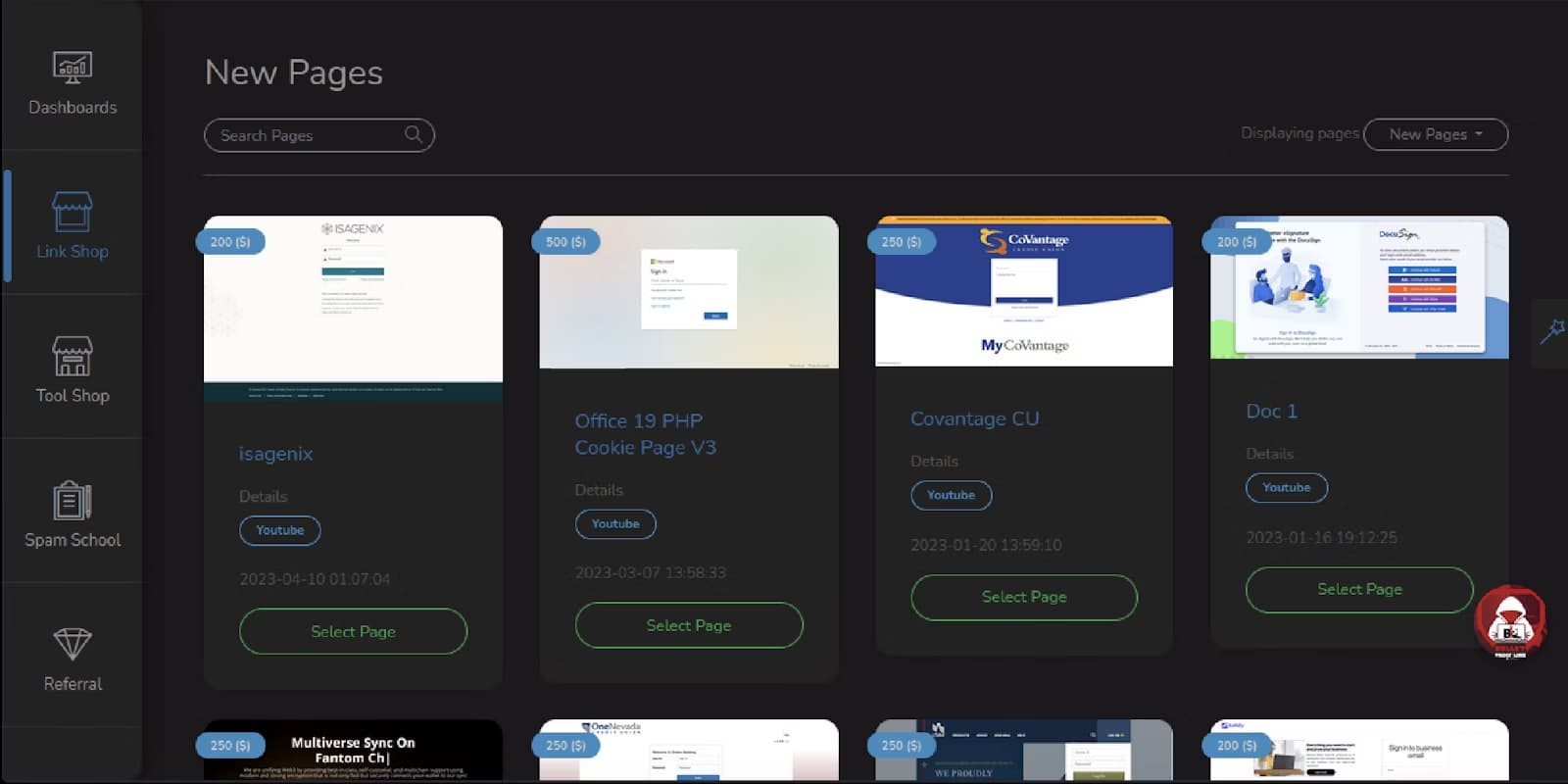
This platform remained a key source for cybercriminals to infiltrate corporate networks, conduct reconnaissance, and laterally move towards valuable targets. Intel471, a threat intelligence platform, was monitoring the platform’s activities, and the following screenshot has been captured from their coverage of the event.
The screenshot reveals phishing templates for various platforms that were previously accessible on the BulletProofLink website.
The authorities haven’t yet disclosed the identities of the arrested individuals. As per cyber threat intelligence professionals, a threat actor, AnthraxBP, could be linked to the platform, and certain operational mistakes from BulletProftLink could have led to its dismantling.
The authorities have taken down multiple domains of the platform. Its closure is certainly a huge victory against cybercriminals because BulletProftink had remained a crucial source of stolen credentials for threat actors. Now that it is out of the picture, cybercriminals will need to look for alternative sources to gain initial access to corporate networks.
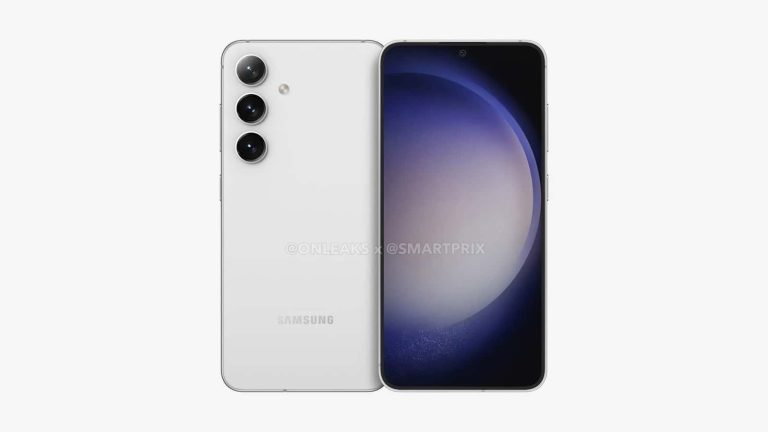
The Samsung Galaxy S24 series is coming in January next year, almost certainly. January 17 is tipped as the launch date, even though Samsung hasn’t confirmed it yet. Well, as we’re waiting for that to happen, the expected Galaxy S24 specifications have just surfaced.
The expected Galaxy S24 specifications have just surfaced
Do note that we’re referring to the vanilla Galaxy S24 model here. This list comes from Nithin Prasad, a tipster. He decided to round up some details in a single X post. We’ve heard most of this info already, by the way, but not everything.
Having said that, he claims that the phone will feature a 6.2-inch fullHD+ panel. That will be a customized M11 OLED panel, with a 120Hz refresh rate. He originally wrote M13, but that was a mistake, he corrected himself in the comments.
In any case, that display will be flat, and it will have extremely thin bezels around it, possibly even uniform ones. A display camera hole will be included, and centered up top. The display will be able to achieve a top brightness level of at least 2,500 nits, possibly more.
This phone will come in two SoC variants, for better or worse
The Snapdragon 8 Gen 3 and Exynos 2400 SoCs will fuel the phone. The availability of a particular SoC will be market-dependent. Europe will most likely get the Exynos 2400 version, while almost every other region will get the Snapdragon 8 Gen 3. That’s what’s expected, at least.
A 4,000mAh battery is tipped here, so a slightly larger battery than in the Galaxy S23. The phone will still support 25W wired and 15W wireless charging, just like its predecessor. A charger won’t be included in the box.
The Galaxy S24 will include three cameras on the back. A 50-megapixel main camera (OIS), will be backed by a 12-megapixel ultrawide unit, and a 10-megapixel telephoto camera (3x optical zoom). A single 12-megapixel camera is tipped for the phone’s front side.
The tipster also notes that Samsung will utilize LPDDR5X RAM here, and UFS 4.0 flash storage. The Galaxy S24 will also come with IP68 certification for water and dust resistance.
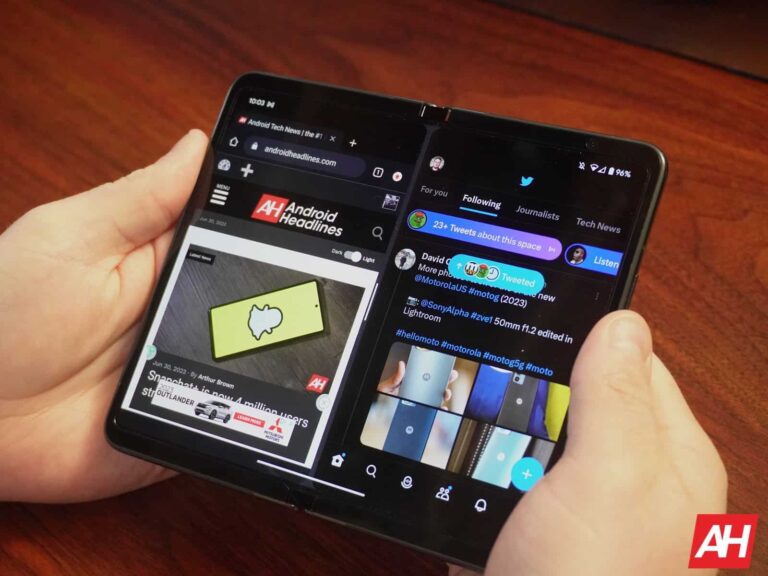
Foldables have undeniably brought a fresh perspective to the smartphone landscape. Although relatively new to the market, they have had their fair share of challenges. From concerns about battery life to handling mishaps, and notably, the scarcity of apps fully optimizing the expansive display. Fortunately, Samsung and Google have addressed a common concern with the release of Android 14. Both Samsung and Google foldables now allow third-party apps to use both displays simultaneously.
One of the significant drawbacks in the foldable market has been the challenge for third-party developers to harness the full potential of these devices. Android 14 addresses this hurdle, offering developers the tools they need to cater to the strengths of foldables more effectively. By empowering developers, the foldable market is poised for a surge in innovation, breaking down barriers that previously hindered the growth of these unique devices.
If you’re investing an extra couple hundred dollars in a foldable device, it’s only reasonable to expect your favorite apps to use the entire display without any UI glitches. Fortunately, as highlighted by Android Police, Google has tackled these concerns and streamlined the process for developers to tap into the full potential of foldable displays with Android 14.
Samsung and Google will implement an Android 14 feature that allows third-party apps to use all foldable displays simultaneously
The key enhancement in Android 14 revolves around the Window Area module in the Jetpack Window Manager support library. This change empowers developers to create more refined and efficient foldable apps. A foldable device’s orientation and display arrangement are closely linked to its hinge position. Therefore, it is crucial for developers to have access to this information to be able to tailor their apps to a foldable’s unique layout.
With this update, developers can now access and interpret the hinge position. In addition, access to the new modules allows them to showcase data simultaneously in a multi-pane layout. Google and Samsung’s foldables have already integrated this feature into the Android 14 release. The broader question remains whether other companies will follow suit.
Consider the Google Pixel Fold’s dual-screen interpreter mode, which illustrates the capabilities of multi-pane support. This mode simultaneously uses inner and outer screens to enable live translations. Dual-screen interpreter mode has become a favorite for its ease of communication across language barriers. Another similar feature is the Pixel Fold’s rear camera selfie. This showcases how developers can tap into the distinctive strengths of foldables in creating engaging and unique functionalities.
The Android 14 update emerges as a critical milestone in the trajectory of foldable smartphones. This update not only acknowledges and tackles existing challenges but also paves the way for a future where the unique advantages of foldables are fully realized, thanks to the collaborative efforts of third-party developers.
Samsung is pushing a second Android 14-based update to the Galaxy S23 series in some markets. While the previous release was a major update with One UI 6.0 on top, the company is only pushing the latest security patch this time around. The November SMR is also available for the Galaxy A54 5G and Galaxy A52, while the Galaxy Z Flip 5 is now getting it outside the US.
The Galaxy S23 series gets the November security update
A couple of weeks back, Samsung released the Android 14-based One UI 6.0 update for the Galaxy S23 series. The rollout began in Europe and gradually expanded to other markets. It reached the US last week. While the update came complete with the November security patch stateside, it wasn’t the case in other markets. Users got the October security patch there.
Samsung is now separately updating them to the latest SMR. As of this writing, the November update is rolling out to the Galaxy S23 lineup in Europe and Asia with the firmware build number S91*BXXS3BWK5. As said earlier, the US versions have already received the latest security patch, so they won’t get this update. Users in other markets who received Android 14 with the October patch can expect the new release in a few days.
The second Android 14-based update for the flagship trio has an OTA (over the air) download size of around 340MB (via SamMobile). As expected, the changelog mentions nothing more than the latest security fixes. It’s worth noting that One UI 6.0 has yet to reach the Galaxy S23 series in a few markets, including South Korea and China. Samsung will probably bundle the November SMR with the big update in these countries.
The new SMR is available for more Galaxy devices
Samsung is also pushing the November SMR to a few more Galaxy devices. Namely, the Galaxy A54 5G and Galaxy A52 (4G) are picking up the latest security patch. The former is getting the update in Latin America with the build number A546EXXS5AWJ4. The rollout is live in Europe for the latter. It’s receiving the new SMR with firmware version A525FXXS6DWK1. The 5G version of the Galaxy A52 has yet to get it.
The Galaxy Z Flip 5, meanwhile, is receiving the November update in international markets. Samsung updated the latest clamshell foldable to this month’s security patch in the US last week. It’s now pushing the new SMR to the phone in Asia, Africa, Europe, and other regions. The new build number is F731BXXS1AWJ1. The Galaxy A54 5G, Galaxy A52, and Galaxy Z Flip 5 will all get Android 14 in the coming weeks.
With the holidays just around the corner it means the holiday shopping season has arrived, and for many it’ll be time for you to start thinking about what to get for your loved ones. Whether it’s gifts for friends, family or a significant other, we have you covered and are here to help you find the best gifts for those you plan to get gifts for. We’ll have a range of different guides up across a number of different product categories, and this one will be focusing on the best gaming headsets for PC, console, and mobile devices.
Gaming takes many forms these days and that includes what platforms and devices people play on. For some it’s PS5. For others it’s strictly mobile devices. Or if you’re like me then you play on just about any platform. The headsets we’ve picked for this guide are what we feel are the very best for each platform. Though most if not all will be multi-platform headsets. Our aim with these picks is to help you narrow down your choices. With that said, we’ve rounded up five of the best gaming headsets available along with some honorable mentions.
Best Budget Headset: HyperX Cloud Stinger
HyperX pushes the limit on how much quality you can fit into an affordable headset
There’s a few reasons why we chose this headset and right off the bat we’re going to hone in on the price first. Price is always generally a factor when buying new products and that doesn’t stop with gifts. Normally the HyperX Cloud Stinger is priced at around $50. And at that price we’d have still included it here because it has incredible value for that cost. Right now though it’s an even better value because it’s on sale for $19.99. And for an entry level gaming headset of this quality that’s something you do not want to pass up.
Outside of price, the HyperX Cloud Stinger has a great set of features for its price point. What I personally really liked was how comfortable it is. Which honestly isn’t always something you see when a headset is priced at $50 or below. In fact in my experience headsets around this price range are usually a lot less comfortable, and noticeably so. But that is definitely not the case here with the Cloud Stinger. The large cushioned ear pads are made from memory foam so they never felt too firm or abrasive on my ears.
The headset also comes with a nice stainless steel headband which helps with durability. I like this kind of rigidity in gaming headsets because I don’t have to worry about them breaking. And yet because it’s stainless steel it’s still flexible and easy to stretch a bit when you need to put it on your head or take it off. Worth noting of course is that the inside frame of the headband is what’s stainless steel while the outside is plastic with a cushy leatherette portion that rests against the top of your head.
Another thing I really love about this headset is that it’s compatible with basically all platforms. It’s a wired headset so you do have to plug it in. And that’s a big reason why it’s as inexpensive as it is. That being said, this also makes it really easy to fit with just about any platform. I have a PC, a Nintendo Switch, a PS5, a Steam Deck, and mobile devices that I play games on. And the Cloud Stinger is a headset that works with all of them. The only catch here is that whatever your device you’re trying to use it with needs to have a 3.5mm audio port to plug in the headset. Luckily, all of the platforms I mentioned do support 3.5mm audio.
The last reason I want to focus on this headset as one of our picks is the mic audio quality and the actual sound audio quality coming from the earcups. First things first, the audio quality is great. It’s not going to be top of the line premium sound. But that’s not what you expect when you buy a headset that costs around $50. You do however want it to be good and it definitely is good. The mic is also good when it comes to audio quality and I had no issues with people hearing me in voice chat. And my absolute favorite part about the mic is that it uses a flip-to-mute system. No tiny buttons to press.
Just flip up the mic and it’s automatically muted. This also makes it really easy to shove a few snacks in your mouth quickly as you can flip it up and flip it back down when ready. All-in-all the HyperX Cloud Stinger is a standout gaming headset and a perfect gift for gamers. It’s an awesome value and great quality and works with basically anything.
The great thing about less expensive wired headsets is that there are a TON of options available for consumers. Most brands will have more than one budget option and this makes for a great selection. However, that many options can make it easy for the best ones to be drowned out. While the HyperX Cloud Stinger is our pick for best budget headset, the Logitech G432 is our honorable mention. It’s about the same cost when they’re both available at normal price and can be picked up for $49.99. The reason we think this is a great budget pick is because above all else the sound quality is great for its price and it’s incredibly comfortable. We also love the flip-to-mute mic.
The Barracuda X gives you the best bang for your buck in entry-level wireless options
Razer’s Barracuda X has a lot going for it and if you’re looking for something that’s still entry-level but has the added benefit of wireless, it’s hard to beat the Barracuda X. Normally coming in at $99, it’s currently on sale at Amazon for $79.99. Now the Barracuda X is not alone in its category for headsets that offer wireless with similar features at this price point. SteelSeries actually makes a really good headset in the Arctis Nova 4 that sits at $120. However, the Arctis Nova 4 doesn’t have Bluetooth and is 2.4GHz only. So you need to have the USB-C adapter plugged in for it to be usable in a wireless state. And that’s a shame. Because sometimes the adapter is just cumbersome to use.
This is where the Barracuda X has the advantage as it offers both the 2.4GHz low-latency audio and the Bluetooth connectivity. This makes it perfect for using the headset on the PS5 and PC with the adapter. But then you can easily use it via Bluetooth for the Nintendo Switch and mobile devices. Even the Steam Deck. In my own experiences it was overall better having the Barracuda X connected to mobile devices and handhelds via Bluetooth since there was no fiddly USB-C adapter to deal with. On the go the adapter is just one more thing to lose. And if you want a little more peace of mind then Bluetooth as an option is a nice addition.
The Barracuda X is made primarily of plastic so it isn’t necessarily built for durability. But the use of plastic does help keep the headset pretty lightweight at just 250 grams. And that lightweight build is going to be perfect for longer gaming sessions and bringing the headset with you from place to place. From my experience the breathable memory foam ear cushions also help to keep your ears comfortable while you game but they don’t cause too much heat buildup. So your ears stay cooler for longer periods of time and that adds to the overall comfort factor.
Also worth noting is that the mic is flexible so you can move it back and forth to be closer or further to your mouth. Which makes it easy to move it away if you want to take a bite of something or have a sip of water without it getting in the way. It’s also detachable on the Barracuda X so you can also just remove it entirely if you prefer.
When it comes to audio quality the Barracuda X is pretty good and delivers a good amount of bass. And this is great if you like really bass heavy audio from your gaming headsets. If you prefer something more precise with directional audio, the Barracuda might not fit your needs. It’s not bad but I have used headsets that are noticeably better both in and above this price point. So that is something to keep in mind if you want a headset that will work well for more competitive types of games like first-person and third-person shooters. Where I feel like the Barracuda X really does shine is with battery life. Razer says it lasts for up to 50 hours and I found this to be mostly accurate Getting about 47 on average.
Overall this is a solid headset in the upper entry-level spectrum of gaming headsets and for around the $80 to $100 range, this will be hard to beat due to the Bluetooth and 2.4GHz wireless connectivity alongside good audio and good comfort.
The SteelSeries Arctis Nova 4 is another really solid gaming headset for around this price as it sits at $119.99. There are lots of things to love about this option. It has the ComfortMax system that debuted on the Arctis Nova Pro Wireless which is excellent for adjustability and comfort, and it offers 360-degree spatial audio which is better for directional awareness if you’re playing shooters. I also really love that it has a retractable mic instead of a detachable one because with this style of headsets for SteelSeries the mic goes flush into the left earcup. And this is great to ensure you never misplace it yet it’s almost as if it’s not there when not in use.
Additionally the Arctis Nova 4 comes with the Nova acoustic system which I feel is a tad bit better than what you get on Razer’s Barracuda X. However, it only connects via 2.4GHz and does not have Bluetooth. And while it does work with multiple platforms, the loss of that Bluetooth just makes it a little less convenient. If you don’t care about the Bluetooth connectivity then this is an excellent option around this price. But if you want the Bluetooth go with Razer’s Barracuda X.
Best Headset for Competitive Games: Logitech G Pro X 2 Lightspeed
Logitech set out to build a headset that helps you win and it succeeded
The original G Pro X Lightspeed has been one of my favorite gaming headsets that I’ve ever tested and while a tad pricey it was well worth it. The G Pro X 2 Lightspeed ups the ante with improved features and better materials that make up the components. Specifically the use of graphene drivers that provide a much more rigid consistency of the driver as it moves up and down. And that results in a more precise audio output so your sounds are as accurate as they can be when playing.
This isn’t going to matter for every single game but, if you play a lot of competitive shooters, like Call of Duty, Rainbow Six Siege, Valorant, Battlefield 2042 or any other shooter out there, then this is a big deal. This is one of the best headsets I’ve tried when it comes to the output of directional audio. And if you like to play off audio cues in games, such as footsteps and enemy gunfire, these definitely make a big difference.
Outside of the audio quality, which you can enhance through the G Hub PC software by the way (and there are TONS of different settings and things to tweak), the G Pro X 2 Lightspeed has great battery life and range. These would last me upwards of 50 hours on a single charge. Which meant I could usually game with them for close to a week before needing to plug them in. Your mileage may vary based on how much you play every day or if you play every day. So that’s worth keeping in mind. The short of it is though these last a while.
These are also incredibly comfortable to wear for long gaming sessions. Logitech packs two sets of ear cushions in the box. There’s the leatherette ear cushions which are a little better for comfort in my opinion, but they can get a bit warmer after a few hours. There’s also a pair of velour cushions which are more breathable and will be the option you want to use if your ears tend to get hot. Both however are memory foam and are very comfortable in general.
These are 345 grams so when it comes to weight, this is a pretty heavy headset. And for some that might translate to fatigue during longer gaming sessions. I will say though from my experience the weight wasn’t too much of a factor and didn’t really cause them to be uncomfortable for me. The reason these are heavier though is because of the durable metal construction. The headband and ear cup hinges that make up the main frame of the headset are metal. It’s a very sturdy headset and you won’t have to worry about it accidentally snapping in half if you tend to yank your headsets off. Speaking of the hinges they’re rotatable so the earcups can lay flat when the headset is around your neck. And this makes a big difference for comfort if you slide the headset off your head for a quick break.
As with all of the other headsets these are also multi-platform so they’ll work with PC, PS4, and PS5. They unfortunately don’t work for Nintendo Switch or Xbox. So there’s one downside to these. But don’t worry as we have other options in this guide for those two platforms.
Gaming earbuds aren’t for everyone but they’ve gotten better and better over the past couple of years. And the $199 INZONE Buds from Sony are probably the newest pair out there. I’ve used these quite a bit over the past couple of weeks for gaming on my PS5 and on PC, and a little bit here and there with the Switch and mobile. They work great across all of those platforms but it is worth noting that if you’re using these via Bluetooth, the device needs to support Bluetooth LE, which the iPhone does not support. So unfortunately you can only use these on iPhone with the USB-C adapter.
When it comes to battery life it’ll vary based on your connection method. You get about 24 hours on Bluetooth or 48 hours with the included charging case. Or if you’re using the USB-C adapter that gets cut in half to 12 hours and 24 hours respectively. Comfort-wise these are pretty darn comfortable and I was able to wear them for hours without any discomfort. That being said the reason to want these really are the audio quality. The use the same drivers as Sony’s 1000-XM5 earbuds which are very good quality for sound.
They also feature spatial audio when you’re using them on PC and they support the 3D audio on PS5. So either way you get directional audio for games where that matters. And it really adds to the immersiveness of the experience. The last thing worth mentioning is that these also feature Active Noise cancellation and an ambient noise mode. So you can block everything out or let a little bit of sound in when needed. In short, they’re comfortable, sound great, and really deliver on comfort and audio on supported platforms. However, if you need something that is a little more versatile there are better options in this guide.
Best Overall Headset: SteelSeries Arctis Nova Pro Wireless
The Arctis Nova Pro Wireless outshines the competition in just about every way
If you’re looking for the best overall gaming headset, then stop reading after you’ve finished reading about the Arctis Nova Pro Wireless because this is the best gaming headset on the market across the board. That isn’t to say it couldn’t be improved. But all of the good stuff outweighs the bad and it still comes out on top.
For starters, this headset is the most comfortable gaming headset I have ever worn. The super plush leatherette memory foam ear pads and the ComfortMax system SteelSeries uses on this headset make it possible for me to wear this thing all day and never get tired of it being on my head. I have worn this through multiple day-long gaming sessions with friends in Destiny 2 without breaking a sweat. And I never feel like I have had to take the headset off. It also uses a very convenient extendable adjustment system for tightness around your noggin.
Going beyond the comfort, battery life is one of the best things about this headset. Now, on a single charge the headset would only last about 20-22 hours for me. Which is ok, but not excellent. Where this headset shines is that it actually runs off of a removable, rechargeable battery. So when one dies, you can simply plug it into the base station that comes with the headset to charge the dead battery, and then pop in the charged one and get back to your audio.
The batteries are also hot swappable. And if you swap them out within about 8 seconds or less the headset won’t power down. There is a slight connection delay of a second or so to bring the audio back. But the headset stays on which is the important thing. It’s this method of charging that makes the SteelSeries Arctis Nova Pro Wireless unrivaled when it comes to gaming headsets. It’s neat, it’s convenient, and you literally never have to plug the headset itself into a USB-C cable.
You simply swap batteries until the end of time. When you’re done playing, just turn off the headset and hang it wherever you put your headset. Then power it up again and use it till the battery needs to be swapped and then repeat.
Now let’s talk about the base station (the DAC) that comes with the headset. This serves multiple functions. It acts as a charging station for the batteries, yes, but it also acts as your hub for all the adjustable audio settings. There’s a small touch control button and an adjustable dial for interacting with moving through the menus and settings. And the dial also controls volume. The base station is also what allows you to connect to your PC and console wirelessly with low-latency audio. I have it plugged into my PC and my PS5. But SteelSeries also makes a version that works for PC and Xbox.
Additionally, the headset has Bluetooth audio which means it can connect to your smartphone or tablet, and your Nintendo Switch. Where it gets even better is the simultaneous audio mixing from both sources. So you can hear the audio from your PS5 or Xbox and the audio from your phone at the same time. This is extremely useful for getting the game audio and having Discord or something else from your phone while you play.
Lastly, and perhaps most importantly, the audio on the Arctis Nova Pro is really very good. And it gets much better on PC where you can use the SteelSeries GG software and tune the sound to your liking with the SteelSeries Sonar features. You can adjust all kinds of stuff on both the earcups and the with the mic. And it all leads to just an overall exceptional gaming audio experience. If you’d like to read more about the SteelSeries Arctis Nova Pro Wireless you can check out our full review.
Master & Dynamic isn’t your typical gaming headset company. They specialize in high-end luxury headphones. But back in 2021 the company released a gaming headset. The MG20. These are just as high-end as some of the company’s best headphones. And with that comes a luxury price tag as these are set at $449.
In most cases I wouldn’t say these are the best fit for the majority of gamers. Even those looking to spend hundreds are better off with the SteelSeries Arctis Nova Pro Wireless. But, the MG20 is still a great gaming headset. It’s one of the most comfortable pairs I’ve worn and that’s in large part due to the premium materials used in building it. The nice thing too is that these double as a really stylish high-end pair of headphones when you aren’t gaming. Which are great for travel and general day-to-day use. If you’re in the market for something high-end that can be for stuff other than gaming, these are a solid pick.
Best Mid-Range Multi-Platform Headset: SteelSeries Arctis Nova 7X
A high-end headset masquerading as a mid-range headset
To round out this guide we’re picking the Arctis Nova 7X from SteelSeries. Two headsets from SteelSeries in one guide and an honorable mention on top of those? Yep. And that’s because SteelSeries makes a phenomenal gaming headset. It’s currently at the top of its game with what’s released this past year. There are a lot of really good headsets out there for gaming but out of the ones we’ve tested, we felt we picked the best ones for multiple price ranges. And for around $160 (normally $180) the Arctis Nova 7X is really just too good to pass on.
Now the Arctis Nova 7X model in particular is meant for the Xbox. But SteelSeries does make a version for PlayStation called the Arctis Nova 7P, and then there’s just the regular Arctis Nova 7. So you can choose which one fits your situation. There’s a lot of really great features in this headset that trickle down from the Arctis Nova Pro wireless and that’s one of the reasons why we think it deserves to be in this guide.
While it doesn’t have the hot swappable batteries it does have a pretty long battery life at up to 38 hours on a single charge. It also has the SteelSeries Sonar software features built-in. So when you use it on PC and load up the SteelSeries GG software, you can click over to the Sonar tab and adjust all kinds of sound settings for both the ear audio and the mic audio. Things like mic monitoring are present too so you can make sure you sound your best for voice chat.
Additionally, the Arctis Nova 7X and the other two headsets in the series use the ComfortMax system. This stretchy band on the inside of the headband can notch into three different positions based on your preferred level of tension. And then you can still extend or shorten the headband length. Depending on how big or small your head is and how much you need to make the headset fit just right. Then to top it all of the ear cups will swivel and lay flat if you need them too. And this is perfect for both when you hang them up since they look nicer, and for when you slide them off your head to wear around your neck during short breaks.
The other really awesome feature that carries over is the simultaneous connection with the 2.4GHz low-latency and Bluetooth. So you can mix audio from both your game and your phone. As noted with the Arctis Nova Pro this is excellent if you want to connect the headset to your phone for voice calls or voice chat with Discord or other apps while you also hear the game audio from your console or PC. And believe me this is extremely useful.
Worth noting is that if you have an Xbox and a PlayStation console, this is the model you want to get. As this will work with Xbox and PlayStation. Whereas the PlayStation model will not work with Xbox because of the proprietary tech. All-in-all this is an excellent gaming headset for the mid-tier range. And a nice alternative to the Arctis Nova Pro Wireless if you don’t want to spend $329 but still get most of its best features.
The BlackShark V2 Pro has a lot going for it in its latest iteration. Its standout features though are definitely the really clear mic audio and the comfort. It might be a tad pricey at $199 when compared to our main pick. But it’s an excellent option if you want to spend between $20 and $40 more. Not only is it comfortable, it also has compatibility with PS4 and PS5, PC, Nintendo Switch, and Mobile. This is one you definitely won’t be dissatisfied with.