In a bid to combat internet addiction while building “good morality” and “socialist values,” the Cyberspace Administration of China (via CNN) has proposed that all mobile devices in the country, including smartphones, apps, and app storefronts, feature a “minor mode” that would restrict the amount of screen time minors in the country could have daily. The top internet regulator in China says that the amount of screen time that minors would have every day would vary by age and be capped at a two-hour maximum.
The rules will be open for public discussion until September 2nd. Under the proposal, when a device is in “minor mode” apps would close automatically when the time limits have been reached and age-appropriate content will be offered. Additionally, no one under 18 would be allowed to use their mobile device between 10 pm- 6 am. Children under eight would be allowed 40 minutes of screen time each day while those between eight and 16 would be allowed a full hour. The maximum two hours of daily screen time would be allowed for those over 16 but under 18.
The proposal to include a minors mode on mobile devices comes from China’s top internet regulator
All age groups would receive a notification reminding users to rest after 30 minutes. The proposal also requests that mobile internet service providers create content that “disseminates core socialist values” and “forges a sense of community of the Chinese nation.” The goal is to reduce the exposure of Chinese minors to what the government in the country calls “undesirable information.”
Interestingly, parents would be able to override the “minor mode” and some educational and emergency services would not have to adhere to the time limits. The country, while the largest smartphone market in the world, has made internet addiction a serious social matter with treatment offered by what CNN characterizes as dangerous “boot-camp style treatment centers.”
Parents in China appear to be on board. One mother of two who lives in eastern China’s Zhejiang province and wanted anonymity said, “I think it’s good. On the one hand, it can protect their vision as many young kids cannot stop themselves while watching something they like. On the other hand, it’s easier for us parents to control our kids’ screen time. Most importantly the content under the minor mode is more positive and healthy.”
GeForce NOW is getting a huge influx of games for August 2023, including the full PC launch of Baldur’s Gate 3 and 40 other games. Making for one of the largest game drops on the service in any given month since it launched. What’s more, is that nearly half of the 41 new games coming are day and date releases.
For subscribers, this is a big benefit. The day and date releases means players can dive into these games locally on their PC. But they can also stream them to their phones or other devices on day one should they want to switch up how and where they play.
Outside of the new games coming, GeForce NOW has also seen the complete rollout of RTX 4080 SuperPODS across the globe. With SuperPODS now available in 16 different cities including Portland, Miami, Los Angeles, Dallas, Montreal, Frankfurt, London, Stockholm, and Sofia. All members on the RTX 3080 plan were automatically upgraded to the new Ultimate tier with RTX 4080 benefits and features. Plus for anyone that’s not on the Ultimate plan yet, NVIDIA is giving you a way to check things out. This includes a free one-day upgrade to test things and see if you want to keep the plan.
On top of that, NVIDIA has teamed up with SteelSeries to give away three-day memberships for a longer trial period. These will be given out each week in August as part of the sweepstakes. Some winners will even receive games.
Baldur’s Gate 3 and 40 more games land on GeForce NOW in August
Baldur’s Gate 3 has been a long time coming and it finally arrived for PC and consoles this week out of early access. It’s GeForce NOW’s first major game this month. Although it was available in early access already, GeForce NOW subscribers will now be able to stream the full PC launch of the game. As mentioned, there’s also 21 day and date releases. Which is nearly half of the games being released onto GeForce NOW in August. Some of these include F1 Manager 2023, Snegoku Dynasty, Moving Out 2, Blasphemous 2 and many others.
Naturally, with 41 games being added, they’re not all day and date releases. But that doesn’t mean they’re not quality additions. Teenage Mutant Ninja Turtles: Shredder’s Revenge for example was added today. As was The Talos Principle and Bloons TD 6. The full list of games being added for August can be seen in the screenshots below.
Meta finally followed through on its threats and started blocking news on Facebook and Instagram in Canada. The company did so due to the Online News Act. Requiring tech companies operating in Canada to pay a fee to news publishers for showing their content.
Major social platforms like Google and Meta have been involved in a legal dispute with governments worldwide over paying news publishers. Google could find a settlement with the EU publishers, but Meta doesn’t seem to want to appease.
Canada’s Online News Act obligates Meta to settle with the publishers in the country. However, in response, the company blocked news content on Facebook and Instagram in Canada.
“In order to comply with the Online News Act, we have begun the process of ending news availability in Canada,” Meta said in its statement. “These changes start today and will be implemented for all people accessing Facebook and Instagram in Canada over the course of the next few weeks.”
Meta began to block news content in Canada over Online News Act
The restriction not only covers the news content shared on Meta platforms Facebook and Instagram. But also includes links shared by users. This means if you live in the United States and share a news link with your friend in Canada, they won’t be able to view it. Meta said it has started to identify news outlets in Canada to block their content and links to their websites.
“News links and content posted by news publishers and broadcasters in Canada will no longer be viewable by people in Canada.” Mets added.
While Meta says blocking news in Canada is a “business decision,” journalists and publishers in the country are protesting the decision. The company claims the government made a wrong judgment by thinking the platform benefits from sharing news content while publishers get free advertisement.
Not allowing Canadian users to view news content and links will significantly reduce the publisher’s website visibility. Resulting in a massive decline in ad revenue. Minister of Canadian Heritage Pascale St-Onge called Meta’s decision an “irresponsible” message to Canadian people and other governments.
It remains to be seen whether Meta could settle with the Canadian publishers. However, the decision shows that Meta is not willing to compromise. Similarly, the company threatened to remove news content in California if the state passed its California Journalism Preservation Act. The bill requires Meta to pay a fair share to California-based publishers over using their content.
Apple sold $39.67 billion worth of iPhones during the fiscal third quarter of this year which covers the months of April through June. This result was 2.4% lower than the $40.67 billion in iPhone revenue collected by Apple over the same fiscal quarter last year. The number also failed to meet Wall Street estimates of $39.91 billion. Apple generated $5.79 billion in iPad sales during the quarter which wasn’t close to Wall Street consensus of $6.41 billion. Year-over-year, this was a 19.8% decline driven by the end of the pandemic.
The Wearables, Home and Accessories segment which includes popular devices such as AirPods and the Apple Watch reported a small 2.5% increase in sales on an annual basis. For the just-completed quarter, the unit took in $8.28 billion. The company’s second-largest division, Services, had another strong quarter with revenue of $21.21 billion, an 8.2% hike over last year. The figure also topped the $20.76 billion in Services revenue expected by analysts.
Apple CEO Tim Cook, discussing the quarter, said, “We are happy to report that we had an all-time revenue record in Services during the June quarter, driven by over 1 billion paid subscriptions, and we saw continued strength in emerging markets thanks to robust sales of iPhone. From education to the environment, we are continuing to advance our values, while championing innovation that enriches the lives of our customers and leaves the world better than we found it.”
Apple’s shares tanked in after-hours trading after the release of the report
Apple saw its revenue in the Americas decline by 6% to $35.38 billion. Sales also declined in Japan and the Rest of the Asian Pacific market by 11.5%, and 8.5% respectively. Revenue in Greater China rose 7.9% to $15.76 billion and sales rose in Europe by 4.8% to $20.21 billion.
Overall, Apple reported revenue of $81.80 billion for its fiscal third quarter which was down 1% on an annual basis but it still beat analysts’ forecast for $80.69 billion in gross. Net income of $19.88 billion exceeded last year’s bottom line by 2.3%. Diluted earnings per share amounted to $1.26, a 5% rise over last year’s $1.20 per share and topped estimates of $1.19.
During the regular trading session, Apple’s shares were down $1.41 or .73% to $191.17. After the report was released, the stock declined another $2.10 or 1.1% to $189.07.
Отличительной особенностью виртуальной подписи от физической считается отсутствие ее подделки. Каждая деталь проходит тщательную проверку, транзакция совмещается с десятками иных и в итоге подтверждается механизмом взаимопонимания сети. У других видов валют требуемое количество подтверждений для удачной транзакции может быть выше. Например, для Эфира нужно 24 подтверждения, но все они займут несколько минут.
Имеется возможность добавления пользовательских активов ERC20.
Например, универсальные Matbea или Broex, у которых есть мобильные приложения и веб-версии.
Если Вы хотите долго и надежно хранить цифровые сбережения, то остановите свой выбор на холодных кошельках.
Мобильные кошельки, по аналогии с десктопными, подвержены влиянию вирусов и хакерских программ.
Аппаратные кошельки имеют встроенную функцию резервного копирования.
Также хранилище вне зависимости от типа будет изменять текущий баланс после проведения входящих транзакций. Но демонстрация количества крипты является только 50% функционала классической копилки. Эта цифра определяется максимально просто, ведь учетные записи виртуальных токенов — общедоступная информация.
Сенатор Долгов: На Нацпроект «экономика Данных» Выделят Seven Hundred Млрд Рублей
Распространенные ошибки и устранение неполадок имеют решающее значение для любого пользователя криптокошелька — даже более опытные пользователи склонны к ошибкам. Необходимо нажать на «отправить» или вкладку «отправить» в вашем аккаунте и ввести адрес электронной почты получателя. Поддержание обновленного оборудования и программного обеспечения необходимо для защиты безопасности вашего криптоактива. Аппаратные кошельки, такие как Trezor и Ledger Nano S, обеспечивают дополнительные меры безопасности за счет обновлений программного обеспечения. Поэтому крайне важно безопасно хранить пароли в защищенной области или использовать диспетчер паролей.
В целом, кошельки абстрагируют пользователей от деталей генерации пар ключей и подписания транзакций. Два основных типа кошельков — аппаратные и программные, которые предлагают компромисс между удобством и безопасностью. Сейчас Trezor считается одним из лучших способов хранения криптовалюты, криптокошелек это когда разговор заходит об аппаратных устройствах. Самой популярной моделью среди пользователей является Trezor Model One. Она представлена бумажником с современными протоколами безопасности. Защита личных данных владельца — основная задача команды, которая разработала устройство.
Как Выбрать Правильный Криптокошелек
Ее может проверить любой человек, у кого есть доступ к интернету. Но следует понимать, что кошельки нужны не просто для аутентификации. Новые изменения, те же исходящие / входящие переводы, добавляются к этой регулярно увеличивающейся записи и после переходят на других пользователей. Благодаря ПО Боря и другие владельцы крипты способны хранить, получать и отправлять криптовалюту. Виртуальные деньги не пылятся без дела на компьютерах их владельцев.
пользователей, злоумышленники не могут получить доступ к активам, даже зная открытый ключ. Бумажники для хранения биткоинов и других валют достаточно сильно отличаются по функционалу и сложности. Новичкам не стоит бояться выбирать бумажники, где отсутствуют некоторые опции. Самые защищенные и мощные устройства, увы, считаются довольно сложными в освоении для трейдеров, которые только начинают свой путь в мире криптовалюты.
Кошельки Для Криптовалют: Разновидности
Хотелось бы в конце этого блока рассказать одну поучительную историю. От нее мне и каждому, кто ее слушает, становится немного грустно. В самом начале возникновения битка он стал владельцем более 7 тыс. Записал парень пароль к своему кошельку на бумаге и благополучно ее потерял. К минусам отнесу поддержку только forty виртуальных валют, а также то, что некоторым прибор может показаться относительно тяжелым. Собрал для вас несколько неплохих примеров хранилищ, которыми можно воспользоваться для работы с виртуальными монетами.
Подобно наличным, хранящимся в кошельке, цифровые активы держат в криптокошельке. Это программа, предназначенная для отправки и получения цифровых валют, контроля их баланса и взаимодействия с различными блокчейнами. Это децентрализованный кошелек, который передает секретные ключи доступа пользователю в момент создания. Децентрализованный, значит, что нет никакой организации, которая управляет этим кошельком. Это как сейф у вас дома – только вы контролируете, что внутри.
Даже самый элементарный кошелек без дополнительных опций будет отображать баланс. Криптоиндустрия не стоит на месте и продолжает свое развитие. Не исключено, что в будущем мир узнает о новых способах хранить криптовалюту. Держим руку на пульсе, следим за трендами, доверяем надежным экспертам, но — с оглядкой на собственную интуицию.
Когда вы передали криптоактив, а он утерян, вернуть его невозможно. Поэтому важно проверить адрес своего кошелька перед выполнением любого платежа. После того, как транзакция завершена и подтверждена, ее нельзя остановить или отменить. Поэтому важно просмотреть детали транзакции, прежде чем совершать какие-либо платежи с помощью криптовалют. Чтобы открыть свой кошелек, вы должны создать учетную запись и пароль, а также установить первоначальную резервную копию своих активов — если они у вас есть.
К некастодиальным причисляют аппаратные кошельки – их еще называют «холодными». Программный криптокошелёк — это https://www.xcritical.com/ приложение на вашем устройстве. Он хорошо подходит, чтобы держать небольшие суммы, которые собираетесь тратить.
При настройке криптокошелька обязательно и с полной сознательностью запоминайте и сохраняйте seed-фразу. С сервисом или устройством может случиться любая неприятность, а набор кодовых слов вернет Вам доступ к цифровым активам. Некоторые страны действительно ввели “противокриптовалютные” законы. Нельзя проводить манипуляции с цифровыми монетами в Алжире, Боливии, Вьетнаме, Индонезии, Киргизии, Ливане, Марокко, Намибии, Непале, Пакистане и Эквадоре. Разработчики этих сервисов сохраняют за пользователем полное право хранить приватные ключи самостоятельно и распоряжаться цифровыми активами без участия третьих лиц. Они постоянно подключены к интернету и работают либо прямо из браузера, либо через мобильные приложения и десктопные программы.
Все слышали про кошельки для криптовалют, но в их многообразии можно запутаться. Что такое криптокошельки, какими они бывают и где лучше хранить токены? Без разницы, владельцем какого бумажника вы захотите стать — на рынке представлены сотни предложений. Связано это с тем, что подбор хранилища довольно субъективное мнение каждого трейдера. Однако новичкам стоит учитывать следующие нюансы при первом выборе определенного продукта / услуги. Их уровень защиты неоспорим, они считаются золотым стандартом в сфере хранения и управления цифровыми монетами.
Для торговли валютой и хранения небольших сумм можно использовать кастодиальные кошельки, выпуском которых занимаются специальные сервисы. В этом случае фактически доступ к кошельку также есть у владельцев сервиса, поэтому выбирать сервис необходимо с учетом его репутации и отзывов пользователей. Наиболее безопасной реализацией такого сервиса является иерархически детерминированный кошелек (HD Wallet) с раздельным хранением ключей. В рамках этой технологии платформа хранит лишь часть данных, необходимых для валидации криптовалюты, а совершение операций требует подписи как клиента, так и сервиса. Для работы с HD Wallet пользователь должен ввести ключевую фразу — набор из 24 слов, в котором зашифрована его подпись.
Техподдержка и интерфейс приложений адаптируются под пользователей разных стран. При выборе бумажника учитывайте наличие в нем русском языка, если для вас это важный аспект. Узнать об этом можно на официальном сайте компании, занимающейся разработкой хранилища.
Мультисиг распределяет ответственность между несколькими владельцами криптокошелька, повышает безопасность транзакций и прочих сделок. Это почти как банковская ячейка с двумя замками и отдельными ключами, где один владелец не может получить доступ к средствам без согласия другого. Помимо указанных выше видов существуют уникальные мультисигнатурные криптовалютные кошельки. У них есть два закрытых ключа, причем каждый находится у разных людей или групп.
Operation Narsil was launched in 2021 with 27 countries’ collaboration.
Arrests were made in Argentina, Bulgaria, and Russia during the operation.
INTERPOL disrupted finance mechanisms and seized over 20,000 domains.
The Argentinian arrest involves a brother-sister duo running an abuse site.
Interpol’s actions send a strong message to criminals exploiting children.
The rise of profitable platforms that provide access to content depicting the sexual or physical exploitation of minors is an unfortunate reality. However, law enforcement agencies worldwide are actively engaged in efforts to dismantle these networks and bring the perpetrators to justice. Operation Narsil stands as a notable example of such initiatives, successfully busting several child exploitation networks.
Interpol launched Operation Narsil in December 2021 with the primary objective of tracking down criminals involved in operating children’s sexual abuse-related websites. After two years of relentless investigation, in a massive worldwide law enforcement collaboration, agencies achieved a major breakthrough in July 2023, taking down a significant network responsible for distributing child sexual abuse content.
Throughout the operation, the investigators effectively disrupted the finance mechanisms of the website operators, resulting in a severe impact on their advertising campaigns.
According to INTERPOL’s press release, under Operation Narsil, Interpol managed to seize over 20,000 domains in the past 13 years. In total, 27 countries have collaborated in the operation so far.
Decade-Old Abuse Networks
During Operation Narsil, all Interpol member countries collaborated extensively to combat the issue of child exploitation. They actively engaged in sharing intelligence information, identifying suspects, and coordinating arrests of individuals involved in running the websites that facilitated such heinous activities.
Notably, in 2010, Interpol established the Interpol Worst of List (IWOL), which served as a watchlist to monitor websites offering extreme child sexual abuse content. Interpol’s general secretariat headquarters worked in close partnership with law enforcement authorities in all regions, urging them to take action and shut down these harmful websites within their respective countries.
Brother Sister Duo Ran Minor Abuse Site
In Argentina, one of the websites seized during Operation Narsil had been operating for approximately a decade and was discovered to be run by a brother-sister duo based in Argentina.
These siblings were apprehended for their involvement in creating, maintaining, and profiting from a website that featured explicit child sexual abuse material, along with associated advertising campaigns. During the arrests, authorities confiscated 14 electronic devices, credit cards, and cash from the residence of the suspects.
The reason this illicit activity remained undetected for such a long period was due to the complexities of technology that the perpetrators exploited to evade law enforcement. However, the breakthrough came when digital clues from the Interpol Worst of List (IWOL) and intelligence shared by the global police community helped trace and identify the duo’s involvement in this appalling crime.
To bring the criminals to justice, Argentina’s Anti Cyber Crime against Minors’ Victim Identification Office and the Specialised Cybercrime Prosecution Unit (UFECI) collaborated with the Federal Courts in Mendoza Province. This joint effort led to the successful identification and subsequent arrest of the suspects, ensuring that they would face the legal consequences for their heinous actions against children.
In Bulgaria, law enforcement successfully apprehended a 34-year-old male who was operating an online forum dedicated to sharing child sexual abuse content. The arrest aimed to put an end to this disturbing online activity and bring the perpetrator to justice.
In Russia, two individuals aged 24 were arrested for their involvement in the production and distribution of illegal content related to child sexual abuse. During the operation, authorities seized removable hard drives that contained explicit material, as well as various software and equipment that were used to create and maintain websites promoting such illicit content.
In Thailand, a 45-year-old male was arrested for possessing and profiting from child sexual abuse content. This reprehensible act of exploitation was met with decisive action by the authorities, intending to ensure the safety and protection of vulnerable children.
The Fight is Far From Over
The arrests indicate the effectiveness of cross-regional police cooperation, said Argentina’s Federal Police head and America’s Interpol executive committee’s delegate, Juan Carlos Hernandez.
Interpol’s secretary general, Jurgen Stock, believes that “identifying and removing these websites” is highly crucialto prevent the “potential normalization” of child abuse material online. It is also important to reduce the re-victimization of abused minors.
“Operation Narsil sends a strong message to the criminals making money from these websites that Interpol and its alliance of police forces in 195 member countries, know where they are, what they are doing, and how to find them,” Stock added.
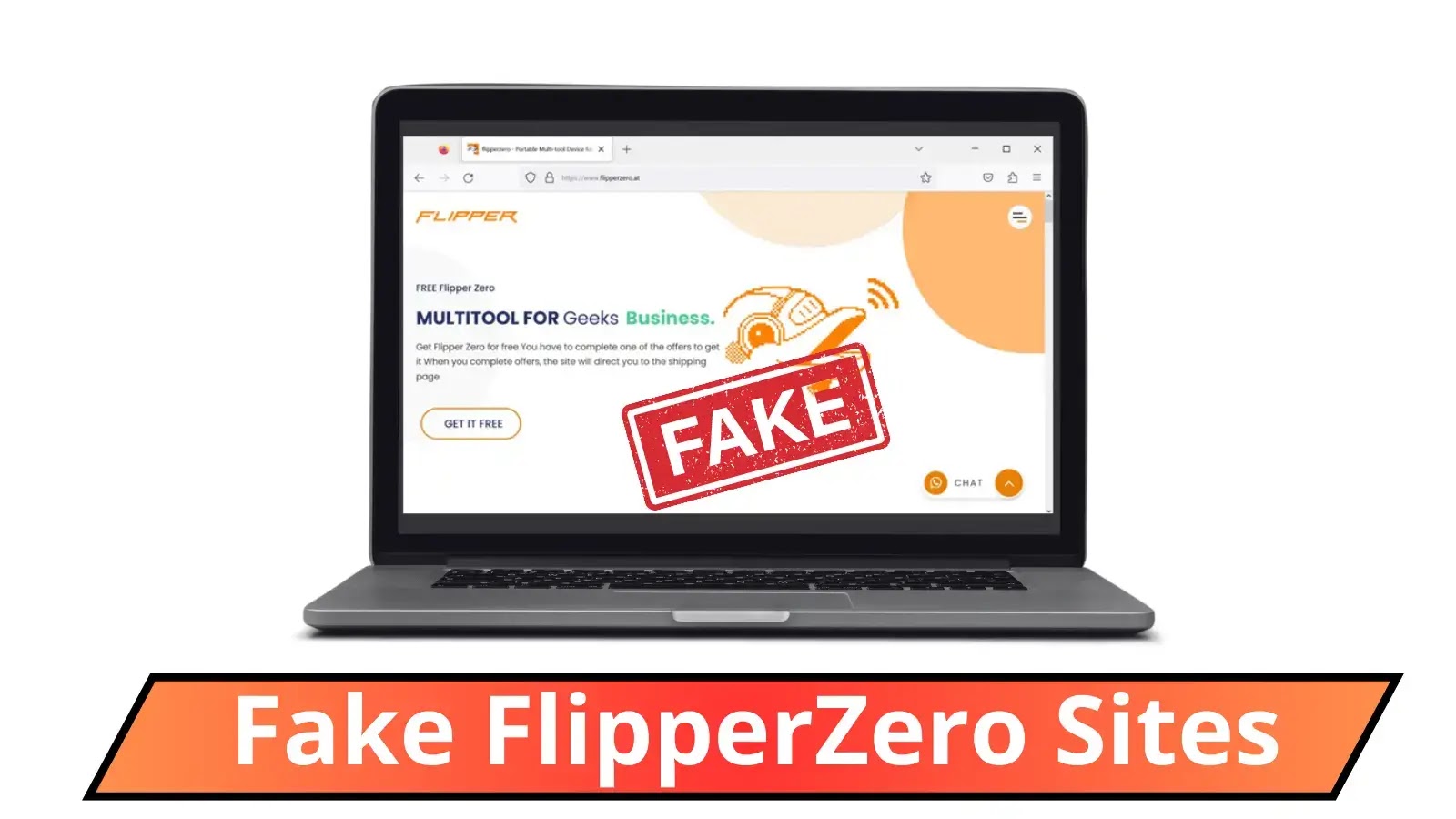
A website pretending to be Flipper Devices offers a free FlipperZero in exchange for completing an offer, but it merely directs users to insecure browser extensions and fraudulent websites.
Flipper Zero is a portable multi-functional cybersecurity gadget designed for pen testers and hackers.
The tool supports RFID emulation, digital access key cloning, radio communications, NFC, infrared, Bluetooth, and other devices, allowing researchers to experiment with a wide range of hardware.
Through a Kickstarter crowdsourcing initiative that raised $4.8 million, it was originally revealed in August 2020.
It is hardly unexpected that scammers are attempting to capitalize on the product’s success by mimicking the brand.
Scammers Impersonating the Brand
According to Bleeping Computer, the website flipperzero[.] was promoted on social media and Reddit, offering to give free Flipper Zero gadgets by simply filling out an offer.
Fake FlipperZero site [Bleeping computer]
The site pretending to be the real https://flipperzero.one/ site, including utilizing the “Copyright 2023 – flipperzero – All Rights Reserved” statement and its Terms of Use and Privacy Pages linking to the legitimate site.
Flipperzero copyright
However, most of the other links on the page go to offers hosted on the website https://trkrspace[.]com, which is notorious for hosting weird affiliate sites, surveys, and browser notification frauds.
Despite the possibility of receiving the device after completing an offer, a security researcher informed that many of the offers from these websites are fake and exist only to gather user data for use in phishing scams and other malicious campaigns.
Offered survey
Particularly, while testing several of the displayed browser warning sites, browser tech support scams indicating that a “subscription payment” had failed, our system was overloaded, or that we need security software.
Scam ads displayed by browser notifications
To safeguard customers, Fipper Devices said that they have no affiliation and are seeking to have the site deactivated.
“We can confirm that this website is not affiliated with Flipper Devices,” Flipper Devices said.
“Various websites appear from time to time, we found this one earlier, and we have a process of dealing with them to protect our customers.”
Unfortunately, the website is still active today; therefore, it is essential to watch out for the offers and only shop via the legitimate store.
Don’t you wish that your movies were more interactive? Most will say “no”, but for the rest of you, there are Netflix interactive movies. There’s a new one coming out that will let you play matchmaker. This one is called Choose Love, and it will hit Netflix at the end of the month, according to TechRadar.
If you’re not familiar with Netflix’s interactive movies, here’s a crash course. These are movies where you can actually choose the path of the story. At certain plot points, you’ll be able to choose what happens next through an on-screen menu. Think of it like playing Mass Effect on your TV. If you don’t like the path that you took, you’re able to go back and choose different options.
There are other interactive movies on the platform. You have You vs. Wild, Bandersnatched, and Escape The Undertaker. These are on the platform, so you can watch (or play, rather) them now.
Choose Love lets you play matchmaker on Netflix
This is a rom-com, so you’ll have the power to make and break relationships (no pressure). The story revolves around Cami Conway. She’s an audio engineer who states that her life is going really well; and it is. She’s in love with her boyfriend, she has a fulfilling career, and she’s generally happy.
Well, what’s to happen when she sees an old flame from years back? Also, what’s to happen when she gets moved to a new studio with a new musician who she finds attractive? AND, what’s to happen when, amid all this emotional chaos, she gets wind that her boyfriend is preparing to propose? Well, the answers to those questions are up to YOU to answer.
You’ll be able to choose who Cami eventually falls for. Do you want her to stay true to her boyfriend or chart a new path? Well, if you’re antsy to choose, you’ll have to wait until August 31st.
In a recent news report, netizens learn that the Agence France-Presse (AFP) is taking X to court. This will be a fresh court case for the rebranded social media platform previously known as Twitter. According to the news agency, X is making use of their news content without paying them.
The news agency demands payments for the reuse of its news content on X’s social media platform. Before taking this case to court, the Agence France-Presse (AFP) had demanded a payment from X for its news put to use on the platform. The news agency says that X is not willing to pay them for their news content, hence the need to take the issue to court.
While this might sound a bit of an overreach for the news agency, they are acting under the EU’s extended copyright rule. This gives them grounds to demand payment for the news content X uses on its platform. For this reason, the news agency is seeking a court order that’ll compel X to provide information on how its news content is used on the social media platform.
Elon Musk has a thing or two to say with regard to the Agence France-Presse (AFP) demands
The Agence France-Presse (AFP) claims that X is infringing their copyright. For this reason, they need to pay them for their content put to use on the social media platform. While the news agency waits on the court order, your friendly neighborhood Elon Musk has a few things to say.
After the news got to the X News Daily page, Elon took to the comment section to share his mind. He refers to the court case as being bizarre, which is also some netizens’ mindset. Elon asks how the Agence France-Presse (AFP) will expect X to pay for traffic going to their site.
His response reflects X’s standpoint on this matter, which is a refusal to pay for the news agency’s content. It’s good to also note that X is not the only tech firm that has found itself in this type of entanglement. The likes of Google and Meta are also facing such demands from news agencies in Canada.
Just like X, Google and Meta are also standing their ground on not paying news agencies for their content. Google is even threatening to restrict Canadian news on its platforms. Will X follow this tactic and avoid paying the Agence France-Presse (AFP) for the news on its social media platform? The court case between X and the French news agency will throw more light on this matter.
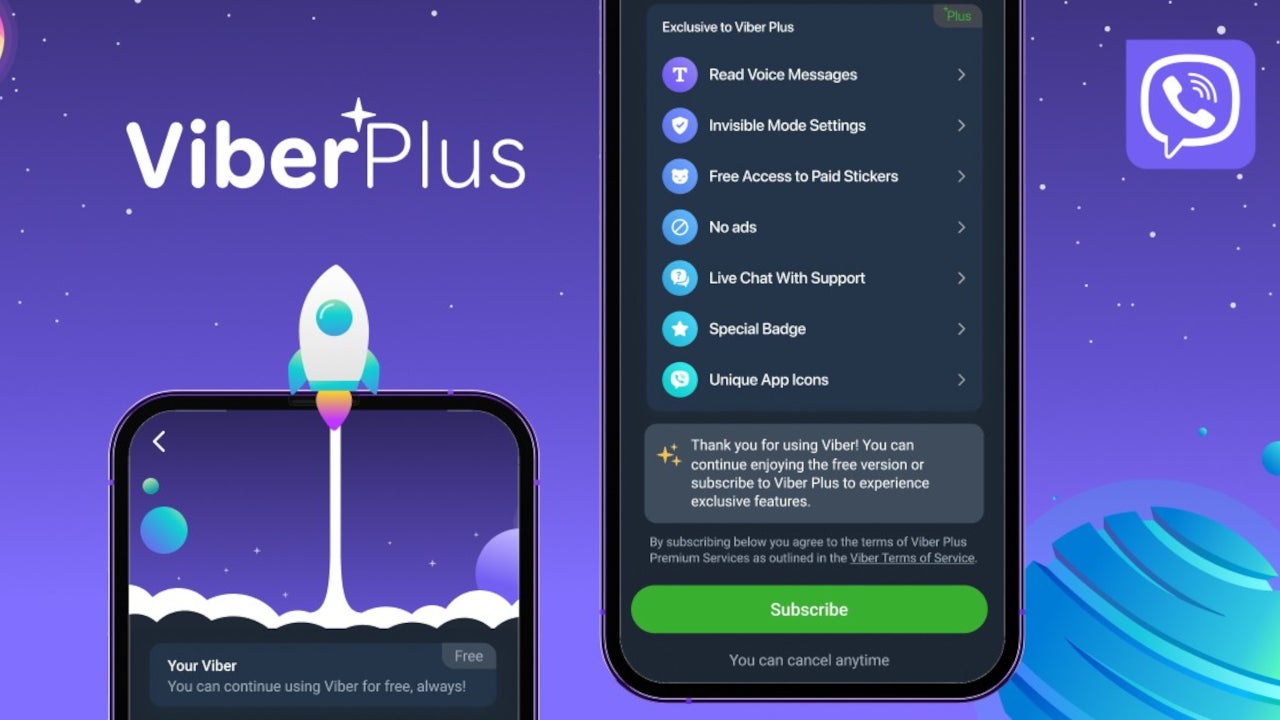
It’s been less than a month since Viber launched its premium service in the United States and several other countries, and the company has just announced it’s now rolling out two new features to those who chose to pay to be Premium users.
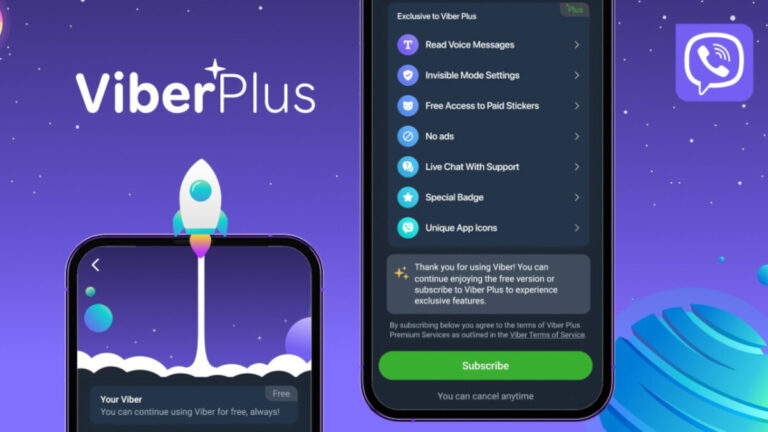
So, if you’re paying for Viber Plus, you should be getting two new important features: Invisible Mode and Read Voice Messages. Both should further enhance privacy and ease of communication on Viber.
The new Read Voice Message feature turns voice messages into text so any message can be ready anytime, anywhere. Invisible Mode is just as useful since it allows users to privately read messages and browse on the platform.
Not only that, but users will also be able to see who is online while their own status shows offline. More importantly, thanks to Invisible Mode, you’ll be able to open messages without revealing that it’s been read.
“With such a wide user base, we want to continue expanding our services to offer seamless and easy-to-use communication tools that work for our global users. Additionally, anonymity and privacy is what makes Viber a leading super app. These features add new value to Viber Plus and boost the overall experience for our users,” said Ofir Eyal, CEO of Rakuten Viber.
And if you don’t have Viber Plus yet, perhaps these two new features will make you start paying for it. To go premium, you’ll have to pay just $1.99 per month, and you’ll be getting not just new features, but you will stop seeing ads too.
The new features will be rolled out to the premium service for iOS in the US, Czech Republic, Montenegro, Switzerland, Kuwait, Australia, Tuvalu, Israel, Sweden, Austria, India, and Italy, with additional regions added on a rolling basis.
According to Viber, Android users where Viber Plus is available will have access to the two new features sometime in September.