Motorola Razr+ 2024 vs Motorola Razr 2024

0
[ad_1]

Motorola announced two new foldable smartphones the other day. We’re here to compare those devices, the Motorola Razr+ 2024 vs Motorola Razr 2024. Do note that these two phones are called the Motorola Razr 50 Ultra and Razr 50 in most markets. The names we first mentioned, and the ones that we’ll use in the rest of this article, are used in the US. The ‘Plus’ model is the more powerful one, in case you were wondering.

These two phones are quite similar design-wise, but there are also some notable differences between them. As already mentioned, one is more powerful than the other, and that goes for its cameras as well. We will first list the specs of both of these flip phones and will then move to compare them across a number of categories. Let’s get started, shall we?

Specs

Motorola Razr+ 2024 vs Motorola Razr 2024, respectively

Screen size (main):
6.9-inch fullHD+ foldable LTPO AMOLED (165Hz, HDR10+, 3,000 nits)
6.9-inch fullHD+ foldable LTPO AMOLED (120Hz, HDR10+, 3,000 nits)
Screen size (cover):
4-inch LTPO AMOLED (165Hz)
3.6-inch AMOLED (90Hz)
Display resolution (main):
2640 x 1080
Display resolution (cover):
1080 x 1272
1066 x 1056
SoC:
Qualcomm Snapdragon 8s Gen 3
MediaTek Dimensity 7300X
RAM:
12GB (LPDDR5X)
8GB (LPDDR4X)
Storage:
256GB (UFS 4.0)
256GB (UFS 2.2)
Rear cameras:
50MP (wide, f/1.7 aperture, 24mm lens, 0.8um pixel size, OIS, PDAF), 50MP (telephoto, f/2.0 aperture, 0.64um pixel size, PDAF, 2x optical zoom)
50MP (wide, f/1.7 aperture, 24mm lens, 0.8um pixel size, OIS, PDAF), 13MP (ultrawide, f/2.2 aperture, 120-degree FoV, 1.12um pixel size)
Front cameras:
32MP (wide, f/2.4 aperture, 0.7um pixel size)
Battery:
4,000mAh
4,200mAh
Charging:
45W wired, 15W wireless, 5W reverse wired (no charger)
30W wired, 15W wireless (no charger)
Dimensions (unfolded):
171.4 x 74 x 7.1 mm
171.3 x 74 x 7.3
Dimensions (folded):
88.1 x 74 x 15.3 mm
88.1 x 74 x 15.9 mm
Weight:
189 grams
188.4 grams
Connectivity:
5G, LTE, NFC, Wi-Fi, USB Type-C, Bluetooth 5.4
Security:
Side-facing fingerprint scanner
OS:
Android 14
Price:
$999
$699
Buy:
Motorola Razr+ 2024 (Best Buy)
Razr 2024 (Best Buy)

Motorola Razr+ 2024 vs Motorola Razr 2024: Design

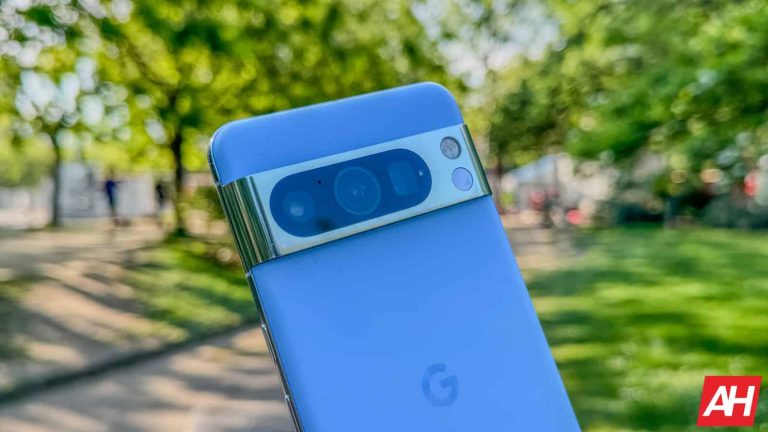
Design-wise, these two phones are very similar. The main difference can be spotted around the cover displays. The Motorola Razr+ 2024 has thinner bezels around that display, and the display is also bigger. Cameras and an LED flash are placed inside the cover display itself, on both phones. They are horizontally aligned. Motorola’s logo sits on the back of both smartphones, in the same spot. The same goes for ‘Razr’ branding too.

Looking at them from the front, when they’re unfolded, they look basically identical. There is a centered display camera hole at the top of the main display, and the bezels around the display are the same. Both phones use a frame made out of aluminum, and a stainless steel hinge. The phone has a vegan leather aka eco-leather back. Physical buttons sit on the right-hand side of both phones and their power/lock buttons double as fingerprint scanners.

The two smartphones are basically identical in terms of dimensions. The Motorola Razr+ is 0.2mm thinner when unfolded, and 0.6mm thinner when folded. Other than that, every other parameter is the same. They’re also virtually the same weight, as the difference is only 0.6 grams. The regular model is technically lighter, but you cannot feel that difference. Both smartphones are IPX8 certified for water resistance. Both phones actually do offer quite a bit of grip thanks to their vegan leather backs. They feel good to hold and use, and Motorola did a nice job with the hinge.

Motorola Razr+ 2024 vs Motorola Razr 2024: Display

Both of these phones use 6.9-inch fullHD+ (2640 x 1080) Foldable LTPO AMOLED displays. Both of those panels can project up to 1 billion colors, and both support Dolby Vision. Also, the peak brightness on both main displays is 3,000 nits. There is one difference between them, however. The panel on the Motorola Razr+ 2024 goes up to 165Hz when it comes to brightness, while the Motorola Razr’s panel hits 120Hz maximum. Screen-to-body ratio on both panels is around 85%, in case you were wondering.

Motorola Razr AM AH 02
Motorola Razr+ 2024

The cover displays are entirely different. The Motorola Razr+ 2024 features a 4-inch 1272 x 1080 LTPO AMOLED display. That display is protected by the Gorilla Glass Victus, and it has a 417 ppi. It is an LTPO AMOLED display, and it can also project up to 1 billion colors. Dolby Vision is supported, and the refresh rate goes up to 165Hz as well. The peak brightness is 2,400 nits.

The cover display on the Motorola Razr 2024 measures 3.6 inches, has a resolution of 1056 x 1066 and is protected by the Gorilla Glass Victus too. The ppi here is 413. This is an AMOLED panel (not an LTPO display, it’s an LTPS panel), and it has a 90Hz refresh rate. HDR10+ content is supported, and the display can project up to 1 billion colors. The peak brightness is 1,700 nits.

All four displays are really good, though. There’s really nothing to complain about. All four displays are vivid, have good viewing angles, and offer a good touch response. The refresh rate difference on the cover displays is there, but that won’t really bother many people. All four displays are also bright enough, even though the Razr+’s cover display does have the advantage of the cover display on the regular Razr. The crease on the main displays is identical between the two panels, and it’s about the same as it was last year. It’s not much of a problem.

Motorola Razr+ 2024 vs Motorola Razr 2024: Performance

The Motorola Razr+ 2024 is fueled by the Snapdragon 8s Gen 3 processor. That is Motorola’s brand-new chip, and it’s quite powerful. The company also included 12GB of LPDDR5X RAM inside of this phone, while the Razr 2024 offers 8GB of LPDDR4X RAM. Do note that their global variants come in two RAM options. In any case, you’ll find 256GB of storage inside both of these phones. The thing is, the ‘Plus’ model offers UFS 4.0 flash storage, while the Razr is equipped with UFS 2.2 storage.

In regards to actual performance, both do the trick day-to-day. We have not published our reviews yet, but we can safely say that the performance is good on both. They’re quite snappy when it comes to regular performance. The Razr+ does feel snappier in some situations, but they’re mostly on par. The Motorola Razr+ 2024 will likely be a better bet when it comes to gaming, though.

The Snapdragon 8s Gen 3 is the more powerful chip of the two. It’s not quite as powerful as the Snapdragon 8 Gen 3, but it’s flying high. The MediaTek Dimensity 7300X is also a compelling chip, also a 4nm processor, but a level below the processor Motorola used in its new flagship flip phone. Truth be said, both of these phones can likely run any game you can find, and run it well, but the Motorola Razr+ 2024 will have the upper hand with the most demanding titles out there. You’ll be able to read more about that in our reviews, though

Motorola Razr+ 2024 vs Motorola Razr 2024: Battery

The Motorola Razr+ 2024 includes a 4,000mAh battery on the inside. The Motorola Razr 2024, on the flip side, has a 4,200mAh battery. Based on our initial impressions, the battery life is good on both devices. More detailed findings will be accessible in our reviews, of course. The point is, the battery life seems to be good enough on both. It seems to be better than on the Galaxy Z Flip 5, based on what we’ve been able to see thus far.

The battery life seems to be in line with what the OPPO Find N3 Flip offered, or at least close to it. That’s not half bad for a flip phone, that’s for sure. The vast majority of you likely won’t need to recharge either of these two phones during the day. Just make sure you’re not expecting outstanding battery life, and you’ll be good. The battery life is good, it’s just not in line with the best regular flagships out there.

Motorola’s Razr+ 2024 handset supports 45W wired, 15W wireless, and 5W reverse wired charging. The Motorola Razr 2024, on the other hand, supports 30W wired, and 15W wireless charging. It does not offer reverse wired charging. One thing to note is that neither of these two smartphones comes with a charger in the box. You’ll need to buy it separately, unless you don’t already own a compatible one, of course.

Motorola Razr+ 2024 vs Motorola Razr 2024: Cameras

These two phones have the same main cameras, but their secondary cameras are different. The two phones include a 50-megapixel main camera with a 1/1.95-inch sensor. The secondary camera on the ‘Plus’ is a 50-megapixel telephoto unit with a 2x optical zoom. The Motorola Razr 2024 has a 13-megapixel ultrawide camera with a 120-degree FoV on the back. The front-facing camera is the same on both phones too, a 32-megapixel unit.

Motorola Razr AM AH 06
Motorola Razr 2024

With that in mind, the improvements on the main camera are noticeable compared to the Motorola Razr+ 2023. Motorola not only upgraded the sensor from a 12-megapixel to a 50-megapixel one, but this sensor is also larger. We have shot quite a few images thus far and can see improvements on the main camera. This camera offers a really good contrast in shots, and accurate exposure too. The images do look a bit processed, but in a good way, and the detail levels are also good. Low-light photos are also good, though not the best we’ve seen. They do end up nicely balanced and offer good colors.

The telephoto camera is good, but nothing to write home about, and the same actually goes for the ultrawide camera on the Motorola Razr 2024. We’ll share a lot more impressions in our full reviews, along with a bunch of images. These are only some details that we’ve noticed thus far in the review process. It’s nice to see an improvement compared to last year’s phones, though, that’s for sure.

Audio

Both of these phones have stereo speakers. You’ll be glad to know that the Motorola Razr+ 2024, in particular, got a noticeable upgrade over last year’s model. Its speakers are quite loud, much louder than the ones on the Motorola Razr+ 2023, which were already quite good. The sound quality is also good from both phones.

There is no audio jack on either of these two devices, in case you were wondering. You can either utilize their Type-C ports or go wireless. Bluetooth 5.4 is supported on both of these smartphones.


[ad_2]
Source link

Google Lens may bring Circle to Search to more devices

0
[ad_1]
Image credit —  Google
Google might be expanding the reach of Circle to Search beyond its current limitations through Google Lens. This is suggested by recent findings of hidden code in beta versions of the Google app on Android. Circle to Search is a feature first introduced on the Galaxy S24 series that allows users to easily search for information related to what’s on their screens.Google has been gradually expanding access to Pixel smartphones and aims to reach 200 million users by the end of 2024. Although not explicitly stated, it seems that Google Lens could be a key factor in achieving this goal. There have also been reports of the feature being tested on iOS and Chrome for Desktop under the Lens branding.

Several clues have been found in recent beta versions of the Google app. For example, a pop-up within Google Lens mentions searching the screen directly by holding the home button, which is how Circle to Search works. Furthermore, when using a three-button navigation bar, the Circle to Search feature could be activated from within Google Lens.

A clue that Circle to Search functionality may be embedded into Google Lens | Image credit — Android Authority


In newer betas, the Translate button and Circle to Search animation were also activated, all handled by Google Lens rather than the actual Circle to Search feature. Interestingly, Circle to Search is internally codenamed “Omnient,” while the similar feature within Google Lens is called “Lensient.” Currently, this feature within Google Lens is restricted to three-button navigation bars.One hypothesis suggests that the restriction to the three-button navigation bar might be related to the system updates required for Circle to Search on Pixel and Galaxy phones. These updates could have modified code related to gesture navigation, making it incompatible with the feature. Extending these updates to a larger number of devices might not be feasible, so limiting the functionality to the more universal three-button navigation bar could be a practical solution.

Another possibility is that Google is using Google Lens as a way to bring Circle to Search to a wider audience more quickly. Circle to Search is currently limited to recent Google and Samsung flagships, while Google Lens is supported on all devices running Android 6.0 and newer. By incorporating the functionality into Google Lens, Google could reach a larger user base without requiring system updates on a massive scale.

While these findings are based on pre-release code and may not reflect the final product, they strongly suggest that Google Lens could play a crucial role in expanding the availability of Circle to Search. This would allow more users to enjoy the convenience of searching for information directly from their screens, regardless of their device, thus democratizing the once exclusive feature.


[ad_2]
Source link

Take a good hard look at the Galaxy Z Fold 6 and Flip 6

0
[ad_1]

Samsung‘s devices are no stranger to leaking ahead of their official announcements, and so it goes with the latest phones expected to hit the market, the Galaxy Z Fold 6 and Galaxy Z Flip 6, which have just leaked in full view courtesy of Evan Blass.

These leaks are high-quality images of what appear to be official renders. So you get an eyeful of both phones. So far, this is the best look yet that we’ve seen of both the Galaxy Z Fold 6 and Galaxy Z Flip 6. Although it’s hardly the first time these phones have popped up, especially in recent weeks.

Just earlier this week, in fact, both phones were leaked in renders of their official Samsung cases. The images showed the phone inside the cases and not just the cases themselves. However, these new renders are of just the phones and with pretty decent clarity.

Both the Galaxy Z Fold 6 and Galaxy Z Flip 6 come in two colors

Judging from the renders, and according to the details from Evan Blass, there are two colors of each phone. The Galaxy Z Fold 6 will be available in Navy and Silver, while the Galaxy Z Flip 6 will be available in Blue and Silver. Of course, the Blue on the Galaxy Z Flip 6 is a very light Blue and not as deep in color as you might expect. It almost looks like sky blue or periwinkle blue. If you slap the periwinkle C3D9FF hex code into a color picker, in fact, the blue you get looks almost spot on with the Galaxy Z Flip 6 blue.

The Galaxy Z Fold 6 is quite a bit darker, which is expected given it’s a navy color. And quite honestly, I dig it. The deeper blue is really, really nice. Plus, it’s a nice change of pace from the silver and black you see on phones all the time. Samsung is expected to announce the Galaxy Z Fold 6 and Galaxy Z Flip 6 at Galaxy Unpacked on July 10. And although Samsung hasn’t confirmed the announcement of either phone, it has been putting out teasers of the phones. July 10 is just around the corner, so we should know more about each device soon enough.

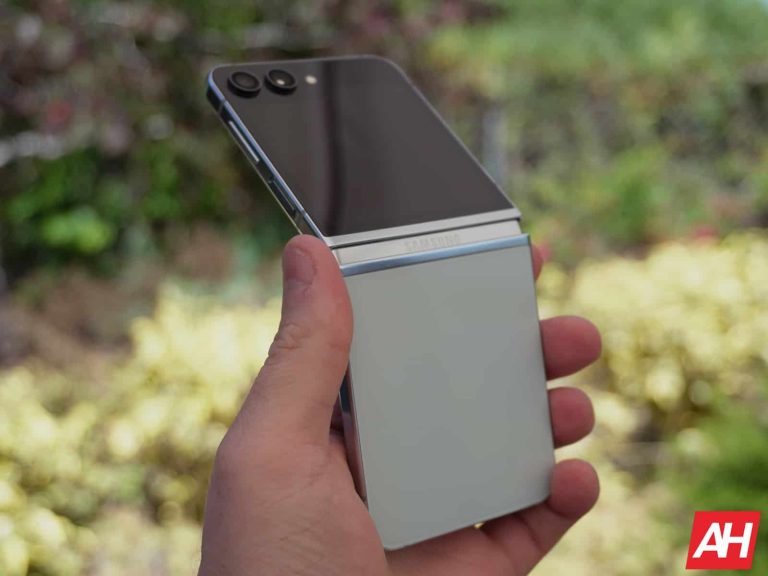
Samsung Galaxy Z Fold 6

Samsung Galaxy Z Flip 6


[ad_2]
Source link

The Leaks keep coming! More Galaxy Buds 3 images

0
[ad_1]

Recently, we showed off some high-res images of Samsung’s highly disappointing Galaxy Buds 3 series. Well, Mr. Evan Blass wasn’t done giving us our early Christmas gifts. We have more leaked images of the Galaxy Buds 3 and Galaxy Buds 3 Pro.

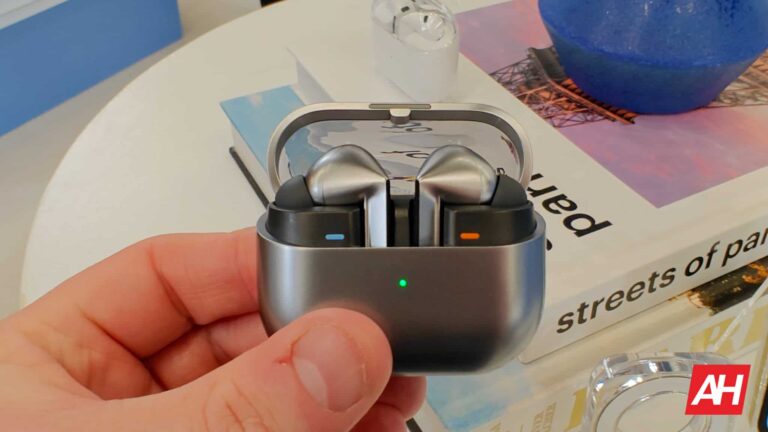
Earlier today we got some images of Samsung’s next flagship wearable audio gear, and we can’t deny that they look similar to AirPods. This is especially true for the Galaxy Buds 3 Pro. These get rid of the silicone tips and take on an aesthetic closer to what we see with AirPods.

Along with that, Samsung also opted for a stemmed design. So, rather than using the radical and exotic shapes we’ve seen, Samsung has defaulted to a more standard look. The stemmed look brings some additional functionality. Reports point to a squeeze gesture for the Galaxy Buds 3. This might be the reason for the black line running the length of the stem.

Above are the previous images we got. They show what we expect to be the Galaxy Buds 3 in silver and the Pro in white. They also show us the case in silver.

We have more images of the Galaxy Buds 3 and Buds 3 Pro

So, with this batch of images, we have the opposite; we see the regular Buds 3 in white with the Pro in silver. Just like with the other leak, we see that both models sport a stemmed design along with a line down the middle. Also, they both have colored stripes on the bottom. We’re not sure if those stripes are painted on or if they’re lights.

Along with the buds, we also see the case. This time, it’s white to match the Galaxy Buds 3. We see that the top of the case is transparent. There are colored lights on each side of the case, and they match the colored stripes on the bottom of the buds.

We’re still waiting for more information about these earbuds. Rumors point to them having up to 24 hours of battery life and IP54 water and dust resistance. We don’t know how much these are going to cost, but we expect to find out during Samsung’s next Galaxy Unpacked event.

Oh Samsung, how far you’ve fallen…

If you recall, it appears that Samsung has given up originality in order to be more like Apple. It’s a sad thing to see, especially if you’ve been around when Samsung’s and Apple’s devices couldn’t be more different. Think back to the Galaxy S6 Edge vs. the iPhone 6s. It was like looking at two different beasts.

However, there’s no denying it; Samsung has gone rogue. The Galaxy S24 phones adopted the iPhone-esque flat edges, the Galaxy Tab series looks similar to the iPad series, the Galaxy Watch 7 Pro is going for a square aesthetic, and it looks like the Galaxy S25 might also lose its identity and opt for a rounder aesthetic like an iPhone.

We also can’t forget about software attributes that Samsung lifted from Apple like widget stacks and the lock screen customizations. This is a trend that we’ve seen from other Android OEMs, but Samsung was the beacon atop Android tower, constantly being the solar opposite of Apple. Its devices have defined Android and showed the world that the iPhone isn’t the definitive smartphone.

But, with all of the things that it’s taking from Apple, and the fact that it’s taken the tactic of sitting on the same design for multiple generations, it’s clear that Samsung has jumped ship. Since Samsung wants to be the new Apple, what company is going to be the new Samsung?


[ad_2]
Source link

Bluesky introduces “starter packs” to help new users find their community

0
[ad_1]

Image credit — Bluesky

Bluesky has introduced a new feature called “starter packs” to help both new and existing users discover relevant accounts and custom feeds on the platform. This move aims to address the common challenge of finding interesting content when joining a new social network.

Starter packs are essentially curated lists of up to 50 accounts and three custom feeds, tailored around specific interests or themes. Existing users can create and share these packs, making it easier for newcomers to quickly populate their feeds with relevant content. The feature is not only useful for new users as even those who have been on Bluesky for a while can benefit from discovering new accounts and feeds through starter packs.

Starter packs can be shared on Bluesky | Image credit — Bluesky

One of the highlights of this feature is its integration with Bluesky’s custom feeds. These are algorithmic feeds created by users, offering a personalized way to consume content. Starter packs often include custom feeds alongside recommended accounts, making it even easier to find relevant topics.The introduction of starter packs comes at a time when many users are seeking alternatives to platforms like Twitter. By providing a curated onboarding experience, Bluesky hopes to attract and retain users who are looking for a more tailored and engaging social media experience.

To access starter packs, users can either scan a QR code shared by someone or find them directly on the Bluesky platform. The feature is available to all Bluesky users and can be used to discover new accounts, explore custom feeds, and connect with communities of shared interests.

With starter packs, Bluesky not only simplifies the onboarding process but also encourages the exploration of a variety of content within the platform. Whether you’re new to Bluesky or a long-time user, starter packs should offer a convenient way to connect with like-minded people.

[ad_2]
Source link

Here are the Galaxy Watch Ultra and Watch 7 in all their glory

0
[ad_1]

The Galaxy Watch Ultra and Galaxy Watch 7 both leaked in official-looking renders earlier this morning and now more images are popping up to give people an alternative look at Samsung‘s two upcoming smartwatches. Both the Galaxy Watch Ultra and Galaxy Watch 7 are expected to be announced at Samsung’s upcoming Galaxy Unpacked event. This event takes place on July 10, so official announcements or reveals are still weeks away.

However, that hasn’t stopped the deluge of leaks about either device over the past few months. And now with what looks like official renders out there, there’s little left to learn about either new watch. Save for the pricing and availability and any new features. Many of the device specs have leaked already, though it’s important to keep in mind that these haven’t been confirmed. Despite the lack of confirmation, some of the leaked information may not be far off. Of course, we can’t be certain until Samsung reveals these two new watches.

New Galaxy Watch Ultra and Galaxy Watch 7 renders leave little to the imagination

When it comes to design there’s little that isn’t already known about the Galaxy Watch Ultra and Galaxy Watch 7. Thanks to the leak this morning, and a leak from earlier this year, we already know the Galaxy Watch Ultra has a square-like case. It’s a departure from Samsung’s usual designs. As the company hasn’t released a square smartwatch since the days of the Galaxy Gear and Gear S. That being said, the Galaxy Watch Ultra is more of a squircle, so this is technically different.

The Galaxy Watch 7 meanwhile takes on the same design fans of the Galaxy smartwatches have come to know and love. A round watch face with two side buttons and matte finish metal for the watch case in a few different colors. The additional images leaked are fairly similar to those from this morning, albeit from slightly different angles, and one where the watch band is unfastened so you can see it stretched out.

As noted in our previous post, the Galaxy Watch Ultra comes in either black or silver. With band color options that include white, orange, and black. The Galaxy Watch 7 will offer what looks like three colors for the watch itself, and these will be silver, titanium, and what appears to be a champagne gold color. The bands meanwhile will be offered in white and what looks an olive green.

Samsung Galaxy Watch 7

Samsung Galaxy Watch Ultra


[ad_2]
Source link

Dirac and Bluesound partner to boost your audio setup

0
[ad_1]

Life is better when we all work together! Dirac and Bluesound, two popular audio companies, have partnered to help boost your room’s audio setup. Through this partnership, select Bluesound devices will come with Dirac Live out of the box. This is great for people who want to get the most from their speakers.

When you listen to music in your room, there’s a chance that your room could have a negative effect on the sound you’re hearing. It could be the shape of the room, the objects in it, etc. These could cause sound waves to clump in certain areas. It could also cause some sound waves to be too quiet.

Dirac is a company that primarily focuses on room audio correction. This tunes the audio so that it compensates for whatever effect your room has on it. It will tune it so that the audio sounds crisp and clear.

Dirac partnered with Bluesound to help improve your multi-room audio

If you’re an audiophile, audio engineer, composer, etc., then you’ll want to make sure that you’re hearing the audio as clearly as possible. This is true even if you have a quality speaker. Bluesound is a company that makes some great speakers. The company specializes in upper-tier and luxury speakers. Its portfolio includes speakers for personal use and for your home theater.

If you have such high-quality speakers, then you’ll want to make sure that you’re hearing the best possible sound. This is where this partnership comes in. As noted by the two companies, future Bluesound devices will come with Dirac Live compatibility out of the box. While this is good news, neither company indicated which devices will come Dirac-ready.

If you buy one of those devices, it will be able to use the Dirac Live software once you purchase a Dirac license. This means that you’ll be able to calibrate the Bluesound speaker using the Dirac Live software right away.

Bringing the Dirac software to you

Dirac Live is a software solution, but you have the option to purchase a calibration kit. The report states that Bluesound will make calibration kits available to purchase on its site. On the Bluesound website. The company will offer the kit when the first Dirac-ready device becomes available to purchase.

What’s neat is the fact that the companies are exploring making these speakers backwards-compatible. So, your current Bluesound speakers might eventually be compatible with Dirac Live.

If you’re excited about improving your audio setup, then you’ll want to keep an ear out for new updates.


[ad_2]
Source link

ASUS reveals the VivoWatch 6, its new health-focused smartwatch

0
[ad_1]

ASUS has announced the VivoWatch 6 today, and it’s the company’s new flagship smartwatch for “staying in touch with your wellness”. The VivoWatch 6 is in line with ASUS’ previous smartwatch offerings in the Vivo line, focusing less on general smartwatch features and more on health management.

While much of the watch is pretty standard for what you would expect a smartwatch to have, it does come with one unique feature that no other smartwatch on the market offers. The VivoWatch 6 isn’t running on Wear OS either. Instead, ASUS has opted to continue using its own OS and UI. The watch works with both Android and iOS too, so if you aren’t fond of the Apple Watch, you can pair this to your iPhone instead.

Again this is more of a health and fitness watch than a smartwatch. It’ll certainly show you smartphone notifications and you can use the VivoWatch 6 as an alarm clock, a stopwatch, or even a remote camera button for your phone. But the major focus is on health. “Leveraging cutting-edge innovations and years of medical expertise, ASUS VivoWatch 6 is designed to help users keep track of their long-term health goals easily, allowing them to monitor vital health stats anytime, anywhere to truly achieve preventive healthcare,” said Sharon Pan, senior director of Smart Health Product Planning at ASUS.

The VivoWatch 6 is the world’s first smartwatch announced with finger-based measurement sensors

This is what really sets the VivoWatch 6 apart from other smartwatches on the market right now. ASUS has equipped the watch with two medical-grade ECG and PPG sensors that use your fingertips. Two sensors placed on the sides of the watch face allow you to measure things like body fat and skeletal muscle percentages. In addition to water content and basal metabolic rate. At any point, you can place your index finger and thumb on the sensors (one on each side) and measure any of these metrics.

ASUS says this is a more accurate way of taking those measurements due to the higher microvascular density in your fingertips. There’s a set of sensors on the back of the watch as well. These measure things like your body’s vitals, including during sleep, and are used for things like heart rate and sleep tracking.

ASUS VivoWatch 6 (2)

Battery life for days

There’s always one main issue that most people have with their smartwatches. Battery life. Or in some cases, lack thereof. The VivoWatch 6 shouldn’t present that issue to its wearers. In its regular mode, it offers up to 9 days of battery life on a single charge, and that’s a significant amount of days more than what you’ll get with anything that runs on Wear OS. And if you put it into battery-saving mode, ASUS says it’ll last up to 14 days.

In terms of other specs, the VivoWatch 6 has a 1.39-inch AMOLED display protected by Gorilla Glass 3. The display also has a peak brightness of 350 nits. Additionally, it has a 5ATM rating for water resistance. The battery meanwhile, is 290mAh. It comes with dual-frequency GPS as well. Overall, on paper, it’s a capable smartwatch that has a lot to offer the health-conscious user.

ASUS doesn’t have pricing or availability listed on the website. However, previous VivoWatch models are available in the US both from ASUS directly and from retailers like Amazon. So this should make it to the US as well. That being said, PhoneArena does mention that ASUS has stated the VivoWatch 6 would cost £110 / €130 / $140.


[ad_2]
Source link

YouTube Premium adds new features like Jump Ahead and Picture-in-Picture for Shorts

0
[ad_1]

Image credit — PhoneArena

YouTube Premium members are getting several new features aimed at improving the user experience, including easier skipping to key video moments, offline viewing options, and early access to experimental features.

Skipping to favorite parts in videos

Premium subscribers using Android devices in the U.S. can now take advantage of a new “jump ahead” button which will appear when you double-tap to skip ahead. This feature is designed to quickly navigate to the most interesting parts of a video. The feature is powered by AI and viewership data, and will be available to iOS users in the coming weeks.

A new “jump ahead” button will appear when you double-tap to skip ahead on a video | Video credit — Google

Picture-in-Picture mode for YouTube Shorts

Multitasking while watching YouTube Shorts will now be easier with the new picture-in-picture feature available for Android devices. This allows users to browse other apps or check messages while Shorts continue playing in a small window.

YouTube Shorts now have a picture-in-picture mode for Premium subscribers | Video credit — Google

Early access to experimental features

In addition to these new features, YouTube Premium subscribers also get early access to experimental features such as:
  • Smart downloads for YouTube Shorts: Automatically download new Shorts to your phone for offline viewing.
  • Conversational AI: An assistive tool that can answer questions and suggest related content on Android devices in the US.
  • Redesigned Watch Page: A new watch page on web to enhance viewing experience and facilitate content discovery and engagement.

These new features are just the latest additions to YouTube Premium. All of these, according to the company, have contributed to a major milestone for YouTube, with over 100 million YouTube Music and Premium subscribers worldwide.

It should be noted that this plan also includes features like enhanced 1080p HD video quality and the ability to pick up where you left off on any video. YouTube Music Premium members also get ad-free music, offline listening, background play, and the Samples tab to discover new music. It’s the best option right now for an ad-free experience on YouTube without resorting to ad-blocking measures that could compromise the status of your account.


[ad_2]
Source link

YouTube may bet heavily on the AI-generated music segment

0
[ad_1]

It seems that YouTube wants to invest fully in the AI-generated music segment. The company wants to do it fairly, reaching licensing agreements with record labels. This could greatly benefit the YouTube Music service too. However, multiple artists do not agree with the use of AI in music.

AI-based tools took the tech industry by storm, offering capabilities that were unimaginable until relatively recently. They can generate music, images, and even videos. However, this sparked a debate about possible copyright infringements. After all, it is sometimes difficult to determine whether the multimedia used to train AI models is licensed. This has led to situations such as lawsuits against services like AI Udio and Suno.

YouTube allegedly seeking license deals with major labels for AI-Generated music

Due to the sudden impact of AI on the segment, there is still no complete clarity on fair agreements between artists, record labels, and developers of AI-powered tools. However, platforms like YouTube do not want to be left behind in the emerging AI-generated music segment. According to a recent report, the company would be in talks with Universal, Sony, and Warner. The goal would be agreements to use music from artists on those labels to train AI models.

The company would look for agreements based on a single payment that allow them to use the artists’ musical catalog. That said, artists may not be entirely on board if there is not fair compensation for them as well. However, being able to grant musical rights to third parties will depend on how much control the record labels have over the media content.

Multiple artists still reluctant to use AI in the music industry

In April, more than 200 artists signed an open letter against AI in the music industry. More specifically, they criticized the use of their work to train AI models without authorization. As of today, there is still no firm legislation for this type of situation. Meanwhile, artists, record labels, and third parties will have to seek favorable agreements through negotiation.

YouTube has tried to ensure that the use of generative AI on its platform does not mean that artists lose control over their work. The company requires that AI-generated content (be it music or videos) be labeled as such. Additionally, they allow artists to request the removal of media based on their works if they wish. It will be interesting to see if the negotiations result in agreements that leave all parties happy. After all, generative AI is here to stay, and the industry must adapt to it.


[ad_2]
Source link